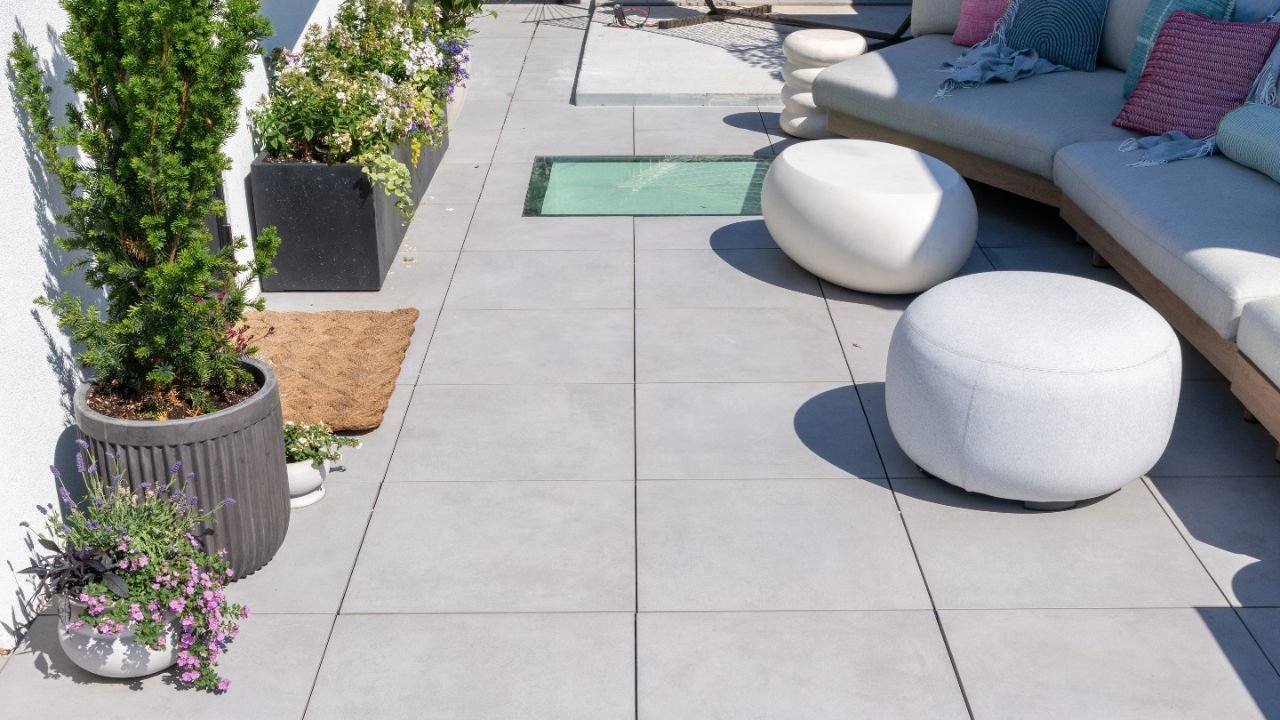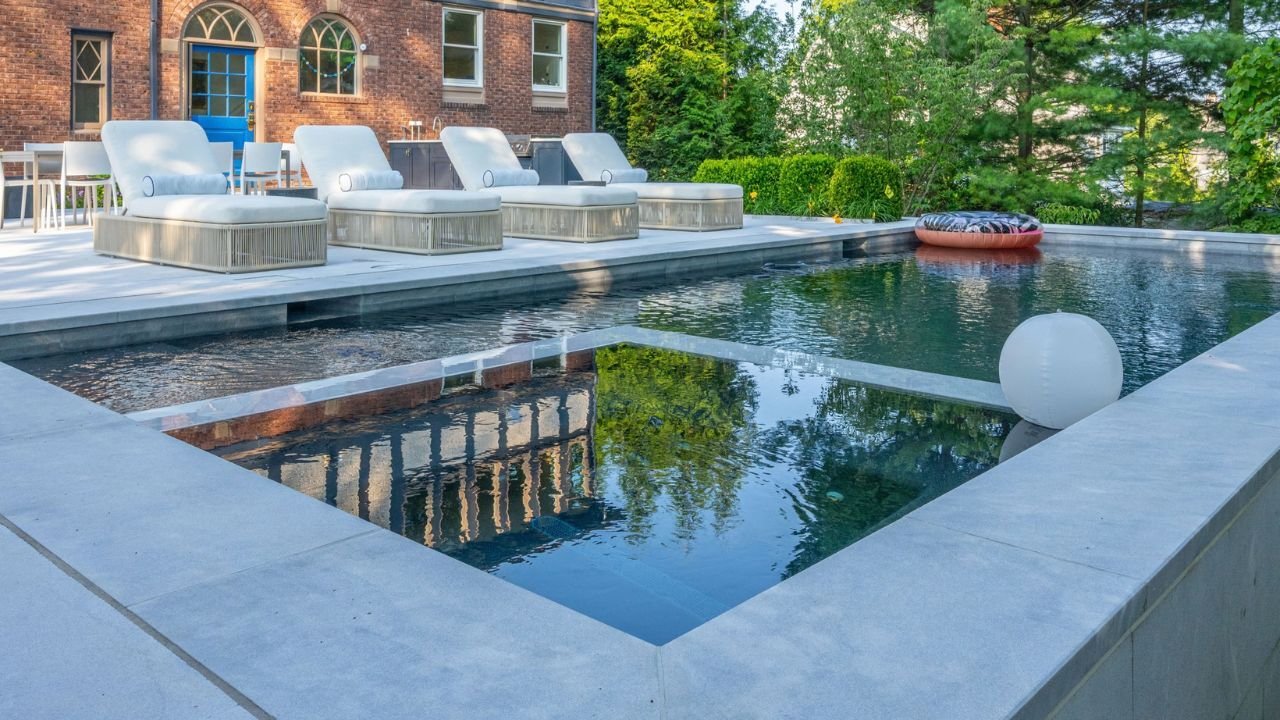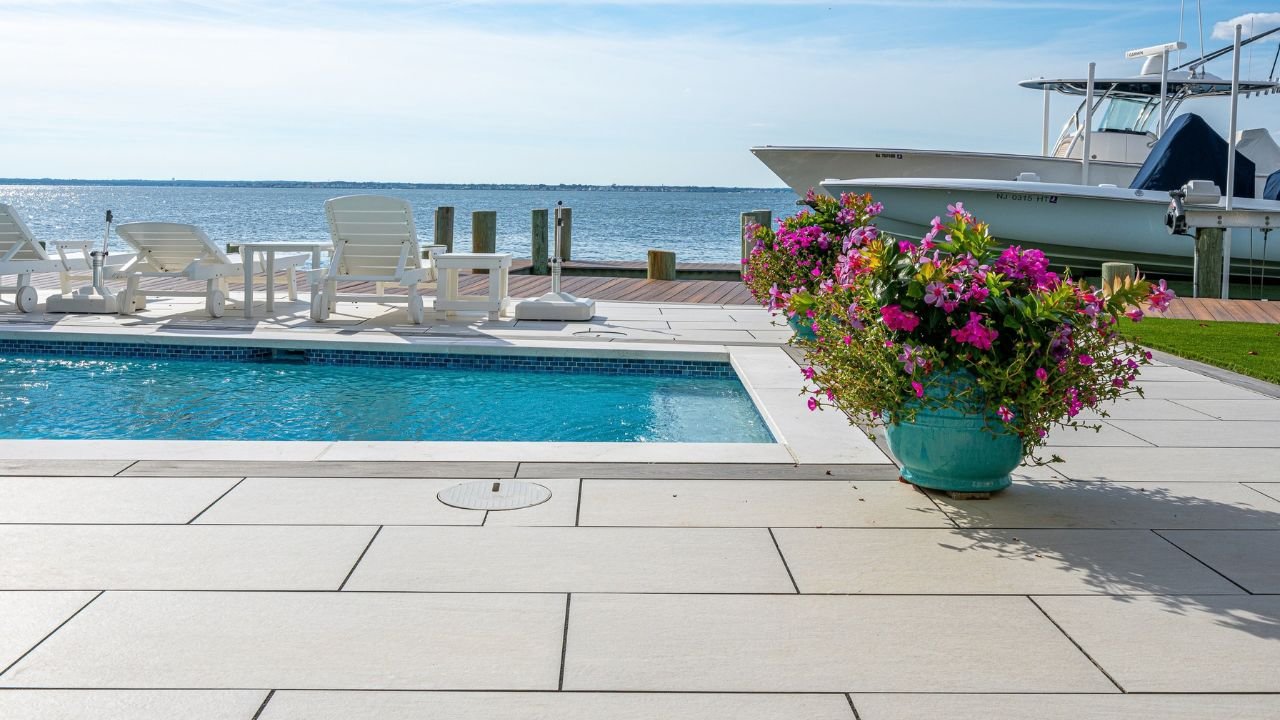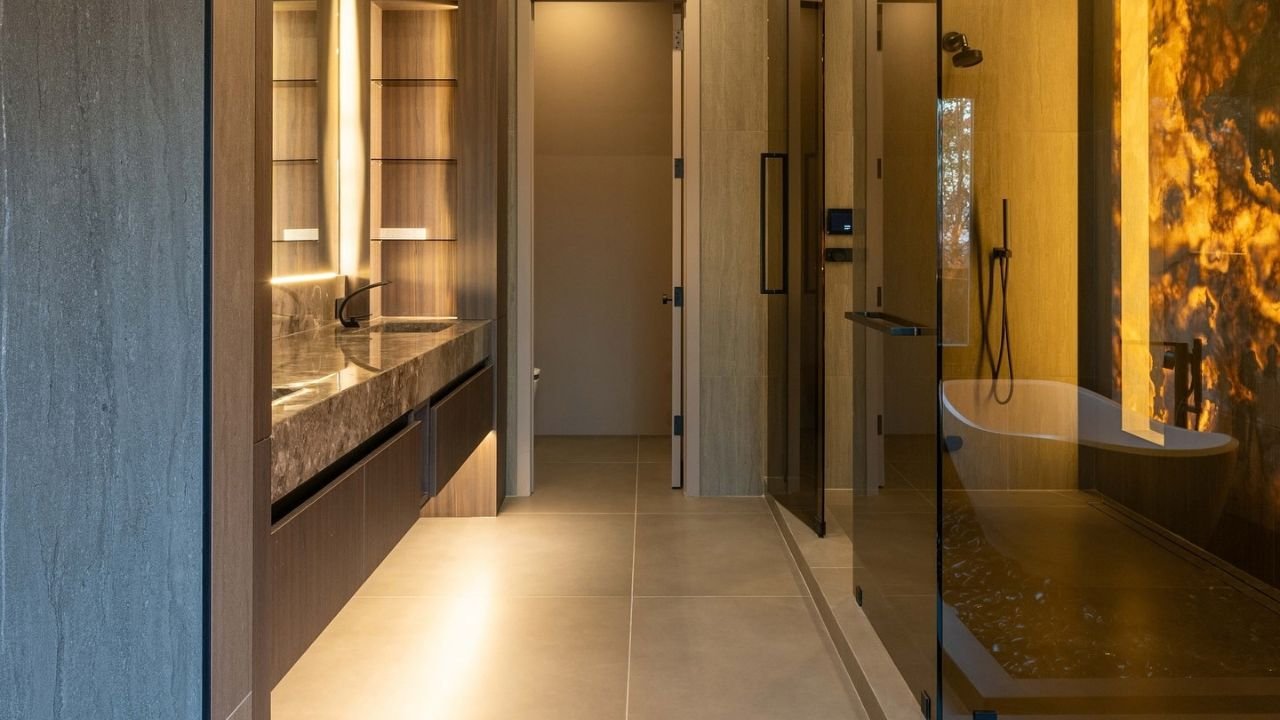

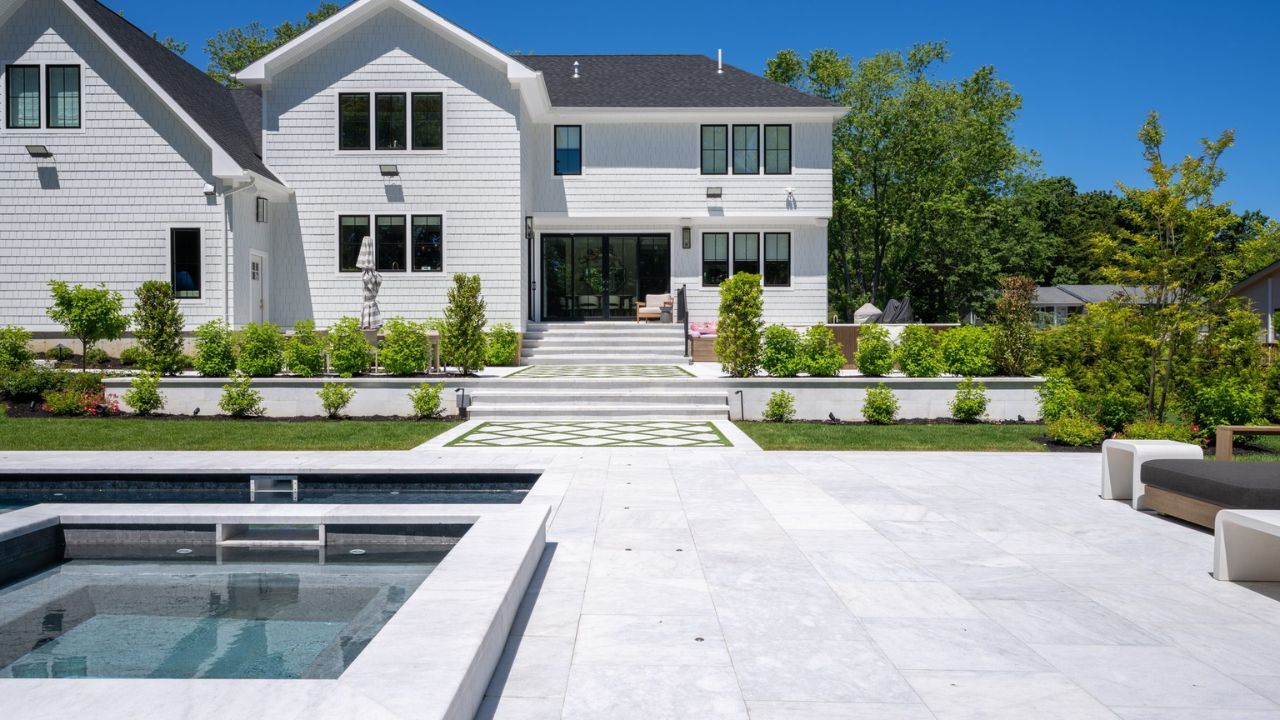
Marble flooring is one of the most stunning parts of the indoors and outdoors, making it a popular choice in home design. Homeowners prefer marble especially as outdoor flooring material because of its beautiful natural veining pattern, comfortable surface, and expensive look. These qualities make marble one of the most recognized natural stone options, even for outdoors. However, marble is not a perfect stone for flooring either. It does have its flaws while offering a unique, natural beauty. Knowing the marble floor pros and cons can help homeowners make an informed decision. They can decide if they should use marble flooring for their landscaping. Continue reading the following to learn more about it.
Marble Flooring Pros and Cons: Comparison Table
Marble does not work equally for every residential outdoor. Families with pets, children, or heavy foot traffic may face different challenges than homeowners designing a formal living space. Check out the table below to learn more about this.
| Factor | Pros of Marble
Flooring |
Cons of Marble Flooring |
| Appearance | Natural veining creates a unique, high-end look that manufactured flooring cannot fully replicate. | Pattern variation means each batch differs, making future replacements harder to match. |
| Durability | Can last 50–100+ years with proper installation and maintenance. | Softer than granite, making it more susceptible to scratches and edge chipping. |
| Home Value | Often increases perceived property value and appeals to buyers seeking premium finishes; marble flooring is a top choice in home design. | Higher installation costs may not deliver the same return in every housing market. |
| Maintenance | Surface can be restored through professional polishing instead of full replacement. | Requires routine sealing and prompt spill cleanup to protect against stains. |
| Stain Resistance | Performs well when sealed correctly. | Unsealed marble absorbs liquids such as wine, oil, and coffee. |
| Etching Resistance | Maintains a polished finish when cleaned with stone-safe products. | Acidic foods and cleaners can dull the surface through etching. |
| Heat Performance | Naturally cool underfoot, making it comfortable in warm climates. | Can feel cold during winter without radiant floor heating or area rugs. |
| Slip Resistance | Honed finishes offer better grip than polished marble. | Polished marble can become slippery when wet. |
| Design Flexibility | Available in a wide range of colors, veining patterns, tile sizes, and finishes. | Premium marble varieties often come with higher material costs and longer lead times. |
| Environmental Impact | Natural stone has a long service life, reducing replacement frequency over decades. | Quarrying and transportation contribute to environmental impacts. |
| Repairability | Individual tiles can often be replaced if damaged. | Finding an exact color and veining match years later can be difficult. |
| Best Applications | Ideal for entryways, living rooms, bathrooms, dining rooms, and luxury kitchens. | Less suitable for busy commercial spaces or households seeking zero maintenance. |
Marble Flooring Pros Beyond Appearance
Many people choose marble tile and pavers because it looks beautiful. While that is true, its value extends far beyond appearance.
A Floor That Never Looks Mass-Produced
Every marble floor tile features a unique veining formed over millions of years. This means your outdoor floor becomes a one-of-a-kind feature that cannot be duplicated. Whether you prefer Carrara marble, crema marfil, or Calacatta marble, these types of marble create depth naturally throughout a room.
Exceptional Longevity
Marble stone flooring is not just about aesthetics but a long-term investment. When installed properly, marble floors usually last several decades and can remain in excellent condition for generations. Unlike vinyl or laminate, marble can be refinished professionally when the surface shows signs of wear over time outdoors.
Adds Long-Term Property Value
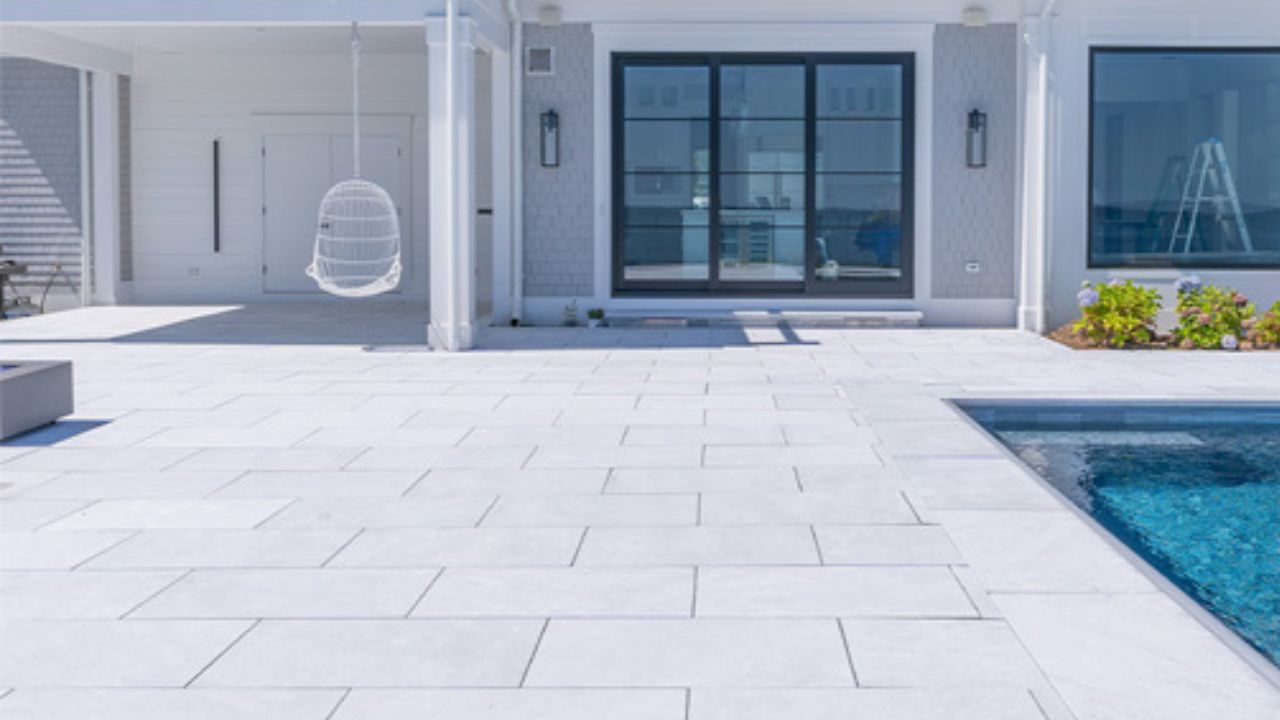
Outdoor stone flooring attracts immediate attention from potential buyers because it shows premium material usage right from the entrance. While marble alone does not guarantee a higher selling price, it usually increases a home’s perceived value. Especially when used in entryways and luxury outdoor living spaces. Marble will definitely end up improving the value.
Naturally Cool Underfoot
Marble has good thermal properties while remaining naturally cool in warm climates. This is a huge benefit for homeowners in hot climates. This feature creates a comfortable outdoor environment even when the surface is exposed to sunlight consistently.
It also performs well with radiant floor heating systems in colder climates.
Improves Natural Light
Polished marble reflects sunlight and interior lighting. This reflection helps in making smaller rooms appear larger. Marble can brighten the darker interiors and reduce the need for excessive artificial lighting during the day.
Fits Many Interior Styles
Although marble often appears in traditional homes, today’s designers use it across many styles, including:
- Modern minimalist homes
- Contemporary interiors
- Mediterranean architecture
- Transitional designs
- Luxury farmhouse kitchens
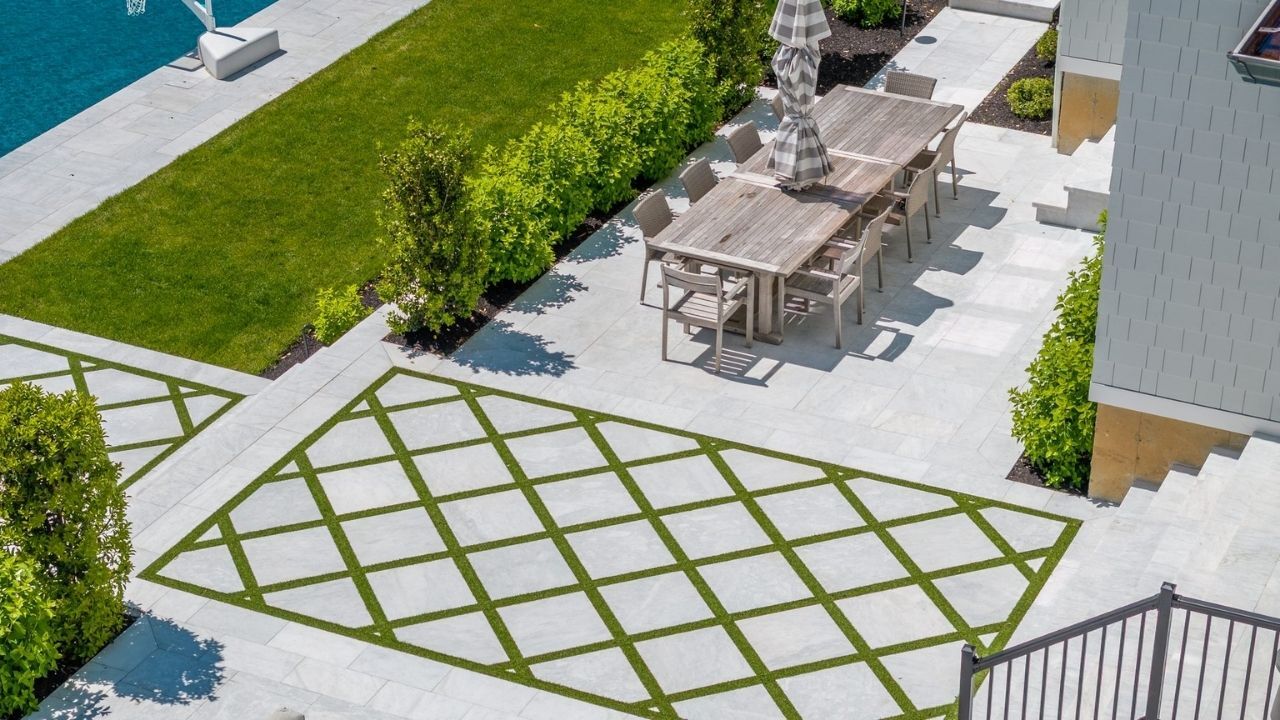
Marble pavers are perfect for luxurious spa-like pool areas, while mosaic can help you build an intentional piece of art for outdoors. Its versatility explains why marble continues to remain relevant year after year.
Marble Flooring Cons: The Challenges With Marble
Marble, though, has many strengths, but homeowners who prefer it should also understand its limitations before making a decision.
Marble Is More Porous Than Many Stones
Marble has a naturally porous surface, which is around 0.5% to 2%. This is why it requires regular sealing with a quality penetrating sealer. Without sealing, common household spills like coffee, red wine, cooking oil, and fruit juice can leave permanent stains.
Most residential marble floors benefit from resealing every one to three years, depending on usage.
Acid Can Damage the Finish
One of the major problems with marble surfaces is etching. This usually happens when acidic elements touch the surface. Marble is extremely sensitive to acidic substances such as lemon juice, vinegar, tomato sauce, and certain bathroom cleaners.
These substances dull polished marble even when they do not leave visible stains. Using pH-neutral stone cleaners helps preserve the finish.
Suspected To Scratches
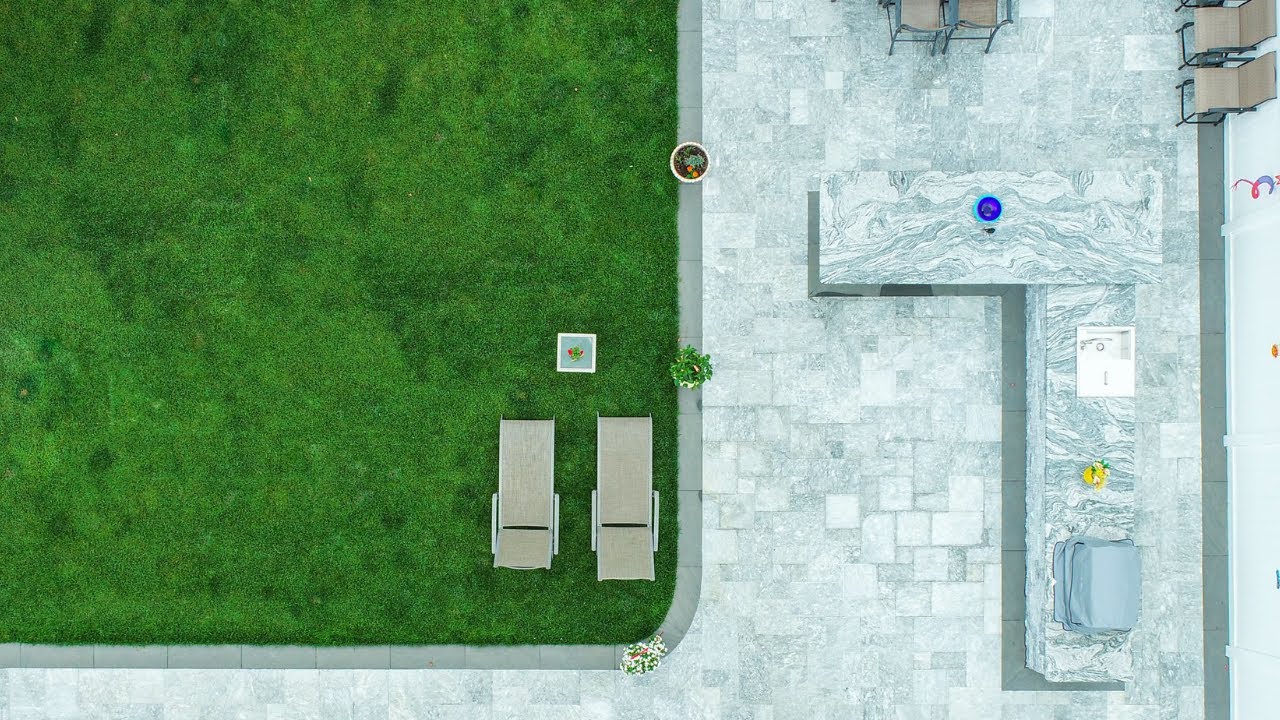
Marble ranks around 3-5 on the Mohs hardness scale, which makes it much softer than granite. Daily wear from sand, pet nails, heavy furniture, and grit tracked outdoors can create fine scratches over time.
Area rugs, felt furniture pads, and routine sweeping help reduce this risk.
Installation Costs More
requires experienced stone installers. The subfloor needs to be level, the gravel joint should stay consistent, and natural veining often requires careful layout planning. This is why marble flooring installation costs more than ceramic tile or laminate, but quality workmanship protects your investment.
Maintenance Requires Commitment
Homeowners who cannot tolerate regular floor maintenance can avoid marble as their flooring option. Marble is a demanding material when it comes to maintenance, and its slippery surface can be a disadvantage in some settings. Regular care includes dust removal, gentle marble cleaning, prompt spill cleanup, and periodic sealing.
These steps preserve both appearance and durability.
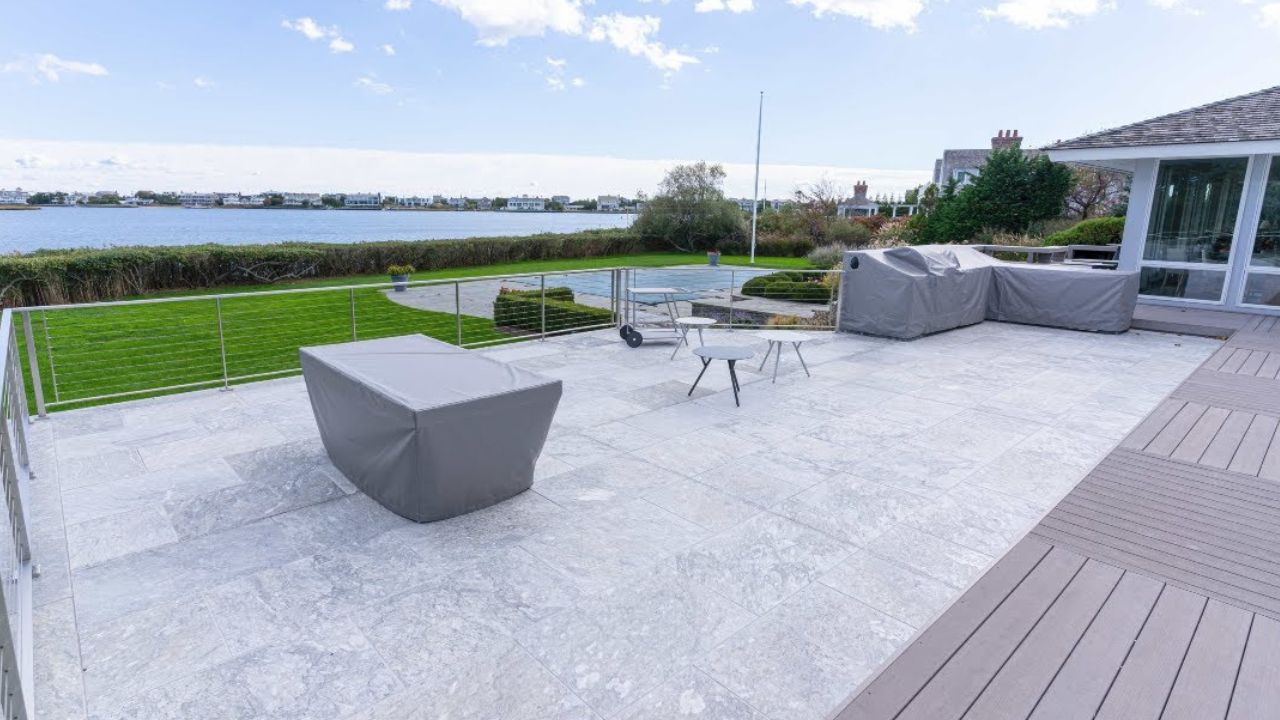
Marble vs Other Natural Stone Flooring: Which One Fits Your Home?
Another important thing to consider after Marble Flooring Pros and Cons is how tile flooring like porcelain tiles compares to marble.
Here is a comparison of marble with granite, limestone, and travertine.
| Feature | Marble | Granite | Limestone | Travertine |
| Appearance | Elegant veining | Speckled minerals | Soft, uniform texture | Natural pits and movement |
| Hardness | Moderate | Excellent | Moderate | Moderate |
| Scratch Resistance | Good | Excellent | Fair | Fair |
| Maintenance | Moderate | Low | Moderate | Moderate |
| Stain Resistance | Good when sealed | Excellent | Good when sealed | Good when sealed |
| Best Outdoor Use | Pool Edges and decks, Low traffic Patios and Entryways | Driveways, Pooldecks, walkways, Driveways | Non-slip garden walkways, Pool Decks and Retaining walls | Pool decks, patios, outdoor showers, walkways and steps |
| Resale Appeal | Excellent | Excellent | High | High |
| Overall Investment | Premium | Premium | Mid to Premium | Mid to Premium |
Granite is ideal for high-traffic corridors and mostly for commercial projects, kitchen islands, slabs, and bathroom vanities. Travertine has a naturally warm tone with a distinct aged look, while limestone offers a softer and warmer appearance. However, marble is a highly preferred choice when homeowners want elegance and a lasting appearance for decades. NT Pavers helps homeowners to compare these materials according to their lifestyle instead of just appearance. This can help them make a more informed decision.
Marble Flooring Pros and Cons FAQs
Let’s answer your questions about the pros and cons of marble.
Does marble flooring increase home value?
Yes. Installing marble floors shows how the homeowner considered premium quality materials, which also means added durability and longevity. This often results in better pricing of the home from potential buyers.
Is marble flooring difficult to maintain?
Yes. But it mostly depends on your lifestyle: if you can do regular cleaning (dust and debris) occasionally cleaning with pH-neutral cleaning products, and periodic sealing, then marble can be easy to maintain.
Does marble flooring scratch easily?
Yes. Marble is softer than granite, so it can scratch over time with heavy foot traffic, pet nails, or just movement.
Which marble finish is best for homes?
For indoors, polished marble features a glossy appearance, while honed marble provides better slip resistance and hides scratches.
Can marble flooring be installed in kitchens?
Yes. Marble works well in kitchens when properly sealed and cleaned promptly after spills.
How long does marble flooring last?
Marble flooring can last around 50-100 years when installed, sealed, and maintained properly.
Bottom Line
Marble flooring is one of the most stunning parts of any residential outdoor space when installed and maintained properly. The unique veining patterns on tiles are different on each tile or slab; even an entire batch cannot have the same pattern. While porcelain can mimic the beauty of marble with a slick feeling but cannot match the authentic marble beauty.
This is why homeowners often prefer marble flooring when they are looking for an upscale look, despite the cons of marble tile. Understanding the marble flooring pros and cons can help you decide whether it is the right material for your flooring or not. Just make sure to source yours from a reputable natural stone supplier and have professional installation for the best experience.