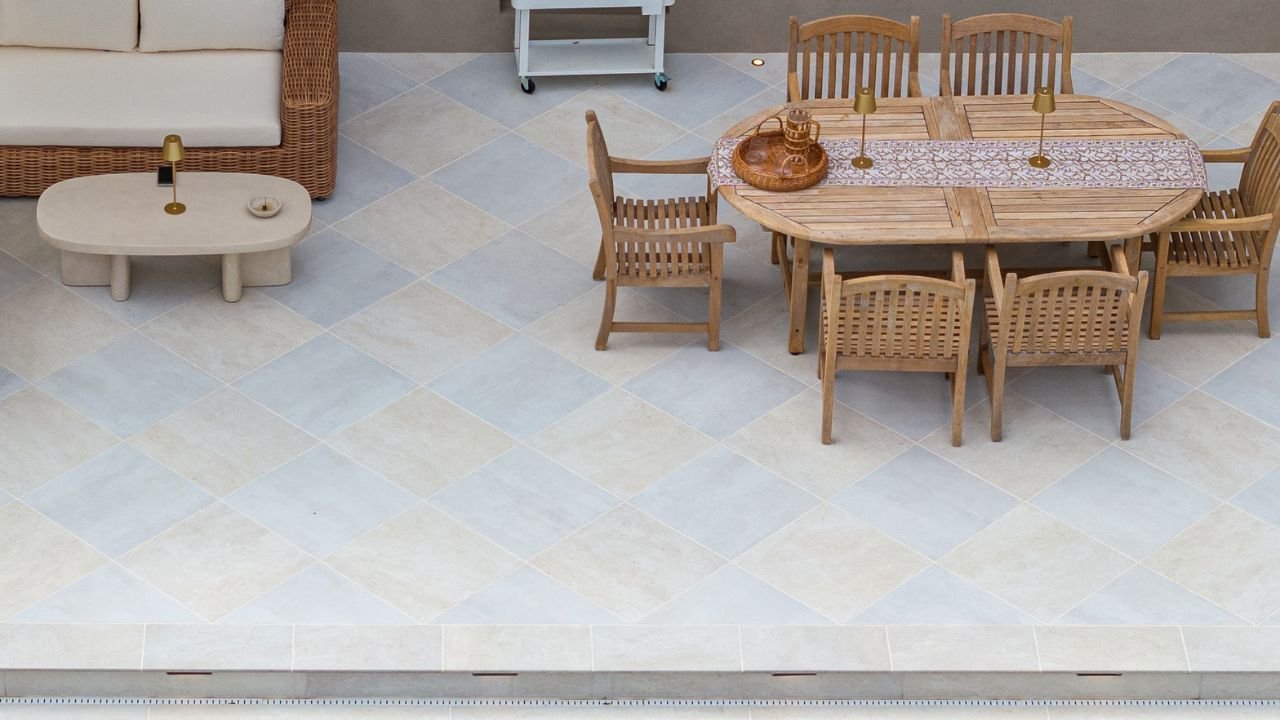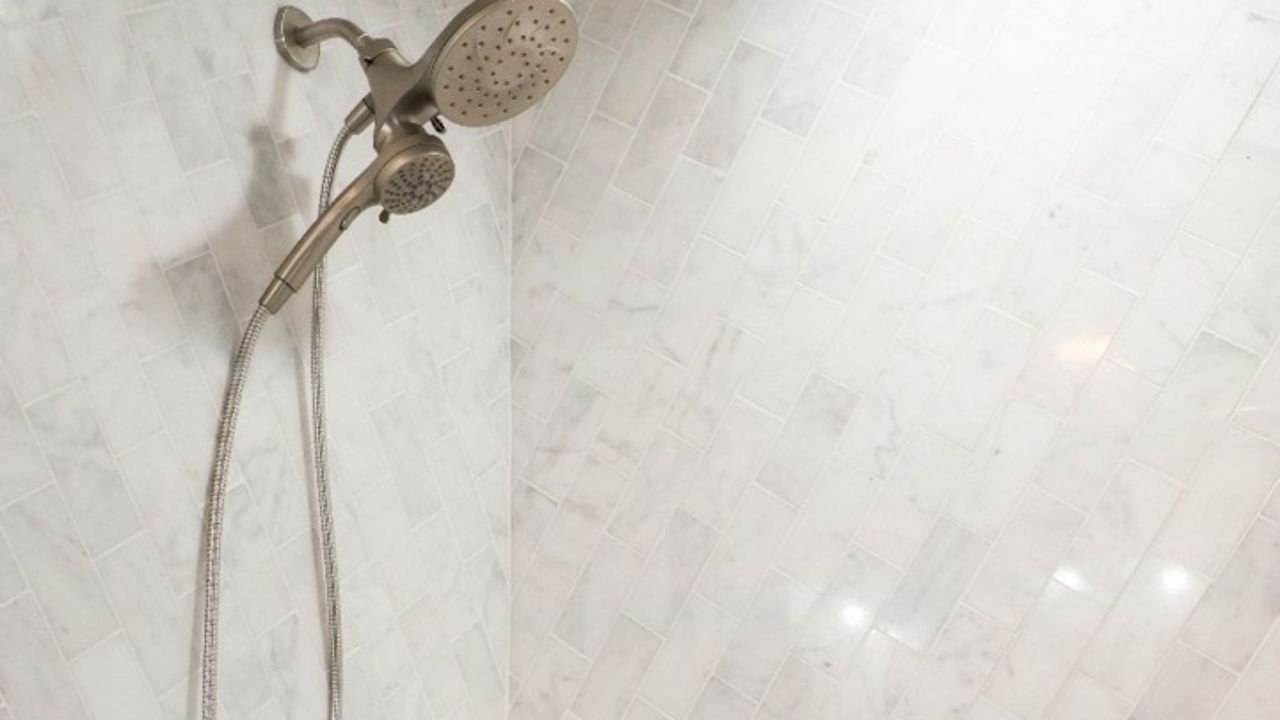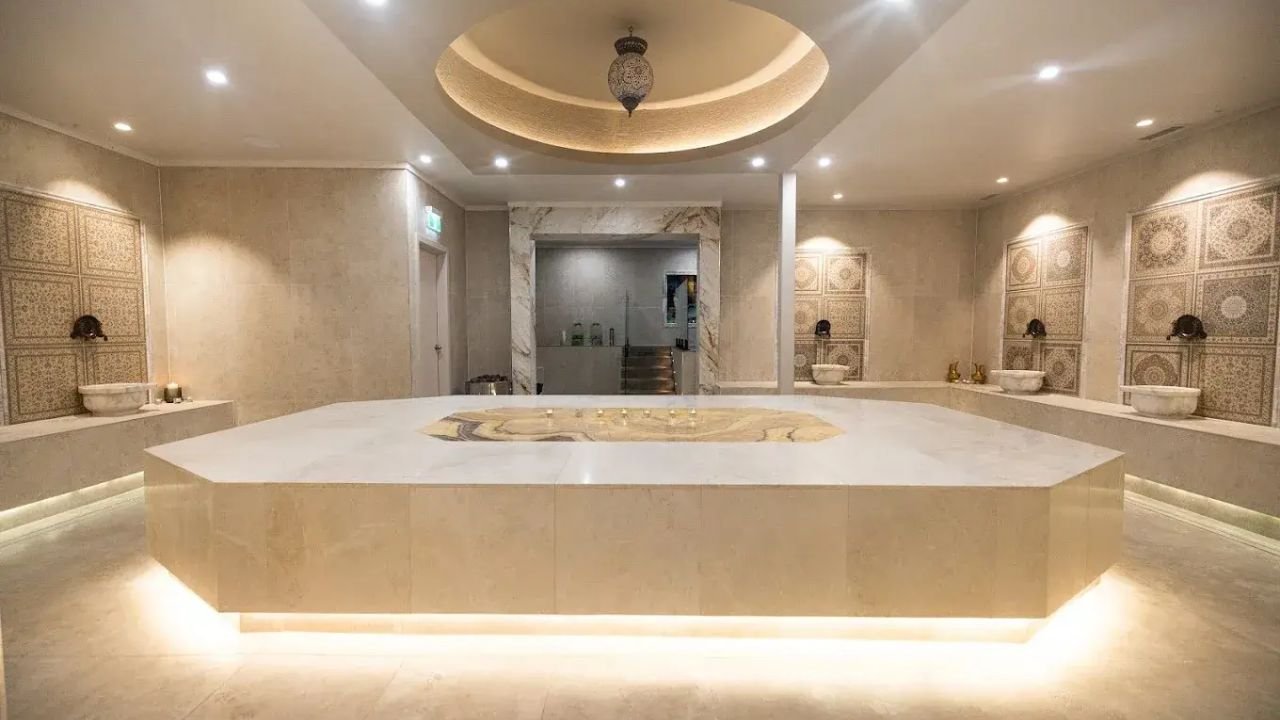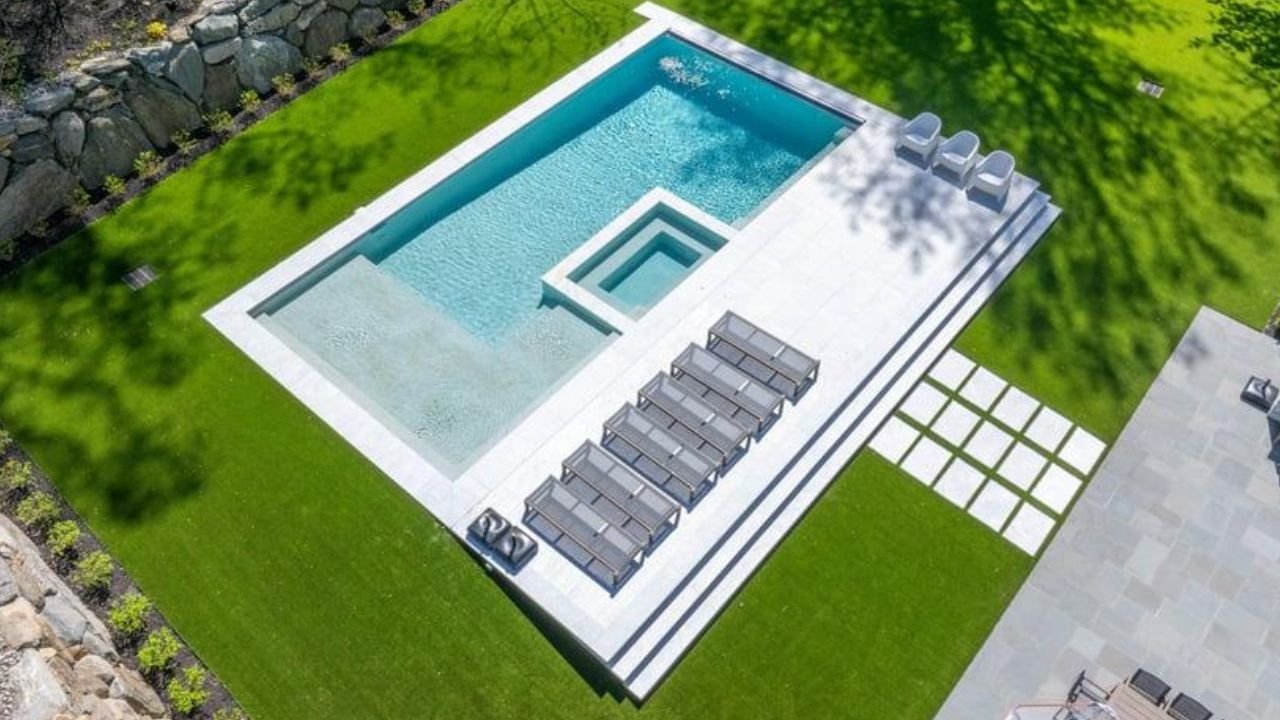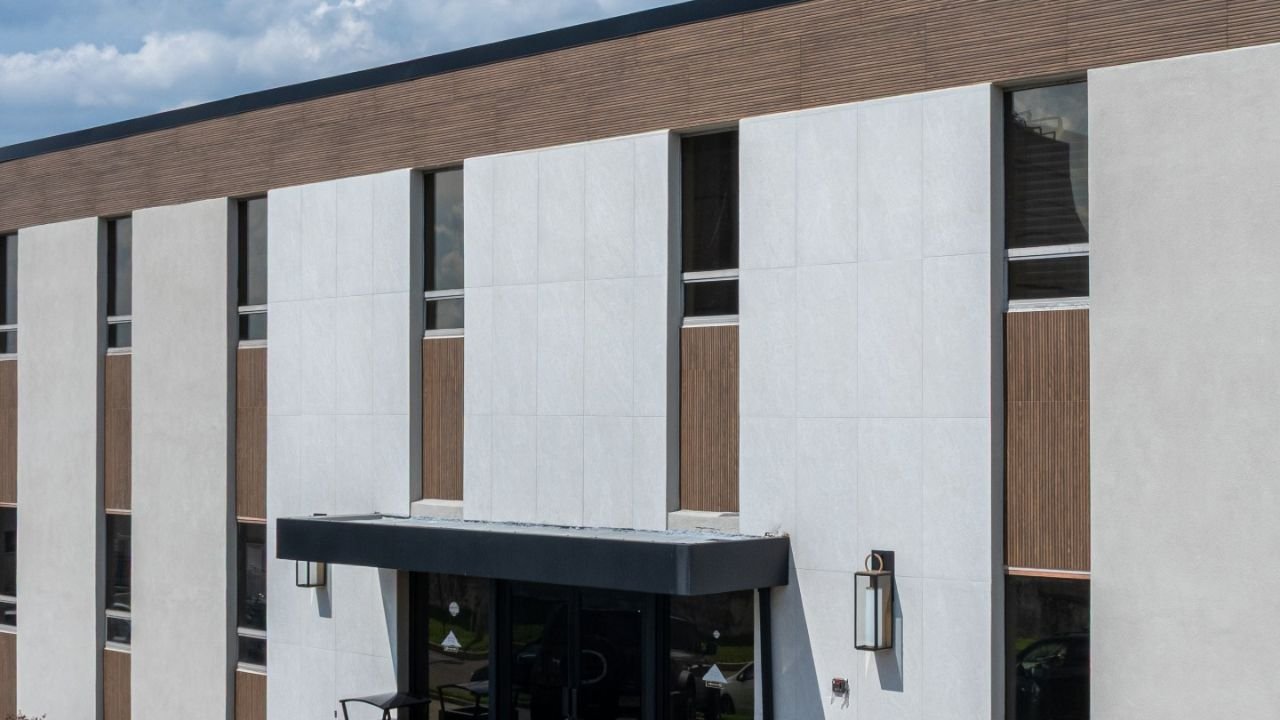

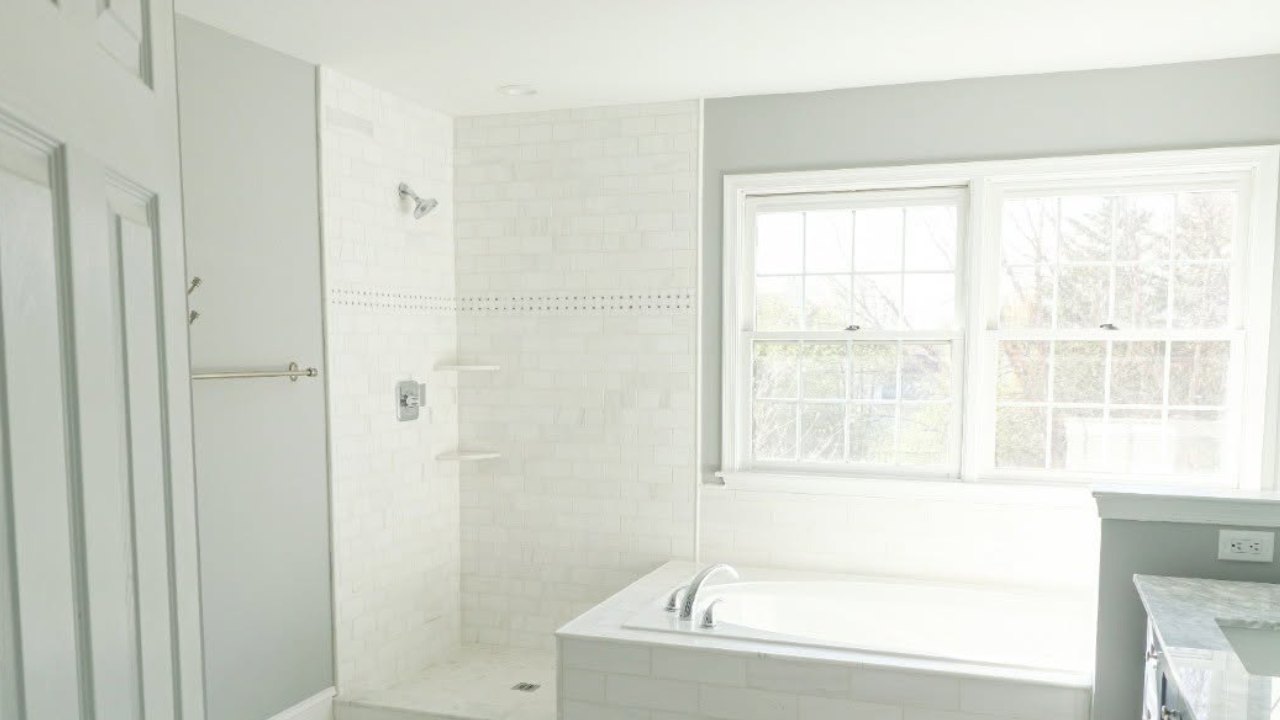
Marble wall tiles are one of the most beautiful additions to any type of wall, from interior to exterior. They can add a touch of sophistication and natural charm to your walls. The durable yet soft surface of marble floor tiles will last longer if installed properly. This is the key factor that determines whether the wall tiles will stay in their place for a decade or not.
Most of the failures occur not because of the materials but because of the installation procedure. Continue reading the following to learn about the marble wall tile installation without mistakes.
Tools and Materials Required For Marble Wall Tile Installation
Here is the list of tools and materials that you will need to install the marble wall tiles.
| Category | Tool / Material | Purpose in Marble Wall Tile Installation |
| Tile Installation | Sponge | Cleans excess mortar and grout from the marble surface during installation. |
| Bucket | Holds water for mixing grout, cleaning tools, and rinsing sponges. | |
| 1/8″ Tile Spacers | Maintain consistent grout joints between marble tiles for a uniform layout. | |
| Medium-Bed Thin-Set Mortar (High Quality) | Provides strong bonding support for heavier natural stone tiles and prevents tile sinking. | |
| Notched Trowel | Spreads mortar evenly on the wall surface and creates ridges that improve tile adhesion. | |
| Grout Float | Presses grout into tile joints and removes excess grout from the surface. | |
| Grout Bag (Optional) | Helps apply grout precisely when using contrasting grout colors or working with textured stone. | |
| Water-Cooled Tile Saw with Diamond Blade | Cuts marble tiles cleanly and prevents chipping during trimming or edge cuts. | |
| Grouting | Mapei Mapei Flexcolor CQ Grout | Pre-mixed grout designed for consistent color and durability in tile joints. |
| Cleaning Before Sealing | pH-Neutral Stone Cleaner (e.g., Miracle Sealants Miracle Sealants Heavy Duty Cleaner (Acid Substitute)) | Removes grout haze, dust, and installation residue without damaging natural stone. |
| Paint Roller | Applies sealer or protective coatings evenly across marble surfaces. | |
| Paint Tray | Holds sealer during application with a roller. | |
| Lint-Free Cotton Cloth | Buff marble surfaces and removes excess sealer without leaving fibers. | |
| Sealing & Protection | Penetrating Stone Sealer (e.g., 511 Porous Plus Sealer by Miracle Sealants) | Penetrates marble pores to protect against moisture, stains, and discoloration. |
| Interior Stone Wax (e.g., Fila Solutions Fila Matte Protective Wax) | Provides an optional matte protective layer for interior marble surfaces. |
How to Install Marble Wall Tiles (9 Steps)
1. Prepare a Flat, Clean, and Stable Wall Surface
Step 1 of marble wall tile installation is preparing a flat, clean, and stable wall surface.
One of the most critical parts of wall tile installation is properly preparing the surface. Marble tiles cannot withstand uneven or weak walls. If the wall surface shifts, the tiles will crack or loosen.
- Start the process by inspecting the wall.
- Take a thorough look for loose plaster, peeling paint, or structural cracks. Remove any weak material or match-damaged areas using cement-based fillers. The finished surface should feel level and firm.
- Many tile installation projects include the use of cement backer board instead of tiling directly onto drywall. Cement boards can resist moisture and provide a stable bonding surface. This step proves especially important in bathrooms or shower walls.
- Moisture prevention is crucial. Installers apply a waterproof membrane behind the tile when walls are exposed to water consistently. This protective layer prevents moisture from reaching the structure behind the stone.
- Before tiling begins, the wall should meet three conditions: flat and plumb, clean and dust-free, and structurally stable.
- Once the surface meets these conditions, the marble tiles can bond securely.
2. Plan the Tile Layout Before Installation
Step 2 of marble wall tile installation is the layout planning before installation. A well-planned layout determines how the finished wall will look. Do not rush into layout planning, as it often results in narrow tile cuts or uneven joints around the corners.
- Start by marking the centerline of the wall. This line acts as a reference point. From that center, the installer laid the tiles without adhesives to check the spacing.
- Dry-laying tile means placing the tiles temporarily without adhesive. This step shows how the joints align and where cuts will appear.
- Marble tiles also require visual planning. The natural veining in marble creates patterns that can flow across the wall or break abruptly. Sometimes, the installers may rotate or rearrange tiles to create a balanced appearance.
- Use a spirit level and chalk line to mark vertical and horizontal guides. These reference lines are helpful in keeping the rows straight during installation.
Careful planning reduces cutting errors and improves the visual balance of the finished wall.
3. Choose the Correct Thin-Set Mortar for Marble
Step 3 of marble wall tile installation is using the appropriate adhesive. While there are different types of adhesives, not every tile adhesive works for natural stone. Marble works great with a white thin-set mortar, designed for stone installation.
- White mortar works great as it prevents discoloration, while dark mortar can show through lighter marble tiles and change its color.
- Many installers opt for polymer-modified thin-set mortar due to its greater bond strength and flexibility. This mortar can hold heavier stone tiles in place.
- Mortar selection also depends on the wall environment. For wet areas like showers, installers generally use waterproof thin-set systems, which work with membrane products.
- While mixing the mortar, follow the manufacturer’s instructions. The mixture should form a smooth paste without lumps. Proper mixing will assure you that the adhesive bonds evenly throughout the wall.
4. Apply the Mortar without mistake
Step 4 of marble tile installation is the application of mortar properly.
- Once the mortar is ready, spread it onto the wall with a notch trowel. The notches create uniform rises that help the tile stick evenly.
- Apply by holding the trowel at a 45-degree angle. Spread mortar through a small section of the wall rather than the entire surface. This method prevents the adhesive from drying before the tile installation.
- If marble wall tiles are large sized than back buttering methods will improve their adherence. In this process, the installer spreads a thin layer of mortar on the back of each tile. Back-buttering will fill the small gaps and ensure you a full contact between the tile and wall.
Full mortar coverage matters for natural stone. Incomplete coverage can lead to hollow spots or weak bonding.
5. Install the Marble Tiles Carefully
Step 5 of marble wall tile installation is installing the tiles without mistakes.
- After putting the mortar in place, start placing tiles with the reference lines.
- Press each tile firmly into the mortar while moving it slightly side to side. This movement compresses the mortar ridges and improves the bond.
- Use tile spacers between tiles for consistent grout joints. Also, even spacing makes the wall look cleaner and gives the procedure a professional appearance.
- Start from the bottom of the wall and move outward. This method will keep the layout symmetrical.
- Mind the weight of marble wall tiles weigh more than ceramic tiles. Installers sometimes attach a temporary ledger board along the first row. This board supports the tile weight until the mortar cures.
- Throughout the marble tile installation, check alignment with a level. Small adjustments during installation prevent larger corrections later.
6. Cut Marble Tiles with Precision
This step is not critical, but is only required when you are installing marble wall tiles for a specific wall design. Walls don’t match the tile dimension perfectly, which is why edges and corners require careful cutting.
For this step, you will need a marble fabrication service. If the wall tile is smaller in size than you can handle, then you can do it too. Make sure to have grippy and consistent hands.
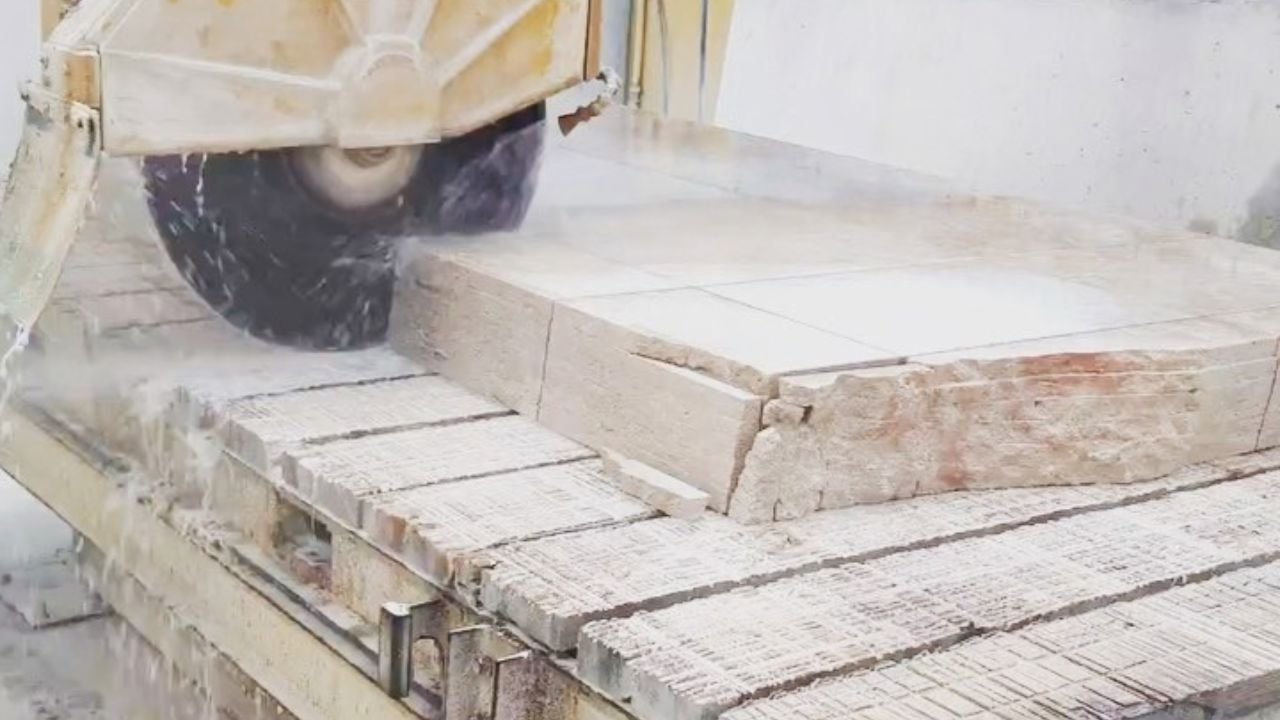
- Installers generally use a wet tile saw equipped with a diamond blade for marble cutting. The water flow will cool the blade and reduce chipping.
- Measure each cut carefully before trimming the tile. A proper cut will help in maintaining the clean grout lines along the edges.
- Once the cutting is completed, finish the sharp edges of the tile with a polishing pad or stone file. It helps to smooth the edge and improve the finished appearance.
Precision during cutting will result in a polished final result.
7. Allow the Mortar to Cure Properly
Step 7 of marble wall tile installation is letting the mortar cure.
- Once the tiles are installed, let the mortar cure before grouting begins.
- Wait at least 24 to 48 hours, depending on temperature, humidity, and mortar type.
- During this period, please avoid putting any pressure on the tile area. Unnecessary touching may weaken or shift the tile and weaken the bond.
Patience during this step protects the entire installation.
8. Grout the Tile Joints
Step 8 of marble wall tile installation is grouting the tile joints. This will fill the spaces between tiles and stabilize the installation.
- For marble tiles with narrow joints, installers often choose unsanded grout. This grout prevents scratching on polished stone surfaces.
- If marble wall tile is installed in showers, use epoxy grout because it resists moisture and stains.
- Spread grout diagonally across the joints using a rubber float.
- Press the grout firmly into the spaces to remove air pockets.
- Wipe the surface with a damp sponge. This will clean the excess grout and show the real marble surface.
- Allow the grout to cure fully before the next step.
9. Seal the Marble for Long-Term Protection
Step 9 of marble wall tile installation is sealing the marble wall tile.
- Marble has a porous surface, naturally, even after installation. A protective sealer will prevent stains and moisture absorption.
- Apply a penetrating stone sealer throughout the entire surface once the grout cures. The sealer penetrates the stone instead of forming a visible coating.
- Most marble installations require resealing every few years, depending on usage and exposure to moisture.
- Sealing protects the stone and makes the surface easier to clean.
Why Marble Wall Tiles Require a Different Installation Approach?
Marble is a type of natural stone that is formed through geological pressure and mineral crystallization. Because of this formation process, marble has a porous structure and subtle surface variations. These characteristics influence installation in several ways.
- Marble absorbs moisture, so without sealing, the stone can stain from water, oils, or grout pigments.
- Marble tiles are heavier than standard wall tiles. This is why it requires a stronger bond mortar, which will hold each tile securely.
- Many marble surfaces contain veins or color variation. You should plan the layout carefully so that the pattern flows naturally throughout the wall.
When homeowners understand these requirements, they avoid the most common installation failures.
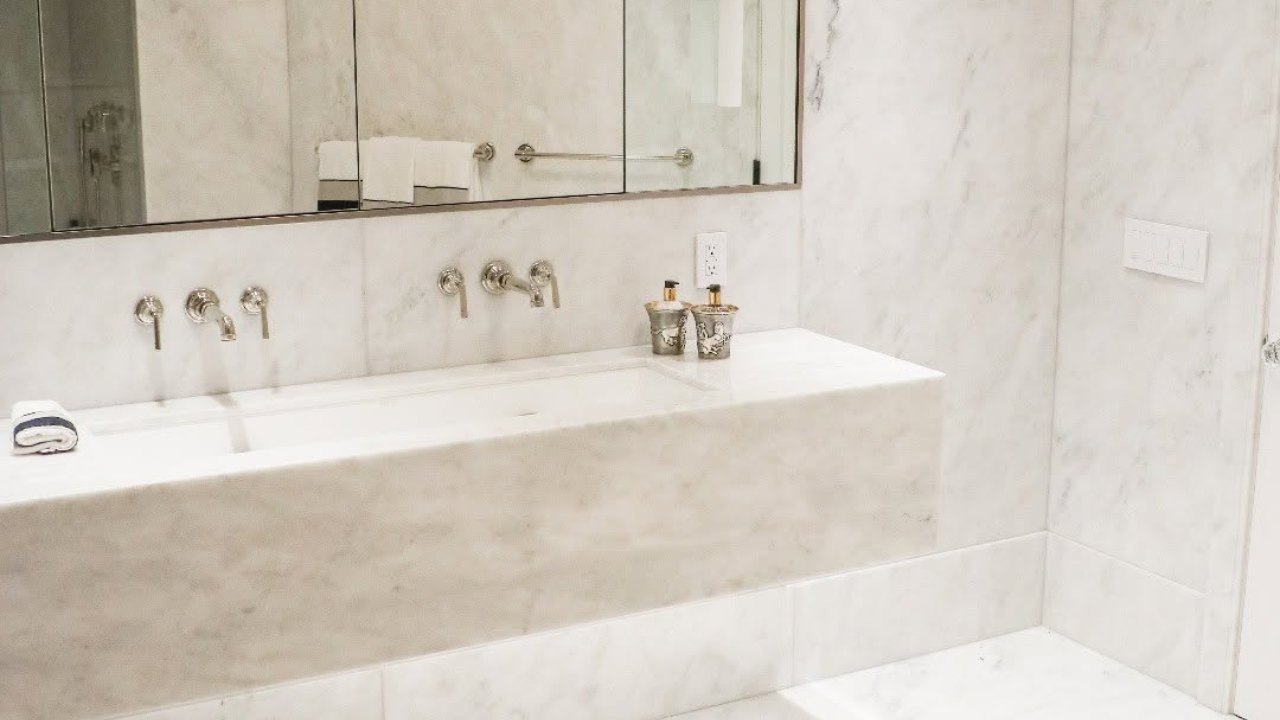
Common Marble Tile Installation Mistakes Homeowners Should Avoid
Several marble tile installation mistakes can shorten the lifespan of marble wall tiles. The most common marble wall tile installation mistakes are:
- Installing on an uneven wall is one of the most common wall installation mistakes. Even small irregularities can cause tiles to shift or crack.
- Another mistake involves using dark mortar under the light marble. This choice often results in discoloration.
- Skipping waterproofing in wet areas will also result in moisture damage behind the tiles.
- Some installers skip sealing. Without a sealer, marble absorbs stains from soaps, cosmetics, or cleaning products.
Avoiding these mistakes helps homeowners protect their investment in natural stone.
Marble Wall Tile Installation FAQs
Let’s answer your questions about marble wall tile installation.
Do marble wall tiles need sealing before installation?
Yes. Marble wall tiles will need sealing to prevent grout pigment from staining the stone.
What mortar works best for marble wall tiles?
While polymer-modified thin-set mortar is the most suited choice because it prevents discoloration and offers strong bonding.
Can marble tiles be installed on drywall?
Yes. Drywall works in dry interior spaces. If the area is consistently wet, use cement backer board with waterproofing.
How thick should grout lines be for marble tiles?
Most marble wall tile installations use grout lines between 1/16 and ⅛ inch to maintain a refined appearance.
How long does marble wall tile installation take?
A typical wall installation may take two to three days, including curing time for mortar and grout.
Bottom Line
Knowing how to install marble wall tiles without mistakes will help you create a beautiful-looking wall. Once you have completed the installation process successfully, you will feel proud and fulfilled with the refined look. Marble wall tile installation is a straightforward process that requires a plan and a flawless surface. Any uneven surface installation will result in cracks and tile shifting. When homeowners follow these steps or work with skilled installers, marble wall tiles remain durable and visually striking for decades. Make sure to avoid using acidic cleaners for cleaning marble tiles to preserve their natural charm longer.