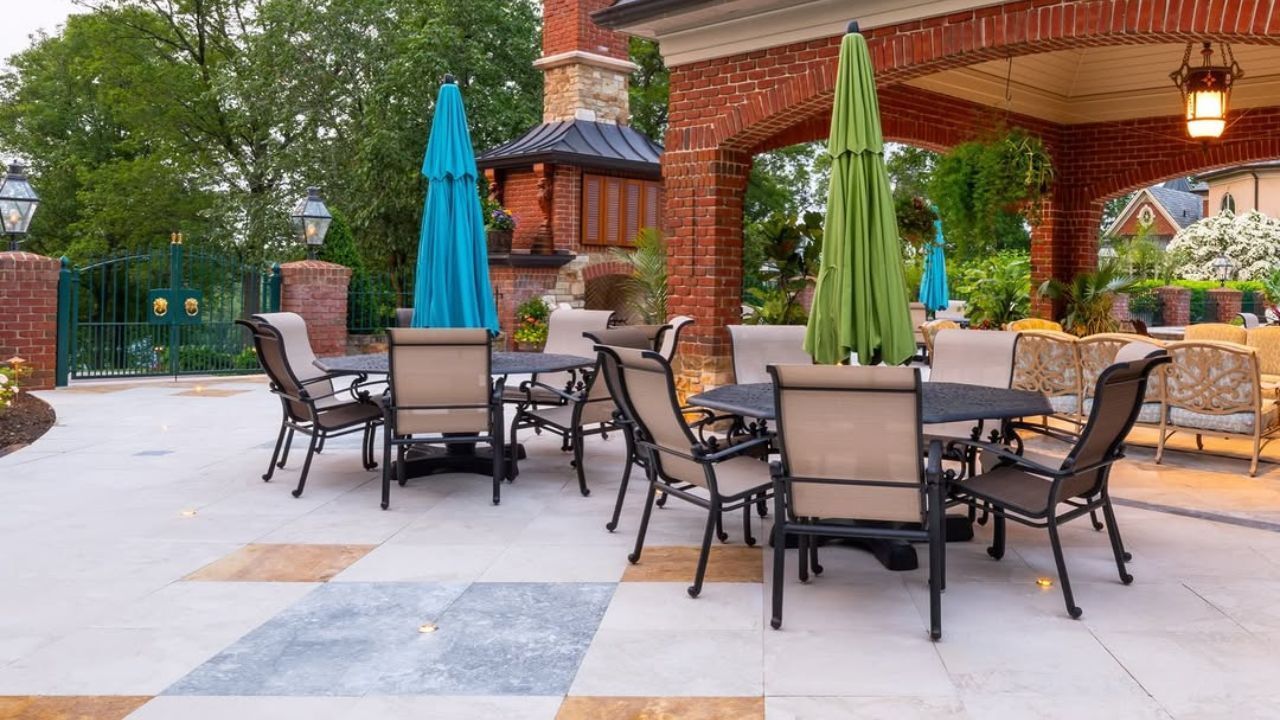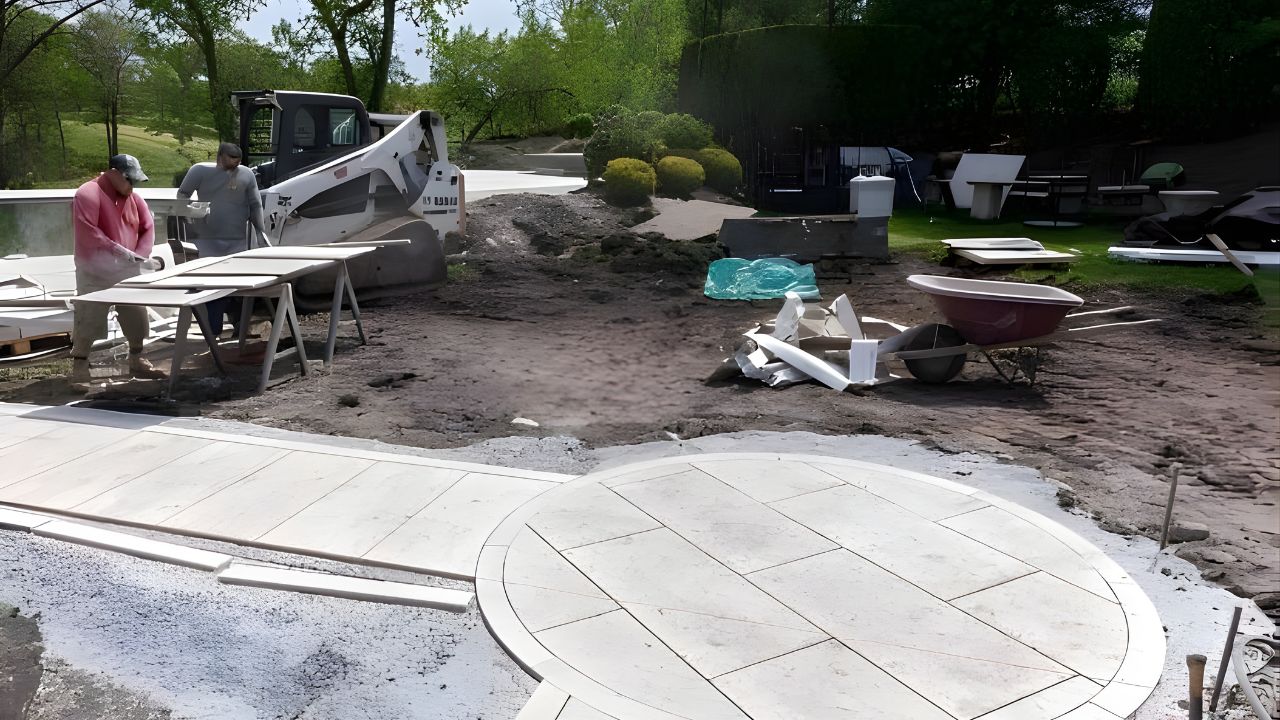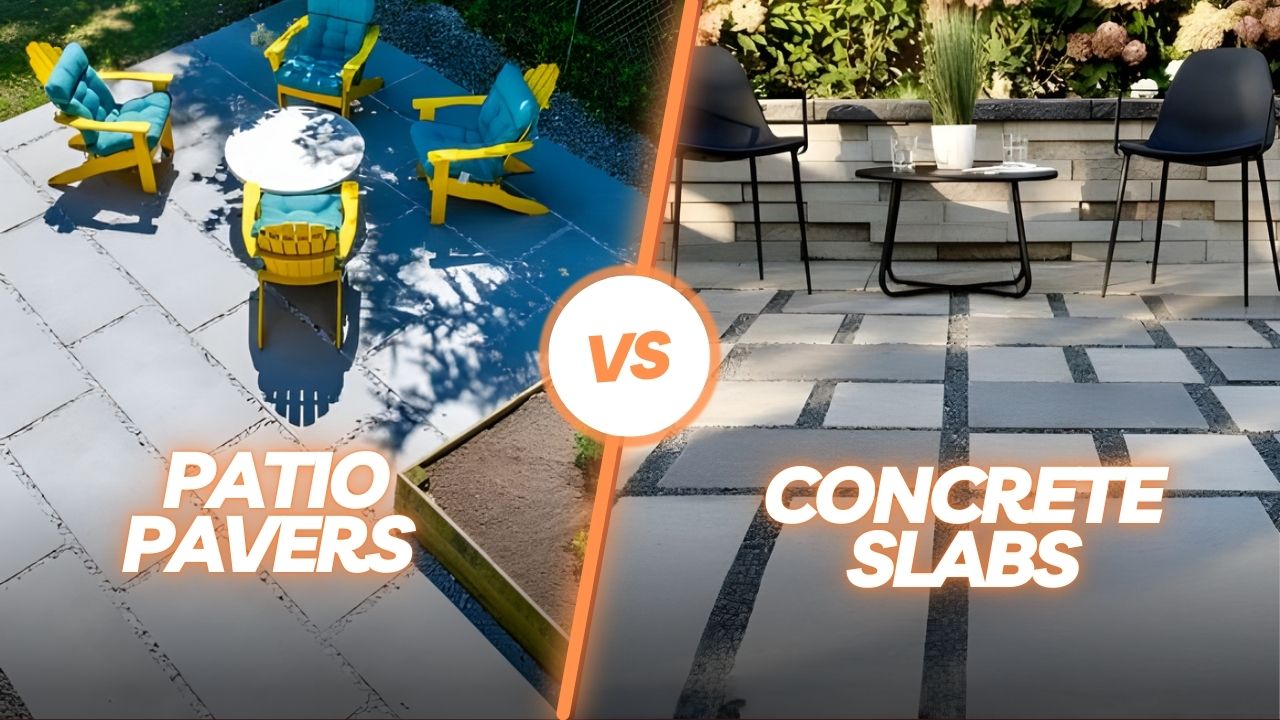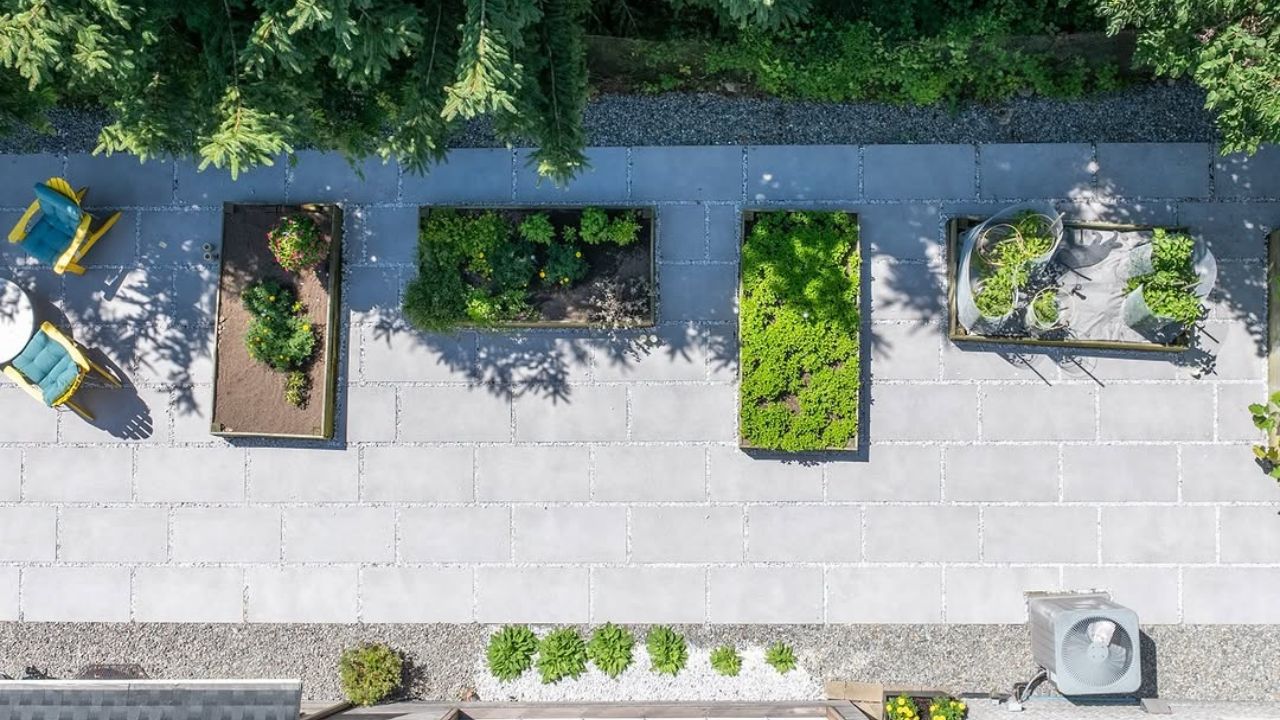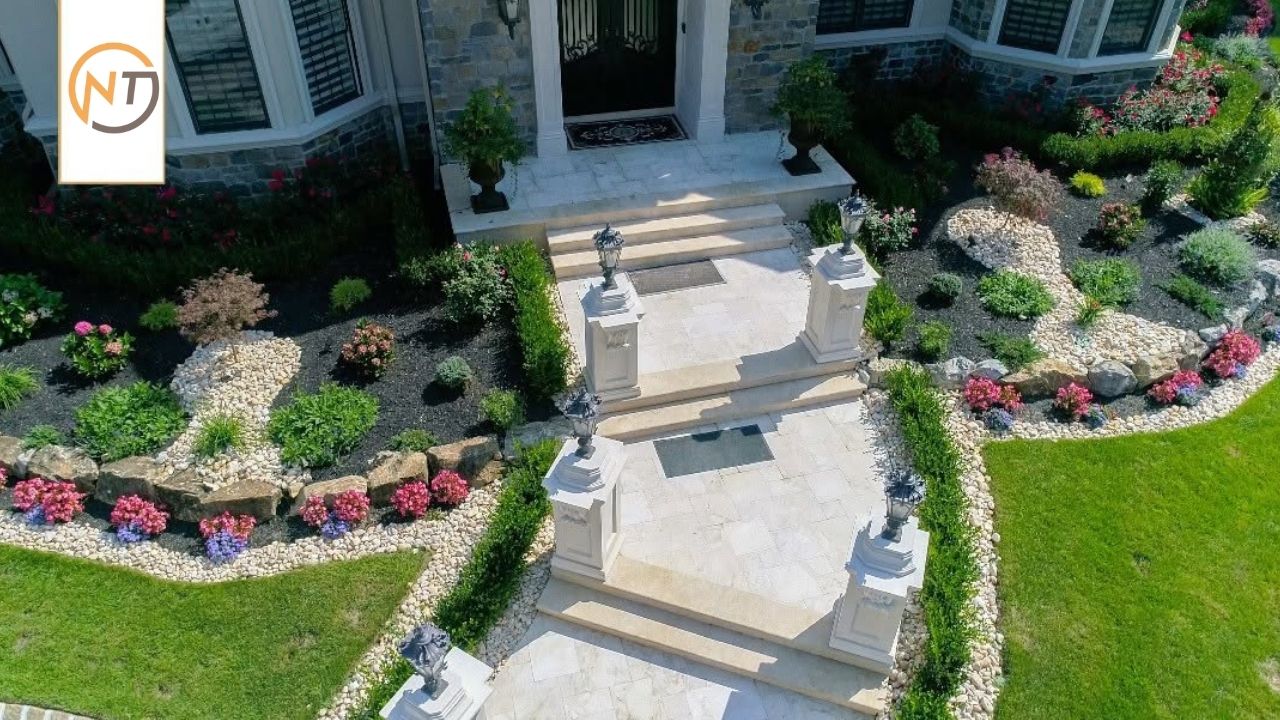
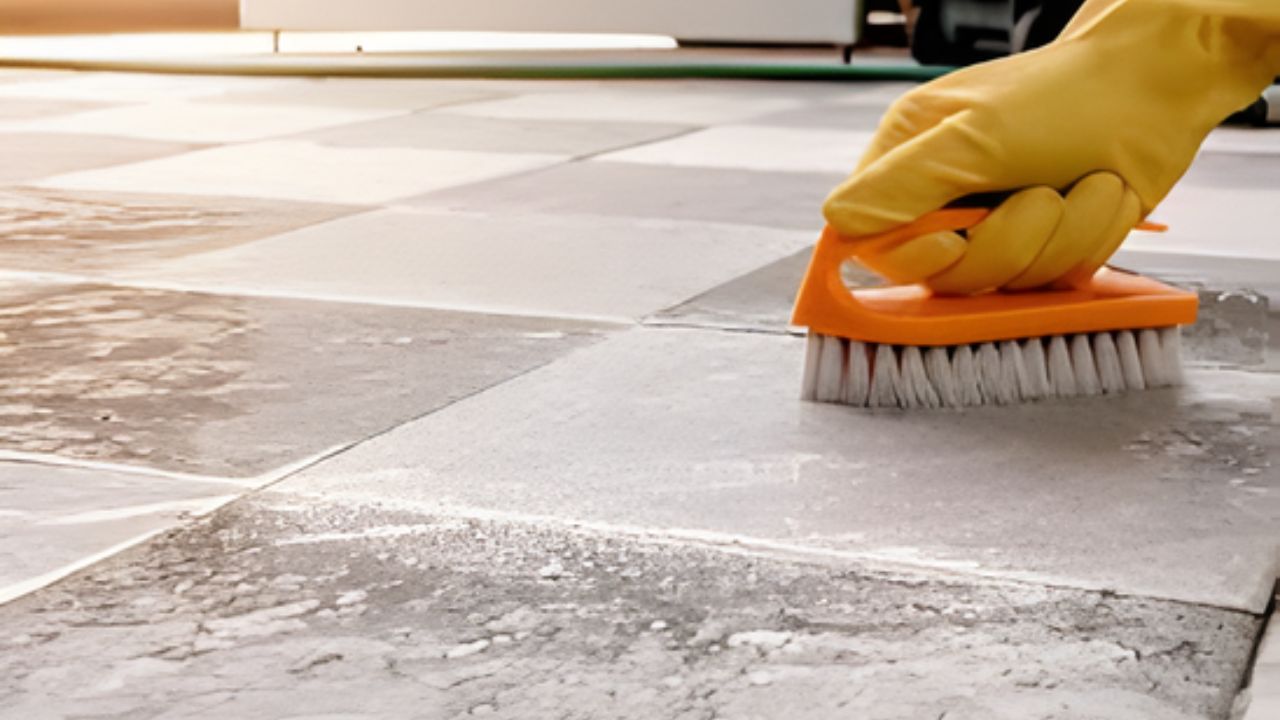
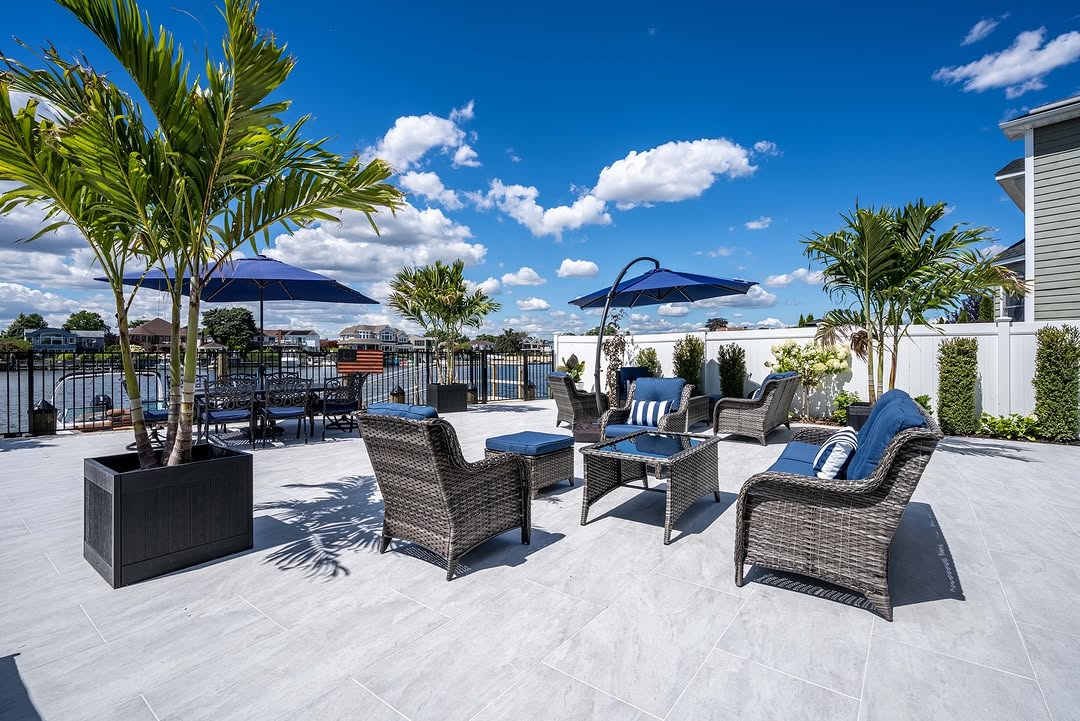
Porcelain pavers are undoubtedly a great choice for a rugged outdoor option. They work great for patios, pool decks, terraces, and walkways. They are preferred due to their slip resistance, durability, thickness, and low-maintenance surface. Because they have low water absorption, they resist staining well. Yet many homeowners still use abrasive cleaners to clean porcelain pavers and tile to retain their beauty. This can cause problems later.
Though porcelain is known for being tough, chemical cleaners can dull the surface texture, leave residue, and weaken the joint materials. This also results in a shortened lifespan when installed in outdoor. On the other hand, porcelain pavers don’t need acids, bleach, or detergents. Here is how to clean porcelain pavers without using chemicals.
Tools You Need To Clean Porcelain Pavers
Cleaning porcelain pavers is relatively easier, and you don’t actually have to pick any specialized tools or specialty products. Use the following tools:
- Push broom with medium-stiff bristles
- Nylon scrub brush or deck brush
- Garden hose with spray nozzle
- Bucket for hot water
- Microfiber mop or cloth (optional)
These tools and materials should be avoided while cleaning porcelain pavers:
- Wire brushes
- Metal scrapers
- Acid-based cleaners
- Pressure washers above 1500 PSI
These tools protect surface texture and joint integrity.
Step-by-Step Guide To Clean Porcelain Pavers Without Chemicals
Here is how outdoor porcelain paver cleaning can be done conveniently without causing damage.
Remove Loose Debris First
Step 1 of How to Clean Porcelain Pavers
- First, you will have to remove any loose dirt and debris.
- Sweep leaves, sand, dirt, and organic matter from the surface. This prevents grit from grinding into the texture during wet cleaning.
While sweeping, take care of the:
- Corners
- Edges near walls
- Joints where debris collects
Dry sweeping reduces the effort required later and prevents streaking.
Rinse With Clean Water
Step 2 of How to Clean Porcelain Pavers
Next, you will need to rinse the surface with a garden hose.
- This step will help you loosen the surface dust and prepare the surface for further scrubbing.
- Keep the water pressure moderate to normal. High pressure may sweep the debris into joints and even displace the joint material.
- Work in small sections and keep water moving toward drainage paths.
Scrub With Mechanical Action
Step 3 of How to Clean Porcelain Pavers
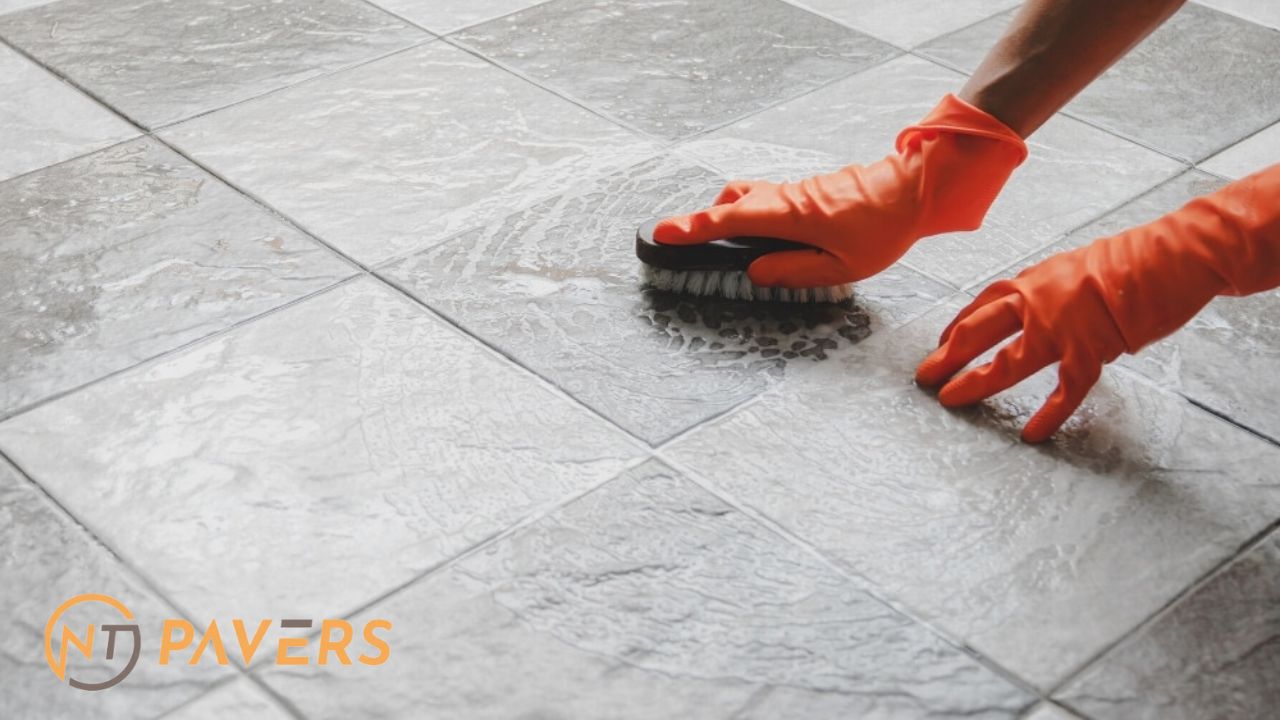
Now scrub the surface using the natural-fiber brush.
- To clean porcelain pavers, scrub in overlapping passes.
- Apply pressure with your arms, not your wrists.
- Focus on areas with visible residue, food spills, or traffic wear.
Mechanical friction removes:
- Dirt films
- Organic buildup
- Surface oils
This step replaces chemical action as porcelain pavers respond best to the physical agitation.
Use Hot Water for Stubborn Residue
Step 4 of How to Clean Porcelain Pavers
For grease, sunscreen, or food stains, use hot water and clean with a dilute mild soap and water mixture.
- Fill a bucket with hot tap water and pour it directly onto the affected area.
- Scrub while the surface remains warm.
- Heat breaks down oil without detergents.
- Repeat the process if required, but most stains lift after two cycles.
Flush and Inspect
Step 5 of How to Clean Porcelain Pavers
In this step, rinse thoroughly again.
- Flush loosened residue toward drains or open edges.
- Inspect once the paver gets dry.
- Porcelain dries quickly, which makes remaining marks easy to see.
If needed, repeat targeted scrubbing, but do not chase perfection. Minor variation is normal outdoors.
How to Handle Common Porcelain Paver Issues?
While porcelain pavers are exceptionally resistant to a wide range of elements, there are still some issues you may have to deal with.
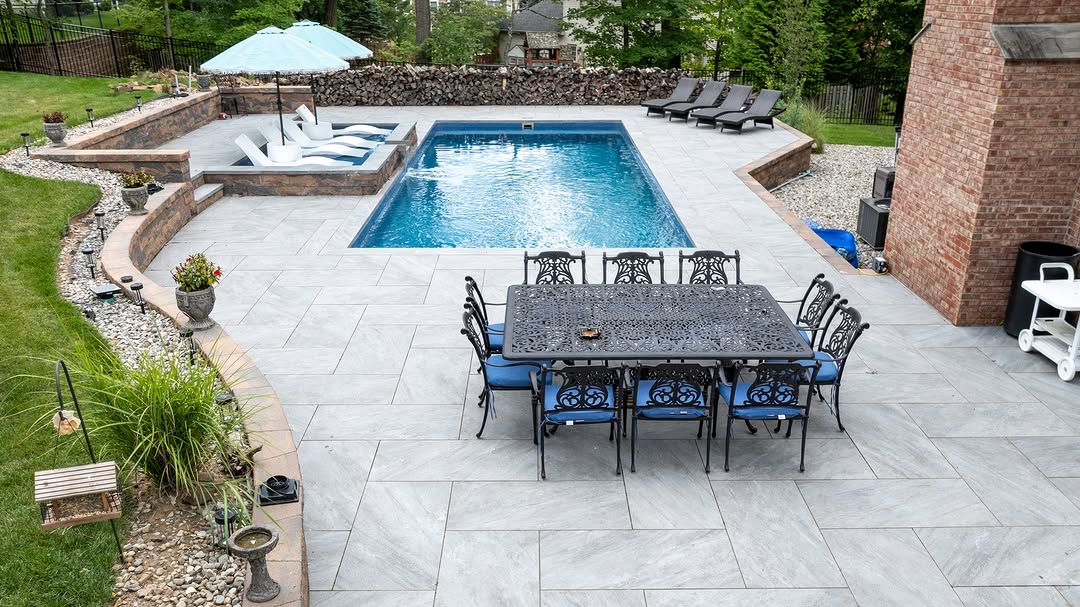
Organic Growth, Algae, Moss In Porcelain Pavers
Organic growth usually occurs in shaded and damp areas. When you notice, immediately start by:
- Scrub with water and a stiff brush.
- Improve drainage and airflow.
- Trim nearby plants to increase sun exposure.
- Do not seal porcelain, as it can trap the moisture and cause regrowth.
Grease and Food Spills
Grease stays on the surface, causing stubborn stains over time. For them, you can:
- Apply hot water.
- Scrub immediately and rinse fully.
- Time matters more than force.
- Avoid dish soap because it leaves a film that attracts dirt.
Dirt Film or Traffic Wear
The surface films are common in most high-traffic zones. This is a layer of dirt that sticks to the paver surface over time when not treated properly.
- Routine brushing prevents dirt buildup.
- Monthly rinsing maintains color clarity.
- Do not use any chemical stripping for them.
Rust Marks From Furniture
Rust stains occur on the metal furniture. To remove rust stains, you can:
- Remove the source.
- Scrub with hot water.
- Most marks lift because porcelain does not absorb iron oxide.
- Do not use rust removers, as they are just unnecessary and risky.
Joint Cleaning Of Porcelain Pavers Without Chemicals
Joint material also matters a lot when cleaning pavers. Whether you are using polymeric sand, joint grout, or open aggregate systems, chemicals damage them. The joints get weakened faster than pavers.
Clean joints by:
- Sweeping debris regularly
- Rinsing gently
- Avoiding direct pressure
If joint sand depletes, replenish instead of scrubbing aggressively.
When and How To Use Pressure Washing To Clean Porcelain Pavers?
Pressure washing is optional for porcelain pavers, but doing it twice a month will retain their beauty and shine. If used, follow strict limits:
- Maximum 1500 PSI
- Wide fan tip
- Keep the nozzle moving
- Maintain distance
Never aim directly into joints. Pressure washing should assist rinsing, not replace brushing.
Maintenance Schedule for Homeowners
Regular cleaning matters when maintaining porcelain pavers’ beauty for decades. Consistency is better than intensity.
Weekly Cleaning Routine
- Sweep debris
Monthly Cleaning Routine
- Rinse and spot scrub
- Seasonally Clenaing Routine
- Full surface scrub
- Joint inspection
This schedule prevents buildup without wear.
How Chemical-Free Cleaning Extends Porcelain Paver Life
Chemical cleaners create three long-term problems.
- The residue buildup is a dirt magnet
- Dulling the surface over time, which changes the texture
- Joint degradation that leads to movement
Mechanical cleaning avoids all three. Porcelain pavers installed by suppliers like NT Pavers are engineered for minimal maintenance. The best care respects that design.
Porcelain Paver Cleaning FAQs
Let’s answer your questions about porcelain paver cleaning.
Can I clean porcelain pavers with vinegar?
No. Porcelain pavers, however, resist harsh chemicals and acids; however, over time, usage results in surface dullness and weakened joint material.
Do porcelain pavers need sealing?
No. Porcelain is non-porous, so sealing adds no protection and can trap moisture.
Why do my porcelain pavers look cloudy after cleaning?
Cloudiness is the result of soap residue or dried minerals. This is why rinse thoroughly with clean water and scrub lightly to remove films.
Is bleach safe for porcelain pavers?
No. Bleach can be used to disinfect the pavers, but it can also damage the joints and nearby plants.
How often should porcelain pavers be cleaned?
Weekly sweep is recommended to prevent dust buildup. Rinse monthly and deep clean seasonally. Increase frequency in shaded or high-traffic areas.
Can stains permanently damage porcelain pavers?
No. Original porcelain will not absorb any stains due to its non-porous surface. Persistent marks indicate surface residue, not damage.
Bottom Line
Porcelain pavers are the most low-maintenance option for most homeowners these days. The non-porous, durable surface doesn’t require a dedicated cleaning routine. Just general sweeping of the debris and dust, and occasionally rinsing, will keep the beauty of porcelain pavers from NT Pavers intact for years. Using alkaline chemicals on the paver’s surface results in a dull and damaged surface and weak joint materials.
Using water, brushing, and consistent maintenance, homeowners can secure the texture, color, and structural integrity. Without using any chemical cleaner, you can secure the paver’s surface, improve drainage, and protect joints. Keep in mind that chemical-free cleaning is not a compromise but a correct method.