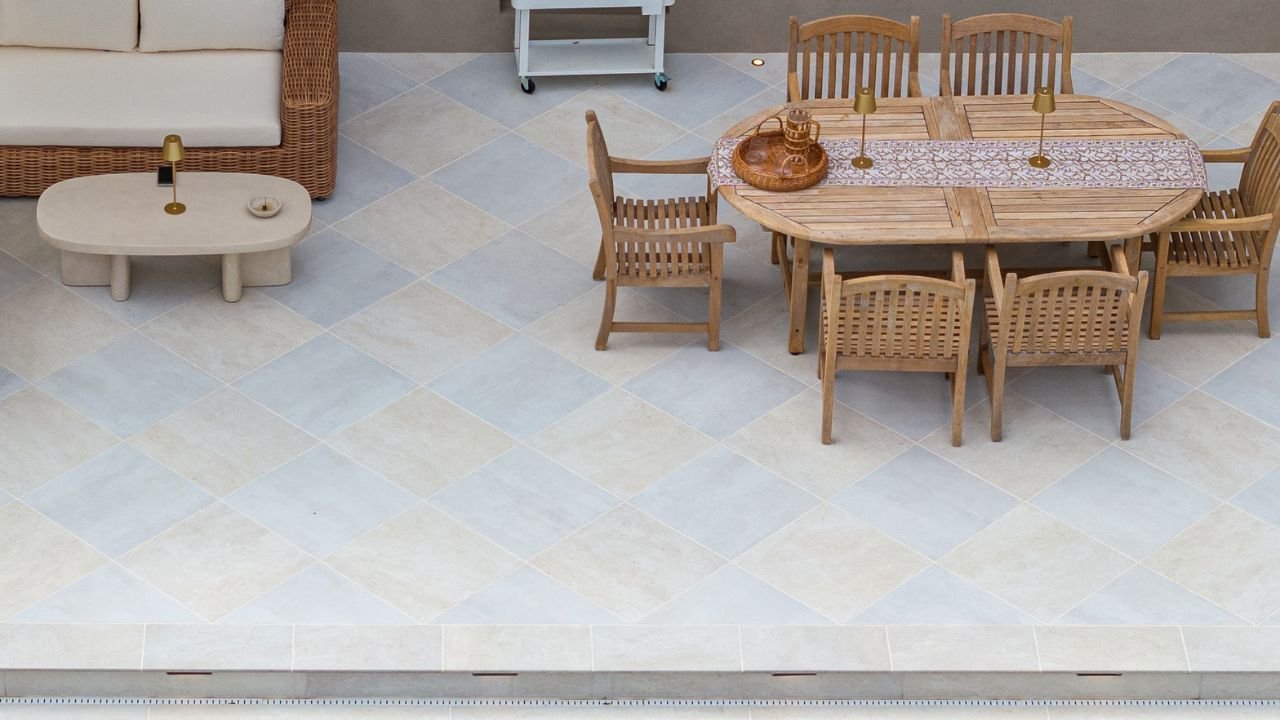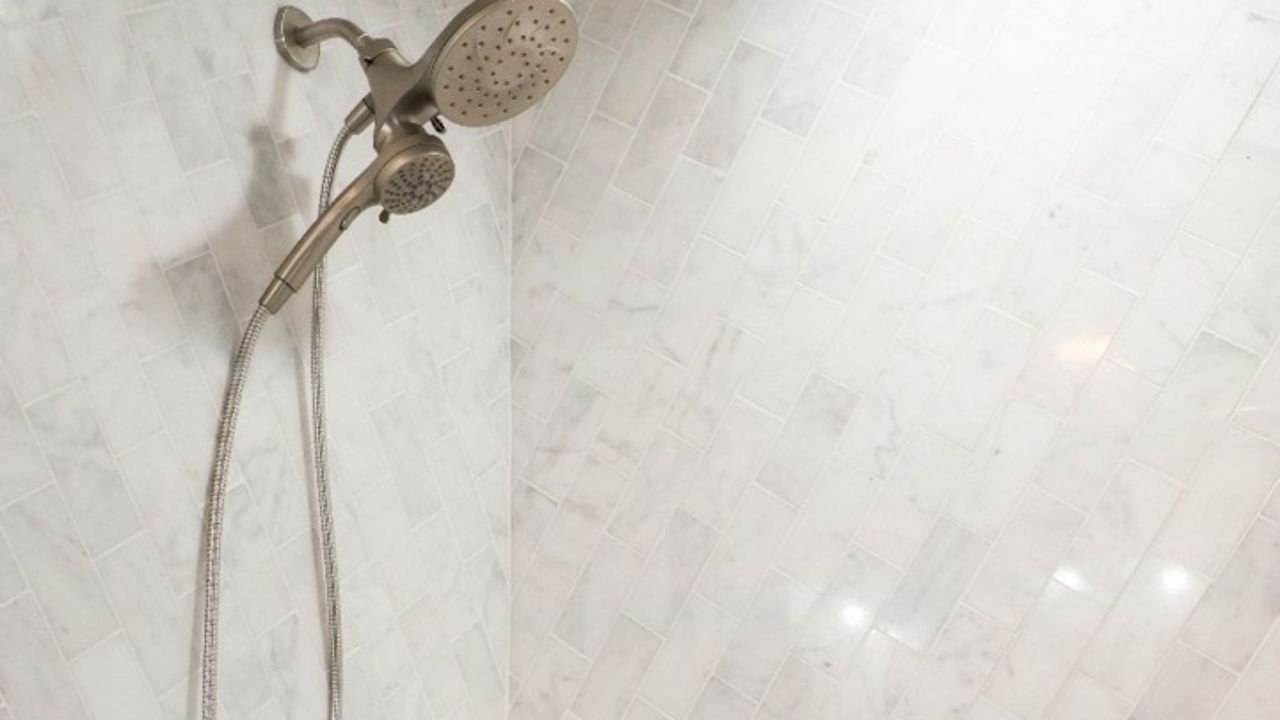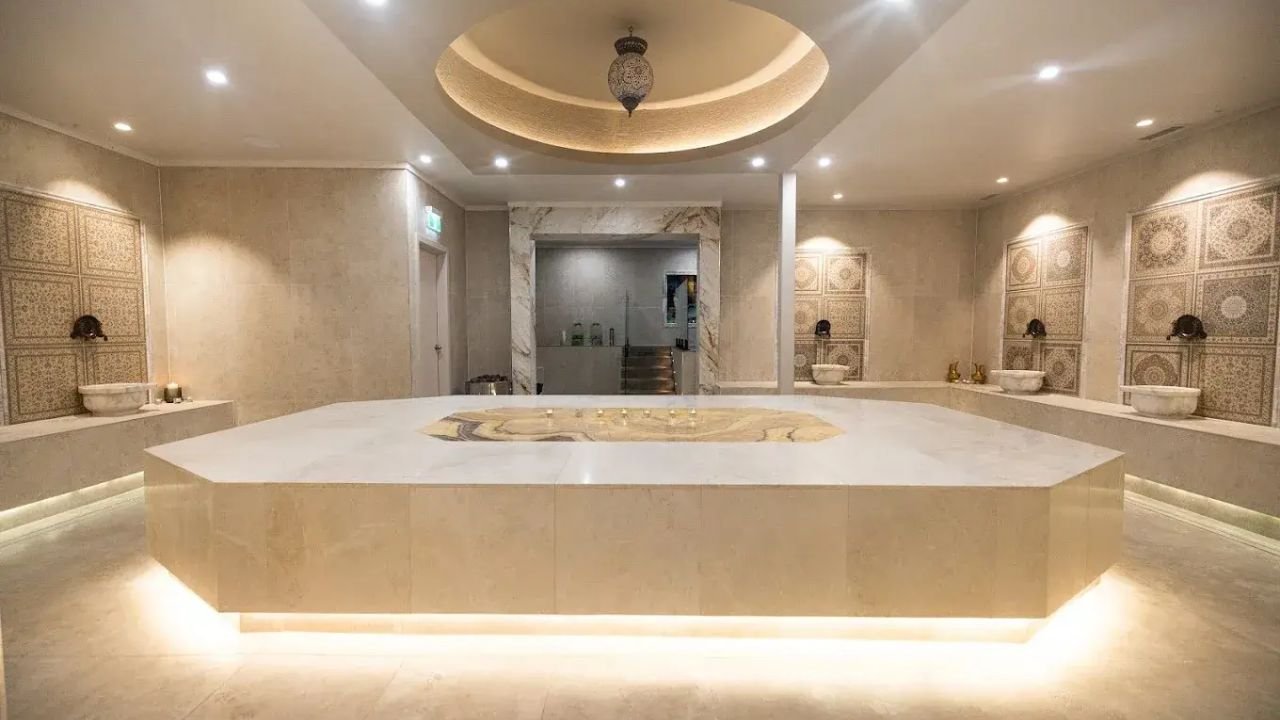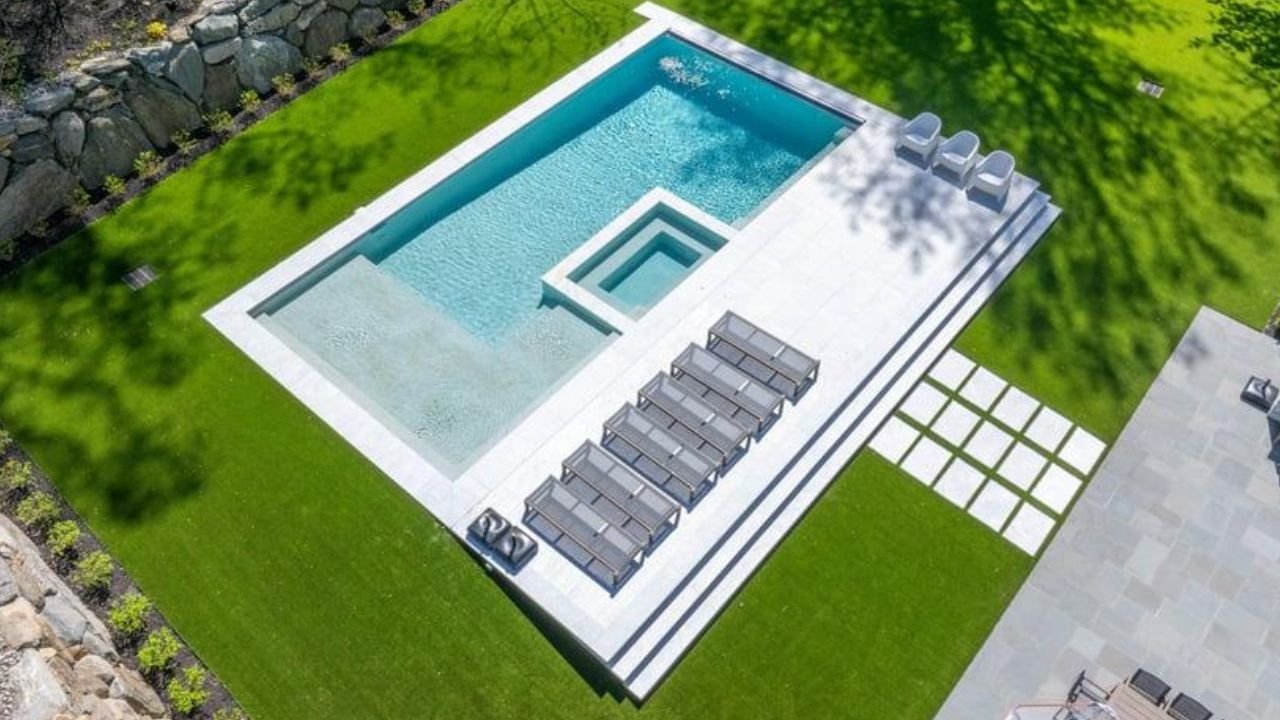

Natural stone pavers like marble are an effortless choice to make your outdoor space look stunning with a touch of organic charm. Some of the most prominent paver materials include limestone pavers and travertine pavers. Both offer distinct performance and appearance while being a great choice for a beautiful outdoor space. However, homeowners often confuse Limestone vs Travertine Pavers due to their somewhat similar appearance.
The confusion is inevitable as both stones come from limestone formations. Both are well-suited for pool decks, patios, and walkways, and age well when installed correctly. Still, they have structure, performance, and maintenance requirements that differ in ways that matter long term.
Continue reading the following to learn about travertine vs limestone pavers and tile. This will help the homeowners make an informed, confident decision.
Comparison Between Limestone vs Travertine Pavers
Understanding the key differences between limestone pavers and travertine pavers will help you make an informed decision. Take a look at the following table for a better idea.
| Feature | Limestone Pavers | Travertine Pavers |
| Stone Type | Sedimentary limestone | Porous limestone derivative |
| Surface Texture | smooth surface to a lightly textured | Naturally textured |
| Slip Resistance | Finish-dependent | Naturally high |
| Heat Resistance | Moderate | Excellent |
| Density | High | Medium |
| Porosity | Low to moderate | High |
| Sealing Frequency | Every 2–3 years | Every 1–2 years |
| Color Range | Gray, beige, cream | Ivory, walnut, silver |
| Visual Style | Clean, modern | Organic, classic |
| Pool Deck Suitability | Conditional | Ideal |
| Freeze-Thaw Performance | Strong when installed correctly | Moderate with sealing |
| Maintenance Complexity | Lower | Moderate |
| Design Consistency | High | Naturally varied |
| Typical Use Areas | Patios, walkways, courtyards | Pool decks, patios, and outdoor lounges |
What Is Limestone, and Why Do Homeowners Choose It?
Limestone is formed through compressed marine sediment over millions of years. The stone grows a dense, uniform structure that gives limestone its unique, clean edges and consistent surface.
Homeowners select limestone pavers for courtyards, patios, and walkways where they want a refined look without visual noise. Limestone pavers feel solid underfoot and support clean architectural lines.
Key limestone characteristics
- Dense composition
- Smooth or lightly textured surface
- Subtle color variation
- Strong compressive strength
Modern limestone pavers usually go through surface finishing that enhances their traction and weather resistance. Limestone pavers suppliers like NT Pavers focus on calibrated thickness and controlled finishes to ensure reliable outdoor performance.

What Is Travertine, and How Does It Perform Differently From Travertine?
Travertine forms when mineral-rich water flows through limestone deposits. As the gases escape, they leave small spaces in the stone. These spaces become a major feature of travertine and determine behavior.
The travertine tile surface looks and feels softer than limestone. The stone remains cooler under direct sun exposure. Water drains through microscopic spaces rather than pooling on the surface.
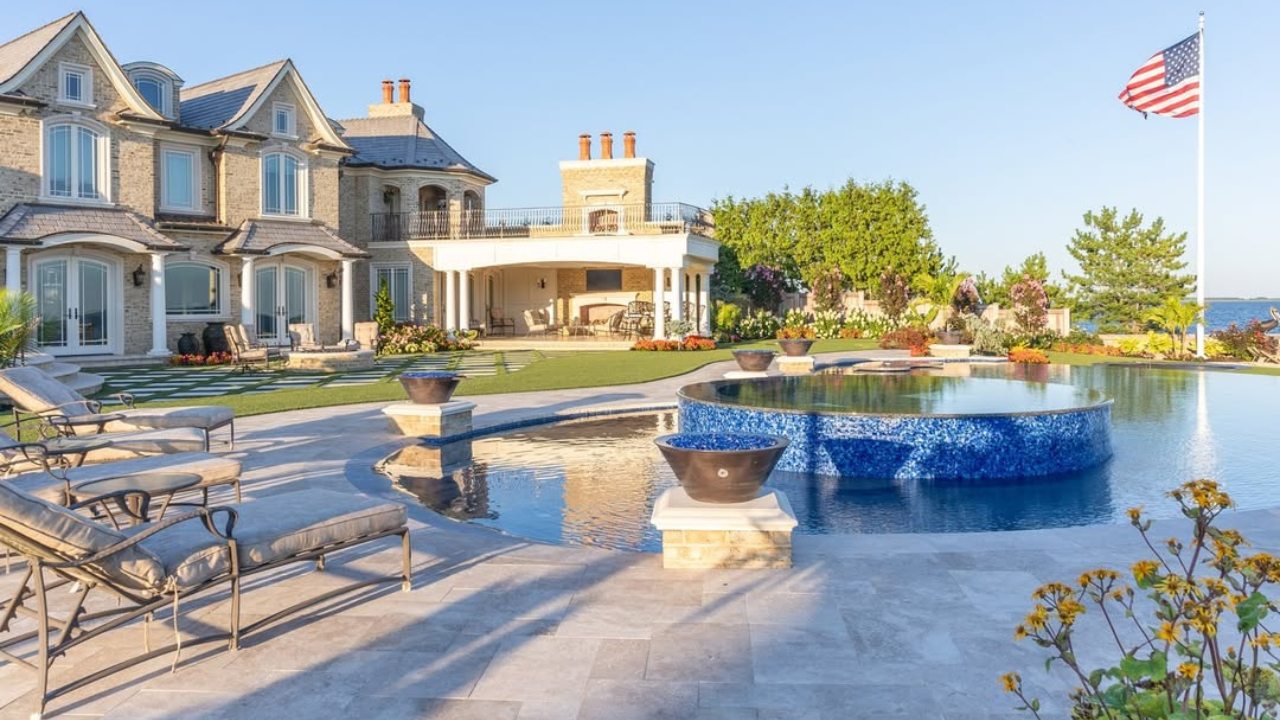
Homeowners usually select travertine pool decks and warm climates because it balances comfort and safety.
Key travertine characteristics
- Naturally porous structure
- Textured, slip-resistant surface
- Softer visual movement
- Cooler surface temperature
You get travertine in filled or unfilled finishes. Each finish changes how visible the pores will be, as outdoor pavers generally use field or tumbled finishes. This balances comfort and durability.

How Do Limestone and Travertine Look Side by Side?
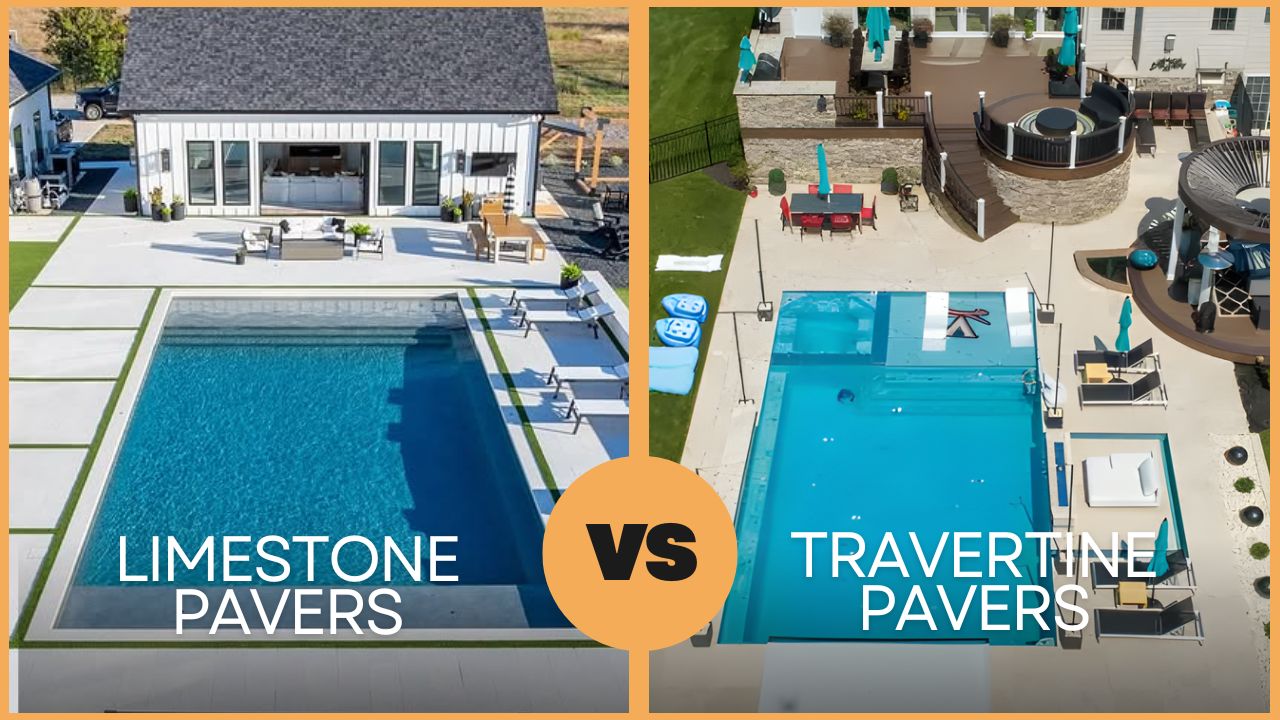
Appearance matters a lot because outdoor spaces are visible every day. Limestone and travertine, though they look somewhat similar, still offer different designs.
Limestone appearance
- Clean, modern, structured
- Muted tones like gray, beige, cream
- Subtle veining
- Works well with contemporary homes
Travertine appearance
- Organic, relaxed, textured
- Warm tones like ivory, walnut, and silver
- Natural movement and variation
- Pairs well with Mediterranean or resort-style spaces
Limestone pavers are well-suited to homeowners who prefer restraint and uniformity. Travertine is the best choice for those who welcome natural variation.
Limestone vs Travertine Pavers: The Outdoor Performance
Climate is an essential consideration in determining the stone’s performance. Choosing the wrong stone in the wrong environment will result in surface damage, discoloration, or safety issues.
Limestone Performance in Outdoor Conditions
- Performs well in moderate climates
- Handles freeze-thaw cycles when properly installed
- Resists surface erosion due to density
- Requires proper slope and drainage
Travertine Performance in Outdoor Conditions
- Performs well in hot, sunny climates
- It stays cooler under direct sunlight
- Manages moisture through porosity
- Requires sealing to control water absorption
These days, installers are now pairing stone selection with regional climate modeling. This approach reduces long-term maintenance and improves safety outcomes.
How Safe Are Limestone vs Travertine Pavers When Wet?
Safety matters a lot around the pools, steps, and shaded patios. This is a major concern for residential swimming pools with kids, pets, and the elderly.
Limestone traction
- Depends on the finish
- Honed limestone feels smooth
- Textured or brushed finishes improve grip
Travertine traction
- Naturally slip-resistant
- Open pores increase surface friction
- Performs well near water features
Travertine often requires fewer surface treatments to make the surface secure when wet.
What Maintenance Should Homeowners Expect Over Time?
Maintenance determines whether natural stone pavers feel like an asset or a burden. While natural stone requires maintenance at any level, not all of them require the same level of maintenance.
Limestone Maintenance
- Requires sealing every 2–3 years
- Cleans easily due to dense surface
- Resists staining when sealed
- Shows surface wear slowly
Travertine Maintenance
- Requires sealing every 1–2 years
- Needs gentle cleaners to protect pores
- May show patina with age
- Handles minor surface changes gracefully
Both stones take advantage of routine cleaning and installing pavers. Neglect and wrong stone selection and causes most failures.
Which Stone Costs More Over the Long Term?
Material pricing is different according to region, quarry source, and finish. Installation costs remain similar. Long-term cost depends on:
- Sealing frequency
- Cleaning needs
- Surface repairs
- Climate exposure
Limestone usually cost lower in terms of maintenance over time due to lower porosity. Travertine, however, requires more frequent care but offers more comfort benefits that many homeowners value.
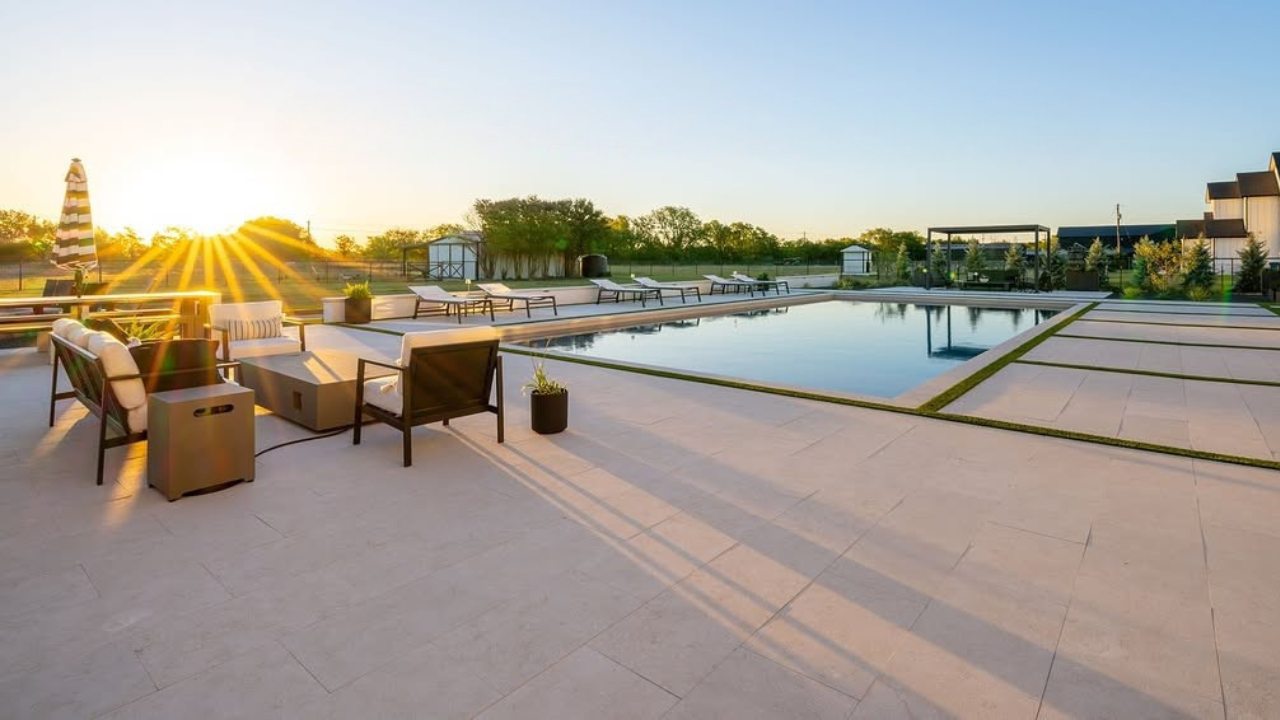
Where Does Each Stone Perform Best?
Though travertine and limestone are widely used for outdoor projects, both stones perform better in their dedicated zones. So selecting the right choice for pool decks
| Decision Factor | Choose Limestone Pavers When | Choose Travertine Pavers When |
| Design Style | You want a structured, modern look | You want a relaxed, natural look |
| Foot Traffic | Your patio sees heavy foot traffic | Foot traffic is moderate, and comfort matters |
| Climate | You live in a cooler climate | Your space receives direct sunlight |
| Safety Near Water | Surface texture is controlled with the finish | You need natural slip resistance near water |
| Comfort Underfoot | A firm, solid feel is preferred | Comfort underfoot matters |
| Maintenance Preference | You prefer lower maintenance | You accept slightly higher maintenance |
Many NT Pavers projects combine two of the most popular stones in different indoor and outdoor zones to balance aesthetics and performance.
Limestone vs Travertine Pavers FAQs
Let’s answer your questions about Limestone and Travertine Pavers.
Which lasts longer, limestone or travertine?
Limestone’s density gives it a slight durability edge in high-traffic areas. Both stones last for decades when installed and maintained correctly.
Are travertine pavers slippery when wet?
No. Travertine offers natural slip resistance due to its porous texture, especially around pools.
Does limestone crack more than travertine?
No. Neither stone cracks easily. Installation quality and base preparation matter more than stone type.
Can limestone be used around pools?
Yes. A textured finish and proper sealing of limestone pavers can last longer. Travertine remains the safer choice for most pool decks.
Which stone adds more home value?
Both are valuable addition of any home. The best return comes from choosing the stone that fits the climate and design of the home.
Bottom Line
Limestone pavers and travertine pavers are popular choices for homeowners. The difference lies in performance priorities, not quality. Limestone offers strength, density, and low maintenance in long-term usage. Both travertine and limestone pavers perform well when matched with climate behavior and usage, as seen in collections from NT Pavers.
You can make an informed choice by understanding how the stone performs outdoors instead of focusing on aesthetics. That approach leads to patios that age with dignity, safety, and purpose.