
Coastal homes offer stunning views, a warm climate, a year-round breeze, and a welcoming feel. However, coastal homes also have to deal with a saltwater environment. This means they are constantly facing salt air, humidity, wind-driven sand, and seasonal storms. They place heavy stress on outdoor surfaces, which fades the color and weakens the material by eroding and cracking.
This is why choosing the right material for patios, walkways, and backyards matters a lot. The right paver type can resist salt, exposure, absorb little water, and maintain its color under strong sunlight. Instead of choosing pavers based on aesthetics, homeowners need to consider their resistance too. Continue reading the following to learn about the best pavers for coastal homes and salt-air environments.
Porcelain Pavers for Maximum Salt Resistance
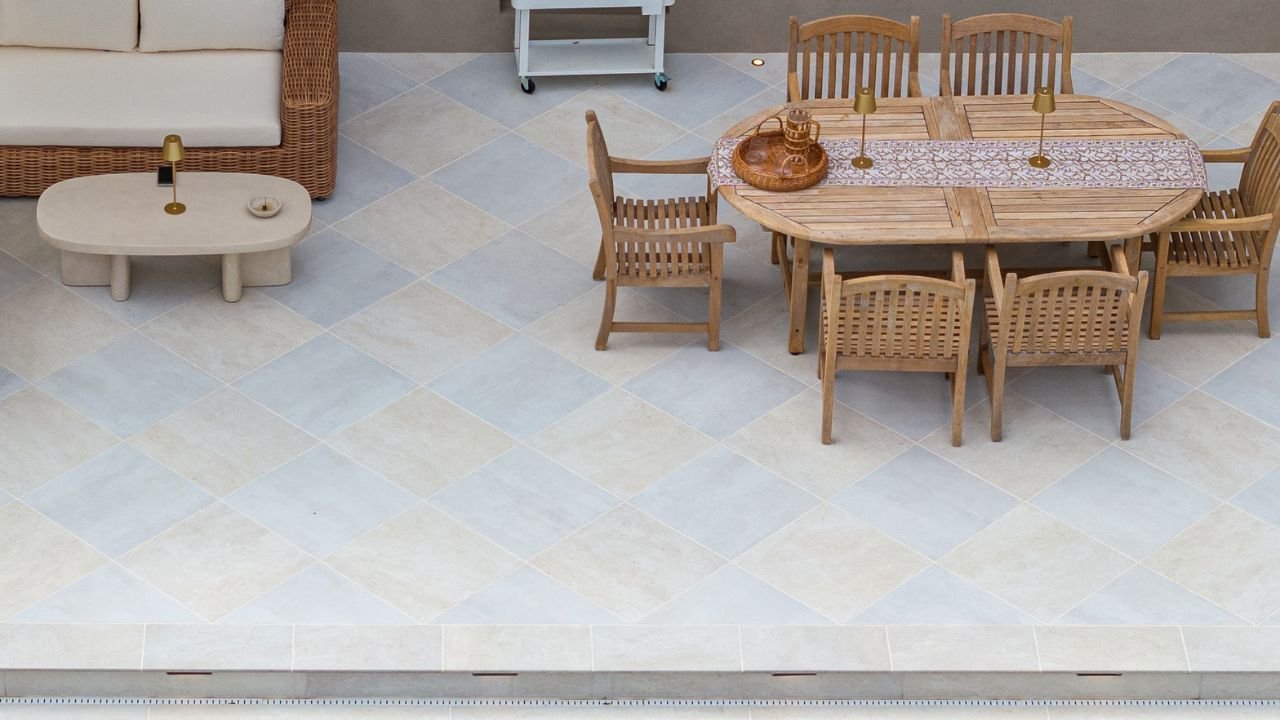
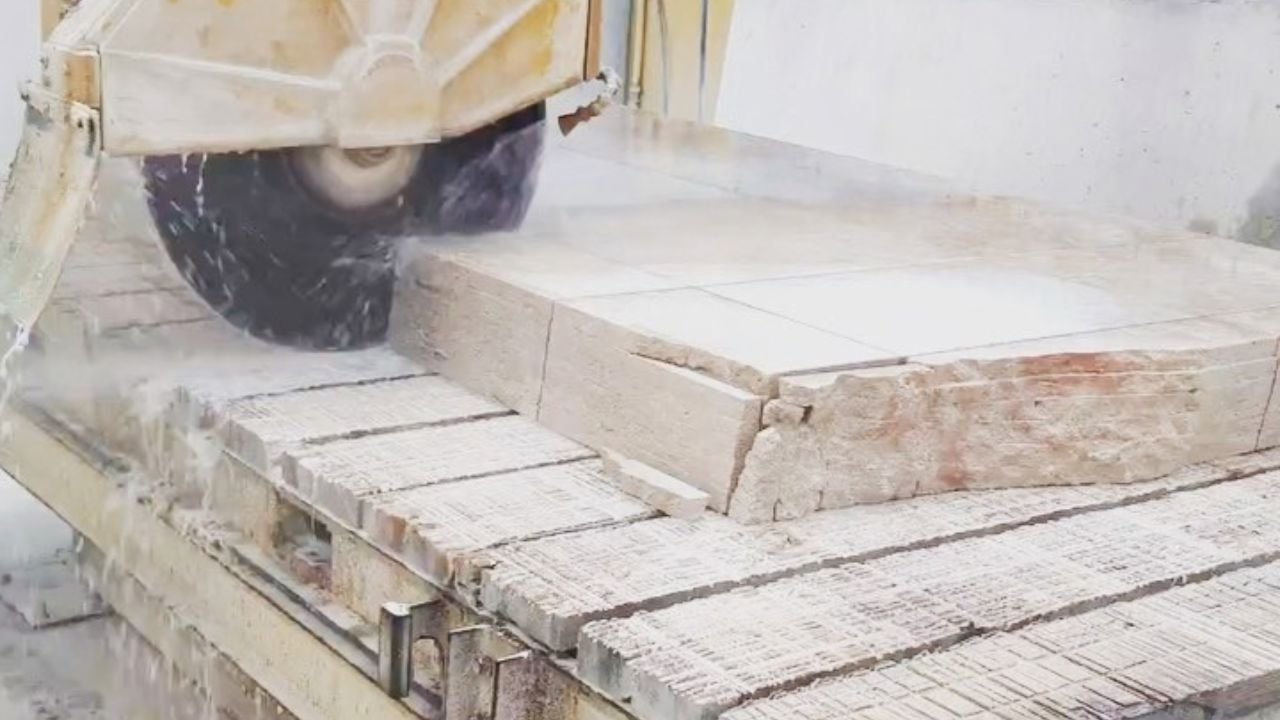
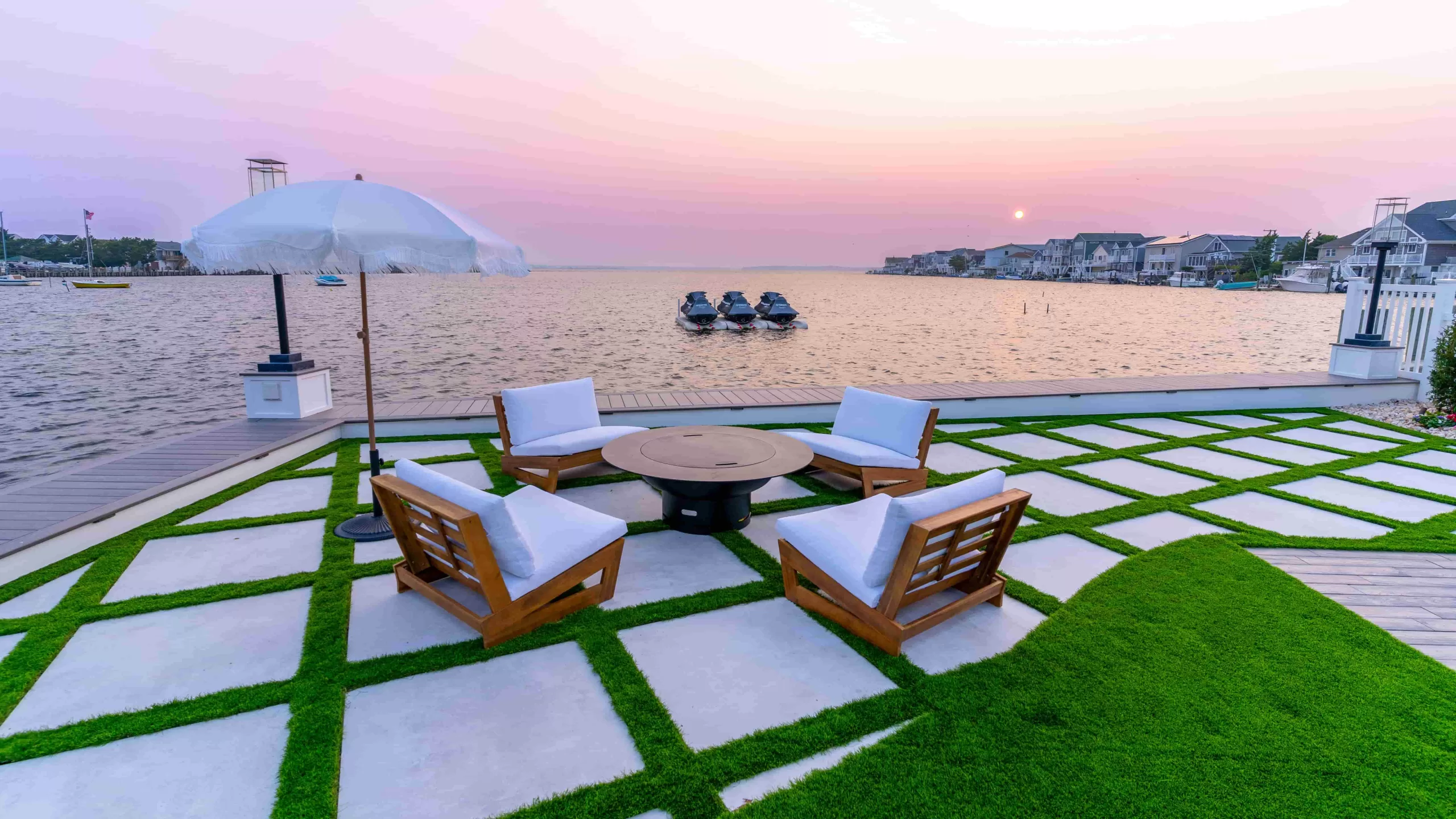
Porcelain pavers have gained huge popularity due to their durable surface and reliable performance. Many homeowners consider them for coastal patios and pool decks. These pavers are crafted through a high-temperature kiln process that creates an extremely dense surface. Because of that density, porcelain absorbs very little water. Low absorption prevents salt crystals from penetrating the surface and causing damage.
Benefits Of Porcelain Pavers for Coastal Homes
Porcelain resists fading from ultraviolet exposure. Coastal regions often receive strong sunlight throughout the year, and some paving materials gradually lose color under these conditions. Porcelain maintains consistent tones even after long exposure. Also, it is a low-maintenance material for coastal outdoor use.
Another porcelain pavers advantage is surface texture. Many porcelain pavers include slip-resistant finishes designed for pool decks and wet environments. This feature improves safety while maintaining a clean architectural look.
Porcelain Paver Applications
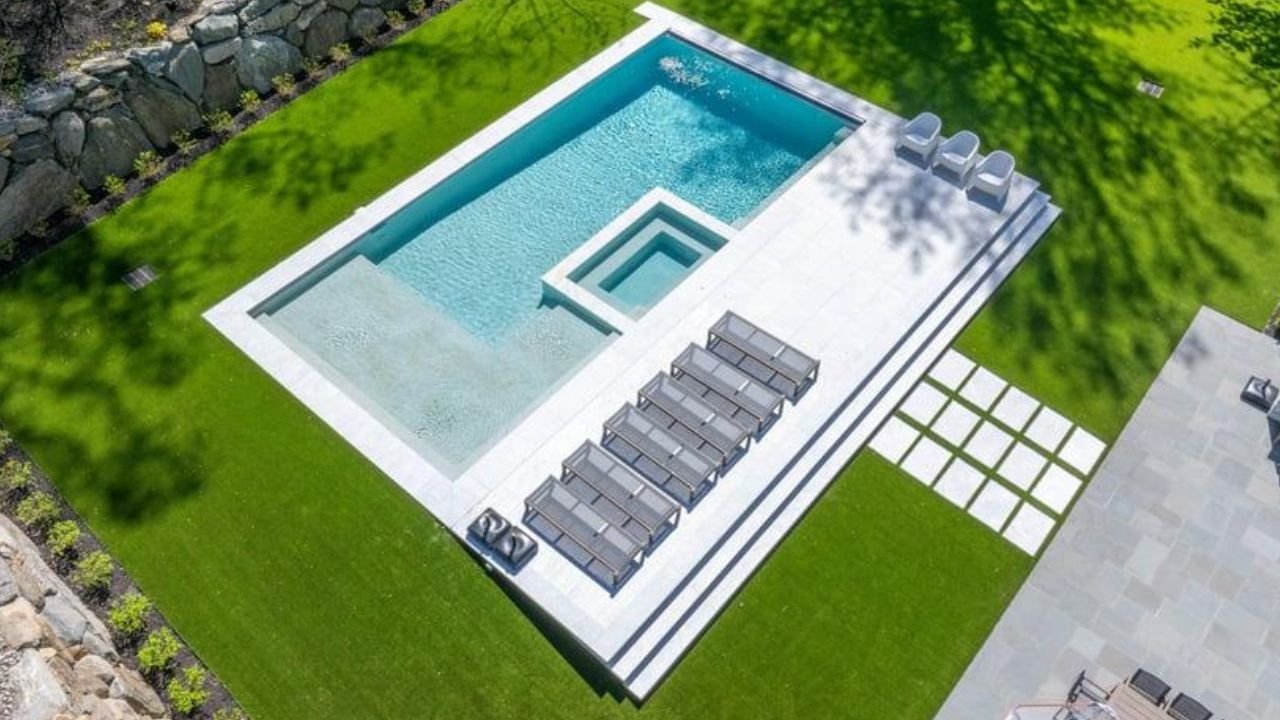
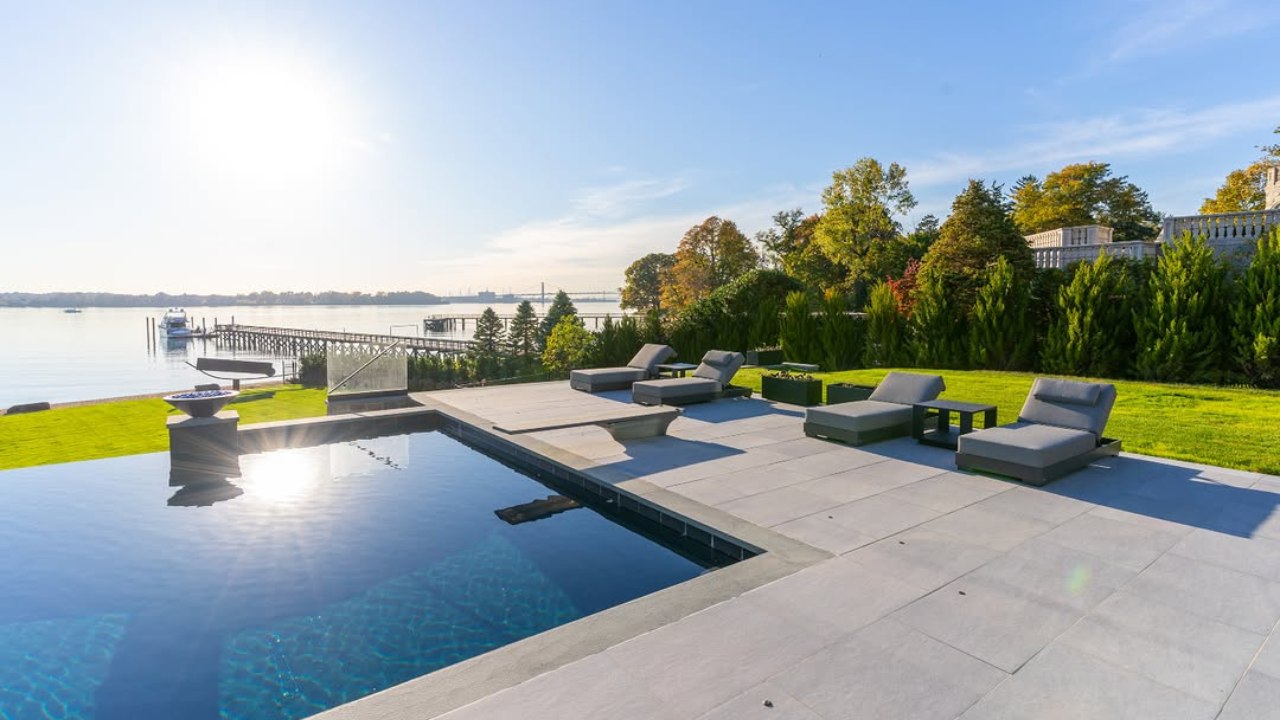
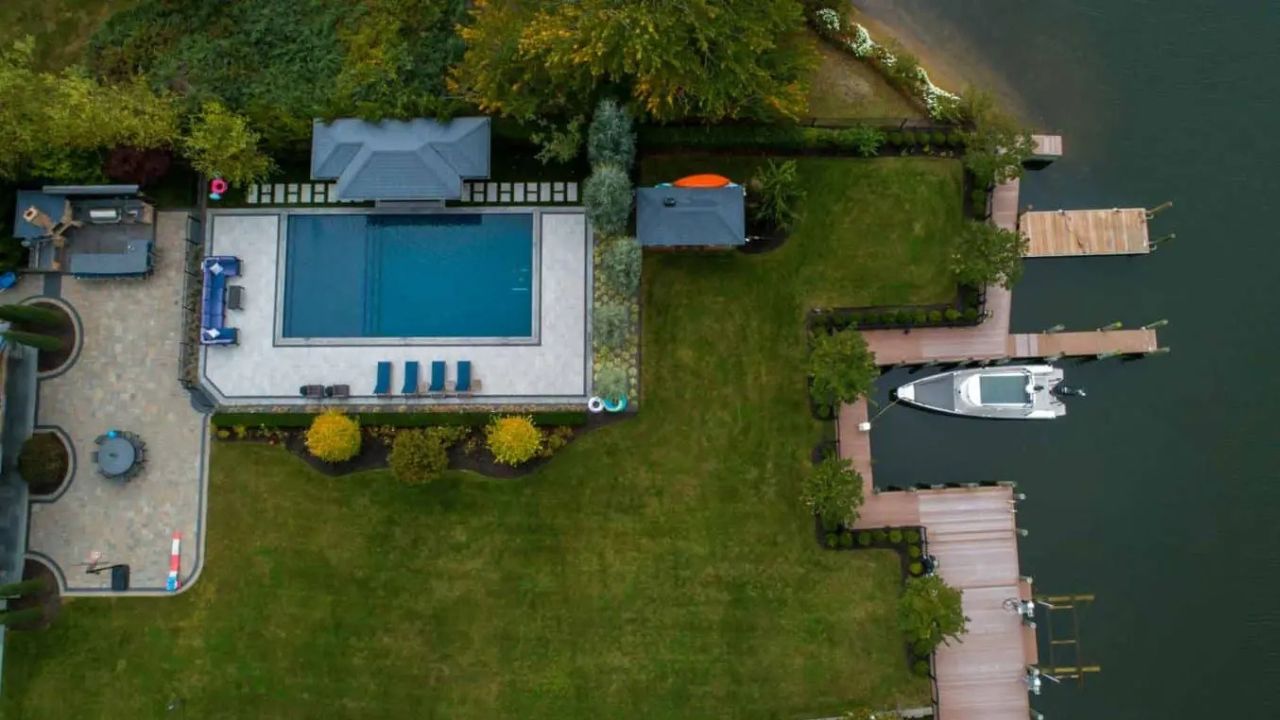
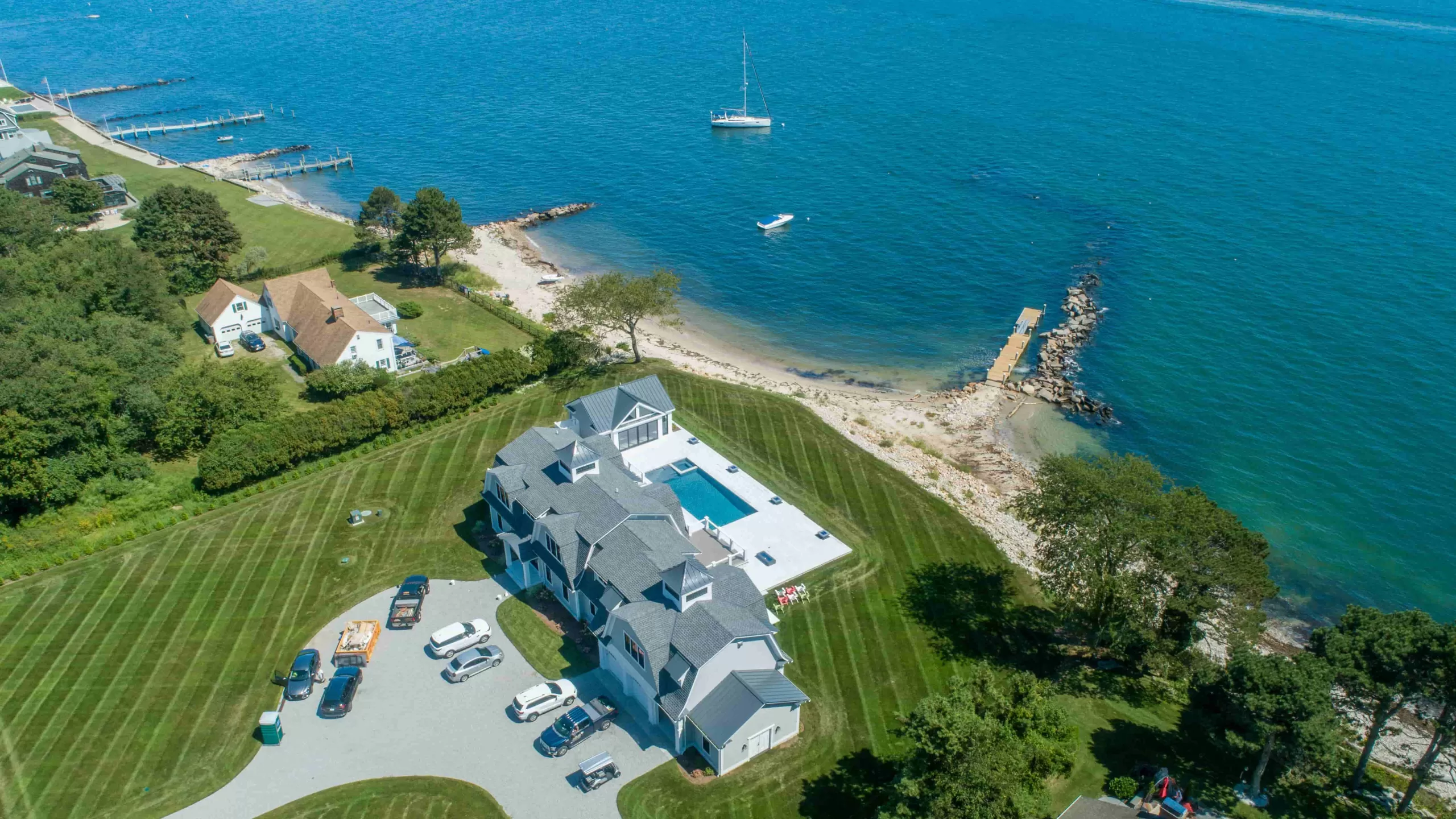
For coastal installations, porcelain performs especially well in patios, balconies, rooftop terraces, and pool areas where salt spray and moisture occur frequently.
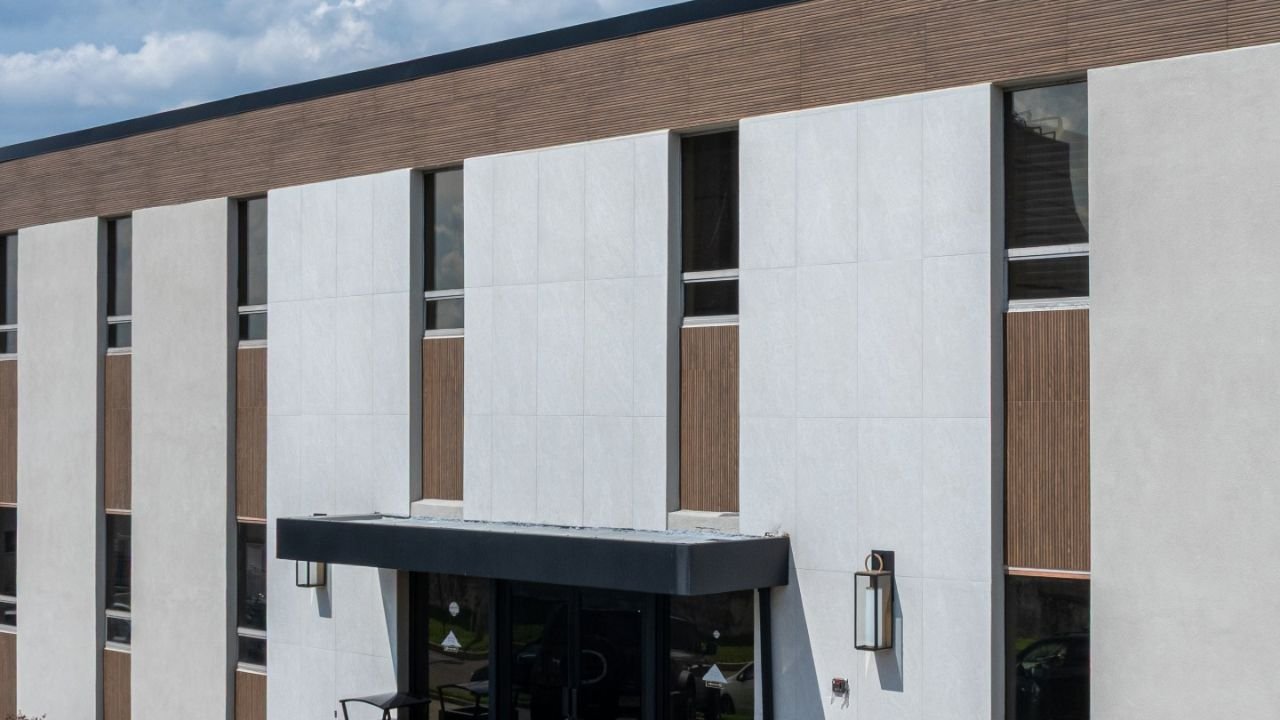
As a porcelain pavers supplier and manufacturer, NT Pavers offers products designed to replicate the look of natural limestone and concrete textures while offering higher durability.
Dense Natural Stone with Low Water Absorption
Natural stone pavers is still a classic choice for coastal landscapes. However, not all stones are equal when it comes to performance near the ocean. Such as granite, bluestone, and dense limestone varieties
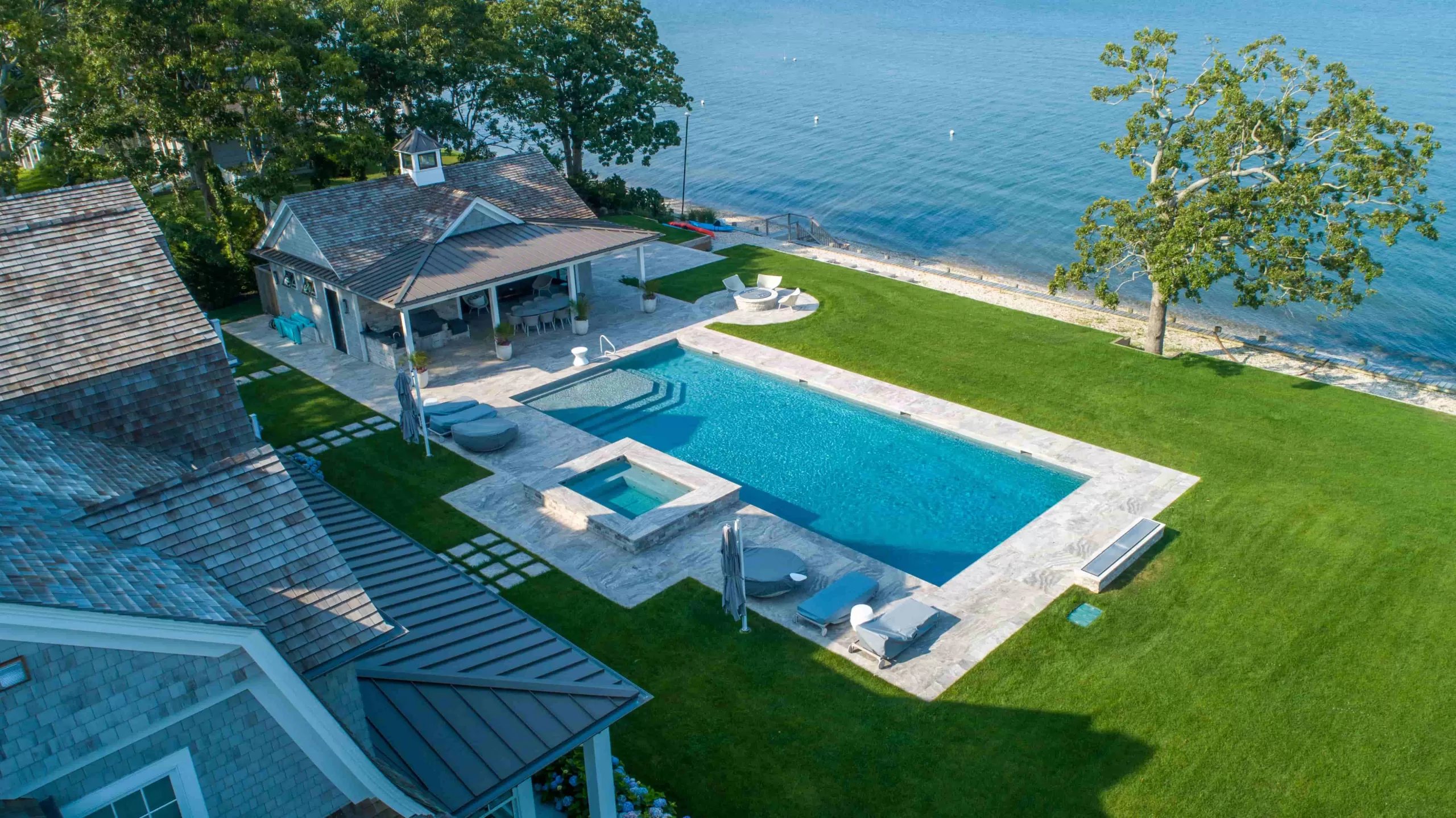
Granite is the most durable stone against erosion. Its tight grain structure absorbs less water and prevents surface damage in salty environments. Travertine can work too when sealed properly and with higher thickness. For extra longevity, you can also opt for cobblestone for exceptional durability.
Bluestone pavers also performs well when properly sealed. Its natural texture provides traction while maintaining a refined appearance.
How To Select The Right Stone Pavers For Salt-Air Environments?
When selecting natural stone pavers for coastal homes, professionals usually avoid highly porous materials such as sandstone or soft limestone pavers. These stones absorb water more easily, which can lead to deterioration when salt crystallizes within the surface.
Proper installation remains important. A stable base and well-graded drainage layer ensure that water does not remain trapped beneath the stone.
High-Quality Concrete Pavers Designed for Marine Climates
Concrete pavers remain one of the most common paving materials for a wide range of residential landscapes. Modern manufacturing techniques have improved their performance in coastal settings.
Opt for high-quality concrete pavers with dense aggregates and controlled curing. This will increase strength and reduce water absorption. Many concrete pavers feature protective surface layers that resist salt exposure and fading. These finishes help maintain color stability even under constant sunlight and sea air.
Benefits Of Concrete Pavers
Concrete pavers offer additional benefits for coastal homeowners, such as consistent sizing for tight joint spacing. A wide range of colors and shapes, and a strong load capacity for driveways.
Concrete pavers can be a flexible surface that can handle soil shifting and heavy rainfall when installed on a proper paver base. Many coastal projects use concrete pavers for driveways, pathways, and entry courtyards because they combine durability with design flexibility.
Permeable Pavers for Coastal Drainage Control
Coastal regions often have to face intense rainstorms and changing groundwater levels. Drainage becomes a crucial design element for these environments. Permeable paver systems help manage water flow while maintaining a durable hardscape surface. These systems use wider joints and open-graded aggregate layers that allow water to filter through the surface and into the ground below. This design reduces standing water and improves site drainage.
Permeable paving systems often follow engineering standards developed by the Interlocking Concrete Pavement Institute. These systems often appear in coastal driveways, parking areas, and walkways where stormwater management plays a critical role.
Benefits Of Permeable Pavers
For coastal properties, permeable pavers provide several advantages, such as reduced runoff during heavy rain. They improve groundwater recharge and prevent surface water accumulation.
Light-Colored Paver Materials That Reflect Heat
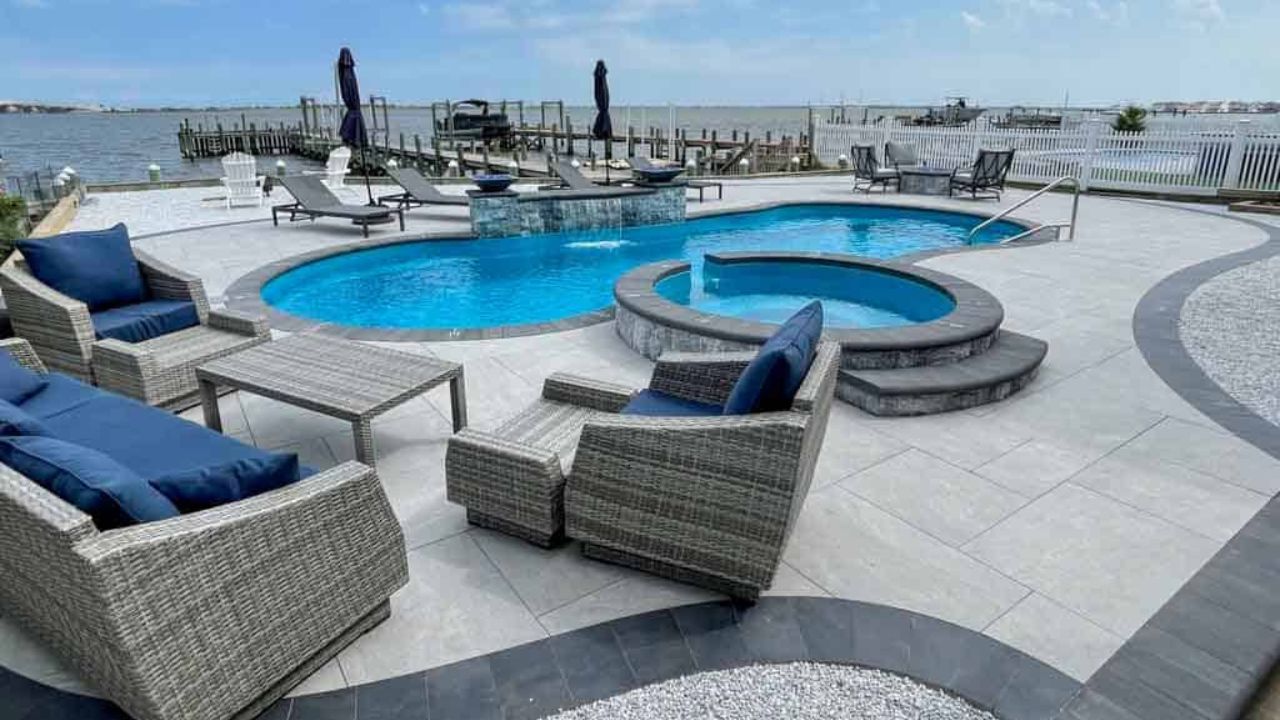
Color choice matters in coastal climates. Dark surfaces absorb heat and can become uncomfortable under direct sunlight. Light-colored pavers reflect more sunlight and remain cooler during warm afternoons. Popular coastal tones include Soft sand beige, Light limestone gray, Weathered shell tones, and Pale concrete shades
Tips for the Right Material And Applications
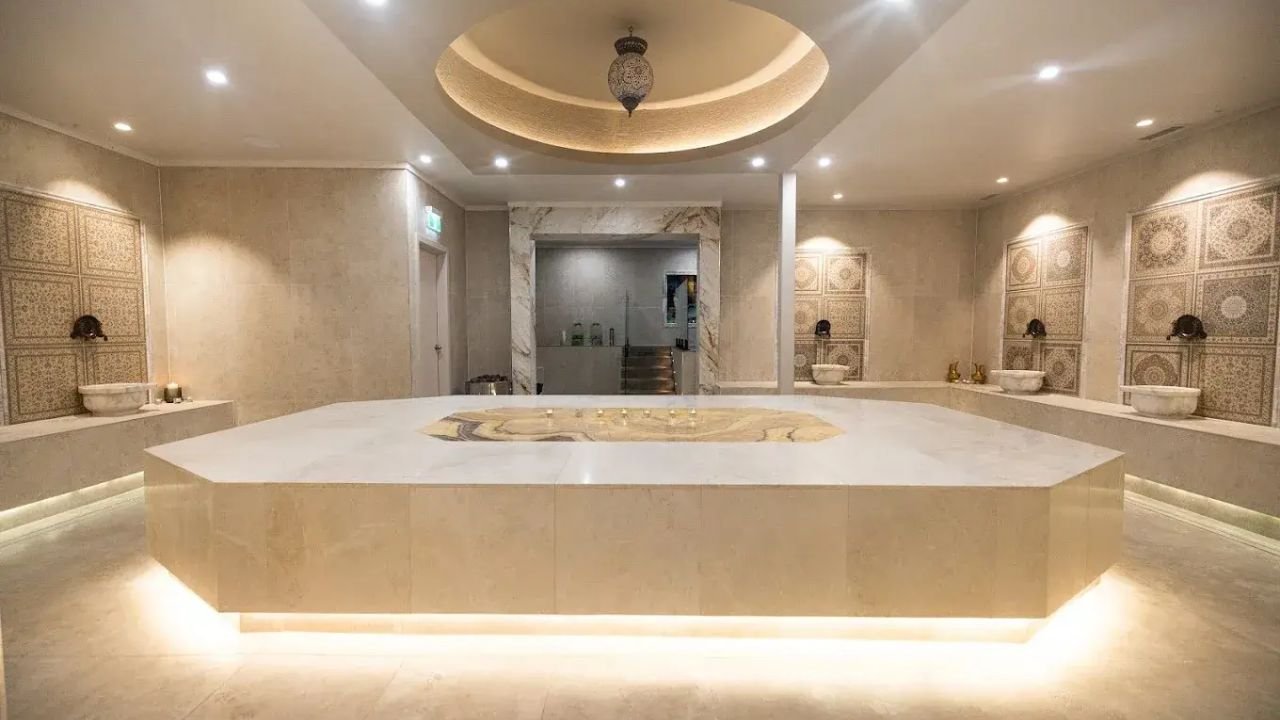
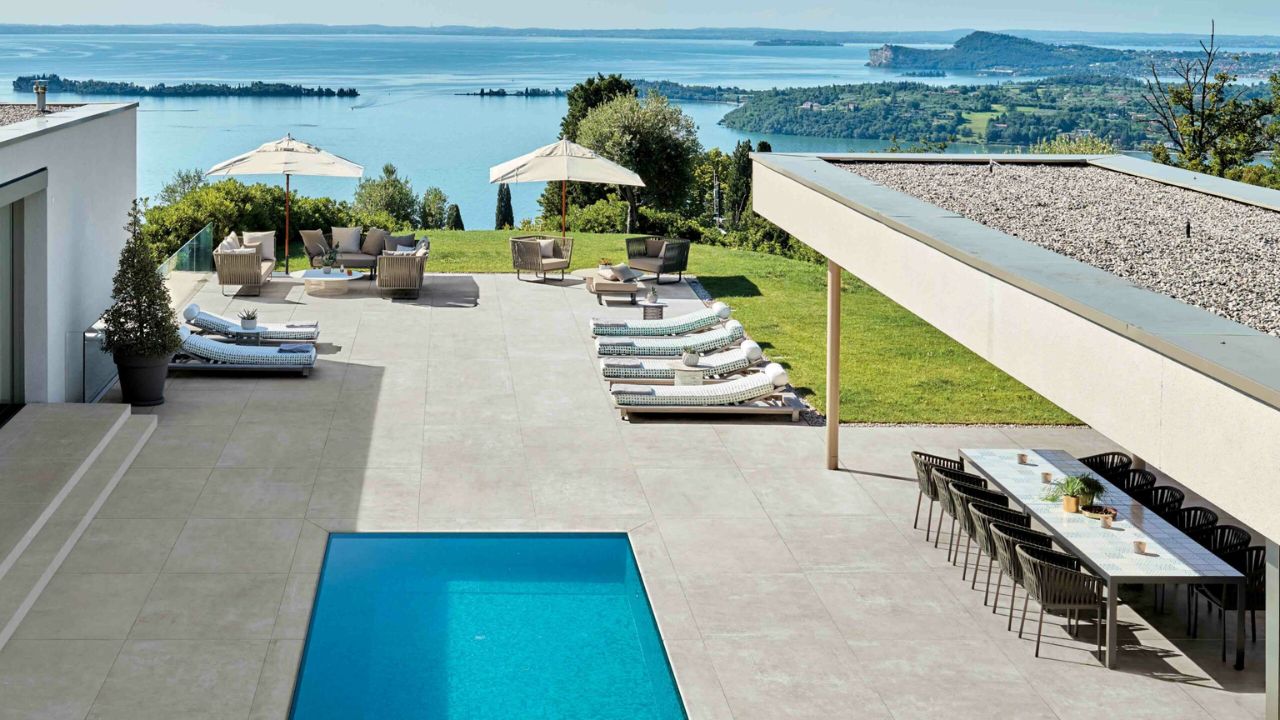
Porcelain and natural stone pavers often provide these lighter shades while maintaining strong resistance to fading. You can also go for high-end brick pavers for a rustic appearance in outdoor living spaces. Beyond aesthetics, lighter pavers also help maintain a comfortable walking surface around pools and patios. These colors complement common coastal architecture, which often features white siding, light stucco, or natural wood elements.
Textured Surfaces for Slip Resistance Near Water
Outdoor spaces near the coast often remain damp due to humidity, pool decks and patios, or ocean spray. This is why slip resistance is a key factor to consider in these conditions.
Pavers designed for coastal environments often feature lightly textured finishes that improve traction without creating excessive roughness. Most common examples are sandblasted stone surfaces, textured porcelain finishes, and tumbled concrete pavers. These surfaces maintain grip while still allowing water to drain quickly.
Common Applications Of Textured Surfaces
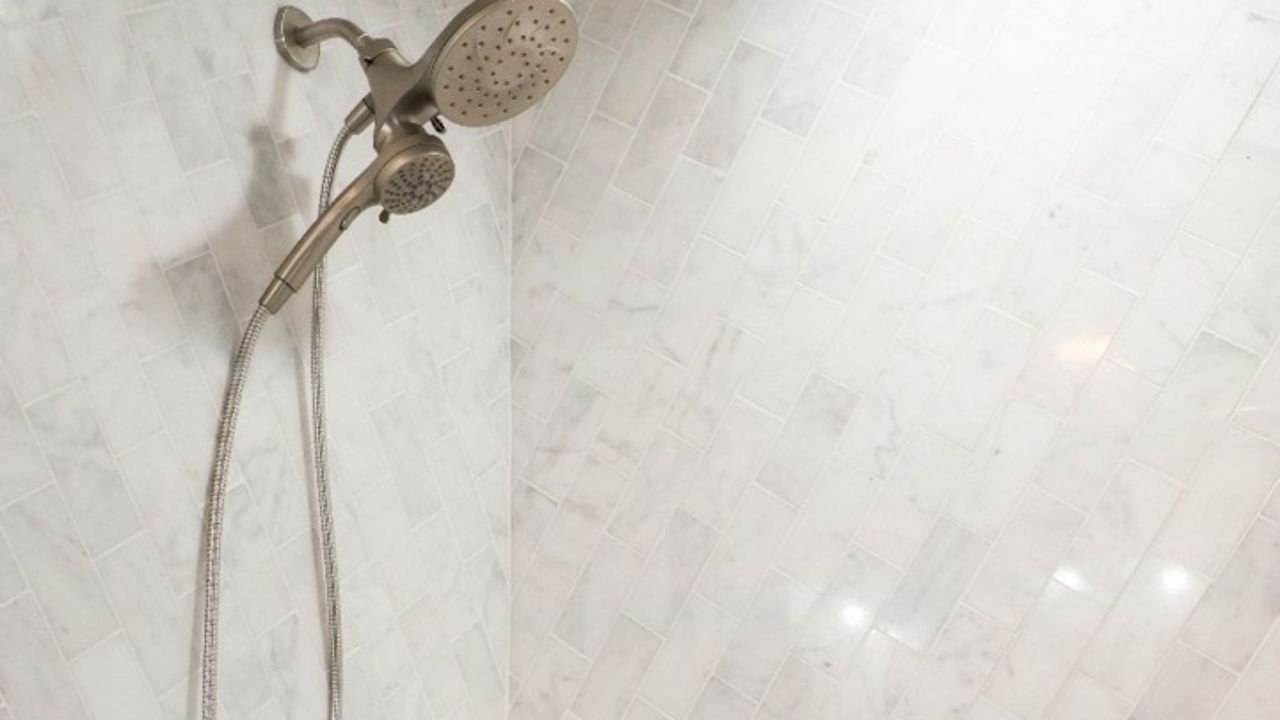
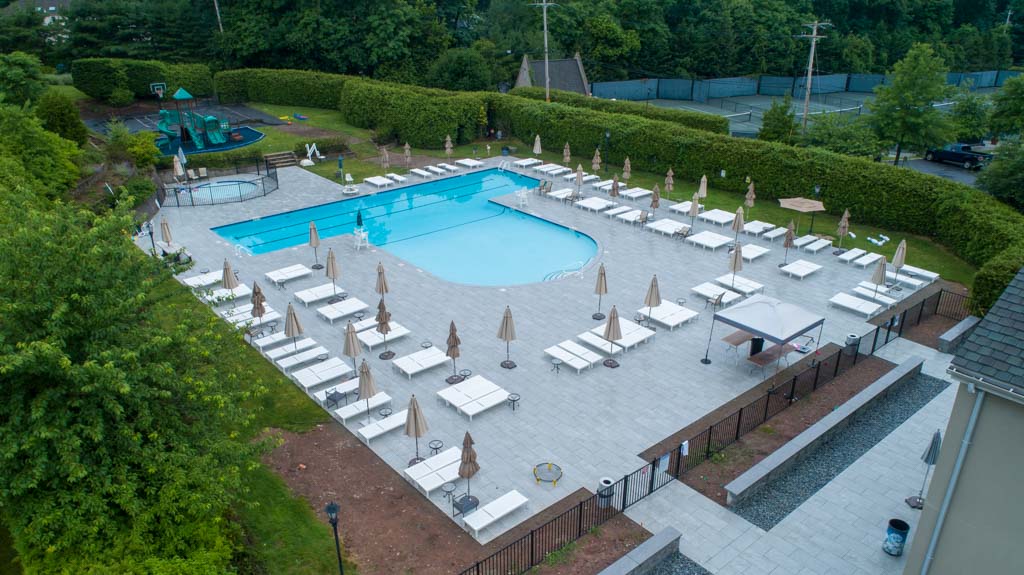
Pool decks, outdoor showers, and beachfront walkways benefit the most from these textures. Designers often combine slip-resistant surfaces with light colors to improve both safety and comfort.
Proper Base Construction for Long-Term Coastal Durability
Even the strongest paving materials will not perform well if the foundation underneath is poorly built. Coastal soils usually contain sand or loose aggregates that shift easily under load. Storm surges and heavy rainfall can also wash away poorly compacted base layers.
What Is Included In A Well-Constructed Base?
A well-constructed base system typically includes:
- Excavation to a stable subgrade
- Geotextile separation layers
- Open-graded aggregate base materials
- Proper edge restraints
These layers help in distributing loads and keep water drained away from the surface. Many paver installation practices follow structural guidance from ASTM International to ensure long-term stability.
Professional hardscape suppliers such as NT Pavers often help contractors select materials that match these installation systems.
Additional Coastal Design Tips from Hardscape Professionals
Experienced landscape designers don’t follow fixed design rules. Instead, they opt for several design strategies that improve durability in salt-air environments.
| Installation Detail | Why It Matters in Coastal Environments | Practical Recommendation |
| Use corrosion-resistant edge restraints | Coastal air contains salt that accelerates rust in untreated metals. | Use aluminum or polymer edge restraints instead of untreated steel to prevent corrosion. |
| Seal natural stone when appropriate | Salt moisture can enter porous stone and weaken the surface over time. | Apply a breathable sealant to reduce water absorption and protect the stone surface. |
| Allow proper drainage slopes | Standing water can lead to staining, erosion, and base instability. | Design patios with a slight slope away from structures to direct water runoff safely. |
| Use polymeric or stabilized joint materials | Wind, rain, and coastal moisture can wash away loose joint sand. | Install polymeric or stabilized joint materials to lock joints and resist erosion. |
Salt-Air Environment Pavers FAQs
Let’s answer your questions about paver options for a coastal home
What pavers work best near the ocean?
Porcelain pavers, dense natural stone pavers like granite, and high-quality concrete pavers work great. They have a thick and resistant surface against salt exposure and moisture.
Are concrete pavers safe for coastal homes?
Yes. High-quality concrete pavers are designed for outdoor use. They perform well when installed on a stable base and a properly drained surface.
Do porcelain pavers resist salt damage?
Yes. Porcelain has extremely low water absorption, which prevents salt from penetrating and damaging the surface.
What color pavers are best for coastal patios?
Light tone pavers Light tones such as beige, sand, and pale gray reflect sunlight and complement common coastal architecture.
Are permeable pavers good for coastal environments?
Yes. Permeable systems enhance drainage capability and reduce water pooling during heavy rainfall.
Bottom Line
Coastal climate offers great benefits from sunny beaches, sandy shores, warmth, and stunning scenes. But it also has a fair share of challenges when it comes to construction. The saltwater environment can deteriorate and erode the unsuitable pavers way sooner than expected. Choosing thicker pavers helps a lot, especially with the lowest porosity ratings like Porcleain or granite pavers.
Porcelain pavers, dense natural stone with a low-maintenance surface, and high-quality concrete pavers are the most dependable material choices. They can be used for patios, walkways, and driveways. Permeable paving systems also improve drainage in regions with frequent rain and high groundwater levels.
When these materials are installed on a well-planned and prepared base that follows guidance from ASTM International, they last longer. They work even better in demanding coastal environments.