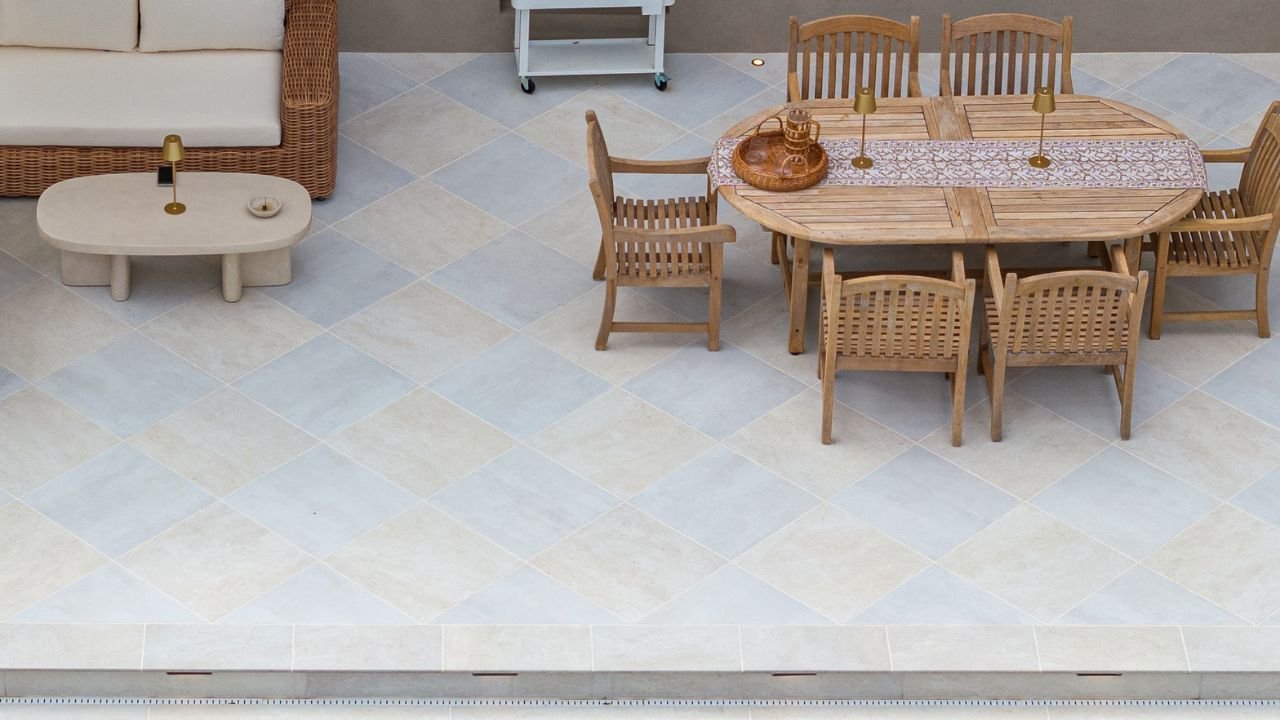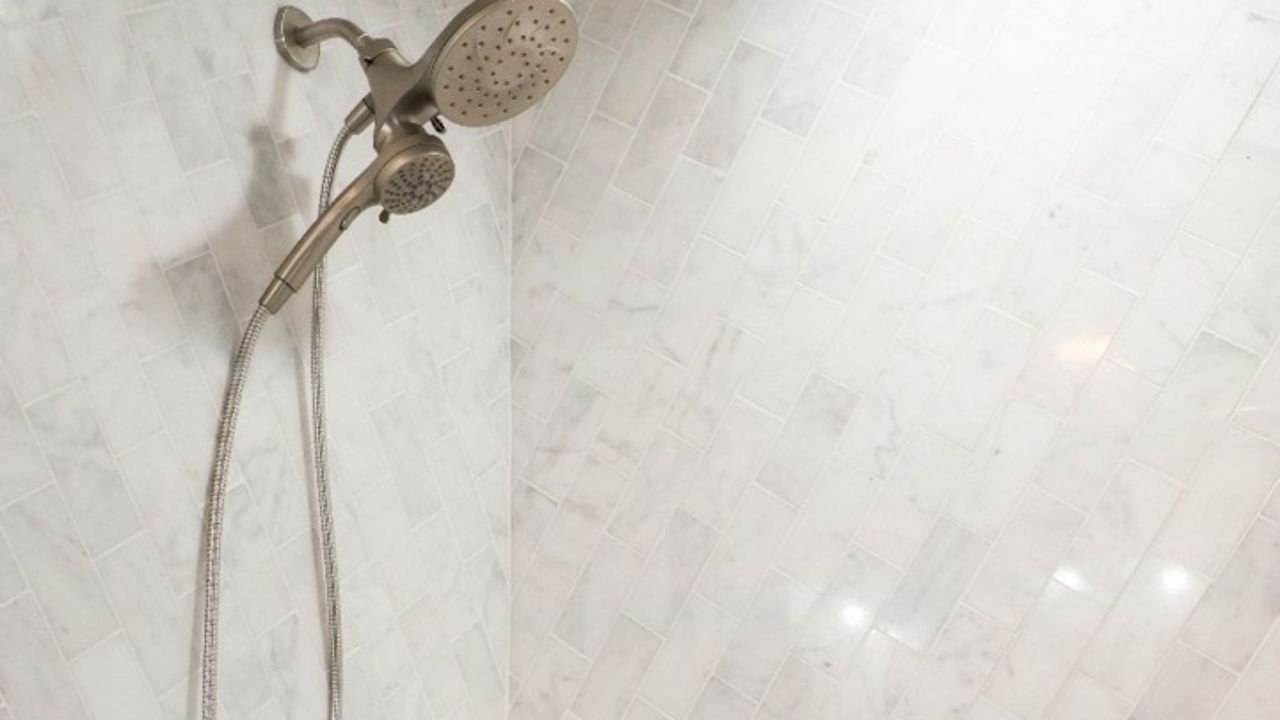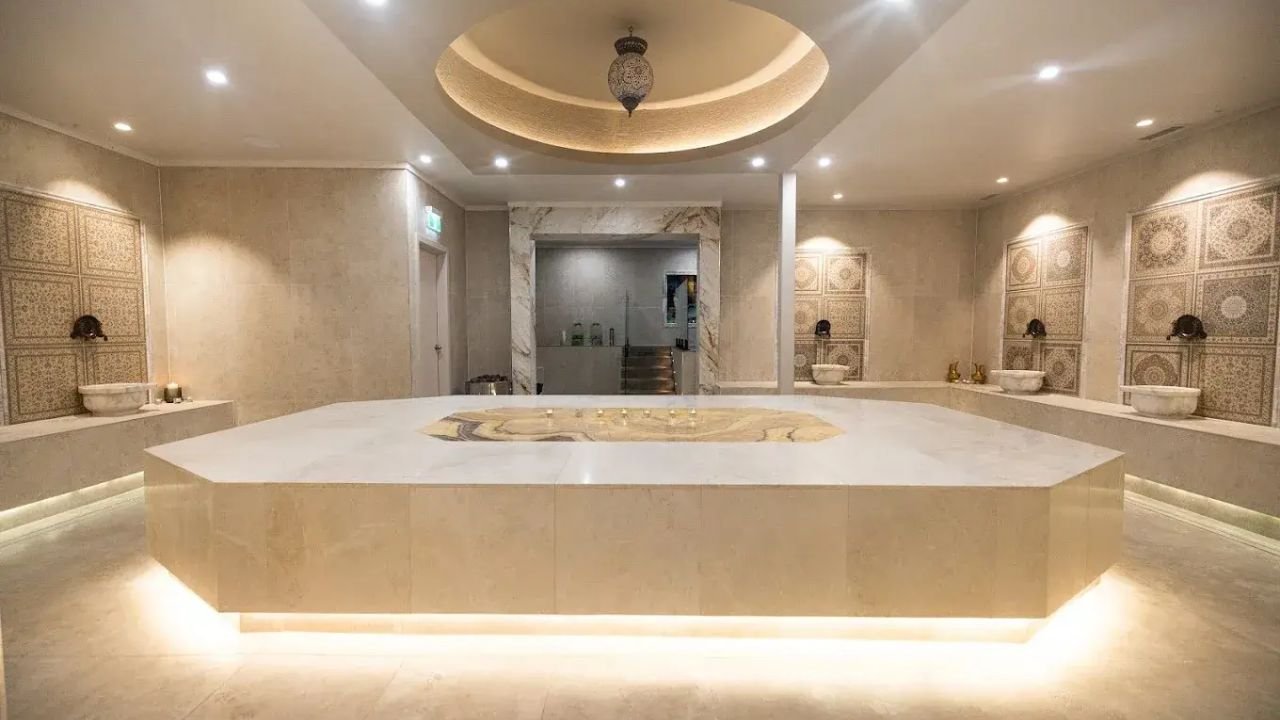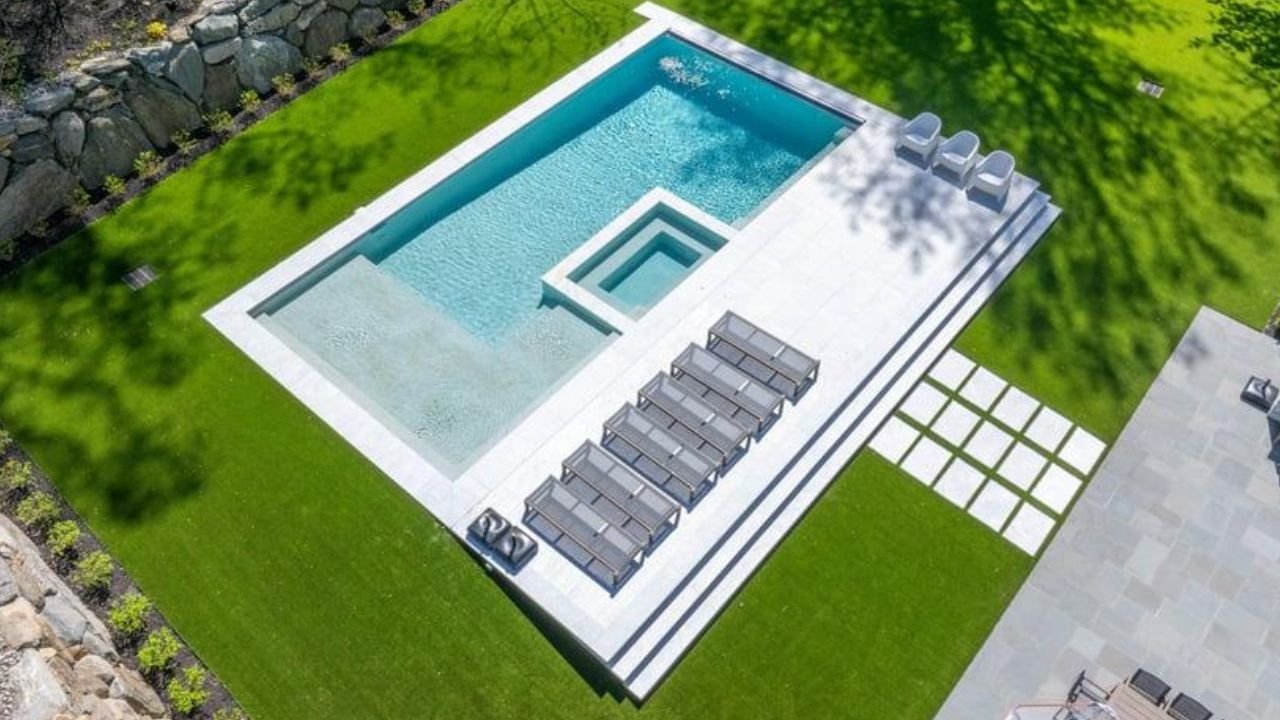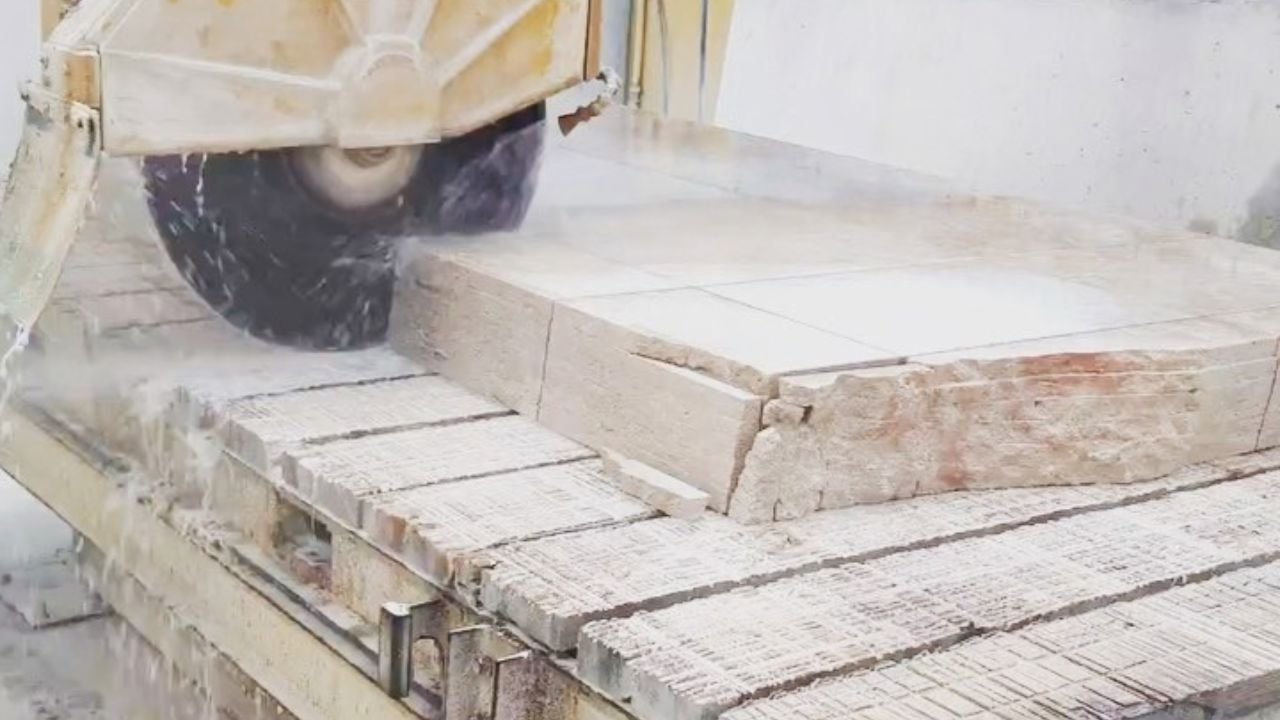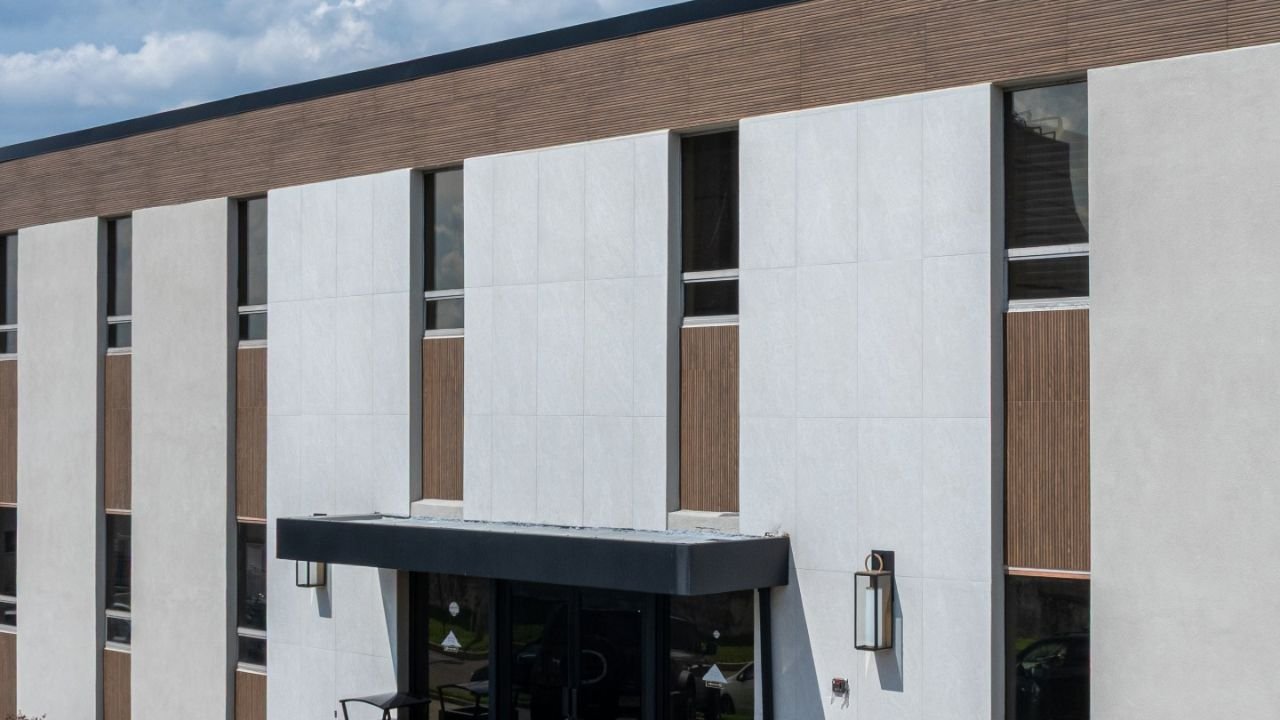

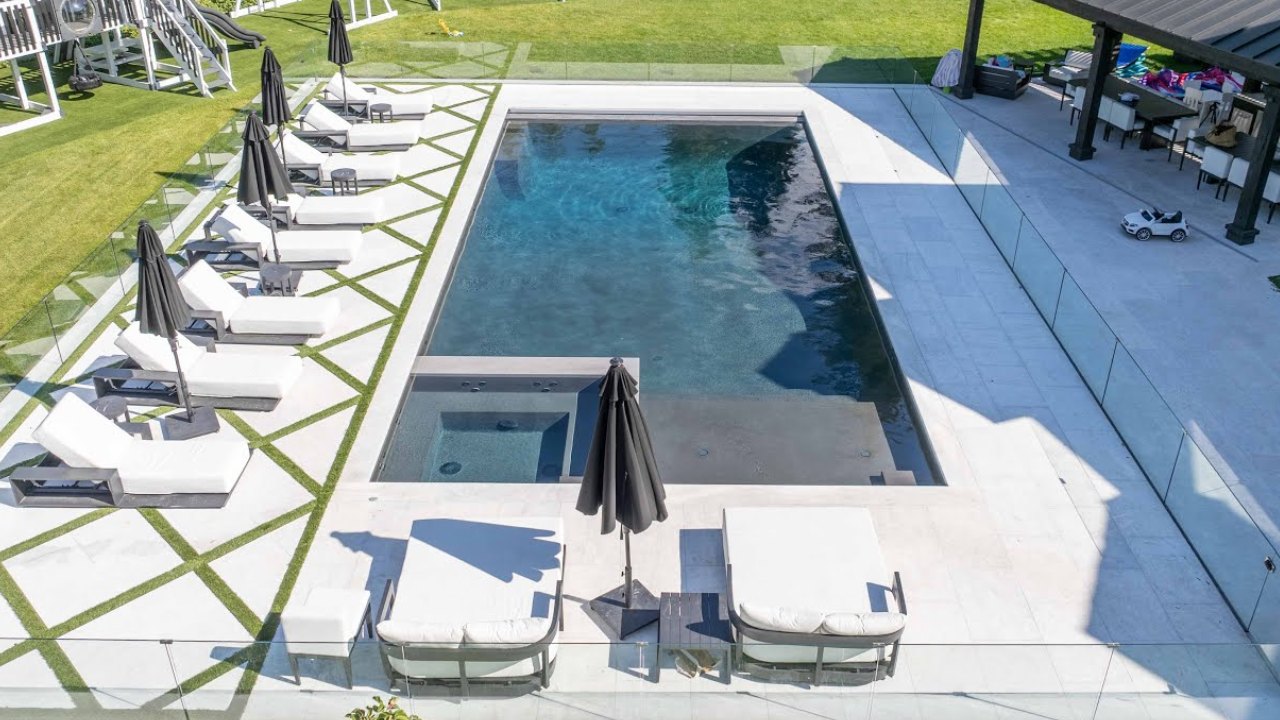
Marble pavers are one of the most sought-after paving materials for outdoors. Many homeowners prefer marble pavers due to their durability, luxurious aesthetics, and higher density. The stunning and unique veining patterns are different on every paver, which makes it a kind of paving option. This is why they provide a durable performance in most outdoor areas, including patios, pool decks, and walkways. However, it is a common question among homeowner love marble: “Are marble pavers good for outdoor use?” While straightforward is “Yes,” there is more to know about. Continue reading the following to learn more about it.
How Marble Pavers Behave Outdoors?
Marble takes its shape from limestone under the intense heat and pressure. This process creates a thick but porous stone. When it is cut into pavers, it becomes a thicker slab that can withstand heavy foot traffic and light outdoor loads. Outdoors, marble behaves differently than indoors as it absorbs water through micro pores. It reacts with the acids such as ran, cleaners, or fruit juices. Outdoor marble pavers expand and contract when the temperature changes. The surface finish gets softened over time. The stone generally performs well in outdoor conditions and doesn’t fail quickly. However, it starts to change its appearance over time because surfaces are constantly exposed to outdoor elements.
When homeowners use marble outdoors, they often expect indoor performance. That expectation leads to disappointment. The key is to match material behavior with the use case.
Why Homeowners Choose Outdoor Marble Pavers for Outdoor Spaces?
Marble is preferred by many homeowners for outdoor landscaping in premium homes for several reasons. While beauty is the major reason, it alone does not define suitability.
Natural visual depth
Marble features veins that are formed by mineral impurities. Every slab has a different look. This gives outdoor spaces a natural variation that concrete or manufactured tile cannot replicate.
Thermal comfort
Marble tiles, especially in the lighter shade, reflect light better than darker stone. This is especially useful in hot climates, as they stay cool like travertine. This makes it a great choice for barefoot walks in areas like patios and pool decks.
Architectural continuity
Many modern homes use marble inside living rooms or foyers. Extending it outdoors creates visual flow. Architects often prefer this for luxury residential design.
Timeless material identity
Marble has been used in construction for a long time. This gives it a strong aesthetic value. Even in the current time, natural stone is still relevant in high-end residential landscaping.
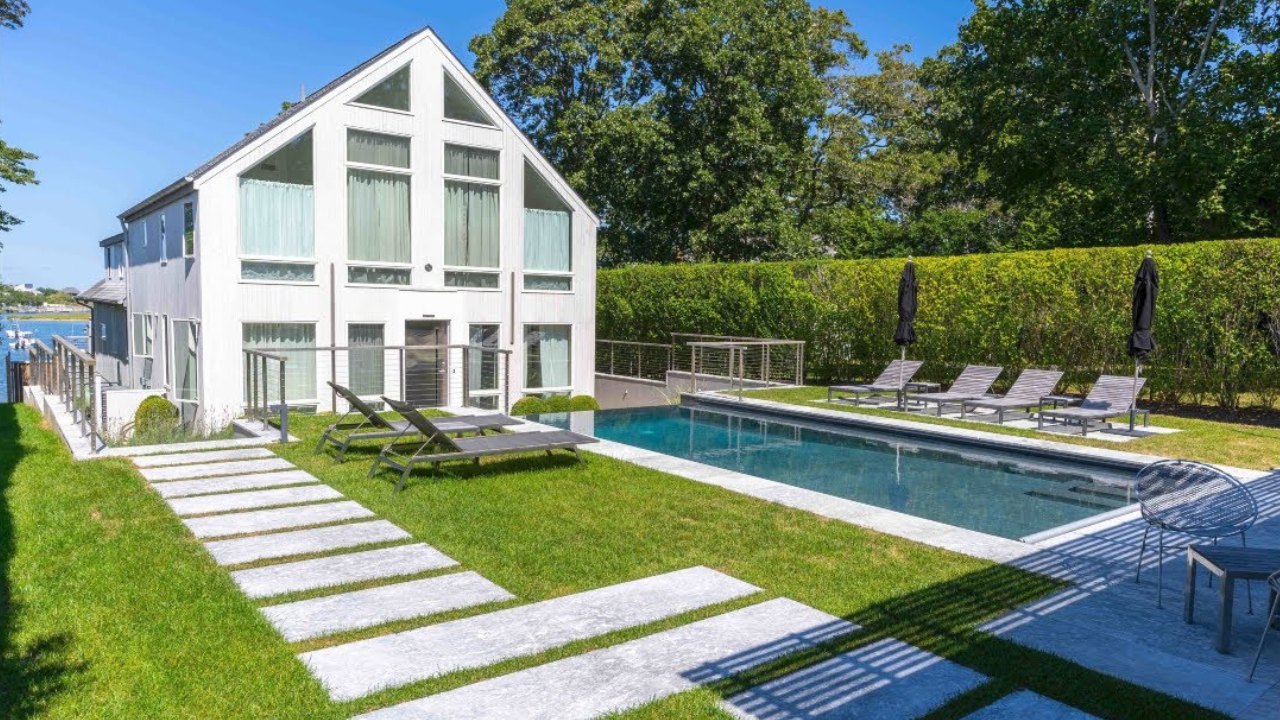
The Limitations Of Outdoor Pavers
Marle has real weaknesses outdoors, and these are not minor issues. They affect long-term performance.
Porosity and staining
Marble has a porous surface, and it absorbs liquids. Water carries minerals into the stone. Oil and organic matter leave marks. Without sealing, the surface is prone to stains.
Acid sensitivity (etching)
Marble reacts with acids. This includes acid rain, citrus juice, vinegar-based cleaners, and bird droppings. It creates etched patches that do not polish back easily.
Freeze–thaw risk
Because of the porous surface, the water enters the pores. This is a great problem in colder regions where water freezes, expands, and causes cracks. This is a key limitation in northern climates.
Slip potential
Polished marble gets slippery when wet. Outdoor area like pool decks or pool areas, can possess a slip risk. This is why opting for hones, brushed, or sandblasted finishes improves grip.
Surface aging
Over time, marble loses uniform polish. It develops patina. Some homeowners like this. Others see it as wear. These limitations don’t make marble an unsuitable material for outdoors. This means marble requires certain treatments.
What Does Determines Success or Failure Of Marble Pavers?
Many marble problems start with the installation instead of the quality. A proper outdoor system includes a stable base layer (compacted aggregate or concrete slab). It also includes a correct slope for water drainage, high-quality medium-bed mortar, and grout designed for outdoor expansion. There should be a proper joint spacing for movement, which prevents shifting over the year.
Without this base, even premium marble fails early. Finish also plays an important role; honed marble finish improves slip resistance, and textured finish improves outdoor safety. Polished finish is only suited to interiors or covered spaces.
Sealing is another crucial aspect of marble paver installation. It is not optional. It creates a protective barrier against moisture and staining. Re-sealing cycles depend on exposure but usually range from 12 to 24 months.
Brands like NT Pavers often emphasize installation precision because stone performance depends on the system, not just the slab.
Marble vs Granite vs Porcelain: The Practical Comparison
Homeowners often compare options. Here is the practical breakdown.
| Feature / Criteria | Marble Pavers | Granite Pavers | Porcelain Pavers |
| Material Type | Natural metamorphic stone formed from limestone | Natural igneous stone formed from cooled magma | Engineered ceramic surface fired at very high temperatures |
| Best Outdoor Use | Luxury patios, pool surrounds, decorative walkways | Driveways, high-traffic patios, and outdoor kitchens | Modern patios, terraces, and rooftop decks |
| Visual Character | Elegant veining and soft color variation | Speckled mineral pattern with bold texture | Consistent colors and contemporary designs |
| Surface Temperature | Stays relatively cool under sunlight | Can become warm in direct sunlight | Moderate heat retention depending on color |
| Durability | Moderately durable; softer than granite | Extremely durable and highly impact-resistant | Highly durable with strong structural stability |
| Porosity Level | Moderate to high porosity; absorbs moisture | Very low porosity; naturally moisture resistant | Nearly non-porous due to vitrification |
| Stain Resistance | Needs sealing to prevent stains | Naturally resistant, but sealing improves protection | Very high stain resistance |
| Resistance to Acids | Sensitive to acids (etching possible) | Excellent resistance to chemicals and acids | Very strong chemical resistance |
| Slip Resistance | Requires a honed or textured finish for outdoor safety | Naturally textured and slip-resistant | Textured finishes offer strong slip resistance |
| Weather Performance | Best in warm climates; freeze-thaw may cause damage | Performs well in most climates, including freeze zones | Excellent freeze–thaw resistance |
| Maintenance Needs | Moderate to high; requires sealing and careful cleaning | Low to moderate maintenance | Very low maintenance |
| Longevity Outdoors | Long lifespan with proper maintenance | Extremely long lifespan with minimal wear | Long lifespan with minimal surface change |
| Design Style Fit | Classic, Mediterranean, and luxury landscapes | Rustic, contemporary, or structural outdoor design | Minimalist, modern architecture |
| Typical Cost Range | Mid to high, depending on marble type | Mid to high, depending on thickness and origin | Mid to high, depending on quality and size |
Today, landscape design and porcelain are gaining popularity for their low maintenance. Granite remains the performance leader. Marble remains the aesthetic choice. So the decision is not about “best material.” It is about priority.
What Are The Best Applications Of Outdoor marble Pavers?
As it is set that marble pavers are indeed suited for outdoors, they aren’t good for every outdoor project. Here is the suited and ot so suited outdoor marble application.
| Outdoor Application | Suitability for Marble Pavers | Why It Works Or doesn’t |
| Shaded or Semi-Covered Patios | ✅ Highly Suitable | Reduced exposure to rain, UV, and debris helps protect the stone and preserve its finish. |
| Formal Garden Pathways | ✅ Suitable | Light foot traffic allows marble’s natural beauty to stand out without heavy wear. |
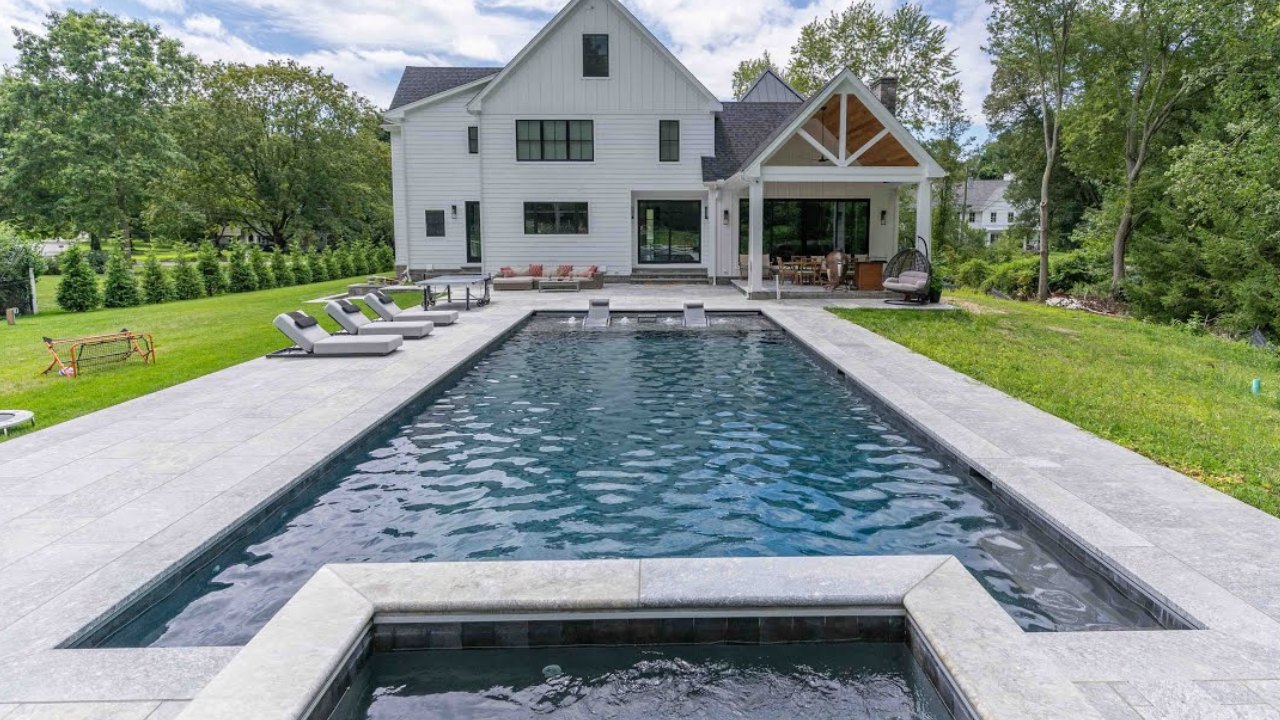
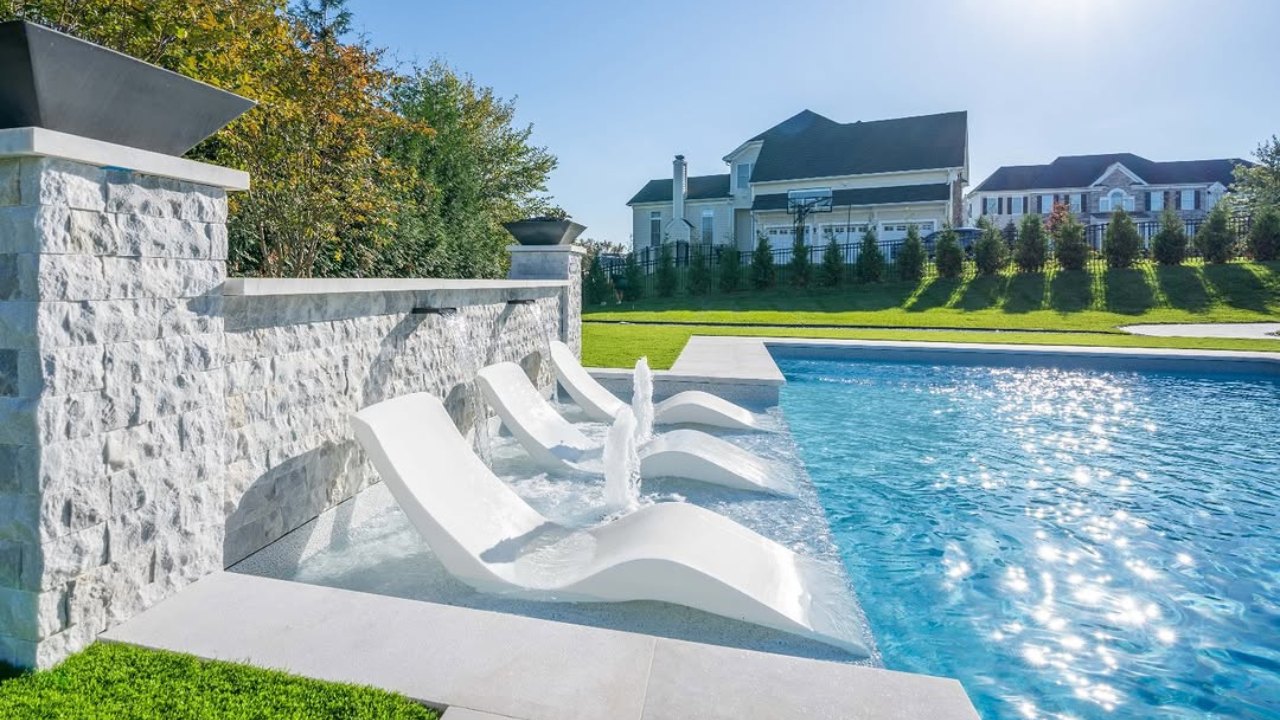
| Pool Surrounds (Textured Finish) | ✅ Suitable with Proper Finish | Honed or textured marble improves slip resistance and stays cool under sunlight. |
| Decorative Seating Areas | ✅ Suitable | Low traffic and controlled use help maintain the surface appearance. |
| Villa Courtyards in Warm Climates | ✅ Very Suitable | Warm climates reduce freeze–thaw damage and highlight marble’s cooling surface. |
| Driveways with Heavy Vehicles | ❌ Not Recommended | Vehicle weight and tire pressure can crack or wear the marble over time. |
| Industrial Outdoor Zones | ❌ Not Suitable | Chemicals, heavy loads, and machinery damage marble surfaces. |
| High-Traffic Public Areas | ❌ Not Ideal | Continuous foot traffic accelerates wear, etching, and surface dulling. |
| Unattended Landscapes | ❌ Not Suitable | Marble requires periodic sealing and cleaning to maintain durability and appearance. |
Outdoor Marble Pavers FAQs
Let’s answer your questions about outdoor marble paver performance.
Is marble good for outdoor flooring?
Yes. But it is only suitable for low-maintenance and mild climate areas. It requires consistent maintenance with resealing and a textured finish for safety and durability.
Does marble get damaged outside?
Yes. If not properly sealed, it will be susceptible to cracking, etching, staining, and damaged by freeze-thaw cycles.
Which is better for outdoors: marble or granite?
Granite performs better compared to marble in terms of durability and maintenance. Marble has a better appearance but needs more care.
Do marble pavers become slippery when wet?
Polished marble becomes slippery. Honed or textured finishes reduce this risk significantly.
How long do marble pavers last outdoors?
With correct installation and care, they can last decades. Neglect shortens lifespan and surface quality.
Do marble pavers need sealing?
Yes. Sealing after installation is crucial. It protects the surface from water absorption and staining.
Bottom Line
Marble pavers are popular for their luxurious appearance, naturally formed veining patterns, and beautiful but soft surface. They are widely associated with the premium outdoor projects, but with certain limitations. It is better to use marble in low-maintenance and low-traffic areas. Certain outdoor projects, like driveways with heavy vehicles or Industrial Outdoor Zones, are not good for outdoor marble pavers.
If you want a surface that looks refined and you are willing to maintain it, marble fits well. If you want a surface that works with minimal care, other materials may suit you better. Outdoor design works best when material choice follows behavior, not trend.