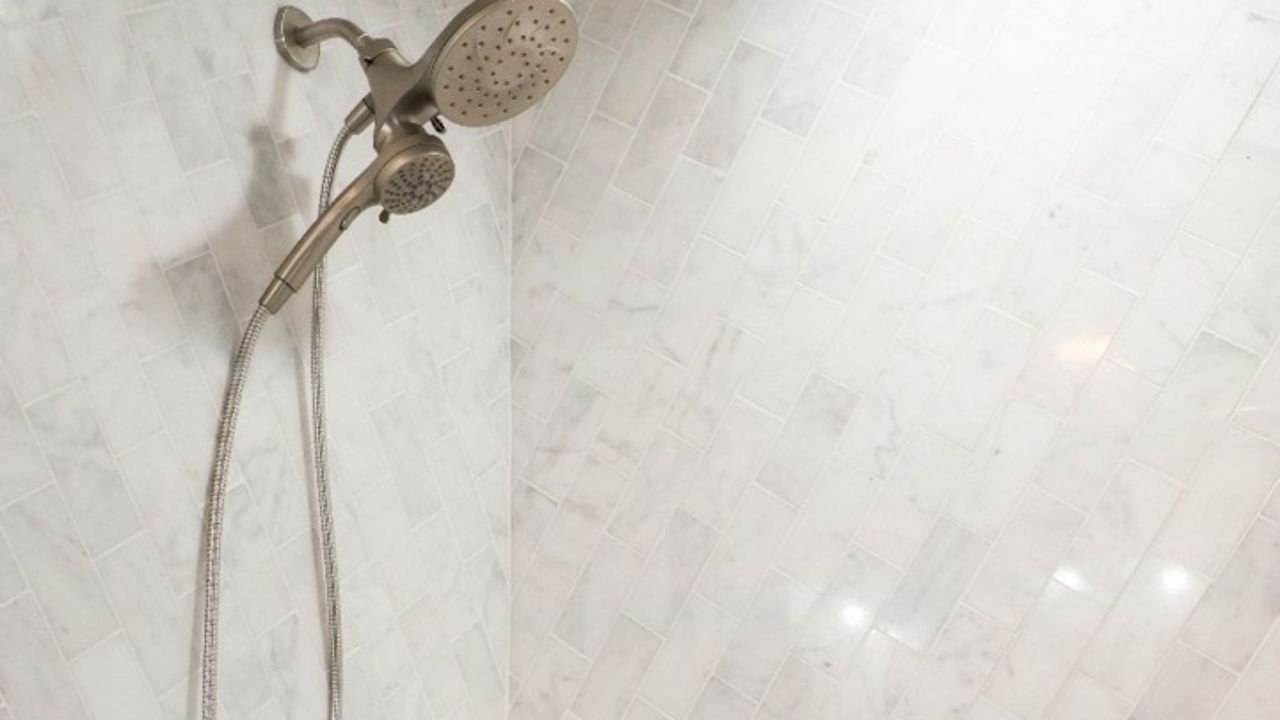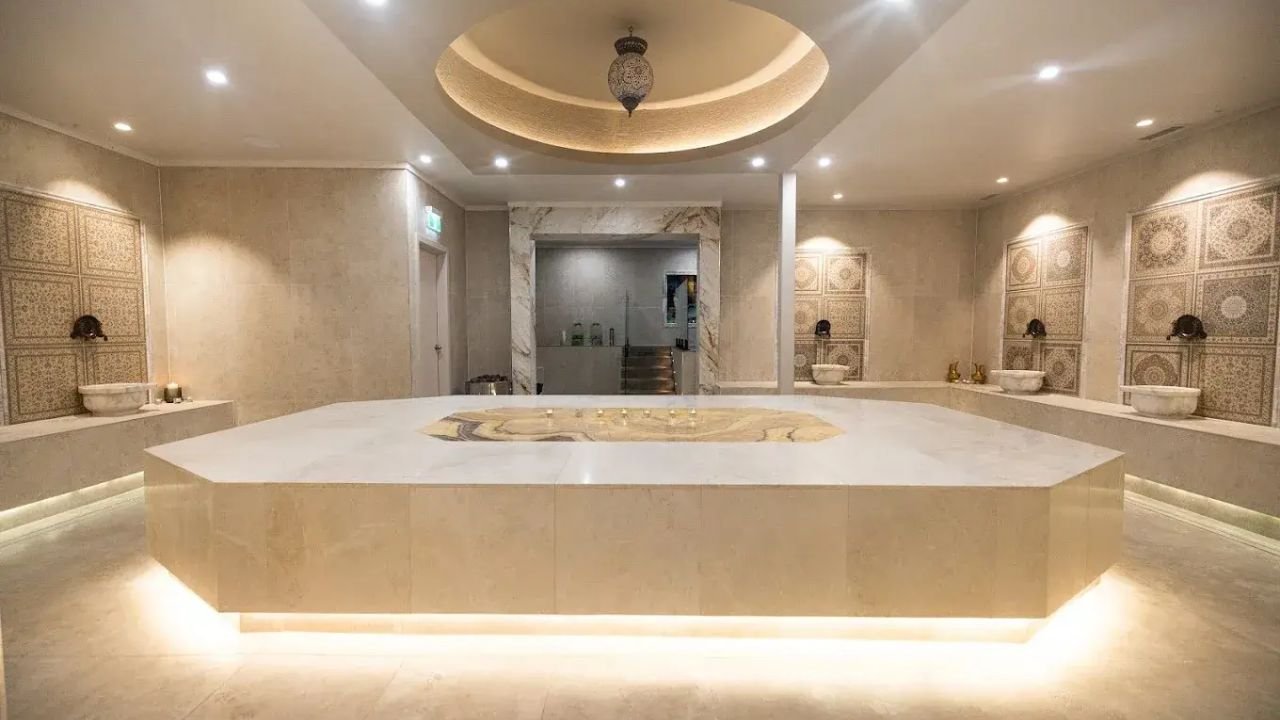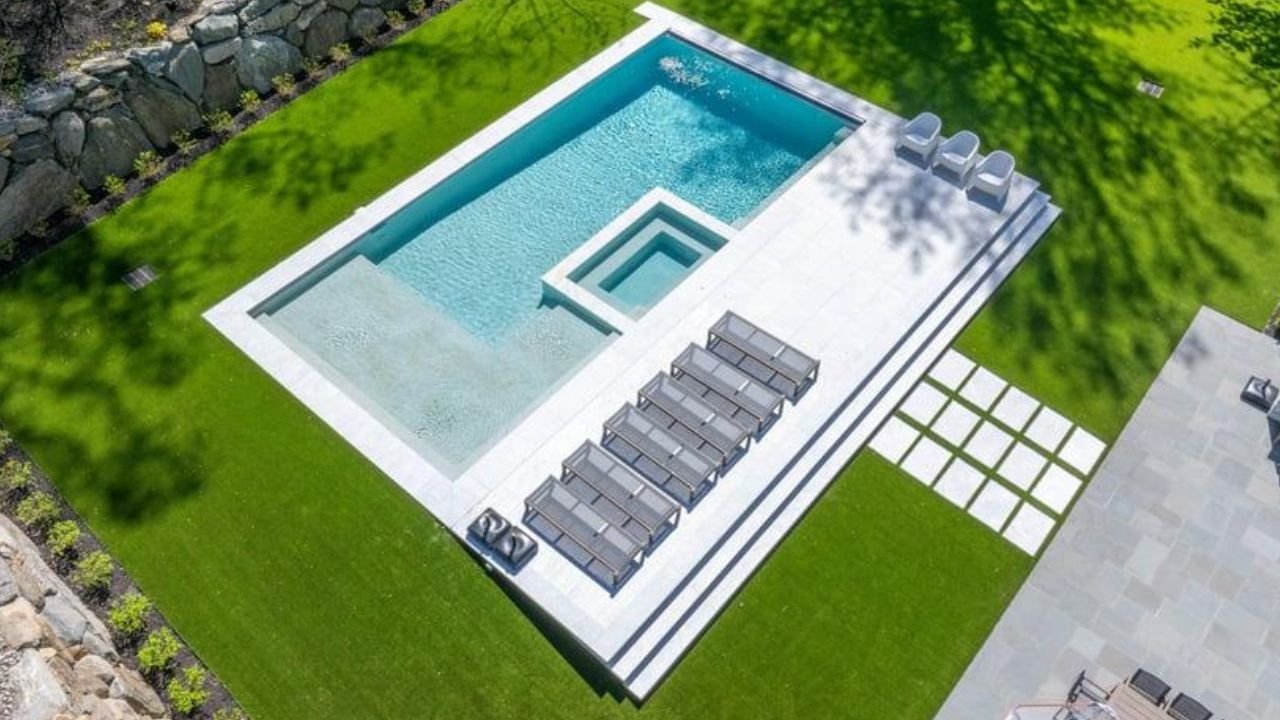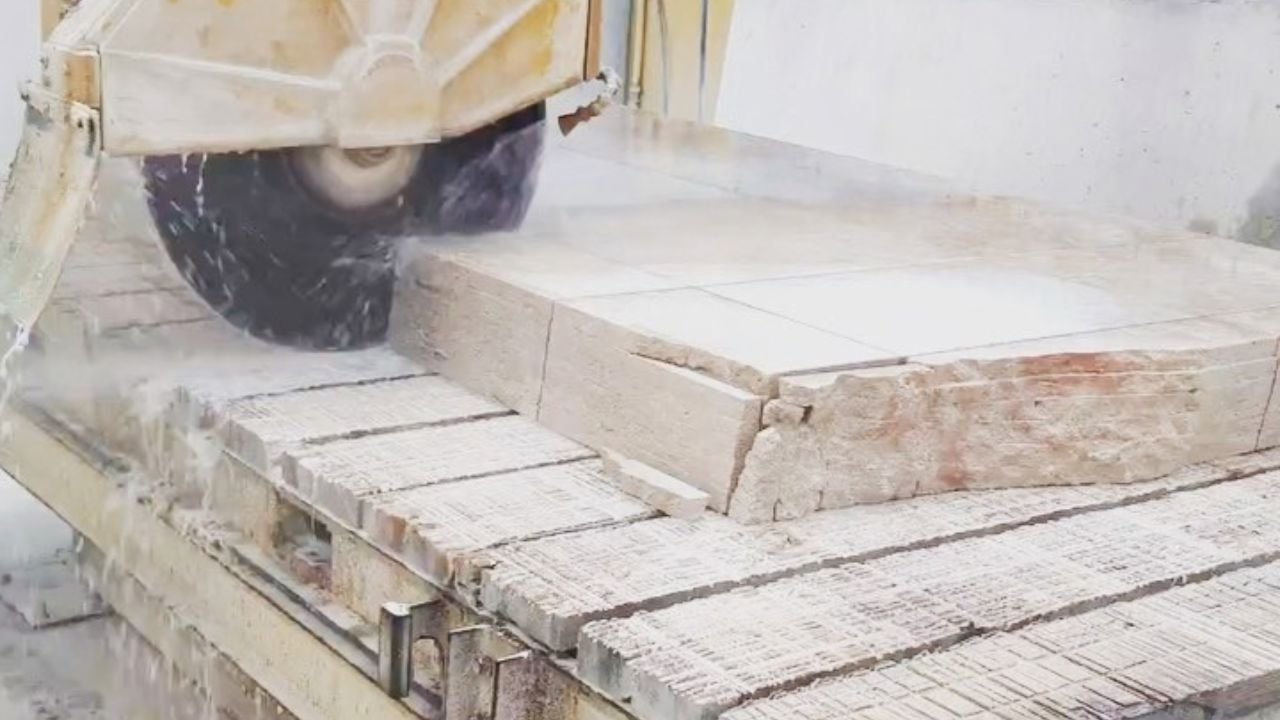

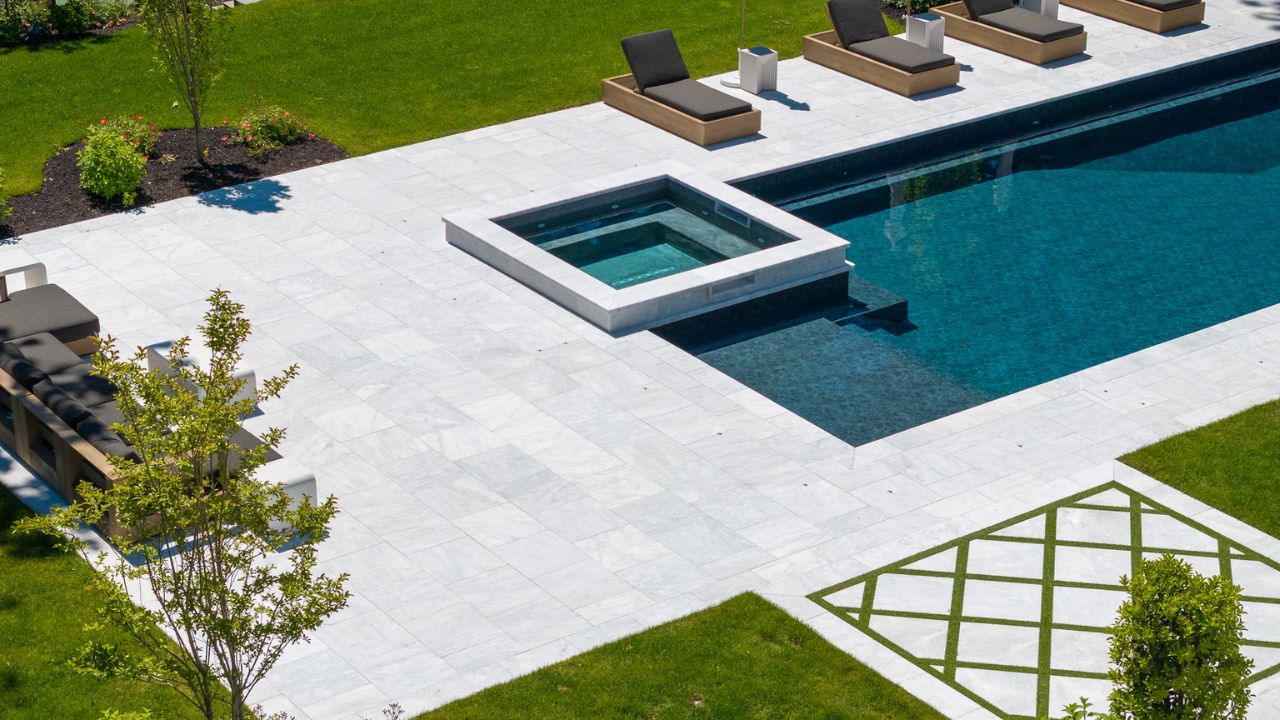
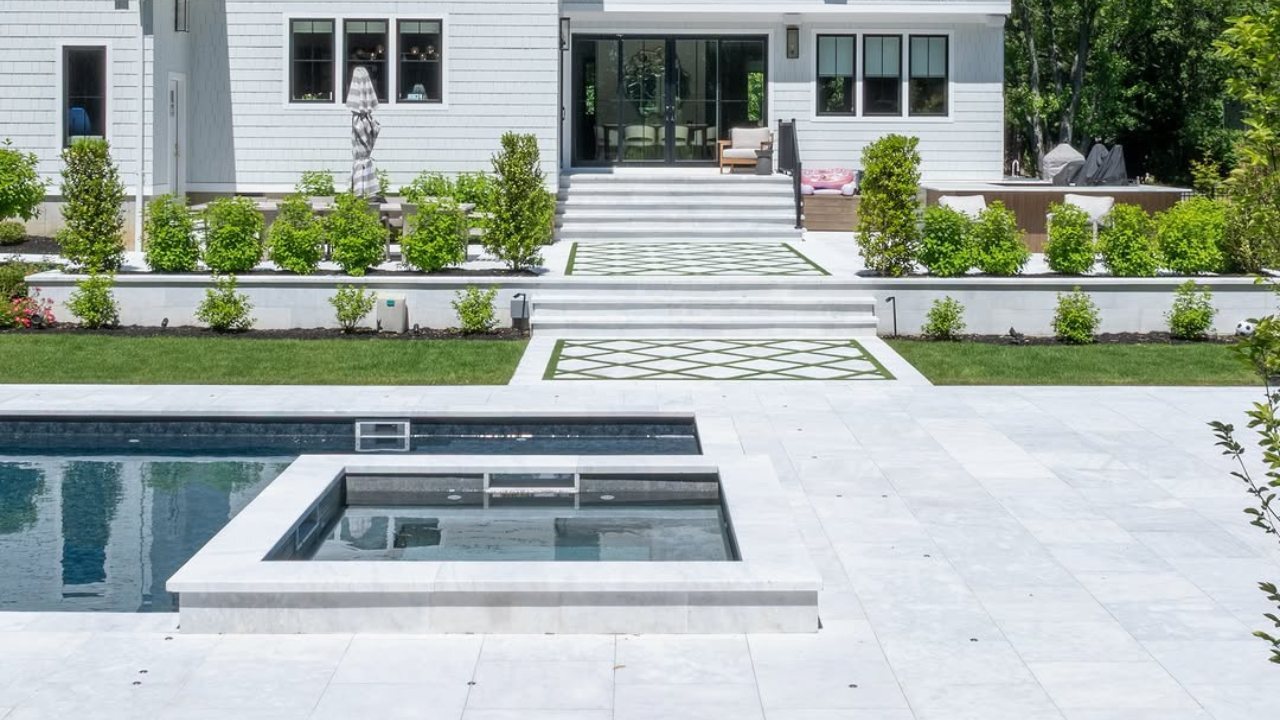
Marble is popular for its stunningly natural look that is often associated with luxury and elegance. The natural veining patterns are unique for each tile, paver, countertop, or slab, which is a major feature of marble. However, depending on the area where it is installed, marble often starts to lose its shine. Especially true for areas where it is regularly used, like busy kitchen countertops, corridors with foot traffic, or outdoor areas like patios, walkways and pool decks.
This is why homeowners often want to know how to polish marble. This makes sense because marble maintenance can be a rewarding experience, and polishing is also a part of marble maintenance. While this can be a daunting task for new DIYers, homeowners with a bit of technical knowledge can easily perform it. So here is our simple guide on how to polish marble. Continue reading the following.
Identify Your Marble’s Condition
Before polishing, it’s important to know whether your surface is honed marble or polished marble, as each finish requires a different maintenance approach.. This is because not every dull surface requires the same treatment; some may need sanding with grit.
| Marble
Condition |
What You
See |
Recommended
Solution |
| Light dullness | Shine has faded evenly | DIY polishing |
| Surface haze | Cloudy appearance | Marble polishing powder |
| Water spots | Mineral deposits | Stone-safe cleaner followed by polishing |
| Light etching | Dull spots after acidic spills | Marble polishing compound |
| Deep scratches | Visible grooves | Professional honing and polishing |
| Uneven finish | Different shine levels | Professional restoration |
Run your fingernail across a scratch. If it catches, polishing alone will not remove the damage.
Tools You’ll Need Before You Start
Good results depend more on proper materials than expensive equipment, particularly when it comes to the art of marble polishing. Gather the following materials and avoid some specific elements.
| Recommended for
Marble Polishing |
Avoid Using
On Marble |
| pH-neutral marble cleaner | Vinegar |
| Microfiber cloths | Lemon juice |
| Soft sponge | Bleach |
| Spray bottle with clean water | Ammonia |
| Marble polishing powder or polishing cream | Steel wool |
| Felt polishing pad | Abrasive scrub pads |
| Low-speed variable-speed polisher (optional for large floors) | Generic floor polish |
| Penetrating marble sealer | — |
Step 1 Of How to Polish Marble: Remove Dust and Dirt First
Before polishing the marble surface, clean it thoroughly and remove any dust and dirt.
- Start by vacuuming or sweeping loose debris. Make sure to eliminate tiny grains of sand, as they can scratch marble countertops or marble pavers during polishing.
- Clean the surface using a pH-neutral stone cleaner and a microfiber cloth.
- Let the marble dry completely before moving to the next step.
If your marble has stubborn dirt or residue, follow our complete guide on how to clean marble surfaces before polishing.
Step 2 Of How to Polish Marble: Inspect the Surface Carefully
Once the surface is cleaned up, look closely under natural light to find any blemishes, scratches, stains, chips, and uneven gloss. If you find any dullness in isolated spots only due to acidic food, then it is developing etching, not normal wear.
Step 3 Of How to Polish Marble: Dampen the Marble
Mist the targeted area lightly with clean water. Make sure the surface feels slightly damp and not soaked.
This step will be helpful in activating the polishing power while reducing friction.
Step 4 Of How to Polish Marble: Apply Marble Polishing Powder
Now the main part:
- Start by sprinkling a small amount of marble polishing powder onto the damp surface.
- Apply the marble polishing powder to the surface using a felt polishing pad with overlapping circular motions.
- If using a polishing machine, keep the speed below 1,500 RPM. Higher speeds generate heat that may damage the finish.
Keep polishing the surface until the slurry begins to dry and the surface starts to develop an even reflection.
Step 5 Of How to Polish Marble: Remove the Residue
- Wipe away all polishing residue using a damp soft cloth.
- Rinse the surface with clean water.
- Dry it immediately with another microfiber towel / dry cloth.
- Never allow polishing residue to dry completely on the stone.
Step 6 Of How to Polish Marble: Inspect the Finish
- Once the surface is dried after polishing, view the marble from different angles.
- A properly polished surface should reflect light evenly without cloudy patches.
- Repeat polishing only if necessary.
- Avoid excessive polishing, as every polishing process removes a microscopic layer of stone.
Step 7 Of How to Polish Marble: Seal the Marble
Once the polish is completed, apply a penetrating marble sealer if recommended for your types of stone. Just make sure a sealer can reduce staining improves wear resistance bit it will not make the stone invincible. A marble sealant does not prevent scratching and won’t stop acid etching.

Most interior marble benefits from resealing every one to three years.
Marble Care After Polishing
Polishing restores the shine, but daily care preserves it. Daily maintenance routine for a marble top includes:
- Keep the floor dust-free every few days.
- Clean the stone by only using pH-neutral stone cleaners.
- Place mats at entrances and felt pads under the furniture to prevent scratches.
- Wipe spills immediately, especially those including acidic substances like lime juice and wine.
- Reseal according to the manufacturer’s recommendation.
- Avoid dragging furniture.
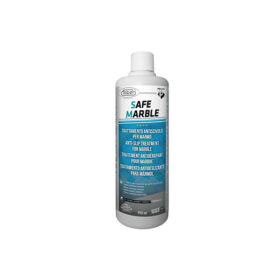
Small habits significantly extend the life of polished marble. For polished marble installed in wet areas, an anti-slip treatment for marble can improve safety while maintaining the stone’s natural appearance.
Common Mistakes That Shorten Marble’s Life
Many marble problems start with good intentions. These may look helpful but can shorten the marble’s life.
Using Vinegar for Cleaning
Marble surfaces are sensitive to acidic elements, as it dissolves calcium carbonate and leave dull etch marks.
Scrubbing With Abrasive Pads
Steel wool, sandpaper, and rough scrubbers create fine scratches that reduce the shine of the marble finish.
Applying Wax
Wax temporarily improves gloss but traps dirt and makes the surface appear uneven.
Ignoring Small Spills
Coffee, wine, citrus juice, and tomato sauce can etch polished marble countertops within minutes due to their porous surface.
Using Generic Floor Polish
Most household floor polishes are not formulated for natural stone.
They often leave residue that attracts dirt.
Marble Polishing vs Honing vs Sealing: What’s the Difference?
When searching for how to polish marble, you will find other terms like honing and sealing. Despite being distinctly different, they are still often mixed up. Here is how they are different from each other.
| Feature | Marble Polishing | Marble
Honing |
Marble Sealing |
| Primary Purpose | Restores shine and gloss | Removes scratches and etching | Protects against stains |
| Changes Surface Finish? | Yes, creates a glossy finish | Yes, creates a smooth matte or satin finish | No, preserves the existing finish |
| Removes Scratches? | Light surface scratches only | Yes, including deeper scratches | No |
| Removes Etching? | Minor etching only | Yes | No |
| Adds Shine? | Yes | No | No |
| Protects from Stains? | No | No | Yes |
| Protects from Acid Etching? | No | No | No |
| Best Time to Use | When marble looks dull | When marble is scratched or uneven | After polishing or honing |
| Typical Frequency | Every 3–5 years (as needed) | Only when damage occurs | Every 1–3 years |
| DIY Friendly? | Yes, for light restoration | No, usually requires professionals | Yes |
| Professional Recommended? | For large or heavily worn surfaces | Yes | Optional for most homeowners |
Marble Polishing Cost: What Should Homeowners Expect?
The cost of marble polishing depends on several factors, including the surface size, the marble condition, and the finish type. Also, any repairs before polishing would increase the project cost. A floor with light surface wear typically costs less to restore than one with deep scratches, heavy etching, or uneven tiles that require honing.
On the other hand, DIY polishing can be a cost-effective option for small countertops or lightly dull surfaces. Professional marble polishing offers better results for large floors and heavily worn stone. Professionals use commercial-grade diamond abrasives, polishing compounds, and specialized equipment to restore the marble’s original finish without removing more material than necessary.
| Service | Best For | Typical Cost Factors |
| DIY Marble Polishing | Small countertops, vanities, and minor dullness | Cost of polishing powder, felt pads, cleaner, and optional sealer |
| Professional Marble Polishing | Large floors, deep scratches, etching, and full restoration | Area size, marble condition, level of repair, location, and labor rates |
Why Does Marble Lose Its Shine Before It Loses Its Strength?
One of the major misconceptions about dull-looking marble is worn out. However, in reality, the stone usually remain structural sound. Polished surfaces gradually become less reflective because of everyday use. Common causes include:
- Foot traffic carrying dirt and sand
- Acidic foods like lemon juice or vinegar
- Hard water deposits
- Improper cleaning products
- Furniture movement
- Surface scratches
- Soap residue buildup
Understanding the cause helps determine whether polishing alone will restore the finish on a marble countertop.The marble color and veining become more vibrant after proper polishing, enhancing the stone’s overall appearance.
FAQs About How to Polish Marble
Let’s answer your questions about marble polishing.
Can I polish marble without a machine?
Yes. Small countertops, vanities, and tabletops are easy to polish as a DIY project using marble polishing powder. Use a felt pad with consistent pressure for the best results.
Does polishing remove marble stains?
Np. Polishing just restores the original shine of the marble surface. Marble stain removal is a dedicated process done before polishing it. If the discoloration is caused by rust rather than surface dirt, read our guide on how to remove rust from marble counter before attempting to polish.
How often should marble be polished?
Most residential marble floors require professional polishing every three to five years according to the foot traffic. Countertops usually require less frequent polishing.
How do professionals polish marble?
Professionals polish marble by first honing the surface with diamond abrasives to remove scratches and etching. They then use finer polishing pads and a marble compound or powder. This restores the smooth, high-gloss finish, and they then apply a penetrating sealer if needed.
Can dull marble become shiny again?
Yes. Polish can restore almost its entire shine when it gets dull
Yes. Marble that has lost its shine from normal wear can often be polished to restore its gloss. If the dullness is caused by deep scratches or acid etching, the surface may need professional honing before polishing.
How do you restore an old marble floor?
You can restore an old marble floor by cleaning it with a pH-neutral stone cleaner, repairing stains or etching. You can hone the scratches if necessary. Polishing the surface and finishing with a penetrating sealer. If floors are badly worn, then restore them by a natural stone professional.
Is polishing marble worth it?
Yes. Polishing marble restores its appearance, extends the life of the stone, and is usually more cost-effective than replacing damaged marble. Regular polishing also helps maintain your home’s value.
How much does marble polishing cost?
Marble polishing costs vary based on the floor size, marble condition, location, and whether repairs are needed. Light polishing is generally less expensive than full restoration, which includes honing, scratch removal, and sealing. Request a local quote for the most accurate pricing.
Can etched marble be repaired?
Yes. Light etching can often be repaired with a marble polishing powder or polishing compound. Deep etching usually requires professional honing and polishing to fully restore the original finish.
Bottom Line
Marble pavers and countertops look stunning in their polished finish. In fact, most of the time it is the polished marble that most homeowners prefer for their interiors. But frequent usage often reduces the shine, so learning how to polish marble can be a great experience. Homeowners can restore the beauty of the marble surface efficiently through stone polishing techniques.
Just make sure not to do too much and don’t go overboard while doing so, as it can damage the surface over time. Consult professionals for a buff if your marble looks scratched or has deep stains that you never noticed before.