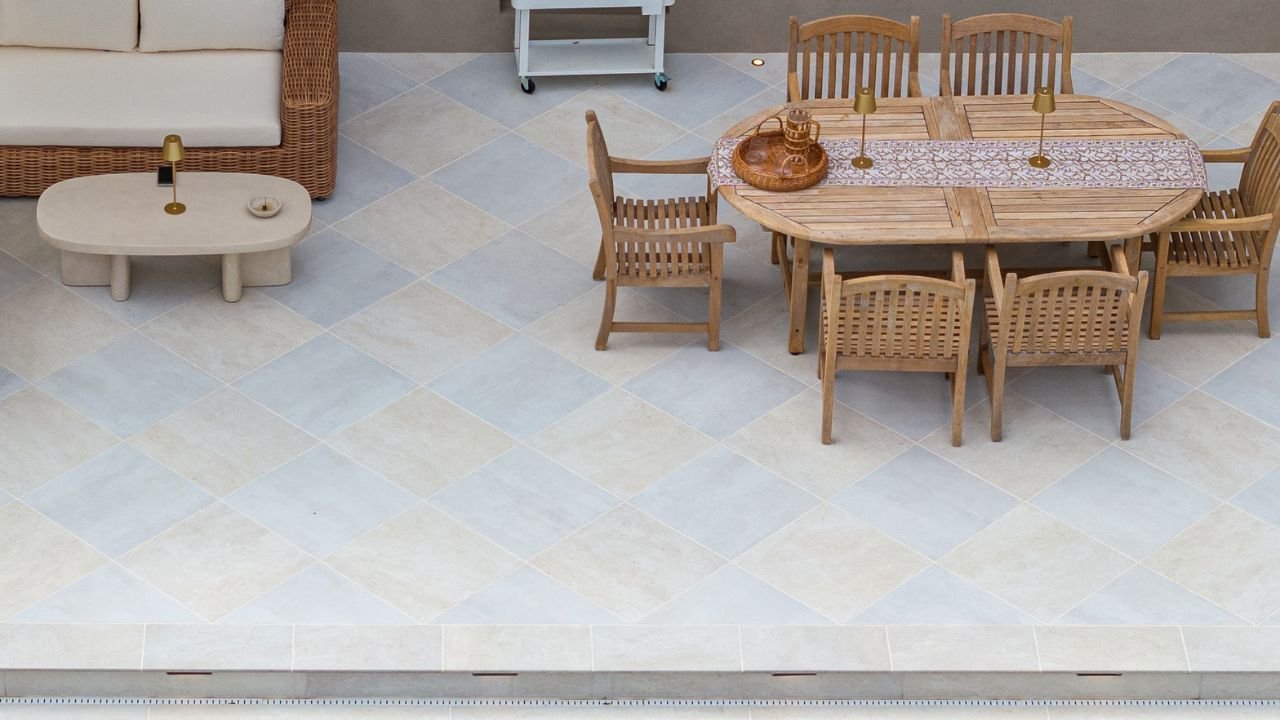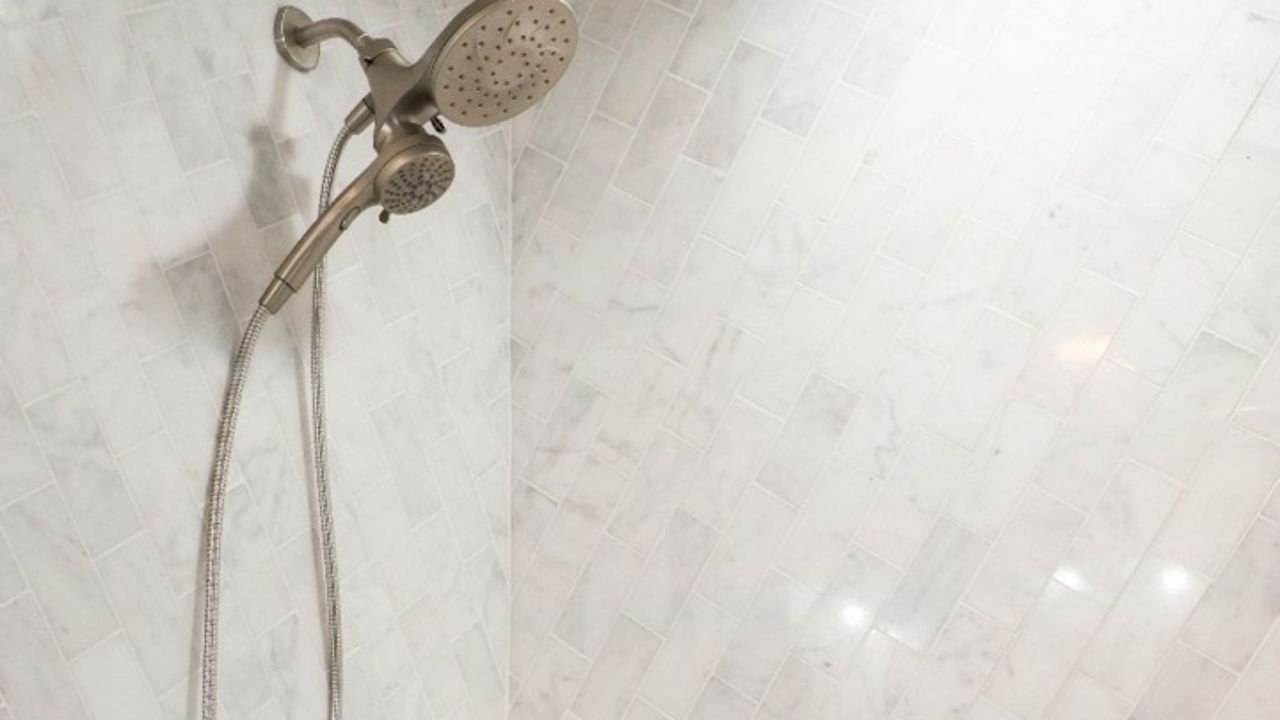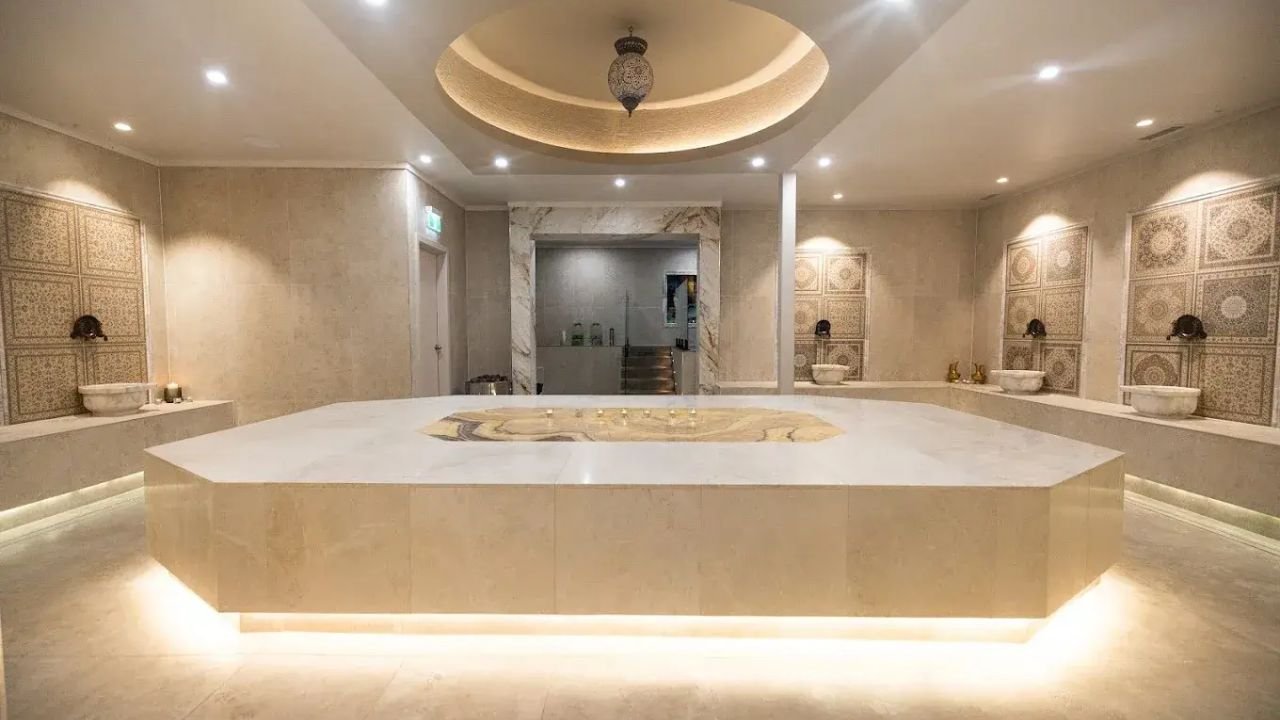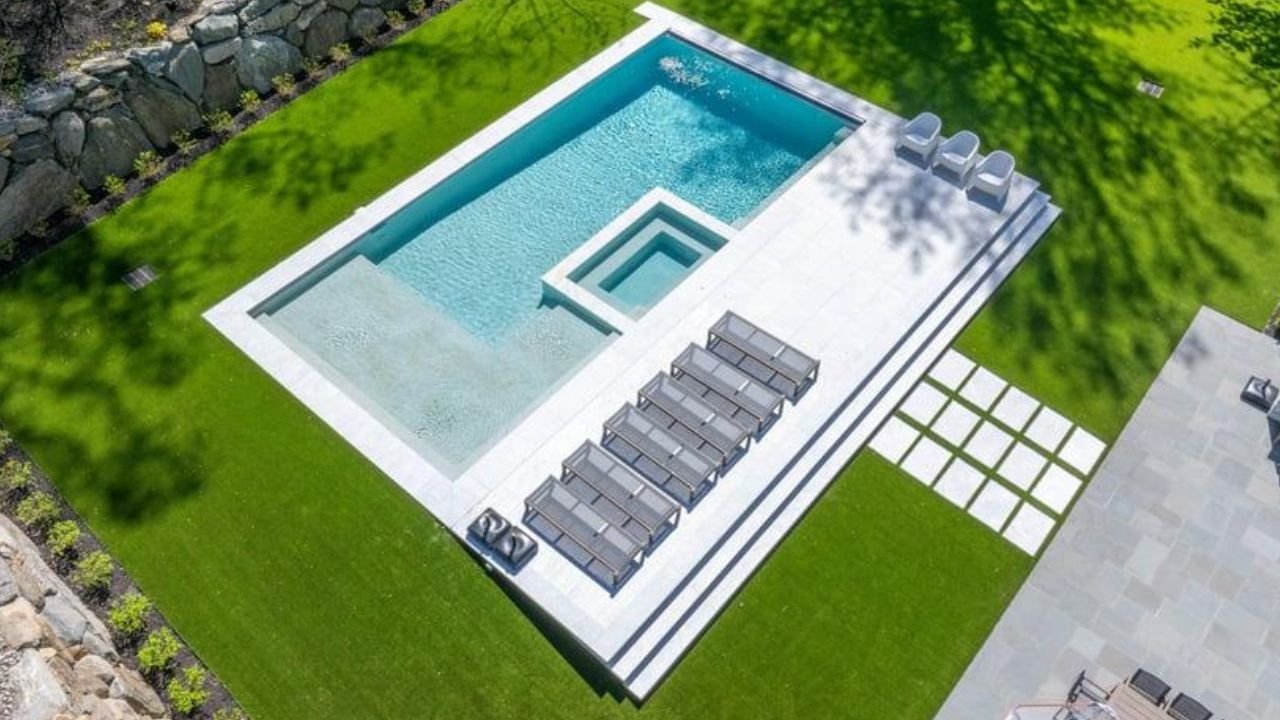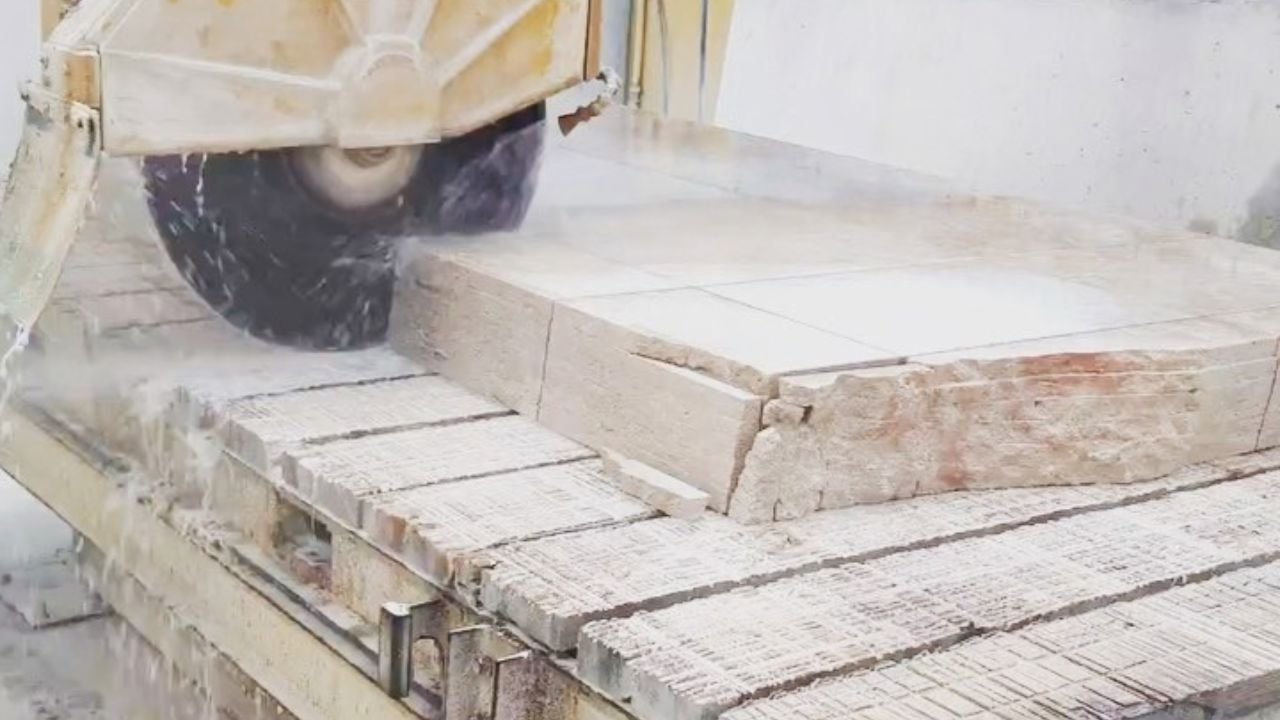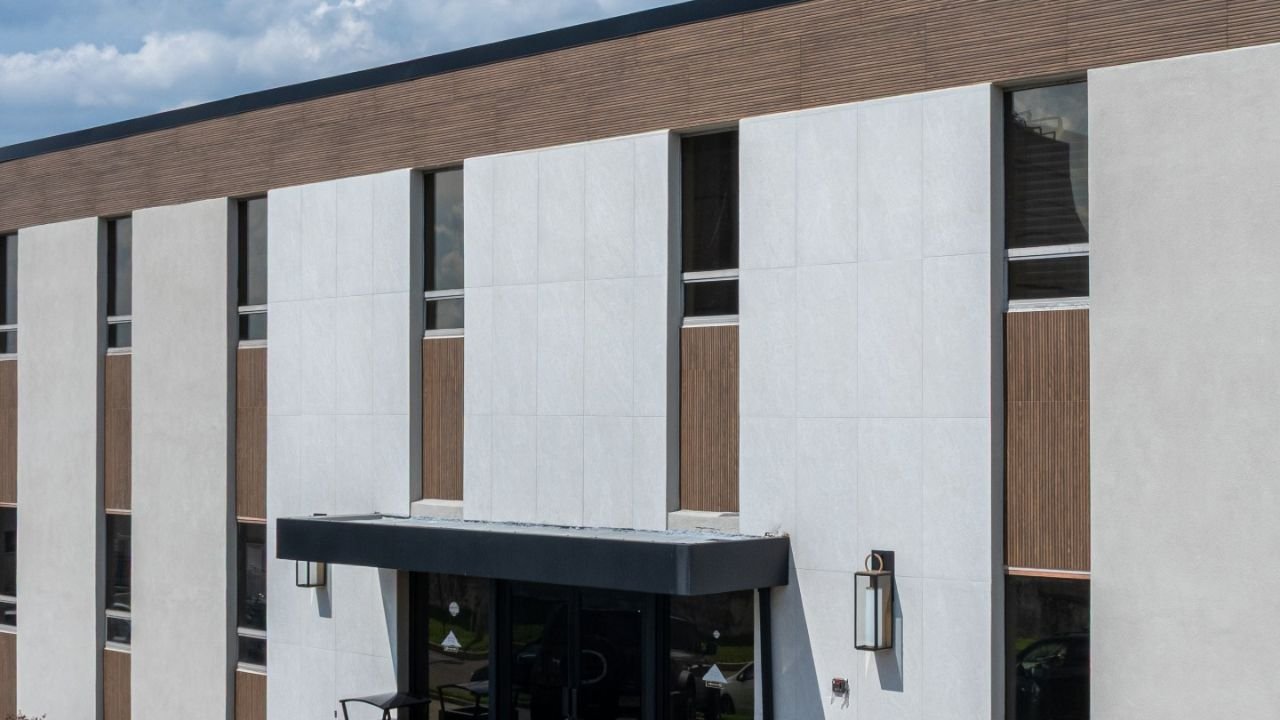

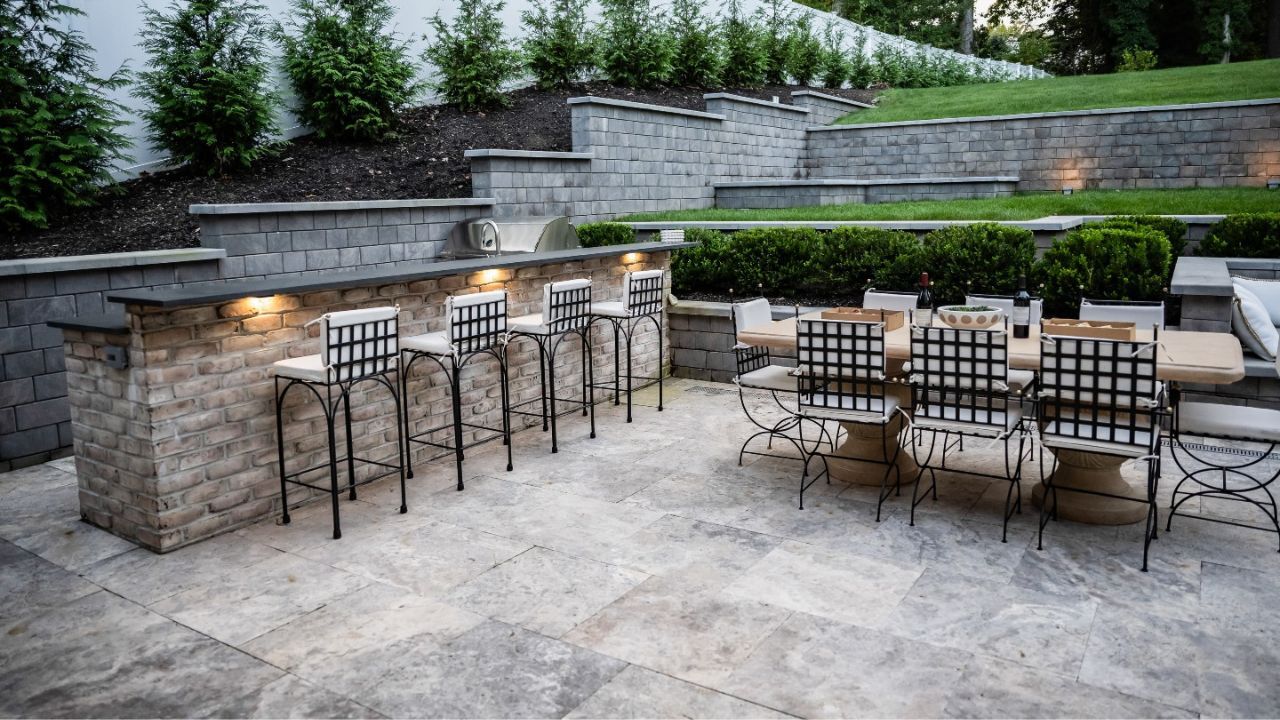
Natural stone flooring is one of the most sought-after options for many homeowners and project managers. Homeowners especially want natural stone for indoors or outdoors because of its natural warmth, sheen, and durability. However, many still wonder about the longevity of stone flooring. This somewhat makes sense because natural stones are expensive and require precise and professional installation with regular maintenance. This raises their concern about whether stone flooring is actually worth the investment. Continue reading the following to learn how long does natural stone flooring lasts.
The Average Lifespan of Natural Stone Flooring
Natural stone flooring is not just about a single material. It consists of a wide range of stones that offer a unique look, texture, and properties. These affect the longevity and performance under everyday use.
| Natural Stone | Average Lifespan | Durability | Best Applications |
| Granite | 100+ years | Excellent | Kitchens, entryways, commercial floors |
| Slate | 75–100+ years | Excellent | Bathrooms, mudrooms, hallways |
| Marble | 75–100+ years | Very Good | Formal living spaces, foyers |
| Travertine | 50–100 years | Very Good | Living rooms, dining rooms |
| Limestone | 50–100 years | Good | Bedrooms, family rooms |
Unlike flooring products that require frequent replacement after 15-30 years, stone flooring will still be functional for centuries. You can find them in historic homes, public buildings, and heritage sites where they survived for over a century.
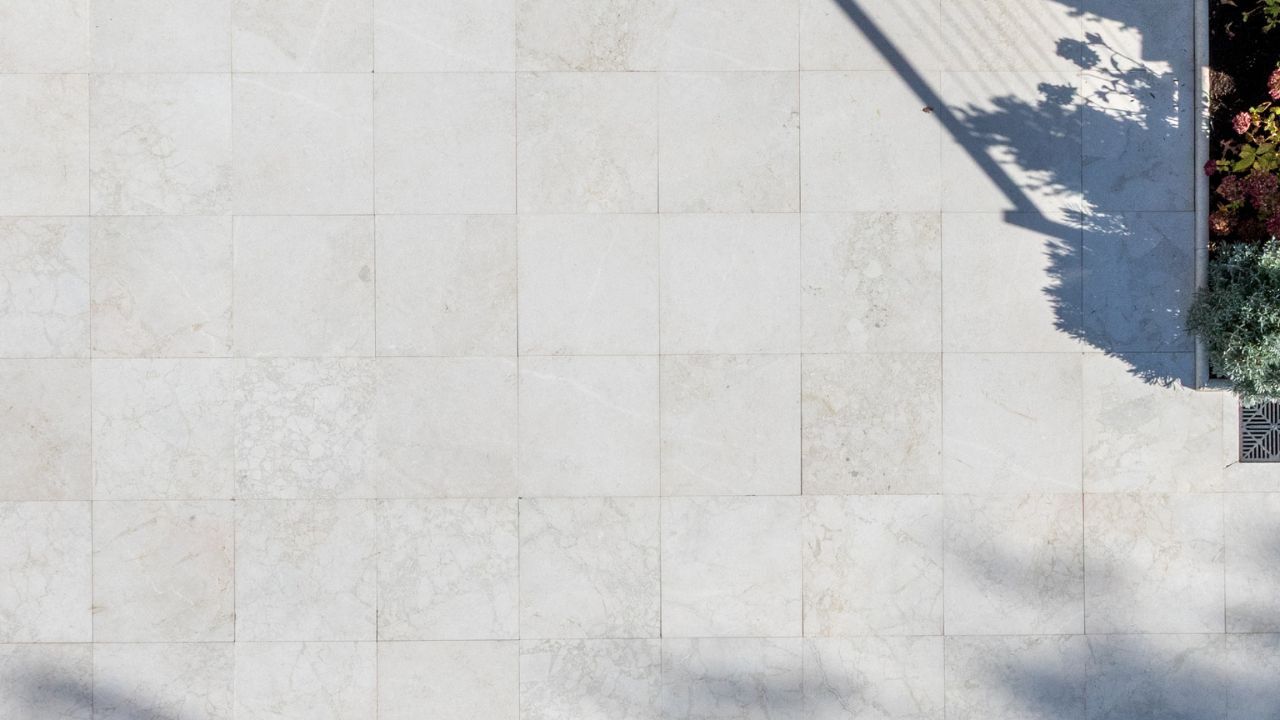
Expected Lifespan by Room
Different parts of the home require different maintenance routines.
| Area | Expected Lifespan |
| Bedroom | 100+ years |
| Living Room | 75–100+ years |
| Dining Room | 75–100 years |
| Kitchen | 50–100 years |
| Hallway | 50–100 years |
| Entryway | 50–75+ years |
| Commercial Interior | 40–75+ years with scheduled maintenance |
These estimates assume proper installation, routine maintenance, and periodic sealing where required.
Natural Stone Comparison With Other Flooring Materials
Here is a detailed comparison of natural stone flooring with other flooring materials. From carpet, laminate, luxury vinyl plank (LVP), and engineered hardwood, to solid hardwood, homeowners can evaluate long-term value.
| Flooring Material | Typical Lifespan | Durability | Maintenance | Best For |
| Carpet | 8–15 years | Low | High (vacuuming, deep cleaning) | Bedrooms, low-traffic living areas |
| Laminate | 15–25 years | Medium | Low | Living rooms, bedrooms, home offices |
| Luxury Vinyl Plank (LVP) | 15–30 years | High | Low | Kitchens, bathrooms, basements |
| Engineered Hardwood | 20–40 years | Medium-High | Medium | Living rooms, dining rooms |
| Solid Hardwood | 40–80 years | High | Medium | Living spaces, bedrooms |
| Natural Stone | 50–100+ years | Excellent | Medium (periodic sealing for some stones) | Whole-home flooring, luxury interiors, high-value properties |
Why Does Natural Stone Last Longer Than Most Flooring Materials?
Many flooring materials start to show permanent wear after years of use. Natural stone, however, acts differently. It offers better durability because of its geological formation under immense pressure over millions of years. They often have a dense structure that helps resist compression, daily traffic, and environmental changes. It performs better than most manufactured flooring products.
Natural stone also offers better restoration properties. Instead of replacing worn flooring, professionals can polish, hone, or refinish many stone surfaces. This restores appearance without removing the floor itself, extending its service life significantly.
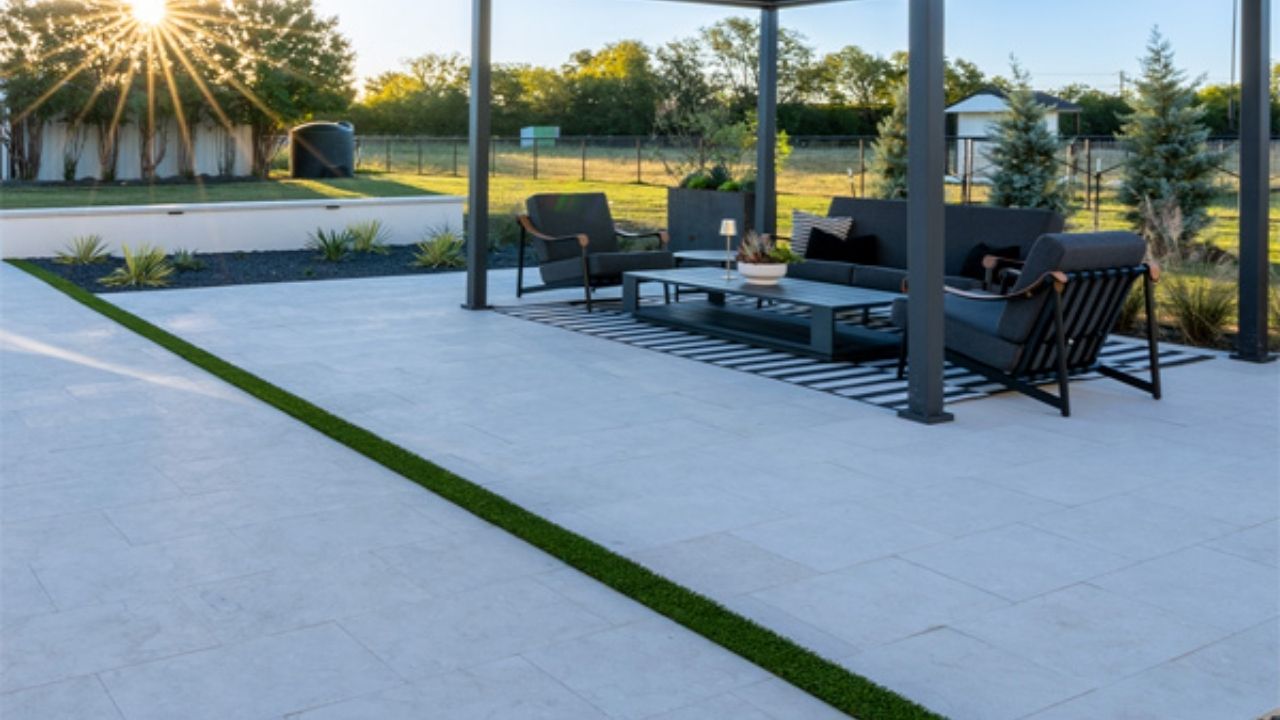
Five Factors That Determine How Long Stone Flooring Lasts
While natural stone flooring can last for centuries, they are still not a perfect material. No flooring lasts forever without proper care. These five factors have the greatest influence on longevity.
Choose the Right Stone for the Space
Not all types of stone are well suited to every room. Granite performs well in a busy kitchen because it resists scratching and impact. Travertine is perfect for creating a warm appearance in living spaces but can last longer when sealed properly. Limestone performs well in quieter areas where heavy abrasion is less common. Selecting the right stone can reduce unnecessary wear from the beginning.
Professional Installation Matters
Professional paver installation plays an important role in stone flooring longevity. Even premium stone can fall if installed incorrectly. Proper subfloor preparation prevents movement that causes cracks. Correct expansion joints accommodate structural shifts. High-quality adhesives improve long-term stability. Professional installation often determines whether a floor lasts thirty years or more than one hundred.
Sealing Protects Porous Stones
Sealing protects the stone surface, but not every natural stone requires the same level of protection. Granite naturally resists moisture better than limestone or travertine. More porous stones absorb liquid unless protected by a penetrating sealer.
Modern sealers preserve the stone’s appearance while reducing staining and moisture penetration. Most homeowners should inspect sealers every one to five years depending on traffic levels and manufacturer recommendations.
Daily Maintenance Prevents Long-Term Damage
Daily maintenance such as natural stone cleaning, sweeping dirt, washing, and wiping moisture can make the biggest difference. Clean with pH-neutral stone cleaners rather than acidic household products to secure the surface for years to come.
Clean spills quickly, especially on marble and limestone, as natural stone reacts to acidic substances like lemon juice and vinegar. Preventive care often eliminates expensive repairs later.
Foot Traffic Influences Wear Patterns
Every floor appears differently according to how people use it. A guest bedroom may look nearly new after decades. An entryway may face constant abrasion from shoes, sand, and outdoor debris. Area rugs, floor mats, and furniture pads reduce wear in high-traffic zones without hiding the beauty of the stone.
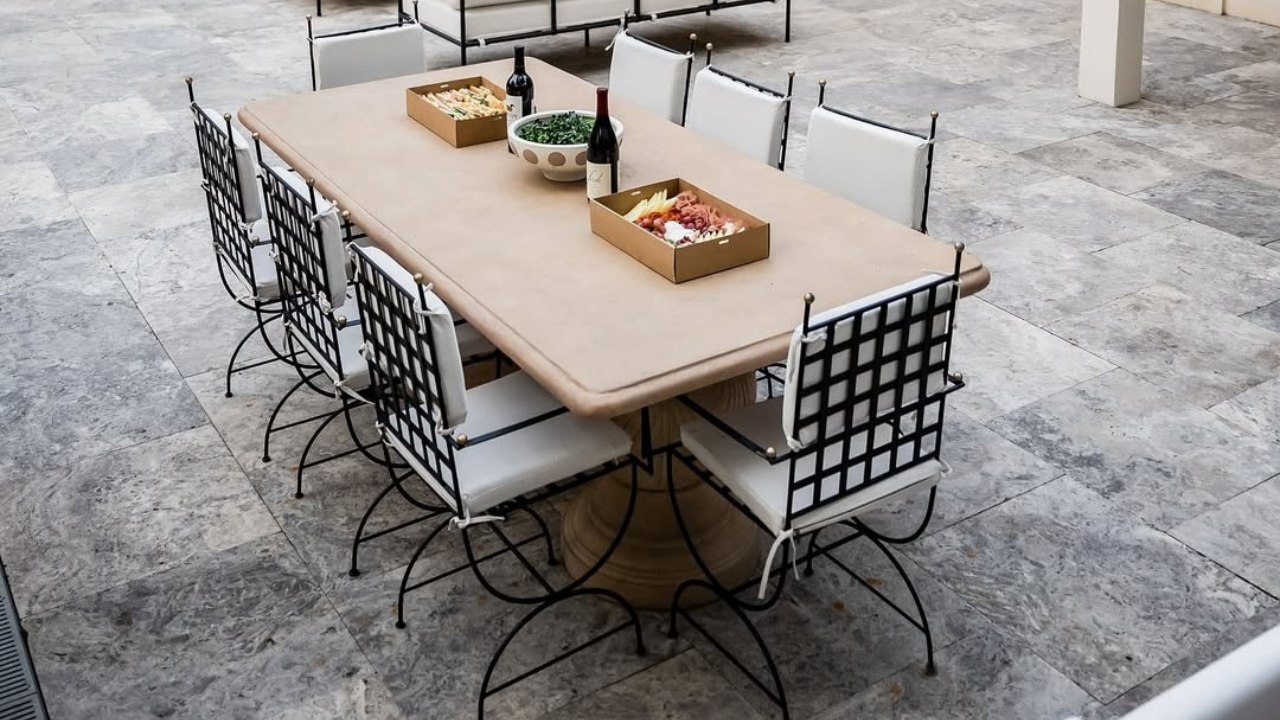
Signs Your Natural Stone Floor Will Last for Decades
A well-built natural stone floor generally shows consistent performance rather than dramatic changes. Make sure the tile floors are stable without movement, and there is very minimal surface staining. Also, check for widespread moisture staining, any consistent finish throughout the floor, and proper drainage in wet areas.
If you are noticing these signs, then congrats because your natural stone flooring is most likely to last for many decades.
Natural Stone Flooring Longevity FAQs
Let’s answer your questions about natural stone flooring lifespan.
How long does natural stone flooring usually last?
Most natural stone floors can last around 50 and 100+ years, according to the stone type, installation quality, and how you maintain it.
Does natural stone flooring need sealing?
Yes. Natural stone benefits from sealing because stones have porous surfaces, especially marble, travertine, and limestone. This reduces staining and moisture absorption.
Which natural stone flooring lasts the longest?
Granite offers the highest durability and can easily last up to 100 years when installed and maintained properly. Slate is another option that offers a longer lifespan and durability.
Can scratched natural stone flooring be repaired?
Yes. Natural stone flooring is easy to restore as it can easily be honed, polished, or refinished. They will not be replaced, extending their usable life.
Is natural stone better than hardwood for longevity?
Yes. In most cases, natural stone offers better longevity, which exceeds 100 years with low need for replacement.
Does natural stone increase home value?
Quality natural stone flooring is often considered a premium architectural feature that improves a home’s long-term value and appeal.
Bottom Line
Natural stone flooring is one of the longest-lasting flooring materials that one can opt for. The unique appearance and durability make stone flooring a great choice for any flooring project. Natural stone can last around 50-100 years and even more when installed and maintained properly. However, different stones act differently when it comes to longevity, as premium stone can last even longer. Granite is the most durable and commonly used flooring option, and slab is the second-best stone that offers great durability. This is why stone is often recommended by NT Pavers for the best results. You can visit the showroom for more natural stone flooring options.