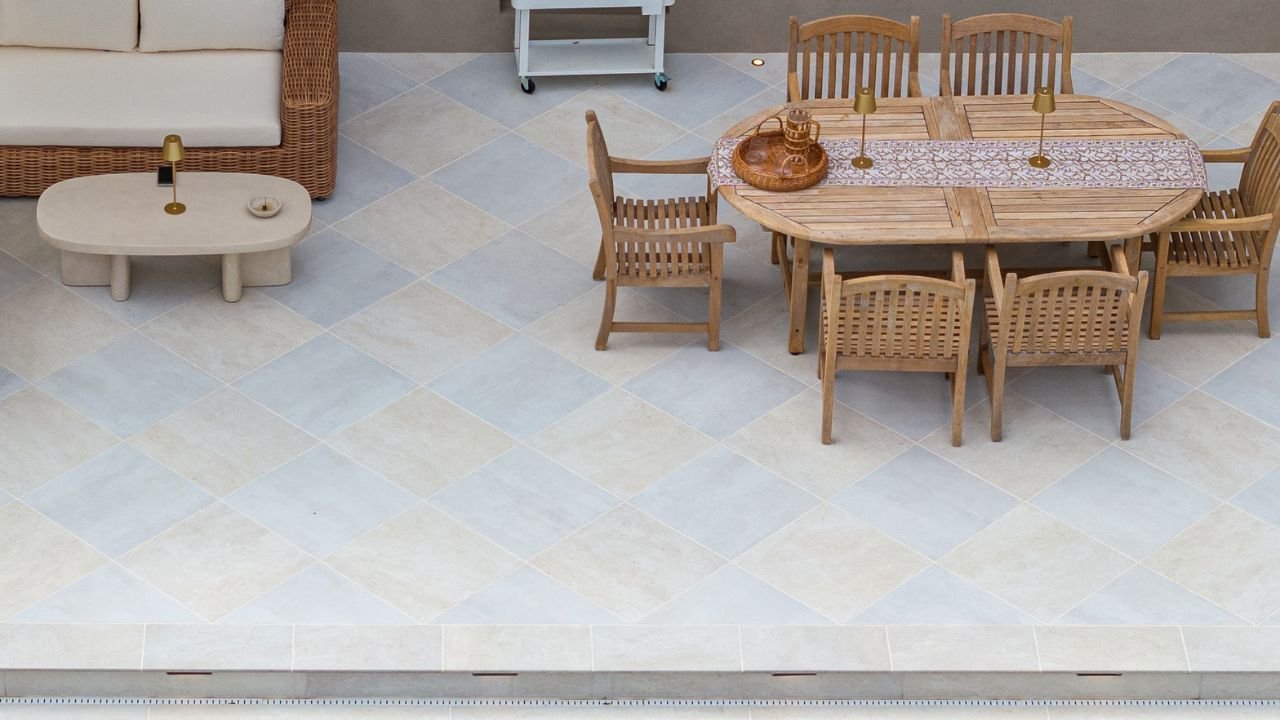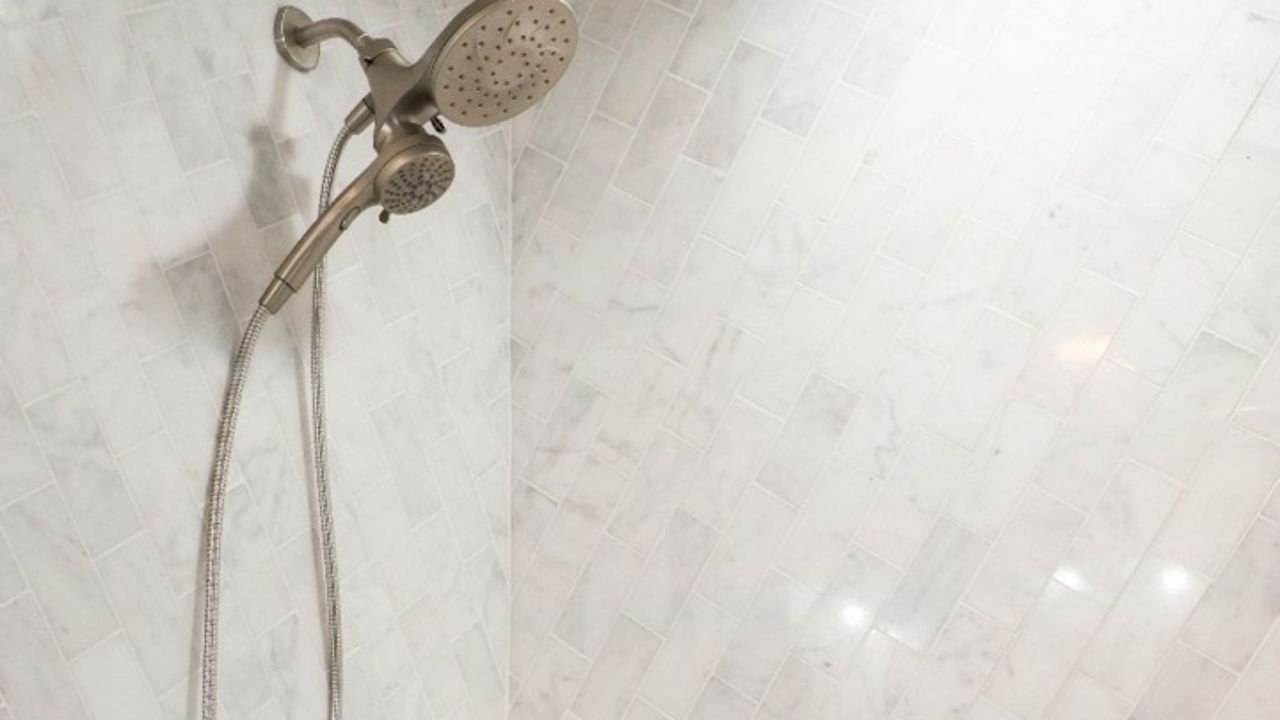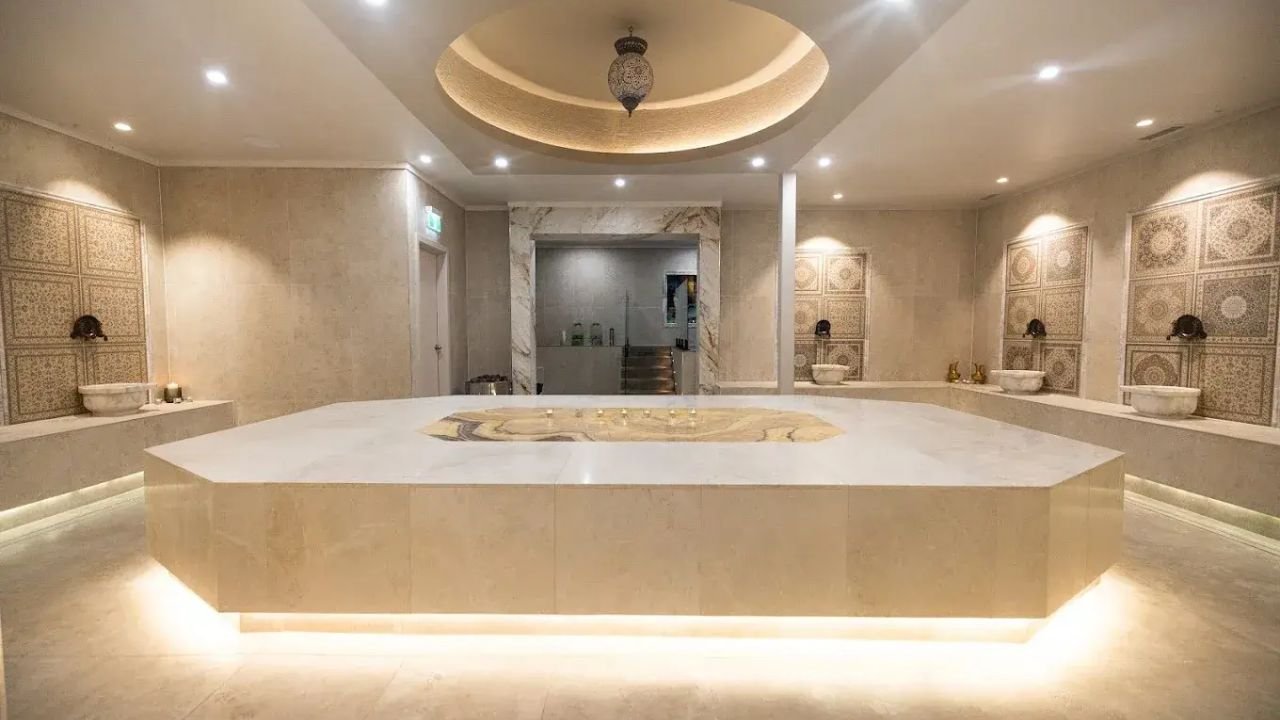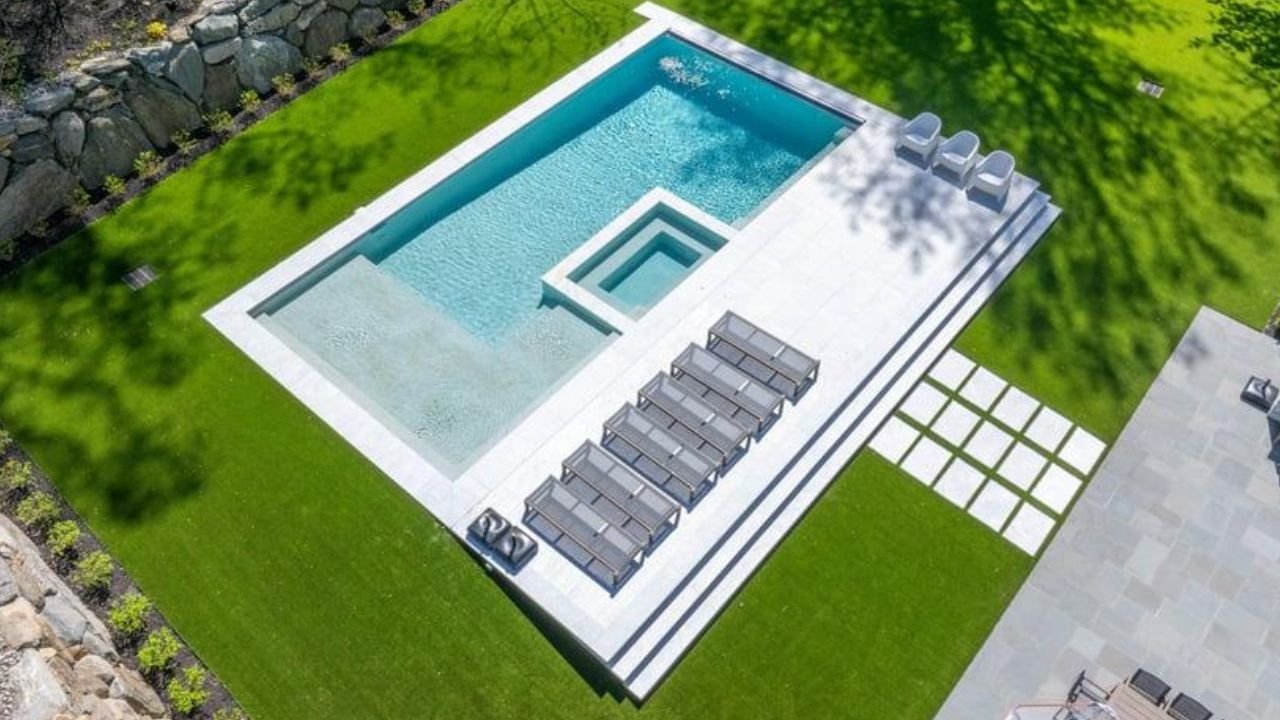

Nothing can beat the beauty of natural elements such as natural stones. While manufactured paving materials such as porcelain or quartz also offer a stunning look, they cannot match the authentic natural beauty. This is why many homeowners want their indoors and even outdoors to integrate natural stone tiles, pavers, and slabs. If you are new to paving, then it is possible to get mixed up with the manufactured flooring and the natural stone flooring. Here is everything you need to know about stone flooring.
Overview Of Natural Stone Flooring
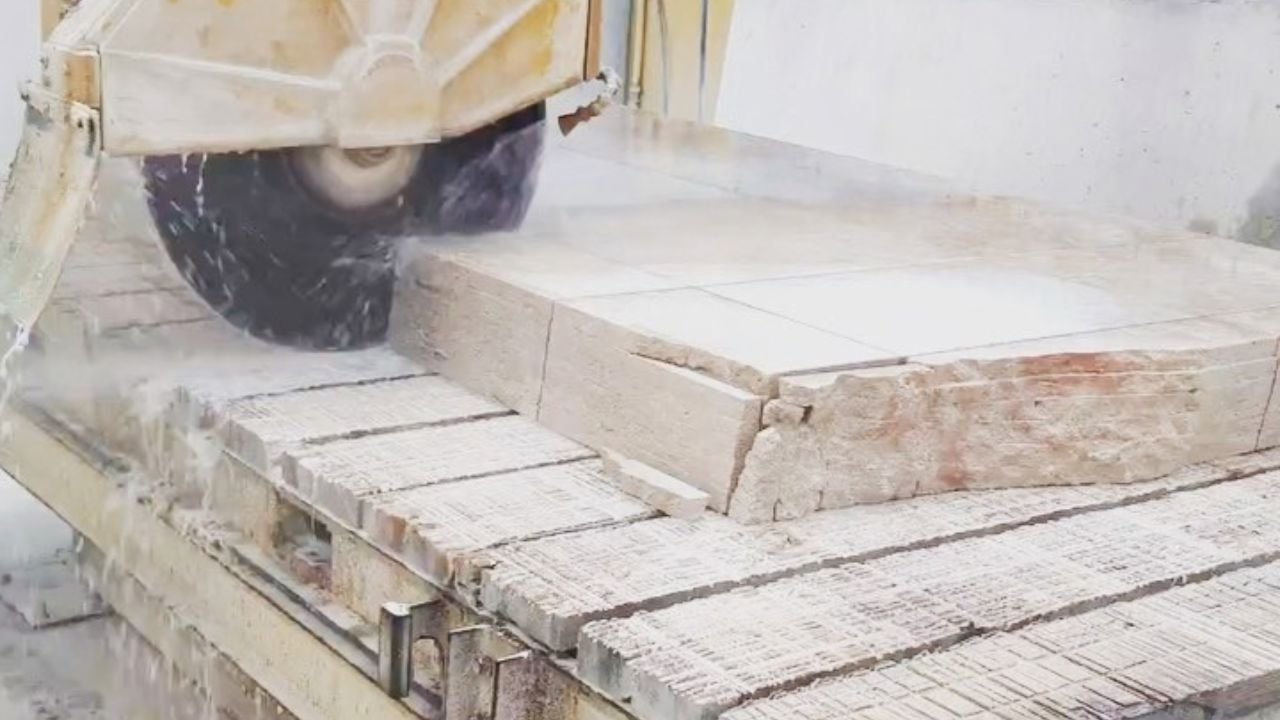
Natural stone flooring is made from solid rock quarried from the ground. Large stone blocks are cut into slabs, pavers, or tiles, finished to create different surface textures, and installed over a prepared subfloor. They are distinctly different from manufactured or synthetic materials like ceramic tile, luxury vinyl, or laminate. Their unique appearance is the result of the minerals, pressure, and geological changes that occur over millions of years.
This makes every piece of stone in the floor unique. There are great variations in color, veining, fossils, and mineral deposits, which are their natural features, not manufacturing defects. This natural variation is one reason homeowners continue to choose stone for both classic and modern homes.
How Does Natural Stone Flooring Form in Nature?
Natural stone starts its journey deep within the earth. Heat, minerals, pressure, and time create different types of stone with distinct physical properties. Granite forms from cooled magma underneath the earth’s surface. Marble develops when limestone changes under intense pressure and heat. Slate takes its form from compressed clay and shale, whereas travertine develops from mineral-rich spring water. Limestone is the result of sediments and fossils, while quartzite starts as sandstone before heat transforms it into a hard stone.
Such natural formation processes determine each stone’s hardness, density, and appearance.
Comparison Of Most Popular Types of Natural Stone Flooring
Not every stone is suited to every room for flooring. Each room has different performance requirements. This is why selecting the right natural stone flooring matters here. Choose according to the traffic, maintenance expectations, and design goals. Take a look at this table for a comparison of different natural stone flooring options.
| Stone Type | Durability | Water Resistance | Maintenance | Best Rooms | Expected Lifespan |
| Granite | Excellent | Excellent | Low | Kitchens, Hallways, Entryways | 100+ years |
| Slate | Excellent | Excellent | Low | Bathrooms, Mudrooms, Outdoor Areas | 75–100+ years |
| Quartzite | Excellent | Excellent | Low | Whole-home Flooring | 100+ years |
| Travertine | Very Good | Good (sealed) | Medium | Living Rooms, Patios | 50–75+ years |
| Limestone | Good | Moderate (sealed) | Medium | Bedrooms, Living Areas | 50–100 years |
| Marble | Very Good | Moderate (sealed) | Higher | Luxury Bathrooms, Formal Spaces | 75–100+ years |
Not all stones are equal, as every stone offers a different balance of maintenance, durability, texture, and visual appeal. Match these qualities to your space to bring out the best look and long-term results. Don’t choose the stone based on appearance alone.
Natural Stone Vs Manufactured Flooring Comparison
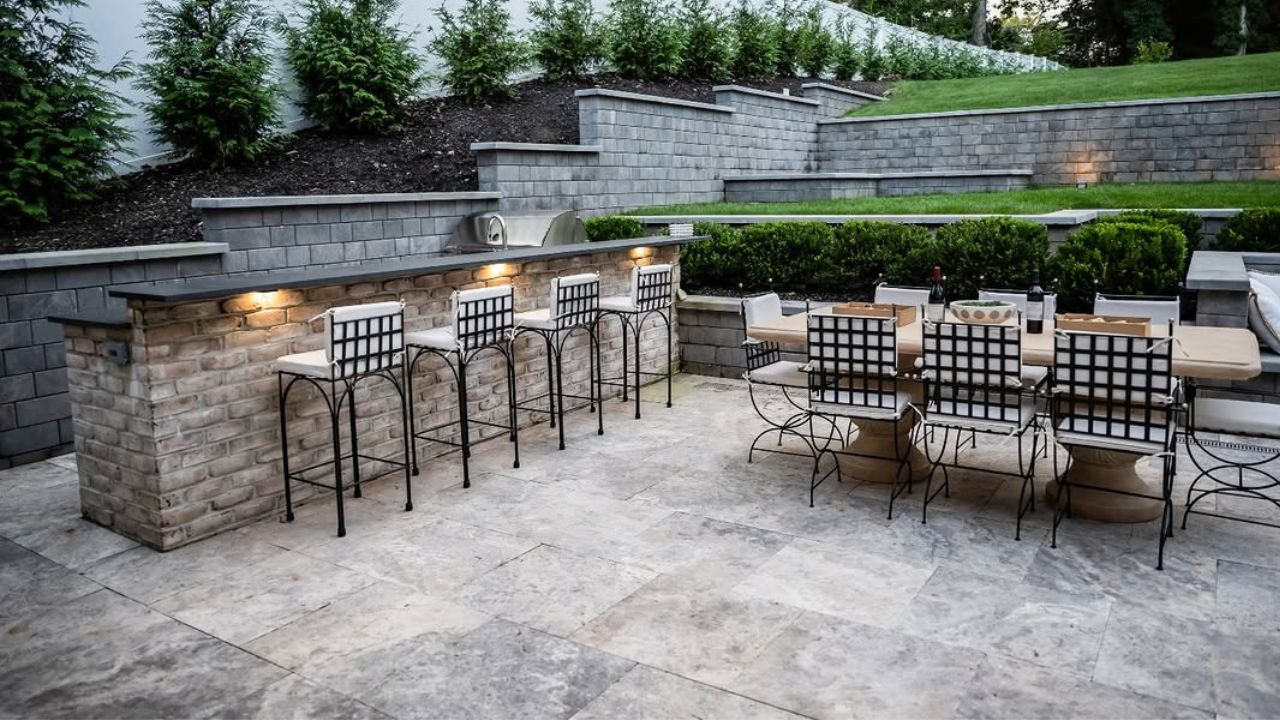
One can find manufactured flooring material that mimics the natural stone look. Though some replicas look extremely real, their composition and performance are significantly different. Here is the breakdown in the following table.
| Feature | Natural Stone | Stone-Look Porcelain | Luxury Vinyl (LVP/LVT) |
| Material | Solid natural rock | Fired ceramic with printed stone design | Synthetic polymers (PVC or SPC/WPC core) |
| Appearance | Unique with natural veining and mineral variation | Factory printed to mimic stone | Printed stone pattern with repeating designs |
| Authenticity | 100% natural | Stone imitation | Stone imitation |
| Lifespan | 50–100+ years | 30–50 years | 10–25 years |
| Durability | Excellent (varies by stone type) | Excellent | Good |
| Scratch Resistance | High (especially granite and quartzite) | Very high | Moderate |
| Water Resistance | Good to excellent when properly sealed | Excellent | Excellent |
| Stain Resistance | Good with proper sealing | Excellent | Excellent |
| Heat Resistance | Excellent | Excellent | Moderate |
| UV Resistance | Excellent | Excellent | Moderate (may fade over time) |
| Slip Resistance | Depends on finish; honed and textured finishes offer better grip | Good, depending on tile texture | Good, depending on wear layer |
| Maintenance | Low to moderate; periodic sealing for porous stones | Low | Low |
| Sealing Required | Yes, for many stone types | No | No |
| Repairability | Can often be refinished, polished, or repaired | Limited; damaged tiles are usually replaced | Individual planks may be replaced |
| Refinishing Potential | Yes, many stones can be resurfaced multiple times | No | No |
| Indoor Air Quality | Excellent; contains no synthetic VOC-emitting materials | Excellent | Varies by manufacturer and certification |
| Radiant Floor Heating Compatibility | Excellent | Excellent | Good (check manufacturer specifications) |
| Comfort Underfoot | Naturally cool and solid | Cool and firm | Softer and warmer |
| Sound Absorption | Low without underlayment | Low | Better than stone or porcelain |
| Property Value | High; often viewed as a premium feature | Moderate to high | Moderate |
| Design Variety | Limited to natural geological formations | Extensive colors and patterns | Extensive colors and patterns |
| Environmental Impact | Natural material with long service life; recyclable in many applications | Energy-intensive manufacturing but highly durable | Petroleum-based material; recycling options vary |
| Best Applications | Luxury homes, kitchens, entryways, patios, living spaces | Bathrooms, kitchens, laundry rooms, high-moisture areas | Bedrooms, basements, family rooms, rental properties |
| Typical Upfront Cost | Highest | Moderate | Lowest to moderate |
| Long-Term Value | Excellent due to longevity and resale appeal | Very good | Good for budget-conscious renovations |
Stone-look products like limestone tile offer practical alternatives for some projects, but natural stone is authentic, offers longevity, and ages gracefully over decades.
Surface Finishes For Natural Stone Flooring
Natural stones feature different types of finishing options as well. These are not just about appearance, but they influence the maintenance, traction, and stone’s performance.
| Finish | Appearance | Texture | Best Applications |
| Polished | High gloss | Smooth | Living rooms, formal interiors |
| Honed | Matte | Smooth | Kitchens, bathrooms |
| Brushed | Soft texture | Slightly rough | Family rooms |
| Leathered | Low sheen | Textured | High-traffic areas |
| Tumbled | Weathered | Rustic | Patios, walkways |
For example, polished marble creates a refined indoor appearance, while honed limestone offers better grip in everyday living spaces.
Which Natural Stone Works Best in Each Room?
Choose the right stone that is not necessarily expensive but should match your application requirements for the room.
| Area of the Home | Recommended Stone | Why It Works |
| Kitchen | Granite, Quartzite | Handles heavy traffic and spills |
| Bathroom | Slate, Marble | Moisture resistance and elegant appearance |
| Entryway | Granite, Slate | Excellent durability |
| Living Room | Travertine, Limestone | Warm, inviting character |
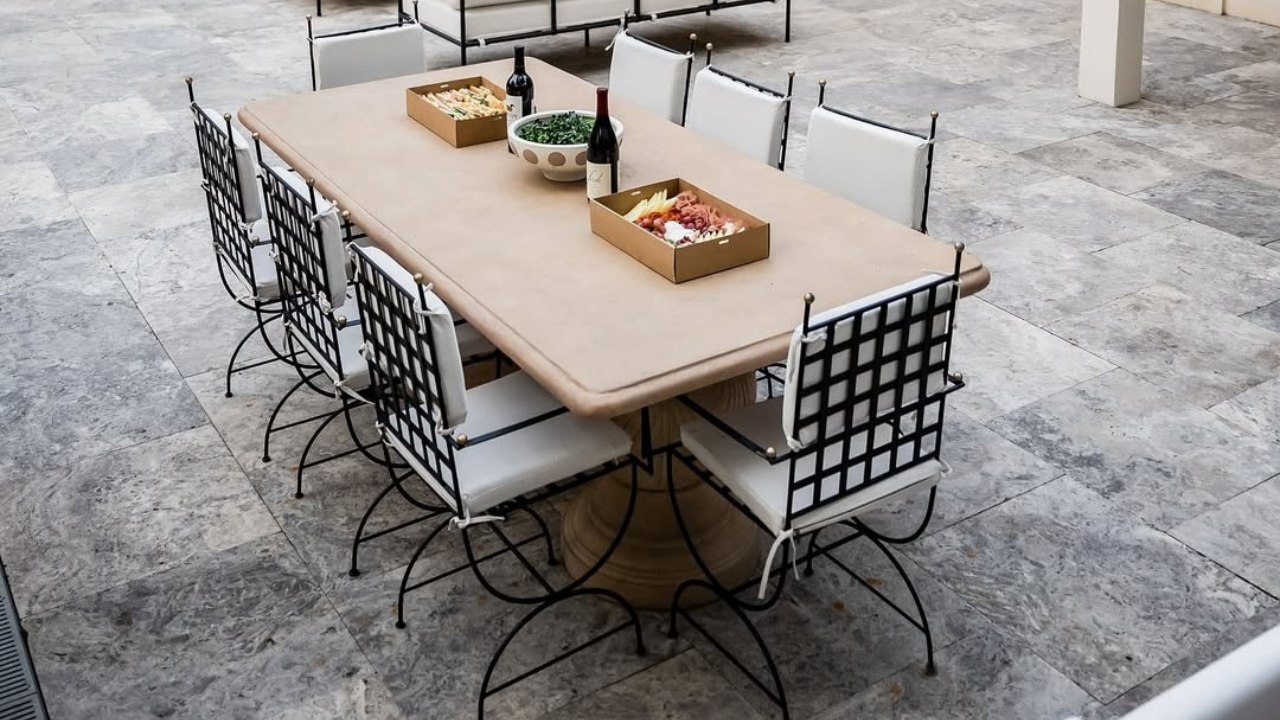
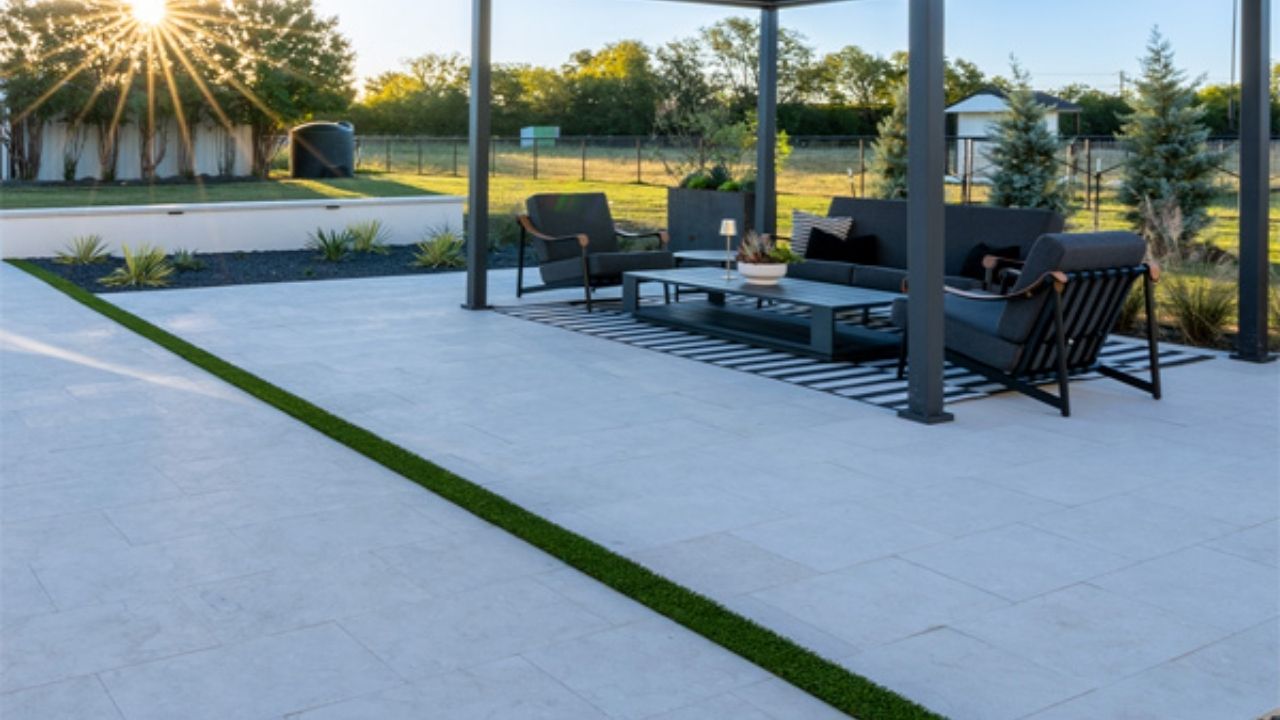
| Patio | Travertine, Slate Tile, Limestone | Comfortable outdoor performance |
| Pool Deck | Travertine | Cooler surface with good traction |
Matching the stone’s physical properties to the room creates better long-term performance. If you want to become more creative, then using a mosaic of stone like bluestone for durability and look.
Why Homeowners Choose Natural Stone Flooring?
Natural stone tile floor is one of the most preferred flooring materials due to its benefits beyond just aesthetics.
Exceptional lifespan
Many stone floors last and stay functional for generations. When installed properly and routine is on point, they last for several decades and even centuries.
Trendy design
Unlike many other flooring materials, natural stone has always been a part of interior trends. Many trends will change, but stone will keep complementing the traditional, transitional, contemporary, and minimalist homes.
Improved home value
This is true. When premium-quality natural stone flooring is integrated, it appeals to potential buyers. Because it shows the house was built with such durable and high-quality building material.
Natural cooling
Natural stone absorbs less heat compared to many synthetic flooring materials. This is why it stays relatively cool in warm climates and provides a comfortable surface underfoot during summer.
Compatible with radiant heating
Many natural stones are great conductors of heat, which makes them an excellent choice for radiant floor heating systems.
Sustainable material
Natural stone comes directly from the earth and requires relatively little processing compared with many manufactured flooring products. Its long service life also reduces replacement waste.
Maintenance Requirements For Natural Stone Flooring
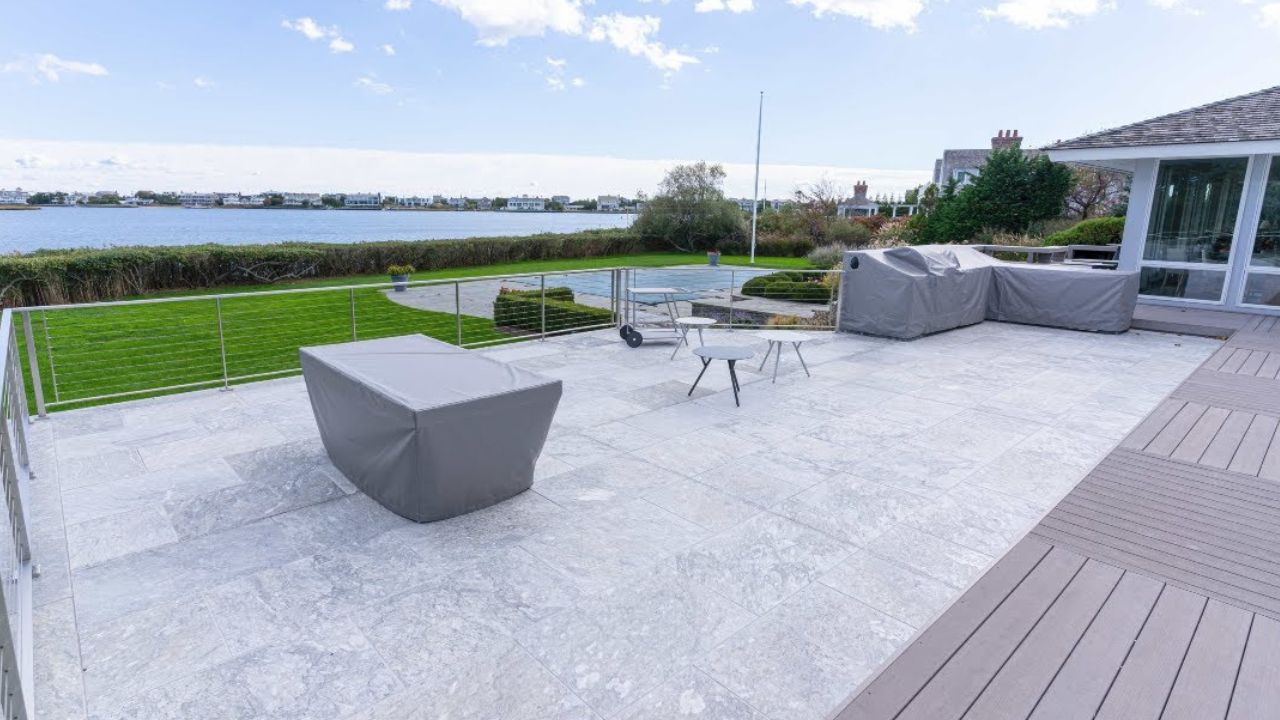
While natural stone is durable, it still requires regular maintenance. Some natural stone contains microscopic pores that absorb moisture when not sealed properly. Regular sealing according to its application helps prevent water penetration.
Maintenance of stone flooring is relatively easier, as natural stone cleaning typically requires regular sweeping or vacuuming. Clean it with a pH-neutral stone cleaner, and don’t use any harsh floor cleaners that are acidic substances, as they can etch the surface. Wipe any spills quickly from the countertop and reseal porous stones when recommended.
Granite and quartzite are comparatively low-maintenance stone flooring options. They require less upkeep than softer stones like limestone and marble.
Frequently Asked Questions About Natural Stone Flooring
Let’s answer your questions about Natural Stone Flooring.
What is natural stone flooring made of?
Natural stone flooring is made of rocks that are directly quarried from the earth, including granite, slate, travertine, limestone, and marble.
How long does natural stone flooring last?
Natural stone flooring can last around 50 to 100 years depending on the installation methods, material types, and maintenance.
Does natural stone flooring require sealing?
Yes. Natural stone flooring benefits from sealing, as it prevents moisture absorption, staining, and color fading, and even adds weather resistance.
Which natural stone flooring is the most durable?
Quartzite and granite are the most durable stone flooring options that withstand heavy foot traffic and offer unmatched beauty.
Is natural stone flooring suitable for kitchens?
Yes. Beige granite and quartzite are particularly well suited for kitchens because they resist wear, scratches, and heat while offering long-term durability.
6. Is natural stone flooring worth the investment?
For many homeowners, yes. Although the upfront cost is higher than some alternatives, its longevity, repairability, and ability to increase property value often make it a cost-effective long-term investment.
Bottom Line
Natural stone flooring adds natural elegance, beauty, and a luxurious feel to any space. The durability is top-notch, and performance is reliable compared to many synthetic flooring options. Granite and quartzite are the most durable options with minimal upkeep.
However, choosing the right natural stone matters because each room requires different performance. Understanding the strength of each material and maintenance requirements can help homeowners and project managers to make an informed decision. This will add lasting value and aesthetic appeal to their homes.