
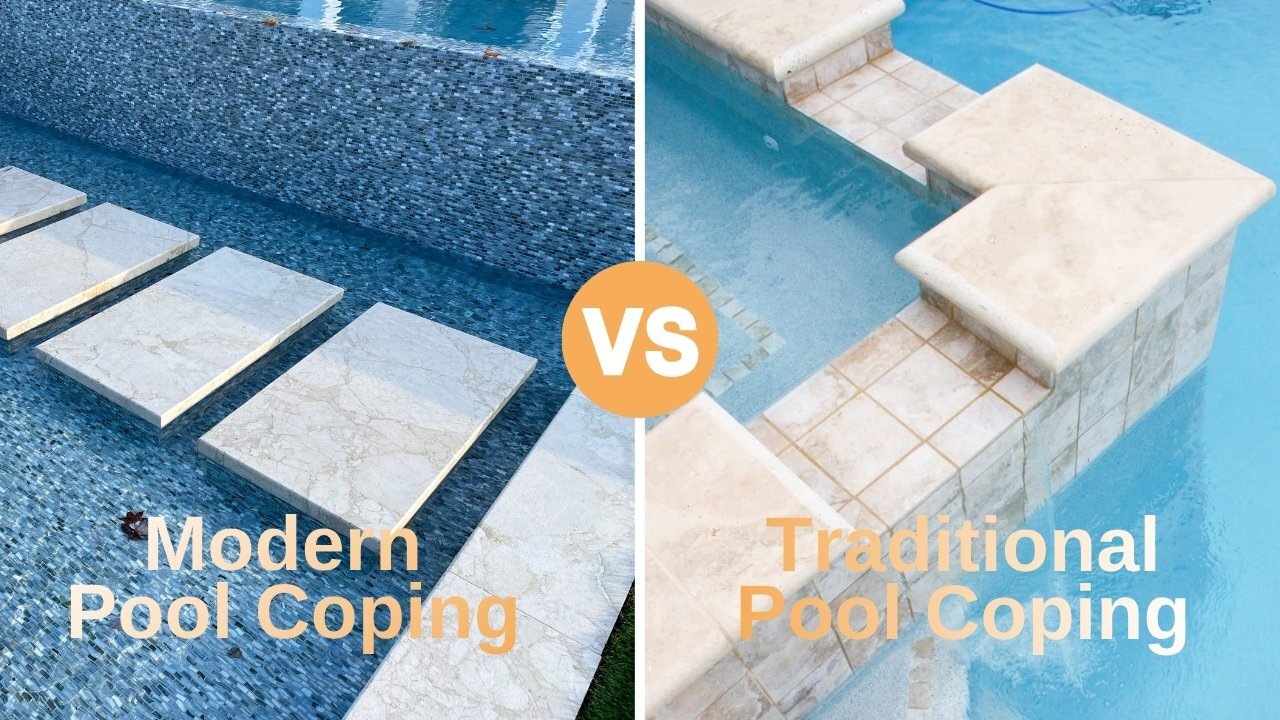
Pool copings are not just there for aesthetic purposes, but they are the most functional part of any swimming pool. They secure the pool shell and prevent water penetration while appearing beautiful. However, many homeowners are stuck thinking between modern pool coping vs traditional pool coping. While both are used around the pool, they are still distinct in every way. Homeowners often wonder what types of modern pool coping they should choose or which coping is perfect for them. Here is a detailed comparison of modern pool coping vs traditional coping. Continue reading the following for more information.
Modern Pool Coping vs Traditional Pool Coping: Side-by-Side Comparison
Modern and traditional pool coping are different in many ways, from performance to appearance and many other factors. Take a look at the table below to learn more about this.
| Feature | Modern Pool Coping | Traditional Pool Coping |
| Design Style | Clean lines, minimalist appearance, contemporary aesthetics | Ornate details, classic profiles, timeless appearance |
| Common Materials | Porcelain, concrete, large-format natural stone, engineered stone | Travertine, limestone, brick, natural stone, cast stone |
| Edge Profile | Square edge, pencil edge, flush finish | Bullnose, rolled edge, rounded profiles |
| Visual Appeal | Sleek and architectural | Warm, elegant, and traditional |
| Best For | Modern homes, contemporary landscapes, geometric pools | Mediterranean, Colonial, Tuscan, and traditional homes |
| Pool Shape Compatibility | Works best with rectangular and geometric pools | Complements freeform and classic pool designs |
| Color Palette | Neutral grays, whites, charcoal, and monochromatic tones | Warm beige, cream, tan, and earth tones |
| Slip Resistance | Varies by material; textured porcelain often performs well | Natural stone textures generally provide good traction |
| Heat Resistance | Depends on material; light-colored porcelain and stone stay cooler | Travertine and limestone naturally remain cooler underfoot |
| Maintenance Requirements | Typically lower, especially with porcelain coping | May require sealing and periodic maintenance |
| Durability | High when using quality porcelain or engineered materials | Excellent durability with properly maintained natural stone |
| Joint Width | Narrow joints create a seamless appearance | Wider joints emphasize a handcrafted look |
| Waterline Integration | Often designed for seamless transitions and infinity-edge aesthetics | More visually distinct separation between the deck and the pool |
| Customization Options | Modern edge details and large-format designs | Multiple decorative profiles and traditional finishes |
| Installation Complexity | Can require precise alignment for a flawless finish | Generally, more forgiving depending on material selection |
| Cost Range | Moderate to high, depending on material and design | Moderate to high, depending on stone type and profile |
| Property Value Impact | Appeals to buyers seeking contemporary outdoor living | Appeals to buyers who prefer classic and timeless design |
| Longevity of Style | Trend-forward but can evolve with design preferences | Proven aesthetic that rarely goes out of style |
Modern Pool Coping For Clean Lines and Contemporary Design
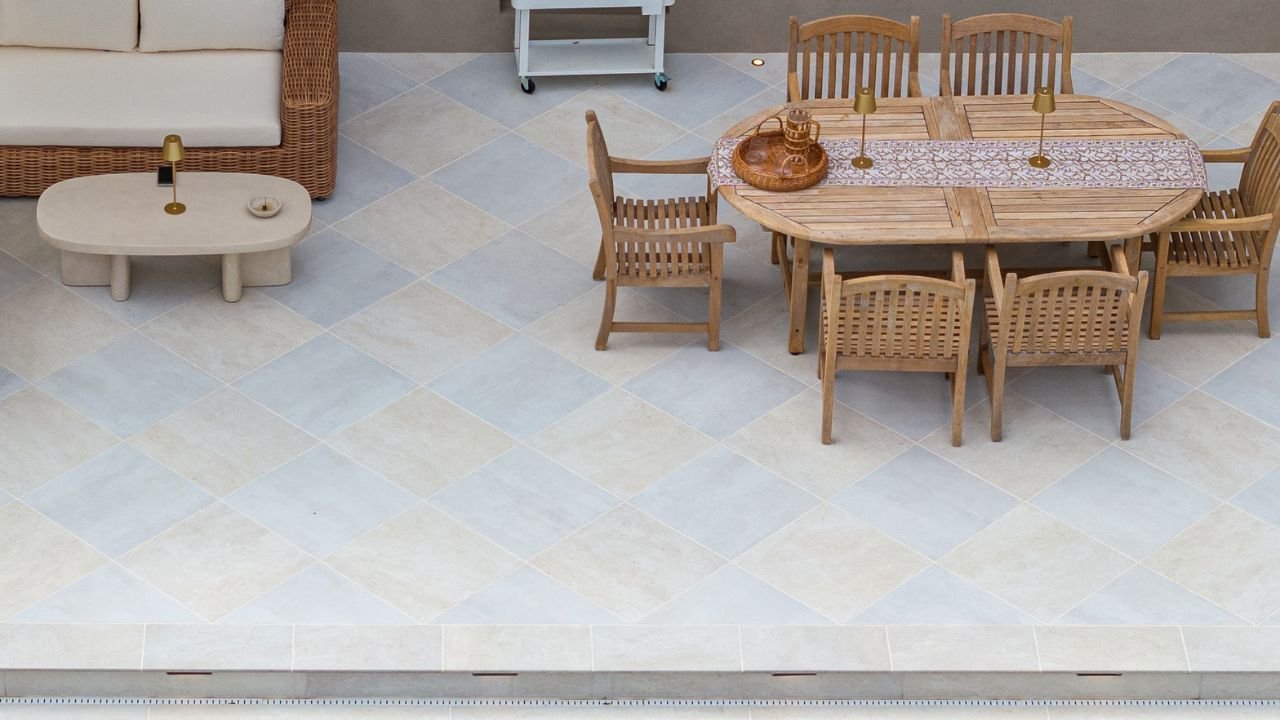
Modern pool coping is much simpler in appearance, precision, and visual continuity. It shows the broader trend toward minimalist outdoor living spaces. Common characteristics of modern pool coping.
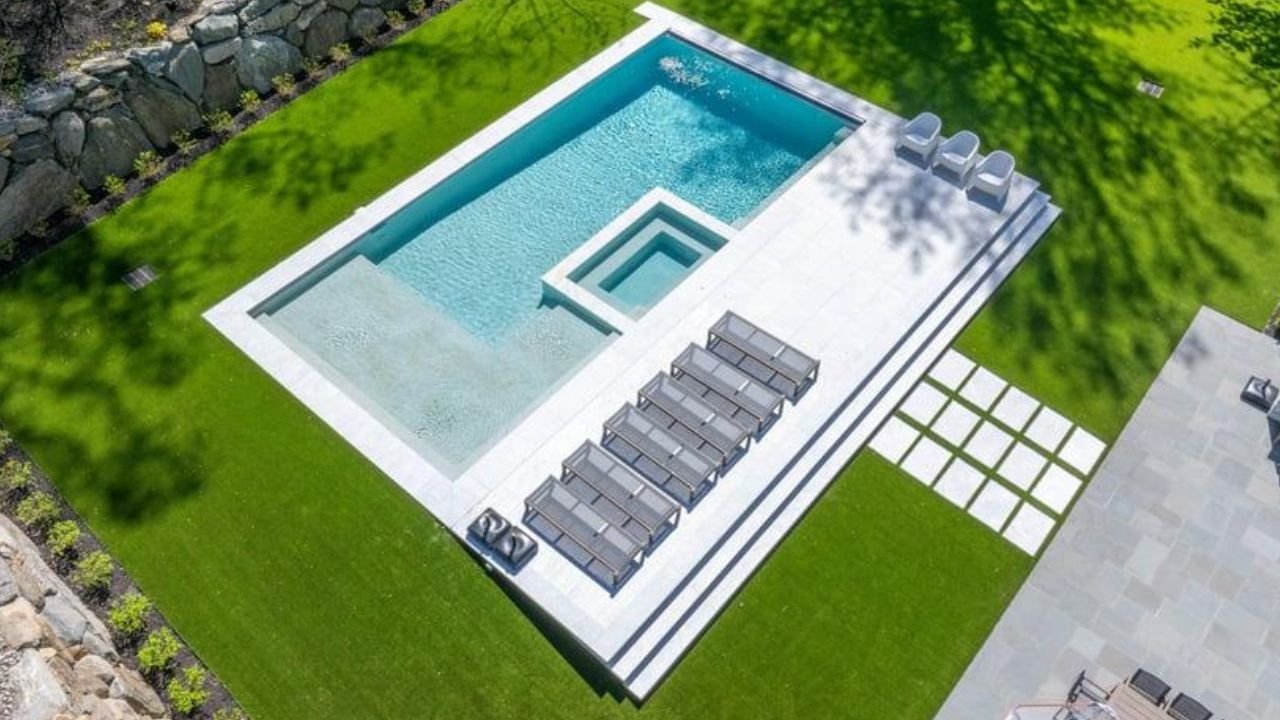
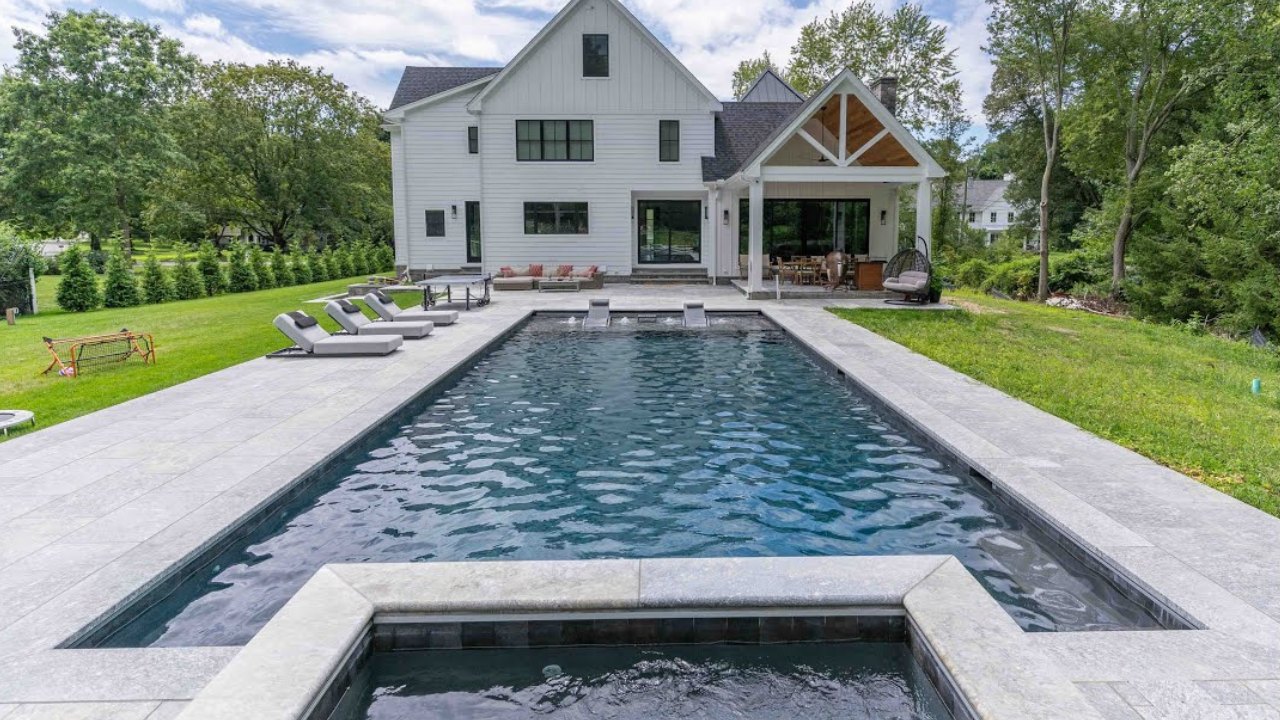
Modern coping often includes square-edge or pencil-edge profiles, large-format materials, minimal visible joints, neutral color palettes, and clean geometric layouts. It does include a seamless transition between the pool and the deck.
Many contemporary pools feature coping that blends into the surrounding hardscape, creating a unified look.
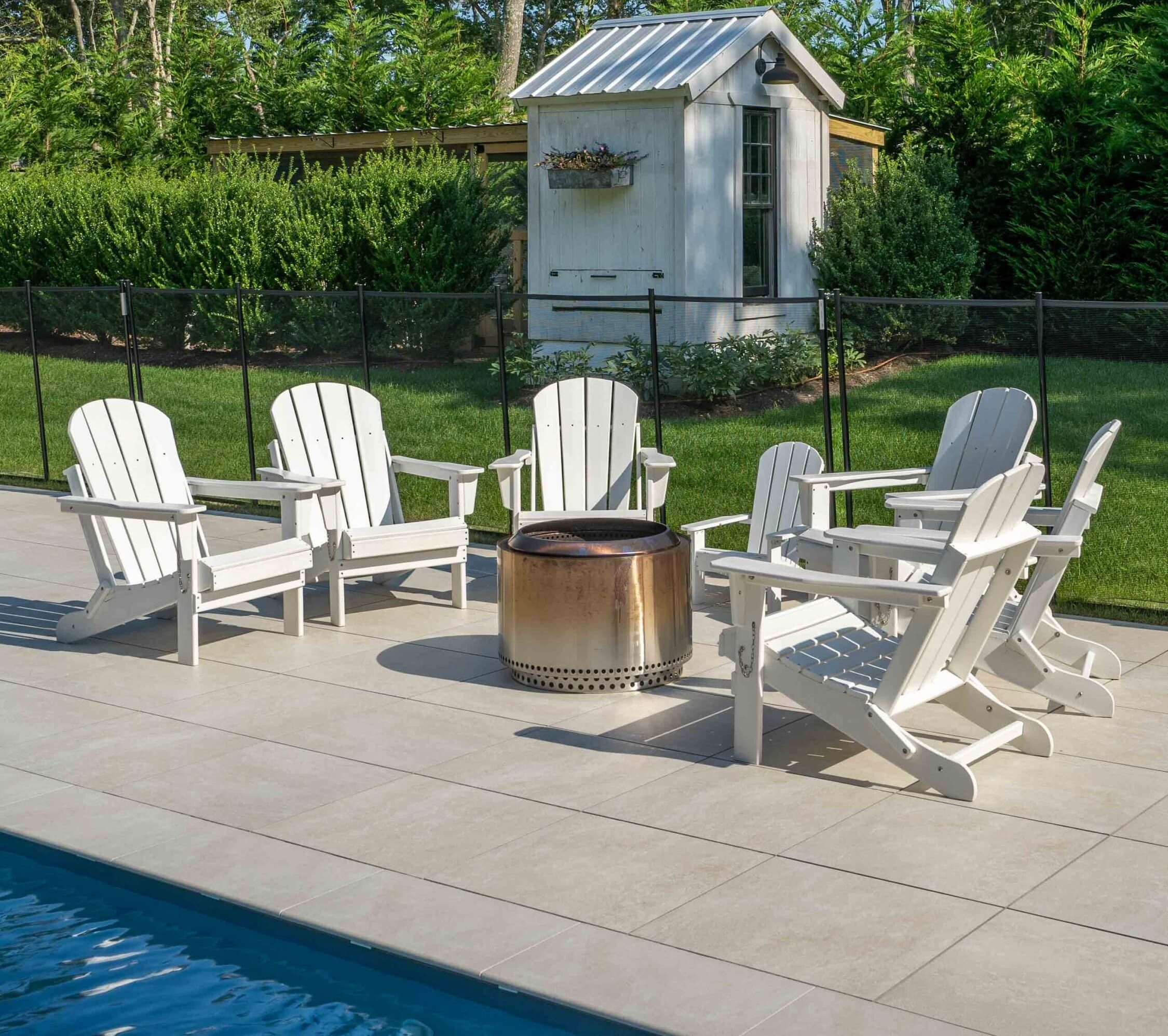
Popular Modern Coping Materials
Today’s modern pool designs frequently use:
- Porcelain pavers
- Architectural concrete
- Large-format limestone
- Contemporary granite
- Engineered stone products
Light gray, charcoal, white, and soft beige are still popular choices. They complement modern architecture while maintaining a lasting appearance and modern look.
Homes That Benefit Most from Modern Coping
Modern coping works especially well with contemporary homes, modern farmhouse designs, minimalist architecture, luxury resort-style pools, and geometric pool shapes. They are also well-suited to infinity-edge pools.
Homes That Benefit Most from Traditional Coping
Traditional coping is often used in Mediterranean homes, colonial architecture, Spanish-style residences, Tuscan-inspired landscapes, freeform pools, and naturalistic pool environments
Traditional Pool Coping For Classic Beauty and Natural Character
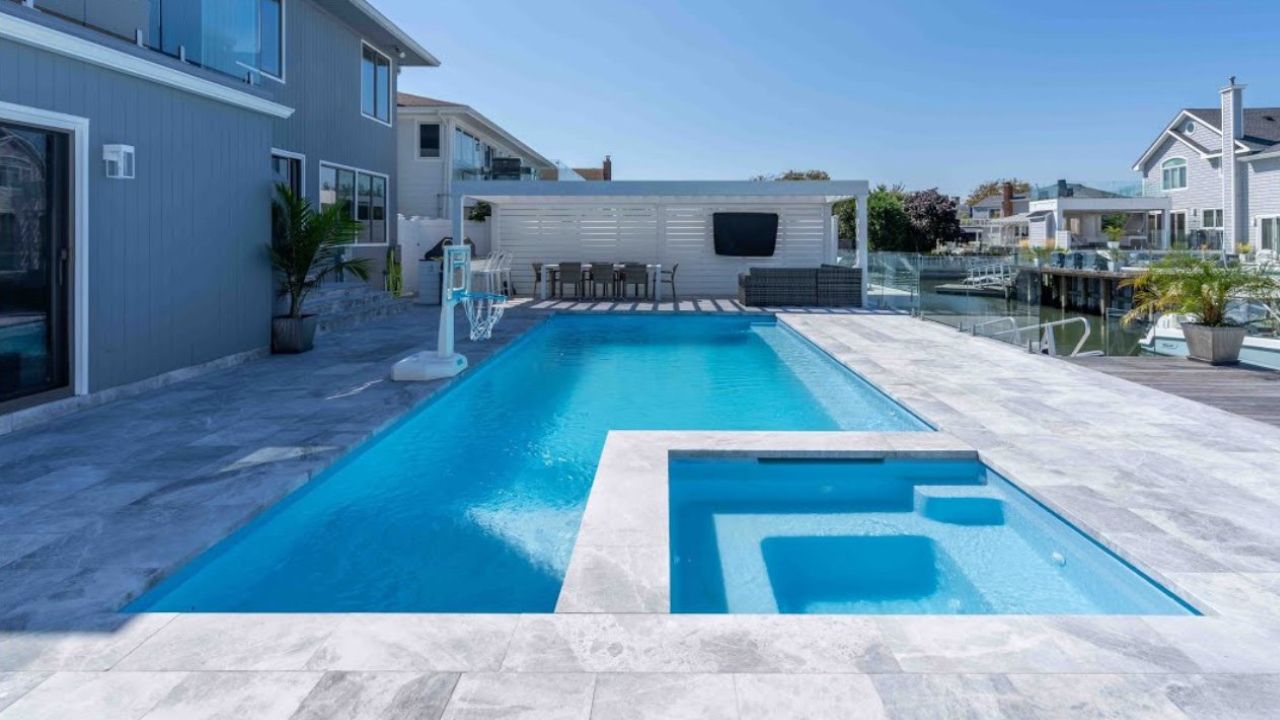
Traditional pool coping is all about craftsmanship, texture, and visual warmth. Rather than creating a seamless appearance, traditional coping usually shows material detail and architectural character. Traditional coping typically features bullnose or rounded edges, rich natural textures, decorative profiles, visible craftsmanship, and earth-tone color palettes. They create a distinct visual separation between pool and deck. This style works particularly well with classic residential architecture and natural landscapes.
Popular Traditional Coping Materials
Traditional pool designs often incorporate materials like:
- Travertine pool coping
- Limestone pool coping
- Natural stone pool coping
- Brick coping
- Cast stone products
Many homeowners still prefer natural stone pool coping because it ages gracefully over time while maintaining its visual appeal.
Modern Pool Coping vs Traditional Pool Coping: Climate Performance
Many homeowners first focus on appearance, but often overlook comfort, which is an important factor after the pool is built. This is where the debate between modern pool coping vs traditional pool coping shifts toward material first.
For instance, Light colored travertine usually remains cooler than darker concrete. Whereas certain porcelains are manufactured to reflect heat. Limestone can provide comfortable walking surfaces in sunny climates, but dark stone will absorb more solar heat, regardless of the coping type.
Homeowners in intense summer temperatures should select lighter colors even for concrete coping. Proper pool coping installation also improves drainage and helps coping materials perform more reliably in changing weather conditions. This creates more impact than choosing modern or traditional designs. This is why NT Pavers recommends evaluating both color and material performance while considering aesthetics.
Modern Pool Coping vs Traditional Pool Coping: Maintenance Differences
Maintenance requirements are slightly different for each coping type according to the material type and style.
Modern Coping Maintenance
Using engineered materials is common for modern pool copings. Porcelain pool coping requires just routine cleaning, occasional pressure washing, minimal sealing, and strong stain resistance.
These characteristics appeal to homeowners seeking lower maintenance.
Traditional Coping Maintenance
Using natural stone will require more maintenance, including periodic sealing, routine cleaning, removal of organic buildup, and joint maintenance over time. However, many homeowners accept this maintenance because they value the authenticity and character of natural stone. Proper care can also help delay pool coping replacement by preserving the condition and stability of the coping over time.
How Does Pool Shape Influence the Right Choice?
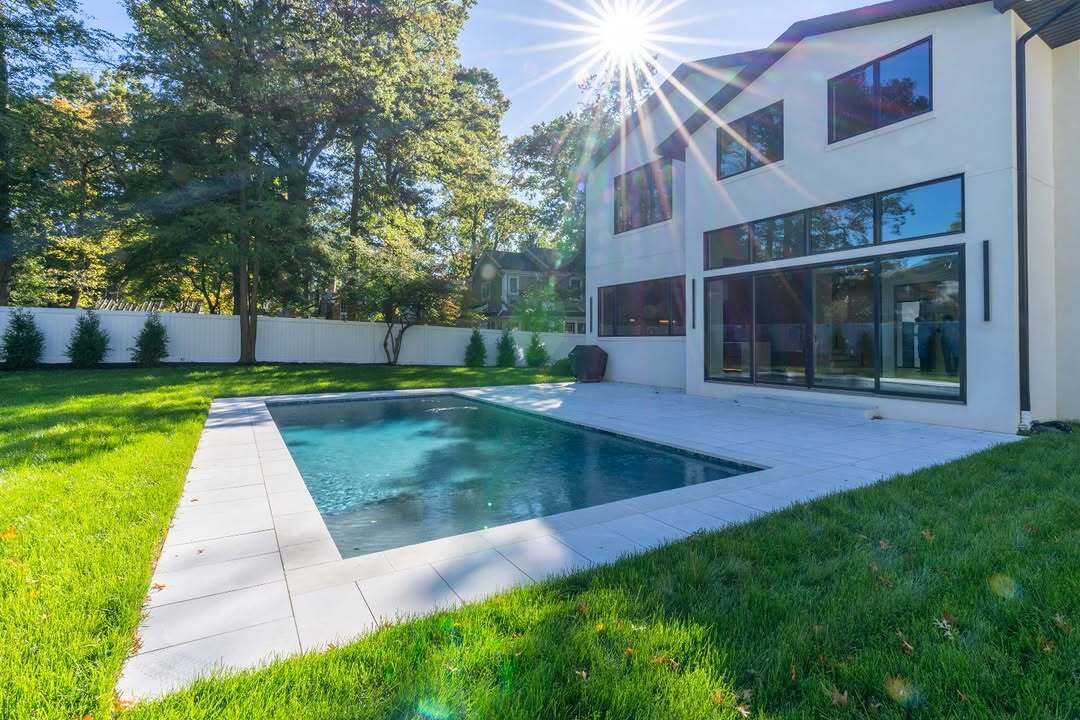
Pool geometry is often overlooked by many homeowners. Here is how each type of pool coping is perfect for which pool type.
| Pool Design Type | Modern Pool Coping | Traditional Pool Coping |
| Rectangular Pools | ✓ Excellent match | Possible, but less common |
| Lap Pools | ✓ Ideal choice | Rarely used |
| Infinity-Edge Pools | ✓ Highly recommended | Less common due to visual style |
| Geometric Pool Designs | ✓ Complements clean lines | May appear visually busy |
| Linear Outdoor Spaces | ✓ Creates seamless continuity | Less suited to minimalist layouts |
| Freeform Pools | Less common | ✓ Excellent match |
| Lagoon-Style Pools | Generally not preferred | ✓ Ideal choice |
| Curved Pool Layouts | Can work with careful detailing | ✓ Naturally complements curves |
| Garden-Integrated Pools | May create contrast with natural surroundings | ✓ Blends seamlessly with landscaping |
| Naturalistic Landscapes | Less common choice | ✓ Enhances organic design themes |
Rounded coping profiles usually complement organic shapes more naturally. The best generally create visual consistency between the pool shape and coping style.
2026 Pool Design Trends: What Homeowners Are Choosing
Several trends are influencing pool coping selection in 2026 and beyond.
Seamless Indoor-Outdoor Design
Homeowners are now seeking more visual continuity between interior flooring and outdoor hardscapes. Modern coping is perfect for this approach through large-format materials and clean transitions.
Natural Materials With Contemporary Detailing
These days, many designers combine natural stone with simplified edge profiles. This approach mixes the warmth of traditional materials with the clean appearance of modern design.
Larger Coping Formats
Large-sized coping pieces build fewer joints and a more premium appearance. Many pool coping ideas also favor larger coping formats because they create cleaner lines, reduce visual interruptions, and enhance contemporary aesthetics.
Sustainable Material Selection
Durable materials that offer longevity are still a priority for homeowners who plan for long-term outdoor investments.
Low-Maintenance Surfaces
Porcelain and advanced stone finishes are gaining popularity because they reduce ongoing maintenance demands.
Modern Pool Coping vs Traditional Pool Coping FAQs
Let’s answer your questions about Modern Pool Coping vs Traditional Pool Coping
Is modern pool coping more expensive than traditional coping?
No. The cost of modern pool coping depends on the selected material, installation complexity, and project scale.
What is the most popular pool coping material in 2026?
Travertine and porcelain are among the most popular choices because of their durability, aesthetics, and stability for outdoor environments.
Does pool coping affect safety?
Yes. Proper coping offers a secure edge, improves the walking experience, and manages water runoff around the pool area.
Which pool coping stays coolest in the sun?
Light Travertine is the best pool coping material that stays cooler in the sun, along with some porcelain types.
Can traditional coping work in a modern pool?
Yes. Traditional coping works well on a modern pool, but the design may look intentional. Make sure it matches the home’s architectural design.
Bottom Line
There is no definite winner in modern pool coping vs traditional pool coping. Both are used for the same function while offering a unique visual experience. Modern pool coping is more about clean lines, simplicity, and modern aesthetics. Traditional coping delivers warmth, texture, and timeless appeal. Neither option is universally better, as it is up to the homeowner’s preference what they want. Just make sure to focus on comfort and functionality as well while choosing coping’s appearance.