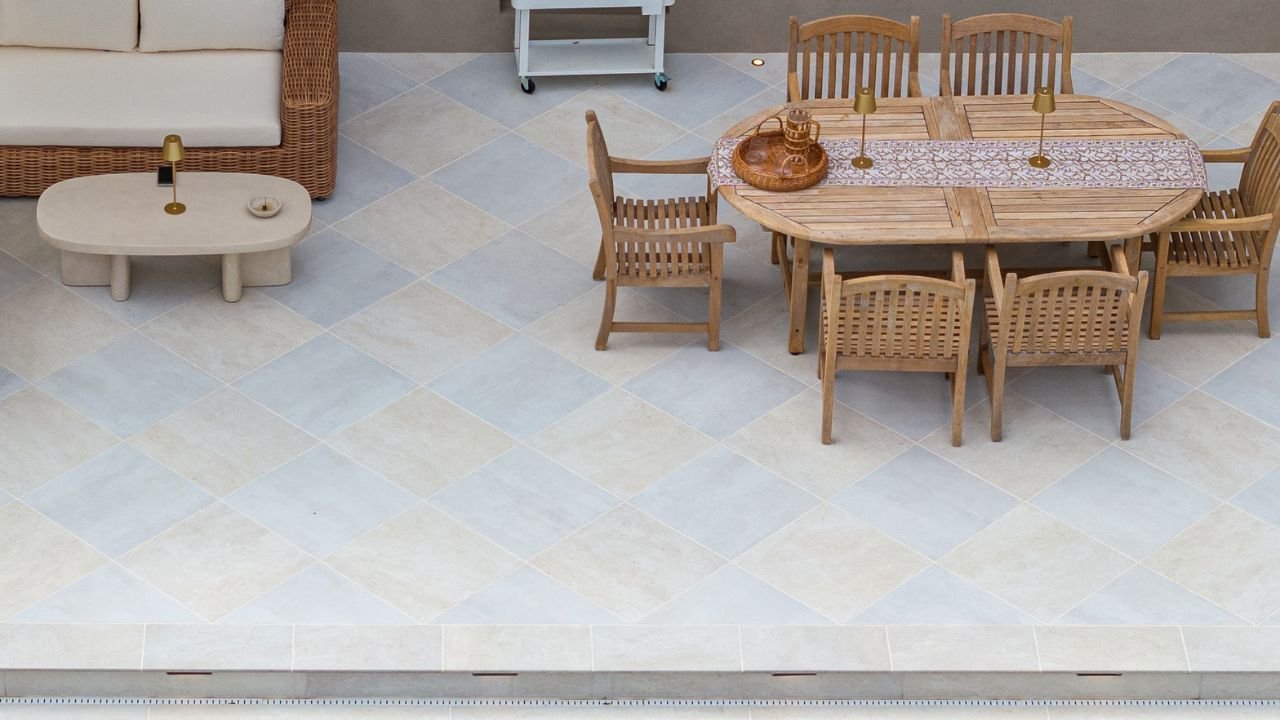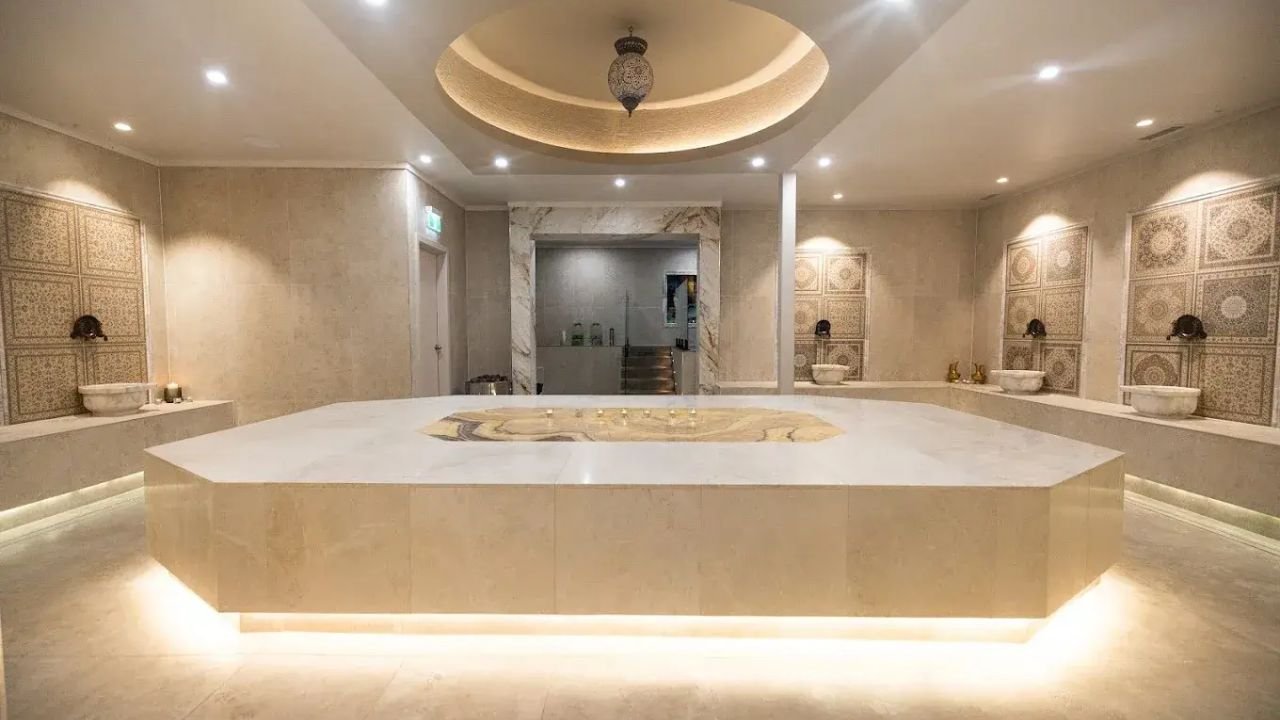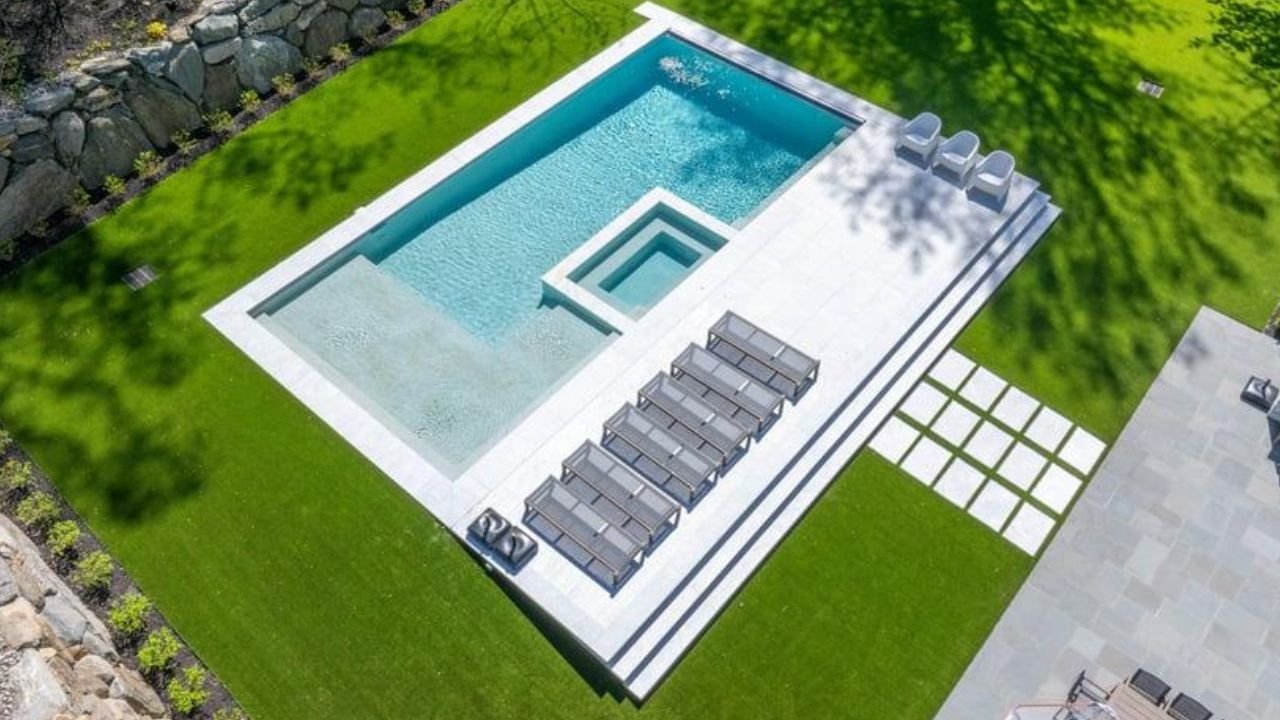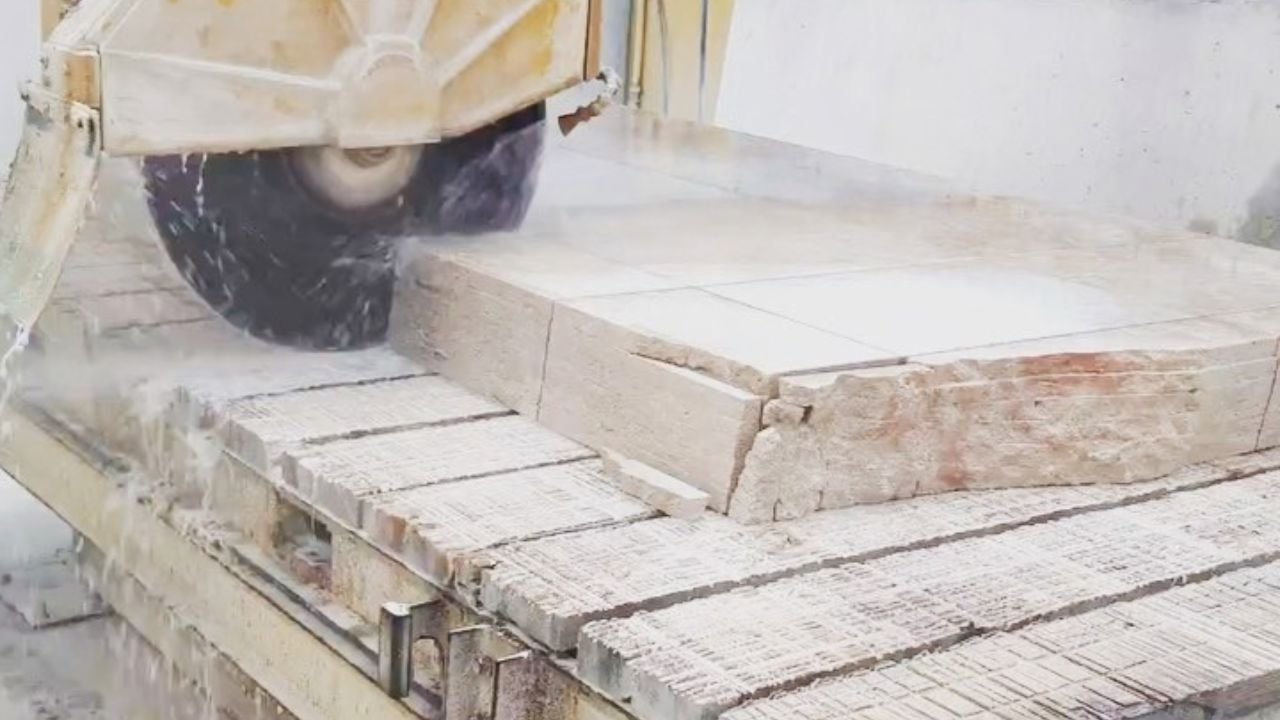

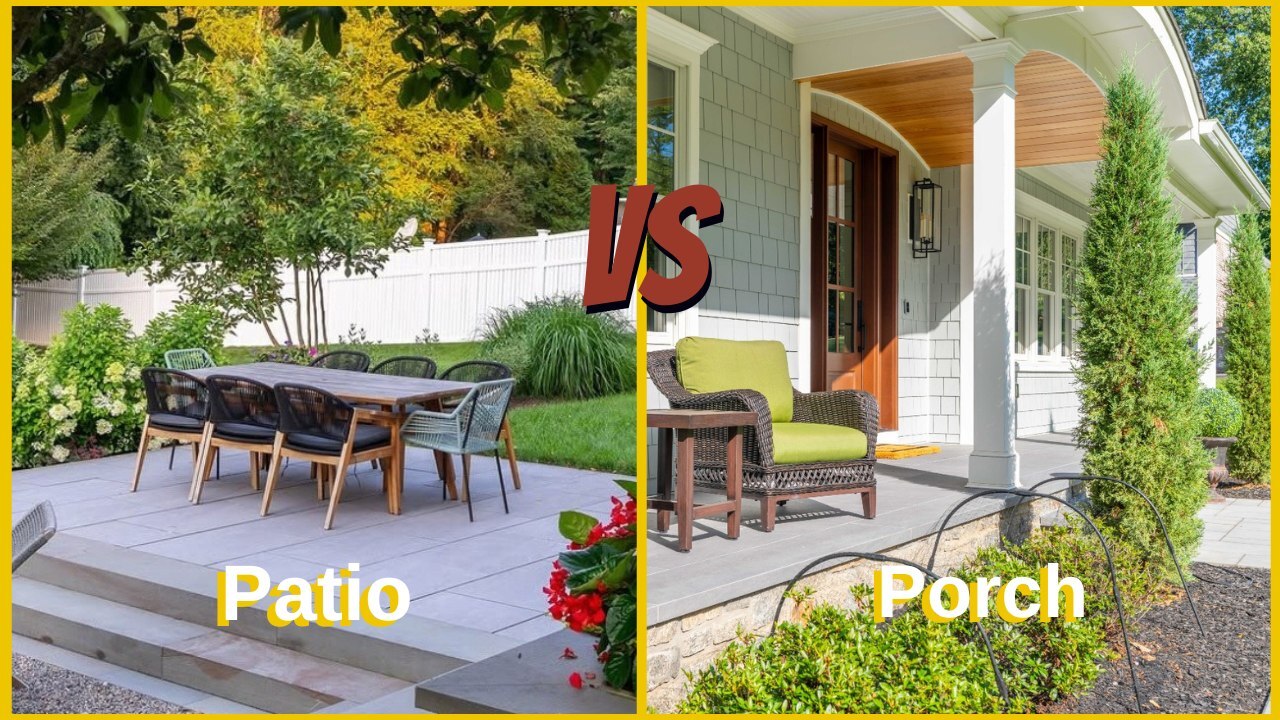
This shouldn’t come as a surprise that patios and porches are often considered the same because both are created as outdoor living areas. However, both patios and porches differ distinctly in design, construction, and usability. Both of these spaces are an integral part of modern homes, especially in 2026 home design trends. Both offer outdoor comfort but solve different problems.
Understanding the differences between patio vs porch will help you choose materials, layout, and function with clarity. Continue reading the following for better ideas.
Patio vs Porch Comparison Table
Here is a deep comparison of each factor that shows how patios and porches are different from each other. Take a look at this table for a better idea.
| Feature | Patio | Porch |
| Definition | A paved outdoor living area built at ground level. | A covered structure attached to the house, usually at the entrance. |
| Location | Typically, in the backyard, side yard, outdoor space, or garden area. | Usually at the front of the home, though side and rear porches exist. |
| Roof Coverage | Usually open to the sky, though pergolas and covers can be added. | Includes a permanent roof as part of the structure. |
| Construction Type | Landscape feature built on a compacted base. | Architectural extension integrated into the home’s structure. |
| Primary Materials | Porcelain pavers, natural stone, concrete pavers, brick, and concrete slabs. | Wood, composite decking, concrete foundation, columns, and roofing materials. |
| Main Purpose | Outdoor dining, entertaining, lounging, and backyard living. | Welcoming guests, relaxing in the shade, and creating a transition between indoors and outdoors. |
| Connection to House | May connect to the house but remains structurally independent. | Directly attached to and supported by the home’s structure. |
| Weather Protection | Limited unless shade structures are added. | High protection from the sun, rain, and other weather conditions. |
| Design Flexibility | Highly customizable in size, shape, and layout. | Limited by rooflines, structural requirements, and architecture. |
| Installation Complexity | Moderate; depends on grading, drainage, and paving material. | Higher; requires framing, roofing, permits, and structural support. |
| Maintenance Needs | Depends on material; porcelain and quality pavers require minimal upkeep. | Requires roof maintenance, painting, sealing, and structural inspections. |
| Drainage System | Relies on proper slope and base preparation. | Uses roofing systems, gutters, and downspouts to manage water. |
| Best For | Homeowners seeking a dedicated outdoor living and entertainment space. | Homeowners want a sheltered entry area and additional covered seating. |
| Typical Cost Range (2026) | Approximately $15–$60+ per sq. ft., depending on materials and installation. | Approximately $25–$100+ per sq. ft., depending on size, roofing, and structural complexity. |
| Property Value Impact | Enhances outdoor living appeal and backyard functionality. | Improves curb appeal and creates a more welcoming home entrance. |
| Current 2026 Trend | Large-format porcelain pavers, outdoor kitchens, fire features, and seamless indoor-outdoor transitions. | Modern farmhouse porches, screened porches, smart lighting, and integrated seating. |
Patio vs Porch: Core Structural Difference
The structure itself is the key factor that makes both of them different from each other.
A porch is a part of the house from the start. Builders attach it to the main structure. They extend rooflines, add columns, beams, and sometimes screens. The front porches depend on the architectural load paths.
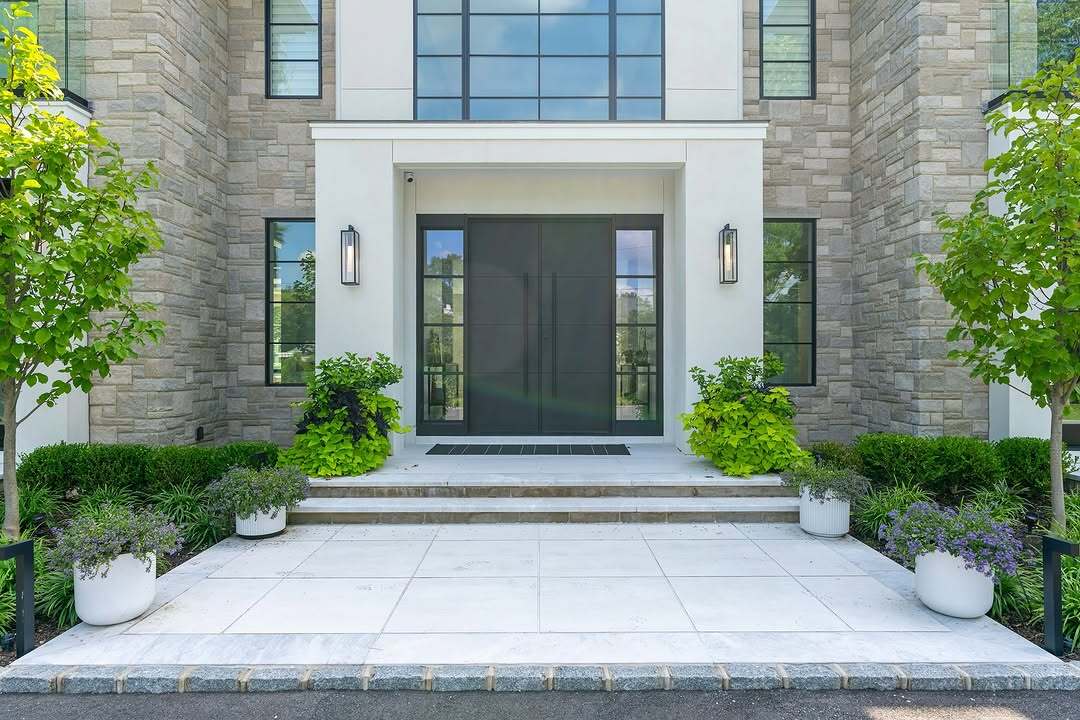
On the other hand, a patio is an independent part of the house. Builders place it on prepared ground by compacting base layers. They install stone, concrete, or porcelain slabs. They don’t carry structural roof loads. It is more related to landscape design, instead of building design.
This difference shapes everything else, from cost, maintenance, flexibility, to lifespan. In other words, the porch is the architectural extension, and the patio is the landscape installation.
Patio vs Porch: Location and Orientation in the Home
A porch is built at the front of the house. It is the first impression of your house to the visitors. It creates a distinction between public and private space. In many homes throughout the USA and gaining huge popularity in modern hybrid design. A porch sets the first visual tone.
A patio is generally built on the rear side of the side yard. It is widely used for private sitting, relaxing, and gatherings. Families eat there, guests gather there, and it connects more with the garden and pool zones than with street views.
The placement affects how the space will behave, where the porch interacts with the streets and neighbors. Patio is more about providing outdoor living. Designers usually treat the porch as a social space and the patio as a living space.
Patio vs Porch: Materials and Construction Approach
A porch is built with building materials such as wood framing, concrete foundation, roofing shingles or metal sheets, and railings or screens. The construction matches the architectural engineering.
A patio is built with surface materials such as stone pavers, porcelain pavers, concrete paving slabs, stamped concrete, brick, or interlocking pavers. Many homeowners also consider outdoor patio tiles over concrete when upgrading existing surfaces for improved durability and appearance.
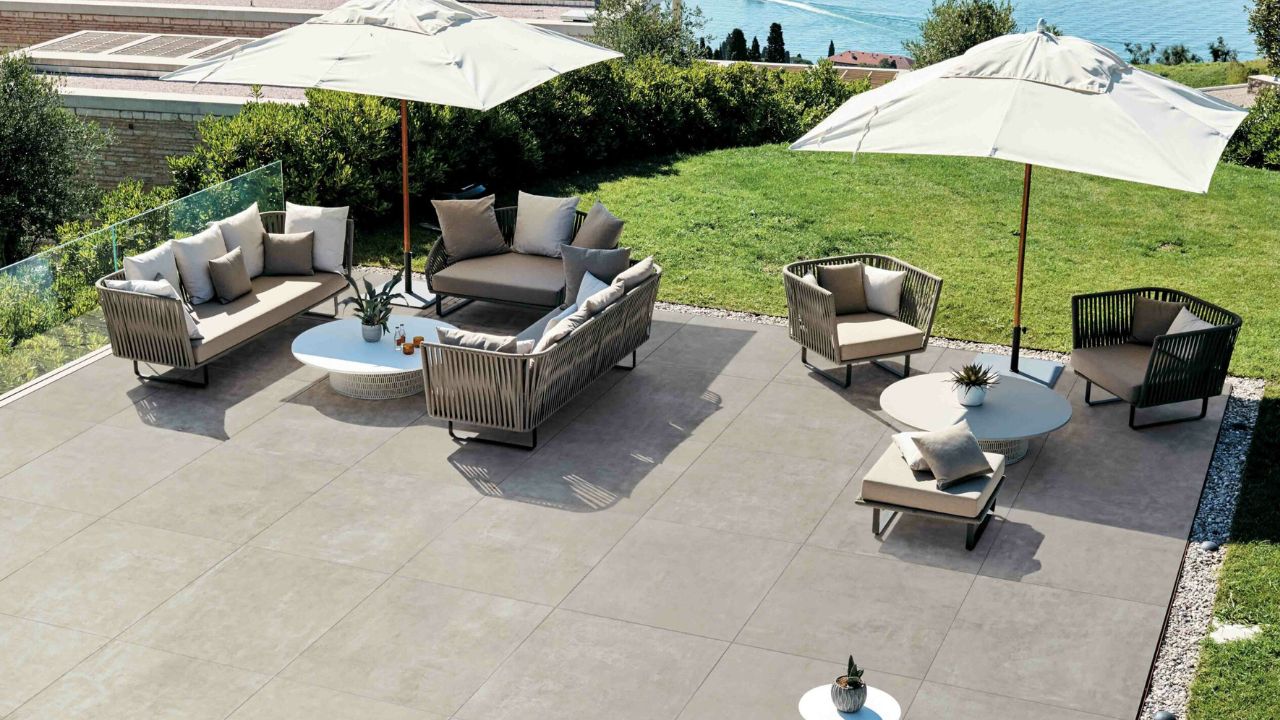
Brands like NT Pavers generally focus on patio systems where stone supports the drainage, slip resistance, and thermal comfort.
Patio vs Porch: Comfort, Use, and Lifestyle Function
A porch focuses on slower, transitional use. People stay there for a short time, stand for a moment to greet neighbors, and that’s it. It acts like a semi-indoor room.
A patio is a widely used outdoor space that is used for dining outside, fire pit gatherings, outdoor kitchens, and poolside seating.
In simpler words, a porch is a space for shorter stays, while a patio is used for more activities. Patios are more like an outdoor living room for many houses.
Patio vs Porch: Design Flexibility
When it comes to expanding an area, patios offer much flexibility as they can be built in phases. You can create zones like a dining zone, a lounge zone, and a garden edge. This flexibility allows homeowners to incorporate various paver patio ideas without modifying the overall structure. It is easier to change the material without changing the structure.
Porch, on the other hand, is not flexible. The Porch size relies on the columns, roofline, and weight-bearing components. The architectural design must be redesigned to accommodate the expansion. In some modern designs, finishing details such as front porch tiles are used to enhance the overall appearance within structural limits.
Patios are a great place to start when designing a home. They’re easy to upgrade.
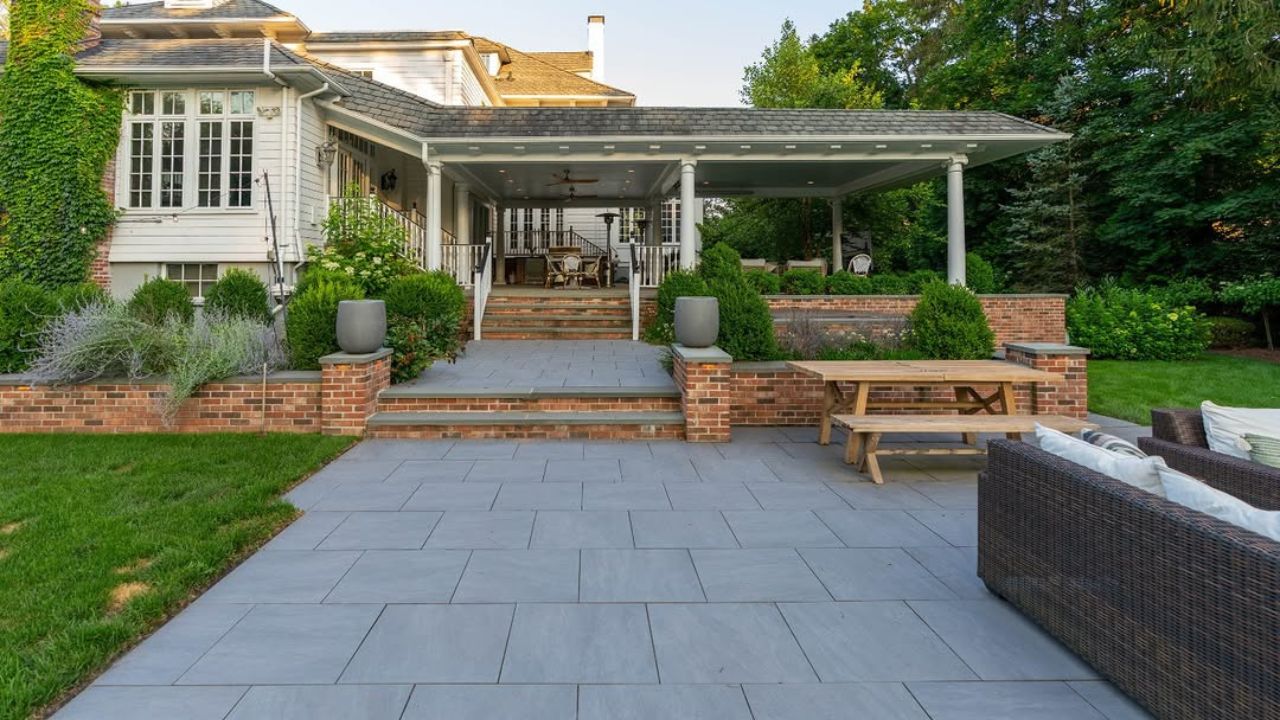
Patio vs Porch: Cost and Maintenance Comparison
The cost for both structures is hugely different, with the porch costing more because of its structural framing and roofing systems. They also require permits and engineering. The porch requires regular maintenance, such as roof inspections, wood treatment, and painting or sealing.
The material used to build a patio will determine the cost per square foot. The material will determine the maintenance required. For example, Porcelain pavers require low maintenance but are stain-resistant. Concrete may crack and need to be repaired over time. Natural stone can require resealing. Many homeowners often ask how much does a 20×20 paver patio cost before starting their project.
The actual cost of a project can vary depending on the region, site conditions, and quality of materials, as well as labor rates.
| Cost Factor | Patio | Porch |
| Average Installed Cost per Sq. Ft. | $15–$60+ | $25–$100+ |
| Typical Project Size | 200–600 sq. ft. | 100–300 sq. ft. |
| Average Total Project Cost | $3,000–$25,000+ | $5,000–$30,000+ |
| Foundation Requirements | Compacted aggregate base | Structural footings and foundation |
| Roof Construction | Usually not required | Required |
| Structural Framing | Not required | Required |
| Permit Requirements | Often limited or simpler | Usually more extensive |
| Labor Complexity | Moderate | High |
| Drainage Costs | Site grading and base preparation | Gutters, downspouts, and roof drainage |
| Electrical Installation | Optional | More commonly included |
| Maintenance Costs Over Time | Low to moderate | Moderate |
| Repair Costs | Individual pavers or sections can often be replaced | Roofing, columns, railings, and structural repairs may be needed |
| Cost to Expand Later | Relatively easy and affordable | More complex and costly |
| Return on Investment (ROI) | Strong for outdoor living spaces | Strong for curb appeal and entry enhancement |
Drainage, Ground Behavior, and Engineering Logic
A porch handles the drainage through the guttering and roofing system, where water moves away from the structure.
A patio manages the drainage with a grading system. It requires slope while preparing the base, which means a poor base slope will result in water pooling and surface damage. Proper paver patio installation ensures correct slope and prevents water pooling, surface damage, and long-term drainage problems over time.
Material choice matters here for both patio and porch, as they require materials with low water absorption. Porcelain is the perfect choice for patios because of its low water absorption. Limestone offers natural grip but requires sealing for moisture resistance. Permeable paver systems improve drainage in heavy rainfall regions.
Which One Should You Choose?
While both of these locations are beneficial, the right choice depends on the function. Choose a porch if you want a covered entry space, protection from the weather, front-facing social interaction, and architectural integration.
Choose a patio if you are looking for a flexible outdoor living area, a garden, or a backyard connection. If you want dining and entertainment space or material-driven design freedom, then a patio is the perfect choice.
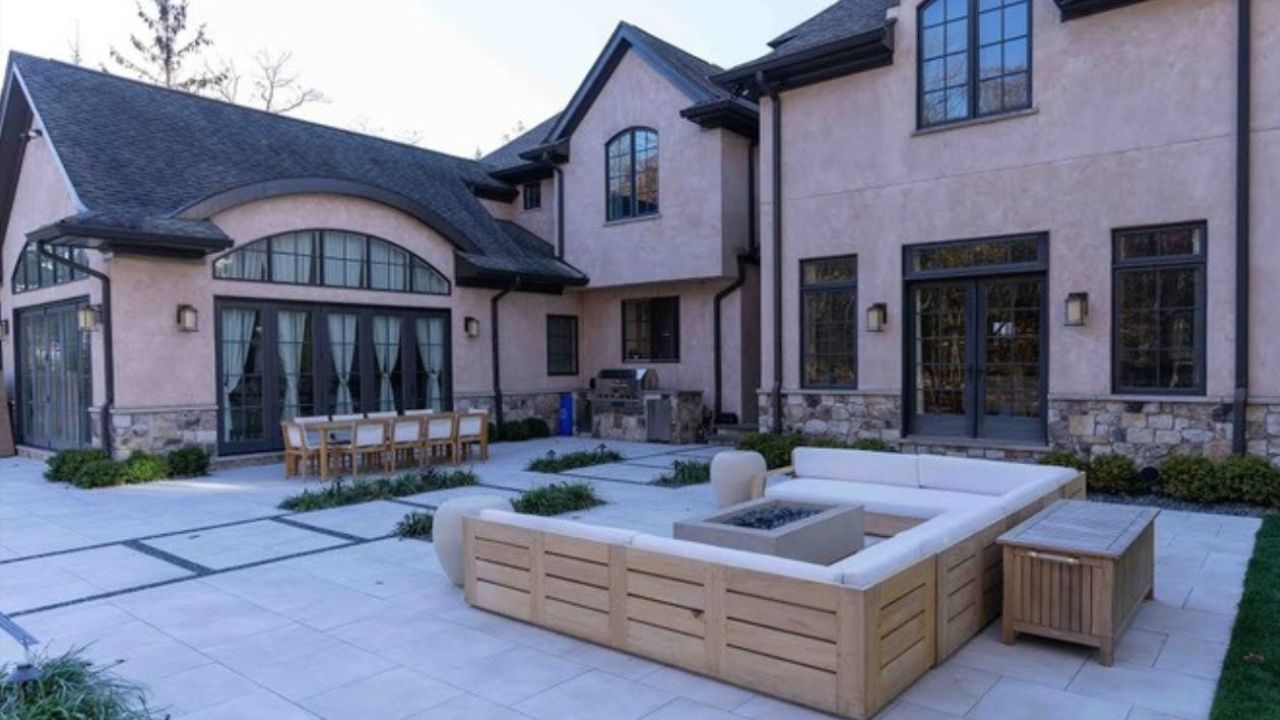
These days, many homes include both porches and patios, where porches are at the front, and patios sit on the backside of the house.
Patio vs Porch FAQs
Let’s answer your questions regarding patio vs porch comparison.
Is a porch the same as a patio?
No. A porch is a covered space attached to the house, while a patio is an open outdoor surface built on ground level.
Which is cheaper, a patio or a porch?
A patio is generally cheaper than a patio because of no requirement for building roofing or structural framing.
Can a patio have a roof?
Yes. A patio can have a roof, but if you have a permanent roof on it, the patio will become a covered patio or even a porch-like structure.
What materials are best for patios?
Porcelain pavers, natural stone, and concrete are the best material choices depending on durability and climate requirements.
Does a porch add more home value than a patio?
Yes. A porch often increases the curb appeal, but a patio increases the usable space of your home.
Which lasts longer, porch or patio?
Both. When built and maintained properly, they can last for decades.
Bottom Line
A porch and patio offer different design aesthetics in modern homes. A porch sits on the front of the house, has a roof, and offers an entry experience. A patio is built on the ground as part of the landscape design. You can choose just the porch or choose both, depending on your architectural requirements and design. Just make sure they fit how you live and use the space.