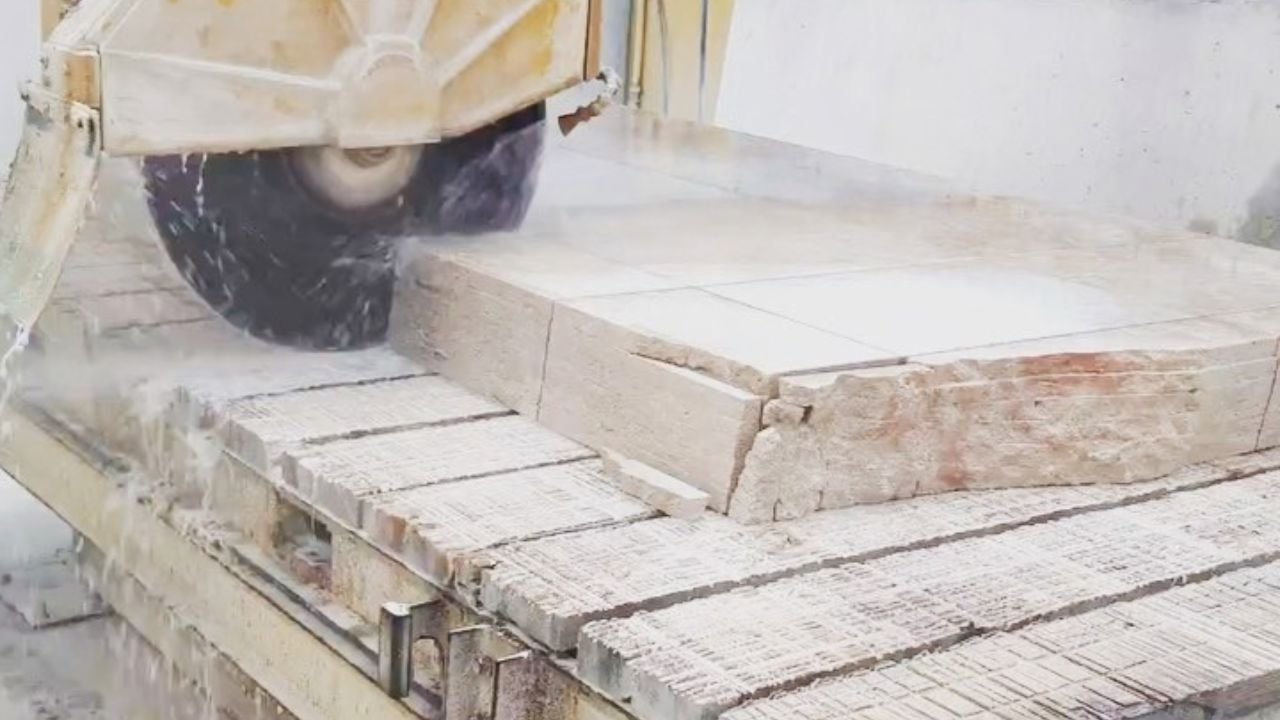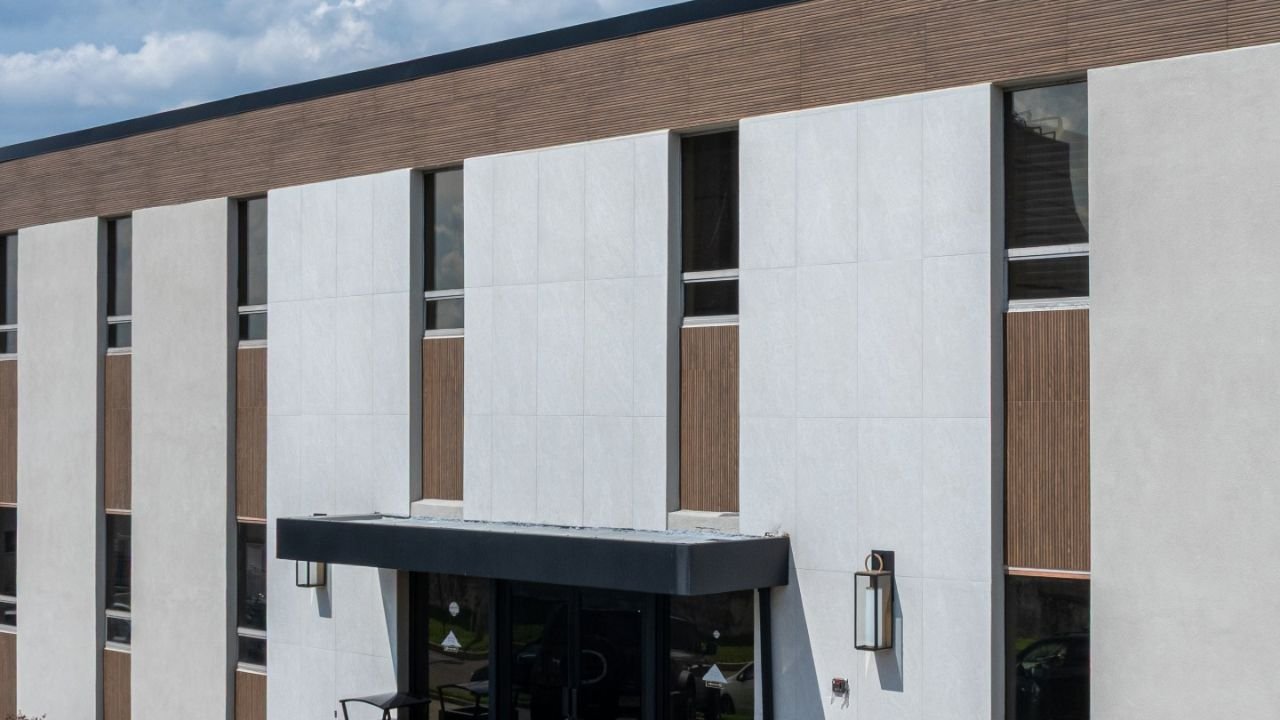

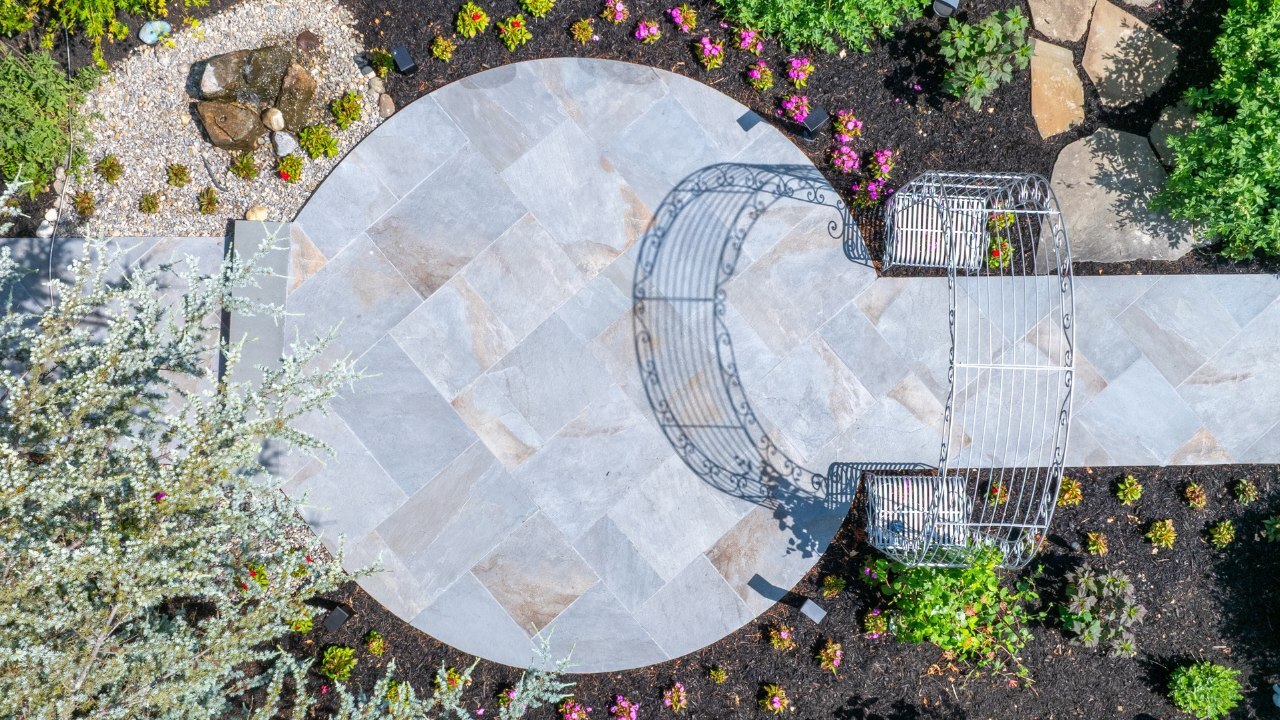
A paver walkway is one of the most standout features in outdoor landscape design. They determine how people will move or step into the patios or surrounding outdoor areas. While style matters, homeowners don’t understand the importance of a properly designed and built walkway. Soil conditions, slope, and material choice are the decisive factors regarding the longevity of the paver walkway. Whether they will last for decades or shift within a few seasons depends on these factors. Knowing how to design and build a paver walkway is crucial, so you know if the pathway is actually lasting or not. Continue reading the following to learn about the paver walkway design and installation through a DIY approach.
How To Design A Functional Paver Walkway?
A paver walkway design starts with the movement pattern. People create paths naturally, and a good design follows that behavior instead of forcing new routes. A direct entry path is well-suited to short lengths. A garden path can bend and slow the movement. A side yard walkway requires more durability than decoration. When designing, keep in mind that the entry flow would be from the driveway to the door. The movement is from the patio to garden zones and a focus on daily-use routes rather than occasional paths.
Consider the width of the pathway as well. A narrow path feels restricted, but a wider path seems intentional and stable.
| Use Case | Recommended Width |
| Garden path | 2.5–3 ft |
| Side yard path | 3–4 ft |
| Front entrance | 4–5 ft |
| High traffic zones | 5–6 ft |
Consider the body movement too, as two people should be able to walk comfortably on the walkway. This becomes the key reference for the entire walkway design.
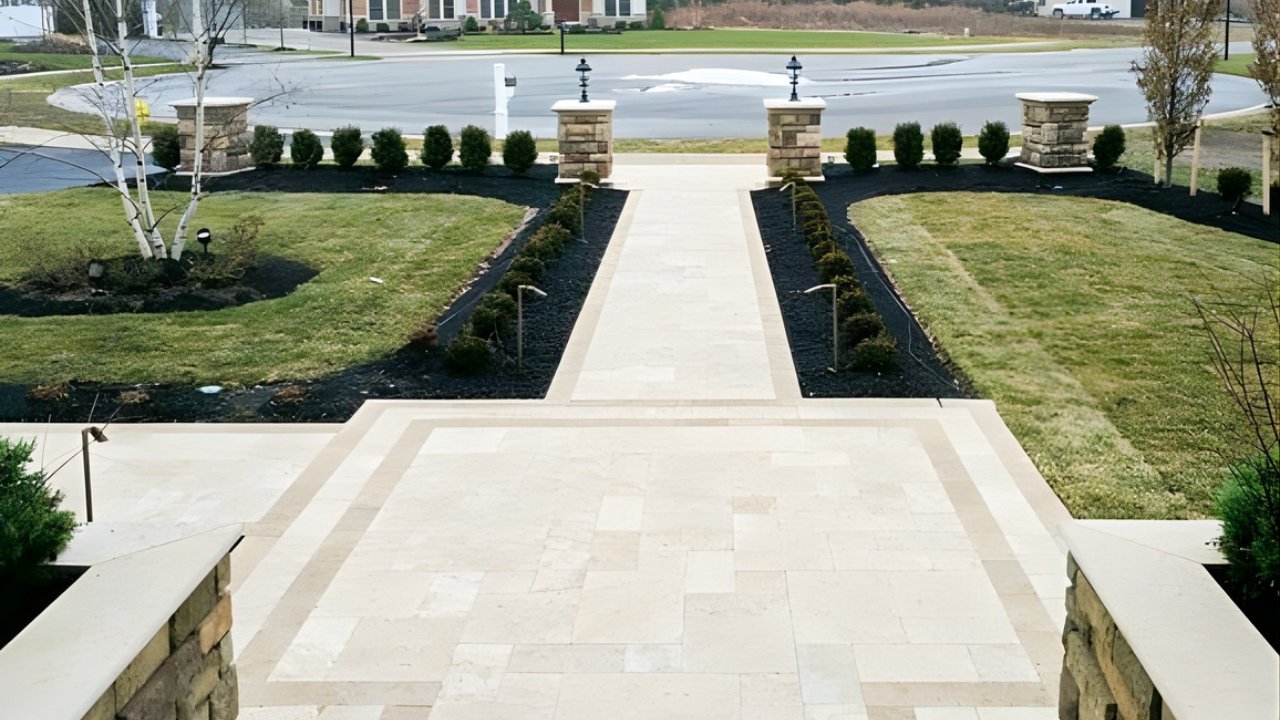
Choose Shape Based on Landscape Logic
Always choose a pathway design that aligns with your landscape’s type. Such as:
A straight walkway is well-suited for direct access. It reduces material waste and simplifies base preparation. A curved walkway is perfect for garden-heavy spaces. It softens visual lines and blends with planting beds.
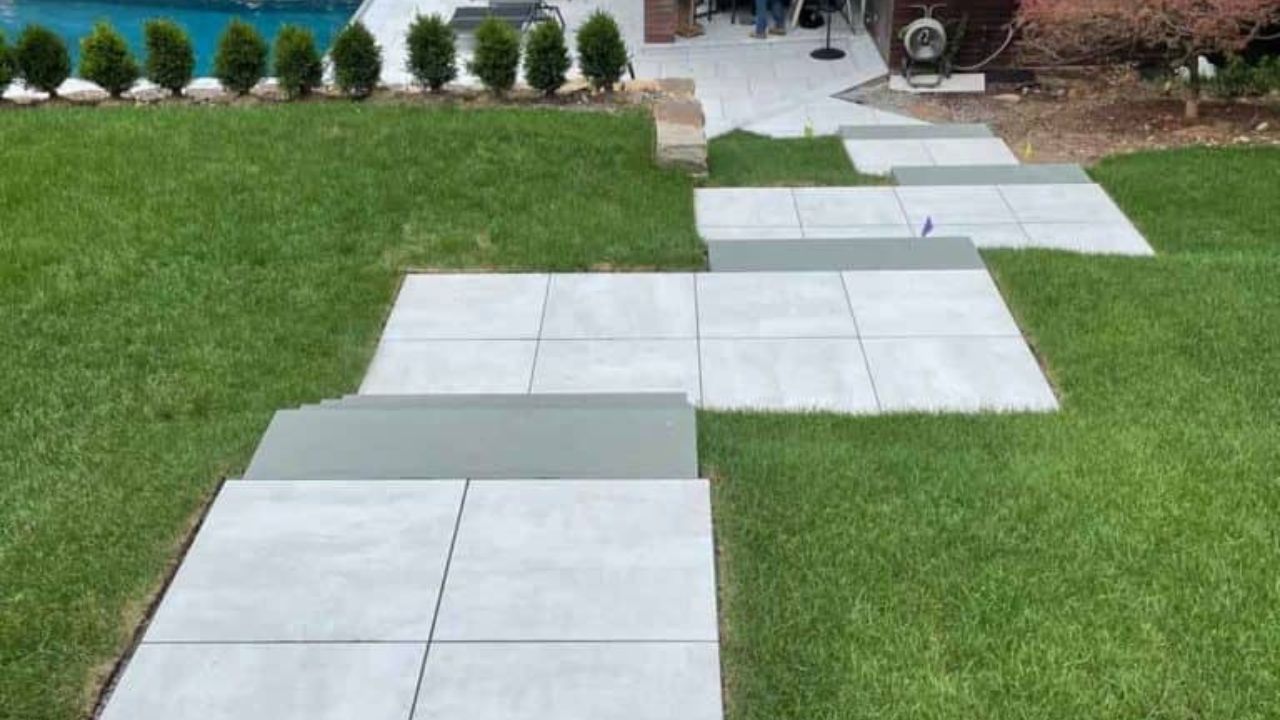
Many modern designs blend both, where a straight approach near the house usually transitions into gentle curves toward outdoor zones. This hybrid layout reduces cost while keeping the visual flow. Do not add curves forcefully; they should match the terrain or planting rhythm. Otherwise, it looks artificial and makes the installation complex, and doesn’t add benefits.
Select Materials With Long-Term Behavior in Mind
Choosing the right material for walkway design matters a lot, as this will determine durability and performance in the long run. However, each material behaves differently in certain conditions, such as moisture, temperature change, and load. Here are the materials to choose from:
Natural Stone
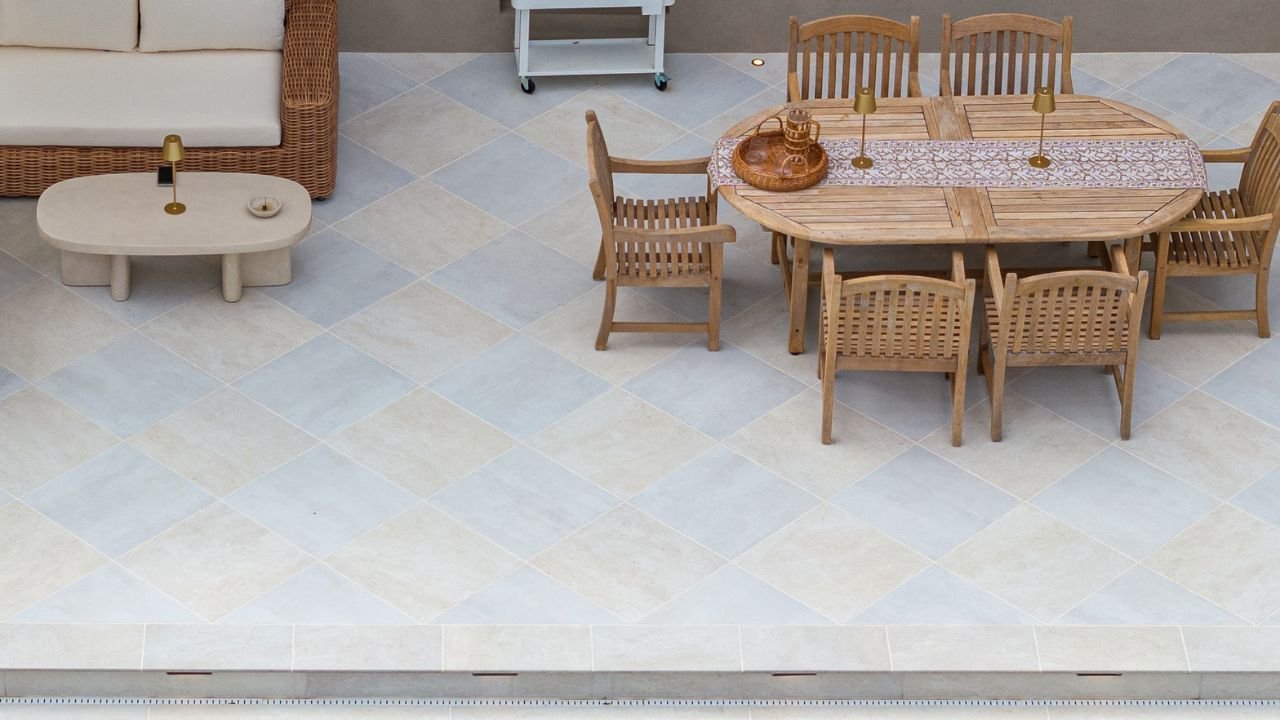
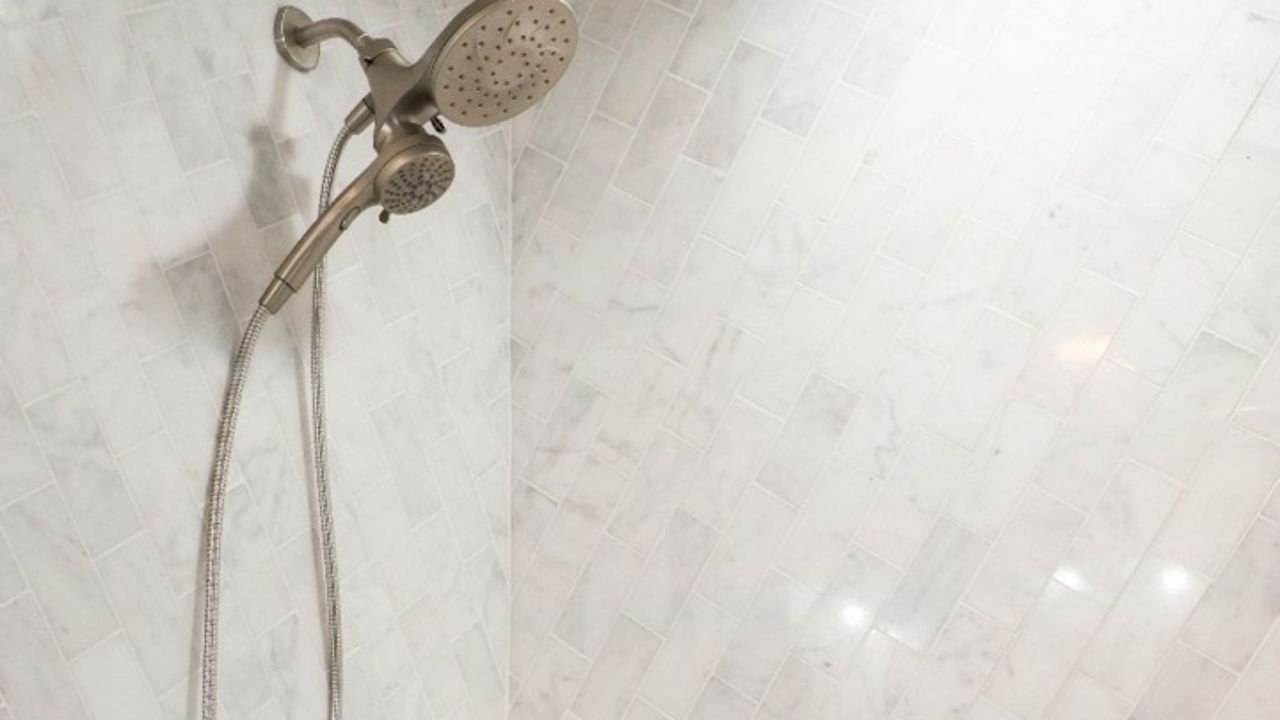
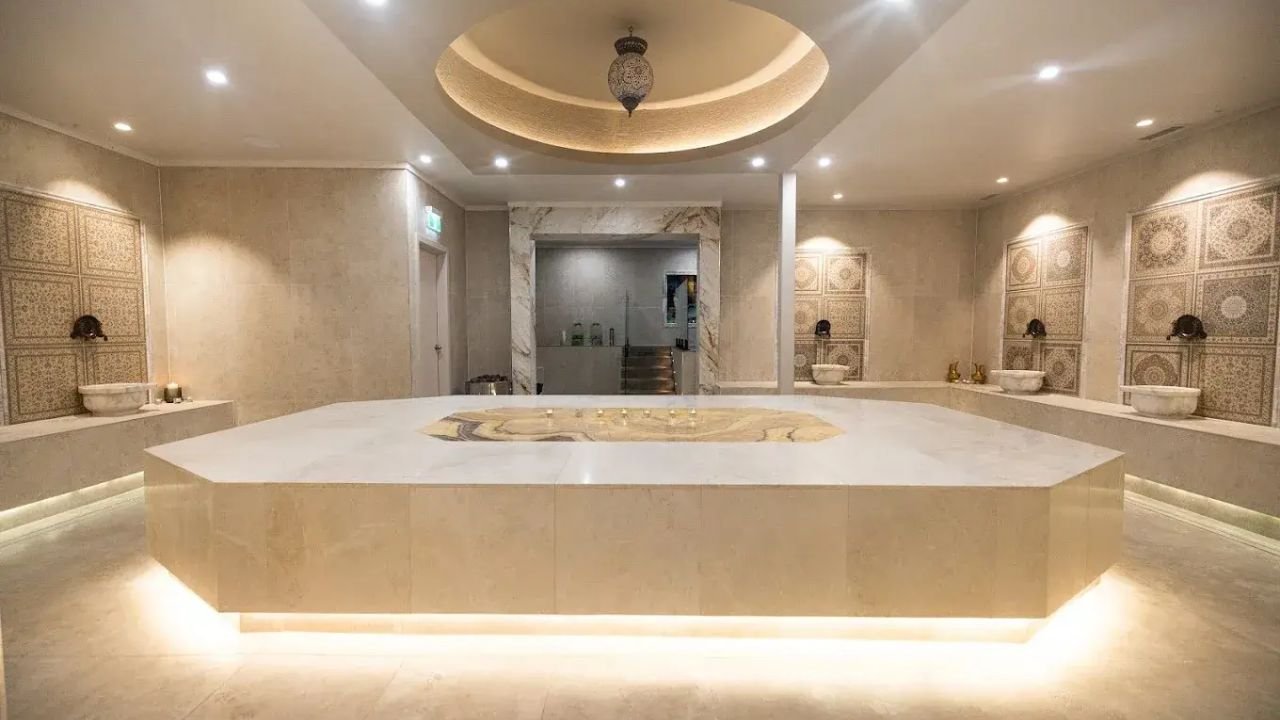
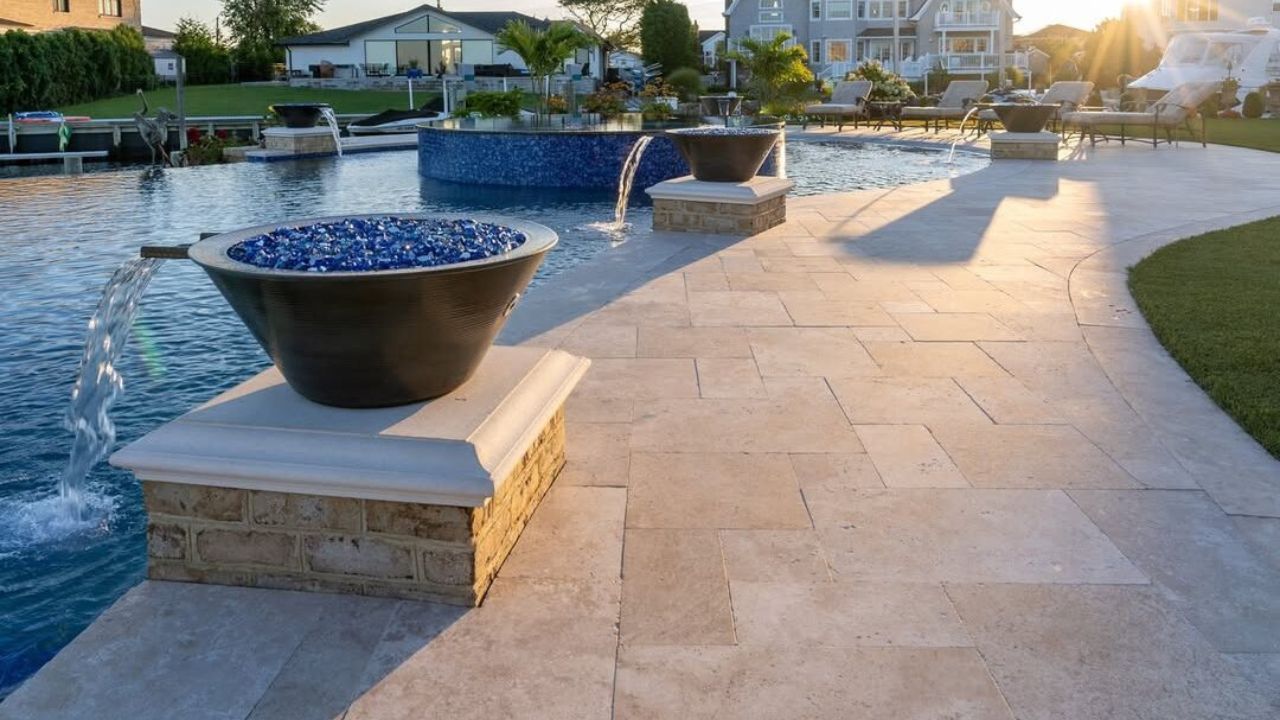
Natural stone is one of the most popular choices in premium landscaping projects. The authentic beauty, unique patterns, and durability make stone pavers like bluestone, granite, and travertine a perfect choice. However, their durability and performance are highly dependent on paver installation.
Concrete Pavers
Concrete pavers are perfect for budgeted residential walkways. You can have uniform sizing, consistent strength, and easier installation. They also offer flexible pattern design without high cost pressure.
Porcelain Pavers
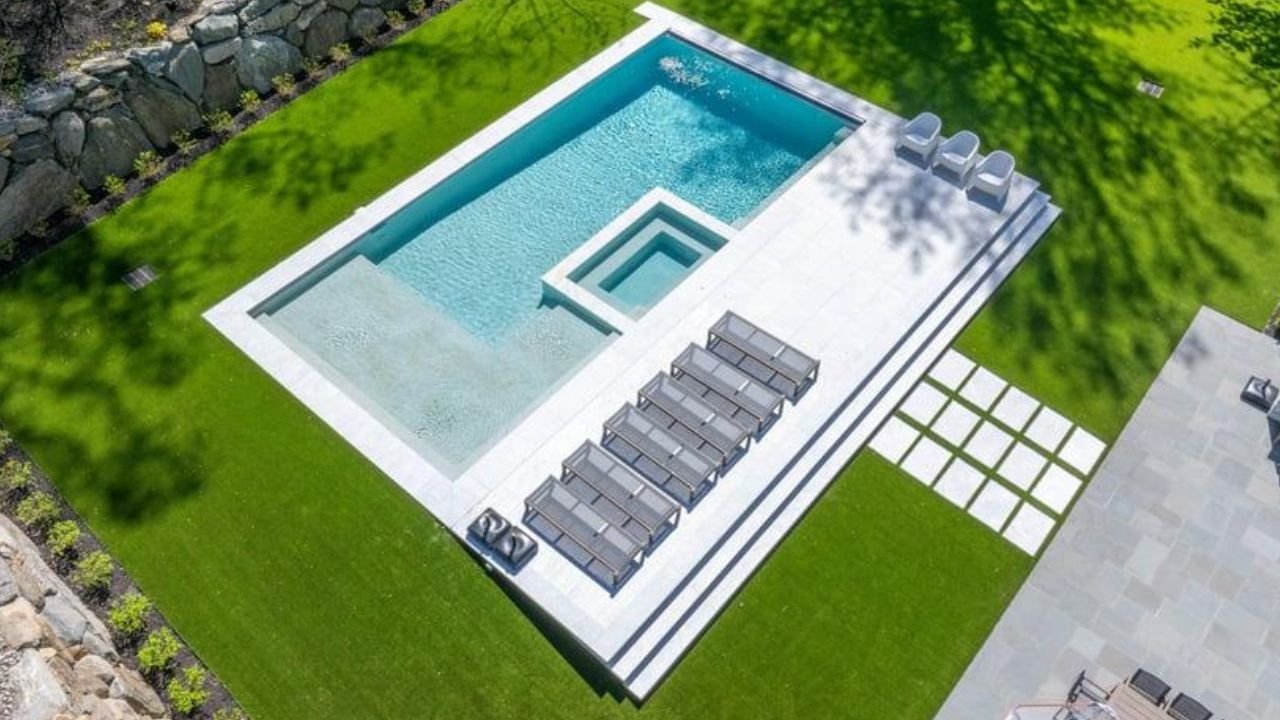
Porcelain has gained huge popularity in recent years as a reliable, strong outdoor paving option. The surface is resistant to heat, moisture, staining, freeze-thaw, and requires low maintenance.
NT Pavers often sees a shift toward porcelain pavers in contemporary outdoor layouts, especially for clean architectural homes.
Tools and Materials Required For Paver Walkway Installation
Proper tools and materials are crucial to building a paver walkway. Gather these supplies before starting the project.
| Tools | Materials |
| Shovel | Patio Pavers |
| Garden Rake | Paver Base Panels |
| Hand Tamper | Paver / Leveling Sand |
| Rubber Mallet | Polymeric / Jointing Sand |
| Tape Measure | Landscape Stakes |
Start With The Foundation:
The base underneath the pavers will determine how long the walkway will last. It is the most critical step when building a simple paver walkway. Without a proper foundation, even the strongest pavers will fail to perform, and the walkway will start to sink over time. Generally, a paver walkway foundation includes:
- Compacted subgrade:
- It is the original soil excavated, graded, and compacted that builds a stable starting surface.
- Geotextile Fabric (Optional but Recommended):
- This fabric keeps the soil separated from the aggregate base and is helpful in preventing the settling of the weak soils.
- Compacted Aggregate Base:
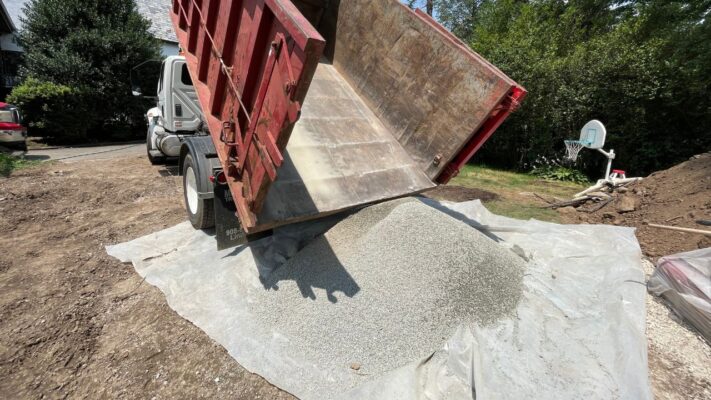
- This is the structural layer that as the paver base, carries the load and offers better drainage. It is usually 4-6 inches of crushed stone or road base.
- Bedding Sand Layer:
- It is around 1 inch of coarse concrete sand that builds a smooth surface for setting pavers.
- Pavers and Joint Sand:
- This is the visible finished surface that locks together the pavers for the walkway.
How Deep Should You Excavate for a Paver Walkway:
Use a string, chalk, or chalk powder to mark the area where you want to place the pavers. You can even put the pavers on grass or gravel, but they will still require a strong foundation for better performance. The depth of excavation depends on soil conditions, climate, and paver thickness. The depth for most residential walkways is:
| Layer | Typical Depth |
| Pavers | 2–3 inches |
| Bedding Sand | 1 inch |
| Aggregate Base | 4–6 inches |
| Total Excavation | 7–10 inches |
Clay soils or freeze-thaw regions often require a deeper base.
Create a Stable Base
Once the excavation is done, install a compacted aggregate base. Most professionals use crushed stone because it locks together and drains efficiently. To create a stable base, you should:
- Install aggregate in lifts
- Compact each layer thoroughly
- Verify finished elevations regularly
- Maintain proper slope for drainage
Many contractors also install geotextile fabric underneath the aggregate layer to improve long-term stability.
Design Drainage Into the Walkway From Start
While building a paver walkway, drainage is often less of a concern than paver material, color, and pattern. However, it determines how the material will perform in the long run. Water can cause the pavers’ settlement, frost heave, surface movement, and erosion of joints.
- Make sure the drainage design is directing water away from the structure.
- Most paver walkway installations take advantage of approximately 1–2 percent. Then, install a compacted crushed stone base underneath the pavers.
This subtle grade helps water to drain without creating an uncomfortable walking surface.
Install Bedding Sand Correctly
Once the aggregate base is completed, install a leveled layer of bedding sand. This layer is used for creating a smooth setting surface and helps in distributing loads evenly.
- Keep the sand thickness consistent at around one inch.
- Do not use bedding sand to correct low spots; correct those issues before leveling.
Lay Pavers With Precision
Do not install the pavers in a rush, as paver walkway installation requires patience and consistency.
Start from a fixed edge whenever possible and work outward. While installing:
- Check the alignment frequently.
- Maintain consistent joint spacing.
- Keep verifying the slope regularly.
- Avoid disturbing the bedding layer.
A small mistake from the beginning usually becomes a prominent problem later in the installation.
Edge Restraints Protect the Entire Walkway
Edge restraints prevent pavers from shifting over time.
Without edge restraints, the outer pavers gradually spread apart, weakening the entire system.
Common options include:
- Aluminum edging
- Plastic edging
- Concrete restraints
The best choice depends on the project design and the surrounding landscape.
Finish With Polymeric Sand
Joint material is crucial in walkway performance.
Polymeric sand has become the preferred choice for many residential projects because it reduces weed growth. It will resist insect intrusion, improve the paver connection (interlocking), and limit joint erosion.
- For the best results, follow the manufacturer’s instructions carefully.
- Keep the moisture level accordingly for activation. Adding too much or too little can affect the performance.
Seal The Paver Walkways
Once the pavers are in their intended location, the walkways are fully ready, but you will have to seal them before using them. Sealing is crucial for natural stone pavers (granite, travertine, bluestone) as it prevents moisture absorption and color fading.
- Concrete pavers can also take advantage of sealing, as it prevents cracks and moisture absorption in them.
- Porcelain doesn’t require any sealing, but if you seal it anyway, it will increase its lifespan.
Common Mistakes While Building A Paver Walkway
While building a paver walkway is relatively straightforward, it is possible to commit these mistakes, which can cost a huge amount later.
Ignoring Drainage
Poor drainage is the major cause of walkway failures despite using premium materials. Consider proper drainage while designing and building a paver walkway.
Inadequate Base Depth
A shallow base usually results in an uneven surface and settlement in pavers.
Narrow Walkways
Design a walkway with enough width so it won’t feel cramped and stay functional for longer.
Weak Edge Restraints
Installing insufficient or weak edge restraints will result in pavement shifting over time.
Choosing Materials Based Only on Appearance
Paving material shouldn’t be chosen purely on appearance but also on durability, slip resistance, and climate suitability.
Paver Walkway Design And Building FAQs
Let’s answer your questions about designing and building a paver walkway.
What is the best base for a paver walkway?
Opt for a compacted crushed stone base with 1 inch of bedding sand, as this is the perfect blend of stability, durability, and drainage.
How wide should a paver walkway be?
A paver walkway should be 4-5 feet wide, and typical garden paths should be around 2-3 feet wide.
Do paver walkways need edge restraints?
Yes. Edge restraints help maintain the alignment and prevent the pavers from shifting outward over time.
What are the best pavers for a front walkway?
Porcelain, concrete (high quality), and natural stone pavers are the best choice for front walkways.
How long does a paver walkway last?
A paver walkway can last around 25-50 years or even longer if installed on a properly built base and well-maintained.
Should a paver walkway be sealed?
Yes. While sealing is optional, applying a sealer can enhance the longevity, increase stain resistance, and improve performance.
Can homeowners install a paver walkway themselves?
Yes. Usually, a small-scale paver walkway is easy to install by homeowners. They should have knowledge about proper excavation, compaction, drainage planning, and layout design for long-term performance.
Bottom Line
Designing and installing a successful paver walkway starts before the pavers are placed on the ground. When it comes to good design, it focuses on movement, drainage, scale, materials, and long-term maintenance.
A strong foundation is crucial and determines how long the walkway will perform. Whatever material you choose, make sure the pathway looks intentional and natural to use. It should complement the home design and perform reliably for decades.
You can even find YouTube video content for better guidance, but if you are not a beginner about DIY paver walkways, then this guide includes every essential step. At NT Pavers, this balance between design and construction remains the foundation of every durable outdoor hardscape project.