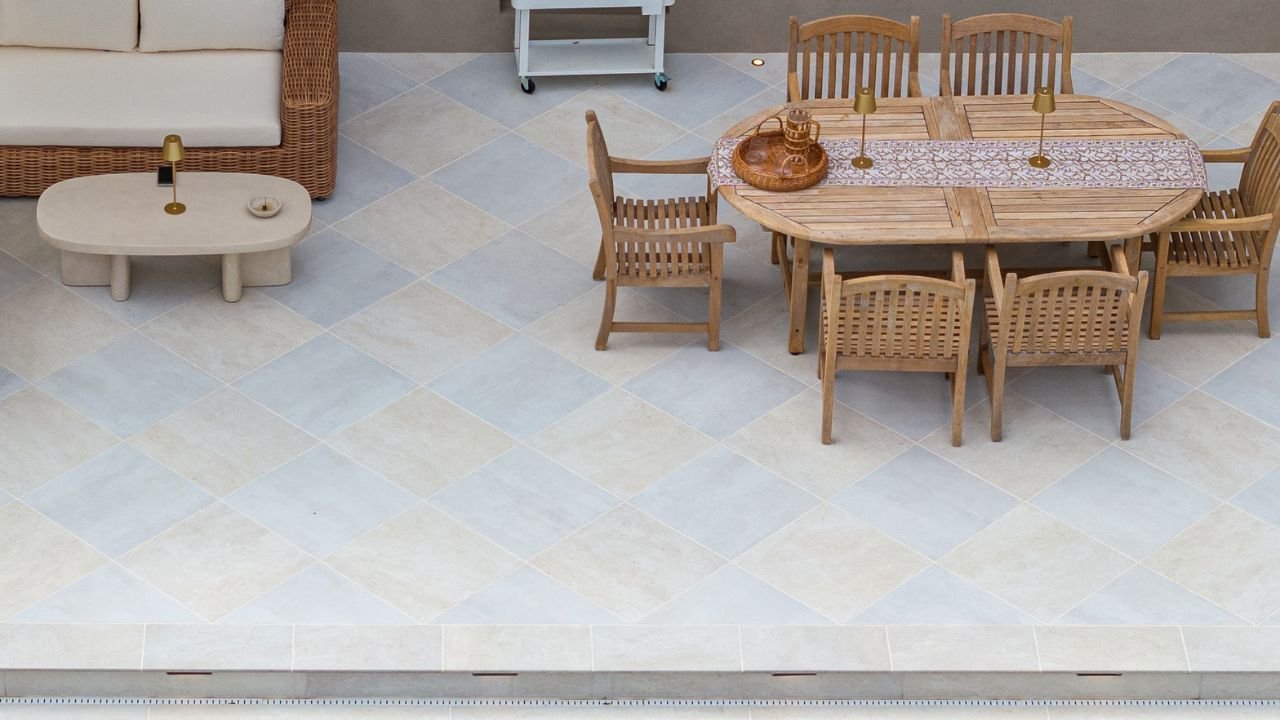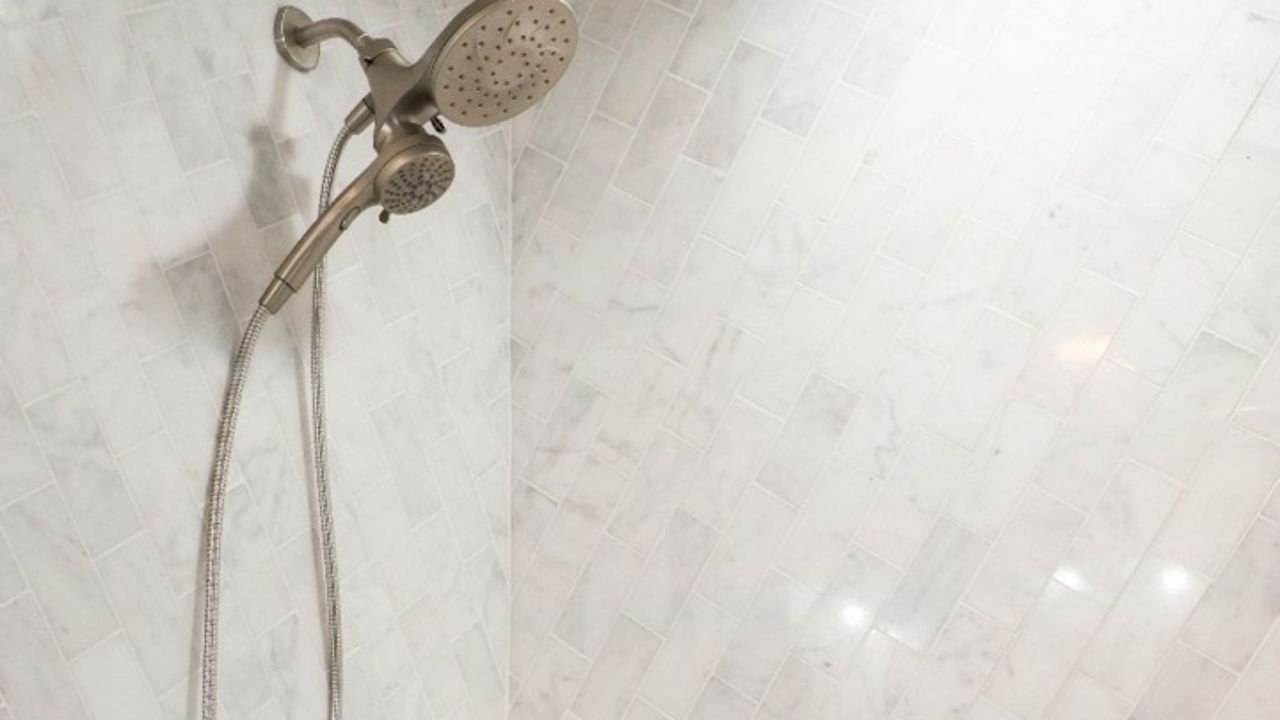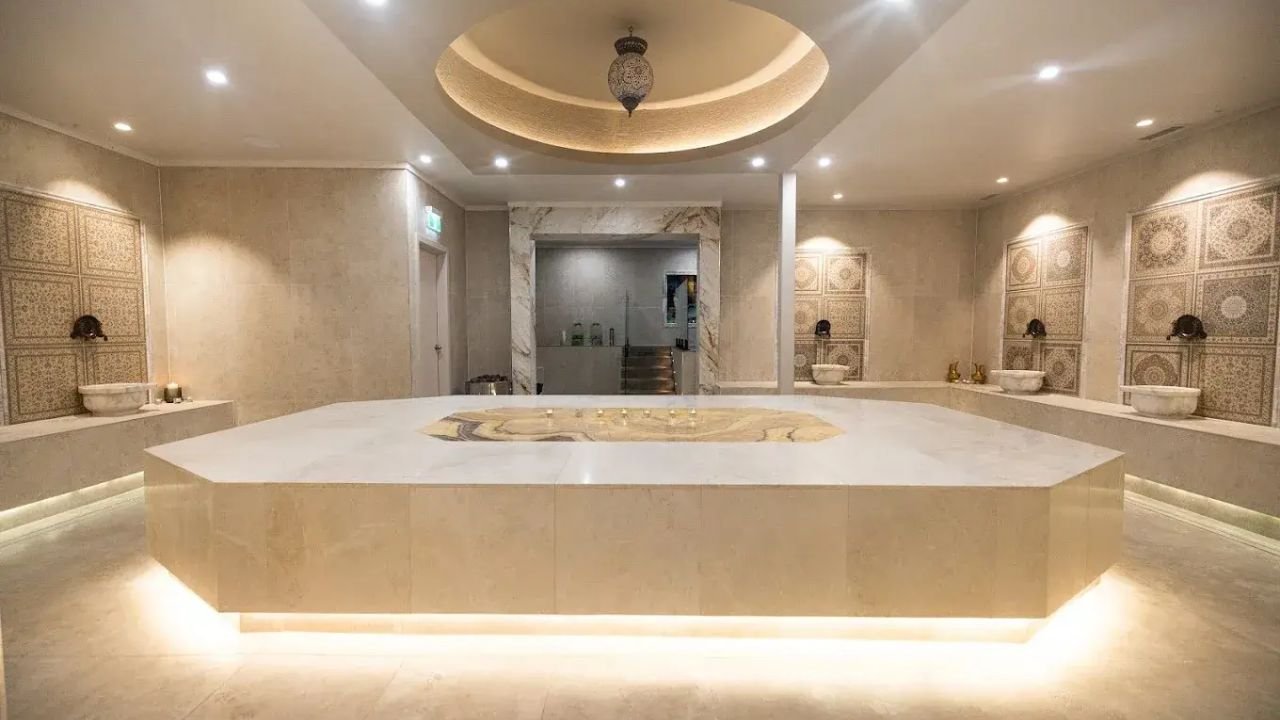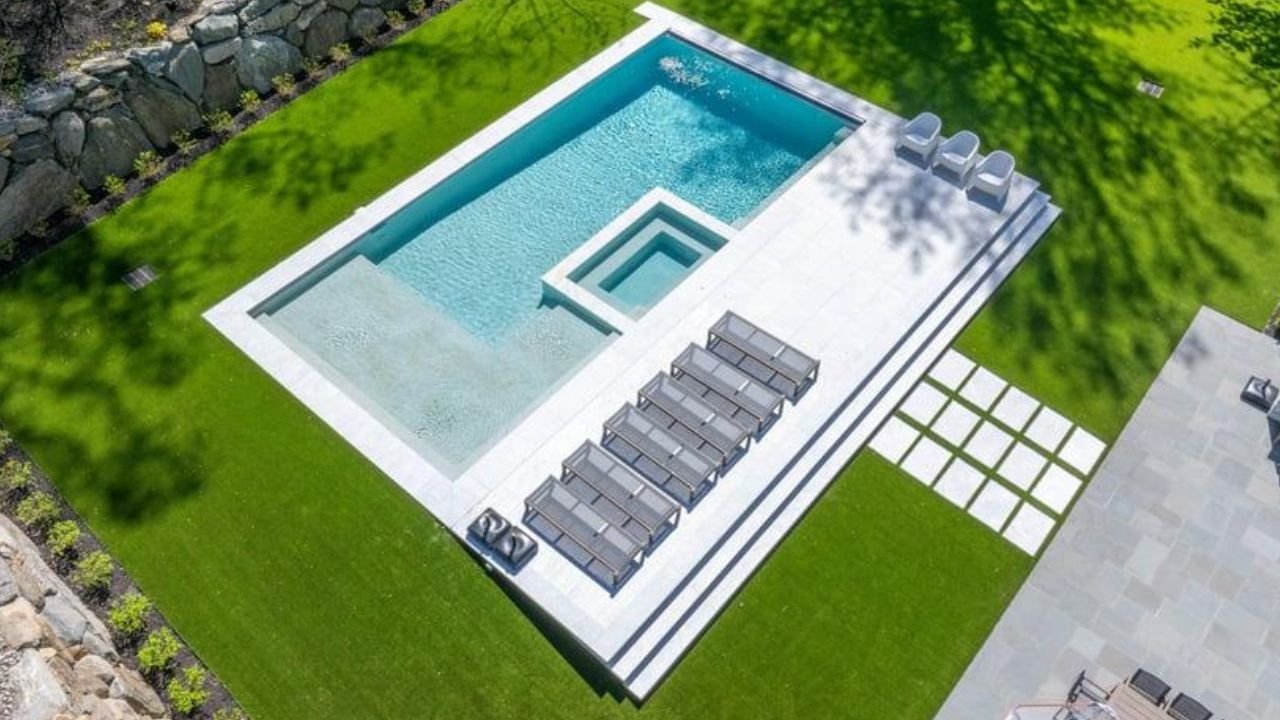

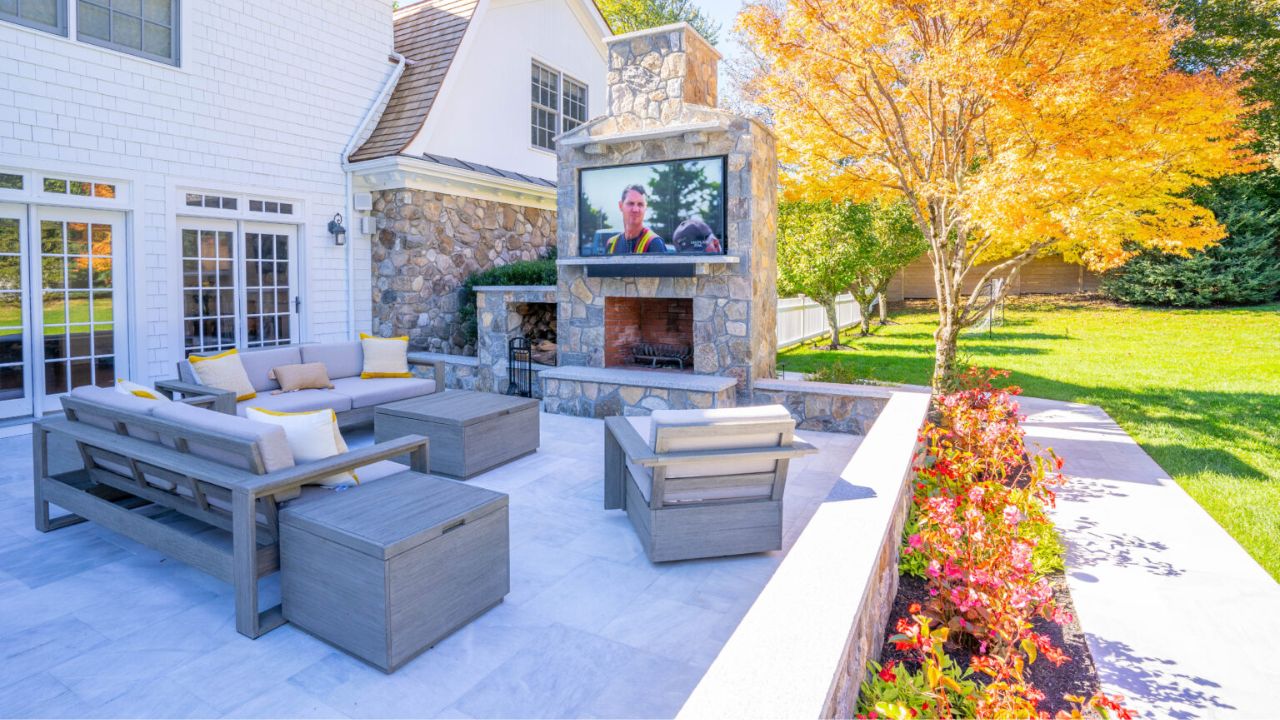
Marble pavers are widely associated with luxury architecture. From spa-inspired interiors to stunning commercial areas, marble can instantly give your space a facelift. When it comes to outdoors, marble can also do an exceptional job when installed properly. Outdoor areas like patios can take advantage of pavers. They can add a touch of natural charm, beauty, and durability after sealing. However, not every marble variant can perform equally well. Some types of marble pavers and tile are well-suited for outdoor environments. They can handle freeze-thaw, cracking, and staining, and handle moderate foot traffic. Here are the best marble paver types that work great for patios.
Best Marble Pavers for Patios
Several marble pavers perform well when used in building patios. The following stones offer a perfect balance of durability, slip resistance, and visual appeal.
Afyon Ice Marble Pavers
Afyon ice marble is widely popular for its icy white background with smoke gray patterns. This marble paver variant is well-suited to both traditional and contemporary housing. Designers often prefer it for pool decks, patios, and garden terraces because the light surface reflects heat and brightens outdoor spaces.
This marble variant pairs beautifully with classic courtyards and modern landscapes. It is a flexible choice for residential patio paving projects and long-lasting outdoor design schemes.

Pietra Grey Marble Pavers
Pietra grey marble is the Iranian marble variant and is popular for its deep charcoal-grey background paired with fine white veining. This types of marble creates a bold but refined patio surface that works well in contemporary landscape design. Homeowners often prefer Pietra grey pavers for walkways, pool decks, and patios due to the darker tones, which hide dust easily.
Also, the darker patterns can hide the foot traffic marks while maintaining a sophisticated natural stone appearance outdoors.
Snowshadow Marble Pavers
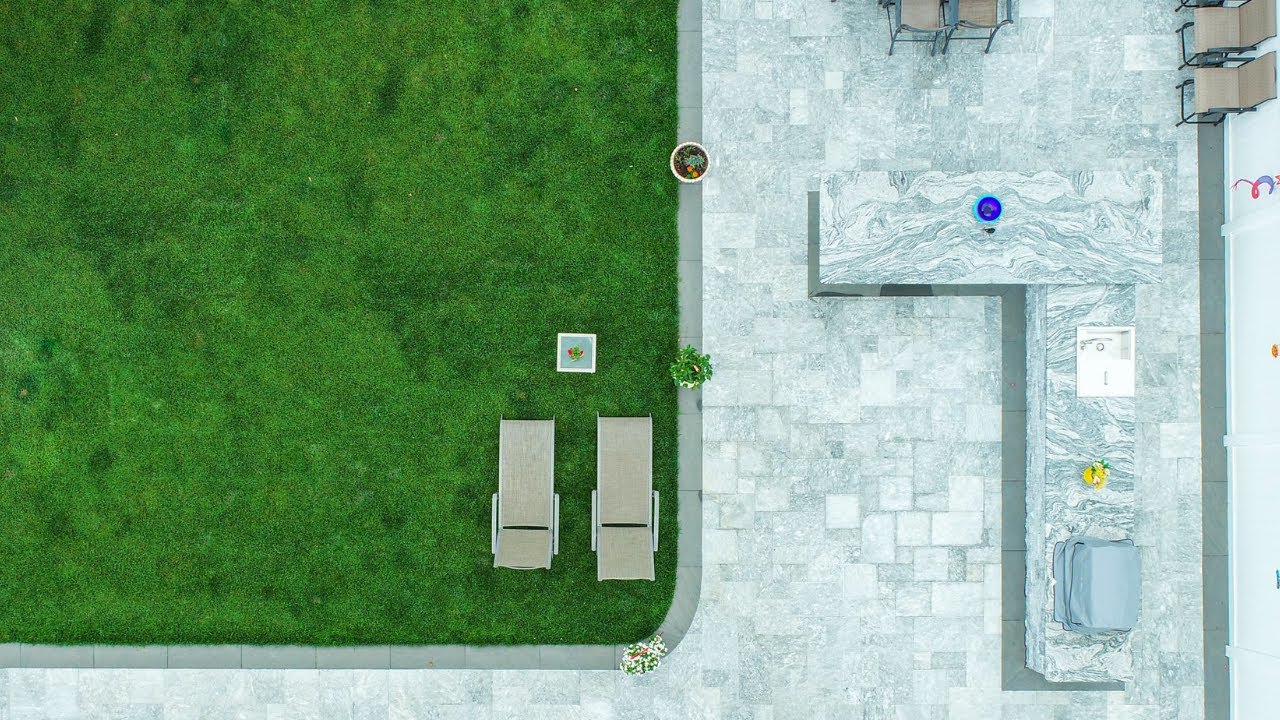
Snowshadow marble has a distinct white surface layered with soft gray cloud-like patterns. This creates a calm and balanced look for patios and outdoor surfaces. These marble pavers are well-suited for outdoor patios, pool decks, and garden seating areas.
Designers often use Snowshadow marble in modern residential landscapes because the clean color palette blends easily with wood, greenery, and minimalist outdoor architecture for stylish backyard paver ideas.
Tundra Grey Marble Pavers
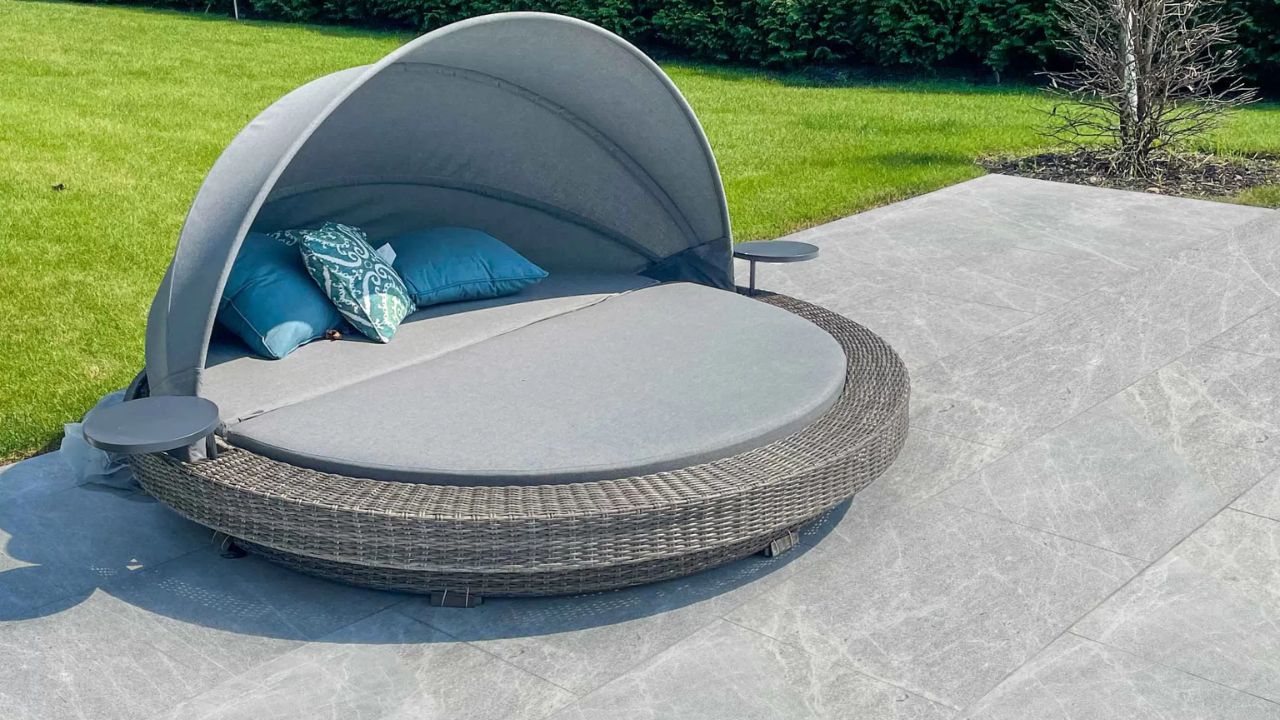
Tundra grey marble has become a popular stone option for outdoor applications. It is quarried in Turkey and features a soft gray base with subtle cloud-like veining. Homeowners favor this marble for patios because it offers a neutral tone that complements modern architecture. Tundra offers a natural texture suitable for outdoor finishes and has a strong density for outdoor use.
The gray color also hides dust and minor stains better than pure white marble.
Rain Cloud Marble Pavers
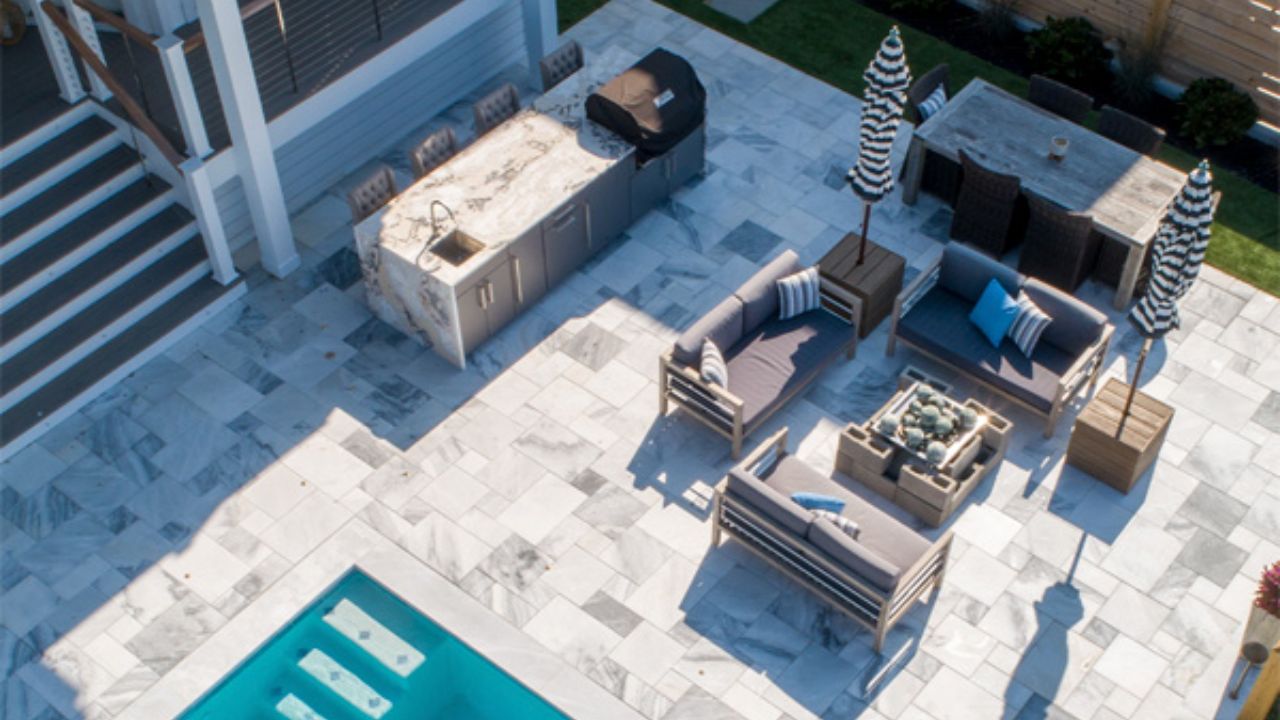
Rain Cloud Marble is another of the most recognized natural stones in architecture. The white background surface with gray veins creates a classic appearance. Rain Cloud Marble Pavers usually come with a tumbled or brushed finish to increase traction, which makes them good for patios.
The bright surface reflects sunlight, which stays cool. The overall visuals look naturally sophisticated and are compatible with traditional and modern homes. However, homeowners should seal rain cloud marble to protect against staining.
Crema Marfil Marble Pavers
Crema Marfil marble originates from quarries in Spain and features warm beige tones with light veining. This marble is well-suited to homeowners who prefer a softer, warmer color palette for outdoor living spaces.
Their warm tone that blends with landscaping and the color pattern stays consistent. This marble paver can withstand the outdoors efficiently. Crema Marfil also pairs well with Mediterranean or transitional home designs.
Luxe Blue Marble Pavers
Luxe Blue Marble Pavers originate from quarries in Turkey. They feature blue-gray tones with light white veninng. This creates a stunning whitish blue patio surface that looks calm and relaxing. Luxe blue is well-suited to homeowners who prefer a softer and warmer color palette for outdoor living spaces.
This marble variant for patios features a light base that creates a beautiful contrast with greenish landscaping. The color patterns are usually consistent and durable enough to withstand patio traffic. Luxe Blue pairs well with traditional and modern minimalist home designs.
Silver Marble Pavers
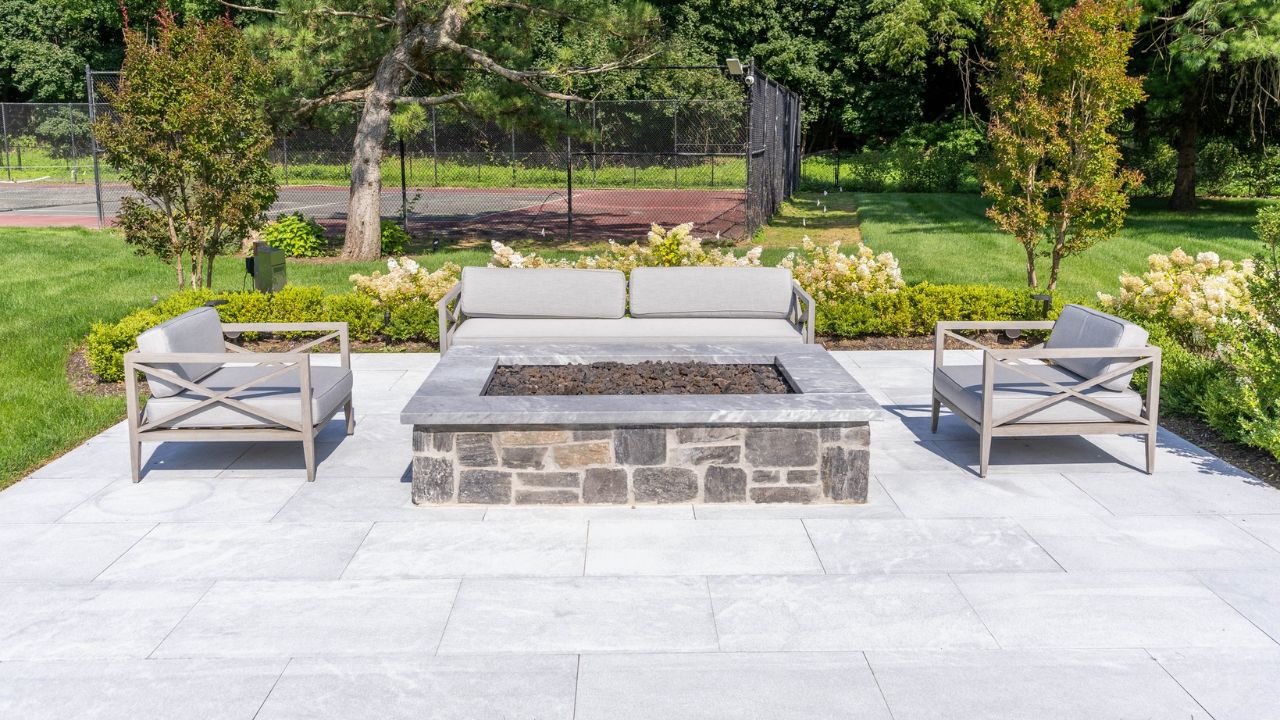
Silver marble pavers blend the light gray tones with subtle linear veins. These stones offer a contemporary appearance while maintaining the natural charm of premium marble pavers. Architects often use silver marble in modern patio designs because it complements concrete, glass, and metal architectural elements commonly featured in paver patio design ideas 2026.
Silver marble pavers work great due to their modern aesthetics. The balanced color variation and strong performance in outdoor environments make these pavers a great choice.
Dolomite Marble Pavers
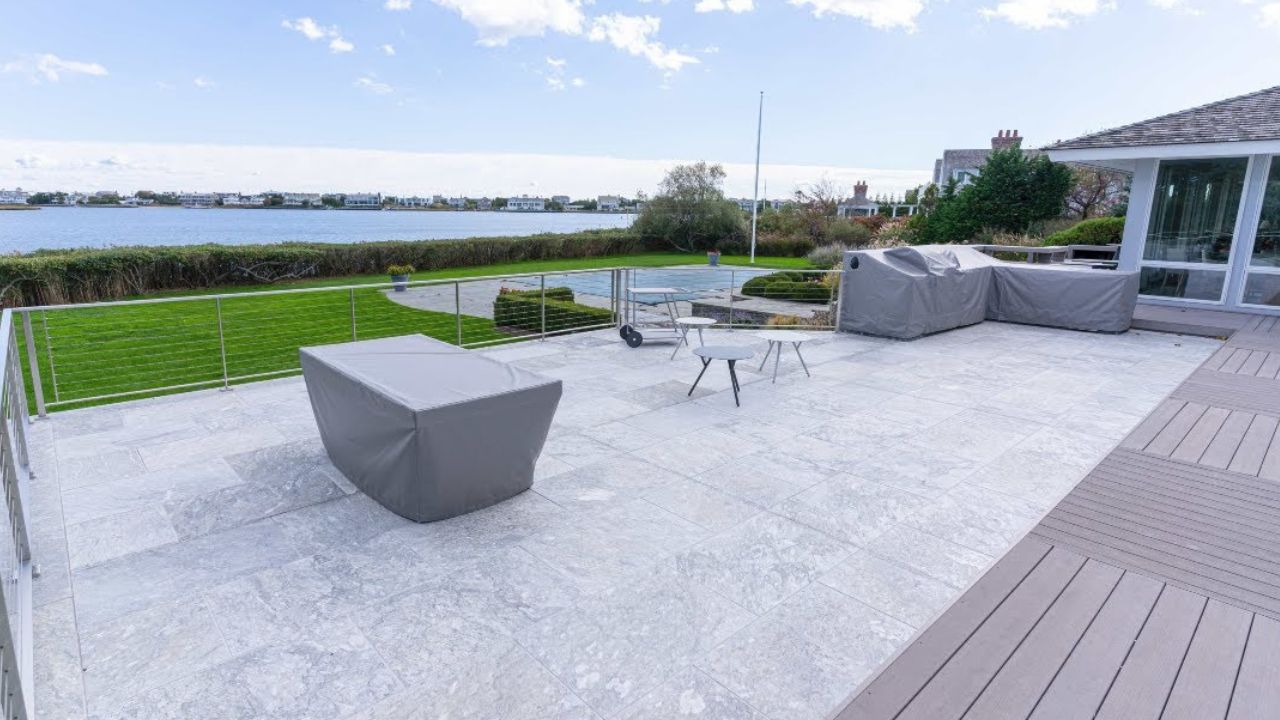
Dolomite marble contains a higher percentage of magnesium carbonate, which increases stone hardness. This added strength makes dolomite marble a strong candidate for outdoor patios that receive frequent foot traffic.
Dolomite pavers often feature the light gray or white tones. These pavers offer stronger resistance to scratching because of their dense structure. They are widely suitable for exterior applications.
Aegean Cream Marble Pavers Tumbled
The Aegean Cream Marble Pavers offer a warm ivory tone with delicate beige veining. The surface adds warmth to the patio and makes the whole surface welcoming. The tumbled finish adds traction to the patio, which adds slip resistance when wet. The warm ivory tones and textured finish of Aegean Cream Marble make these pavers ideal for transitional outdoor spaces, including patio pavers with grass in between designs that blend stone with natural landscaping.
They are well-suited to transitional spaces and modern homes. The paver options perform well, especially when installed and sealed properly.
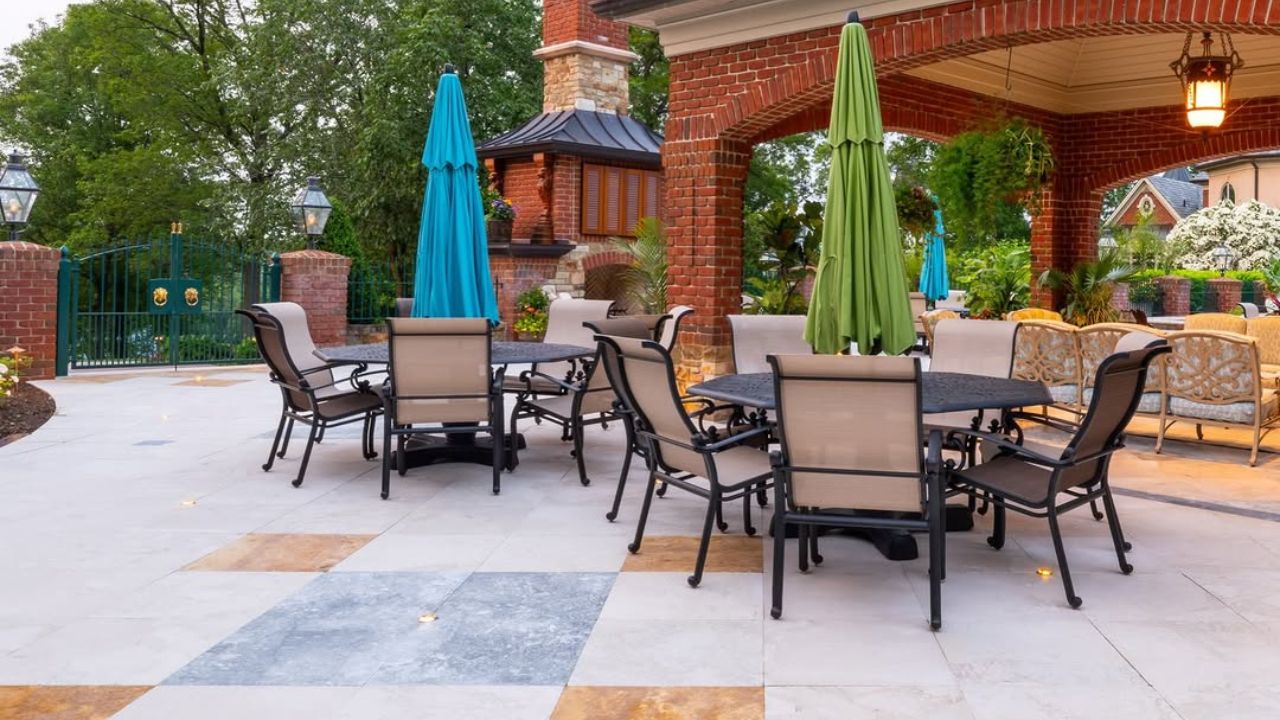
How Marble Compares to Other Patio Materials?
Homeowners usually compare marble with other outdoor surfaces based on durability, maintenance, appearance, and the overall cost to install pavers before selecting a patio material.
| Feature | Marble Pavers | Porcelain Pavers | Concrete Pavers | Travertine Pavers |
| Material Type | Natural metamorphic stone formed from limestone. | Manufactured ceramic material is fired at very high temperatures. | A man-made mixture of cement, sand, and aggregates. | Natural limestone formed by mineral deposits from springs. |
| Appearance | Elegant stone with natural veining and color variation creates a refined patio surface. | Often designed to mimic stone, wood, or concrete with uniform color and pattern. | Consistent appearance with limited natural variation. | Warm, earthy tones with natural pores and soft texture. |
| Durability | Strong and dense when properly sourced and installed; suitable for long-term patio use. | Very durable and resistant to scratches, stains, and moisture. | Durable but may crack, chip, or fade over time with heavy exposure. | Durable natural stone, but slightly softer than marble. |
| Heat Resistance | Reflects sunlight well and usually stays comfortable underfoot in warm climates. | Handles heat well but can become warm depending on color. | Often absorbs heat and can feel hot during summer. | Known for staying cool even in strong sunlight. |
| Slip Resistance | Good traction when finished with tumbled, sandblasted, or brushed textures. | Textured outdoor porcelain provides strong slip resistance. | Slip resistance varies depending on surface texture. | Naturally textured surface offers good traction. |
| Maintenance | Requires periodic sealing and gentle stone cleaning. | Very low maintenance; sealing is usually not required. | May require sealing and occasional repairs. | Requires sealing to protect against stains and moisture. |
| Design Flexibility | Classic material used in architectural and luxury outdoor spaces. | Available in many sizes, colors, and design styles. | Wide range of shapes and colors, but with less natural character. | Works well in Mediterranean, traditional, and rustic patio designs. |
| Cost Range | Medium to high cost depending on marble type and quarry origin. | Medium to high cost depending on thickness and brand. | Usually, the most budget-friendly option. | Medium cost compared with other natural stones. |
| Longevity | Can last decades with proper installation and care. | Very long lifespan due to low porosity and strong structure. | Good lifespan, but may require replacement sooner than natural stone. | Long-lasting when sealed and maintained properly. |
| Typical Patio Style | Elegant patios, pool decks, and high-end outdoor spaces. | Modern patios and contemporary outdoor designs. | Budget-friendly patios, driveways, and walkways. | Relaxed patios, pool areas, and Mediterranean-style landscapes. |
Many homeowners research travertine vs marble before selecting the best natural stone material for patios, pool decks, and outdoor living spaces.
Why Marble Works Well for Patio Surfaces?
Natural stone patios balance beauty and durability. Despite the soft surface, marble performs well outdoors because of its mineral composition. They create a dense surface that withstands daily use. Several characteristics make marble pavers suitable for patios:
Thermal comfort
Marble reflects sunlight better than several darker materials. This makes the surface cooler than concrete or asphalt during hot weather.
Timeless appearance
Marble has a long-lasting look that adds details and character. Each paver features a subtle variation that prevents the patio from looking artificial.
Maintenance
Marble patios require periodic sealing and gentle cleaning methods, so homeowners should understand how to clean marble surfaces properly to preserve the natural finish.
Structural strength
Pavers offer resistance against cracking under normal patio traffic when installed on a stable base.
Design flexibility
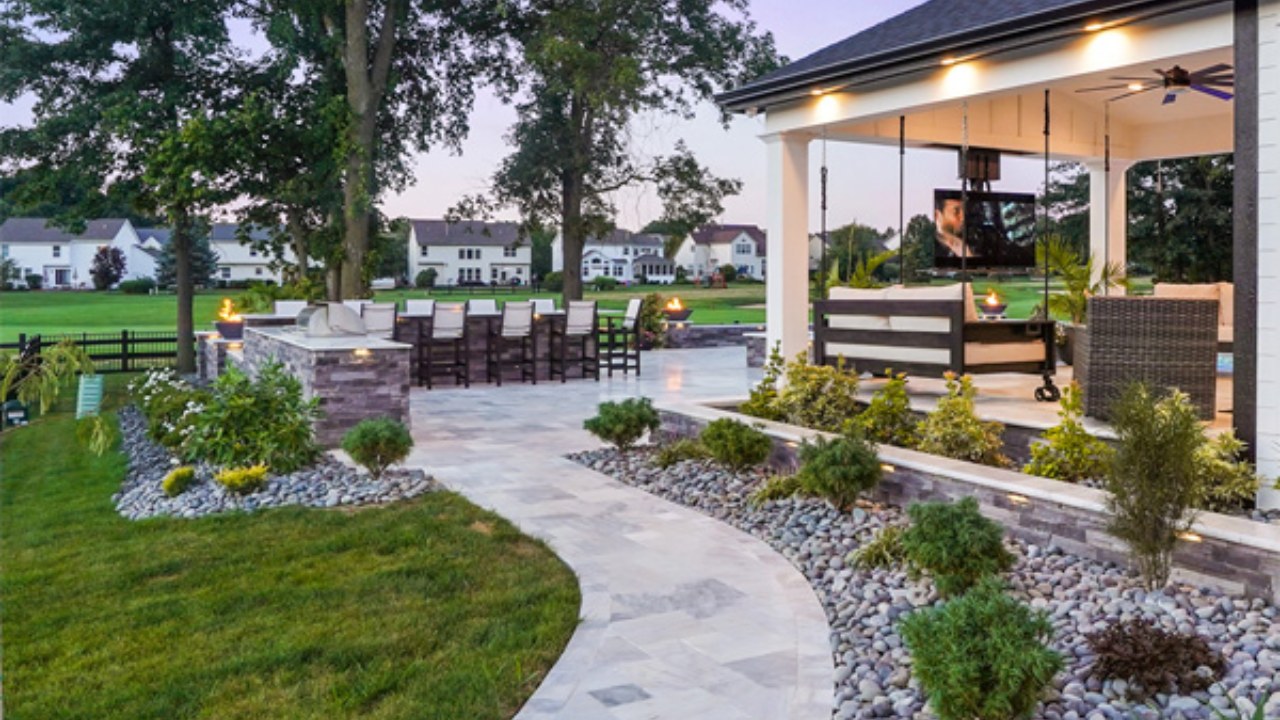
Marble pairs well with landscape features such as pools, garden pathways, and outdoor kitchens, making it a premium choice for elegant patio paver ideas. It also works seamlessly in mixed landscaping concepts like patio pavers with grass in between, creating a balanced blend of hardscape and greenery in outdoor living spaces.
Because of these reasons, architects and landscape designers prefer marble to specify marble for outdoor living spaces.
Key Features to Look for in Patio Marble Pavers
Choosing the right marble pavers for patios requires attention to a few technical details. These factors will determine whether the patio will remain attractive for decades.
| Feature | Why It Matters for Patio Marble Pavers | Key Details |
| Density and Stone Strength | Dense marble absorbs less moisture and withstands weather exposure better. This helps prevent cracking, staining, and surface damage over time. | Outdoor marble should have low porosity so it handles rain, cleaning, and freeze–thaw cycles. Marble quarried from regions such as Italy and Turkey often meets these standards. For example, marble from Rain Cloud Marble is known for its consistent density and structure. |
| Surface Finish | The finish determines traction and safety. Smooth, polished marble can become slippery when wet. | Patio marble pavers usually feature textured finishes such as tumbled (soft edges and grip), sandblasted (rough surface created through abrasion), or brushed (light texture that keeps the stone pattern visible). These finishes improve traction and create a natural outdoor look. |
| Thickness | Proper thickness improves durability and reduces breakage during installation and use. | Patio marble pavers usually measure 1¼ to 2 inches thick. Thicker pavers support heavier loads and maintain structural stability. Installers often adjust thickness based on base preparation and intended patio use. |
| Color Stability | Sun exposure can change the color of some natural stones over time. | Light-colored marble tends to retain its appearance better in strong sunlight. Neutral tones such as white, beige, and gray usually provide better long-term color stability for outdoor patios. |
Neutral tones such as gray, beige, and soft white remain the safest options for long-term outdoor patios.
Marble Patio Paver FAQs
Let’s answer your questions about marble patio pavers
Are marble pavers good for patios?
Yes. Marble pavers offer durable and reliable performance, natural beauty, and good thermal comfort. This makes them a great choice for patios and outdoor living projects.
Do marble pavers get slippery when wet?
No, when used with honed or tumbled finishes. Polished marble is prone to slipping and is not recommended for outdoor use, as it may get wet.
How long do marble patio pavers last?
Marble pavers can last more than 30-50 years when fabricated, installed, and maintained properly in patio settings. Also, consider proper drainage when installing near pool decks to prevent water absorption even after sealing.
Do marble pavers require sealing?
Yes. Sealing is essential when marble pavers are installed in outdoor patios. It secures the surface from moisture, staining, and weather exposure.
Are marble pavers expensive?
Yes. Marble pavers are generally high-priced. Even the low-range marble pavers can cost comparatively more.
What thickness should marble patio pavers be?
Outdoor marble patio pavers should have around 1¼ to 2 inches in thickness to provide adequate strength for patios and walkways.
Bottom Line
Using marble for patio design is a great idea, as marble is a luxurious and premium material category. Because of its density, soft surface, and stunning natural veining patterns, it will make the outdoor living area retreat. While not every marble is recommended for outdoor usage, some Turkish and Spanish variants are perfect for outdoors.
Options like Tundra Gray, Rain Cloud, Crema Marfil, and Luxe Blue Marble are some of the most preferred pavers for patios. Just make sure to choose the marble pavers that suit your desired performance goals, so you know what you are paying for.