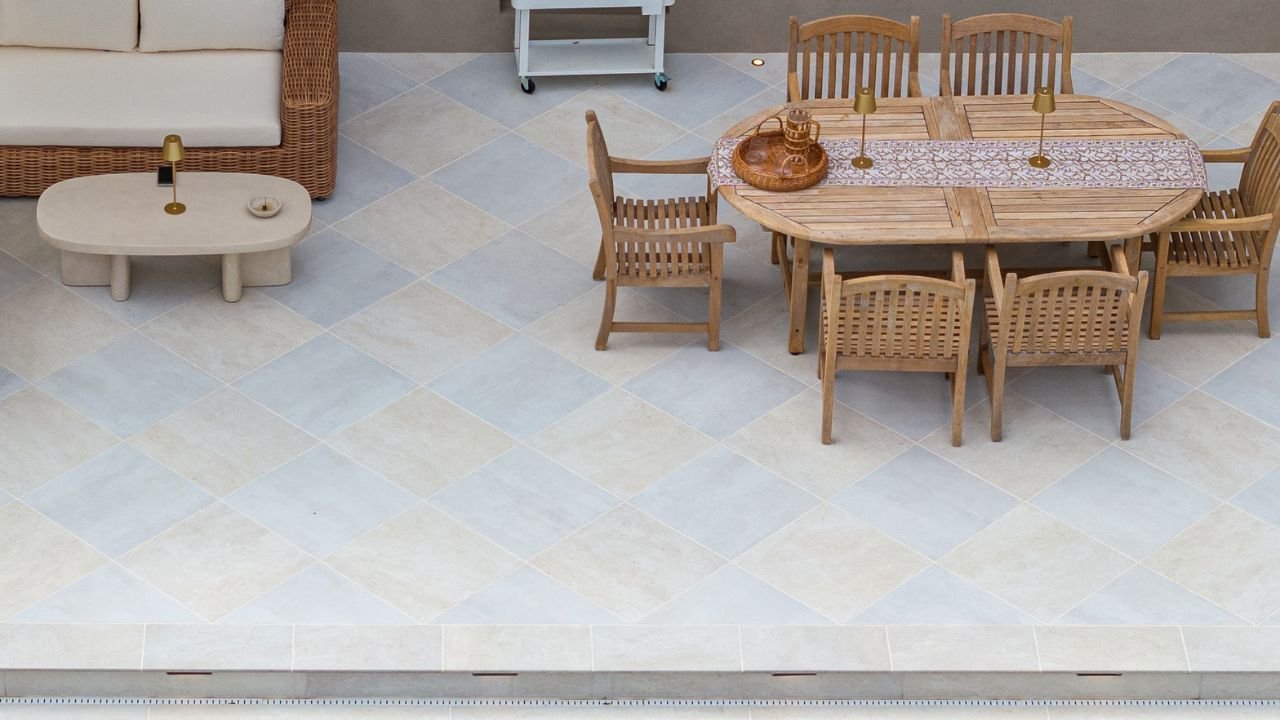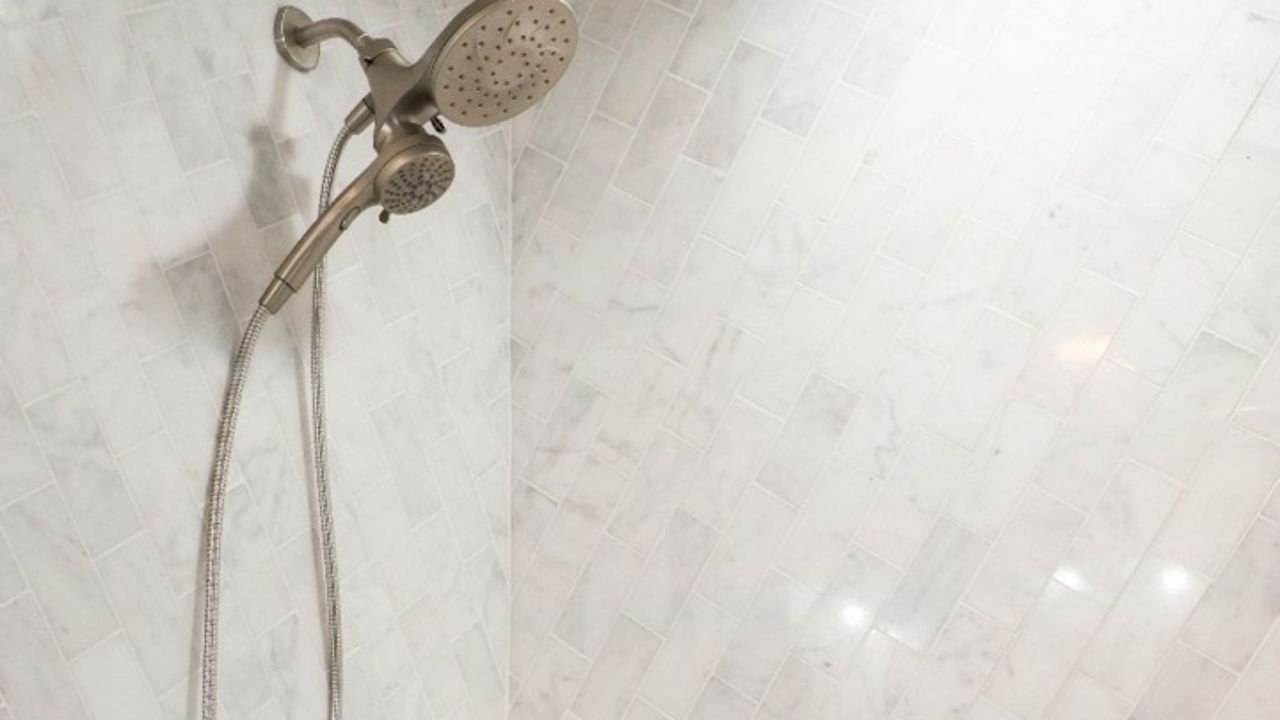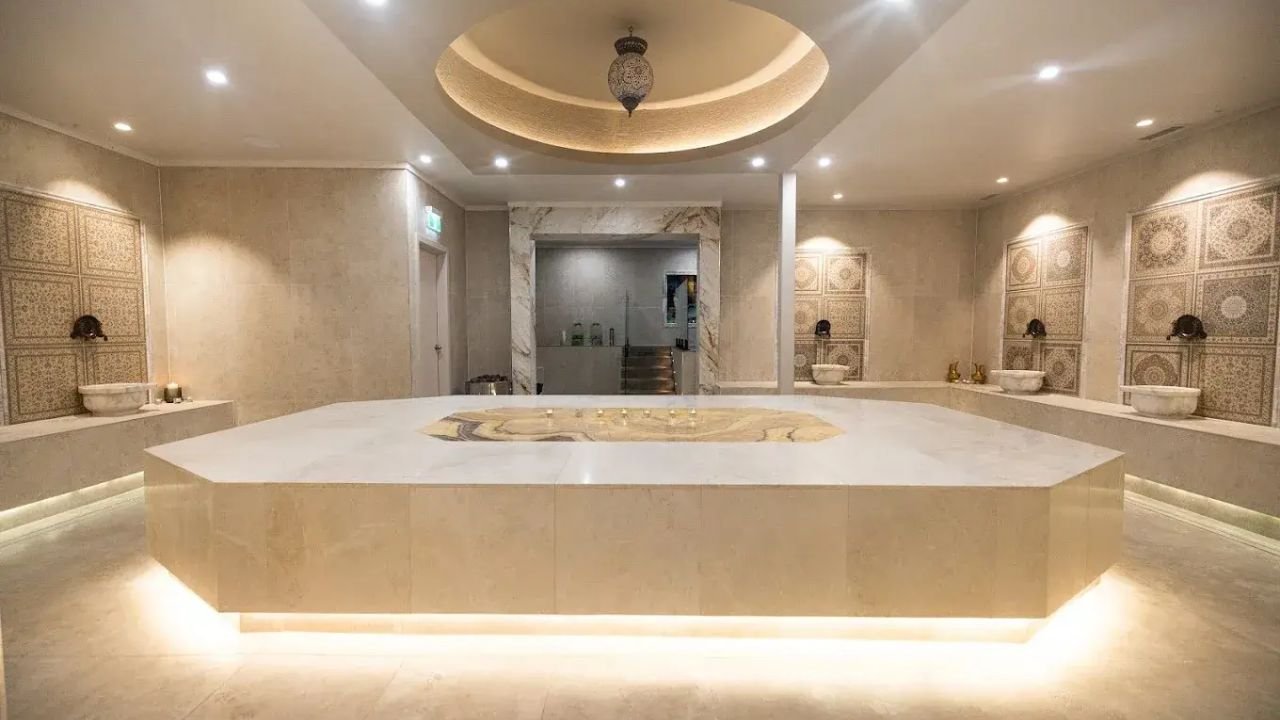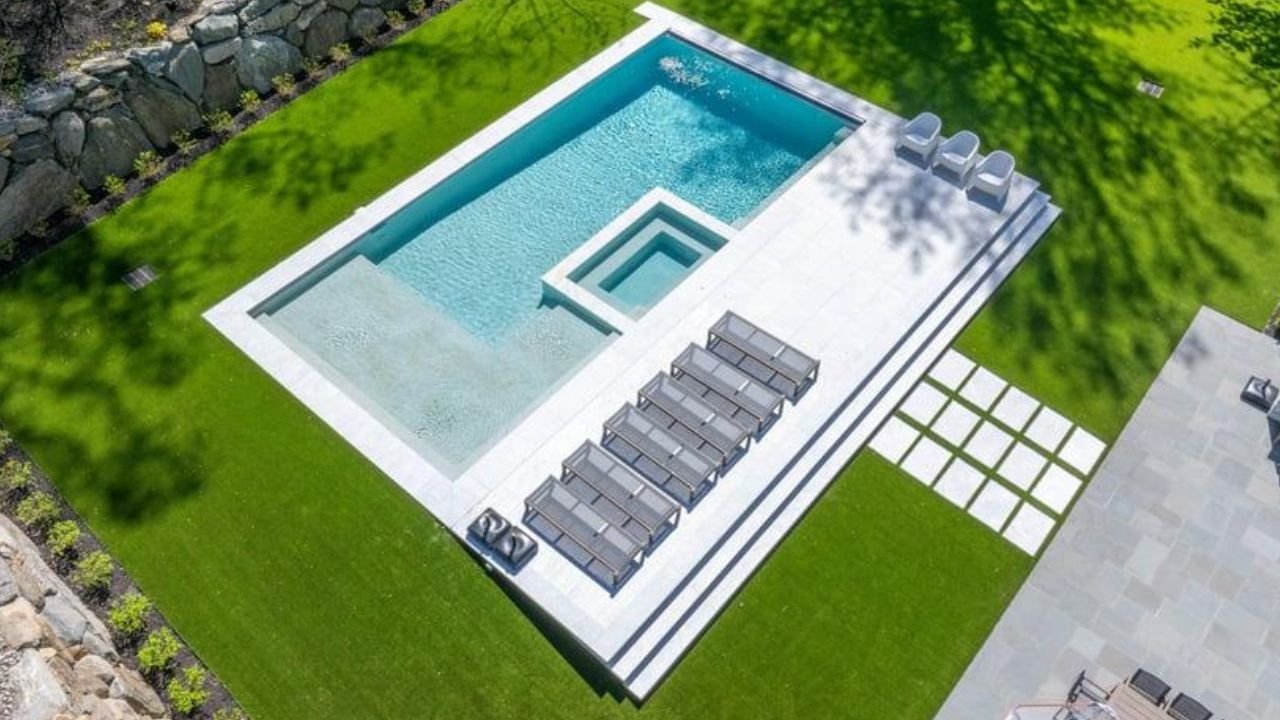

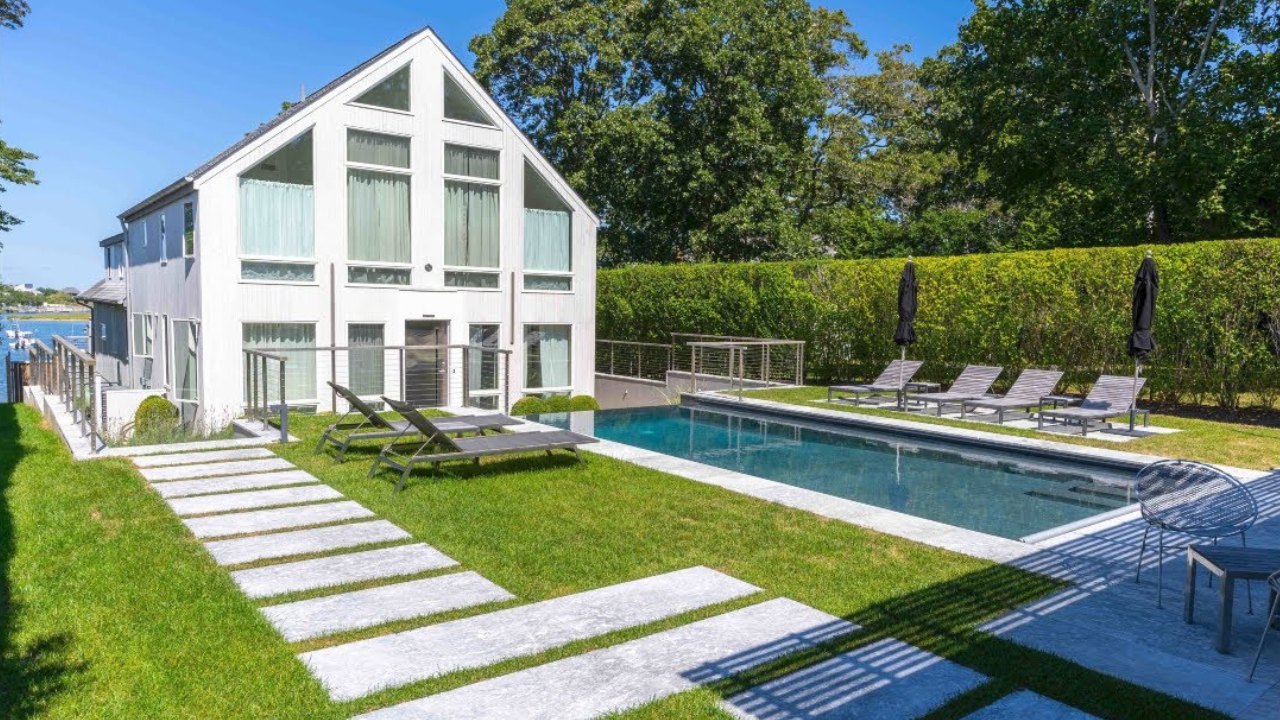
Outdoor surfaces often face harsh climates in warm regions. Patio floors, pool decks, and walkways absorb sunlight for hours every day. Some stones can retain the heat and become uncomfortable to walk on, while others stay cooler and safer. Marble pavers don’t get warm due to their porous structure. Many homeowners also choose marble because it reflects sunlight, handles temperature swings, and offers natural beauty.
Often, the light colored marble pavers are the suitable choice for outdoor spaces during peak summer temperatures. Just pair it with the right finish and install it properly, and you get a comfortable and refined outdoor space. Continue reading the following to learn about the best marble pavers for hot climates.
Best Marble Pavers for Hot Climates
Many types of marble perform consistently great in outdoor environments. Several marble varieties perform consistently well in outdoor environments. These stones combine light color, durability, and low heat absorption.
Carrara Marble Pavers
Carrara Marble remains one of the most recognized marble types in architecture and landscaping. The stone originates from quarries in Carrara, Tuscany, Italy. It features a white base with soft gray veining, and the light color reflects the sunlight. Homeowners often choose Carrara marble pavers for pool decks, outdoor patios, garden walkways, and outdoor kitchens.
The stone also pairs well with modern or Mediterranean outdoor designs. When installed with a sandblasted or brushed finish, Carrara marble stays comfortable underfoot even during hot summer afternoons.
Afyon White Marble Pavers
Afyon White Marble comes from quarries in Afyonkarahisar in Turkey. Many outdoor designers consider it one of the best marble options for hot climates. The stone features a bright white background with subtle mineral patterns. Its high light reflectance helps keep outdoor surfaces cool.
Afyon marble also offers strong compressive strength. That strength supports heavy outdoor use in driveways, patios, and pool decks. Designers value this marble because it creates a clean and refined look while maintaining practical performance.
Rain Cloud Marble Pavers
Rain cloud marble features a gray palette. The stone features layered patterns that resemble soft storm clouds. Though darker than white marble, rain cloud marble still performs well in hot climates. The moderate gray tone reflects enough sunlight to maintain surface comfort.
Many landscape architects use Rain Cloud marble for Contemporary patios, Outdoor seating areas, and Garden pathways. The stone works especially well in minimalist outdoor designs that use neutral color palettes.
Luxe Blue Marble Pavers
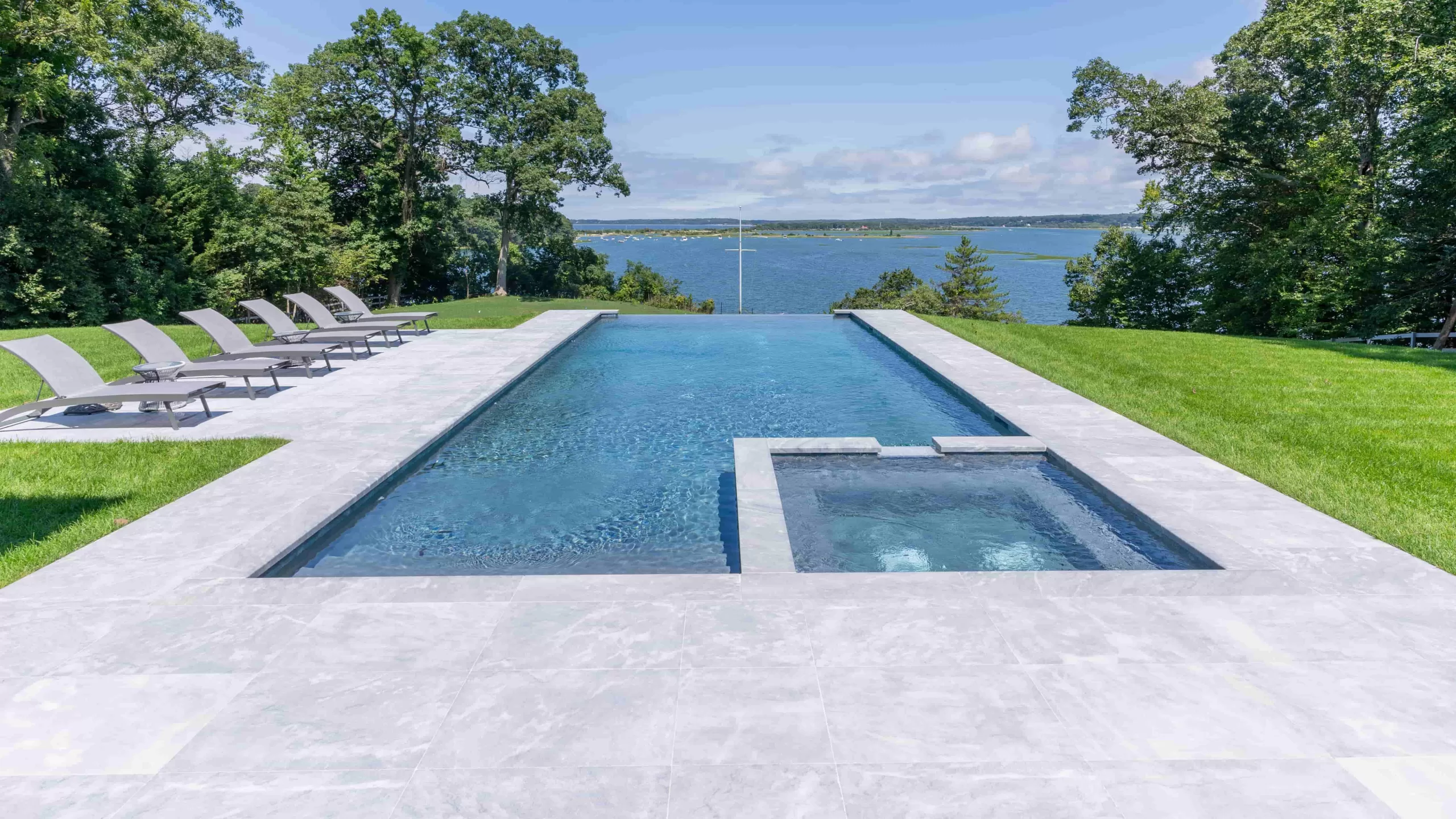
Luxe blue marble offers a distinctive option for homeowners who want a dramatic outdoor surface. The stone comes with blue-gray tones with flowing veining patterns. While darker than white marble, lighter blue varieties still perform well in hot climates.
Designers often prefer Luxe Blue marble in luxury landscape projects because the stone adds visual depth while maintaining natural durability.
Marble vs Other Stones in Hot Climates
Homeowners usually compare marble pavers with other natural stones before selecting outdoor materials. Check the following table to learn about the marble pavers’ performance compared to other materials in hot climates.
| Comparison | Key Characteristics | Performance in Hot Climates | Best Use Cases |
| Marble vs Travertine | Travertine contains natural pores that allow heat to dissipate. Marble features a denser structure with distinctive veining and a refined surface appearance. | Both stones remain comfortable in hot climates when finished with textured surfaces. Travertine releases heat quickly, while marble reflects sunlight due to its lighter tones. | Travertine works well for rustic pool decks and patios. Marble suits modern pool decks and upscale outdoor spaces. |
| Marble vs Limestone | Limestone shows a softer, uniform look with subtle texture. Marble contains stronger veining and higher density. | Some limestone varieties stay cool, but the stone is generally softer and may wear faster in heavy-use areas. Marble offers greater durability and structural strength. | Limestone fits relaxed garden paths or courtyards. Marble performs better in high-traffic patios, pool decks, and outdoor entertaining areas. |
| Marble vs Porcelain Pavers | Porcelain Pavers replicate natural stone through digital printing technology, while marble remains a genuine metamorphic stone with natural mineral patterns. | Porcelain resists stains and requires minimal maintenance. Marble reflects sunlight naturally and delivers authentic stone cooling properties when light colors are used. | Porcelain suits modern, low-maintenance patios. Marble appeals to homeowners who prefer natural stone texture and timeless outdoor design. |
Why Marble Pavers Perform Well in Hot Climates
Natural stone paver acts differently under heat. Some stones absorb heat quickly, while others reflect sunlight and stay cooler.
| Key Factor | How It Works | Why It Matters for Hot Climates |
| Light Surface Colors Reflect Heat | Light marble tones reflect sunlight instead of absorbing it. Stones such as Carrara Marble or Afyon White Marble have pale backgrounds that bounce solar radiation away from the surface. | Lower heat absorption keeps pavers cooler under direct sun, which improves comfort for barefoot walking around patios and pool decks. |
| Dense Marble Structure | Marble forms through the metamorphism of limestone, which creates tightly bonded crystals of calcite within the stone. | This dense structure slows heat transfer, so the surface warms gradually and releases heat more slowly than many darker or more porous stones. |
| Textured Surface Finishes | Outdoor marble often uses finishes such as sandblasted, brushed, tumbled, or bush-hammered rather than polished surfaces. | Textured finishes scatter sunlight, reduce glare, and add slip resistance. These surfaces also help limit heat buildup during strong sunlight. |
| Resistance to Weather Extremes | Marble maintains structural stability even when temperatures shift between hot days and cooler nights. | This stability helps prevent cracking or surface stress, which makes marble suitable for patios, pool decks, and outdoor walkways in warm climates. |
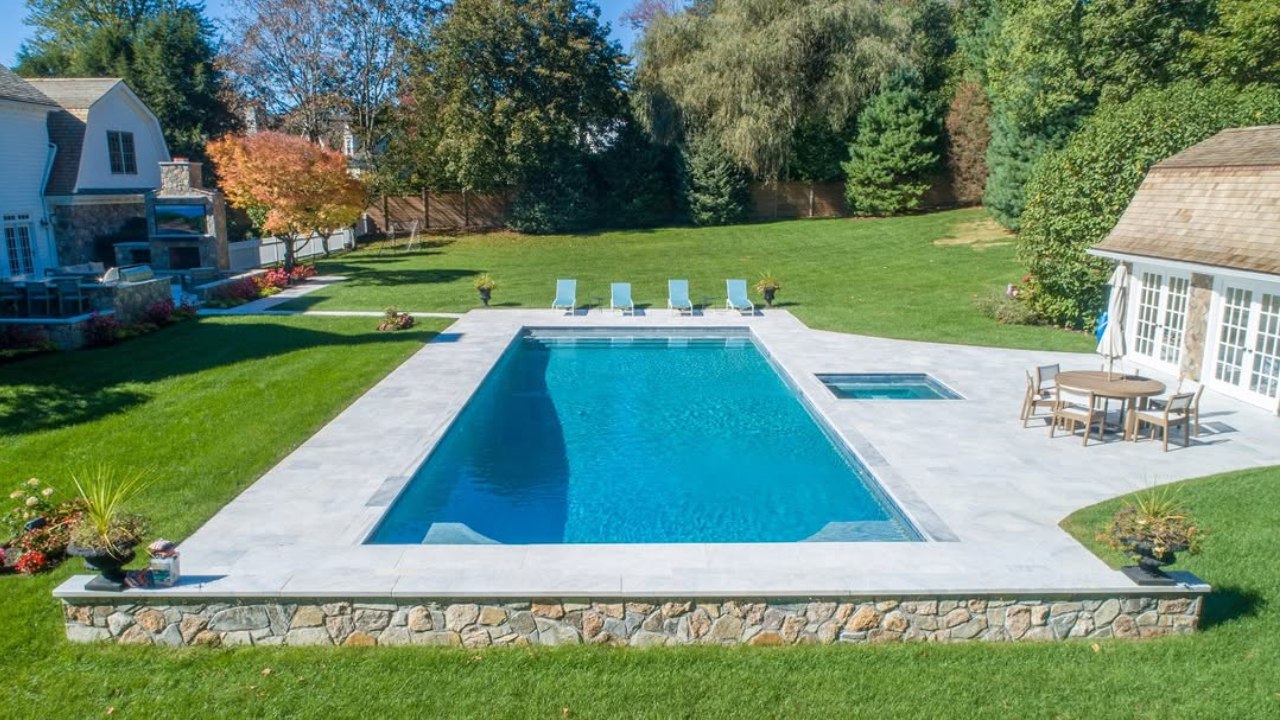
What Makes Marble Pavers Comfortable Under the Sun?
Choosing the right marble type matters a lot. But there are several factors that determine whether the surface stays cool and comfortable.
Color Reflectivity (Solar Reflectance)
Light colors reflect more solar radiation. This feature usually appears in technical specifications as the solar reflectance index (SRI). High SRI materials absorb less heat, and many light marble pavers show strong reflectivity compared with darker stones. For outdoor patios and pool decks, high reflectivity improves comfort and reduces heat buildup.
Surface Finish
Surface finish plays a crucial role in heat behavior. Outdoor marble usually features finishes such as Sandblasted, Tumbled, Brushed, Bush-hammered, and Honed marble. These finishes scatter sunlight throughout the surface. They also increase the traction, which reduces the slip hazards around wet areas like pools.
Polished marble should remain indoors. Polished surfaces become slippery and absorb more heat outdoors.
Paver Thickness and Installation
Marble pavers for outdoor use usually measure 2 cm to 3 cm thick. Thicker pavers offer several advantages: greater durability, better heat resistance, and improved structural stability. The paver installation method also matters. Proper paver base preparation and drainage prevent heat-related cracking.
Professional installers often place marble pavers over sand beds, mortar beds, and concrete paving slabs. Each method supports long-term performance when installed correctly.
Marble Pavers for Hot Climates FAQs
Let’s answer your questions about Marble Pavers for Hot Climates.
Do marble pavers get hot in the sun?
No. Marble absorbs less heat than many darker stones, especially when the surface is tumbled or sandblasted.
Are marble pavers good for pool decks?
Yes. Marble pavers offer strong durability, slip resistance with textured finishes, and cooler surfaces under sunlight.
Which marble color stays coolest outdoors?
White or light gray marble generally stays coolest because it reflects more sunlight.
Are marble pavers slippery when wet?
No. Textured finishes like sandblasted or brushed marble pavers don’t get slippery when wet, reducing the slipping hazard.
How long do marble pavers last outdoors?
With proper installation, maintenance, and sealing, it can last several decades in outdoor environments.
Bottom Line
Marble pavers with a light color and textured finish are the best choice for hot climates. The stone reflects sunlight, resists heat buildup, and creates a refined natural appearance. Carrara Marble, Afyon White Marble, Rain Cloud Marble, and Luxe Blue Marble are great choices for patios and pool decks. Marble stone with proper finish and light color will assure you a comfortable, durable, and visually appealing surface during summer. When selected carefully, marble provides an outdoor surface that balances performance, safety, and timeless design.