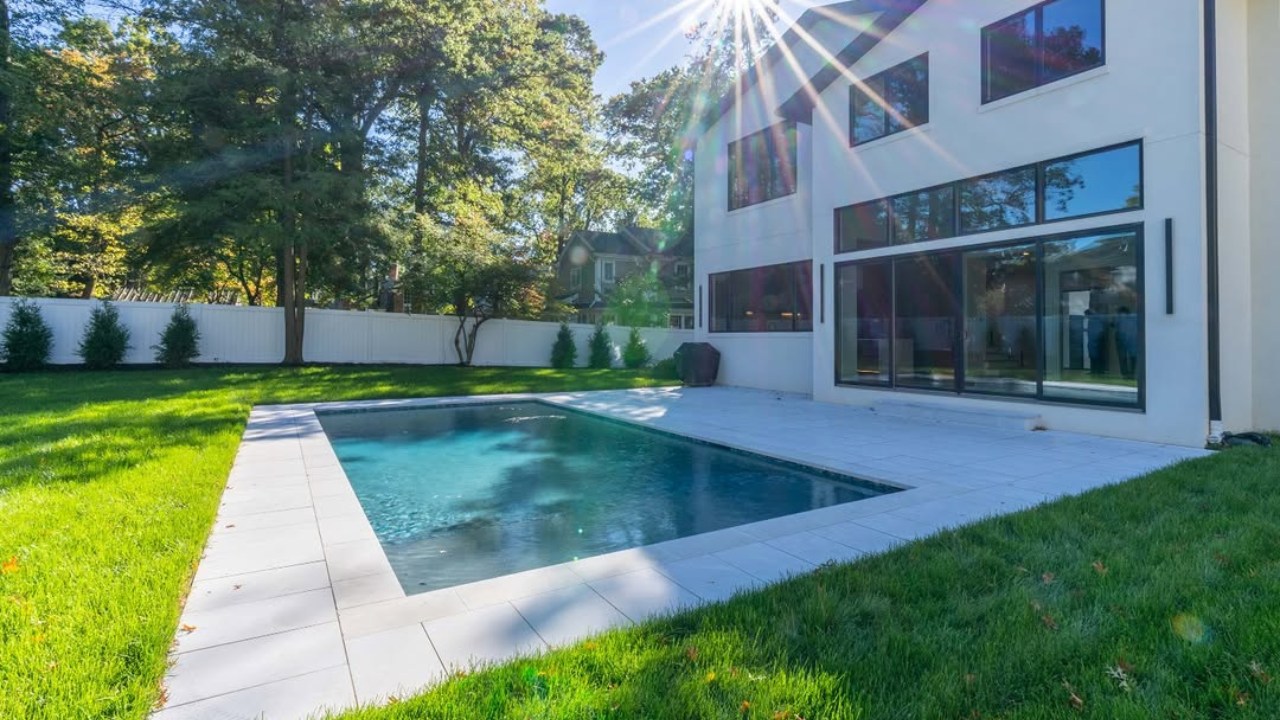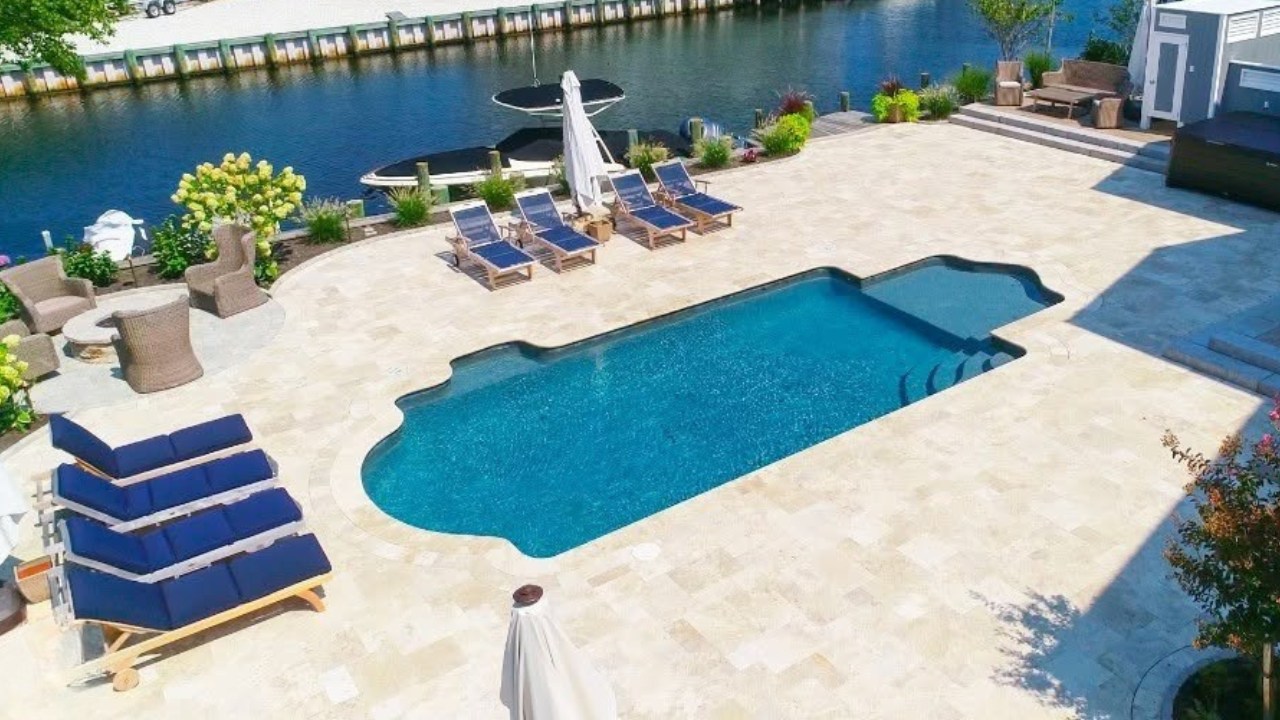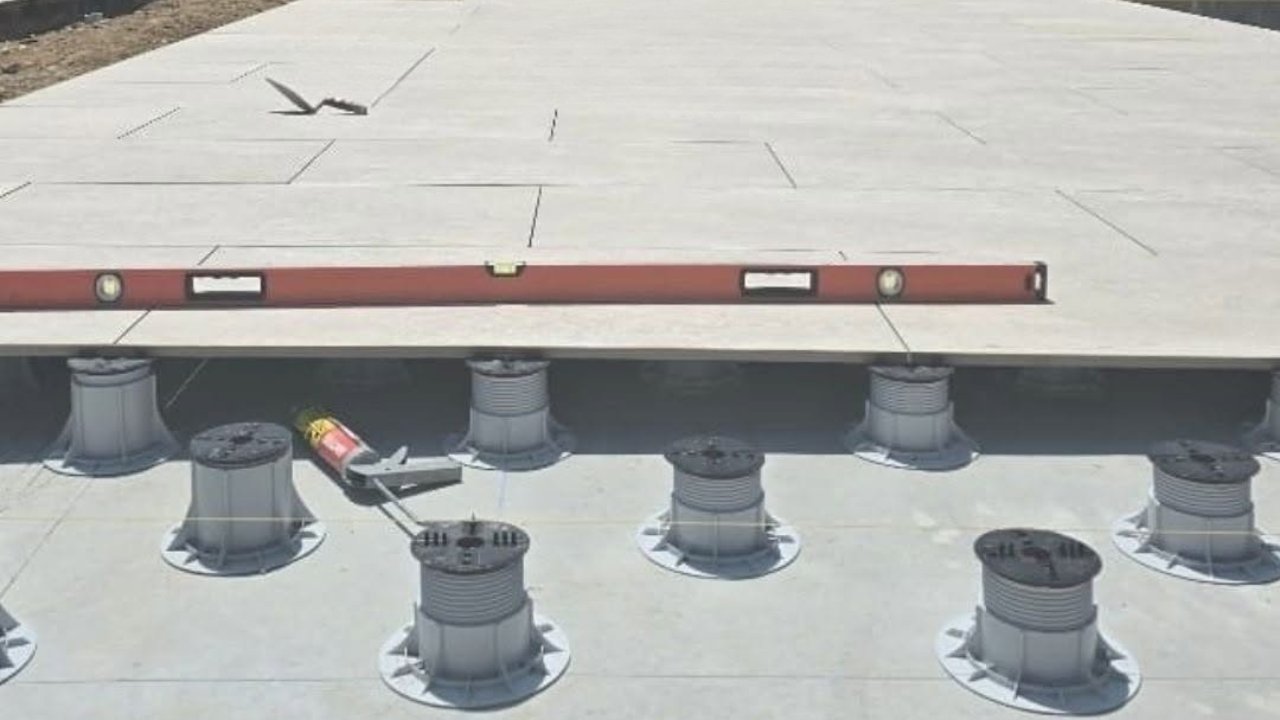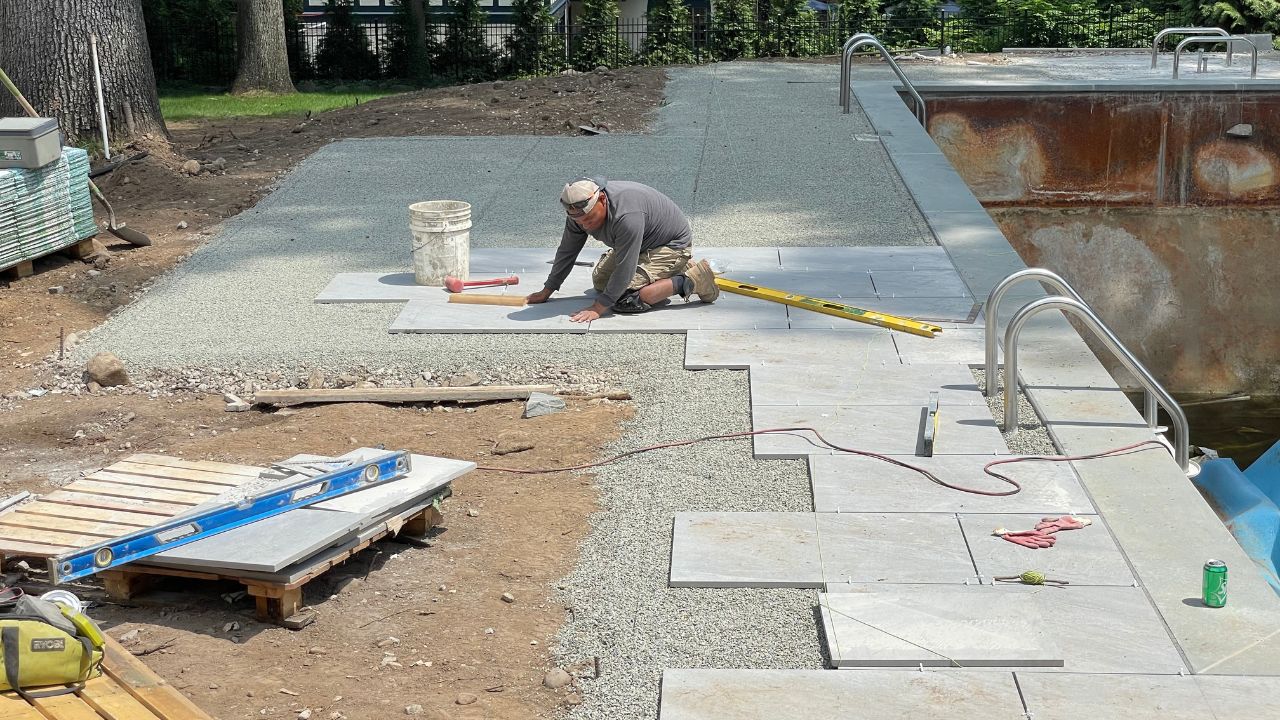
Not all types of sandstone are equal. While it is one of the unique natural stones with a distinct look and formation, somee may look different. What is even more surprising is the types of sandstone that offer a beautiful visual appeal and durability. However, not all of the sandstone is the same, as different types of sandstone offer different performance, beauty, and functionality. The term “sandstone” covers a broad category of stones with different types of sandstone formation, colors, strengths, and uses. In this post, we are explaining different types of sandstones so you know which will suit you most. Continue reading the following for more information.
Key Takeaways:
- Sandstone is a clastic sedimentary rock known for its durability, texture, and color range.
- There are several types of sandstone, each defined by its mineral content, formation, and visual appeal.
- Choosing the right sandstone depends on where and how it will be used, from outdoor paving to interior feature walls.
- This guide breaks down the most common types of sandstone and their best applications for homeowners, designers, and businesses.
Main Types Of Sandstone
The color of the stone usually indicates the mineral in most sandstones. But here is an easy way to understand the types of sandstone, their key characteristics, best uses, and expert insights.
| Type of Sandstone | Key Characteristics | Best Uses | Expert Insight |
| Quartz Sandstone | Light colors (white, grey, beige) High weather resistance Low porosity | Outdoor paving, pool surrounds, facades | Ages well with minimal upkeep. Great for harsh outdoor conditions. |
| Arkose Sandstone | Coarse texture Reddish or pinkish hue Moderate durability | Feature walls, rustic patios, and fireplaces | Use where warmth and aesthetics matter more than longevity. |
| Greywacke Sandstone | Dark grey to green Dense with angular grains Hard to shape | Structural work, heavy flooring, retaining walls | Built for strength, not beauty. Performs under pressure. |
| Limestone-Cemented Sandstone | Lighter in tone Softer Susceptible to acid rain and erosion | Interior cladding, accent walls, and low-traffic areas | Best indoors. Avoid the outdoors in wet or freezing climates. |
| Iron Oxide-Cemented Sandstone | Red, orange, and brown tones Natural weathered look Moderate hardness | Garden walls, paths, heritage-style buildings | Patinas are beautiful with time but may stain the surroundings when wet. |
| Flagstone Sandstone | Flat and split slabs Beige, grey, rust tones Textured, non-slip surface | Walkways, patios, pool decks, steps | Very popular for versatility and safety. Blends well in garden or water-heavy areas. |
| Desert Sandstone | Warm pastel hues (yellow, cream) Medium density Absorbs water easily | Interior flooring, decorative outdoor use | Seal it well outdoors. Great for calm, sunlit spaces. |
| Rippon Sandstone | Pink, buff, lilac tones Layered veining Medium durability | Garden paths, patios, and feature walls | Use to add character and natural variation. No two pieces look alike. |
| Teakwood Sandstone | Beige with brown streaks Smooth texture Medium hardness | Courtyards, wall cladding, decorative panels | Imitates wood but with stone performance. Earthy and low maintenance. |
| Porcelain Sandstone | Consistent color and pattern Smooth yet slightly textured surface Extremely high durability | Outdoor patios, pool decks, indoor floors, and commercial spaces | The natural look of sandstone combined with the strength and low maintenance of porcelain. It resists stains, moisture. |
The following are the key details of the types of sandstone and what makes them unique.
1. Quartz Sandstone
This is one of the most used types of sandstone that is formed almost entirely of quartz grains. It is popular for being a chemically stable sandstone type that withstands well under weather exposure.
Key Characteristics:
- It has a light-colored pellet, which is usually white, grey, or beige.
- It is highly resistant to chemical and physical weathering.
- The low porous surface makes it water absorption resistant.
Best Uses:
The most common applications for this type of sandstone are outdoor stone paving, pool surrounds, building facades, and areas where durability is critical.
Expert Insight:
Quartz sandstone ages well and is a low-maintenance stone. If you’re planning a project that must withstand the elements, this is a reliable choice.
2. Arkose Sandstone
The arkose sandstone contains a significant amount of feldspar, which for over 25%. It is usually formed around the area where the granitic rocks are common.
Key Characteristics:
- Coarse texture.
- type of red sandstone, reddish or pinkish hue due to feldspar content.
- Moderately resistant to weathering.
Best Uses:
Interior feature walls, rustic outdoor patios, and fireplace surrounds.
Expert Insight:
Due to the high value of feldspar within this type of sandstone weathers more quickly than quartz sandstone. It is best used for interiors where traffic is minimal and you don’t want to use it for longer.
3. Greywacke Sandstone
It is a darker and concealed sandstone with fragments and angular grains. It is usually formed in marine environments with high sediment flow.
Key Characteristics:
- Dark grey to greenish tone.
- Irregular grain size.
- Dense and strong, though harder to cut and shape.
Best Uses:
It is most suited for structural applications, heavy-duty flooring, and retaining walls.
Expert Insight:
Greywacke sandstone is not good to be used for decorative purposes. However, it will excel in strength. If you need a stone that performs under pressure, greywacke is worth considering.
4. Limestone-Cemented Sandstone
Some sandstone pavers are bonded with calcium carbonate, which makes them similar to limestone pavers. These are softer and may show fossil patterns.
Key Characteristics:
- It mostly has a lighter tone.
- It is softer than silica-cemented sandstone.
- More susceptible to erosion and acid rain.
Best Uses:
Interior wall cladding, accent walls, or low-traffic areas.
Expert Insight:
Avoid using this type in high-rainfall areas or regions with extreme weather conditions, such as freeze-thaw cycles. It shines indoors where softness and visual detail matter.
5. Iron Oxide-Cemented Sandstone
These sandstones get their color and character from iron oxide, which also acts as a bonding agent.
Key Characteristics:
- The color palette includes rich red, orange, or brown shades.
- Moderate hardness.
- Stains naturally, giving it a weathered, earthy appearance.
Best Uses:
Garden wall cladding, pathways, heritage-style buildings, and landscape features.
Expert Insight:
This is one of the best used for creating timeless outdoor spaces. Its natural patina only improves with age, but it can bleed onto nearby surfaces when wet.
6. Flagstone Sandstone
Flagstone is not a geological type but a trade term for flat, split sandstone slabs. These can be made from several types of sandstone, depending on the quarry.
Key Characteristics:
- Flat, thin pieces used for paving.
- Often beige, grey, or rust-colored.
- Textured surface improves grip.
Best Uses:
Walkways, patios, pool deck pavers, and steps.
Expert Insight:
Flagstone is one of the most popular types of sandstone because of its non-slip texture and versatility. It also blends well with greenery and water features.
7. Desert Sandstone
It is extracted from arid regions and desert sandstone that has fine grains and warm, golden hues.
Key Characteristics:
- It has soft pastel colors — yellow, cream, and light brown.
- Medium density.
- Absorbs water quickly if untreated.
Best Uses:
Interior floor tile, light-traffic outdoor areas, and decorative features.
Expert Insight:
This stone works significantly better with a sealant, especially for outdoors. It’s great for sunlit areas and gives a soft, calming look.
8. Rippon Sandstone
This is one of those types of sandstone that has a striking color palette. The Rippon sandstone is a favorite for statement surfaces.
Key Characteristics:
- Layered bands in pink, buff, grey, and lilac tones.
- Natural veining and variety.
- Medium durability.
Best Uses:
Garden paths, feature walls, and patios.
Expert Insight:
The best feature of Rippon is that no two pieces are the same. Use this sandstone where you want movement and texture. It adds character without needing embellishment.
9. Teakwood Sandstone
Teakwood sandstone mimics the grain of natural wood and is popular in warmer climates.
Key Characteristics:
- Creamy beige with brown streaks.
- Fine, smooth texture.
- Medium hardness.
Best Uses:
It is most suited for courtyards, cladding, and decorative wall panels.
Expert Insight
This sandstone looks like wood but performs like stone. It’s ideal when you want a natural, earthy aesthetic without dealing with wood maintenance.
10. Porcelain Sandstone
It features a consistent color and pattern of porcelain while mimicking the sandstone surface. Sandstone looks porcelain has a smooth yet slightly textured surface. It is extremely durable.
Best Uses:
Outdoor patios, pool deck pavers, indoor floors, and commercial spaces
Expert Insight:
Porcelain sandstone comes with the strength and low maintenance of porcelain pavers while looking like sandstone. Just like the porcelain tiles, it can resist stains, moisture, and heavy wear, making it ideal for high-traffic and weather-exposed areas.

What Makes Sandstone Unique?
Sandstone is a sedimentary rock made primarily of quartz and feldspar. These two are the most common minerals in the Earth’s crust. These grains bind together over time through natural processes and are cemented with materials like silica, calcium carbonate, or iron oxide.
The type of cement, rocks, and minerals creates variations in color, strength, and durability. These differences create the types of pavers used in construction and design today.
How To Choose the Right Type of Sandstone?
Now you will be wondering what type of sandstone should be my choice or will suit my project? Instead of choosing the sandstone based on color, you should consider factors such as:
Climate:
Some sandstones are well suited for dry regions, while some work well with rainy or extreme weather. Learn about their weather resistance first.
Traffic:
If you are installing sandstone pavers in a heavy traffic area, then opt for denser stones such as quartz sandstone or greywacke. They are well-suited for heavy use.
Design:
Teakwood or Rippon sandstone has the best visual appeal, which makes it unique.
Maintenance:
Iron oxide stones may stain, while limestone-cemented ones erode faster.
Always prioritize functionality first, then appearance. It’s easier to adapt the design than to undo damage caused by choosing the wrong material.
Conclusion
Sandstone is a unique natural stone paver, but there is no one-size-fits-all material approach to selecting this. The different types of sandstone each serve a purpose, from creating a modern outdoor area to restoring a heritage site. By understanding their mineral makeup, color, texture, and durability, you can choose the right stone for your space and your needs.
The best approach is not to look for the most beautiful stone, but the most suitable one. As someone who has seen sandstone used well and poorly, I can tell you that knowing the type makes all the difference.