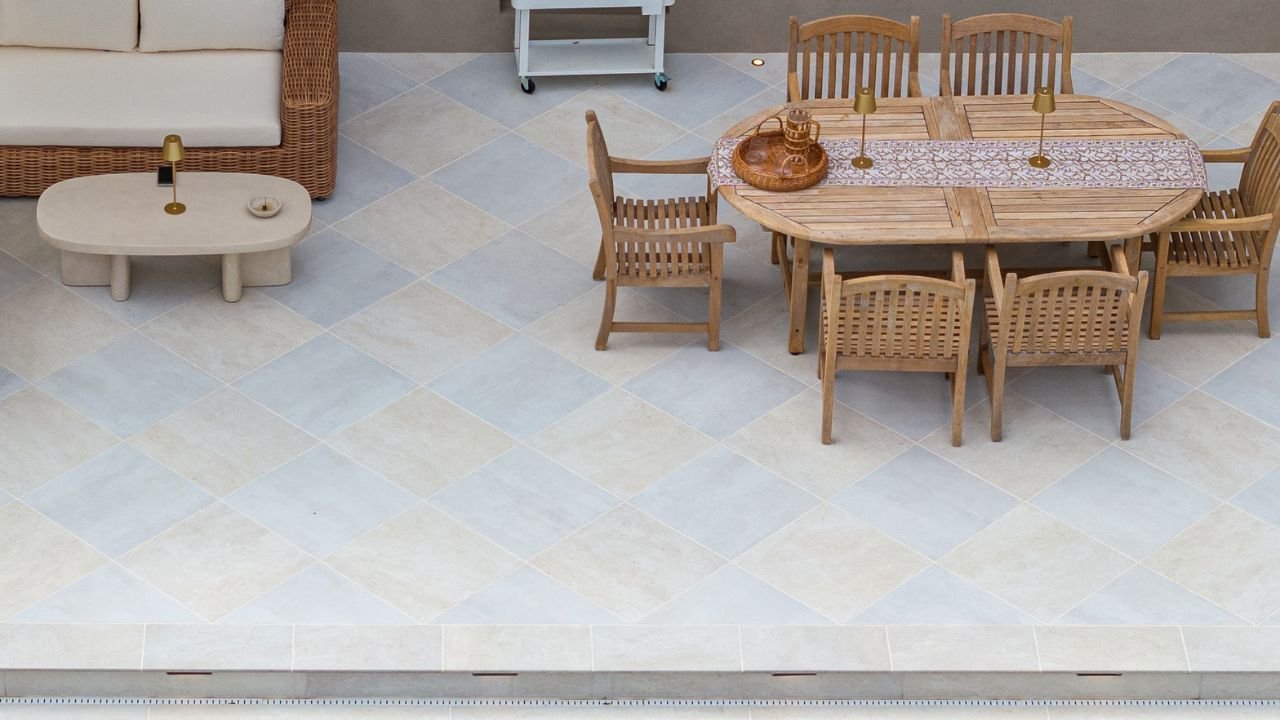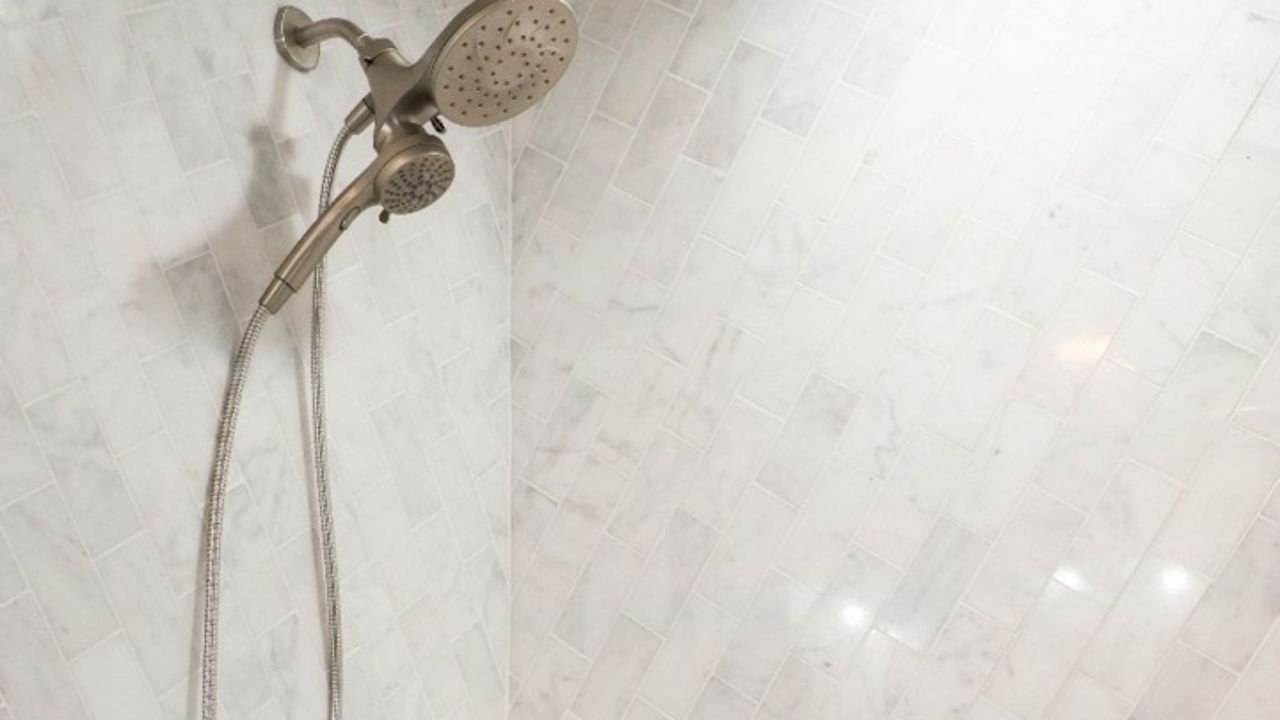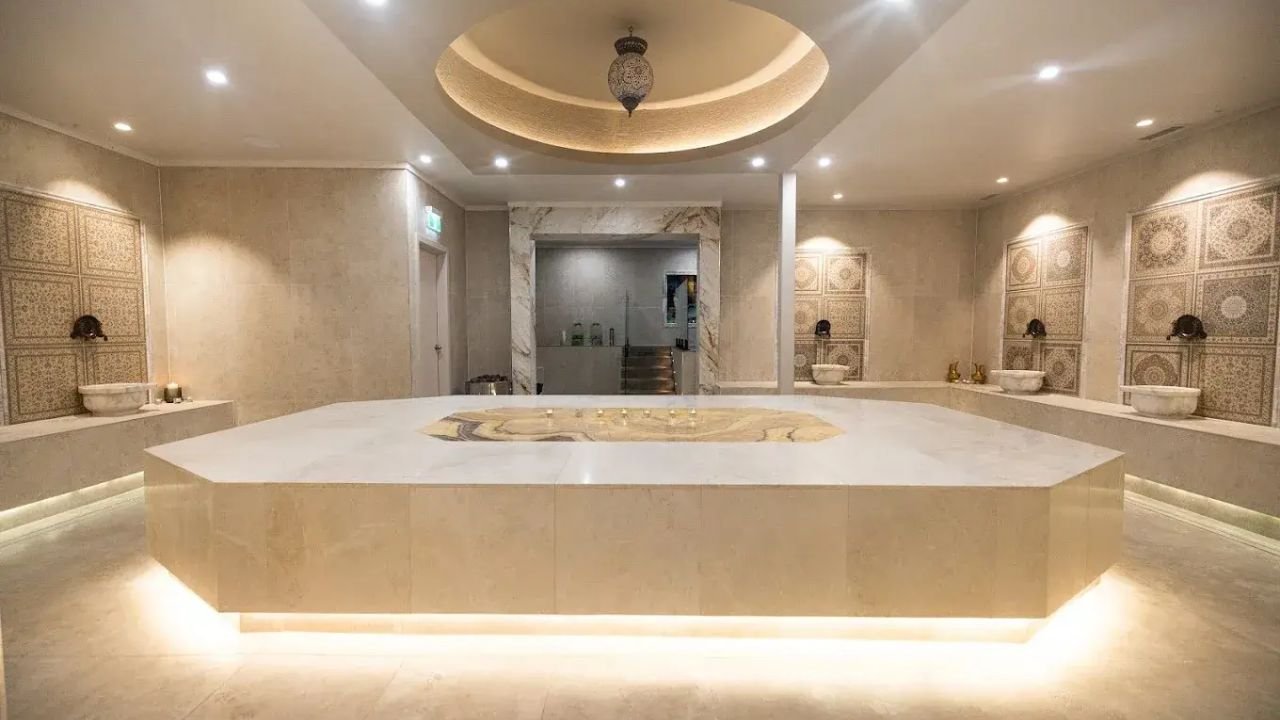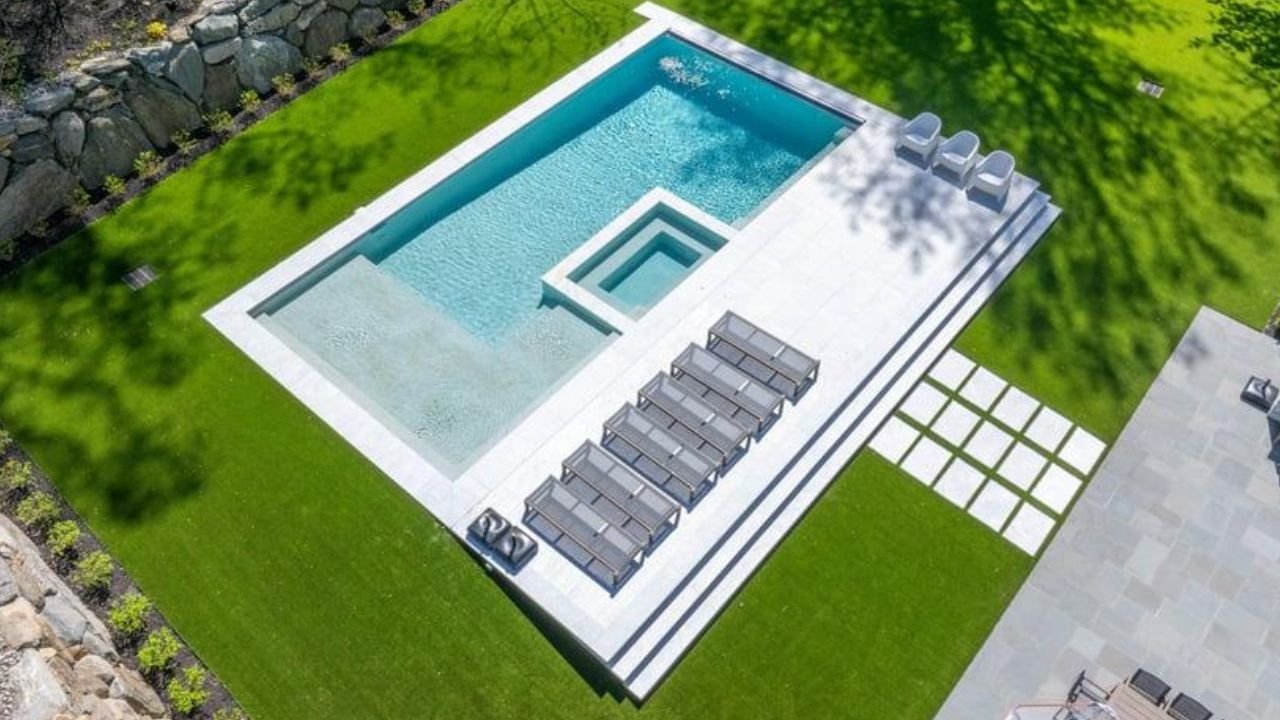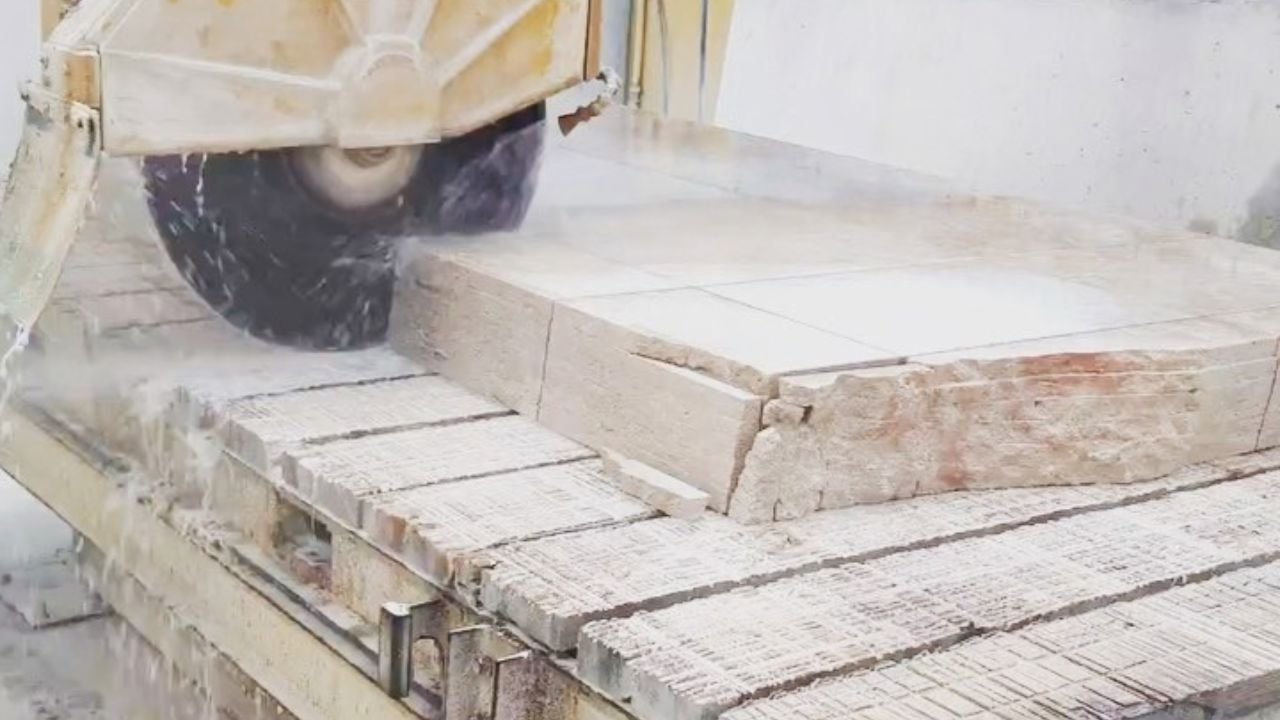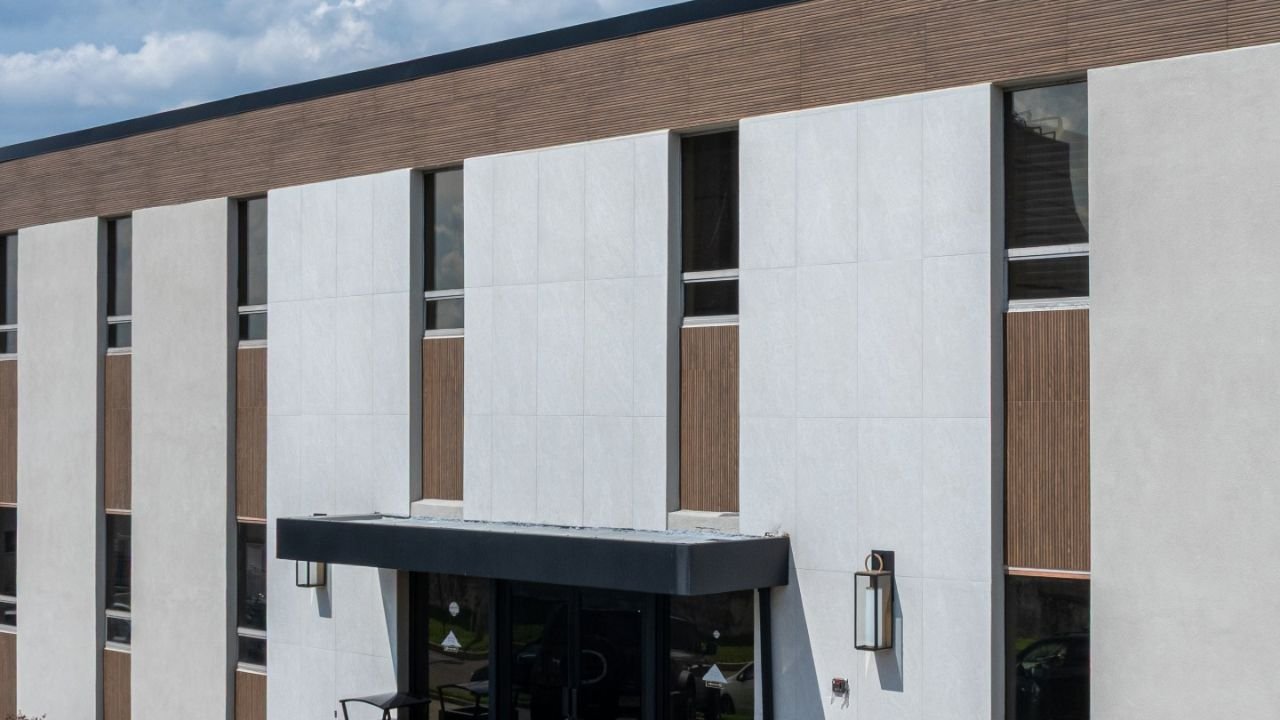


Choosing the right natural stone pavers also depends on the surface, as one may weather beautifully and stay beautiful for decades, while one me deteriorate in comparatively less time. When it comes to Sandstone vs limestone, homeowners, project managers, and contractors often ask Which lasts longer? It is a common question, as both materials have been used for centuries. However, their performance varies by climate, foot traffic, use, and maintenance. Let’s compare both sandstone and limestone so you can choose according to your project and make an informed decision.
Comparing the Differences Between Limestone vs Sandstone
Both limestone and sandstone are popular types of pavers for homeowners and professional builders. Limestone pavers and sandstone pavers are widely used in indoor and outdoor applications, with some exceptions. Choosing any of these stone pavers or tiles that last longer can be a tough choice, as both can last longer in their respective applications. The following is a table where you see the difference between limestone and sandstone.
| Factors | Sandstone | Limestone |
| Formation | Compacted sand grains, primarily quartz and feldspar | Sedimentary rock, Marine deposits are composed mainly of calcium carbonate (calcite) |
| Composition | Quartz, feldspar, clays, iron oxides, and other silicate minerals | Primarily calcium carbonate; may include chert, clay, dolomite |
| Density / Porosity | More porous, typically less dense (varies by type) | Generally denser, with lower porosity, but still more porous than granite |
| Hardness (Mohs scale) | 6–7 (moderate to high, depending on quartz content) | 3–4 (softer and more susceptible to scratching or wear) |
| Durability | Durable but may weather faster without sealing | Durable in low-impact settings; can resist erosion longer if sealed |
| Water Absorption | Moderate to high; requires sealing in wet climates | Lower than sandstone, but still porous; prone to acid-related damage |
| Resistance to Acid | Resistant to weak acids; prolonged exposure can cause damage | Reacts easily with acids (including acid rain, vinegar, citrus, etc.) |
| Weather Resistance | Good in dry or mild climates; needs sealing in freeze-thaw zones | Less ideal outdoors in freeze-thaw zones; best in dry or protected areas |
| Maintenance Needs | Needs sealing and cleaning to prevent algae, mold, or discoloration | Easier to clean due to smooth finish, but still needs sealing for durability |
| Texture & Appearance | Granular or rough texture; warm, earthy, and layered color patterns | Smoother, more uniform surface; elegant, neutral tones |
| Slip Resistance | Sandstone pavers have a naturally better grip due to the rough surface | Can be slippery when polished; needs anti-slip treatments for wet areas |
| Typical Applications | Outdoor patios, garden paths, facades, retaining walls, pool surrounds | Indoor flooring, wall cladding, pool copings, fireplace surrounds |
| Cost | Mid-to-high; cost varies based on grain size, region, and availability | Typically, more affordable and easier to cut and finish |
| Color Range | Warm earth tones (reds, browns, golds, greys, greens) | Softer shades (creams, light greys, whites, some blues, and taupes) |
Durability Factors Explained Between Sandstone vs Limestone
Considering the differences between sandstone and limestone, let’s discuss the factors that will help you determine the durability of Sandstone vs Limestone.
Hardness and Density
Sandstone is mostly composed of silica, which makes it naturally harder. On the MOHS scale, it ranks between 6-7. Silica and Quartz are stronger, less prone to scratching, but the bonding material is weaker is clay. This reduces the durability.
Limestone is composed of calcium carbonate bases with the MOHS scale ranking of 3 and 4. It reacts badly with acidic components but withstands heavy wear and tear in a busy setting.
Porosity and Absorption
Limestone is naturally thicker and has less porosity. This means the water absorption rate is lower, which makes it last longer in freezing-thaw climates or near marine environments. This helps it stay intact longer in the elements.
Sandstone pavers absorb water comparatively more than marble, which makes it vulnerable to the freeze-thaw cycle, weathering, and micro-cracking due to trapped moisture. Proper sealing is crucial.
Chemical Resistance
Limestone reacts with acids, including rainwater polluted by urban emissions. Over time, this reaction weakens the surface.
Sandstone can withstand chemical exposure better because to is silica-based. It can resist acid damage better.
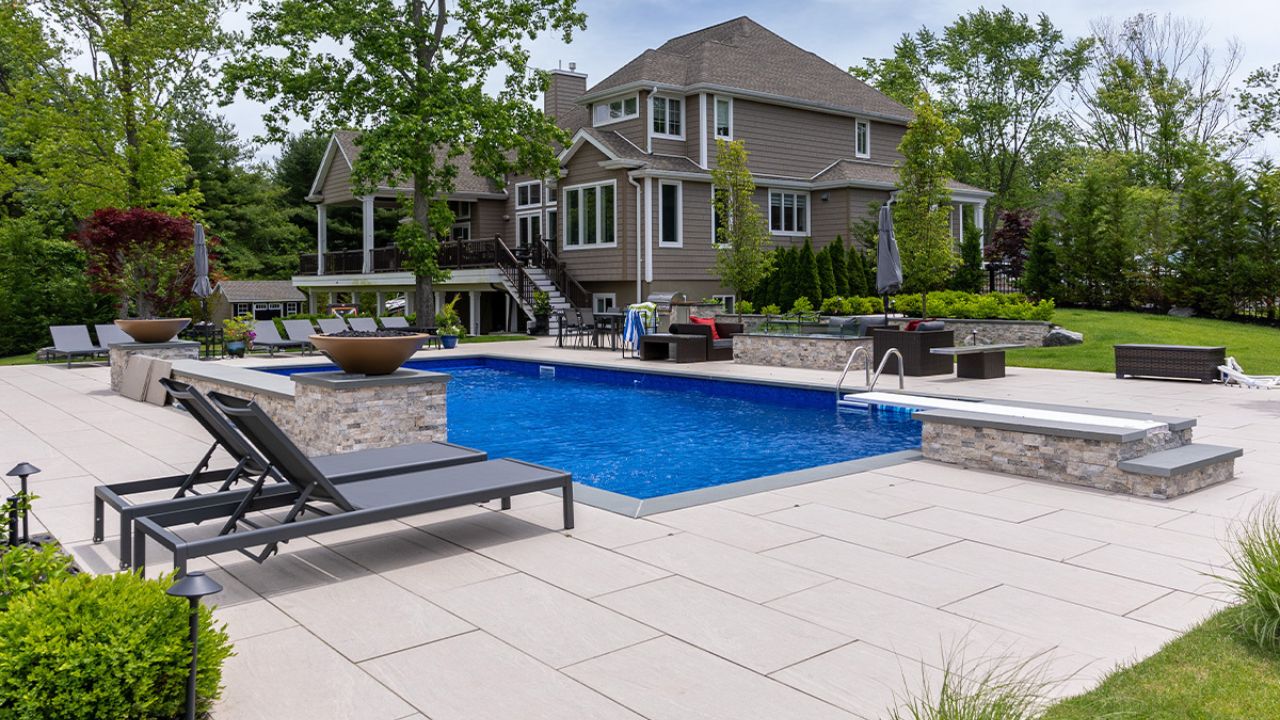
Surface Texture and Slip Resistance
Sandstone often comes with a naturally riven or grainy surface, offering traction without treatment.
Limestone pavers typically need a surface treatment or special finish to reduce slipperiness, especially when wet.
Environmental Suitability
In hot, dry climates, both stones perform well. But in humid or freeze-prone regions, limestone holds up longer in the outdoors.
Sandstone can also last decades indoors or in controlled garden environments.
Durability and Longevity
Limestone offers better water resistance, penetration prevention, and erosion, which makes it last longer.
Sandstone tiles are also durable but show signs of wear sooner through surface erosion and minor cracking, especially in a harsh climate or if not sealed regularly.
Where Sandstone And Limestone Work Best?
Both sandstone and limestone pavers have their distinct applications. Understanding them can help you determine their longevity accordingly.
| Application Type | Sandstone | Limestone |
| Outdoor Flooring | ✔ Patios, decks, terraces, pool surrounds (high slip resistance) | ✔ Patios, terraces (if sealed, non-acidic, mild climate)
✖ Not for extreme freeze-thaw or acidic spots |
| Walkways & Steps | ✔ Garden paths, stairs, heavy-traffic zones (grippy texture) | ✔ Durable if sealed and textured, but can become slippery if polished |
| Wall Cladding (Exterior) | ✔ Retaining walls, boundary walls, rustic facades, garden features | ✔ Facades, especially in mild/predictable climates—visually striking |
| Rooftop & Terrace Spaces | ✔ Strong UV/weather resistance, lighter colors stay cool | ✖ More vulnerable to acid rain, can fade or pit with extended UV |
| Indoor Flooring | ✔ Best for rustic, slip-resistant interiors | ✔ Kitchens, living, halls (sealed); elegant, cool underfoot |
| Bathroom & Spa Areas | ✖ Prone to staining, moisture absorption, and needs heavy sealing | ✔ With sealing, resists moisture, soft look, premium feel |
| Fireplace Surrounds | ✔ Adds warmth, natural texture, and stands up to heat well | ✔ Smooth, refined finish, excellent heat resistance |
| Architectural Styling | ✔ Great for earthy, rustic, modern-natural designs | ✔ Mediterranean, classical, minimalist interiors, timeless finish |
| Pool Coping | ✔ Slip-resistant, reliable for wet zones | ✔ Possible with anti-slip finish and professional sealing |
This table elaborates on the range of applications where sandstone and limestone work best and where they do not. Sandstone is an ideal choice for outdoors where safety is key, such as paths, patios, and pool surrounds. It has a naturally grainy surface that offers better grip for walking, especially in high-traffic areas.
Limestone is better used for elegant exteriors if the climate is not acidic and overly harsh. However, its surface sensitivity towards acid and slipperiness limits it in some outdoor usage.

Frequently Asked Questions About Sandstone vs Limestone
Let’s answer some of your most asked questions about sandstone and limestone.
Is sandstone better than limestone for outdoor patios?
Yes. Sandstone has a naturally textured surface that offers better slip resistance and is hard enough to be used in patios.
Can limestone last long if used indoors?
Yes. With proper care, it can last longer in an indoor application.
Which stone requires less maintenance between Sandstone and limestone?
Limestone generally requires less frequent sealing and is less reactive, making it easier to maintain in outdoor environments.
Is limestone more visually appealing than sandstone?
This depends on your design preference. Limestone offers softer, classic tones ideal for indoor elegance, while sandstone provides earthy textures perfect for natural-looking landscapes.
Can you use both stones together in one project?
Yes. In several projects, architects blend sandstone and limestone to create visual contrast. For instance, sandstone for the patio and limestone for vertical elements like walls.
Bottom Line
Choosing a stone between Sandstone vs limestone with better longevity can be subjective. Limestone comparatively lasts longer due to its thickness and less porous surface than sandstone. On the other hand, sandstone, offering an earthy look, is also durable.
However, it requires proper paver sealing. Though both sandstone and limestone require sealing but sandstone requires more, especially when used in high-traffic areas. The best way to choose the best stone paver is to discuss your requirements with a contractor. Make sure to get only high-quality stone from a reputable natural stone supplier in New Jersey, like NT Pavers, for the best experience.