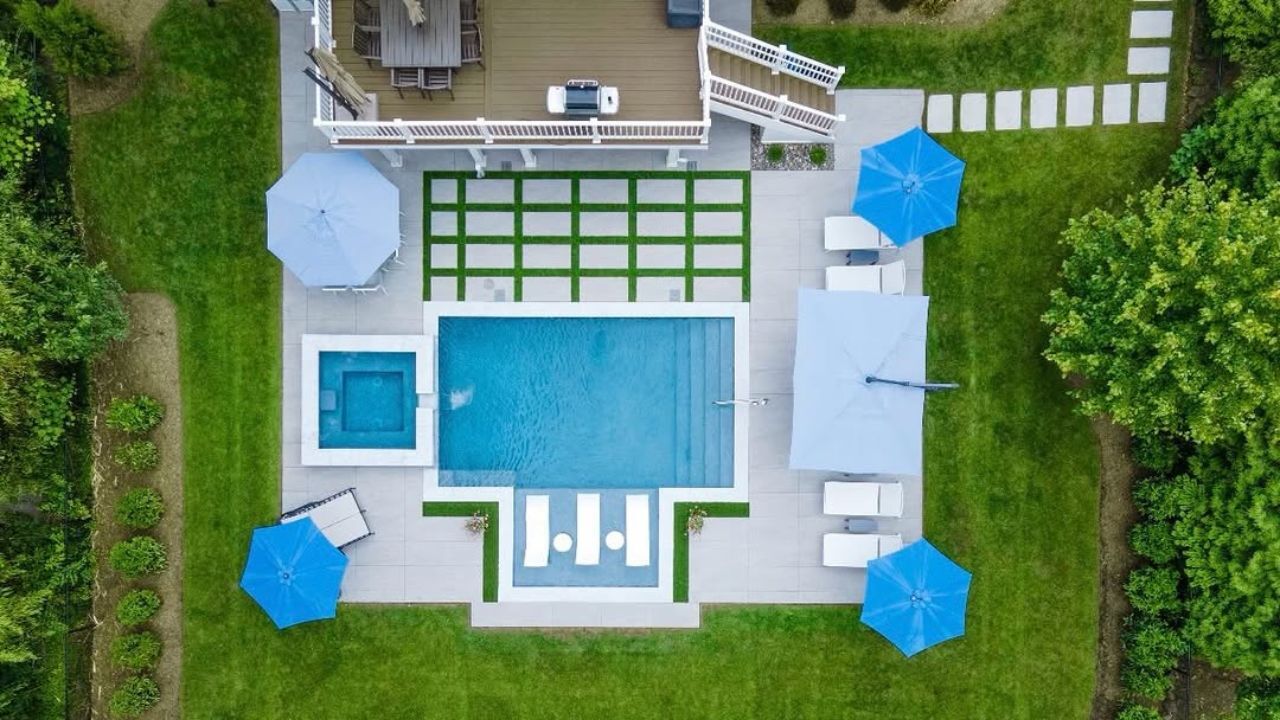
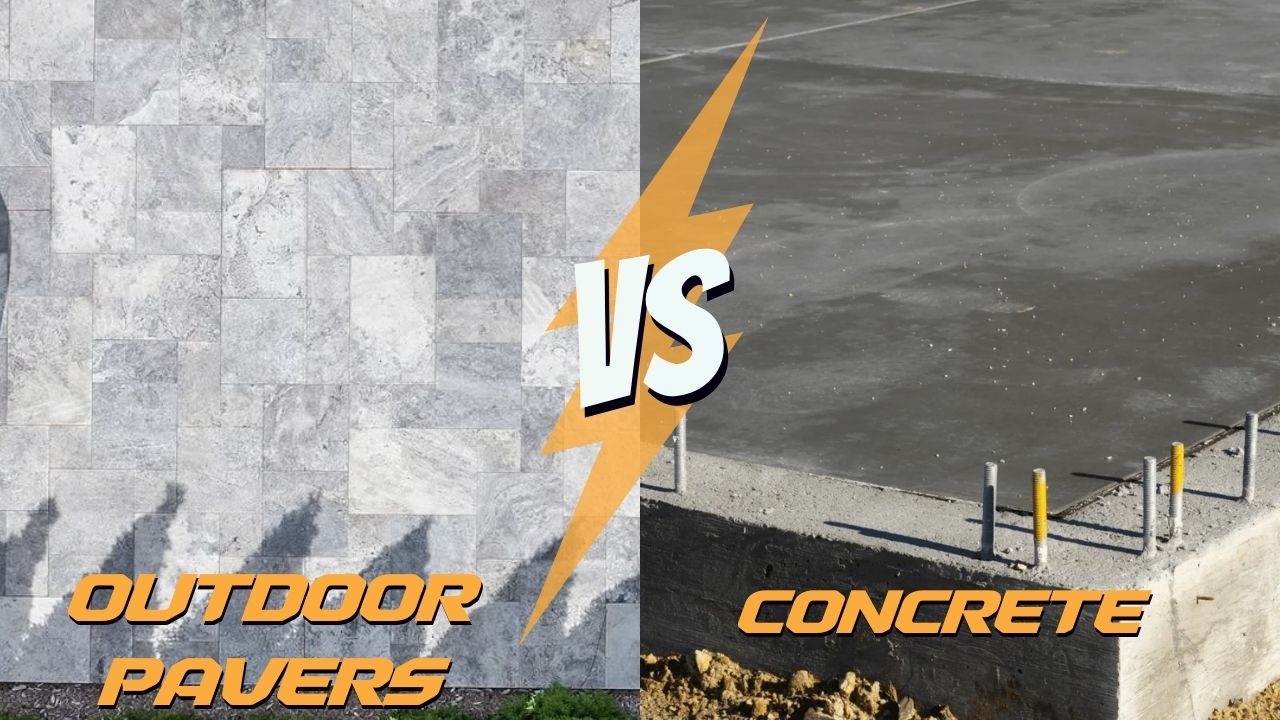
Many homeowners have to decide between outdoor pavers and poured concrete when it comes to landscaping projects. Both materials offer strong surfaces for patios, driveways, walkways, and pool decks. Also, each option features different costs, needs, and design limits. Right selection matters a lot as it will determine how the yard will look and perform under certain circumstances. The right material also affects the performance.
Though the resulting patio looked great when it was installed, it may develop cracks within a few years. This is why knowing which material works better for landscaping between pavers or concrete matters.
Continue reading the following guide to learn about outdoor pavers and concrete, and how to make an informed decision.
Outdoor Pavers vs Concrete Comparison
Both outdoor pavers and concrete pavers feature distinct looks, feels, and performance, as well as pricing. Here is a complete comparison of both materials to better understand.
| Feature | Outdoor Pavers | Concrete |
| Initial Cost | Higher upfront cost | More affordable initially |
| Durability | Flexible and less likely to crack | Strong but prone to cracking |
| Repairability | Individual pieces can be replaced | Often requires replacing the entire slab |
| Design Options | Many colors, textures, and patterns | Limited unless stamped or stained |
| Maintenance | Occasional joint sand replacement | Periodic sealing and crack repairs |
| Installation Time | Longer installation | Faster installation |
| Drainage | Better drainage through joints | Water may pool if not sloped properly |
What Are Outdoor Pavers?
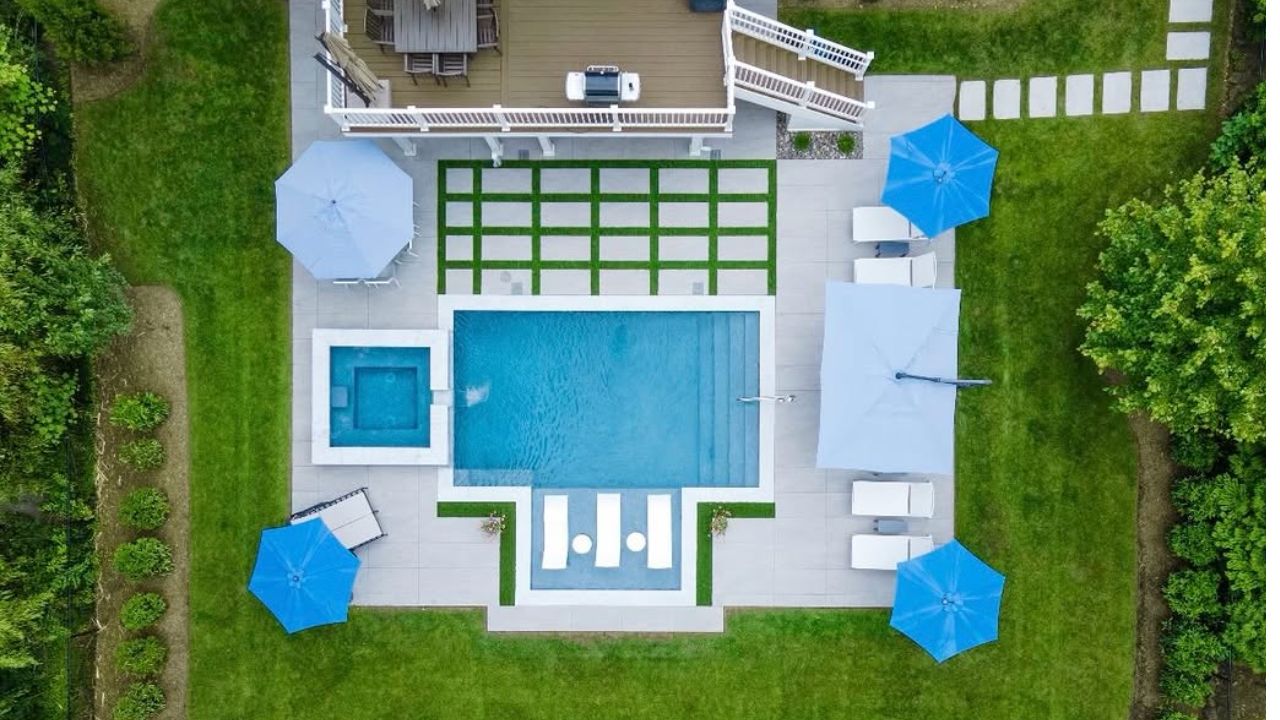
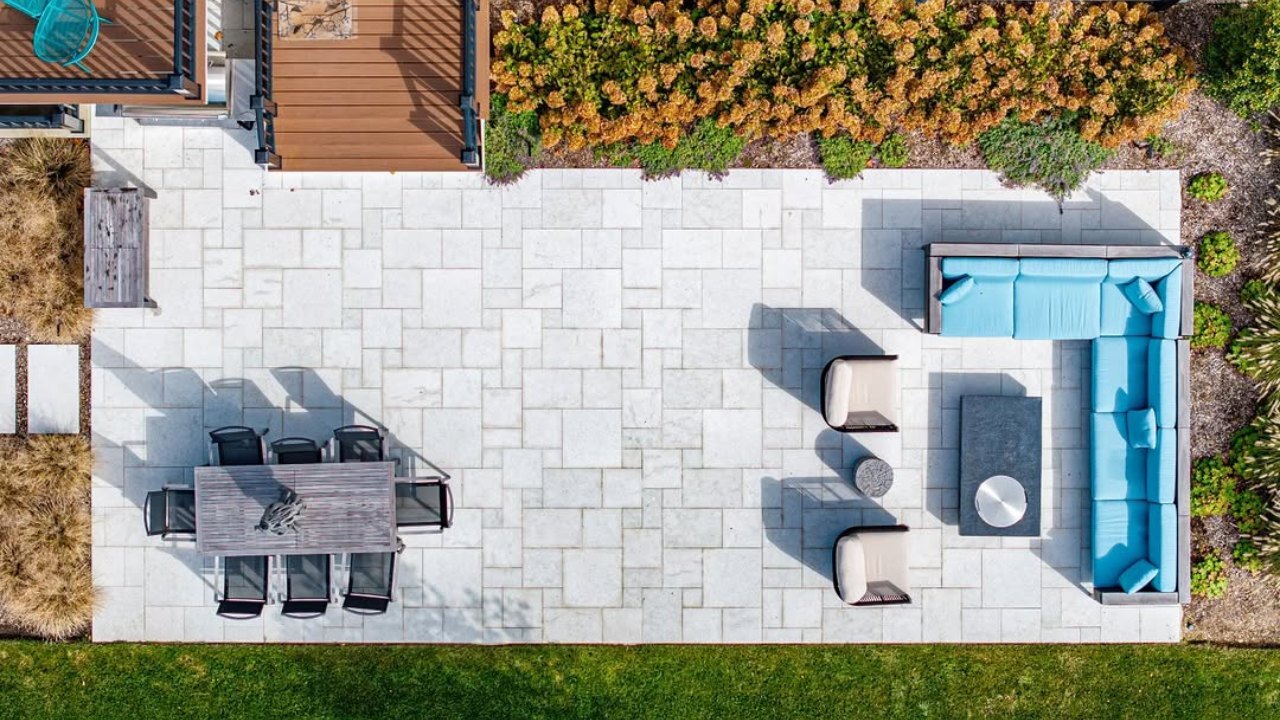
Outdoor pavers are the individual paving units that are made of different materials, such as Porcelain pavers, concrete, natural stone pavers, and clay bricks. Each piece sits on a prepared base of compacted gravel and bedding sand. The unit is placed tightly together, and joint sand locks the system in place.
There are many small pieces involved in a surface, so the system acts like a flexible pavement. It moves slightly with soil shifts and changes in temperature. These days, modern pavers feature a wide range of finishes and textures.
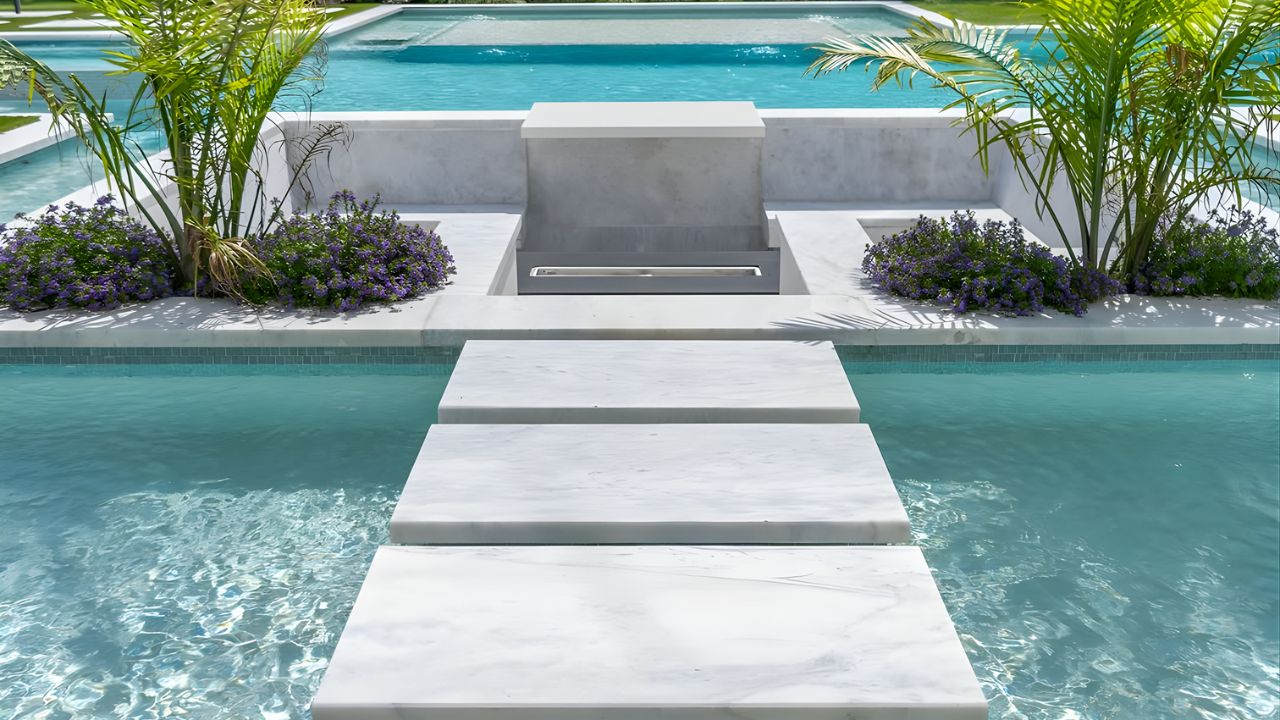
Companies such as NT Pavers focus on outdoor porcelain pavers designed for patios, rooftops, pool decks, and garden walkways.
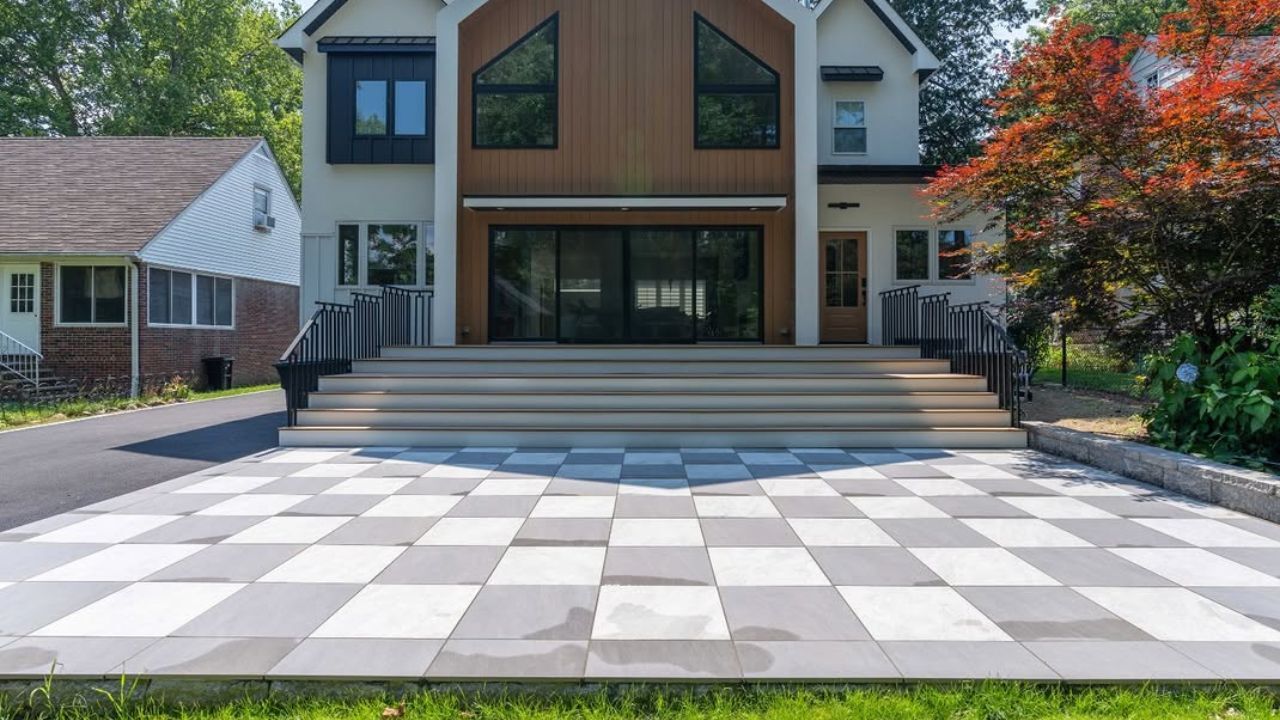
Common Outdoor Paver Applications
Typical landscaping uses include:
- Patios
- Pool decks
- Garden paths
- Outdoor kitchens
- Courtyards
- Driveways
The flexible structure helps homeowners replace one piece without demolishing the entire surface.
What Is Poured Concrete in Landscaping?
In landscaping projects, the mixture of cement, sand, gravel, and water is poured into a form. When the mixture is cured, it turns into a solid slab. The most common types include:
- Standard gray concrete slabs
- Stamped concrete
- Stained concrete
48×48 Concrete pavers can withstand heavy loads and traffic when properly installed for a limited time. However, this strength is also a weakness. The slab acts as a rigid surface. The temperature changes and soil shifting usually result in internal stress, which results in cracks due to pressure.
Contractors usually add control joints to guide where cracks occur, but these joints will not eliminate cracks. Concrete is the best choice for large areas. It creates a continuous surface without joints between individual units. Concrete is still widely popular in landscaping because it has a low initial cost and is easy to install.
Outdoor Pavers vs Concrete: Key Differences Homeowners Should Understand
Homeowners often compare these materials based on several factors. The most important factors include durability, installation, cost, design flexibility, maintenance, and drainage when evaluating porcelain pavers vs concrete pavers.
Durability and Structural Performance
Durability is the key factor for outdoor projects. It determines how a surface will handle pressure, weather, and soil movement.
Concrete creates a single non-flexible surface that doesn’t support ground movement. It can develop cracks over time, depending on the application. Freeze-thaw cycles in colder climates also expand trapped moisture inside the slab.
Pavers, on the other hand, act differently. Each unit is placed securely on the lay or sand and gravel. This structure offers minor movement without structural failure. Many paver systems last more than 30 or 50 years when installed on a correct base.
Concrete can last 20-30 years, but cracks may appear earlier depending on the condition of the soil. For long-term durability, pavers usually perform better in changing ground conditions.
Installation Differences Between Outdoor Pavers vs Concrete
Outdoor pavers installation methods are widely different between the two materials as well. Concrete takes less time but requires precision and usually follows this sequence.
- Digging the soil
- Prepare a gravel base
- Build wooden forms
- Pour the concrete mix
- Finish the surface
- Wait for the curing for several days.
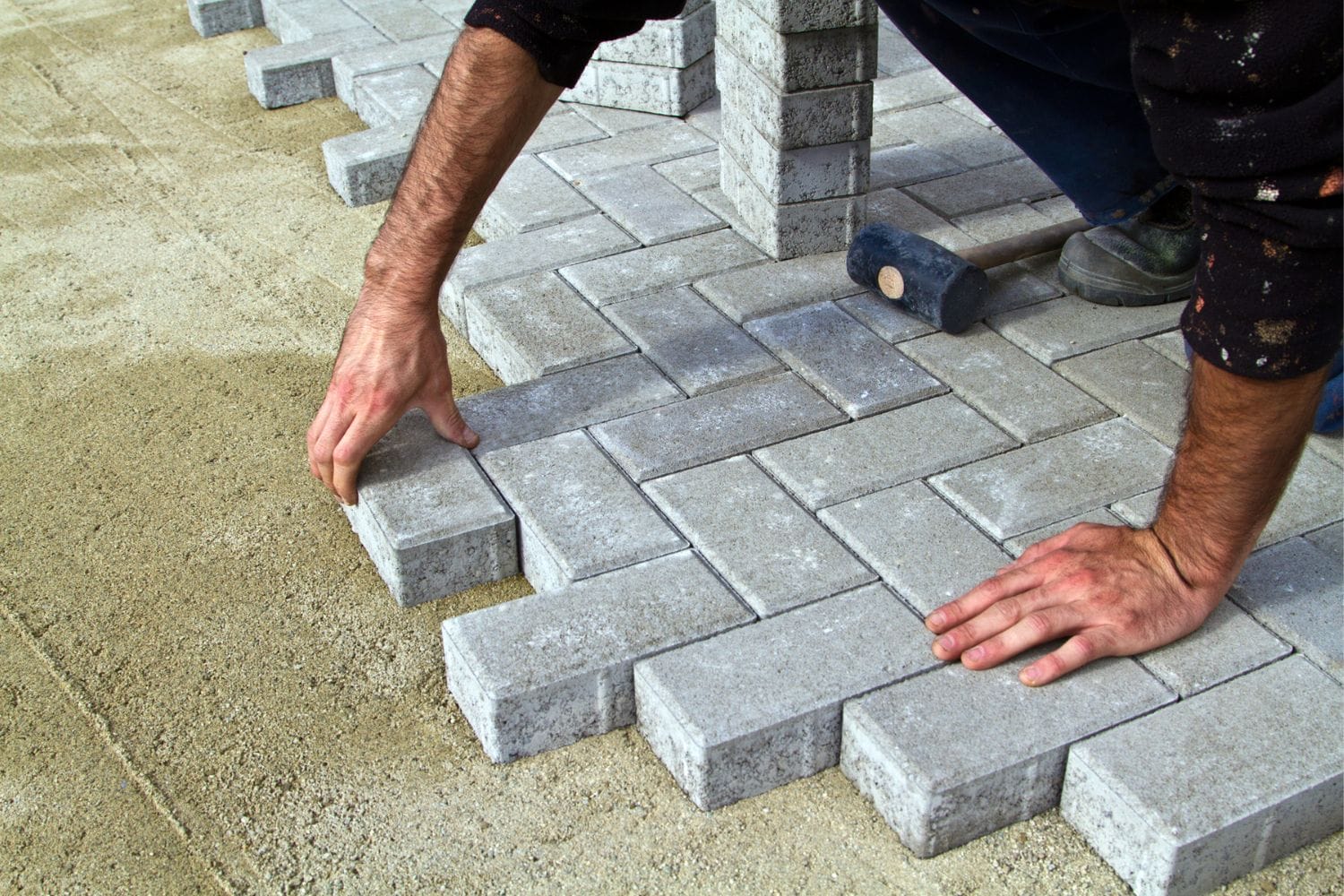
Once the slab cures, corrections are rather tough and almost impossible. Surface errors will remain permanent. Paver installation requires more steps but allows greater control:
- Digging and grading
- Compacted gravel base
- Bedding sand layer
- Placing the Pavers
- Edge restraints
- Joint sand compaction
This process is longer, but DIY installers can adjust individual pieces during installation. Many homeowners prefer pavers for this reason. The resulting surface is flexible, as mistakes can be fixed because of individual pavers.
Cost Comparison Between Outdoor Pavers And Concrete
Cost usually helps in determining the right material for the project.
Concrete is a rather affordable landscaping surface. A basic concrete patio costs less than pavers. Stamped or decorative concrete may cost more. Even that cost is comparatively lower than paver installation.
Pavers, on the other hand, require extensive labor and material. The gravel base, bedding sand, and installation time increase the total cost. However, these expenses are justified when it comes to longevity.
Concrete repair is not convenient. It often involves patching or replacing a section of the slab. However, this makes the color matching more of a hassle. Pavers are easy to repair, as one can replace individual pieces without demolishing the whole structure. Over the decades, maintenance costs may balance the higher initial investment.
Design Flexibility and Landscape Style
Freedom to design the outdoors also matters a lot in outdoor spaces.
Concrete as a material offers limited design options. Contractors can stamp patterns into the surface to mimic brick or stone. They can also apply stains or dyes. Even with these treatments, the design remains fixed after curing.
Pavers provide far greater flexibility. The manufacturers produce units of different shapes, textures, and colors. Installers can create patterns like:
- Running bond
- Herringbone
- Basket weave
- Modular layouts
The modern porcelain pavers can also be made to look like natural stones such as travertine and limestone.
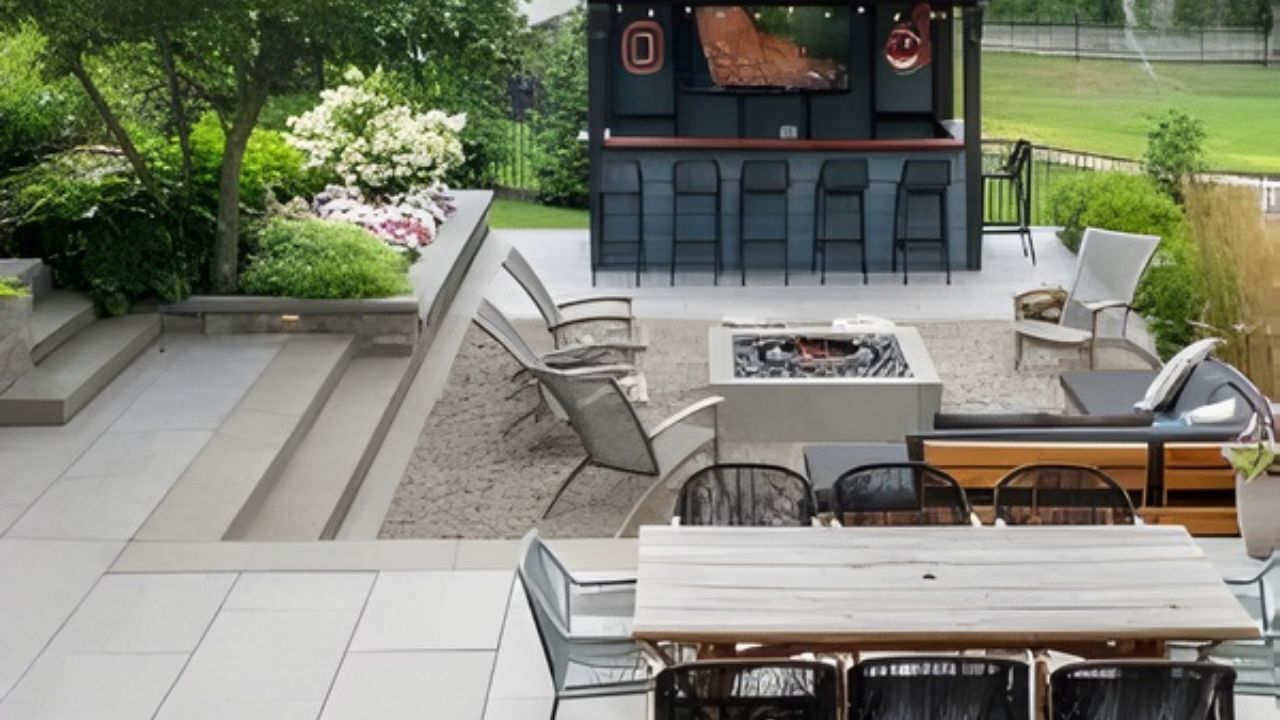
Landscape designers choose pavers for their flexibility, allowing them to create custom layouts around fire pits, gardens, and outdoor kitchens. The paver system’s flexibility is why so many high-end landscaping projects are based on it.
Drainage and Water Management
Drainage is crucial for outdoor projects to add safety and stability in the long run.
Concrete slabs cannot perform well without a carefully designed slope. Water should flow away from the structure, while poor slope design may result in puddles or runoff toward foundations.
Pedestal paver systems inherently offer improved drainage. Small joints between units offer better drainage through the surface. The gravel base under the pavers stores and redirects moisture.
Permeable paver systems improve this process further. These installations support sustainable drainage and reduce stormwater runoff. Pavers are a great option for landscapes that have drainage issues.
Maintenance and Repair
All outdoor surfaces require some maintenance. Concrete maintenance generally includes:
- Crack sealing
- Surface cleaning
- Periodic sealing
Cracks may appear within several years. Repairs include filling the cracks with sealant. Large cracks may require slab replacement.
Pavers, however, have different maintenance. Homeowners may need to:
- Replace joint sand every few years
- Remove occasional weeds between joints
- Clean the surface with water and mild detergent
If they notice any damage, they will simply lift the affected pavers and replace them. This convenient repair explains why many contractors prefer pavers for long-term projects.
Suitable Material Between Outdoor Pavers And Concrete for Outdoor Projects
Both outdoor pavers and concrete offer great value when installed in their respective projects. Not every outdoor landscape project is well-suited to outdoor pavers, and the same is true for concrete. Here is a complete breakdown of each material’s suitability for the project type.
| Landscaping Projects Best for Pavers | Landscaping Projects Best for Concrete |
| Patios:
Flexible surfaces resist soil movement beneath outdoor living spaces. |
Utility Walkways:
Simple paths that need quick installation and basic function. |
| Pool Decks:
Textured pavers reduce slip risk around water and improve drainage. |
Garage Slabs:
Large flat surfaces where structural strength matters more than design. |
| Garden Paths:
Individual units allow natural curves and organic layouts through landscaping. |
Basic Patios:
Suitable when homeowners want a low-cost outdoor seating area. |
| Driveways:
Interlocking pavers distribute vehicle weight effectively and resist cracking. |
Shed Foundations:
Solid slabs that support small outdoor structures. |
| High-End Outdoor Spaces:
Porcelain pavers resist stains, fading, and frost damage, making them suitable for modern outdoor environments. |
Large Simple Surfaces:
Works best when budget limits design complexity, and installation time must remain short. |
Outdoor Pavers vs Concrete FAQs
Let’s answer your questions about Outdoor Pavers vs Concrete.
What lasts longer between pavers and concrete?
Pavers last longer than concrete due to handling soil movement effectively. Pavers also distribute pressure and prevent large structural cracks.
Are outdoor pavers more expensive than concrete?
Yes. Pavers generally cost more than concrete because installation is more labor and material-intensive.
Do pavers increase home value?
Yes. Well-designed paver patios and walkways can attract potential. Attractive outdoor living areas can increase perceived property value.
Can DIY homeowners install pavers themselves?
Yes. Many homeowners prefer paver installation through a DIY approach with a proper base and compaction tool. The modular system allows corrections during installation.
Are pavers better for drainage than concrete?
Yes. The joints between pavers offer better water drainage, which helps reduce puddles and runoff.
Bottom Line
Outdoor pavers offer stronger durability and easier repairs with better design flexibility than concrete for most landscaping projects. Concrete is an affordable option for landscaping projects, but it is a rigid surface to work with and tougher to repair. At NT Pavers Homeowners who want long-term performance often prefer pavers.