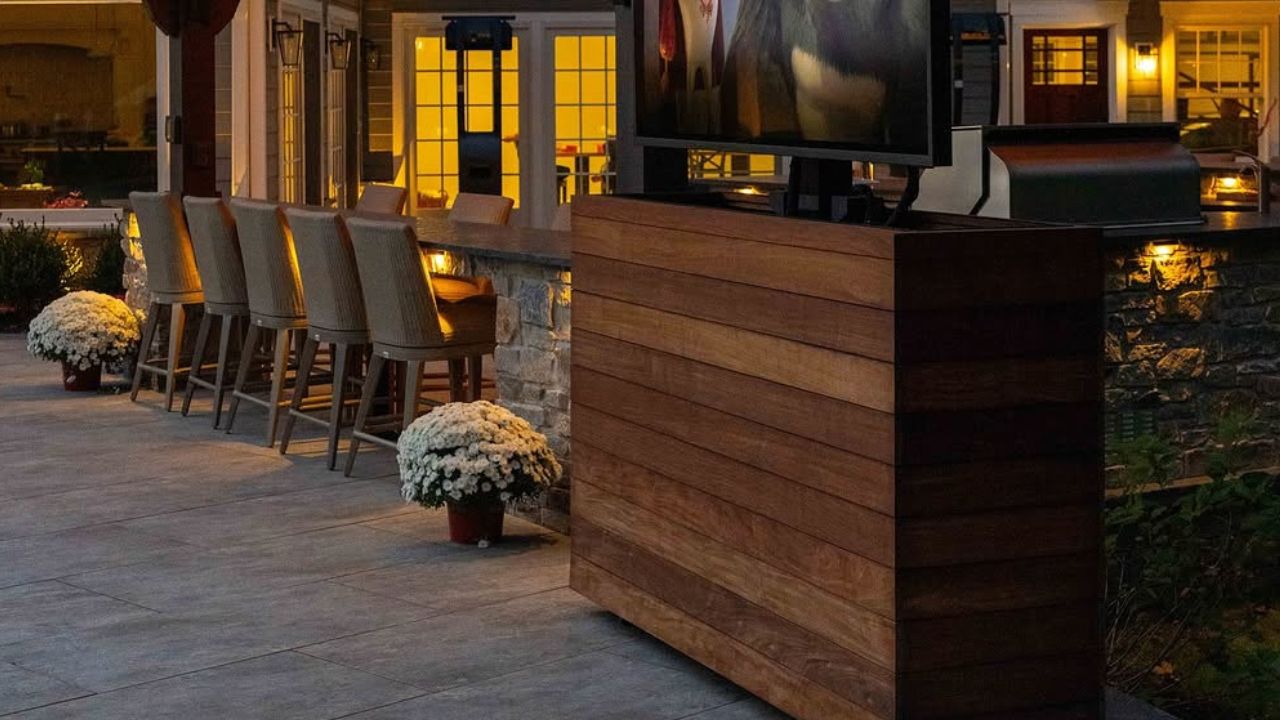
The right paving material determines how an outdoor space will look and function for years. Many homeowners wonder between marble vs coral stone pavers when planning patios, pool decks, or garden paths. Both of these stones have a distinct appearance, and so are their uses.
So the decision to choose the best between marble vs coral stone pavers usually depends on the environment, style requirements, and maintenance expectations. Some homeowners focus on the refined appearance of marble, while others like the cool underfoot with slip resistance.
Keep reading the following to learn about the difference between marble pavers and coral stone pavers to make an informed decision.
Overview Of Marble Vs Coral Stone Pavers
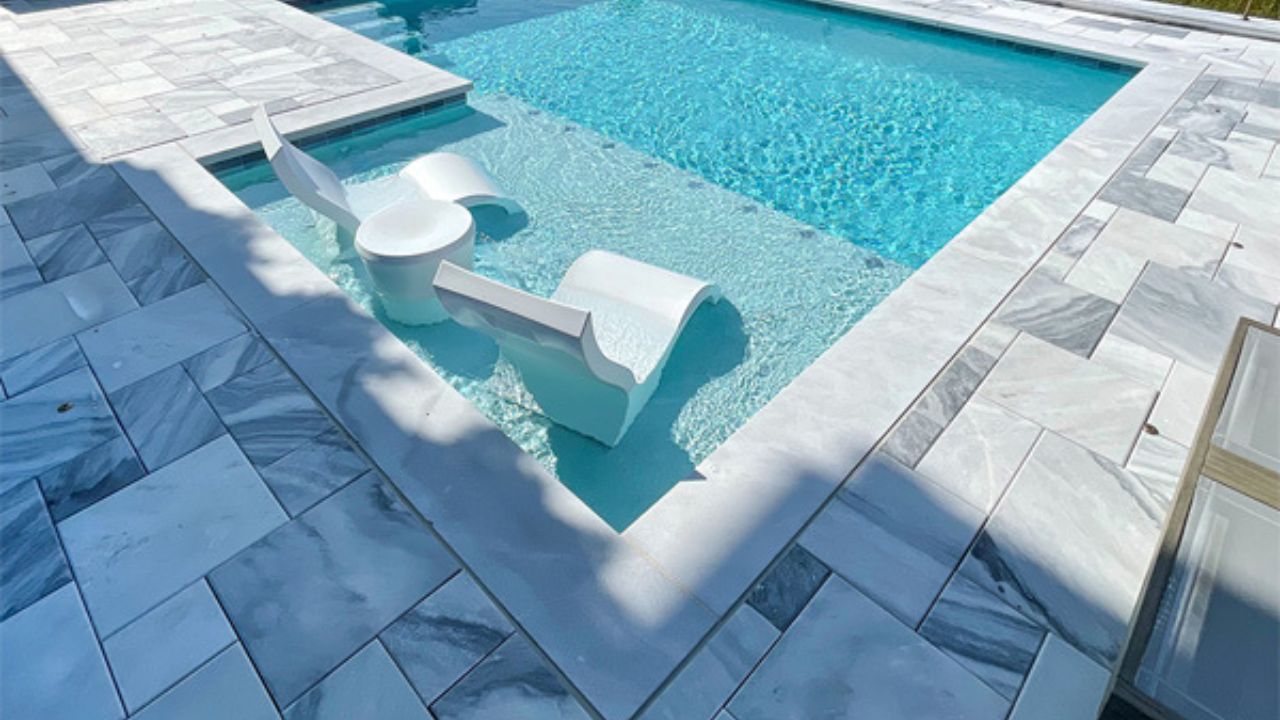
While both coral and marble stone pavers belong to the natural stone pavers category, they are distinctly different. From appearance to textured surface and colors, each paver type is different, due to which they have different applications. Here is an overview of both coral stone and marble pavers.
| Feature | Marble Pavers | Coral Stone Pavers |
| Stone Classification | A dense metamorphic stone formed when limestone undergoes heat and pressure deep within the Earth. | A sedimentary stone created from fossilized coral, shells, and marine limestone deposits. |
| Visual Appearance | Known for elegant veining and subtle color variation that creates a refined architectural look. | Displays fossil textures and natural patterns that give the surface a relaxed coastal character. |
| Color Range | Common colors include white, ivory, light gray, and beige tones that complement modern outdoor designs. | Typically appears in warm tones such as cream, sand, and light tan with visible fossil fragments. |
| Surface Texture | Often finished as honed, brushed, sandblasted, or tumbled to improve outdoor traction. | Naturally textured and porous, which creates inherent grip and organic visual depth. |
| Heat Performance | Reflects some sunlight due to lighter colors, but it can become warm under prolonged sun exposure. | Stays cooler underfoot because the porous structure reduces heat retention. |
| Slip Resistance | Requires textured finishes for safe outdoor use, especially around pools or water features. | Naturally slip-resistant due to small surface pores and rough fossil texture. |
| Durability | Dense and structurally strong, suitable for patios, courtyards, and moderate-traffic outdoor areas. | Slightly softer than marble, which may lead to gradual wear or edge chipping in heavy-traffic zones. |
| Water Absorption | Low to moderate absorption when sealed properly, which helps prevent staining. | Higher natural porosity, which requires sealing to reduce water penetration. |
| Maintenance Requirements | Requires sealing and routine cleaning with neutral stone cleaners to preserve color and finish. | Requires periodic sealing because the porous surface can absorb moisture and dirt. |
| Best Outdoor Applications | Ideal for luxury patios, garden terraces, and formal courtyard landscapes. | Ideal for pool decks, tropical landscapes, and coastal outdoor environments. |
| Comfort Underfoot | Smooth and comfortable for walking, but may warm during hot summer conditions. | Remains cooler and provides better barefoot comfort in sunny climates. |
| Design Style Compatibility | Works well with modern, Mediterranean, and classical architectural styles. | Fits coastal, tropical, and natural garden landscapes. |
| Installation Considerations | Requires a stable base and professional installation to maintain alignment and prevent movement. | Also requires a stable base, but installers must consider the stone’s softer structure. |
| Long-Term Appearance | Maintains a refined look with proper care, though scratches or etching may appear over time. | Develops a natural patina that enhances the rustic character of the stone. |
| Typical Use in Landscape Design | Often selected for statement patios and elegant outdoor entertaining spaces. | Frequently chosen for pool surrounds and relaxed outdoor living areas. |
As you can see, both are different, where marble is associated with luxury and beauty. Coral stone is more on slip resistance, natural charm, and traction.
What Are Marble Pavers?
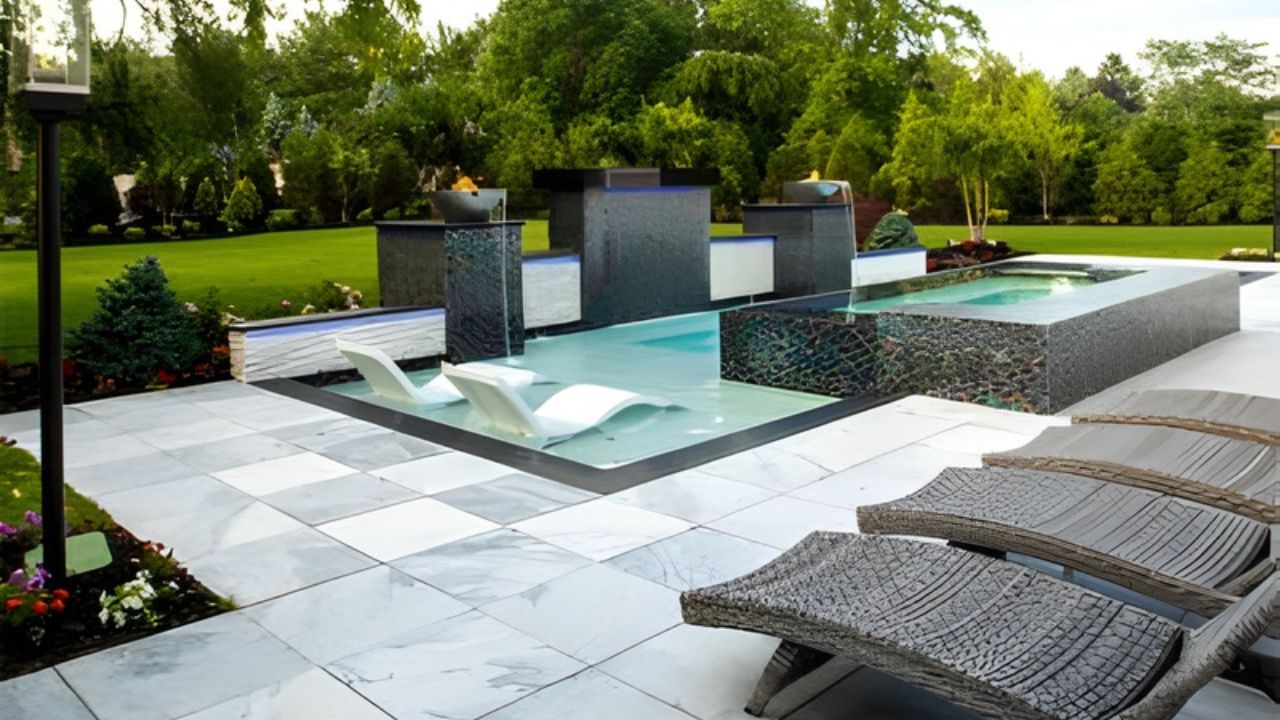
Marble pavers are crafted from the natural metamorphic stone that forms when limestone undergoes intense heat and pressure over long geological periods. This results in dense sryctels that create those famous veining patterns, which the marble surface is known for. This is the reason why marble is a popular choice for courtyards and patios, which highlights the natural sophistication. Designers often select marble for outdoor living areas where appearance matters as much as durability.
Key features of marble pavers
Marble pavers offer several key features, such as:
- Each marble slab contains unique veins and color variations. The patterns are so unique. No two slabs have similar patterns, which creates a visual depth and a unique visual experience.
- Marble features a dense surface that is denser than many other sedimentary stones. It can support outdoor foot traffic effortlessly.
- Outdoor-rated marbles are widely available in different textures and finishes that improve traction when wet. These finishes may include honed, sandblasted, brushed, and tumbled. They reduce the smoothness of the polished marble and make the surface suitable for patios and garden walkways.
Best Applications Of Marble
When homeowners compare marble vs coral stone pavers, marble often wins in projects that require visual sophistication. Marble works well in most formal patios, courtyard gardens, outdoor dining areas, and decorative terraces. Designers frequently combine marble with modern architecture as the stone complements clean lines and neutral color palettes.
What Are Coral Stone Pavers?
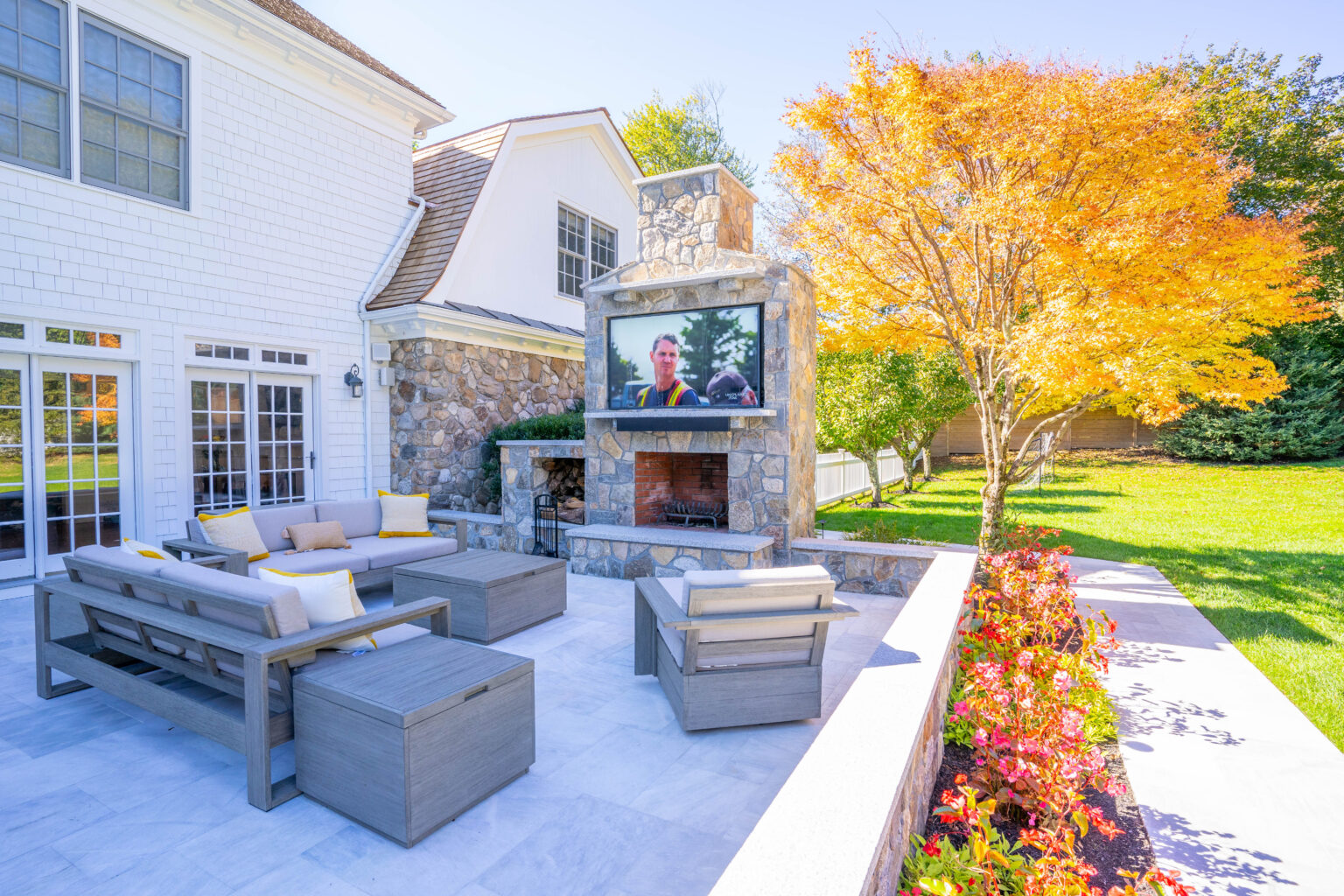
Coral stones form in shallow marine environments. Coral fragments, shells, and sediments of limestone pavers are compressed over time into rock layers. These layers retain fossil textures visible on the surface of the stone. This natural material displays irregular patterns and small shell impressions.
This geological origin gives coral stone several features that influence outdoor performance.
Key features of coral stone pavers
When homeowners research marble vs coral stone pavers, they often notice that coral stone offers unique functional advantages.
- Coral stone contains small pores formed during fossilization. These pores create a natural grip and help water drain from the surface.
- The porous structure reduces heat buildup and stays cool underfoot. In hot climates, coral stone stays comfortable under bare feet.
- Coral stone floor shows fossil details and irregular textures. This appearance fits landscapes that aim for a relaxed or coastal atmosphere.
Where does coral stone work best outdoors?
Coral stone pavers perform well in environments where comfort and safety matter. Designers often install coral stone in pool decks, tropical gardens, coastal landscapes, and spa areas
In these settings, homeowners often prefer coral stone when evaluating marble vs. coral stone pavers because the surface stays cooler and offers strong traction.
Marble vs Coral Stone Pavers: Visual Design Differences
When thinking about marble vs coral stone pavers, a major comparison would be the visual difference. Learn about which stone creates a more refined appearance. They are distinctively different from each other.
Marble appearance
Marble features a finer aesthetic with beautiful veinings through the surface. The stone comes in both light and dark tones, from white, grey, beige, to blue and dark greys. Designers use marble when they want a polished look that resembles classical architecture.
Coral stone appearance
Coral stone features a natural coastal personality. Fossil patterns and textures on the surface create a rustic and rugged appearance like travertine that pairs naturally with greenery and natural landscapes. It is well-suited for homeowners who prefer a natural look and warmth over polished ones.
Marble vs Coral Stone Pavers: Slip Resistance and Safety
Safety matters when installing pavers near water. In the comparison between marble vs coral stone pavers, the traction difference matters a lot. It is important to understand which paver offers better traction.
Marble traction
Marble with a polished finish is prone to being slippery. It gets even more slippery when it comes into contact with water. For outdoors, textured marble finishes such as sandblasted or brushed offer better traction and grip. These finishes increase friction and make marble suitable for patios.
Coral stone traction
Coral stone has a porous, yet naturally textured surface. This means it has better slip resistance with increased friction and prevents slipping. This quality makes coral stone a popular option for pool decks.
Marble vs Coral Stone Pavers: Durability and Longevity
Durability matters a lot when performing in outdoor environments. It determines how long the pavers will perform at a satisfactory level. When homeowners analyze marble vs coral stone pavers, they should consider stone density.
Marble durability
Marble belongs to the metamorphic category, which creates a dense and strong surface. Marble can handle outdoor foot traffic when properly sealed and maintained. However, marble tiles or pavers may scratch or stain if exposed to acidic substances.
Coral stone durability
Coral stone has a softer surface because of the sedimentation. However, it performs well in outdoor conditions, but it may chip or erode more easily than marble. This difference becomes important in areas with heavy traffic or furniture movement.
Marble vs Coral Stone Pavers: Maintenance Requirements
Maintenance requires between marble and coral stone pavers will determine how the maintenance requirements for both of these stones will be for homeowners.
Marble maintenance
Marble takes advantage of regular sealing depending on its application. Periodic sealing protects the surface from stains and moisture penetration. Cleaning typically requires neutral stone cleaners.
Coral stone maintenance
Coral stone also requires sealing because of its porous structure. Sealers reduce moisture absorption and help maintain the fossil texture. Regular cleaning prevents dirt from settling into surface pores.
Marble vs Coral Stone Pavers FAQs
Let’s answer your questions about Marble vs Coral Stone Pavers.
Are marble pavers good for outdoor patios?
Yes. Marble pavers are well suited in patios and courtyards with texture finishes and properly sealed regularly.
Do coral stone pavers stay cool in the sun?
Yes. Coral stone generally stays cooler than dense stone due to its porous structure, which reduces heat absorption.
Which is more durable: marble or coral stone?
Marble, because of its thickness and strength, while coral stone is softer and may chip easily under heavy use
Are coral stone pavers slippery when wet?
No. Coral stone provides natural traction because its textured surface increases friction and helps water drain.
Do marble pavers require sealing?
Yes. Sealing marble pavers is crucial to prevent stains and protect the stone from moisture damage.
Bottom Line
In the marble vs coral stone pavers, both offer distinct appearances and applications. At NT Pavers, while neither is superior to the other, both can be used outdoors according to the homeowner’s preference. Marble is widely associated with luxury, strength, and a soft and refined appearance. Coral stone has a naturally textured and porous surface.
Marble paver is ideal for homeowners who prefer an upscale look for patios, while coral stone is good for pool decks due to natural traction. Just make sure your preferred material is fulfilling your aesthetic and practical requirements.