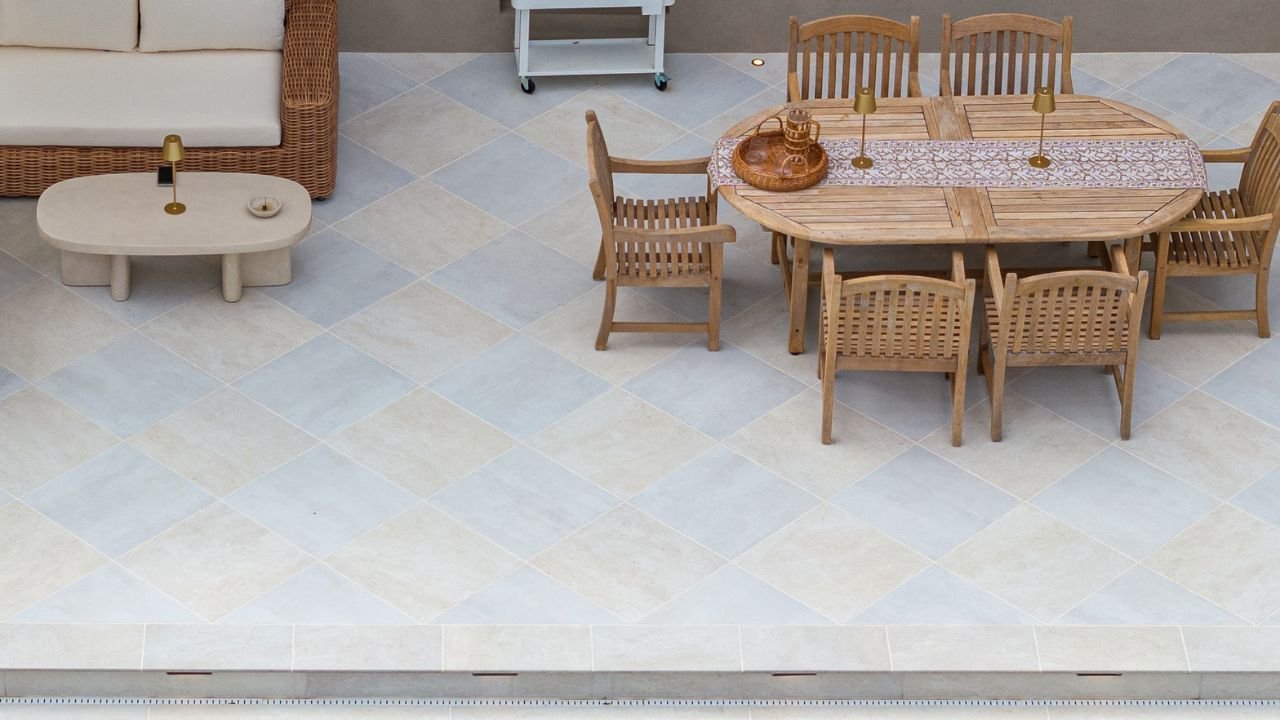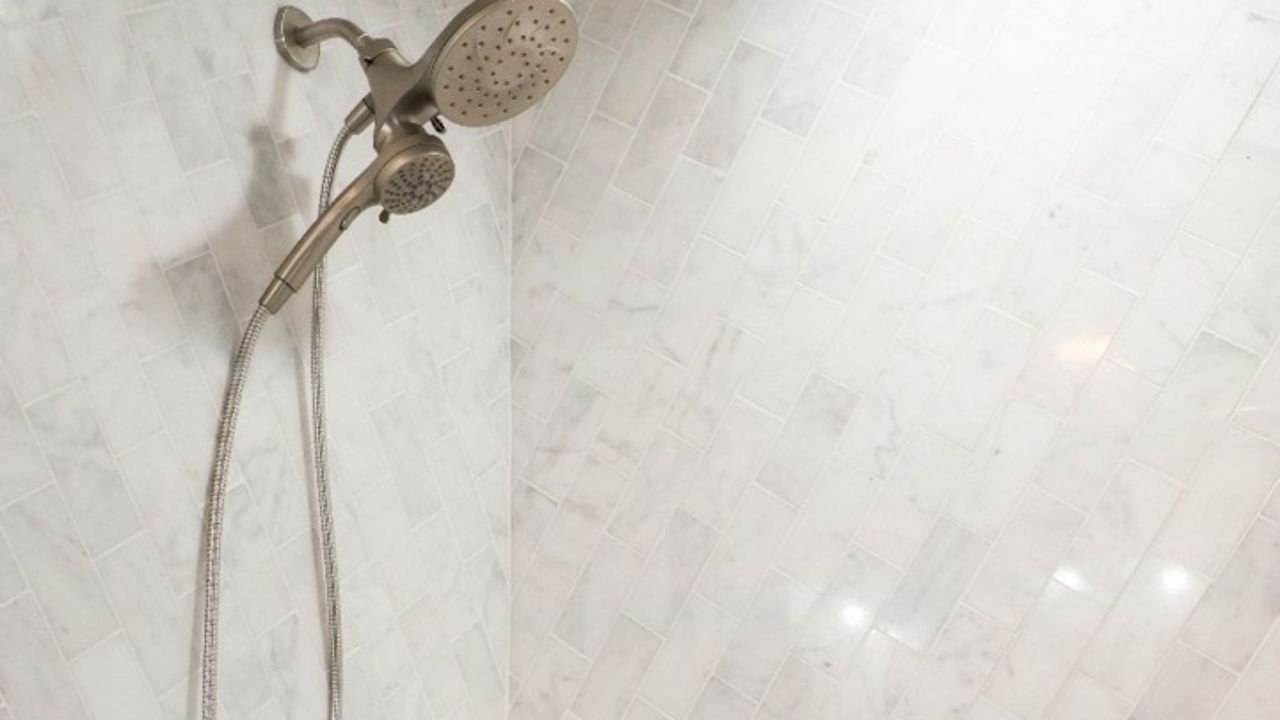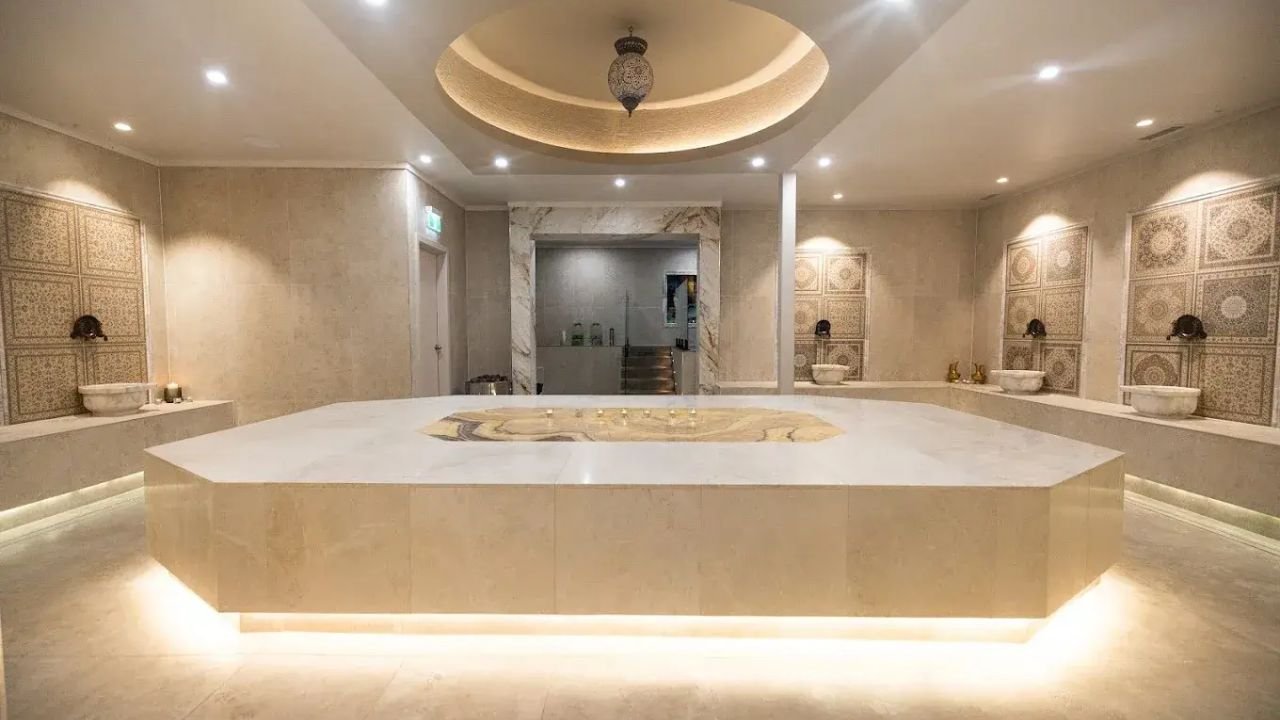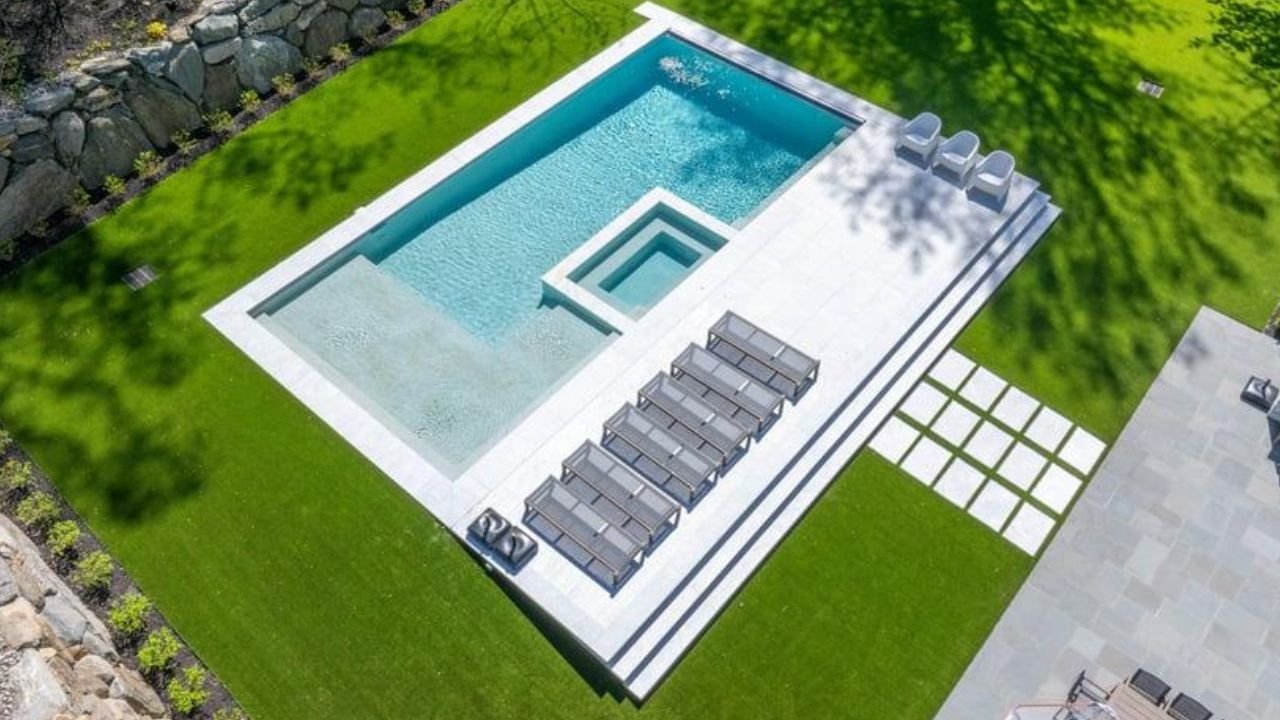

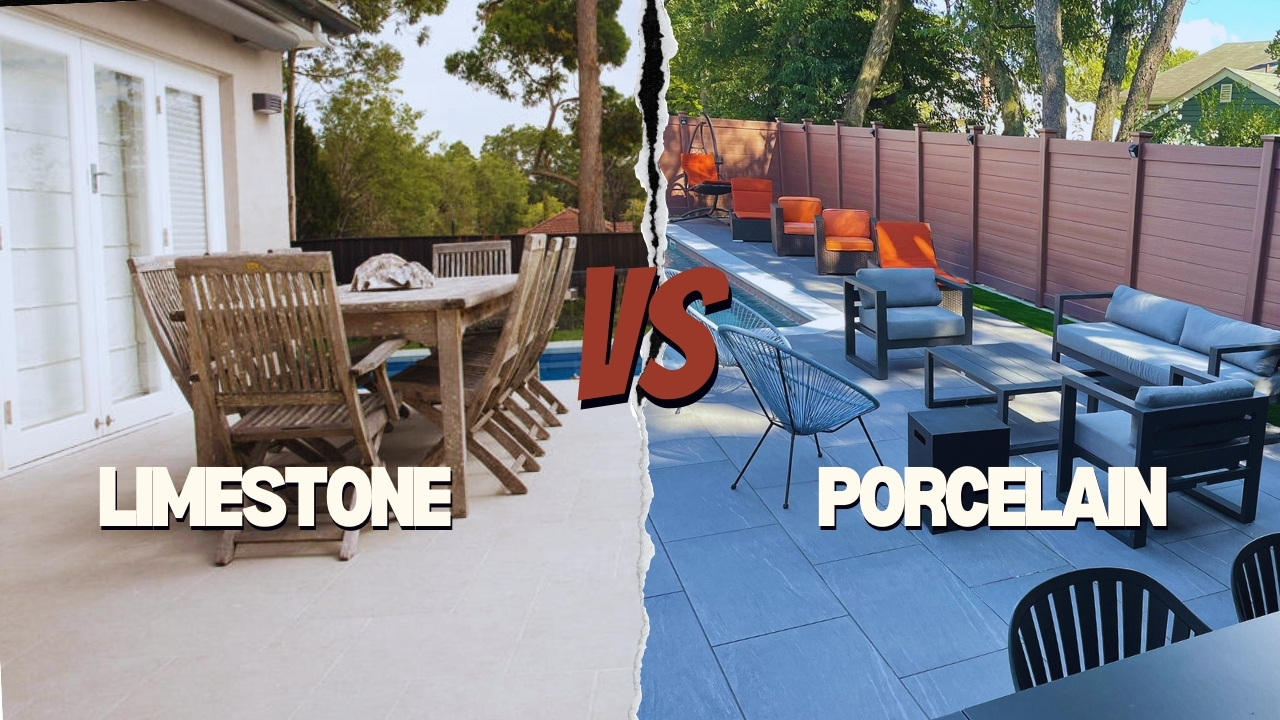
Your outdoors should be as beautiful as your interiors. Having a charming outdoors also includes the floorings that scream quality and beauty. Though most homeowners often consider porcelain pavers, limestone pavers offer some distinct advantages. This is why they are a better choice for outdoor flooring than porcelain. While both work in their own way, it is usually the project managers, builders, or the client’s preference that makes either material a great choice. Here is what you need to know.

Differences Between Limestone Vs Porcelain Flooring Materials
Outdoor flooring shouldn’t just look aesthetic but offer functionality as well. Porcelain and limestone pavers are becoming a favored choice.
What Is Limestone?
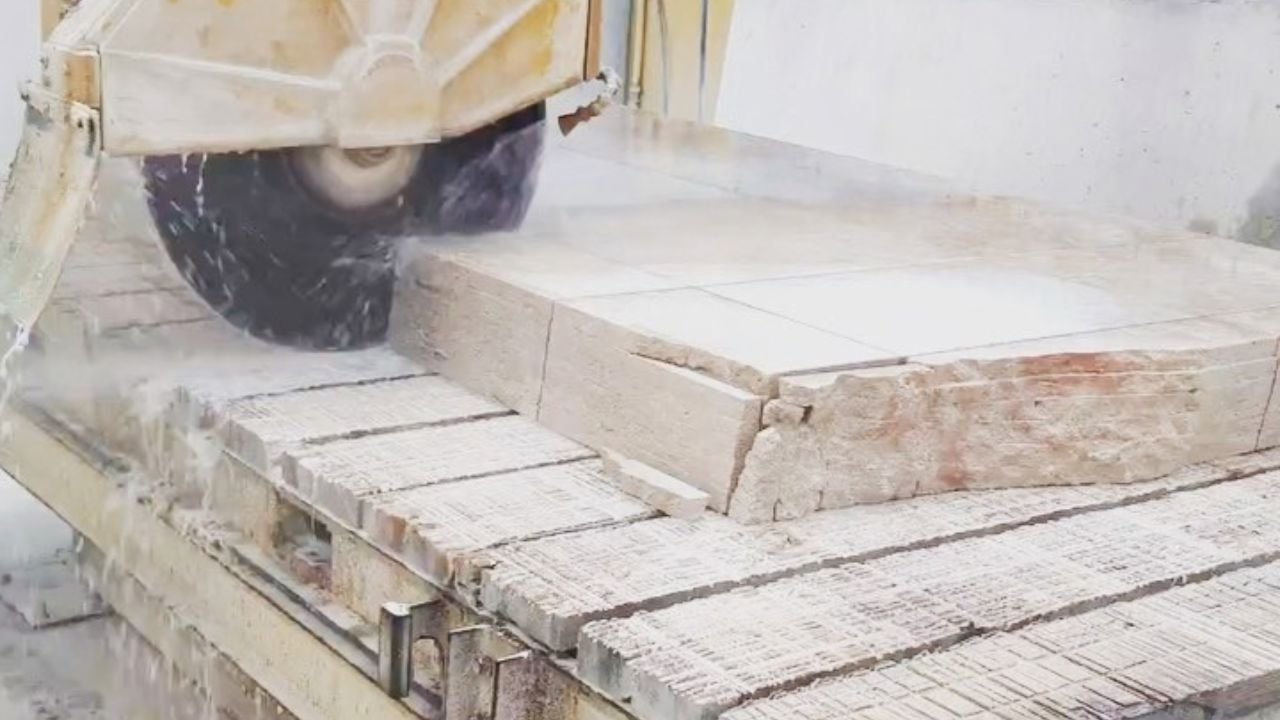
It is a sedimentary rock, formed naturally over millions of years. It has unique textures and mineral patterns. It can also form when calcium carbonate is added to water. It is widely used in construction, usually for landscaping or hardscaping projects.
What Is Porcelain?
It is made from refined clay and minerals, is non-porous, with a water absorption rate of 0.5. It is fired at high temperatures for hardness and consistency. It has a wide range of color hues, sizes, and textures. It is also available, mimicking even natural stones.
Porcelain is a tough and durable material by all means. Just like natural stone tiles, Limestone pavers have that natural appeal and beauty that looks and feels authentic with a distinct appearance. This is why both of these materials are heavily sought after by modern homeowners and landscapers.
| Feature / Attribute | Limestone | Porcelain |
| Material Origin | Natural sedimentary rock formed over millions of years | Manufactured ceramic made from refined clay and minerals |
| Formation & Composition | Primarily calcite with occasional fossil inclusions; naturally occurring mineral patterns | Kaolin clay, feldspar, and silica, fired at >1200°C for vitrification |
| Mohs Hardness | 3–4 (resists moderate wear; softer than porcelain) | 7–8 (high hardness, highly scratch-resistant) |
| Water Absorption Rate (ASTM C97) | 0.2–12% depending on density; breathable and porous | <0.5% (impervious to water) |
| Thermal Mass & Heat Reflectivity | High thermal mass; cooler underfoot in sunlight; higher albedo in light colors | Lower thermal mass; darker tiles absorb heat quickly, may reach >60°C surface temperature |
| Slip Resistance (ASTM C1028 / R-rating) | Naturally textured or tumbled finishes are often R11 or higher | Slip resistance varies; structured finishes can reach R11, polished finishes may drop to R9 |
| Freeze–Thaw Resistance | Performs well when sealed; porosity allows pressure relief in freezing climates | Excellent in freeze–thaw cycles due to vitrification |
| UV Stability | Natural colors fade minimally over decades | UV stable pigments; patterns stay consistent |
| Impact Resistance | Absorbs small impacts without chipping; patina hides wear | Very high density but brittle under sharp impact; cracks are noticeable |
| Design Options | Honed, tumbled, brushed, flamed; unique stone character in each piece | Rectified, glazed, or full-body designs can mimic stone, wood, or concrete |
| Environmental Impact & Sustainability | Lower embodied carbon; quarry rehabilitation is possible; recyclable; can contribute to LEED points | Higher embodied carbon from manufacturing; long lifespan offsets replacements |
| Typical Outdoor Applications | Patios, pool decks, garden paths, courtyards, terraces | Driveways, high-traffic commercial plazas, and outdoor kitchens |
| Maintenance Needs | Sealing with a penetrative sealant every 3–5 years; avoid acidic cleaners | Virtually maintenance-free; occasional cleaning only |
| Repairability | Easy to replace with a visually similar stone | Replacements may not match the batch exactly |
| Cost Range | Moderate to high, depending on quarry and finish | Moderate to high, depending on brand and design complexity |
As you can see, limestone offers a naturally textured surface, color variations, easy repairability, with several other benefits. While porcelain is also durable but it has that manufactured look and feel with no owned personality. You can assess and make an informed decision.
Limestone vs Porcelain Durability For Outdoors
Limestone is a durable natural stone compared to synthetic porcelain. This is one of the major reasons when choosing limestone over porcelain. It affects how your flooring handles heavy use, changing weather, and time.
Limestone
This natural stone has a proven track record in outdoor durability. From historic buildings, courtyards, to pathways made from limestone have lasted for centuries. They have resisted wear from foot traffic, rain, heat, and frost. The natural density of limestone helps it to absorb minor impacts such as dropped tools or moving furniture without visible damage.
Porcelain
It is also dense, which helps it to resist scratches effectively. However, it is susceptible to damage under heavy impact. When cracks occur, they can be difficult to repair seamlessly, and replacements may not match the original batch.

Limestone Vs Porcelain- Outdoor Comfort and Safety
A functional outdoor space should offer a surface that is easy to walk on barefoot and that does not get wet. Limestone is a clear winner here because:
- Limestone stays cooler under direct sunlight, which makes it ideal for barefoot comfort in warm climates.
- The naturally textured surface provides grip that reduces slip hazards around pools or wet areas.
- Lighter-colored, matte-finish porcelain tiles can be slip-resistant and cooler than darker, glossy options.
While porcelain offers a durable and dense surface for outdoors, it can get hot under direct exposure to sunlight. If you’re wondering, are porcelain pavers durable? The answer is yes, but their performance in comfort and safety depends on the finish. You cannot walk barefoot on it. Also, slip resistance depends on some finishing types, as a polished one can be slippery when wet.
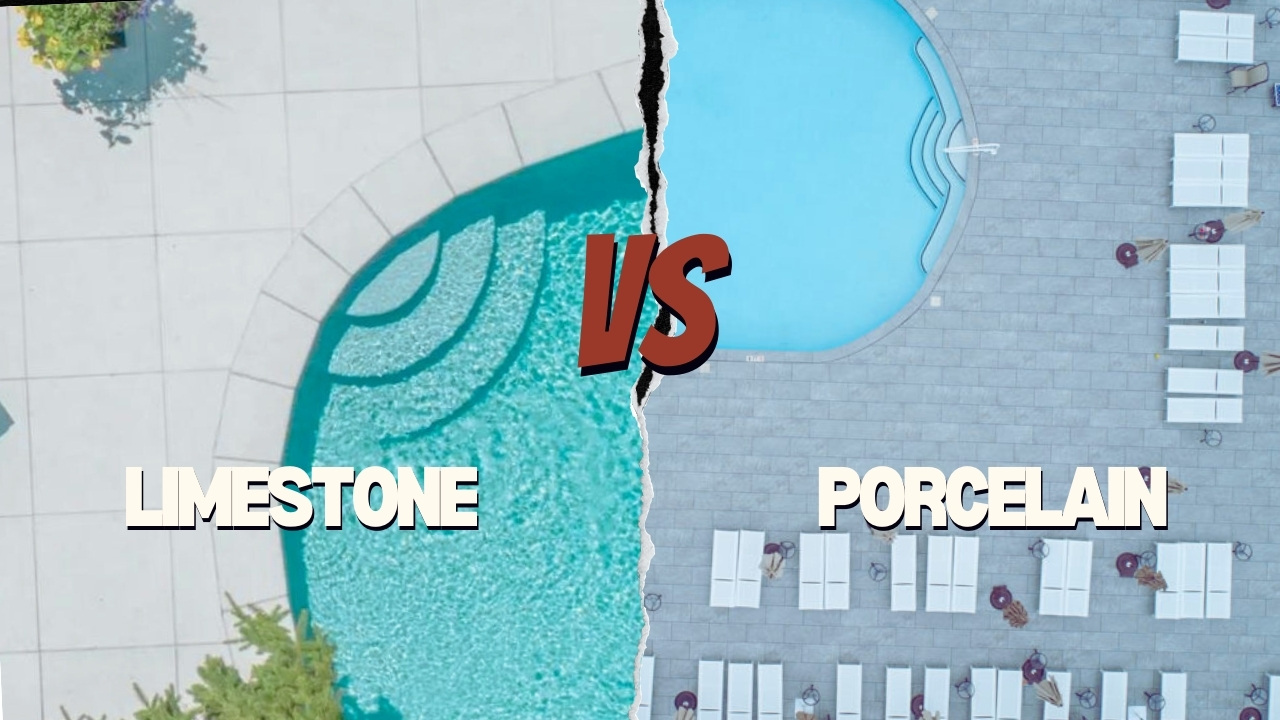
This is why limestone makes perfect sense for high-traffic limestone pool decks and patios. The comfort and grip often make it a safer option for outdoors.
What Are the Environmental Impacts of Limestone vs Porcelain?
Environmental impact comes from the sourcing, manufacturing, and transportation of the material.
- Limestone requires quarrying and cutting. However, it doesn’t require high-temperature firing, keeping embodied energy lower. Locally sourced limestone reduces transportation emissions.
- Porcelain needs high-temperature kilns (over 1200°C), increasing energy use. However, its longevity reduces the need for replacement.
Sustainability-focused projects often choose limestone from local quarries as it is a natural and eco-friendly material.

Maintenance Requirement Between Limestone vs Porcelain
Outdoor surfaces often have to face high pressure from outdoor elements, like dust, debris, and weather. Natural stone pavers, in general, require more maintenance than materials like porcelain.
-
Limestone requires sealing with a penetrative sealant every few years to guard against stains and weather. Knowing how to clean outdoor limestone properly, including routine sweeping and occasional washing, keeps it in good shape.
- Porcelain requires minimal maintenance without sealing, and cleaning is straightforward.
Though porcelain wins for loo-maintenance, limestone appeals to those who value a surface that evolves with age and can be repaired without noticeable differences.
Limestone Vs Porcelain FAQs
Let’s answer some of the most common questions about Limestone Vs Porcelain.
What is the main reason to choose limestone over porcelain for outdoor flooring?
Its natural beauty, cooler surface, and slip resistance make limestone ideal for outdoor comfort and safety.
How does limestone handle weather changes compared to porcelain?
Limestone performs well in most climates, especially when sealed. Porcelain is resistant to water, so it performs well in freeze-thaw zones.
Which lasts longer outdoors, limestone or porcelain?
Both can last decades. Limestone develops a patina over time; porcelain maintains its original look.
Is limestone harder to maintain than porcelain?
Yes, limestone needs sealing and periodic care, while porcelain is almost maintenance-free.
Which is more eco-friendly, limestone or porcelain?
Locally quarried limestone often has a lower environmental footprint than porcelain due to less manufacturing energy.
Bottom Line
Limestone and porcelain are both some of the most popular outdoor flooring materials. Limestone, being a natural stone, offers a naturally distinct appearance, textured surface, and density. Porcelain doesn’t have its own appearance, but it can be found in almost any look, from wood, marble, to even in limestone look. Both offer benefits according to the project’s requirements, but limestone, with proper care, is way more effective than porcelain. Limestone pavers create a natural elegance and charm that no synthetic material can. This makes limestone pavers a great choice over porcelain pavers for outdoor flooring.
Make sure to get your limestone from a reputable brand like NT Pavers so you know what you are paying for.