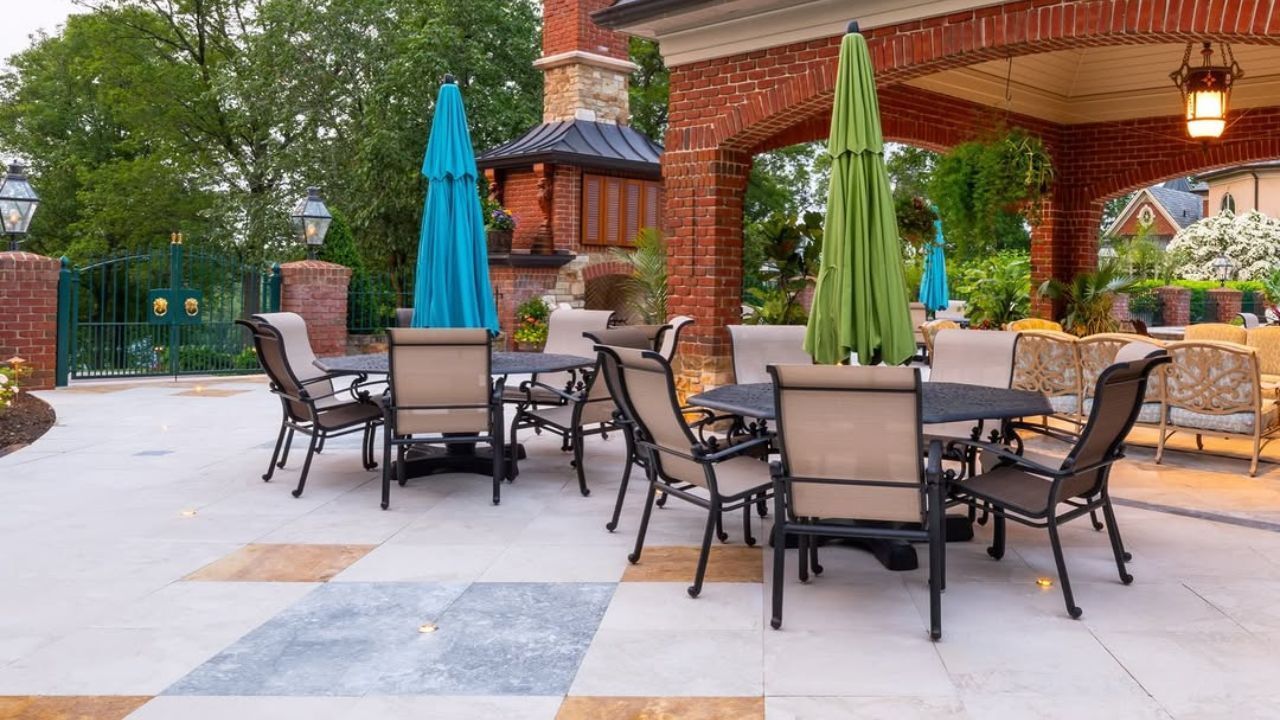
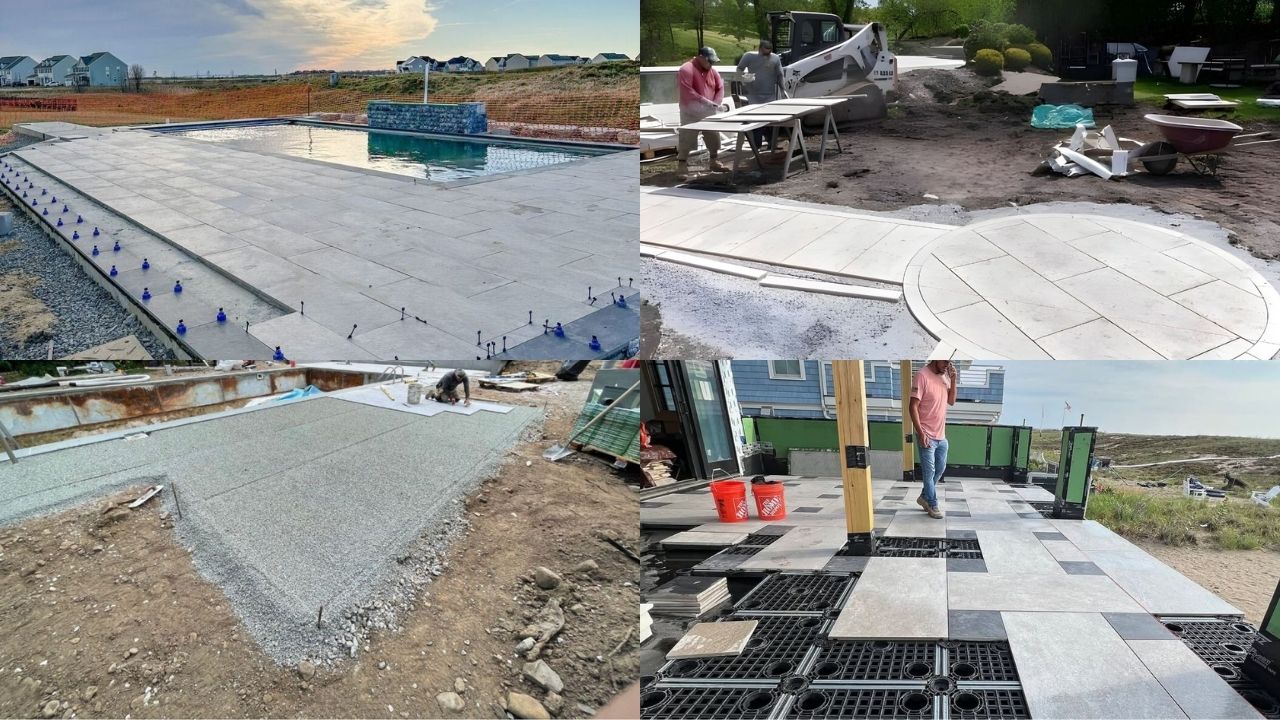
Choosing the right base is as important as choosing the right paver itself. The base controls load distribution, drainage, and long-term stability. An improper or unsuitable base results in paver cracking, settling, or shifting. When base matches the site conditions, pavers perform well for decades. Homeowners often get to choose between concrete, gravel, or pedestals base for pavers. Each has its own distinct benefits and purposes. Here is what you need to know about them so you can approve the right system for your project.
Key Factors In Choosing the Right Base for Pavers
Professional installers will not select randomly base for pavers and avoid paver installation mistakes. They evaluate site conditions, usage, and long-term performance risk before choosing gravel, concrete, or pedestal systems. Check the following table to learn about the most important factors and how each one influences the final best base for outdoor pavers.
| Decision Factor | Why It Matters | How It Affects Base Selection |
| Expected load and foot traffic | Weight from people, furniture, or vehicles transfers directly to the base | Light traffic supports gravel bases, while heavy or concentrated loads require concrete or reinforced systems |
| Exposure to water and freeze–thaw cycles | Water trapped beneath pavers expands and contracts with temperature changes. | High moisture or freeze–thaw exposure favours well-draining gravel or elevated pedestal systems. |
| Soil stability and compaction quality | Unstable soil shifts over time and undermines surface alignment | Poor or clay-heavy soils often require concrete slabs or deeper, engineered gravel bases |
| Finished height and transitions | The base determines the final surface height relative to doors, pools, and decks. | Tight height limits may restrict gravel depth, while pedestals allow precise elevation control. |
| Access to utilities below the surface | Some areas require future access to drains, wiring, or waterproofing | Pedestal systems allow easy access, while gravel and concrete bases require removal for access |
Each factor plays an important role when selecting the base for pavers in the long run. They influence how pavers handle movement, moisture, and load over time. When the selected base for pavers fulfils these conditions, pavers don’t shift, drainage improves, and requires low maintenance. When the base doesn’t meet these requirements, failures often appear within a few seasons.
Concrete Vs Gravel Vs Pedestal Bases Comparison
These are the most common paver bases used in a wide range of paver projects. None is superior than other as each serves a specific purpose. The right choice depends on load requirements, drainage needs, soil conditions, and whether you need easy access to underground functions. Take a look at this table comparing concrete, gravel, and pedestal bases to understand how they work and what you should choose.
| Base Type | Structural Support | Drainage Performance | Best Applications | Key Advantages | Primary Limitations |
| Gravel Base | Moderate support when properly compacted | Excellent natural drainage through crushed stone layers | Patios, walkways, courtyards, light-use outdoor areas | A flexible system that absorbs minor ground movement, has a lower cost, and easier repairs | Not suitable for heavy loads, steps, or areas requiring precise slope control |
| Concrete Base | High structural support and rigidity | Controlled drainage when sloped and jointed correctly | Pool decks, steps, landings, driveway aprons, covered patios | Strong load-bearing capacity, precise slope control, stable surface | Higher cost, limited flexibility, and repairs often require surface removal |
| Pedestal Base | Support depends on pedestal spacing and paver strength | Excellent drainage with open space beneath pavers | Rooftops, balconies, terraces, and waterproofed surfaces | Allows access to utilities, levels uneven substrates, and reduces water pressure | Higher upfront cost, requires compatible pavers and precise layout |
Each base has a distinct paving solution, so choosing correctly reduces long-term issues.
- Choose gravel bases for efficient drainage and flexibility
- Concrete bases are ideal for strength and control
- Pedestals are the best option for easy access and elevation
Suppliers like NT Pavers often help homeowners match paver materials to the correct base system based on project goals.
What Is Gravel Base for Pavers?
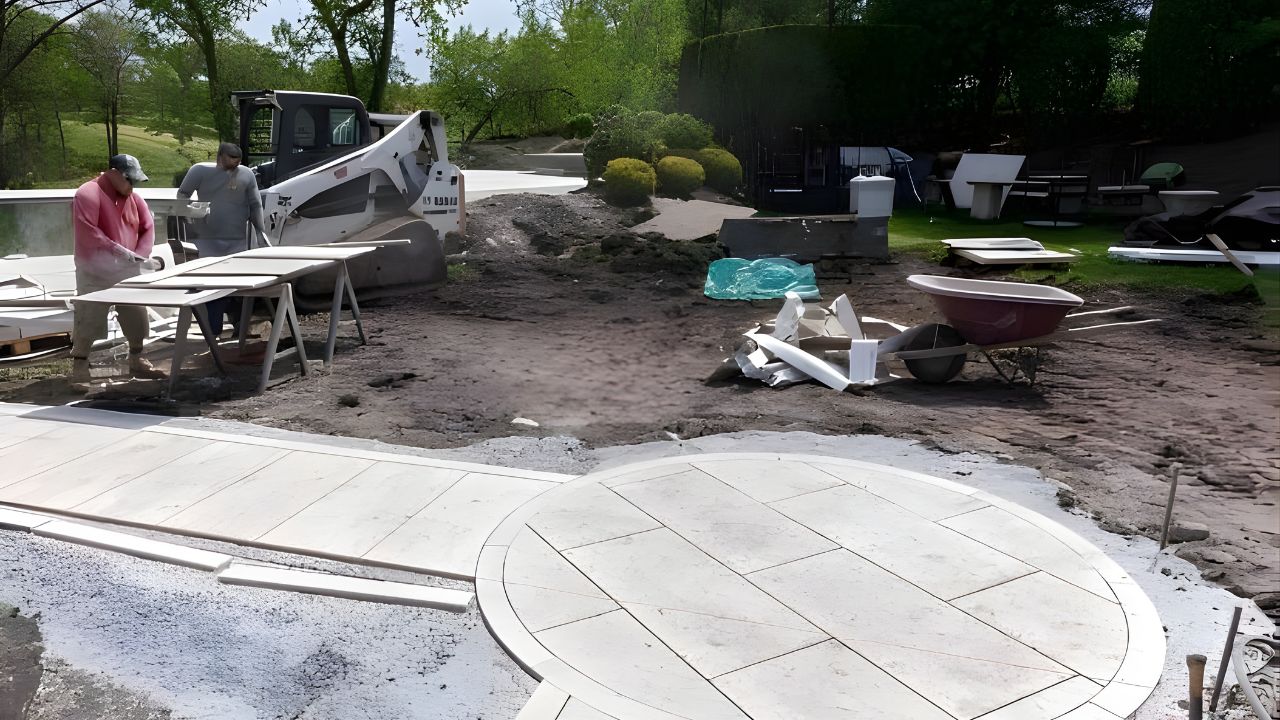
A gravel base features compacted crushed stone, but not round gravel. Installers place the stone in layers, compacting each layer to build a dense, interlocked foundation. A thin layer of stone dust or sand supports the pavers above.
Where Gravel Bases Work Best?
Gravel bases are well-suited to:
They perform well in residential settings with stable soil.
The Pros of a Gravel Base
- It offers superior drainage
- Flexibility of absorbing minor ground movement
- This has a lower cost than concrete
- Easier repairs if adjustments become necessary
The Cons Of Gavel Base
- Gravel bases require precise compaction and edge restraint.
- Poor installation results in settling.
- They lack rigidity for steps, pool decks, or heavy loads.
What Is Paver Concrete Base for Pavers
A concrete base features a poured slab as the structural foundation. Pavers are installed over the slab using mortar, thinset, or a drainage mat system, according to the application.

The Best Use of Concrete Base:
Concrete bases work great for:
- Pool decks
- Steps and landings
- Driveway aprons
- Covered patios
They are the best choice where slope control and structural rigidity are required.
Pros of a Concrete Base
- Concrete bas offers a strong load support
- It offers precise slope control near water features
- It reduced the movement under heavy use
- Concrete provides a clean transition to structures
Cons Of Concrete Base
- Concrete bases cost more
- They require a proper drainage plan.
- Without expansion joints and water management, slabs crack.
- Repairs often require surface removal.
What Is Pedestal Systems for Pavers?
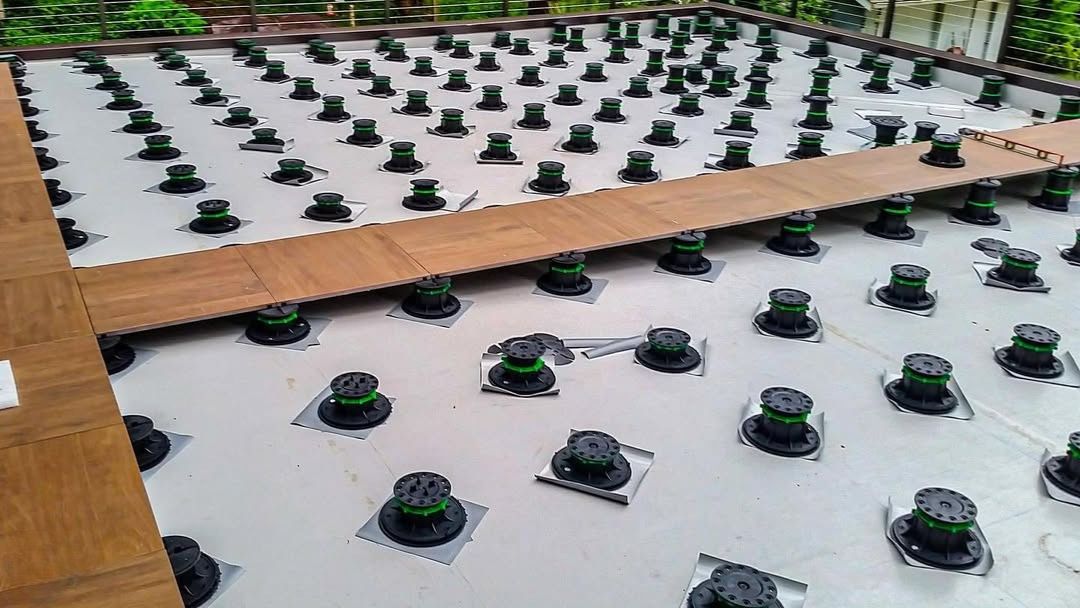
Pedestal systems features an adjsutale supports placed over a waterproof surface. Pavers are placed on the pedestals rather than on a continuous base. This creates an elevated and level surface with open drainage under the base.
Where Pedestal Systems Work Best
Pedestal systems have gained huge popularity these days. They are well-suited to:
- Rooftop terraces
- Balconies
- Plazas over waterproof membranes
- Areas requiring utility access below pavers
Porcelain and concrete pavers with consistent thickness work best on pedestals.
Pros of Pedestal Systems
- Pedestal systems offer excellent drainage
- They provide easy access to waterproofing and utilities
- Level surface over sloped substrates
- Reduced load compared to full concrete systems
Cons Of Pedestal Systems
- Pedestal systems cost more upfront.
- They require precise layout and compatible pavers.
- Natural stone may need reinforcement depending on thickness and span.
How Professionals Choose the Right Base?
Though a general process of selecting a base for paver and paver base installation guide is available for most homeowners, professionals have a different approach. They choose the right base for pavers thoroughly for longevity and durability.
| Steps | What Installers Check | How It Influences the Base Choice |
| Evaluate Soil and Drainage | Soil type and how water moves through the ground | Clay soils and poor drainage often require concrete slabs or pedestal systems to prevent shifting and water damage |
| Step 2: Define Load and Use | Expected traffic and load type | Light foot traffic works well with gravel bases; heavy loads, steps, and high-use areas need concrete support |
| Step 3: Confirm Finished Height | Available depth for base and paver thickness | Tight height constraints may limit gravel depth; raised surfaces often favor pedestal systems |
| Step 4: Match Base to Paver Material | Stone type and thickness consistency | Natural stone can work on gravel when thick enough; porcelain often performs best on concrete or pedestals because of its consistent thickness |
These steps assure them that this project has received the right base for pavers that will last longer, require less maintenance, and provide a durable surface for everyday use.
What Are The Climate Considerations For Choosing The Right Base for Pavers?
Freeze-thaw climates are the reason behind water trapping in the base.
- Gravel bases often drain, but only when the depth is accurate.
- Concrete bases require joints and slope for water drainage.
- Pedestal systems prevent freeze pressure by keeping the water under the paver surface.
For hot climates, a system that reduces heat retention and offers air flow often performs well. Usually, the pedestal system works best in this regard.
FAQs About Choosing a Paver Base
Let’s answer your questions about selecting the right paver base for your project.
Is concrete always better than gravel for pavers?
No. Concrete suits structural areas, but gravel is the perfect choice for patios and walkways.
Can porcelain pavers go on gravel?
Yes. But professional installers prefer concrete or pedestals for better support.
Are pedestal systems only for rooftops?
They work best on raised or waterproofed surfaces, but they are not limited to rooftops.
Which base lasts the longest?
Longevity depends on correct installation and drainage, and not on the base type only.
Can bases be changed later?
Changing bases usually requires full removal of the surface.
Bottom Line
Understanding how to choose the right base for pavers matters a lot for homeowners. They can understand how professional their selected installers are. More importantly, they can determine where and how well the project will be in the long run. From a concrete, pedestal, or a gravel base, choose according to your project type and requirement.
The pedestal system is an all-rounder choice due to its raised surface and easy access underneath. However, consult professionals like NT Pavers for the best information.