

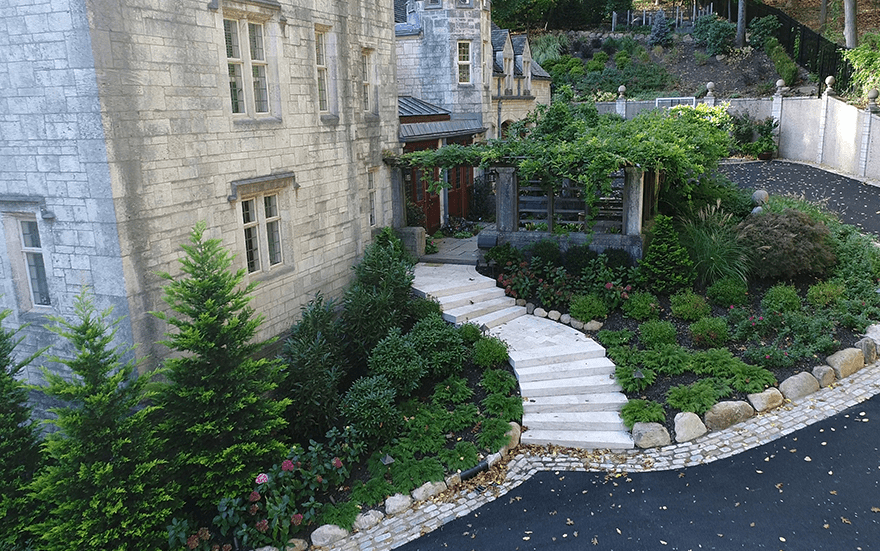
Building steps on a hill with pavers can be an overwhelming project for homeowners. However, this gives a sloping structure a stable landing space if done right. A well-planned stone steps building project can blend hardscape design with the neutral grade of the property. Building hillside steps with pavers improves both the function and design of the landscape. In this post, we will help you build steps on a hillside with pavers, offering longevity and beauty.
How to Calculate the Number And Size of Steps
When it comes to building the steps on a hill with pavers, it all starts with planning the steps. This starts by:
Assess the Slope
Measuring the slope’s rise in vertical height and run in horizontal length(length of the slope). This determines how many steps you need and how deep each tread should be. For a safe walkway, follow the standard formula:
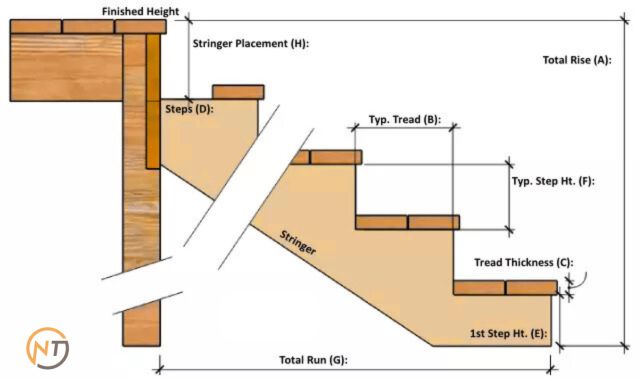
This ensures your paver steps follow standard dimensions for safety and comfort.
Map Out the Layout
Use a stake and string to mark the path to get the idea about alignment. Gentle curves often look more natural on hillsides, while straight lines suit modern landscapes.
Choose Materials
Choosing the right types of pavers matters a lot here. Depending on your preference, you can choose from:
- Concrete pavers are strong, common, and cost-effective.
- Natural stone pavers (travertine, sandstone, marble) offer natural elegance and aesthetics.
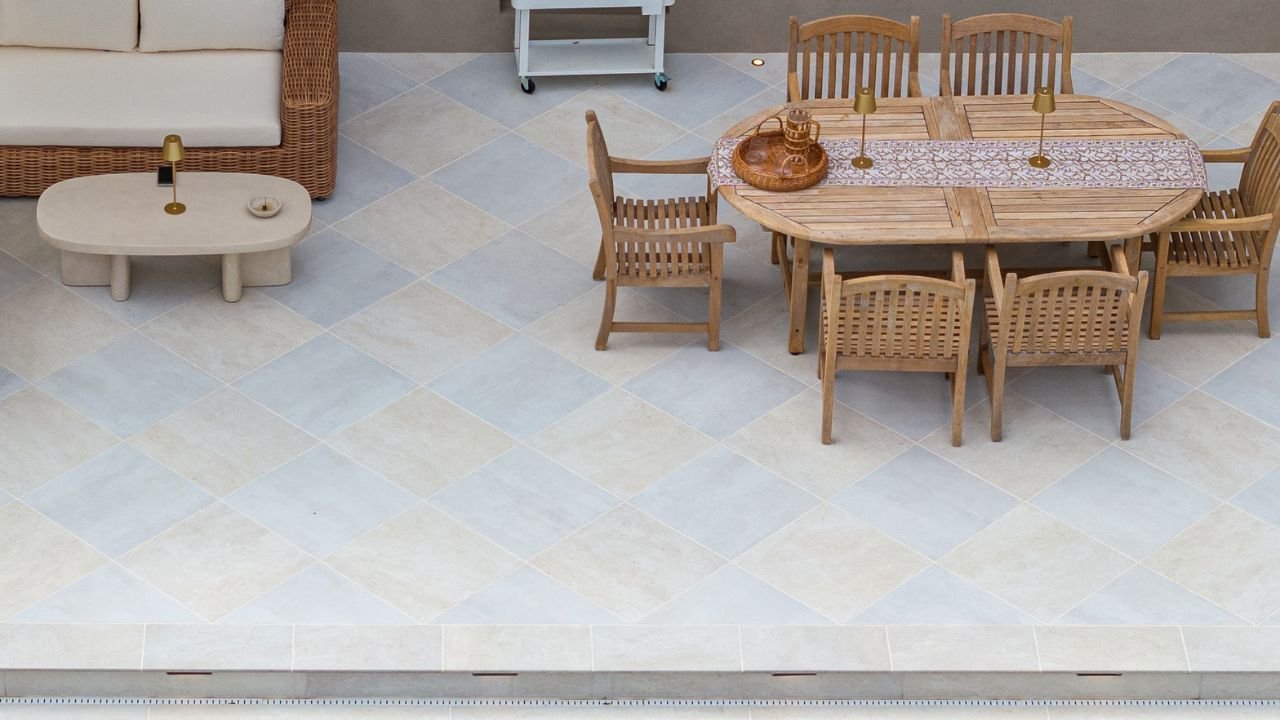
- Porcelain pavers provide slip resistance and low water absorption, with durability and strength.
The best way is to consider your budget and goal before building paver steps on a slope. For longevity and durability, you should select porcelain. The upfront cost may be higher, but the benefits make them a worthy investment.
Tools And Materials for Building Paver Steps on a Hill
Here is the list of tools and materials crucial to building paver steps into a hillside.
| Tools | Materials |
| Measuring tape & level | Pavers (for treads) |
| Shovel & tamper | Riser blocks (for risers) |
| Stakes & string line | Gravel (¾-inch angular) |
| Safety gear (gloves, goggles, boots) | Coarse sand (bedding layer) |
| Paver adhesive | |
| Edge restraints |
Step-by-Step Guide to Building Steps on a Hill with Pavers
Learn how to build steps with pavers on a slope.
Excavate the Slope
Step 1 of building steps on a hill with pavers:
- Start by digging up the targeted area to a depth of 6-8 inches.
- Cut into the slope at each step location.
- Remove soil until you create a level base for the riser.
- Compact the soil with a tamper.
Build a Solid Base
Step 2 of building steps on a hill with pavers:
A solid paver base is crucial to building steps with pavers. This will be the foundation where you will step out confidently for years to come. Start by:
- Spreading a 6–8 inch layer of angular gravel (often ¾” crushed stone) into each excavation.
- Use a compactor for gravel compaction in lifts to remove any air gaps and reduce future shifting.
This gravel base works for both drainage and structural foundation for the pavers on a slope.
Install Risers
Step 3 of building steps on a hill with pavers:
Risers determine the step height and hold the soil. The most common options for risers include concrete paving slabs, natural stone slabs, or manufactured paver blocks designed for structural applications.
For load-bearing strength, professionals recommend using Type S Mortar to secure risers, since it has higher compressive strength and durability against freeze-thaw cycles.
For decorative stone facing on the vertical side of the steps, Type N Mortar is often preferred because it’s easier to work with and ideal for stone veneers.
Backfill Behind Risers
Step 4 of building steps on a hill with pavers:
Once you set each riser, backfill the void behind it with well-graded gravel and compact it in layers.
- The gravel secures pavers from shifting with frost and soil erosion for porcelain and natural stone steps. It also creates a stable platform for installing paver steps.
- Finish with a thin concrete bedding layer, sand, or polymeric sand to prepare for tread placement.
Lay Paver Treads
Step 5 of building steps on a hill with pavers:
- Create a solid walking surface by arranging the paver stone tightly in the sand bedding.
- Check alignment with a level to make the steps look uniform and safe to walk on.
- Keep a slight forward slope (around 1/8″ per foot) so the rainwater will be directed from the riser face.
Secure with Adhesive
Step 6 of building steps on a hill with pavers:
- If the slope you are working on is much steeper or the area has high traffic, use the landscape adhesive between the tread pavers and riser blocks.
This will create a bond that resists shifting under foot pressure, freeze-thaw cycles, or heavy rainfall. Adding adhesive also extends the overall service life of the paver steps and keeps pavers in place.
Install Edge Restraints
Step 7 of building steps on a hill with pavers:
You can keep the paver step stable and neat while preventing shifting with edge restraints over time.
- Place metal, plastic, or concrete edge restraints along both sides of the stair run.
- They will take about 1-2 hours, but will ensure tight joints among paver treads and prevent lateral spread if done right.
If there is high foot traffic and soil movement, then the paver treads may face misalignment or gaps without restraints.
Check Drainage
Step 8 of building steps on a hill with pavers:
Drainage consideration is the key to the successful step of building on a hill. You don’t want puddles on your step, which is a major slipping hazard.
- Analyze the water flow on the hillside before finalizing the staircase.
- If the water runoff is significant, then install a gravel trench or French drain beside the steps to safely direct water.
The best type of drainage protects both the base layer and the hillside from decaying and preserves long-term structural integrity.
What Are The Safety Considerations For Paver Step Building?
Building steps on a hill or slope with pavers does require some safety considerations. This will assure you that the steps are functional and offer a secure walking surface. Here are the safety considerations:
| Factor | Consideration |
| Slip Resistance | Select textured pavers or honed finishes to reduce slipping hazards, especially on wet or steep surfaces. |
| Lighting | Install step lights or path lights to improve nighttime visibility and reduce the risk of falls. |
| Handrails | Add sturdy handrails on steeper hills to enhance safety and accessibility for all users. |
| Frost Protection | In colder regions, choose frost-resistant pavers to prevent cracking from freeze-thaw cycles. |
What Are The Common Paver-Step Building Mistakes to Avoid?
Just like the safety consideration, first-time installers and especially DIYers may make these mistakes. This may result in compromising on steps, structural integrity, and more.
Skipping compaction:
Not compacting the gravel base and soil may result in unstable paver steps. Over time, this can lead to uneven stepping that creates tripping hazards and costly repairs.
Improper drainage:
Poor drainage results in water pooling behind and on the steps. This further leads to erosion in the hill, misalignment, and paver step shifting over time.
Too steep risers:
Going above the recommended riser height makes the staircase uncomfortable and unsafe. Opt for a quality height riser between 6–7 inches to improve walkability and code compliance.
No edge restraints:
Not using any edge restaurants causes the pavers to spread gradually and lose shape. Adding secure edging locks the structure in place against pressure and foot traffic.
Using polished stone outdoors:
Structures like steps on a hill require slip-resistant and grip for safe walking. This is why polished stones are not recommended due to the risk of slipping, especially in the rain or frost. Textured or honed finishes provide better slip resistance and long-term safety.
FAQs About Pavers Step Building On Hill
Let’s answer your frequently asked questions about building steps on a hill with pavers.
What is the best base for paver steps on a hill?
A compacted gravel foundation, which is generally 6–8 inches deep, topped with a thin layer of coarse sand.
How do you calculate the number of steps for a slope?
The total of vertical height divided by the riser height you are going to use.
Are natural stone pavers better than concrete pavers for hillside steps?
Depends. Natural stones look luxurious and offer an organic aesthetic, while concrete pavers are more cost-effective and easier to install.
How do you prevent erosion under hillside paver steps?
Through proper drainage installation, compacting the base, and using geotextile fabric.
Can porcelain pavers be used for outdoor steps on a slope?
Yes, porcelain pavers are an excellent modern option for being slip-resistant, low-maintenance, and durable.
How long do hillside paver steps last?
30–50 years if installed and maintained properly.
Bottom Line
Building steps on a hill with pavers can be an aesthetic and functional addition to your property. It blends safety with design effortlessly if done right. Careful planning, a stable base, and proper drainage can result in lasting paver steps with beauty.
They can last for a decade if installed and maintained correctly. For high-quality material options, NT Pavers offers quality stone and porcelain material designed for both strength and beauty in sloped landscapes.