Paving a driveway is not only about aesthetics, but it is the most functional upgrade you can give your space. Not only does it offer a stable space for vehicle entry, but it also improves curb appeal and adds value to the house. However, homeowners often wonder how much it costs to pave a driveway. Keep i mind that the cost of even a general one will include a lot of elements, from materials, labor, to permits and other matters.
Cost To Pave A Driveway
The average cost to pave a driveway is around $2,524 $7,292, with the national average of $4,908. You will have to pay $8 to $25 per square foot, depending on the material, local labor rates, and site prep. These factors add to the overall cost range as complex, larger, or uneven driveways require more work. So in summary, the driveway paving cost is:
- Driveway paving costs $2,524–$7,292, averaging $4,908.
- Pricing depends on materials, size, grade, site prep, and labor rates.
- Expect $8–$25 per sq. ft.
- A paved driveway boosts home value and curb appeal.
Understanding Driveway Paving Expenses
Paving a driveway is more than pouring concrete or laying asphalt. Homeowners will need to consider functionality, durability, and appearance. Understanding the explanation of costs helps plan budgets and make informed decisions about the driveway. At NT Pavers, we provide insight into material selection, site preparation, labor, and regulatory costs to guide homeowners. Our goal is to help select the right material to pave a driveway that meets their requirements.
Materials
Material alone can cause a huge impact on the overall cost to pave a driveway. Popular materials like gravel grid, pavers, concrete paver , and asphalt cost differently and have distinct durability and maintenance.
- A gravel driveway is the most affordable for most homeowners, with $1–$2 per square foot.
- Asphalt driveway ranges from $7–$15 per square foot. It offers a durable and smooth surface that withstands most climate conditions.
- Concrete driveway has a bit higher pricing, typically ranging $8–$18 per square foot, but provide a uniform appearance and longevity.
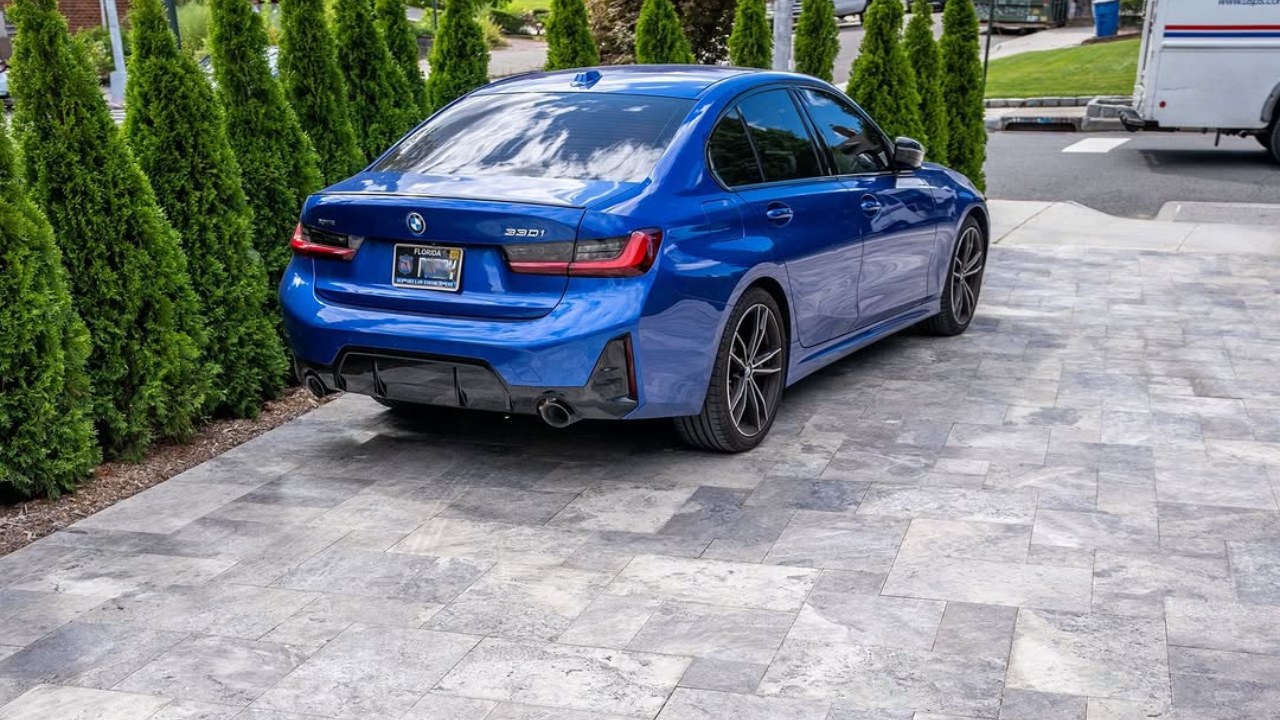
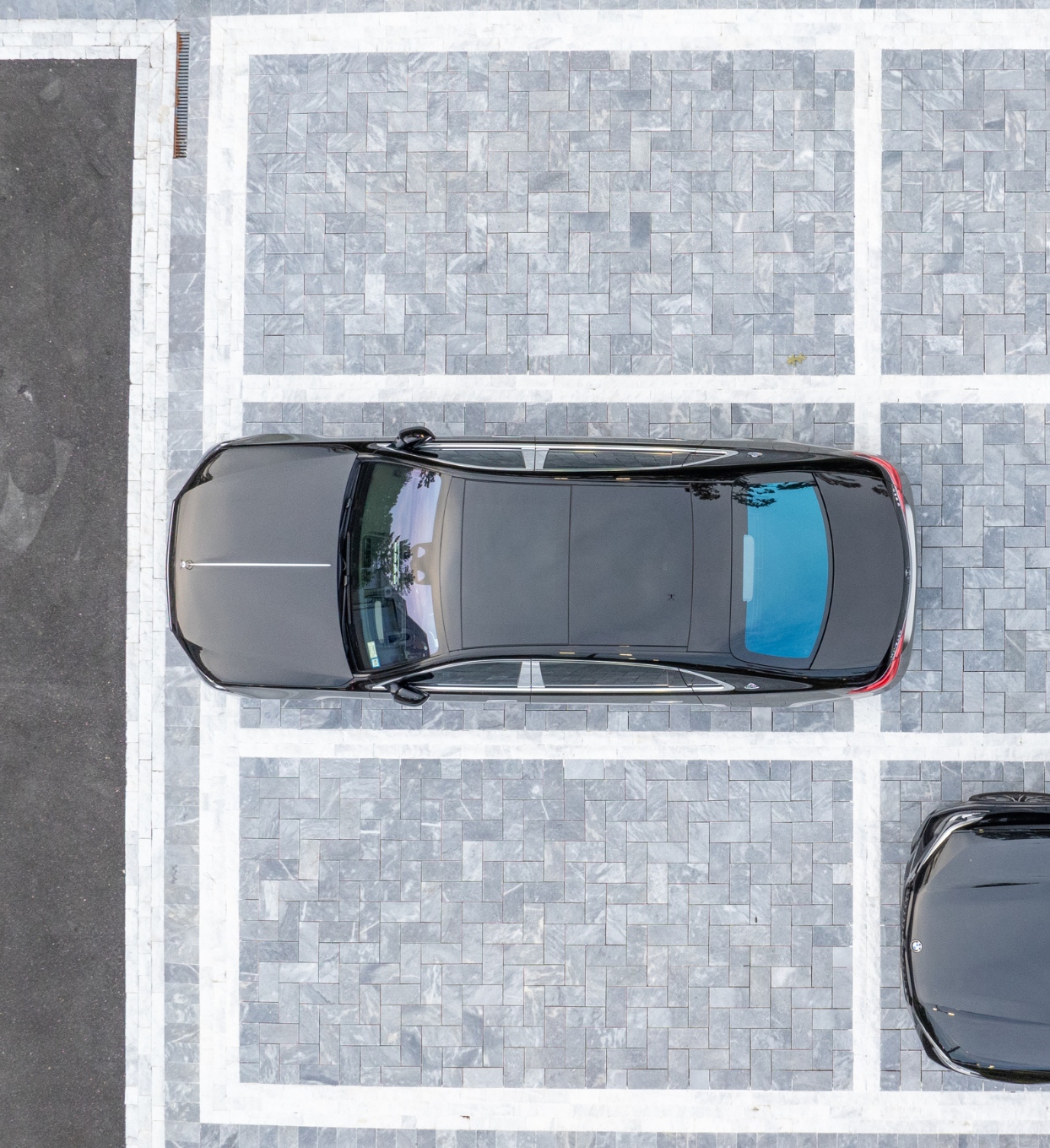
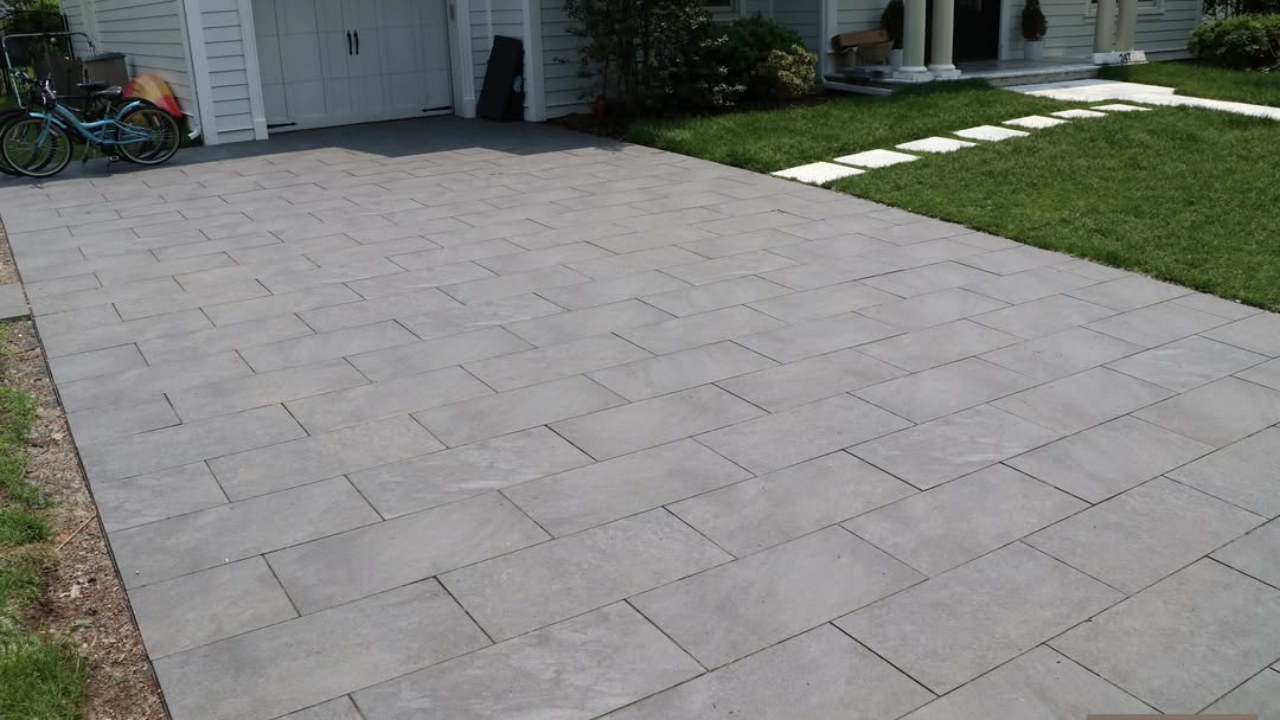
- Paver driveway has a wide range of options and pricing. They can range from 5–$50 per square foot, depending on material quality, pattern complexity, and installation methods. You can choose from brick, natural stone pavers, or porcelain driveway pavers.
How To Consider Material Cost Before Paving A Driveway?
When planning a new driveway, keep in mind that different paving material offers different looks, feels, durability, and maintenance. Homeowners should consider both the upfront cost and long-term performance of each material to estimate the cost to pave a driveway. Porcelain and stone pavers, though more expensive initially, often reduce maintenance over decades.
Site Preparation & Groundwork
Preparing the driveway site is crucial. Contractors usually start with grading, excavation, and base installation before laying the surface. Grading creates proper drainage, which drains the water away from the house, while preventing the pooling and erosion. The bigger the driveway size, means more ground work and additional cost.

Digging removes the soil, debris, and old surface. The new driveway needs to the excavation from scratch. This can cost around $1,000–$2,500 for an average driveway. Base material generally includes crushed stone or gravel, which helps in stabilizing the driveway and adds longevity to it. Depending on thickness and area, base materials may add $2–$5 per square foot to the project.
Why Site Preparation Matters?
Site prep for driveway construction is critical, as skipping it will result in uneven surfaces, cracking, and premature failure. Proper groundwork creates a strong and stable surface for heavier vehicles, especially in driveways with frequent traffic or larger vehicles.
At NT Pavers, we emphasize the integration of site prep with material selection to optimize durability and appearance.

Labor Costs
Labor can significantly increase the cost of driveway expenses. Factors like complex installation, material type, and local standard wage affect the labor cost.
For asphalt or concrete, labor costs can range from $6–$12 per square foot, including grading, pouring, smoothing, and curing.
Paver driveways require meticulous placement and alignment, which may cost $15–$25 per square foot in labor alone.
How To Save On Labor?
You should select an experienced contractor to reduce the cost of paving a driveway. They will ensure proper installation and minimize future maintenance. You can request detailed labor breakdowns, including preparation, surface installation, and finishing, to compare quotes accurately.
Permits & Regulations
Driveway installation may require a permit under local building codes. Municipalities usually regulate drainage, slope, width, and proximity to sidewalks or streets. Permit fees are different for each location but generally range from $50–$200. Though permits are not required for each location, they are required via inspections during and after construction to ensure compliance. Getting the essential permits avoids fines and ensures long-term project legality.
Cost to Pave a Driveway by Driveway Materials
Understanding the material costs helps homeowners choose the suitable material that fits with performance requirements and budget. The following table summarizes the typical paver driveway cost.
| Material Type | Cost per Square Foot | Durability | Maintenance |
| Gravel | $1–$2 | 5–10 years | Regrading, replenishing |
| Asphalt | $7–$15 | 15–30 years | Sealing every 2–3 years |
| Concrete | $8–$18 | 25–40 years | Crack repair, occasional sealing |
| Rubber | $10–$25 | 20–30 years | Minimal, depends on quality |
| Standard Pavers | $5–$25 | 30–50 years | Weed control, occasional leveling |
| Premium Pavers / Natural Stone | $20–$50 | 50+ years | Low, durable with a proper base |
| Permeable / Eco-Pavers | $10–$15 | 20–40 years | Filter maintenance, sand refill |
These prices include basic installation but exclude further site preparation for existing driveways, grading, or custom features. Proper base installation is essential, particularly for heavier materials like natural stone or pavers.
Key Factors That Influence Driveway Installation Costs
Consider these factors that will impact your overall driveway installation cost.
| Cost Factor | Typical Impact on Cost | Example or Range |
| Size & Dimensions | Larger areas increase the total cost proportionally. | A 480 sq. ft. asphalt driveway costs $3,500–$7,200. Doubling size ≈ doubles cost. |
| Pavement Thickness | More thickness = more material + more labor. | Gravel: 4–6 in.
Asphalt: 2–3 in. Concrete: 4–6 in. Pavers: depends on base + sand layers. |
| Shape & Layout | Complex shapes increase labor and cutting work. | Curved or circular layouts cost 20–30% more than straight rectangular designs. |
| Accessibility & Location | Hard-to-reach areas or steep grades raise installation time and equipment needs. | Extra costs for sloped sites, narrow access, urban restrictions, or remote delivery locations. |
Choosing the Perfect Driveway Material for Your Home
Choosing the right material shouldn’t rely only on budget. You should also keep in mind the budget, climate, usage, and design preference.
Choose gravel for rural settings with low traffic.
- Asphalt is well-suited for urban driveways to create a rather smooth surface at a moderate cost.
- Concrete offers a clean, durable driveway paving option with flexibility in stamping or coloring.
- Paver driveways feature a wide range of patterns, materials, design options, and a premium look. They are ideal for luxurious and upscale homes with drainage concerns.
You should opt for a material that offers longevity and low-maintenance pavers. Gravel requires frequent maintenance while asphalt needs resealing. Concrete may crack in harsh winter or freezing-thaw cycles, and pavers may cost more but offer better performance.
We recommend evaluating lifestyle and long-term value alongside initial investment.
FAQs About Cost To Pave A Driveway
Let’s answer your questions about the cost to pave a driveway
How much does it cost to pave a 2-car driveway in 2025?
The average two-car driveway (≈480 ft²) costs between $3,500–$7,200 for asphalt and $4,000–$8,500 for concrete. Paver driveway costs around $6,000–$15,000, depending on pattern and stone type.
What driveway material lasts the longest?
Natural stone pavers and concrete pavers may last 50+ years with proper installation and maintenance. Asphalt typically lasts 15–30 years.
Do I need a permit to pave a driveway?
Yes. But it depends, as many municipalities require permits for drainage, grading, or proximity to sidewalks and streets. Charges typically range $50–$200.
How thick should my driveway be?
Gravel: 4–6 inches, Asphalt: 2–3 inches, Concrete: 4–6 inches, Pavers: depends on base thickness and expected load.
Can I install a driveway myself?
DIY driveway paving is possible with simple layouts. Asphalt, concrete, and paver driveways require equipment, skill, and proper grading, making professional installation recommended.
How much does maintenance cost per year?
Gravel: ~$100–$200, Asphalt: ~$150–$400 (sealing), Concrete: ~$100–$300, Pavers: ~$50–$200, depending on cleaning and minor repairs.
Bottom Line
Driveway paving is a crucial home investment. Costs vary widely based on material, size, and site preparation, labor, and additional features. A standard residential driveway can cost between $2,500–$7,500, with premium pavers exceeding $15,000. Proper planning, material selection, and professional paver installation will offer durability and aesthetic appeal. NT Pavers focuses on combining material quality, correct base preparation, and thoughtful maintenance to deliver driveways that last for decades.
By understanding the cost factors, you can plan for post-installation expenses and select the right material. Homeowners can make informed choices that balance budget, performance, and curb appeal.