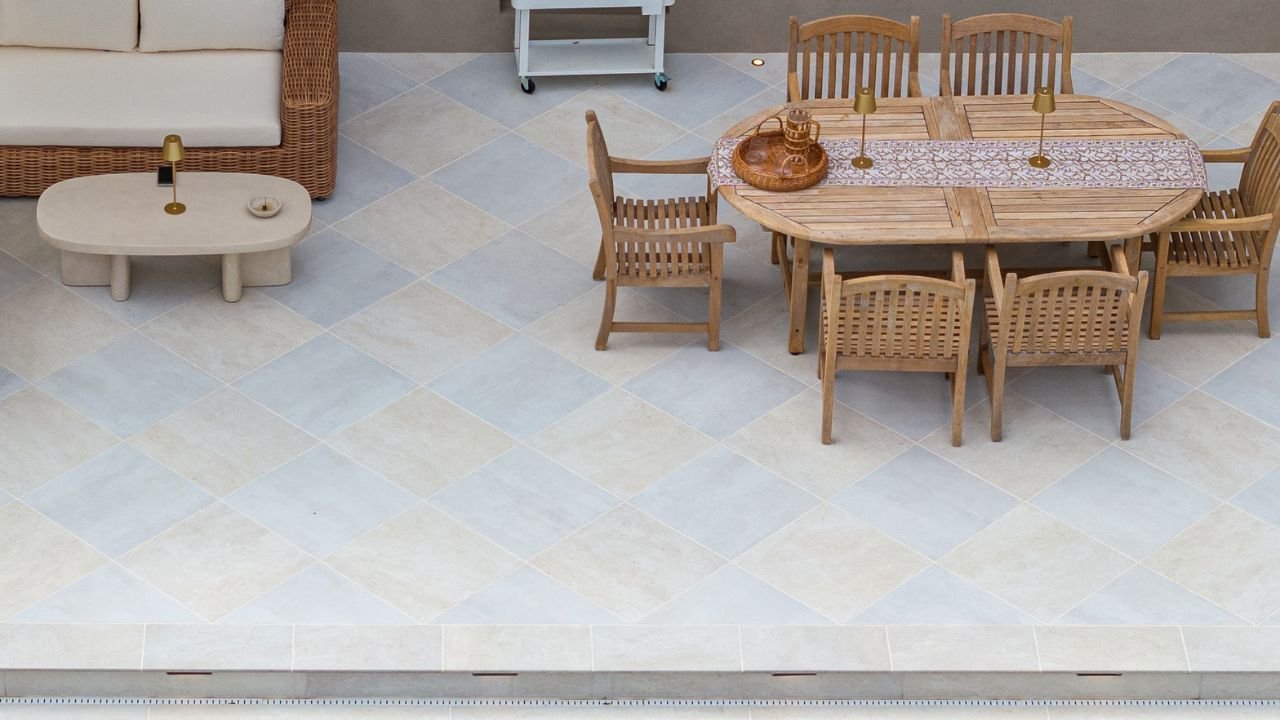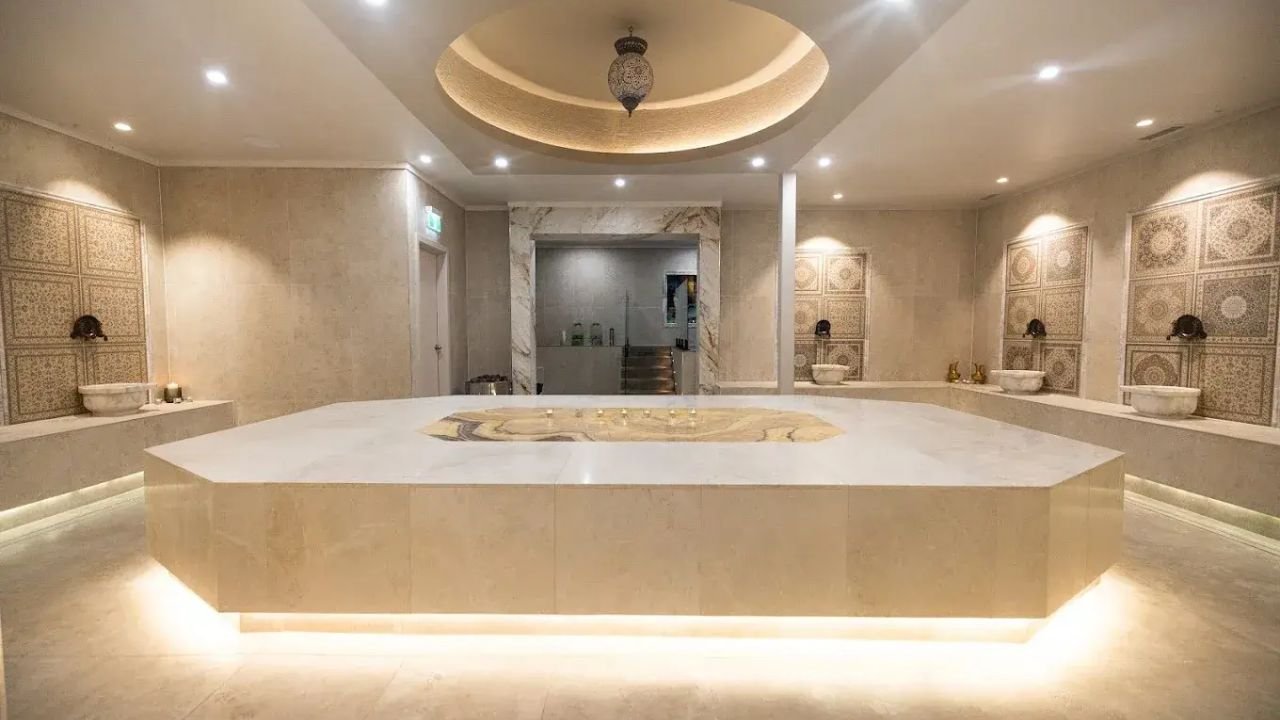

Paving is an essential part of most modern outdoor structures. Limestone paving is a popular choice among homeowners for paving projects. It is widely favored for patios, pool areas, walkways, and garden paths. However, just like other natural stones, there are some common problems with the sandstone pavings too. It reacts to climate, moisture, minerals, and usage patterns. Understanding these problems can help you make an informed decision. This is especially crucial when designing high-performance outdoor spaces.
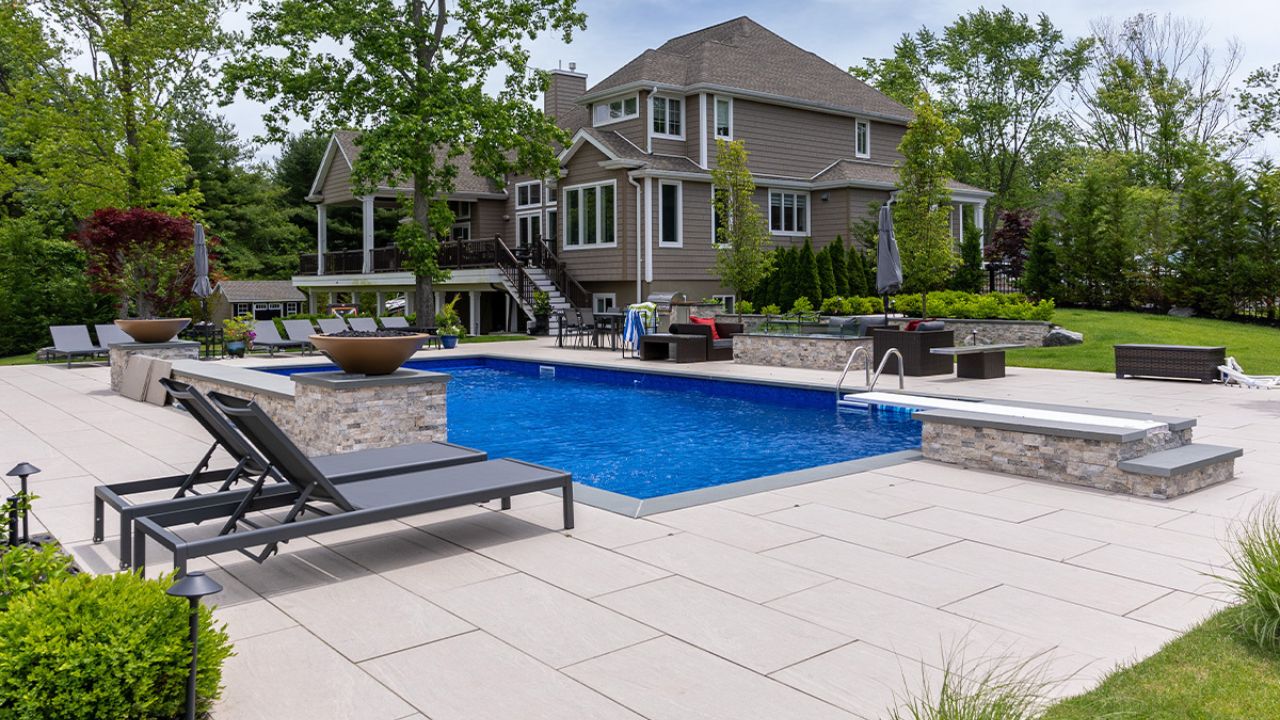
We will explain the most common problems with sandstone paving, why they occur, and how to prevent them. Continue reading the following.
Sandstone Has a Highly Porous Surface
Porosity is a major consideration when choosing sandstone paving. Sandstone, along with different types of limestone and travertine, absorbs significantly more water. This affects performance in several ways:
Moisture-Related Problems
- Dark, uneven wet patches
- Moss, mildew, and algae growth
- Efflorescence (white calcium powder)
- Surface flaking during freeze–thaw cycles
- Long drying times
When water penetrates the surface, it carries minerals from soil, rain, and hard water. These minerals rise to the surface and create visible marks. Sandstone forms from compressed sand grains, which leaves micro gaps throughout the structure. These gaps act like channels that pull in moisture.
How to Prevent It?
- Opt for a penetrating sealer that keeps pores breathable.
- Make sure the base and bedding layer drain water properly.
- Avoid water pooling around the patio edges.
- Use dense-grade sandstone in humid or rainy climates.
Surface Erosion and Wear in High-Traffic Areas
The beauty of sandstone lies in its natural grain. However, the same grains damage under the surface. Areas most affected include:
- Walkways
- Driveways
- Public patios
- Heavy foot-traffic zones
What Erosion Looks Like
- Gritty surfaces
- Flaking
- Uneven texture
- Loss of crisp edges
Not every erosion is the same. Softer variants contain higher silica voids. This breaks down faster under the friction, rain, or saltwater exposure.
How To Prevent Erosion?
- Select dense, premium-grade sandstone for durability.
- Go for thickness-calibrated pavers in busy zones.
- Seal regularly in coastal or rainy areas.
Color Fading in Strong UV Exposure
Sunlight slowly bleaches sandstone paving, especially if it has iron oxides or warm pigments.
Stones that fade the most
- Tan sandstone
- Yellow sandstone
- Brown sandstone
- Certain varieties from India and Egypt
- Grey and silver tones are more UV-stable.
Natural minerals usually react badly to UV radiation. The ison compounds dissolve or lighten over time.

How to Reduce Color Fading
- UV-stable tones like Grey or Kandla-style stone should be selected.
- Use a UV-resistant outdoor sealer.
- Opt for the shade structures in high-sun areas.
Staining Problems (Organic, Metallic, and Chemical)
It won’t be wrong to say that sanstones are much like a sponge. This is why sandstone paving stains penetrate deeply and quickly.
Typical Causes of Stains
- Leaves, mulch, and soil
- Metal furniture is causing rust
- Oils from grills or food spills
- Hard water mineral deposits
- Plant pots and fertilizers
- BBQ drippings
- Pet messes
Why Sandstone Stains Easily
The porous surface of limestone paving absorbs the liquid instantly, way before it can be cleaned. Once inside, stains settle beneath the surface.
How to Prevent Stains
- Always seal before using the space.
- Use underliners beneath metal and ceramic items.
- Hose down leaf debris regularly.
- You can also select pre-sealed or factory-finished sandstone when available.
Slipperiness (Specific Finishes Only)
The sandstone paving has a textured surface, which provides good traction. However, a smoother finish can cause slipperiness when wet. The high-risk areas include:
- Pool decks
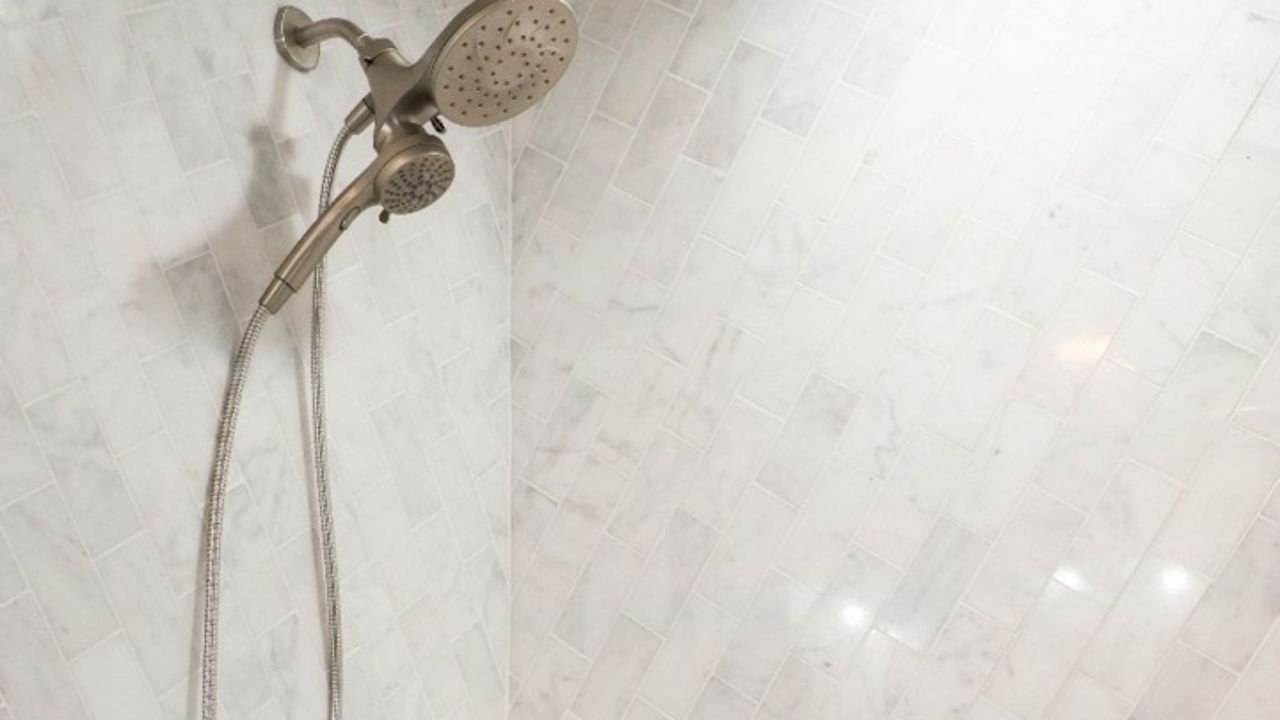
- Outdoor showers
- Covered patios that stay damp
Finishes to Avoid for Wet Zones
- Polished sandstone
- Honed sandstone
- Satin or semi-polished textures
Better Options
- Natural cleft
- Sandblasted
- Brushed
- Tumbled
Freeze–Thaw Damage in Cold Climates
Sandstone cannot withstand the repeated freeze-thaw cycles. Water enters the pores, freezes, expands, and forces the stone apart from the inside.
- Cracks
- Surface delamination
- Spalling (flaking)
- Crumbling corners
How to Prevent Freeze-Thaw Damage?
- Use a thicker and low-porous sandstone only.
- Consider proper drainage below the base.
- Seal with a breathable, penetrating sealer.
- Do not choose the cheap, soft sandstone varieties.
Color Variation Between Batches
Sandstone is quarried and delivered directly, so no two batches will be similar. Though this difference can look beautiful, an extreme difference can ruin the entire surface. Common issues include:
- Patchy appearance
- Mismatched tones
- Unpredictable veining
This happens due to the stone formation under different geological pressures, temperatures, and mineral environments.
How to Prevent Color Mismatch
- Order from reputable suppliers with batch control.
- Use stones from the same production run.
- Dry-lay the stone before final installation.

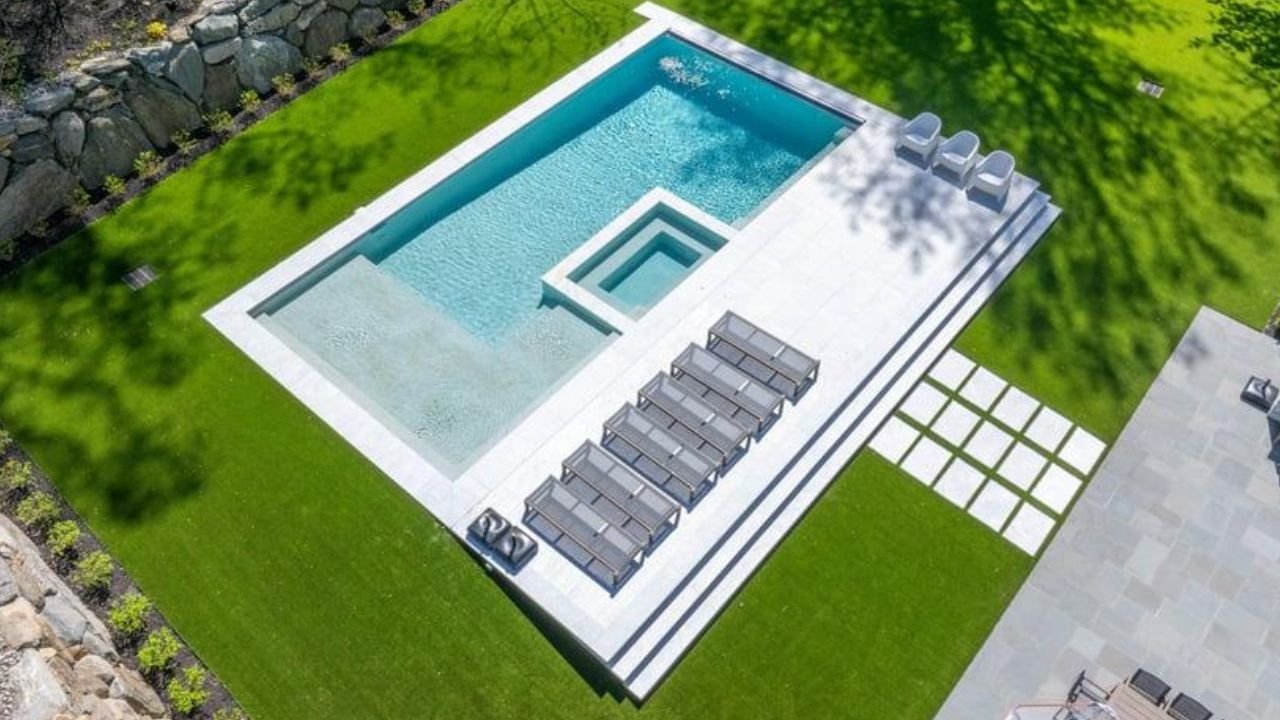
Salt Sensitivity (Especially Around Pools)
Sandstone paving near areas like pools can easily be damaged by the saltwater of the swimming pool. The surface can easily be damaged. Salt-related issues are:
- Surface weakening
- Increased porosity
- Efflorescence
- Microcracks
Saltwater crystallizes in pores, creating internal pressure.
How To Prevent Saltwater Damage?
- Use a high-quality penetrating sealer.
- Rinse surfaces regularly.
- Choose porcelain or travertine for salt-heavy environments.
Sandstone Paving FAQs
Let’s answer your questions about sandstone paving problems
Does sandstone require sealing?
Yes. Sandstone paving requires penetrating sealer to reduce moisture absorption, staining, and freeze–thaw damage.
Is sandstone good for pool areas?
Yes. But only with the textured finish and after properly sealing.
How long does sandstone paving last?
!5-25 years when properly installed, sealed, and maintained through its life. Softer stones degrade faster.
Why does my sandstone patio keep turning green?
Moisture absorption and shade usually result in algae and moss growth. Cleaning, sealing, and improving drainage help prevent this.
Can sandstone paving crack in winter?
Yes, in freeze–thaw climates, water inside the pores expands when it freezes, causing cracks or flaking.
Which is better, sandstone or porcelain?
Porcelain offers exceptional durability with a non-porous and low-maintenance surface. Sandstone offers a natural look but needs sealing and care.
Bottom Line
Sandstone can be a beautiful and functional paving choice, but it requires careful selection and proper installation. Its natural porosity makes it prone to staining and sensitivity to freeze–thaw conditions. This is why considering its quality, density, and sealing matters a lot compared to other stones. When you choose dense-grade sandstone, pair it with proper drainage, and maintain it with modern sealers, it performs well across a range of climates.