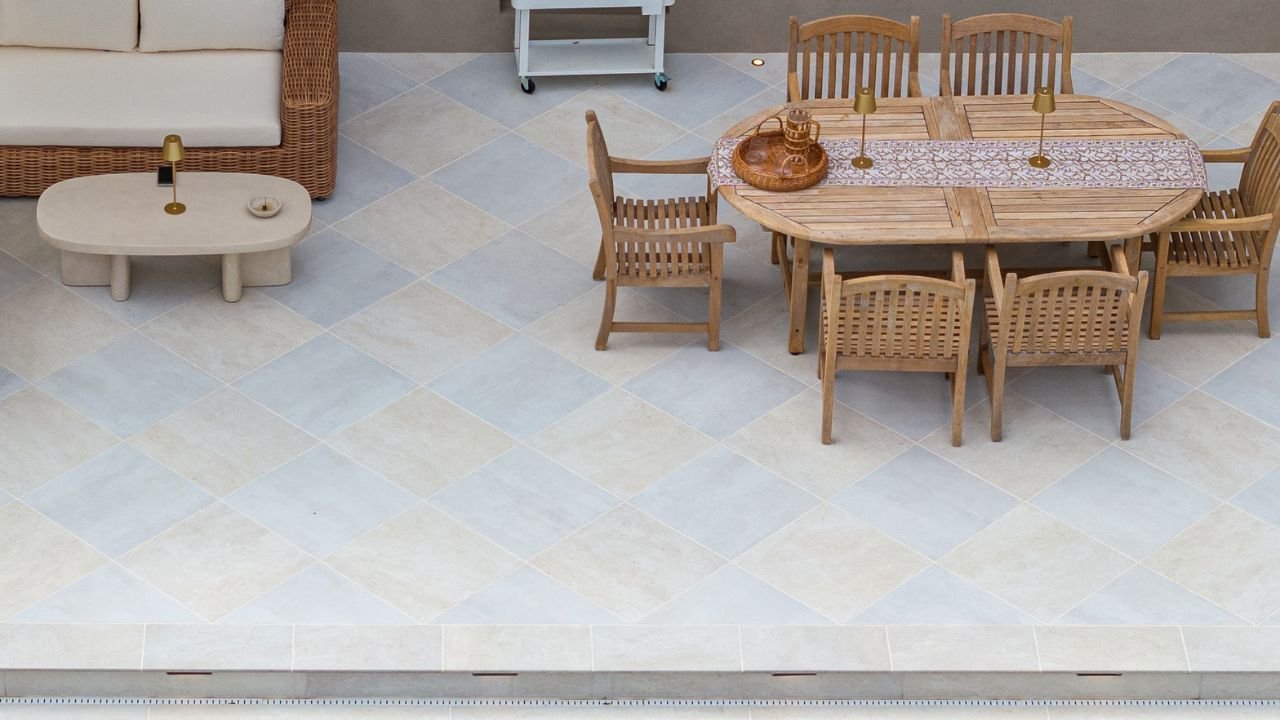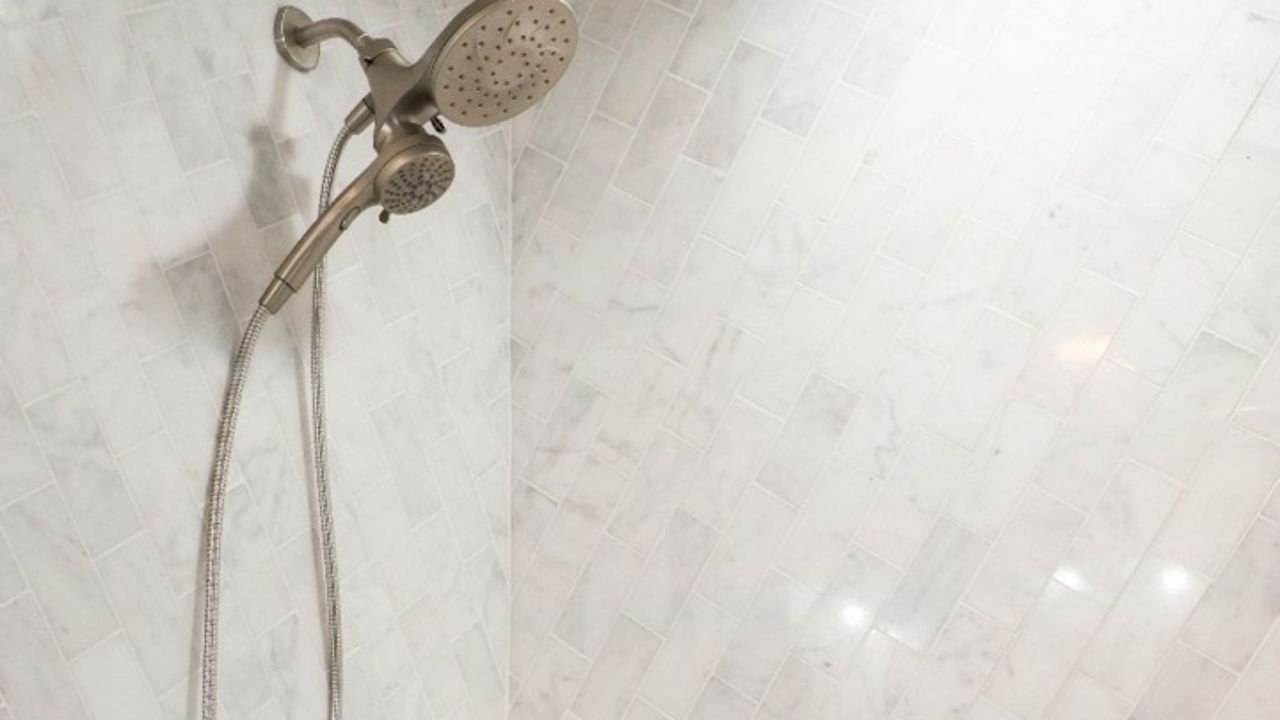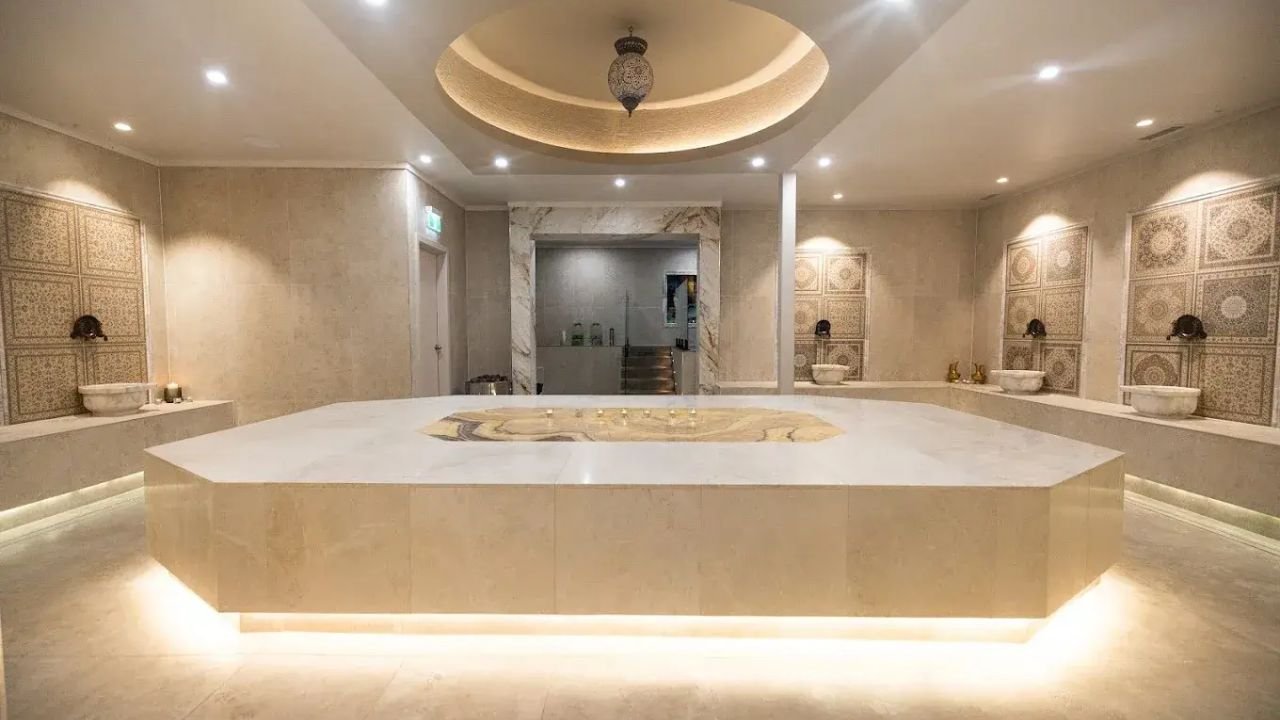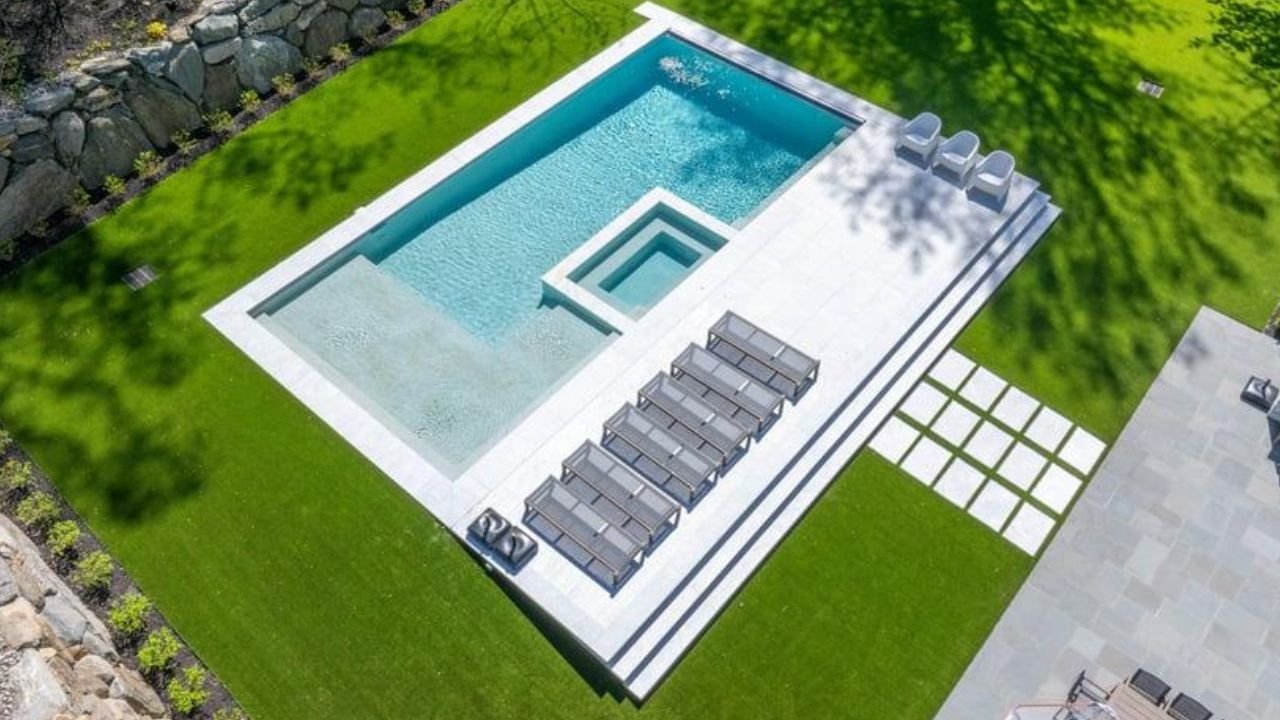

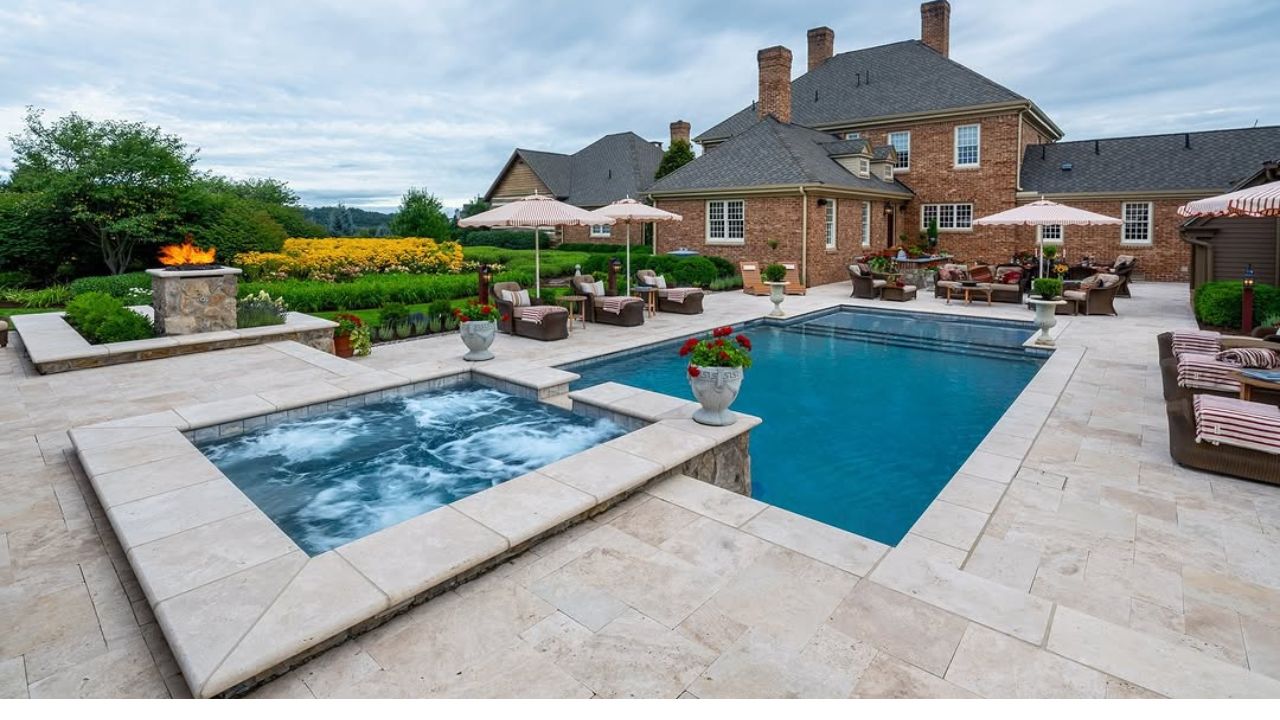
Travertine is one of the most beautiful and strong natural stones that works great in most humid or even freezing environments, with some exceptions. Homeowners, builders, and landscape architects prefer this stone to add warmth, texture, and natural personality. It is widely used in areas like patios, pool decks, and walkways in a wide range of residential and even luxury commercial projects. But the climate is a major consideration in how any natural stone performs.
Hot regions challenge surface temperature stability, while cold regions test durability against moisture and freeze–thaw cycles. Travertine performs great everywhere, but not the same everywhere. It is crucial to understand the difference so one can select the right grade, the right finish, and the right installation method, especially for areas like patios, pool decks, and pool copings.
Travertine Performance in Hot vs Cold Climates
Travertine can sustain in different kinds of environments, which makes it a great natural stone for outdoor, but how? Here is the performance comparison of travertine in hot vs cold climates.
| Climate | How Travertine Performs | Key Considerations |
| Hot Climates | Stays cool, does not fade, remains stable | Use lighter colors; tumbled or honed finishes are ideal |
| Cold Climates | Performs well if dense, sealed, and installed correctly | Avoid water pooling; use penetrating sealer; protect from harsh de-icers |
| Humid/Tropical Climates | Excellent performance; natural pores help it breathe | Occasional cleaning prevents algae; honed/tumbled preferred |
| Dry/Desert Climates | Outstanding durability; resists heat and sun | Light colors reduce heat; minimal maintenance |
Travertine Performance in Hot Climates
Outdoor areas face stressors like direct sunlight, dry heat, and surface temperature spikes. Outdoor materials need to handle these challenges without any effects.
Travertine Stays Cool Under Direct Sun
One of the best features of travertine is its thermal behavior. This is because of its natural porosity and light mineral composition. Travertine outdoor pavers can:
- releases heat quickly
- does not trap surface heat
- stays comfortable under bare feet
This makes travertine a great choice for:
- pool decks
- patios
- outdoor kitchens
- hotel courtyards
- terrace spaces
In hotter regions like Texas, Arizona, Nevada, and the Middle East, travertine consistently outperforms concrete, porcelain, and darker stones easily.
UV Stability Preserves Color Over Time
Travertine has a warm color palette that comes from natural mineral deposits. This is why it resists UV exposure without a hitch. Even under a strong sun:
- Ivory remains light
- Walnut retains its earthy warmth
- Silver Travertine keeps its cool, layered tones
- No artificial fading
Travertine can last for decades. The stone simply develops a softer patina, not discoloration.
Heat Does Not Distort or Warp the Stone
Unlike composite material or low-quality concrete, high-grade travertine remains stable without warping or expansion. It does not:
- warp
- swell
- expand excessively
- soften or discolor
Travertine has a natural structural density that keeps it stable even in sustained temperatures above 100°F (38°C).
Ideal Finishes for Hot Climates
Travertine pavers or wall cladding work better in hot regions compared to smooth finishing stones. The best finishes are:
- Tumbled – coolest underfoot
- Brushed – textured, slip-resistant
- Honed – smooth but still cool
Polished travertine is not recommended outdoors.
Works Well Near Chlorine and Saltwater Pools
Travertine is the best material for pool decks. Even with the consistent exposure to water and chlorine, its mineral structure resists damage from:
- chlorine exposure
- saltwater systems
- pool cleaning chemicals
This makes it a reliable choice for poolside environments in hot climates.
Available for booking
MOBILE SHOWROOMS
Can’t visit our showroom? No problem! With NT Pavers’ mobile showroom service, we bring our wide range of stones, pavers, and marble right to your doorstep.
Book today, and our trailer or van showroom will visit you anywhere across the East Coast or Midwest—including VA, CT, Long Island, Manhattan, DC, Chicago, and more. Convenient, fast, and hassle-free!
Travertine Performance in Cold Climates
Cold regions add different challenges to outdoor travertine. Moisture can absorb into the pitted surface. The water on the surface can freeze, expand, and fracture weak materials. Travertine can thrive in cold climates when selected and installed correctly.
Travertine Must Be Dense to Handle Freeze Thaw Cycles
Travertine naturally has a porous surface. This creates a potential issue where water enters the pores, freezes, expands, and then results in spalling or surface chipping. However, this risk depends entirely on density.
Best Travertine Grades for Cold Climates:
- Premium Select Travertine (highest density)
- Tundra Grey Travertine
- Walnut Travertine (dense varieties)
- Classic Light Travertine (select-grade)
These travertine varieties absorb less water and handle freezing temperatures without facing any damage.
Sealing Is Essential in Cold Climates
A penetrating sealer reduces absorption and protects the internal pores from freezing moisture. Sealing, however, depends on its installation area. The recommended sealing schedule:
- Every 1–2 years in snowy regions
- Every year, if exposure to de-icing salts is high
Travertine surface stays breathable, but sealing creates an internal barrier that stabilizes the pores.
Installation Quality Matters More Than Temperature
Cold climate also causes installation issues, not the stone itself. Best installation practices for cold regions:
- Install over a concrete slab
- Use a wet-set method with full mortar coverage
- Ensure proper drainage slope (minimum 2%)
- Avoid standing or pooling water near the stone
- Use a flexible thinset that adapts to temperature shifts
Travertine somewhat underperforms in cold climates only when water collects underneath or within the stone.
Avoid De-Icing Salts and Harsh Chemicals
Many homeowners and contractors do not realize that salt is more damaging than frost.
Rock salt can:
- etch the surface
- stain the stone
- break down the internal mineral structure
You can opt for winter products like Calcium Magnesium Acetate (CMA). It melts ice without harming the stone material.
Natural Color Responds Well to Snow and Ice
The natural color of travertine blends well with the cold climate, compared to darker materials that show white salt stains. Travertine’s lighter tones visually blend with:
- snow
- frost
- winter debris
This makes the outdoor spaces look clean and unified even during harsh winters.
Best Travertine Types for Hot vs Cold Regions
While travertine performs well in most environmental types, consider looking at the following stone variant so you can
| Top Choices for Hot Climates | Top Choices for Cold Climates |
| Ivory Travertine | Premium Select Travertine |
| Classic Light Travertine | Tundra Grey Travertine |
| Tuscany Beige Travertine | Silver Travertine (Select-Grade) |
| Shell Stone Travertine | Walnut Travertine (Dense Grade) |
| Silver Travertine | Classic Light Travertine |
| Light tones = cooler + UV stable | Dense stones = freeze–thaw safe |
Travertine Performance FAQs
Let’s answer your questions about travertine performance.
Is travertine good for hot climates?
Yes. Travertine stays cool underfoot, resists UV fading, and handles harsh heat way better than most outdoor paving materials. It is a perfect choice for pool decks and sunny patios.
Can travertine crack in cold climates?
Yes. If the travertine is low-grade or installed without proper drainage. Premium travertine installed over a strong base performs well in freeze–thaw regions.
Should travertine be sealed?
Sealing is optional in hot regions but recommended for easier cleaning.
Does travertine fade in the sun?
No. The natural color of travertine is formed by minerals, so it will not fade the original color.
Is travertine slippery when wet?
Tumbled and honed finishes offer strong slip resistance. These are the preferred finishes for outdoor spaces.
Can travertine be used around a pool in cold climates?
Yes. But make sure the store is dense and installed with proper slope and drainage. Sealing improves its performance and longevity.
Transform Your Space with Premium Stone & Porcelain Pavers
Backed by Double Quality Control. Available Across the USA.
Bottom Line
Travertine is an adaptable stone for both hot and cold climates. However, its performance depends on the stone’s density and the installation. It stays cool even in hot summer, resists fading, and maintains comfortable temperatures.
In cold climates, it stays strong when sealed, properly installed, and selected in premium grades that resist freeze–thaw cycles.
Homeowners, project managers, and builders consider travertine a dependable natural stone. It brings lasting beauty to patios, pool decks, and walkways in every climate. With the right planning and high-quality material, travertine continues to deliver timeless performance, season after season.