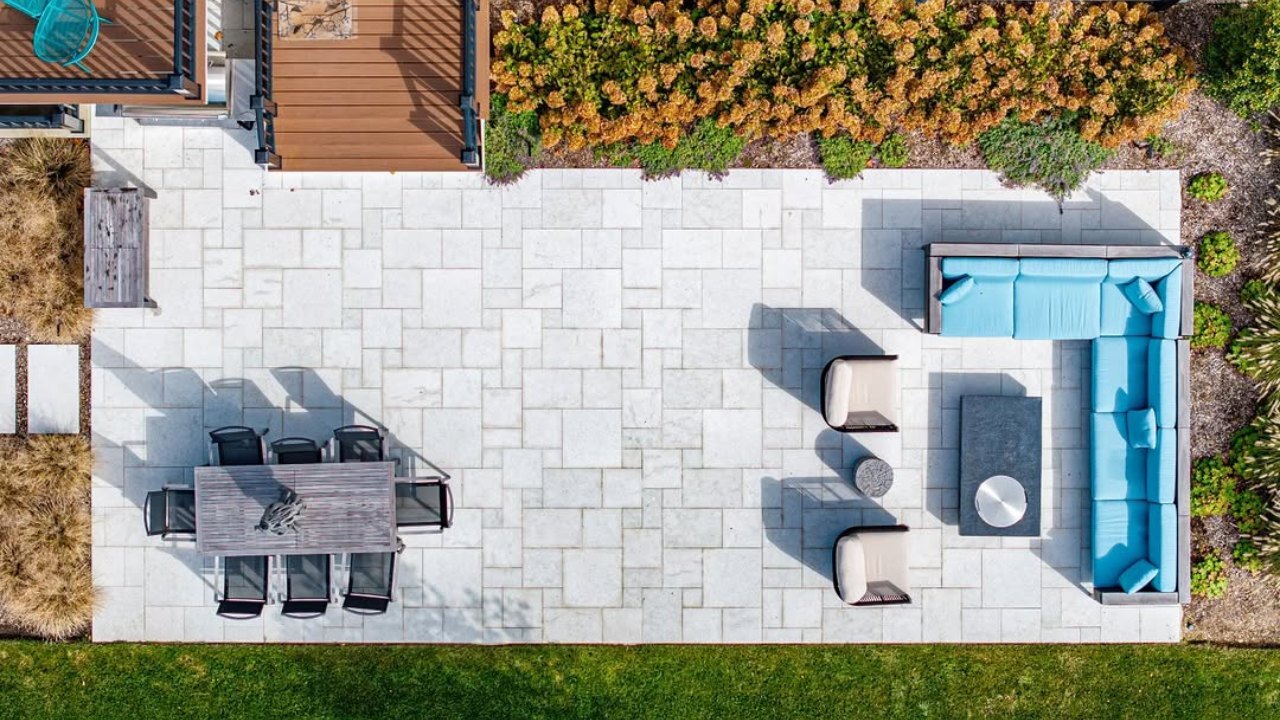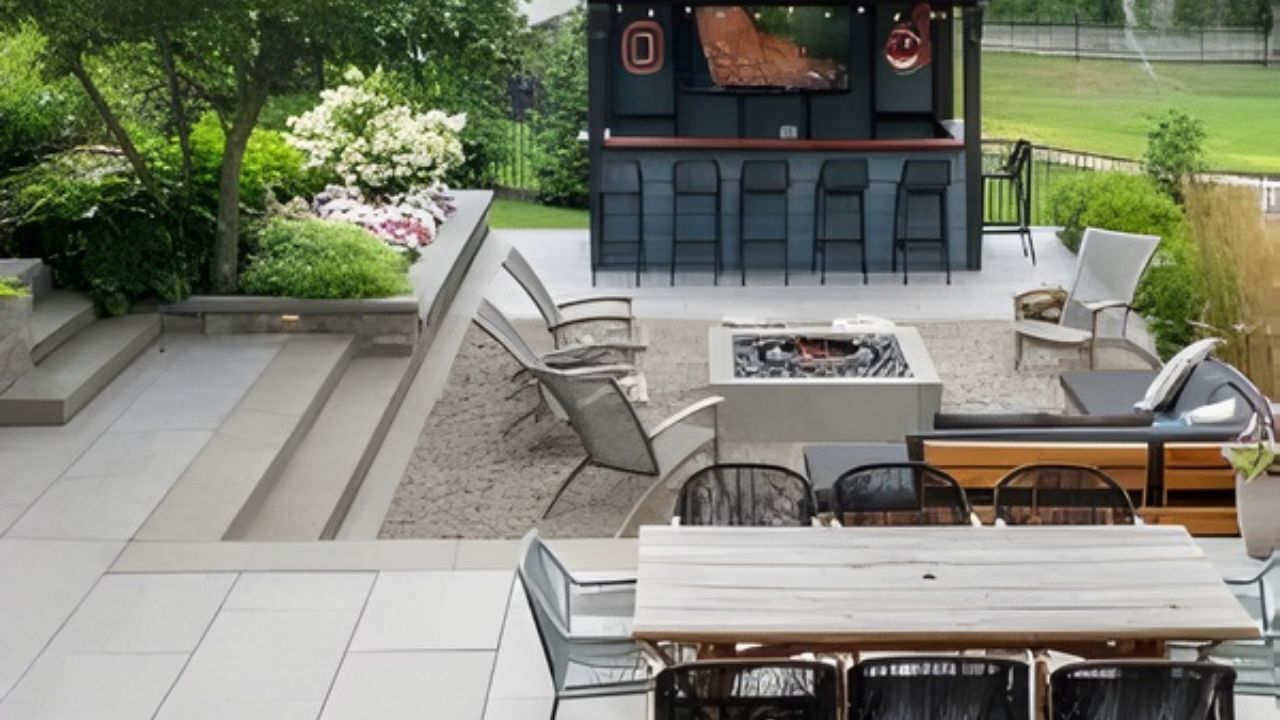
Outdoor pavers are distinctly different than normal pavers. They shape how a space looks and how it will perform over time. An outdoor space, like patios, driveways, or walkways, faces constant stress and foot traffic. They have to face temperature changes, weather changes, moisture, and weight. This is why many homeowners wonder how long the outdoor paver will last before it needs replacement.
The answer is not simple, as different outdoor pavers have different longevity. The answer depends less on the surface and more on what sits underneath it. Material choice matters for outdoor living, but installation, maintenance, and control affect long-term durability. Continue reading the following to learn about their lifespan and how to make a decision that holds up for decades.
How Long Do Outdoor Pavers Last by Material?
Different pavers act differently under stress. Here is a clear explanation of real-world performance.
1. Outdoor Concrete Pavers Durability And Lifespan
Concrete pavers are an affordable option that offers flexibility and strength for the outdoors. These pavers are crafted under high pressure, which enhances their durability and density. The average lifespan of concrete pavers is around 25-30 years.
It can handle moderate traffic well, but the color may fade over time. They are widely used for patios, walkways, and residential driveways. Also, concrete pavers may shift slightly without cracking, which helps them withstand freeze-thaw cycles. However, surface wear and fading often appear after two decades.
2. Outdoor Natural Stone Pavers Longevity and Durability
Natural stone Paver is one of the most durable options. Materials such as limestone, granite, and travertine pavers can resist wear and weather changes with minimal degradation. Due to the natural formation, natural stone can last around 40 to 100+ years. Many historic structures have shown usage of natural stone.
The major strength of natural stone is its extreme durability once it is sealed. However, they cost much more. The best use of stone is for high-end patios, pool decks, and landscapes.

Stones like granite can last over a century in the right conditions. Limestone and travertine feature a slightly lower durability but still outperform most manufactured materials.
3. Outdoor Brick Pavers Longevity and Durability
Brick pavers offer a grounded and organic feel. They are crafted using fired clay. Their colors run through the material instead of the surface. This prevents the color from fading over time. Their lifespan is around 30-50 years.

Brick pavers can withstand heavy foot traffic but may chip under heavy loads. They are well-suited for walkways, patios, and garden paths. The best thing about the brick is its weathered look over time. Many homeowners value this aged appearance.
4. Outdoor Porcelain Pavers Longevity and Durability
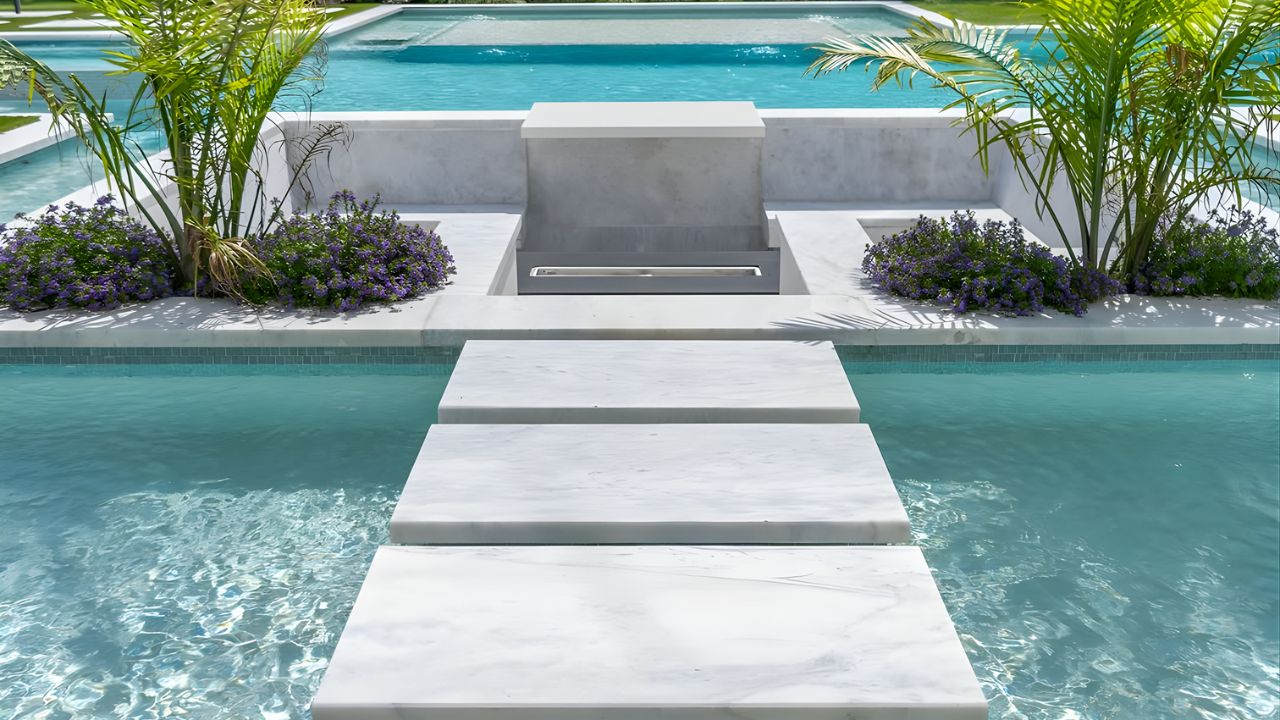
Porcelain pavers are the most popular outdoor pavers that offer engineered durability. The lifespan of porcelain is around 50+ years. It has high density with a non-porous surface. This means it doesn’t absorb water. However, they are heavy and require precise installation.

The most common applications include modern patios, rooftop decks, and pool areas. Porcelain can withstand stains, scratches, and moisture. They are preferred for low-maintenance builds.
Outdoor Paver Lifespan and Durability Comparison
Outdoor pavers generally need to be stronger and more durable due to their intended application. However, not all pavers perform well outdoors, even if they are built for landscaping projects. Here is a complete comparison of the different outdoor pavers’ lifespan and durability.
| Paver Type | Average Lifespan | Durability Level | Key Strengths | Common Weak Points |
| Concrete Pavers | 25–30 years | Moderate | Affordable, flexible, handles moderate traffic, resists cracking from movement | Color fading, surface wear over time |
| Natural Stone Pavers (Granite, Limestone, Travertine) | 40–100+ years | Very High | Extreme durability, natural strength, weather resistant, long-term value | Higher cost, requires sealing for best performance |
| Brick Pavers | 30–50 years | Moderate to High | Color does not fade, classic look, good for foot traffic | Can chip under heavy loads, less suitable for heavy vehicles |
| Porcelain Pavers | 50+ years | High | Non-porous, stain-resistant, scratch-resistant, low maintenance | Requires precise installation, higher upfront cost |
What Affects the Lifespan of Outdoor Pavers?
Outdoor pavers set the baseline, but several factors impact the pavers’ performance. Take a look at the following table to decide whether your pavers will last 10 years or 50.
| Factor | What It Means | Impact on Durability |
| Base Preparation | The foundation layer under the pavers | A compacted crushed stone base prevents sinking, shifting, and surface gaps. Poor base work leads to early failure. |
| Drainage Design | How water moves away from the surface | Proper slope (1–2%) stops water buildup. Standing water weakens the base and damages joints over time. |
| Installation Quality | How well the pavers are installed | Correct spacing, leveling, and edge restraints keep pavers stable. Poor installation causes movement and uneven surfaces. |
| Load and Usage | The weight and traffic the surface handles | Driveways need thicker pavers for heavy loads. Using light-duty pavers in high-load areas leads to faster damage. |
| Climate Conditions | Weather exposure over time | Freeze-thaw cycles, heat, and heavy rain stress the system. Extreme climates require stronger installation methods. |
| Maintenance Practices | Ongoing care after installation | Cleaning, sealing, and joint sand replacement protect the surface. Neglect can reduce lifespan by 10–15 years. |
How to Extend the Life of Outdoor Pavers?
Contrary to common assumptions, it is possible to increase the overall lifespan of your outdoor pavers.
Regular Cleaning
Remove dust, dirt, debris, and weed growth. This reduces the paver patio surface wear and staining.
Sealing (When Needed)
Sealing the concrete and natural stone patio pavers can reduce moisture absorption and color fading.
Joint Sand Maintenance
Keep an eye on the paver joints and reapply polymeric sand when joints erode. This will keep the pavers locked in place.
Fix Small Issues Early
Refix the loose pavers in their place or fill the gaps before they become larger problems.
Control Water Flow
Make sure the drainage systems will stay clear and functional to prevent water damage.
What Are The Signs Of Failing Pavers
You may have chosen a durable outdoor paving option, but it can also show warning signs before failure. Such as:
- Surface cracks and uneven appearance
- Cracked or chipped pavers
- Loose or missing joint sand
- Water is pooling on the surface
Just when you start noticing the early signs of paver failure, opt for early repairs, as it can prevent full replacement.
Outdoor Pavers Longevity FAQs
Let’s answer your question about the longevity of outdoor pavers.
How long do pavers last compared to concrete slabs?
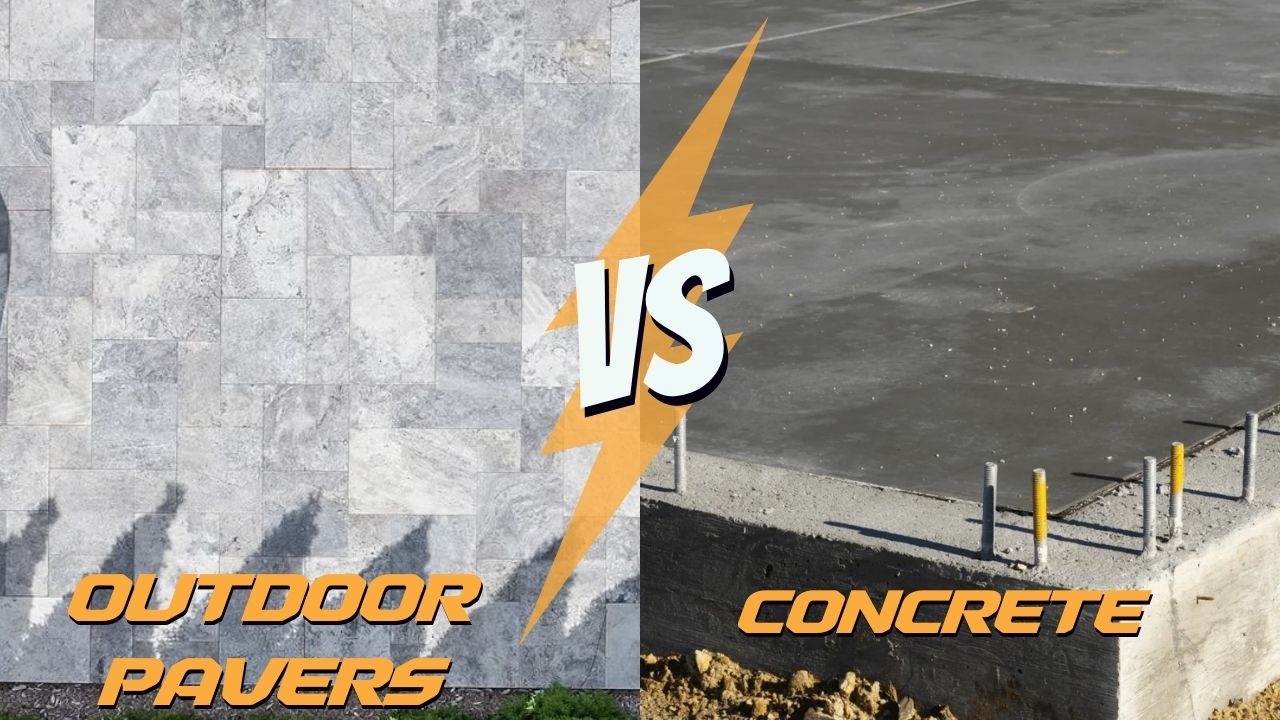
Pavers have a longer lifespan than concrete slabs. Individual units can be removed without cracking, while slabs tend to crack under stress. Pavers can face surface stress better than slabs.
Do pavers need to be replaced after 20 years?
No. Many pavers can last more than 20 years. In most scenarios, only minor repairs or re-leveling may be required instead of full replacement.
What is the most durable type of paver?
Natural stone, such as granite, basalt, and cobblestone, offers the highest durability. Porcelain is another good option that offers dense structure and low water absorption.
Can pavers last a lifetime?
Yes. Some pavers can last a lifetime with proper installation and maintenance.
Do pavers crack over time?
No. Under normal usage, individual pavers rarely crack. If damage occurs, it typically affects only a few units, which makes the repairs simple.
How often should pavers be maintained?
Basic cleaning should be done a few times per year. Sealing also depends on the paver types and application, but generally around every 2-5 years.
Bottom Line
Knowing “how long do pavers last” can be greatly helpful for homeowners looking for the right pavers for their outdoor living space. Outdoor pavers are supposed to be rugged, hard, and support the intended application. Most systems can last around 25-50 years, while premium materials like natural stone can last for centuries. Factors such as base, drainage, and installation quality determine a paver’s performance and longevity.
It is recommended to focus on proper design, match the material with your usage, and maintain the surface over time. This will help the paver system perform for decades without any major problems. A well-installed paver system will not just look good but also add structural integrity, resist water, and adapt to its environment.
Make sure to contact a reputable Porcelain Pavers supplier like NT Pavers to get premium-quality outdoor pavers. Your material sourcing also matters a lot in determining the paver’s longevity.