
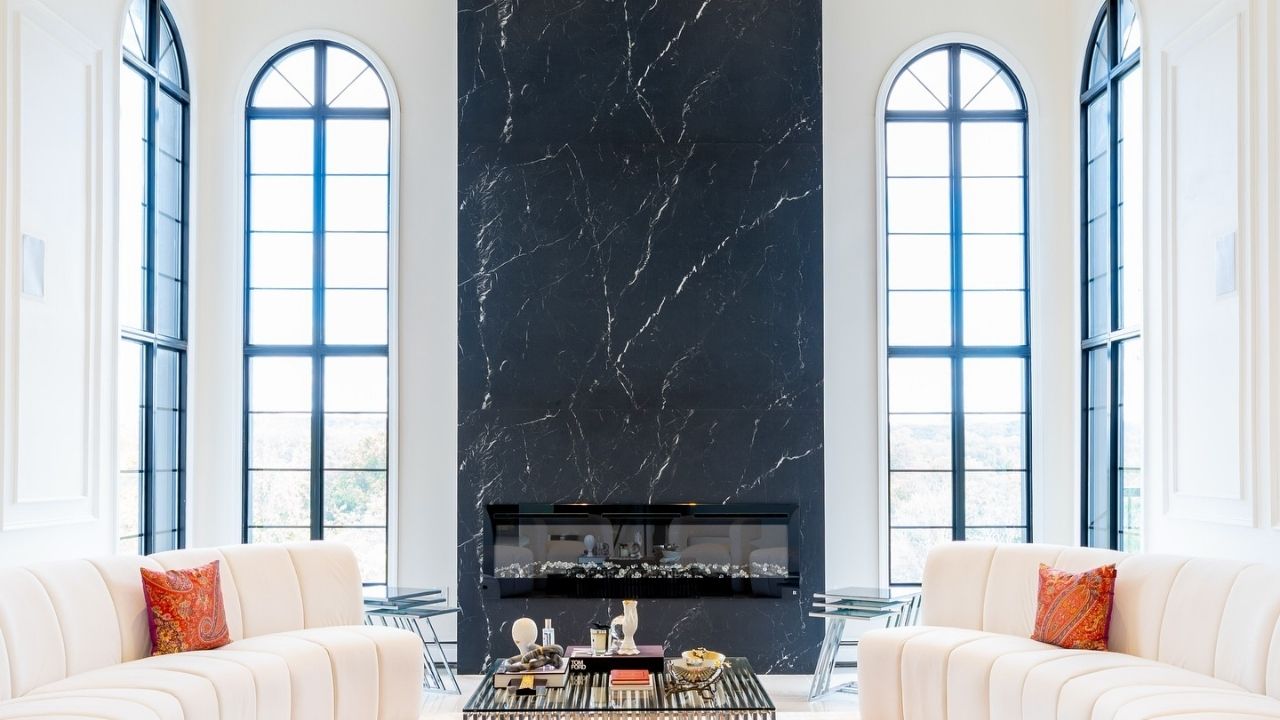
A fireplace can be more than a heat source. It usually becomes the room’s visual interest, so the material around it can shape the entire space. Porcelain slabs can be a great choice for homeowners who want to create a clean, large-format surround with fewer joints than smaller tiles. They can also create an appearance of marble, limestone, travertine, concrete, and other stones. However, choosing the right slab can be a daunting task for the fireplace. It involves more than picking a color from a showroom; it requires understanding the versatility of materials like porcelain and stone slabs. Fireplace type, heat exposure, slab thickness, finish, pattern, fabrication, and installation all matter. Here is our simple yet easy-to-understand guide so you can choose a porcelain slab for a fireplace.
What to Consider Before Choosing a Porcelain Slab for a Fireplace
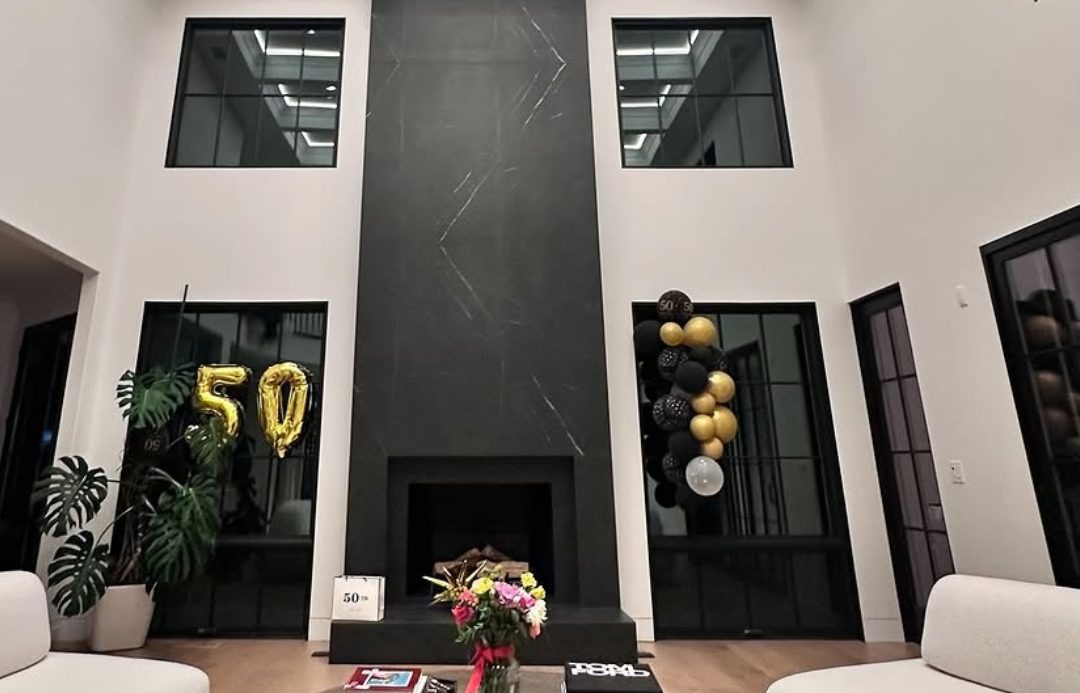
Before choosing a porcelain slab, consider the fireplace type, heat exposure, slab thickness, size, pattern, finish, and fabrication requirements.
Start With the Fireplace Requirements
Before you start comparing porcelain colors, analyze the fireplace system. Gas, electric, and wood-burning fireplaces can have different requirements for surrounding materials. There can be minimum distances between the firebox and combustible materials for a manufactured fireplace. Those requirements can also affect the substrate, fireplace hearths, mantel, trim, and other components around the opening.
Porcelain tile itself is fired at very high temperatures, but that does not mean every porcelain installation is automatically suitable for every fireplace. The adhesive, backing material, framing, joints, and surrounding construction also matter when it comes to durability. Keep the fireplace manufacturer’s installation manual. Give it to your installer before the slab is fabricated.
Check Heat Exposure and Installation Requirements
The next consideration would be the heat exposure and installation requirements. This shouldn’t just focus on porcelain’s heat resistance. Homeowners should ask where the slab will sit and what temperatures that area can experience.
A slab installed throughout a broad wall around a properly designed fireplace faces different conditions than material placed roughly beside a firebox. Your installer should follow the fireplace manufacturer’s clearance and the porcelain installation instructions.
This matters even more with large format slabs. Their weight and size require a suitable, stable substrate and proper handling. A qualified fabricator and installer should confirm these details before cutting the material.
Also consider the installation system as a whole. The substrate, adhesive or mortar, joints, framing, and surrounding materials can all affect how the finished fireplace surround performs.
Choose the Right Porcelain Slab Thickness
Thickness matters a lot in appearance and installation. A thicker slab can offer a stronger look. Thinner porcelain may reduce weight and make certain applications convenient. There isn’t a single thickness that works for every fireplace. Consider:
- The manufacturer’s specifications
- The installation surface
- Slab size
- Weight and handling
- Edge treatment
- Fabrication requirements
Ask the fabricator which thickness the specific porcelain product is designed to support for your fireplace surround. Do not select thickness based on appearance alone.
Use Large Format Porcelain Slab to Reduce Visual Breaks
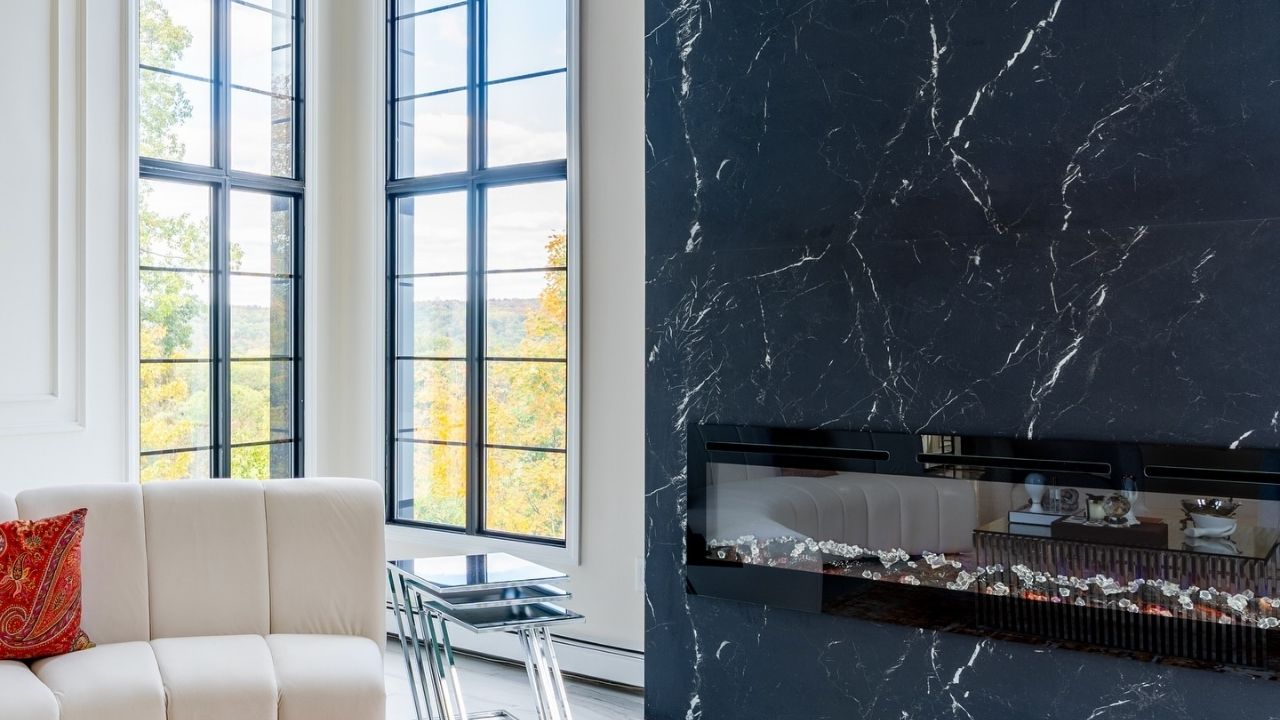
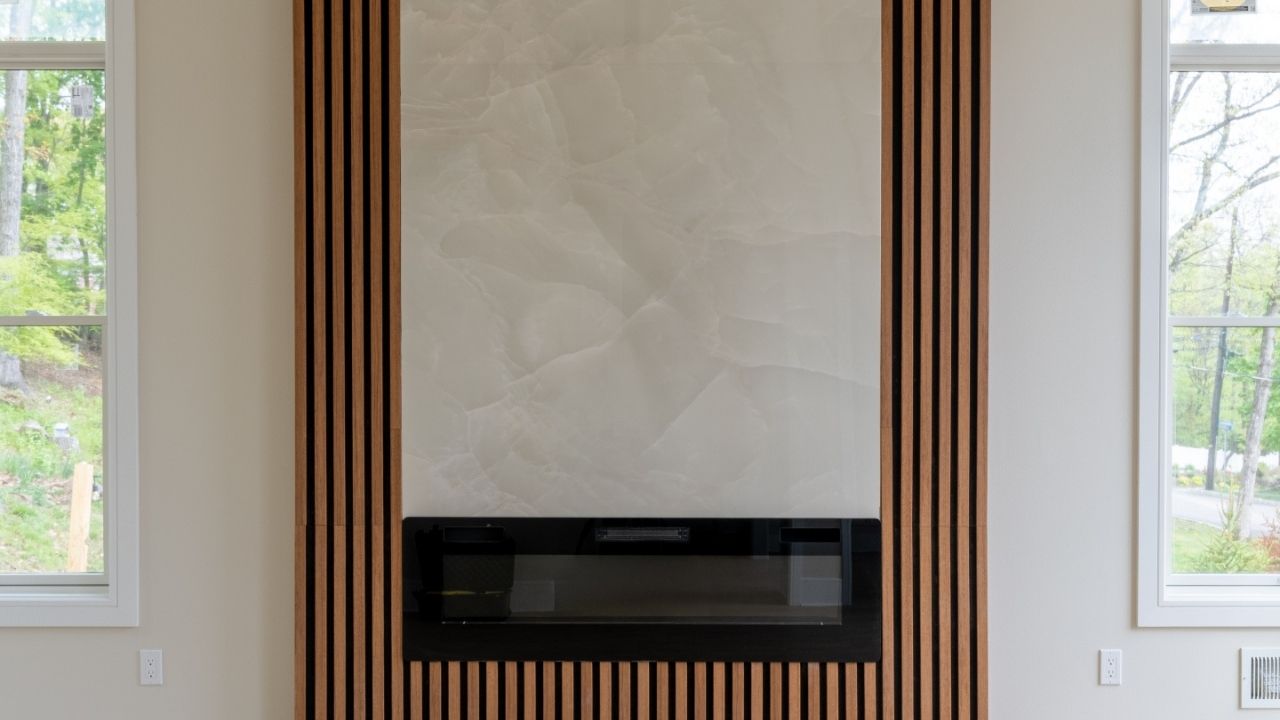
One of porcelain slab’s biggest design advantages is scale. A large slab can cover much of a fireplace surround with fewer joints. That creates a sleek, seamless, calmer surface with a minimum grout line. It lets the pattern become part of the architecture.
This approach works well in modern interiors and where homeowners want clean lines. It can also suit traditional rooms when you choose a marble or limestone-look surface. Before ordering, measure the surround carefully. A larger slab does not always mean a better layout for your fireplace design. The goal is to position joints where they look intentional and avoid awkward narrow strips.
Let the Pattern Match the Fireplace’s Scale
Pattern matters more than many homeowners expect. A small fireplace typically has less space to accommodate heavy patterns. The dramatic veining can make the small fireplace look crowded. A large fireplace wall can make a subtle pattern disappear. For a balanced result:
- Choose fireplace tile with subtle patterns for compact surrounds.
- Use stronger veining when the fireplace is a major focal point.
- Consider vein direction before cutting.
- Review the entire slab, not only a small sample.
- Plan corners so the pattern does not look interrupted.
For bookmatched designs, porcelain slab fabrication becomes even more important because adjacent slabs need careful planning to add depth.
Compare Porcelain Fireplace Slab With Natural Stone Slabs
A porcelain fireplace can replicate the natural stone look, but inherently, it is not a natural stone. Each material brings a different combination of appearance, maintenance, and performance characteristics, especially when considering versatility. Here are porcelain slabs compared to the natural stone options.
| Material | Appearance | Maintenance | Key Consideration |
| Porcelain slab | Marble, stone, concrete, and solid looks | Low routine maintenance | Check fireplace and installation requirements |
| Marble | Natural veining and strong variation | Needs more care | Can etch or stain |
| Granite | Natural grain and varied colors | Relatively low | Pattern varies from slab to slab |
| Limestone | Soft, earthy appearance | Requires more care | Porous and can be sensitive to staining |
| Travertine | Warm, textured, natural character | Requires sealing and care | Holes and natural variation affect appearance |
| Slate | Layered, earthy, textured | Moderate | Texture and color vary by stone |
This comparison helps explain why large-format porcelain slabs have become a practical option for contemporary fireplace surrounds. Homeowners can get a stone-inspired appearance without requiring the same upkeep routine as many porous natural stones, using porcelain as an alternative.
Select the Finish for the Room
Finish changes how the fireplace interacts with light. A polished porcelain slab reflects more light and can create a refined appearance. A matte porcelain finish provides the surface with a softer look that is well suited to contemporary interiors. Textured finishes can add visual depth, but they may require more attention when cleaning.
When thinking about the slab finish, think about the rest of the room. If you already have glossy cabinetry, glass, and polished metal, a matte fireplace surround may provide useful contrast.
Plan Cuts, Corners, and Edges Before Buying
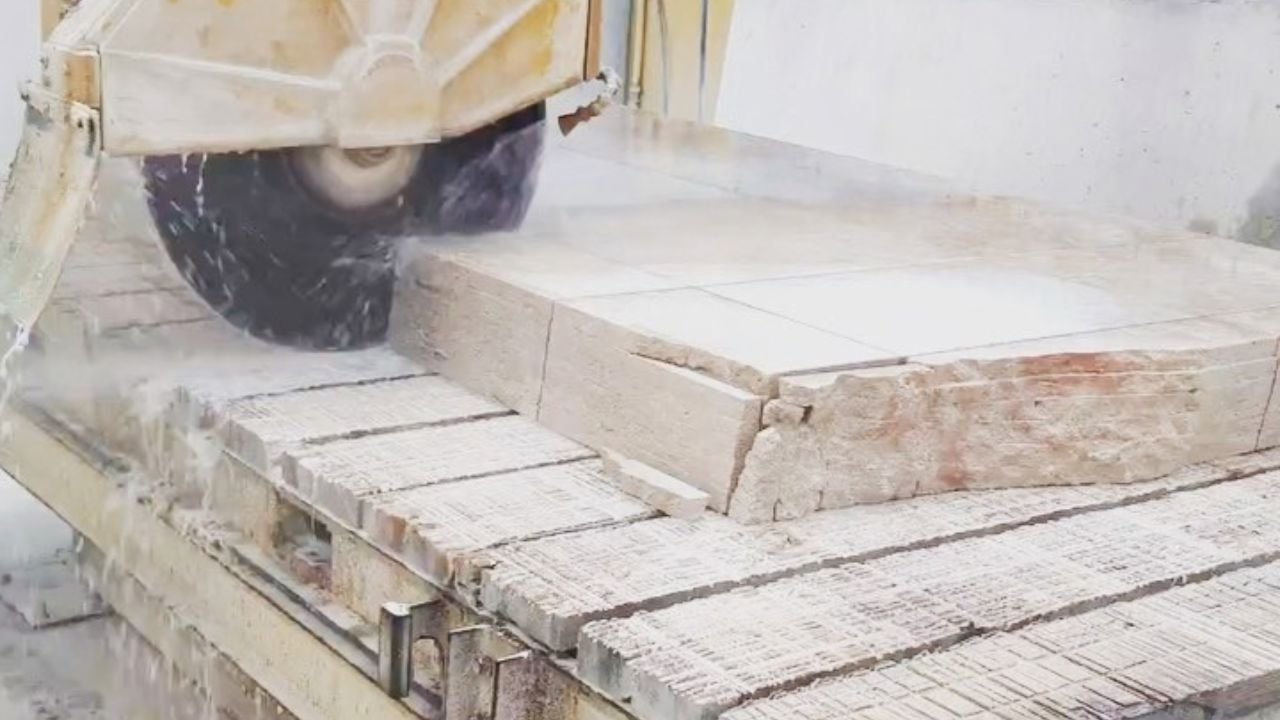
Large porcelain slabs require precise fabrication because of their large size. Your installer may have to create openings around the fireplace, electrical components, corners, mantels, or other features. Improper planning may result in narrow strips or awkward joints.
Discuss the layout before purchasing the slab. Ask where the seams will fall and how corners will be finished. This is one area where experience matters in fireplace design. A good fabricator will not simply cut the slab to fit. They plan the cuts around the design.
Ask the fabricator to review the slab layout before cutting, especially if the design includes large veining, bookmatching, corners, or multiple openings.
Order Samples Before Making the Final Decision
A sample is a perfect way to get the answers to basic questions about color and finish. However, large-format patterns need more attention. If a slab has strong dramatic veining, then ask to see the full slab or a detailed layout before fabrication.
If you want to know where the major veins will fall around the firebox and mantel. The best choice should look good before it is cut.
How Much Porcelain Slab Do You Need for a Fireplace?
Measure the full area of the fireplace surround, including the height, width, corners, mantel, and any required openings. Your fabricator can use these measurements to determine how many slabs are needed and how they should be laid out. Planning the slab layout before ordering can help reduce unnecessary seams and material waste.
FAQs About Choosing A Porcelain Slab for a Fireplace
Let’s answer your questions about how to select a porcelain slab for a fireplace.
Is porcelain slab safe around a fireplace?
Yes. Porcelain is generally considered a safer option for fireplace applications. But suitability depends on the fireplace system, location, substrate, and installation method.
Can porcelain slabs withstand fireplace heat?
Yes. Porcelain itself is manufactured at very high firing temperatures. However, it is important to check the manufacturer’s heat and clearance requirements.
Is porcelain better than marble for a fireplace?
Yes. Choose porcelain for resisting the higher temperatures with low maintenance requirements and consistent design options. Marble provides natural variation and genuine stone character, but direct exposure to heat is not suitable for it.
What thickness of porcelain slab is best for a fireplace?
There is no universal thickness. The correct choice depends on the specific porcelain product, installation system, substrate, and fireplace application.
Can a porcelain slab cover the entire fireplace wall?
Yes. Large-format porcelain can create a continuous appearance across much of a fireplace wall when the substrate, clearances, slab size, and installation method are suitable.
Should porcelain around a fireplace be polished or matte?
Depends. Choose based on the room’s lighting, surrounding finishes, cleaning needs, and the look you want to create.
How do you measure a fireplace for a porcelain slab?
Measure the height and width of each section of the fireplace surround, including the areas around the firebox, corners, mantel, and other openings. Provide these measurements to your fabricator so they can plan the slab layout, cuts, and seams.
Bottom Line
Selecting the porcelain slab for a fireplace shouldn’t be limited to the colors or aesthetics but performance as well. Confirm the fireplace requirements first. Then consider slab thickness, format, pattern, finish, color, fabrication, and installation.
The best slab is not necessarily the most dramatic one. It is the material that fits the fireplace system, works with the room, and gives you the appearance and maintenance level you want for years to come.