
Natural stone flooring has been a part of residential projects for centuries. They are even relevant to modern houses as well. They offer organic charm, an authentic natural appearance, and durability. Homeowners often choose materials like marble, granite, travertine, limestone, and slate, but they don’t know which suits their space. The answer depends on how the tile will withstand pressure, moisture, and daily use.
When choosing the best stone for flooring these days, homeowners also prefer energy efficiency, repairability, and long-term maintenance costs. Continue reading the following to learn about the best natural stone flooring option.
Travertine For a Balance Of Comfort And Aesthetics
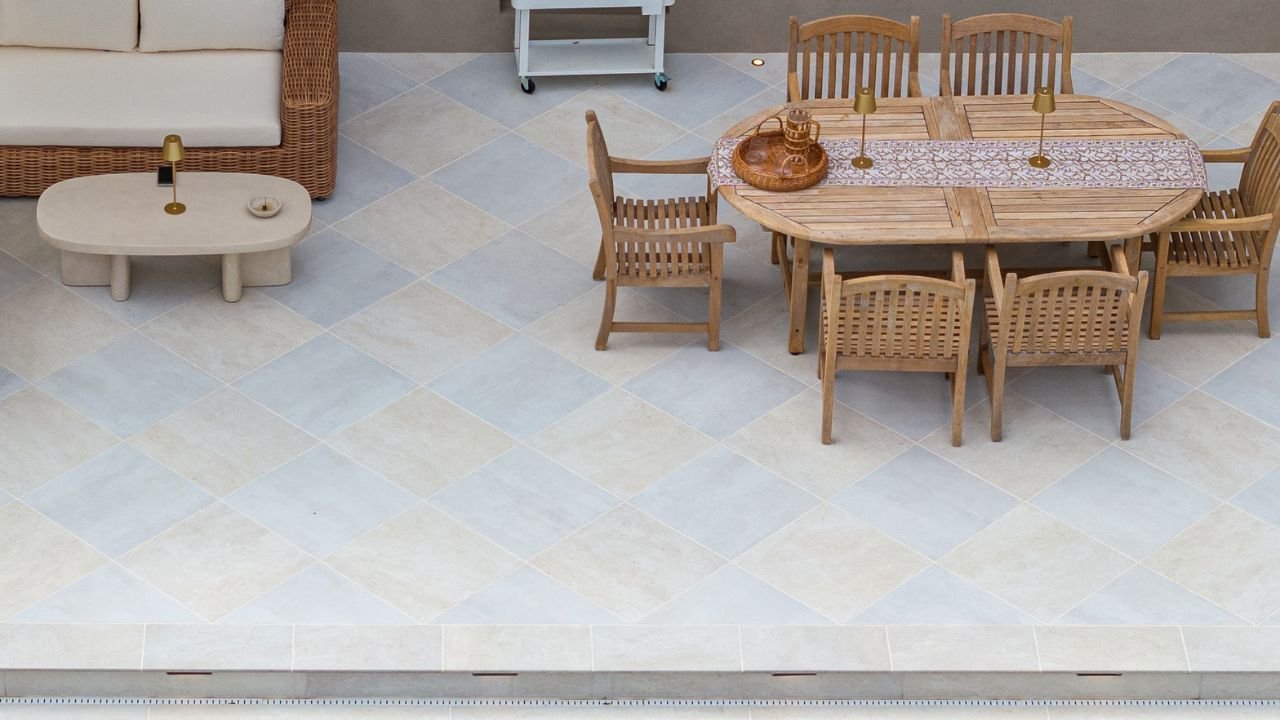
Travertine forms around the mineral springs. Its natural structure is porous, which gives it a distinct aged look. It mostly features warm color tones that add to the overall aesthetic of the flooring. Travertine is often considered the best natural stone for flooring because of its soft surface compared to granite or slate. It creates a warm and rustic flooring that adds elegance to the room.
Travertine feels soft underfoot compared to granite or slate. It keeps the indoor spaces visually warm and blends well with both modern and traditional interiors. However, the porous surface requires sealing because it can absorb liquids. Also, it is sensitive to acidic substances.
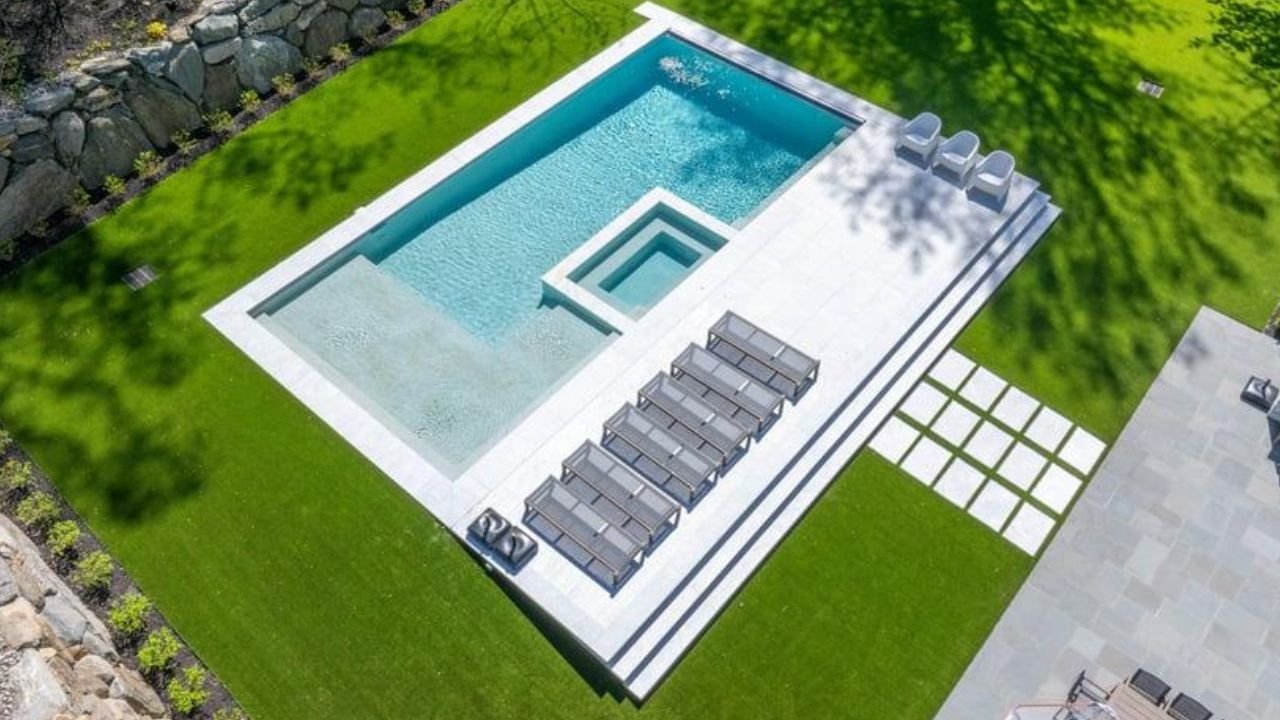
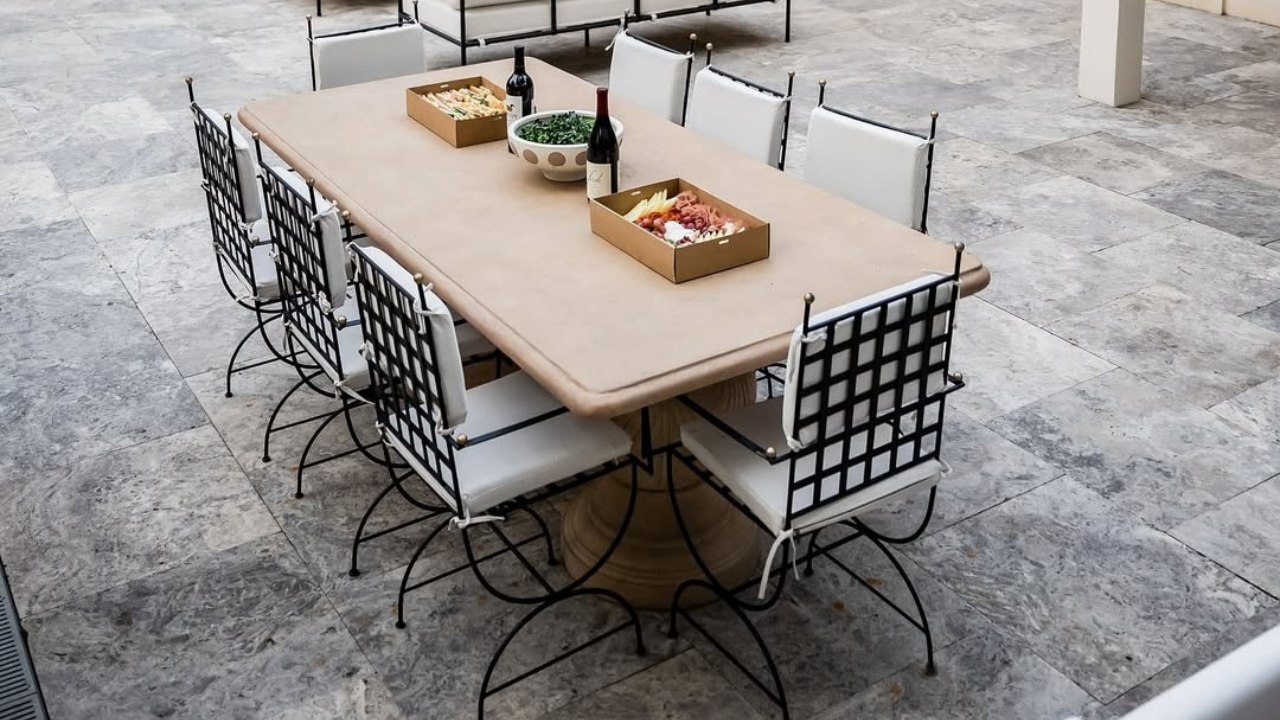
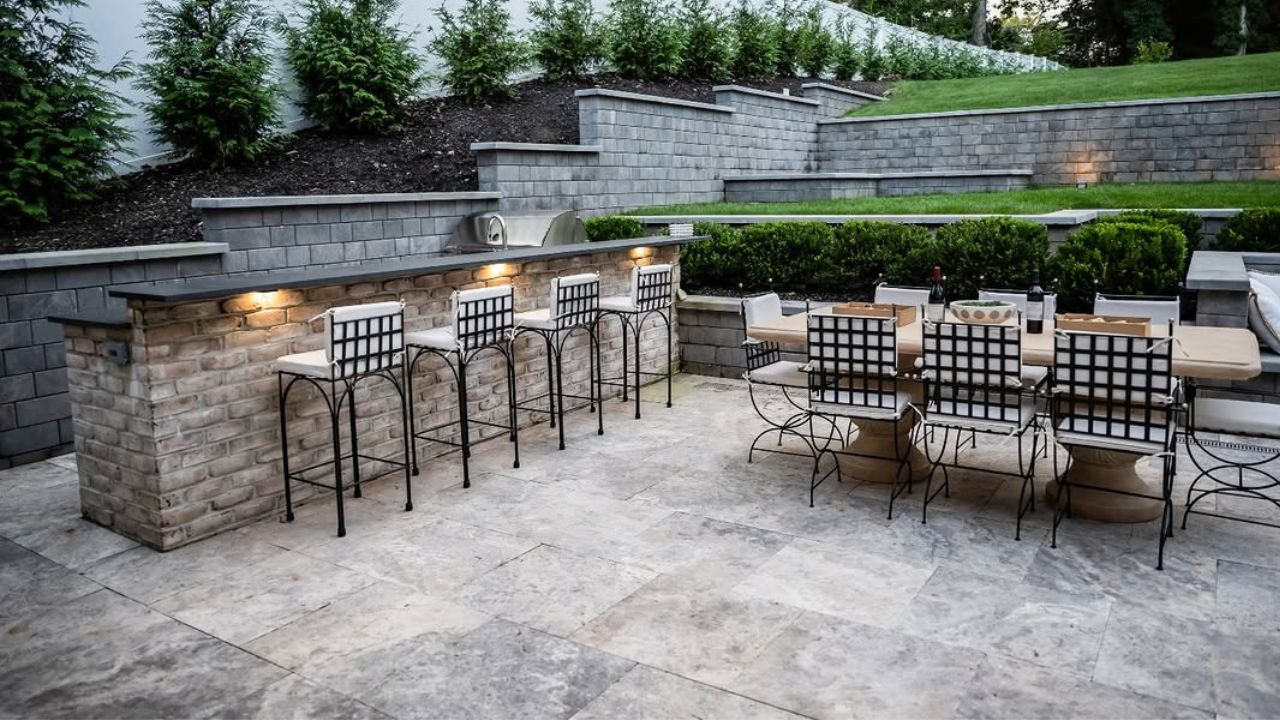
This natural stone tile is well-suited to living rooms, lounge areas, and covered outdoor spaces. For exterior applications, travertine pavers are also a popular choice because they offer the same warm appearance with excellent versatility. Travertine suits homes that value comfort and natural tone balance.
Granite For Strength And Heavy Use
Granite is one of the best natural stones for flooring when it comes to heavy use and strength. It is formed under intense heat and pressure, which makes it extra hard and thick. This thickness results in a stone surface ideal for rugged use. Granite tile resists scratches and impact. It holds up in kitchens, hallways, and commercial-style home interiors. Heavy furniture does not damage it easily. It also handles long-term traffic without visible wear. They are well-suited in kitchens, entryways, and high-traffic corridors.
While granite is the strongest natural stone flooring option, finish plays an important role here. A polished finish reflects light but often gets slippery when wet. A honed surface is a better choice for traction and to prevent slippery hazards.
Limestone for Clean and Soft Interiors
Limestone features a fine-grained structure that looks uniform and calm compared to heavily veined stones. Limestone tile creates a smooth visual appearance that is perfect for minimal interior design without visual noise. The surface feels comfortable for walking. You can also add sandstone tile here as well, except it is more porous than limestone.
However, limestone flooring scratches more easily than granite. Also, it requires sealing in high-traffic areas. Proper limestone sealing helps protect the surface from stains, moisture penetration, and premature wear. Limestone tile is widely used for dining rooms, bedrooms, and low-traffic luxury interiors. Limestone is an ideal choice for homeowners who prefer quiet, consistent flooring surfaces.
Slate For The Grip and Safety
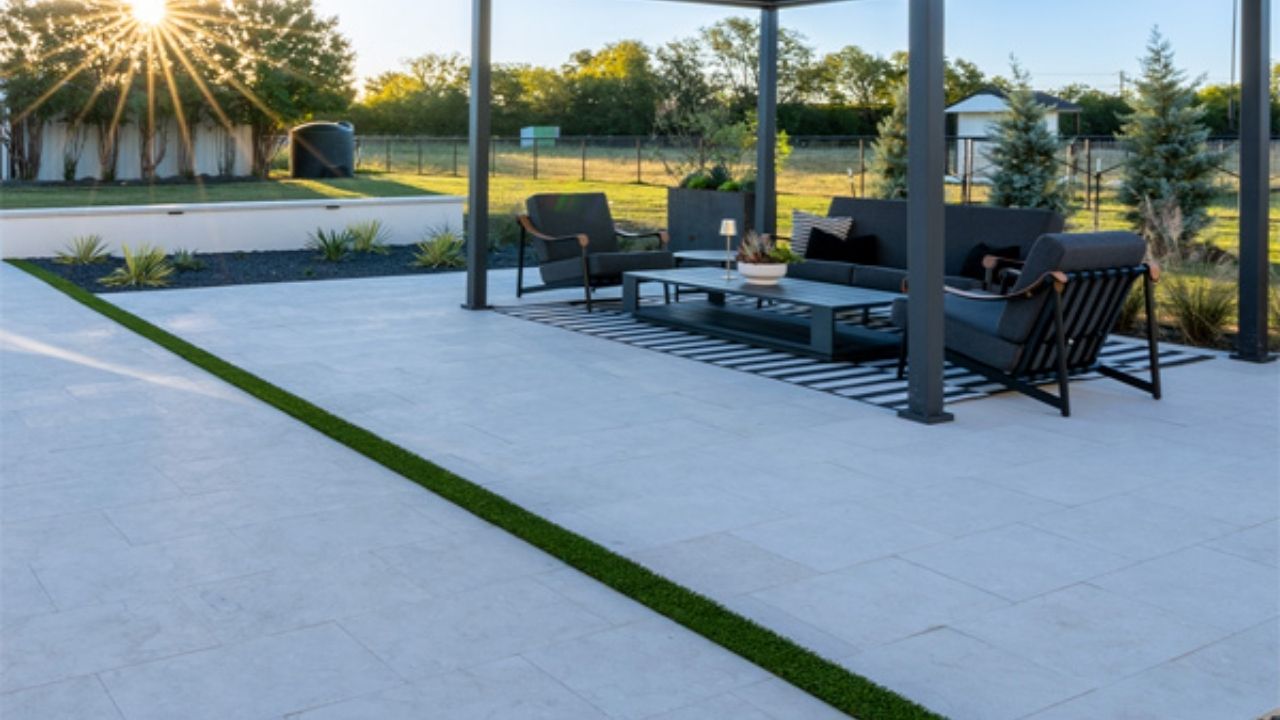
Slate stone is another one of the best natural stones for flooring. It features a layered structure that splits into sheets. This creates a naturally textured surface that offers strong traction. It reduces slip risk in wet zones and hides dust and minor marks thanks to its natural variation. Slate works well in climates where moisture control matters more than polish.
However, the surface may seem uneven, which is why they are ideal for rooms or corridors where a flat surface is required. The slate tile is well-suited for bathrooms, outdoor patios, and entry zones exposed to rain.
Marble for Premium Visual Impact
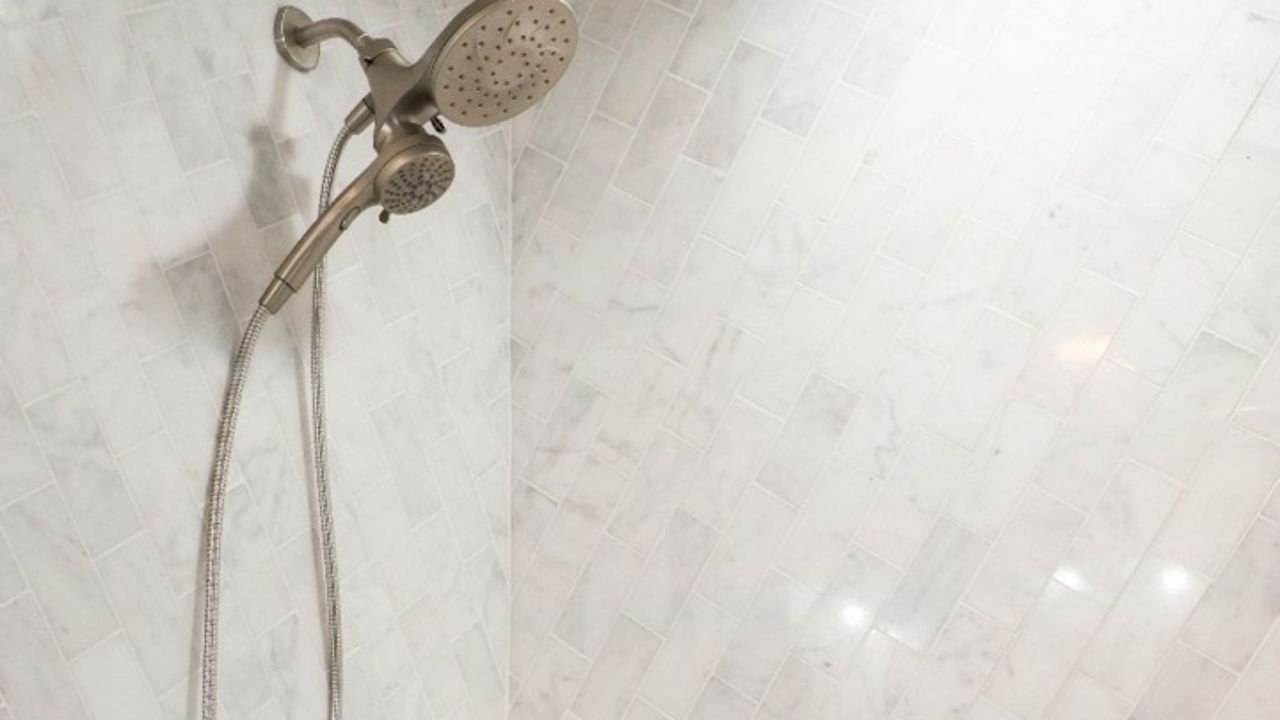
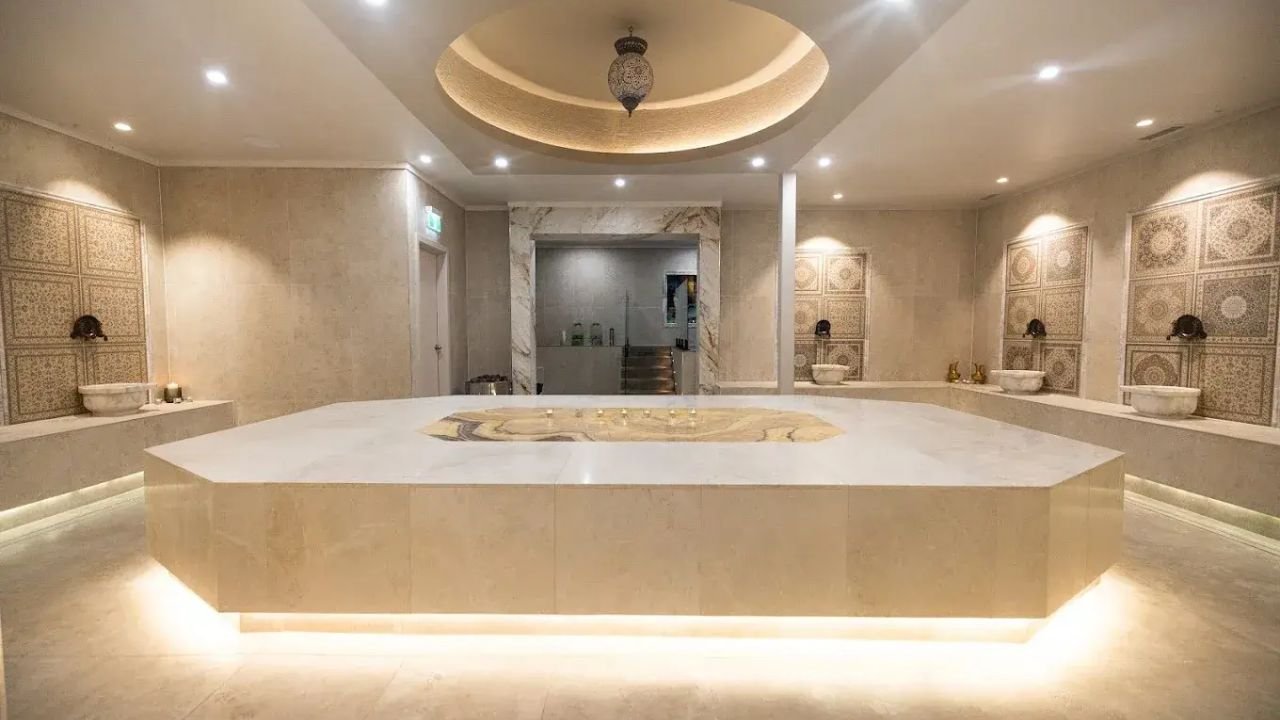
Marble is one of the best natural stones for flooring with a luxurious-looking surface. It is formed when the limestone undergoes heat and pressure changes. This gives it a signature veining. Marble pavers offer high-end appearance. It reflects light and improves spatial brightness and remains a top choice in luxury homes and architectural projects. Homeowners can choose from various types of marble flooring, each offering distinct colors, veining patterns, and design appeal.
Keep in mind that marble is more prone to getting damaged by acids and scratches than granite. It requires regular sealing and careful cleaning. Homeowners should also understand how to clean marble surfaces properly to maintain their appearance and prevent damage over time. Marble is a perfect choice for formal living areas, entrance foyers, and decorative interior zones.
Marble suits design-first spaces where appearance matters more than resistance.
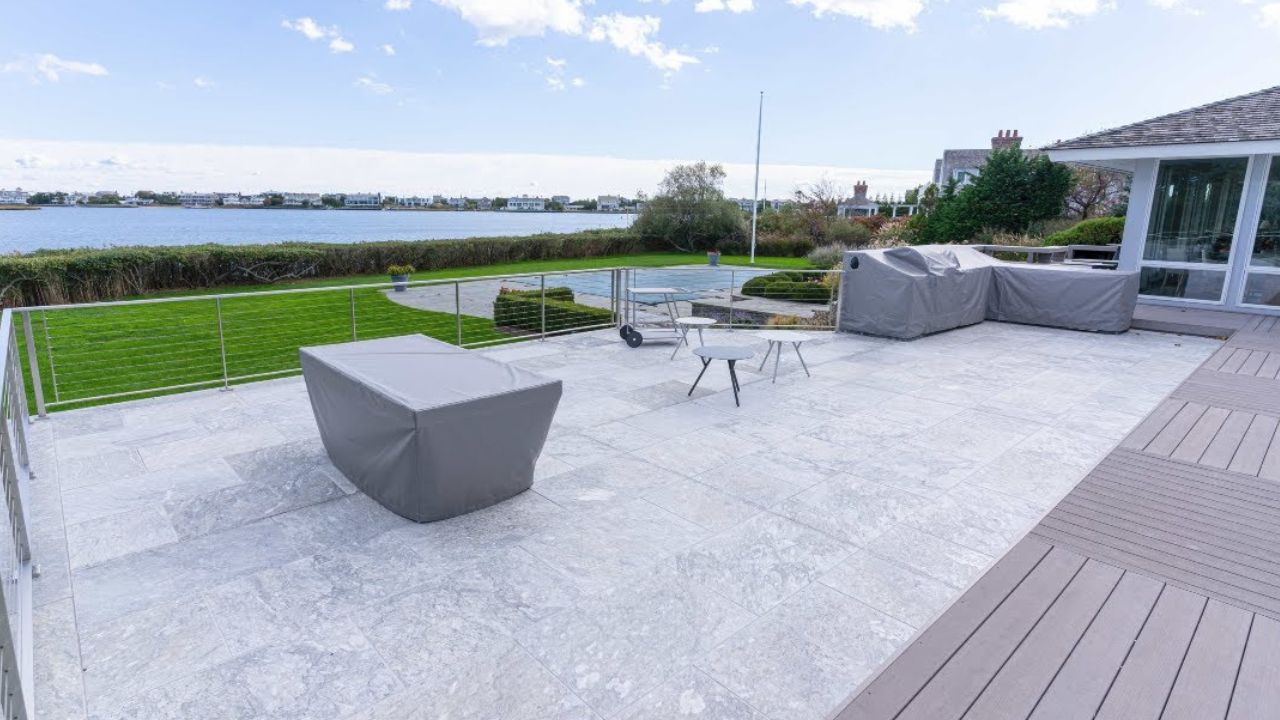
Best Natural Stone For Flooring Comparison
These natural stones are the perfect choice for creating a strong, durable, and beautiful floor. All of them, despite being natural stone, are distinctly different. Here is the comparison table, comparing every stone ideal for flooring.
| Stone | Strength & Durability | Maintenance Level | Comfort Underfoot | Slip Resistance | Water Resistance | Typical Lifespan | Best Function |
| Granite | Excellent; highly resistant to scratches, impacts, and heavy traffic | Low | Medium | Moderate when polished; better in honed finishes | Excellent | 75+ years | High-traffic floors, kitchens, hallways |
| Slate | Excellent, durable, and resistant to wear | Low | Low to Medium | Excellent due to natural texture | Excellent | 75+ years | Bathrooms, entryways, outdoor transitions |
| Travertine | Good; handles residential traffic well | Moderate | High | Good in tumbled or brushed finishes | Moderate when sealed | 50+ years | Living rooms, family rooms, covered patios |
| Limestone | Good; softer than granite and slate | Moderate | High | Moderate | Moderate when sealed | 50+ years | Bedrooms, dining rooms, low-traffic interiors |
| Marble | Good but prone to scratching and etching | High | Medium | Moderate | Good when properly sealed | 50+ years | Luxury interiors, foyers, formal spaces |
This comparison shows a clear pattern. Hard stones handle pressure. Softer stones improve comfort. Visual stones improve aesthetics but need care.
Which Stone Excels in Each Category?
While each stone is different in appearance, they are also different and perform great in a certain category.
| Category | Best Choice | Why It Performs Best |
| Durability | Granite | Highest hardness and wear resistance among common flooring stones |
| Slip Resistance | Slate | Naturally textured surface provides excellent traction |
| Luxury Appearance | Marble | Distinctive veining and timeless architectural appeal |
| Comfort Underfoot | Travertine | Softer feel and warmer surface compared to denser stones |
| Low Maintenance | Granite | Requires less upkeep and resists stains and scratches |
| Family-Friendly Flooring | Travertine | Balances comfort, aesthetics, and practicality |
| Moisture-Prone Areas | Slate | Handles water exposure better than most natural stones |
| Modern Minimalist Design | Limestone | Uniform appearance creates a clean, understated look |
| Long-Term Value | Granite | Exceptional lifespan with minimal maintenance costs |
| Indoor-Outdoor Continuity | Travertine | Available in finishes suitable for both interior and exterior applications |
Best Natural Stone for Flooring FAQs
Let’s answer your questions about natural stone for flooring.
Which natural stone is most durable for flooring?
Granite is the best natural stone for flooring with heat and scratch resistance. It handles heavy traffic better than other common stones.
What natural stone is safest for wet areas?
Slate is the safest choice because of its natural texture and high slip resistance.
Is marble a good choice for kitchen floors?
Marble is the best choice for kitchen floors, but it requires regular sealing and maintenance.
Which stone is easiest to maintain?
Granite is easy to maintain with an easy cleaning routine and just basic care.
What is the most comfortable stone to walk on?
Limestone and travertine offer a more comfortable underfoot due to their softer surface structure.
Can I mix different stones in one home?
Yes. You can combine mixed stone layouts to balance durability, comfort, and design.
Bottom Line
The best natural stone for flooring focuses on functionality and not trends. Granite is the leading stone in this regard, with durability and strength. Slate stone offers better slip resistance; travertine and limestone balance comfort and appearance. Marble is the best choice for a premium natural stone flooring material, but it requires maintenance, including sealing.
A well-planned home does not rely on one stone. It uses stone according to the room’s functionality. This approach improves long-term performance and reduces maintenance stress. Choose a material not based on looks but on its functionality as well for long-lasting flooring indoors and outdoors. Homeowners comparing natural stone flooring options often explore suppliers like NT Pavers to evaluate materials based on performance and design.