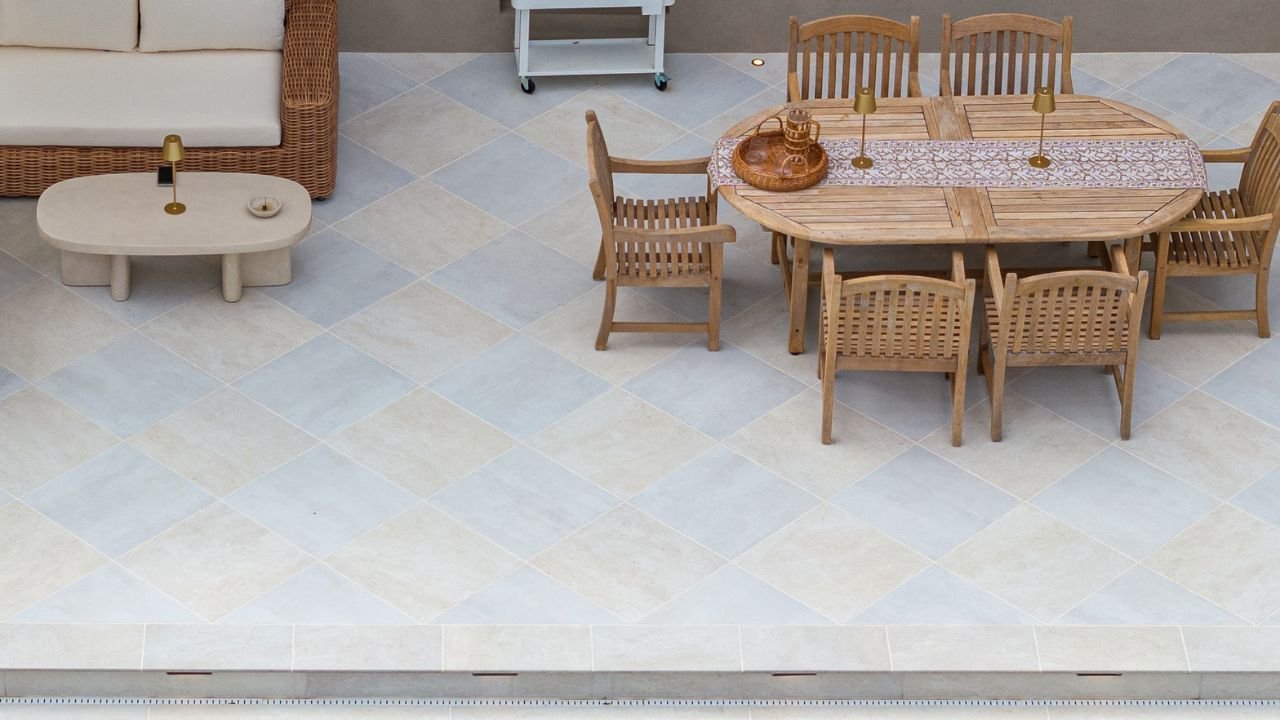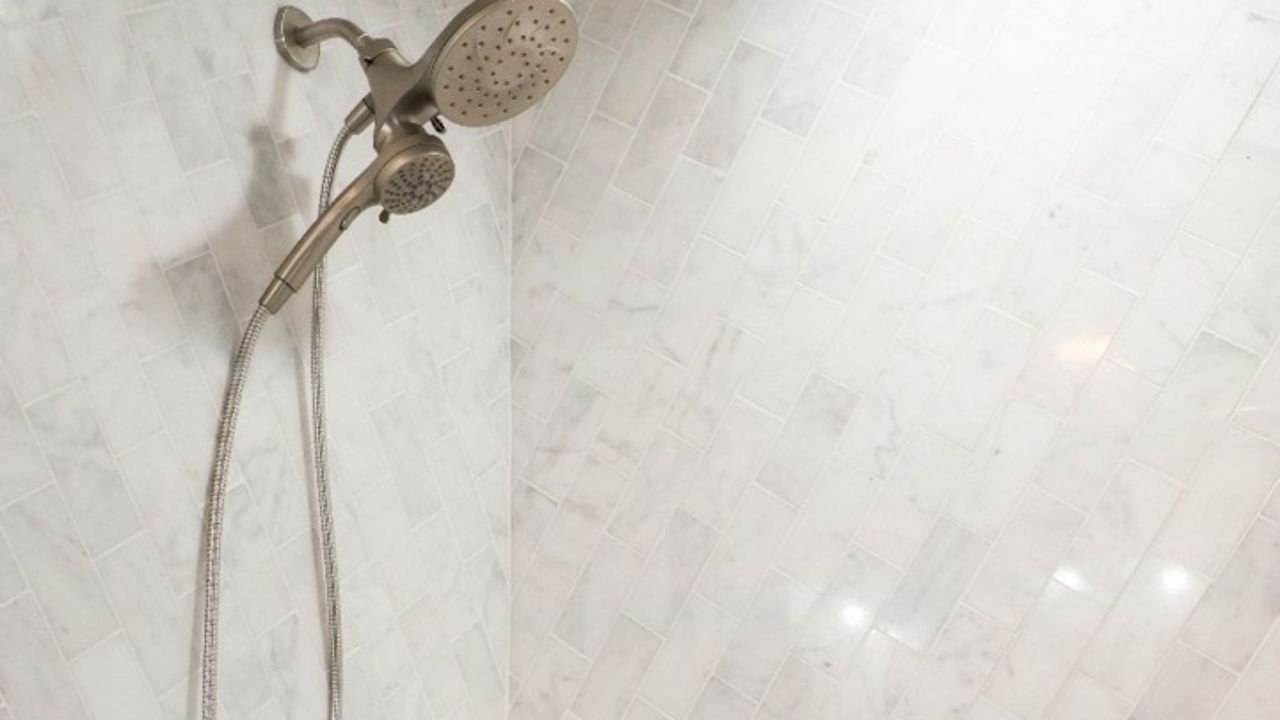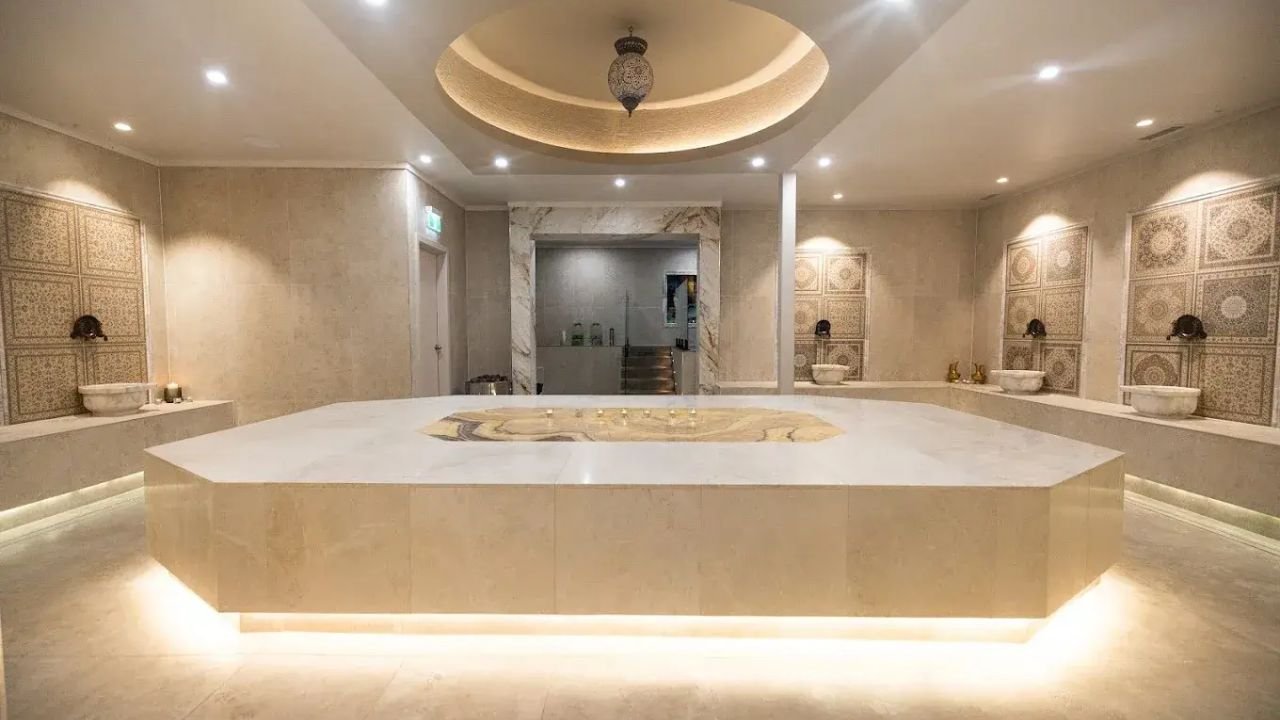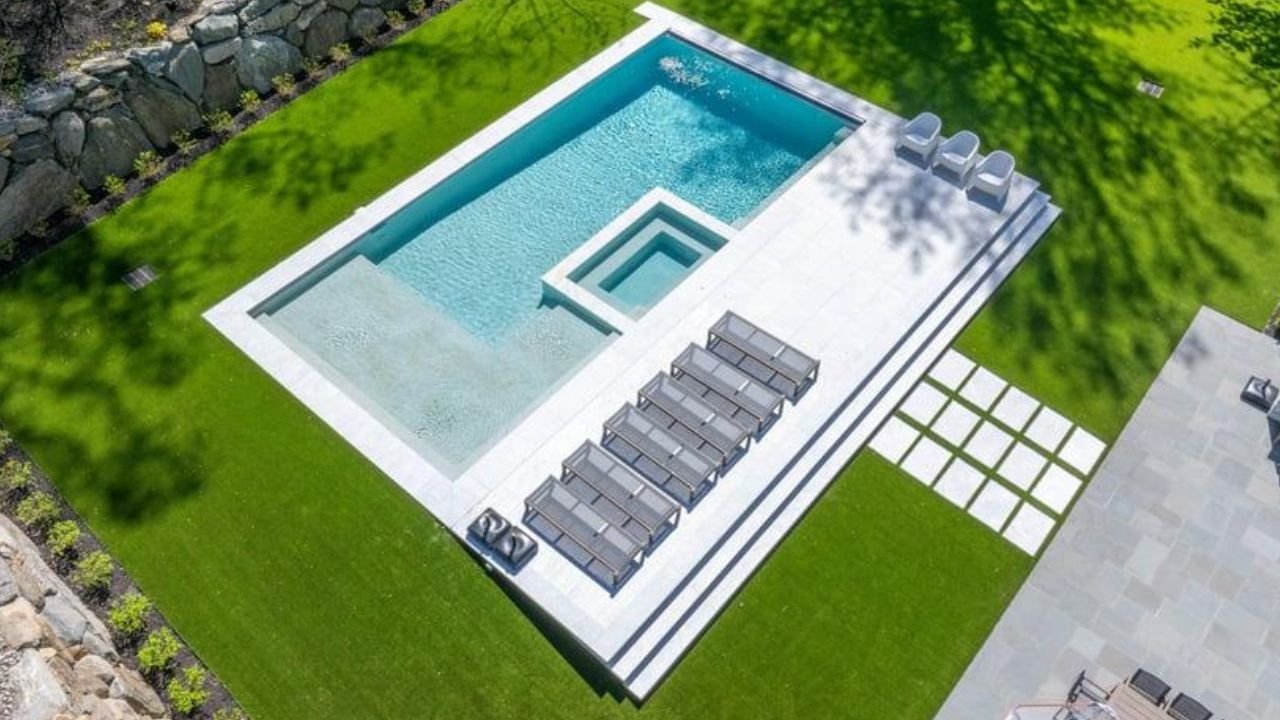

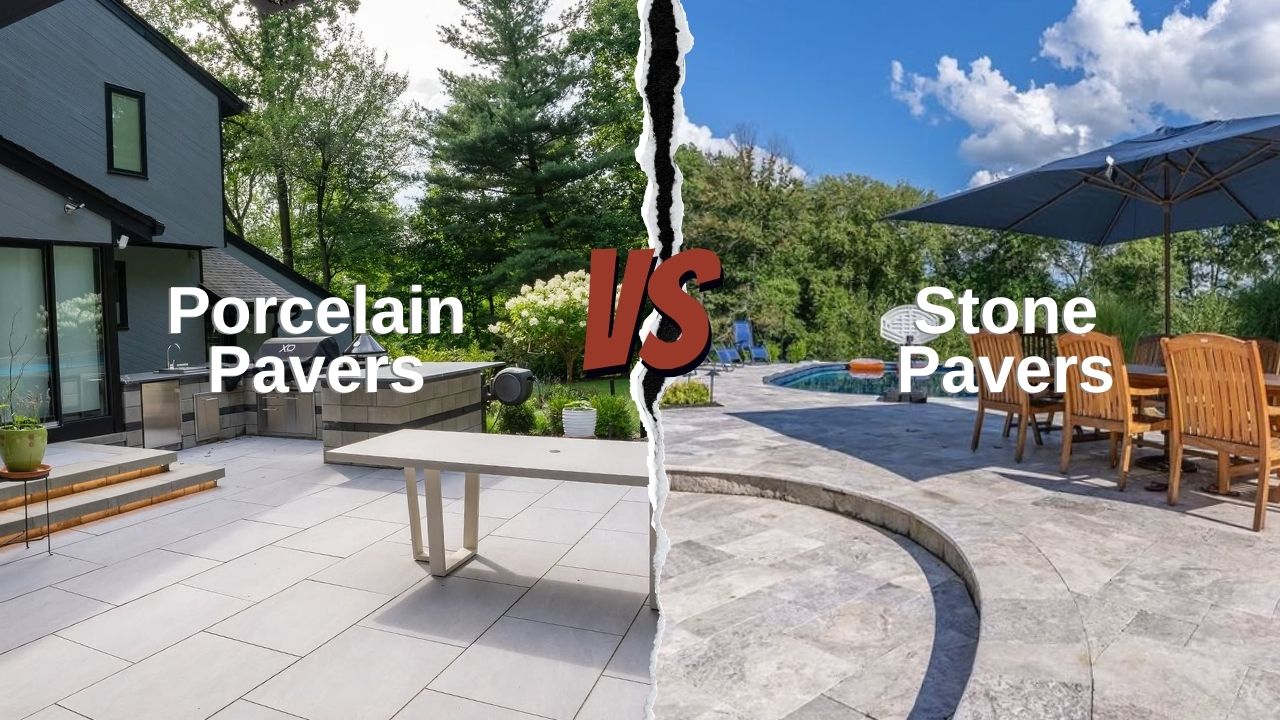
Porcelain pavers and stone pavers are two of the most common paving materials that homeowners often get confused about. Porcelain offers reliable performance with durability and thickness while offering great aesthetic flexibility. Stone pavers offer a wide range of stone types with natural charm and a unique design for each slab. While the origins of both pavers are distinctly different, it’s the price that often affects the final decision. Porcelain, even being a synthetic material, has a higher price even higher than some variants of marble and granite. So, which paving option offers better cost in the long run? Continue reading the following for long-term cost comparison between Porcelain Pavers vs Stone Pavers. So you can make an informed decision.
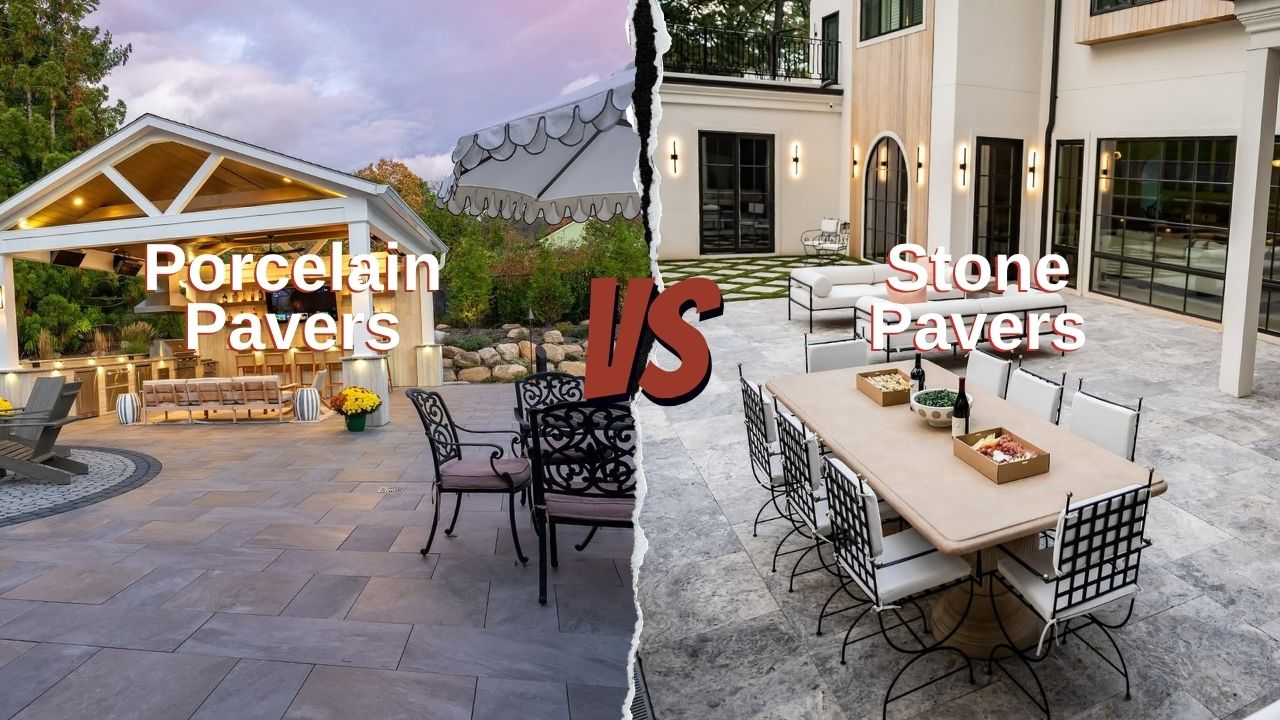
Porcelain Pavers vs Natural Stone: Upfront Cost Comparison
The first cost homeowners notice is installation. This includes the pallet of pavers cost themselves and the labor required to install them. The overall paver installation cost varies depending on material type, site preparation, and design complexity. Typical installed costs lie around the following range:
| Material | Average Installed Cost (per sq ft) |
| Porcelain Pavers | $15 – $35 |
| Natural Stone Pavers | $15 – $30 |
| Granite Stone | $20 – $40 |
| Concrete paver | $12 – $25 |
| Limestone or Travertine | $15 – $25 |
At first, the prices may look similar, but the differences become clearer when you consider the types of stone. For instance:
- Dense stone tile, such as granite, often costs more than porcelain.
- In larger applications like large stone pavers, pricing increases due to handling and cutting difficulty.
- Softer stones such as Limestone or Travertine may cost less initially.
- Labor can increase for natural stone because each piece varies in thickness and shape.
Manufactured porcelain features consistent dimensions, which usually simplifies installation and reduces adjustment work during leveling. Homeowners exploring backyard paver ideas or modern outdoor upgrades often compare porcelain with stone based not just on cost but also design flexibility and maintenance. However, the upfront cost alone rarely determines the best material choice. It is the long-term performance that matters more.
Maintenance Over 20 Years: The Biggest Cost Difference
The cost difference between porcelain tile, pavers, and stone pavers makes a huge difference when it comes to maintenance.
Porcelain Maintenance Requirements
The porcelain manufacturing process involves extremely high temperatures during manufacturing. This process results in a dense and vitrified material with very low porosity. As a result, the surface is non-porous and resists stains. Because of this structure, porcelain is widely used in pool pavers, patios, and outdoor entertainment areas where water exposure is frequent.
The material absorbs almost no water, and most installations require no sealing. The cleaning usually involves simple washing with water and mild detergent. Dirt sits on the surface rather than penetrating the material. Because maintenance remains minimal, long-term upkeep costs remain low.
Natural Stone Maintenance Requirements
Natural stone surfaces are much different from porcelain. Geological formation creates microscopic pores that absorb moisture. This affects many popular stones, such as sandstone, travertine, and limestone.
Installers usually apply a protective sealant to prevent staining and moisture damage. Most stone patios require sealing every 1-3 years, depending on climate and traffic levels. Over time, maintenance may include:
- Sealing treatments
- Stone-specific cleaners
- Algae removal in shaded areas
- Occasional stain treatment
These tasks remain manageable, but they add cumulative cost across decades.
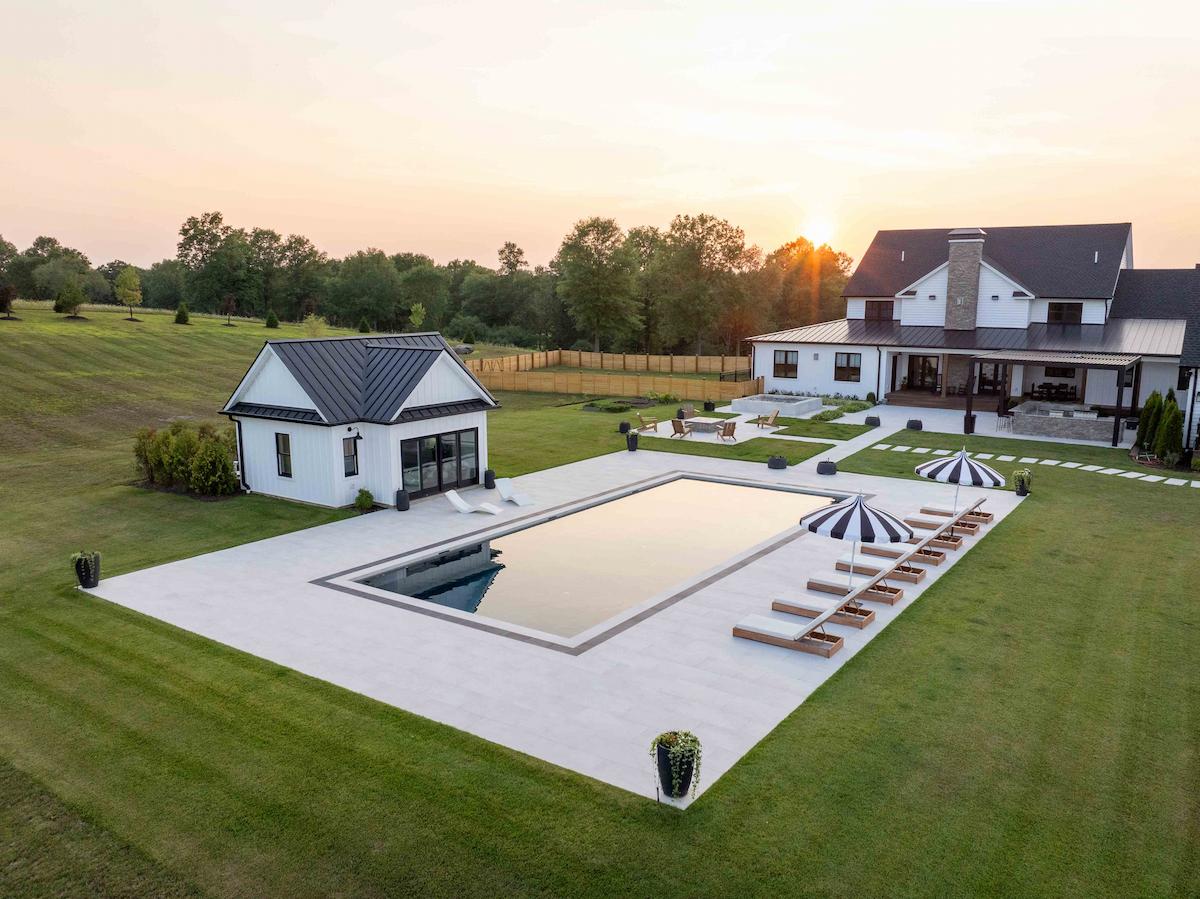
Porcelain Pavers vs Stone: Durability and Lifespan
Both materials can last a long time outdoors. However, the durability of each material depends on how it will handle pressure, impact, and environmental exposure.
Porcelain Durability
Porcelain offers high compressive strength and strong resistance to surface wear. They resist scratches, stains, UV fading, and moisture penetration. High-quality porcelain installations can last 40-60 years with minimal visible change. Because the material structure remains stable, homeowners rarely need to replace individual paver pieces unless physical impact occurs in places like a driveway or high-traffic areas.
Natural Stone Durability
Natural stone durability varies depending on geological density. Stones with higher density, such as granite, can perform exceptionally well outdoors and may last 50 years or longer. Softer stones may wear faster. For example:
- Limestone often shows surface wear after decades of heavy use.
- Travertine may need to be repaired occasionally if voids develop.
Even after proper maintenance, stone patios commonly last 30-50 years. The key difference is not in their lifespan but in how they require maintenance to reach that lifespan.

Porcelain Pavers vs Stone: Weather Resistance and Freeze-Thaw Performance
Outdoor paving should withstand weather cycles that include rain, heat, and freezing temperatures.
Porcelain and Water Absorption
Porcelain absorbs little to no water. The water absorption rate is less than 0.5% water. This low absorption rate secures the material during freeze-thaw cycles. When water enters porous materials and freezes, it expands and creates internal pressure. Over time, this pressure results in cracks or surface flaking. Because porcelain doesn’t absorb any moisture, it rarely experiences freeze damage.
This feature makes porcelain highly reliable in regions with harsh winters.
Natural Stone and Climate Exposure
Stones do perform well outdoors, but they usually have varying porosity because of mineral composition. For example, sandstone absorbs more water than granite. In comparison, granite remains dense and highly weather-resistant. Proper installation helps in reducing water penetration. However, skipping sealing will let the moisture penetrate the stone surface.
Over many winters, freeze-thaw cycles may create:
- minor cracks
- surface scaling
- edge deterioration
These issues don’t occur quickly, but they will appear after many years without maintenance.
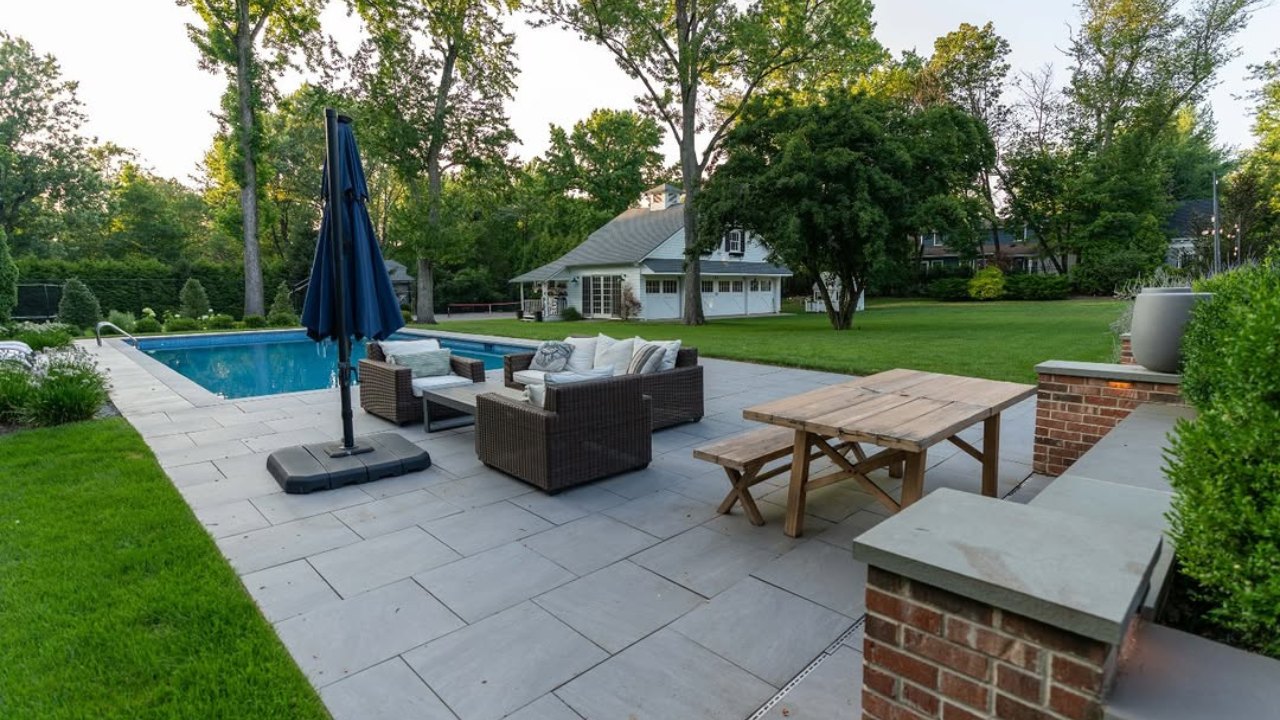
Porcelain Pavers vs Stone: Appearance Over Time
Appearance between porcelain vs stone pavers matters a lot in outdoor material selection.
How Porcelain Ages?
Porcelain outdoor pavers don’t lose their looks even after decades of usage. This is because the material resists fading and staining. The surface design usually mimics natural textures such as marble or limestone. Thanks to modern manufacturing techniques, porcelain can mimic almost any material, including marble, limestone, and slate.
Porcelain maintains its original appearance for decades. It resists fading, staining, and weathering. It is widely used in paver walkway ideas because it offers consistent color and pattern.
The colors and patterns usually remain stable over decades. However, one of the most prominent problems is the design limitation. Manufacturers often discontinue product lines, so if you need to replace them in the future, it can be a problem.
How Natural Stone Ages
Natural stone pavers age gracefully. It develops a patina that homeowners often value this subtle change. Patina forms through light weathering, mineral oxidation, and environmental exposure. Instead of looking worn, stone often develops a richer personality over time.
For traditional homes and historic landscapes, this natural aging process can enhance visual appeal.
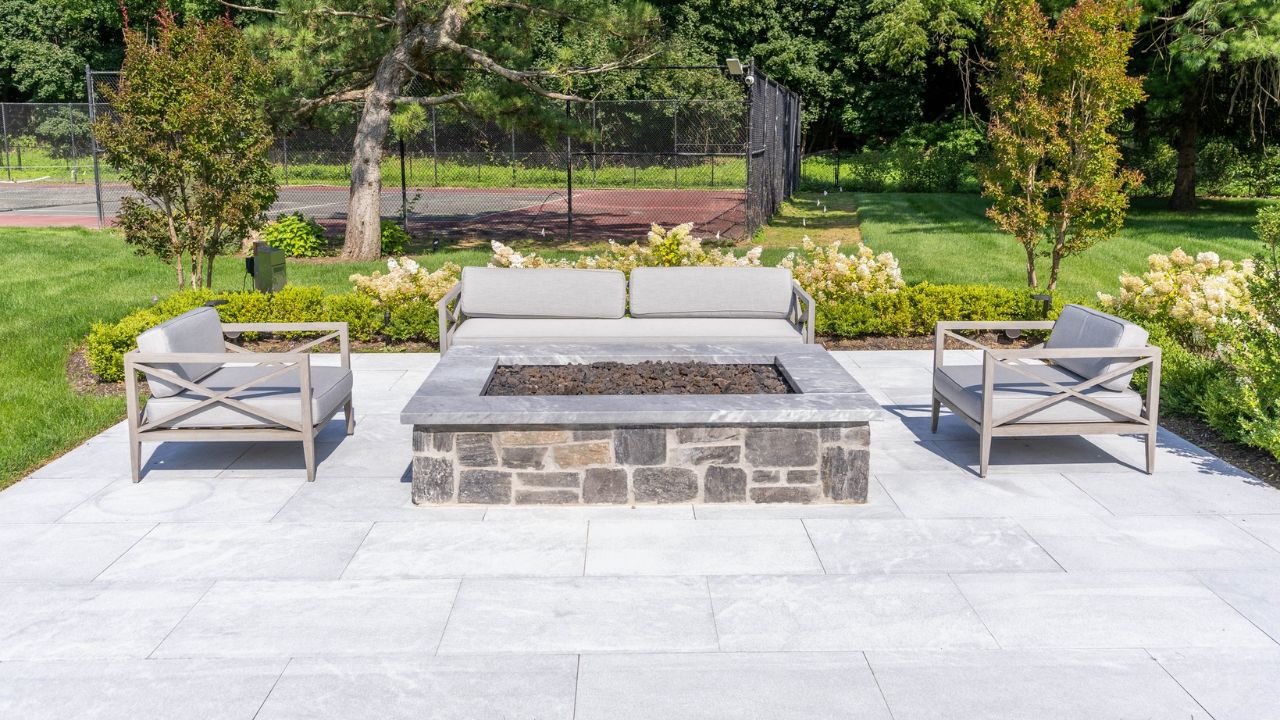
Porcelain Pavers vs Stone: Repair and Replacement Costs
Even well-built outdoor spaces require occasional repairs.
Porcelain Repairs
Porcelain patio pavers can withstand most types of damage. If a paver cracks due to heavy impact, installers can replace the individual unit. Porcelain pieces remain dimensionally uniform; replacement is generally easier as installers can replace the individual unit.
Because porcelain pieces remain dimensionally uniform, replacements often fit easily into existing layouts. Repair costs, therefore, remain relatively predictable.
Natural Stone Repairs
Stone repairs depend on the type of damage. Common repairs may include replacing cracked slabs, cleaning deep stains, repairing mortar joints, and even full travertine restoration when dealing with worn or weathered surfaces. Stone pieces feature varying thickness and natural patterns. Matching a replacement piece sometimes requires additional labor.
These repairs are generally manageable, but they include higher long-term costs in some projects.
20-Year Cost Example Of Patio Ownership
To better understand long-term value, consider a 500-square-foot patio, which is a common size when homeowners ask how much does a 20×20 paver patio cost in real-world installations.
| Cost Category | Porcelain Pavers (500 sq ft patio) | Natural Stone Pavers (500 sq ft patio) | Industry Insight |
| Material Cost | $5,000 – $9,000 | $4,500 – $8,500 | Porcelain manufacturing creates uniform thickness. Stone pricing varies depending on quarry source and stone type, such as Limestone or Granite. |
| Installation Labor | $5,000 – $8,500 | $6,000 – $9,000 | Natural stone often requires additional leveling and cutting because pieces vary in thickness and shape. |
| Initial Installation Total | $10,000 – $17,500 | $10,500 – $17,500 | Installed costs remain similar at the start, depending on layout complexity and site preparation. |
| Sealing Treatments (20 yrs) | $0 | $1,000 – $3,000 | Most natural stones require resealing every 1–3 years to protect against stains and moisture intrusion. |
| Cleaning & Maintenance Products | $100 – $300 | $500 – $1,500 | Stone surfaces often require specialty cleaners designed for porous materials. |
| Repair or Replacement Allowance | $200 – $700 | $500 – $2,000 | Stone surfaces may develop cracks, chips, or joint erosion over time, depending on climate exposure. |
| Estimated 20-Year Maintenance Cost | $300 – $1,000 | $2,000 – $6,500 | Maintenance is the main factor driving lifetime cost differences. |
| Estimated 20-Year Ownership Cost | $10,300 – $18,500 | $12,500 – $24,000 | Porcelain generally delivers lower lifecycle costs due to minimal upkeep requirements. |
Though installation costs may seem similar at first, long-term maintenance improves the lifetime expense of many natural stone paver installations. The low-porosity structure of porcelain outdoor pavers doesn’t require sealing, cleaning, or repair even after decades of use.
When Natural Stone Still Makes Sense?
Apart from maintenance differences, natural stone is still a great choice in many projects. Homeowners usually choose natural stone for its geological authenticity, unique color variation, and compatibility with historic design.
Dense stones like granite or high-quality limestone can offer strong durability with proper care. Landscape designers usually choose stone when they want a patio or walkway that looks organic within the surrounding environment.
Porcelain Pavers vs Stone FAQs
Let’s answer your questions regarding the cost comparison between Porcelain Pavers and Stone Pavers in the long run.
Are porcelain pavers cheaper than natural stone?
No. Porcelain patio pavers generally cost slightly higher but the maintenance is lower, and performance is reliable. This makes them cheaper over 20-30 years.
Do natural stone pavers require sealing?
Yes. Most natural materials require sealing after installation and resealing every 6 months to 1-3 years, depending on their application. It prevents staining and moisture damage in natural stone.
How long do porcelain pavers last outdoors?
High-quality porcelain pavers can last up to 40-60 years when installed and maintained properly.
Which stone lasts the longest for patios?
Dense stone like granite usually offers a longer lifespan because they resist moisture and weather damage.
Are porcelain pavers slippery when wet?
No. Most outdoor-rated porcelain features a textured surface. They offer better traction and slip resistance, which makes them suitable for patios and pool decks.
Bottom Line
When it comes to porcelain pavers vs stone pavers, both are great choices for outdoor projects on their own. However, the material pricing doesn’t matter only; you will have to consider the longevity of the material as well. Porcelain has a higher cost initially, but the low maintenance, durability, and reliable performance make it less costly in the long run. Natural stone pavers, though, have slightly lower price tags, but they do require regular maintenance, with sealing, installation requirements, and difficult repairs. Factor all in, and you will find natural stone pavers a rather expensive option for patios in the long run.
Choosing the right paving stones and porcelain pavers is up to your personal preference. If you want uniform dimensions and design, low-maintenance, and are willing to pay more from the start, then porcelain is your best option. If you don’t mind having a regular maintenance routine, repairs, and complexities, then natural stone pavers are perfect for you.