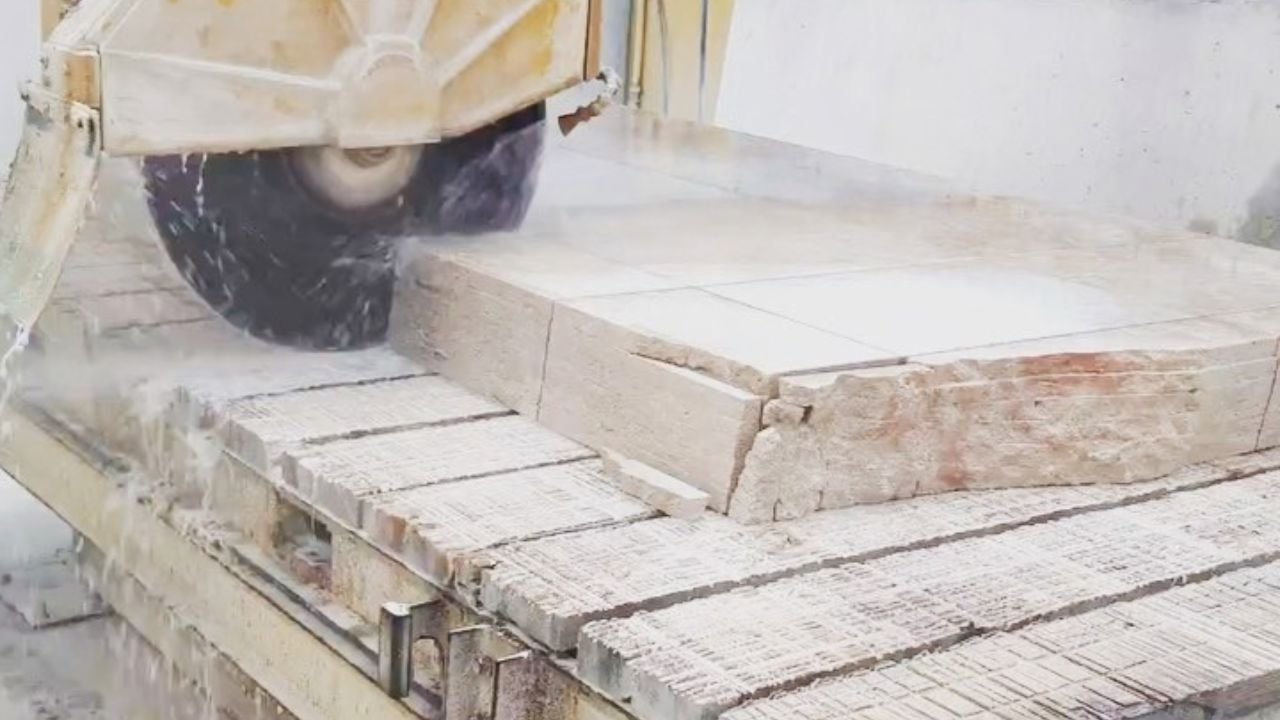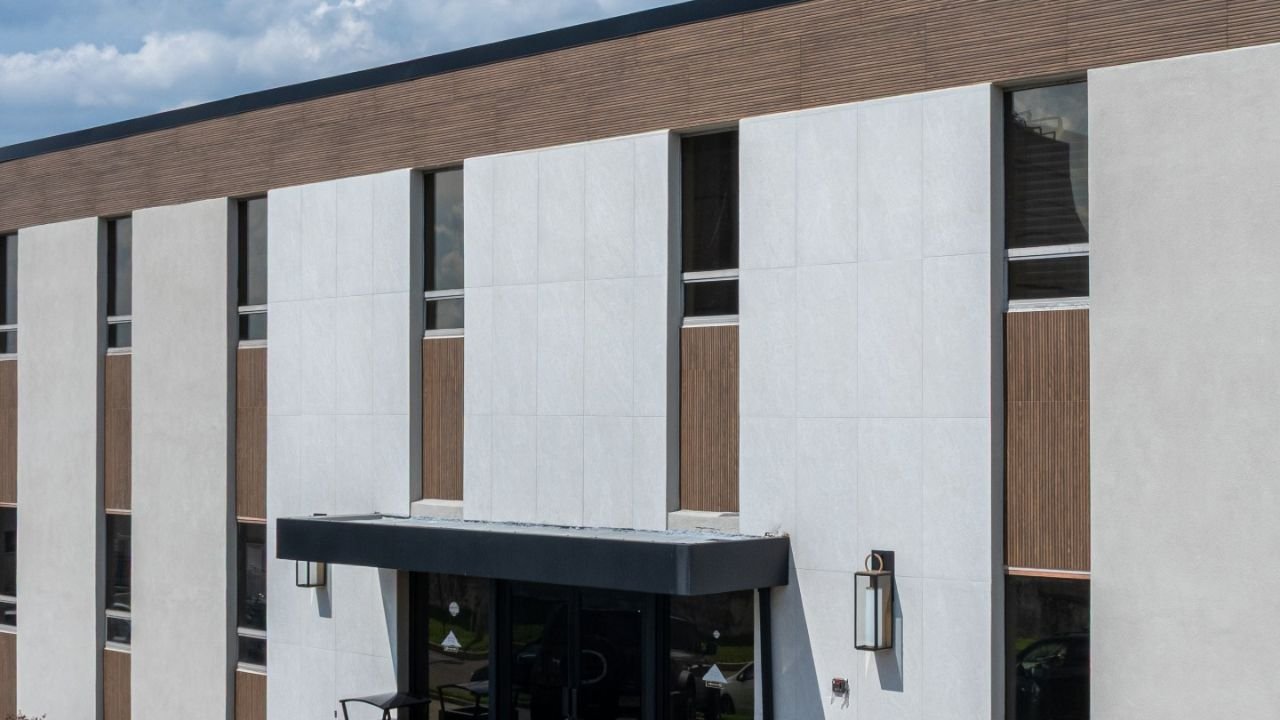

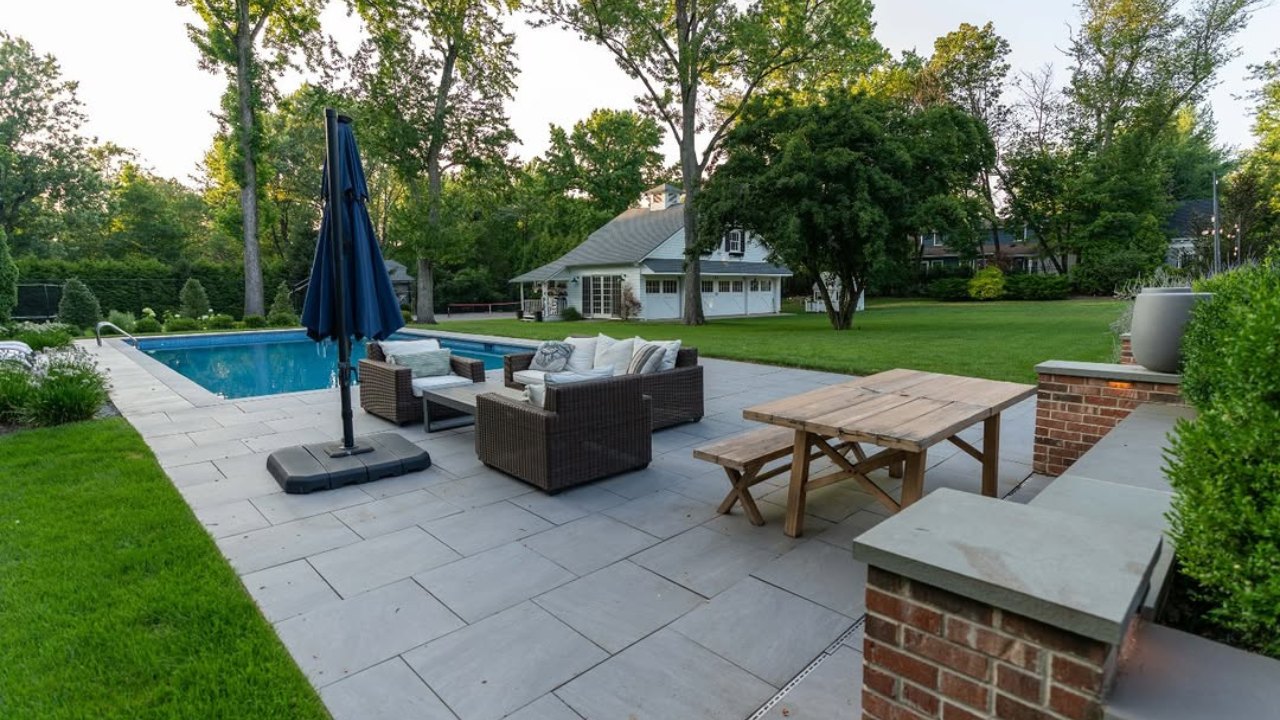
Outdoor designs have largely changed throughout the decades. These days, architects aim to create architectures that have perfectly matched indoors and outdoors. Modern houses often have patios connected to kitchens, terraces extend living rooms, and pool decks act as gathering spaces. They require a material with a consistent appearance, and Porcelain Pavers have solved this issue. They have become a preferred choice among homeowners and architects. Architects are widely using porcelain pavers due to their several practical features, such as durability and a non-porous surface.
Because of this reliability, architects increasingly specify porcelain for both residential and commercial projects. But this is not enough. Continue reading the following to learn about why architects prefer porcelain pavers.
Consistent Dimensions Offers Precision Designs
Architects opt for materials that can easily be installed with accuracy. Outdoor spaces usually rely on careful alignment, level surfaces, and clean joint spacing. Porcelain pavers offer highly controlled manufacturing tolerances. Every unit comes with a uniform thickness and size. This precision helps installers to maintain straight lines, tight joints, and balanced patterns throughout the large surfaces.
Natural stone usually features varying thickness and shape due to its nature. That variation adds character but also requires additional labor during installation. Porcelain pavers reduce that complexity. Architects can specify layouts with confidence, knowing the material will support precise design plans. For modern patios and terraces where symmetry matters, this dimensional consistency becomes a major advantage, especially when working with large pavers for patio layouts that require precise alignment.
High Structural Strength Supports Heavy Outdoor Use
Outdoor surfaces should handle daily use and environmental stress. Outdoor surfaces have to face patio furniture, foot traffic, planters, and outdoor kitchens, all of which place pressure on paving materials. Porcelain pavers are manufactured under heavy temperatures and pressure. This process often creates a dense structure with high compressive strength. The finished surface resists cracking and surface wear.
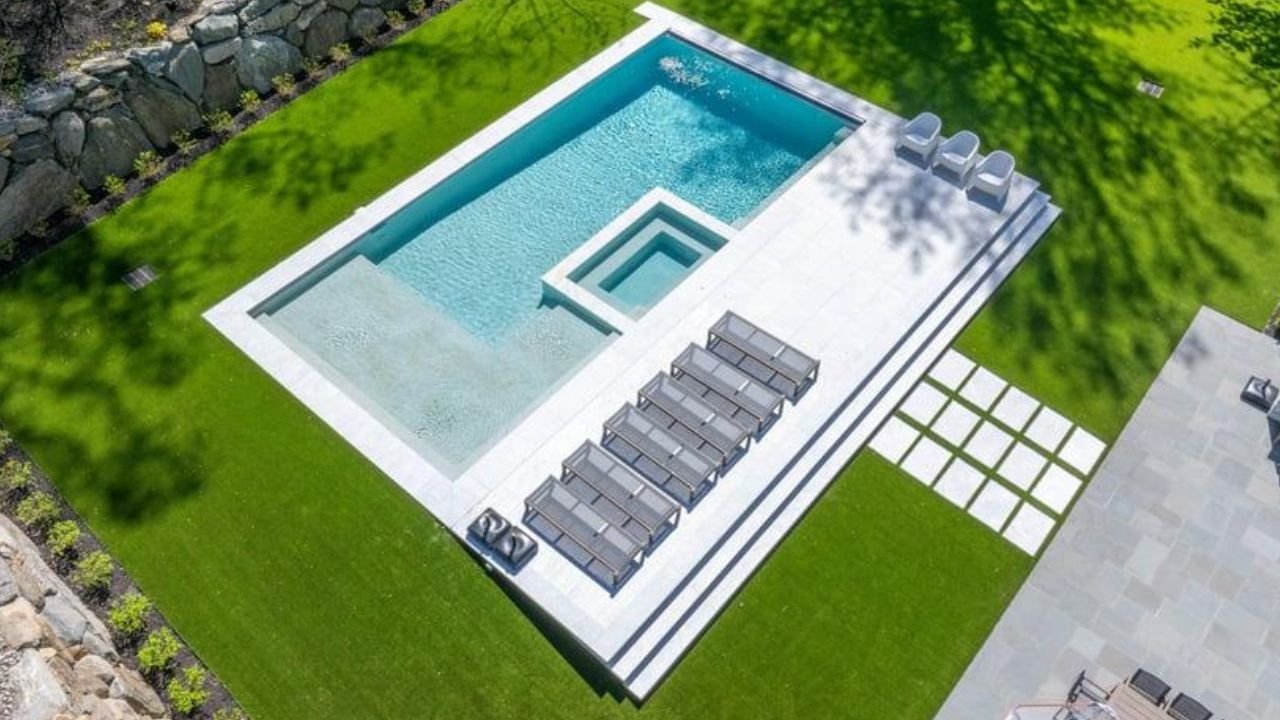
Because of this strength, architects frequently select porcelain pavers for outdoor patios, rooftop terraces, outdoor dining areas, garden walkways, and making them ideal for pool deck pavers ideas.
The exceptional durability makes porcelain suitable for commercial spaces where traffic levels are higher throughout the year. Architects usually compare porcelain pavers with materials such as travertine or granite when planning patios, exploring paver walkway ideas, and designing modern driveway renovation ideas. While natural stone pavers offers beauty, porcelain provides predictable strength and uniform structural performance.
Porcelain Pavers Resist Moisture and Weather Damage
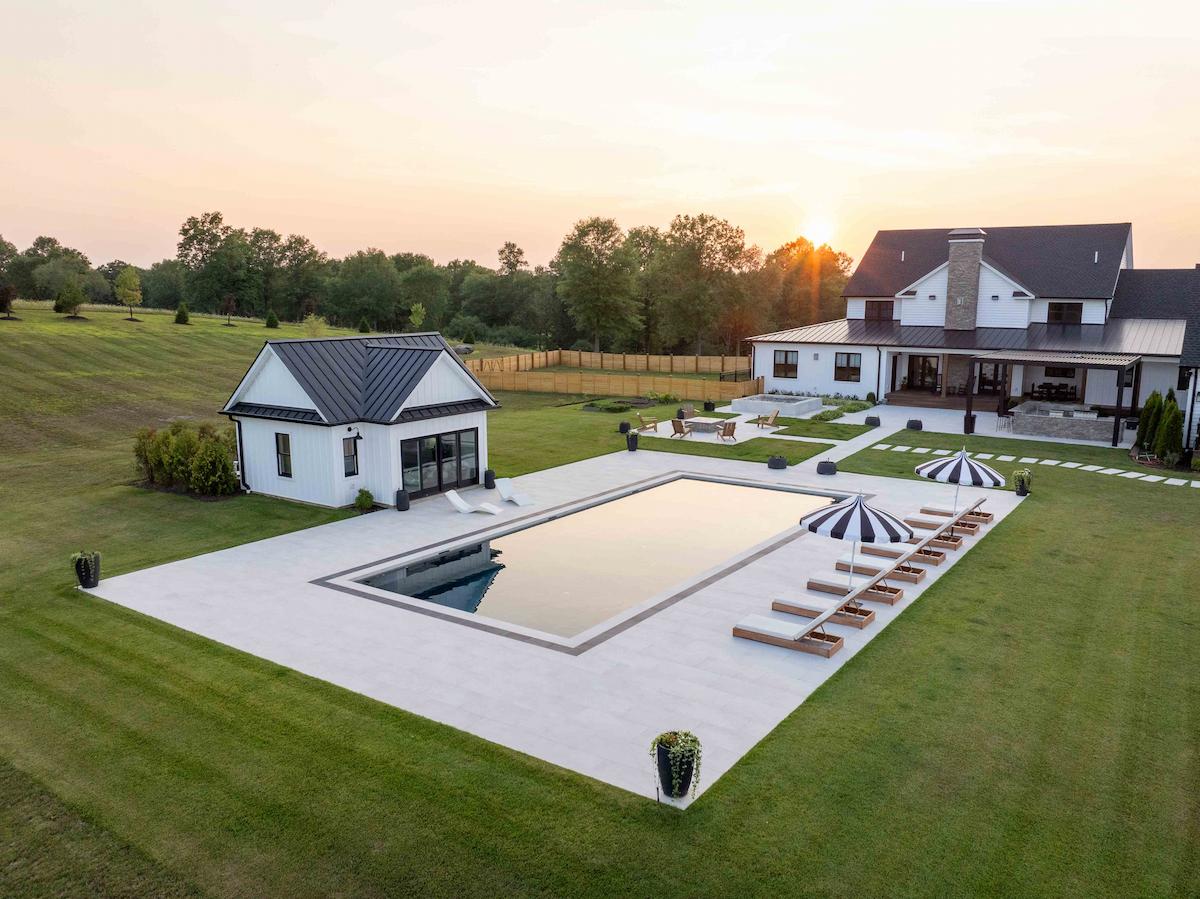
Homeowners often ask, are porcelain pavers durable enough for changing weather conditions. Architects value them because outdoor materials should withstand rain, snow, and temperature changes. Moisture absorption is a major consideration when choosing materials for outdoors, and porcelain pavers are the best choice.
Porcelain pavers have a non-porous surface. It has a low water absorption rate, which is around 0.5 percent. This density prevents water from entering the material. When the temperature is low, the trapped water will not freeze and expand inside the paver. This feature secures the surfaces from cracking during freeze-thaw cycles. It also prevents mold growth and staining.
Architects rely on this performance when designing pool decks, exposed patios, and pool coping ideas where moisture resistance is essential. Materials that absorb water can discolor or deteriorate over time. Porcelain maintains its structure even in challenging climates.
Slip-Resistant Surfaces Improve Outdoor Safety
Safety is the key factor to consider when designing outdoor spaces. Pool decks, garden paths, and patios should have a slip-resistant surface for better functionality. Many porcelain pavers feature a textured surface or a honed surface. This improves traction and reduces slipperiness. As a result, architects often specify porcelain for pool areas and spa decks.
Modern manufacturing techniques help the producers to create textured surfaces without compromising on visual quality. The pavers still replicate natural materials such as limestone, wood planks, concrete finishes, and marble textures while being slip resistance surface. This balance of safety and design flexibility makes porcelain a reliable material for family homes.
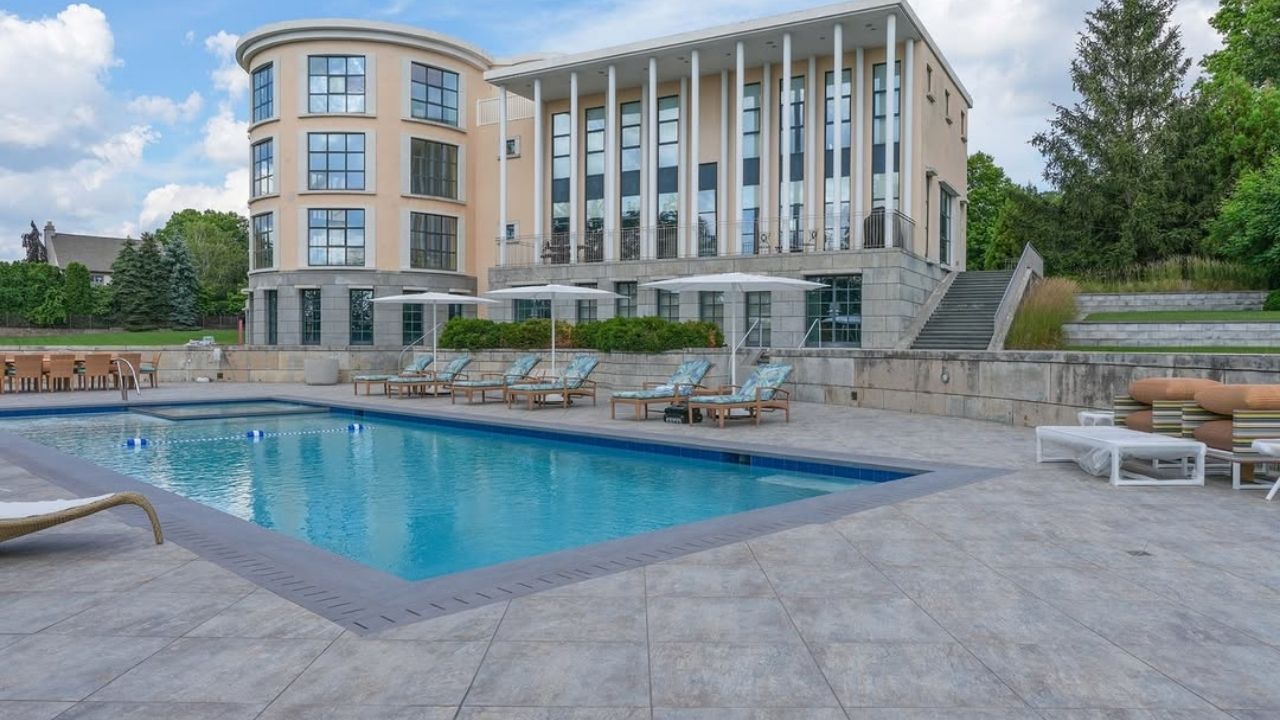
Porcelain Pavers Have Aesthetic Versatility
Architects usually opt for material thet helps them show their creative design without complicating installation. Porcelain pavers offer a wide range of visual styles. Advanced digital printing technology helps manufacturers to replicate a natural material look with impressive realism. The surface can mimic authentic-looking wood grain, stone veining, or concrete textures.
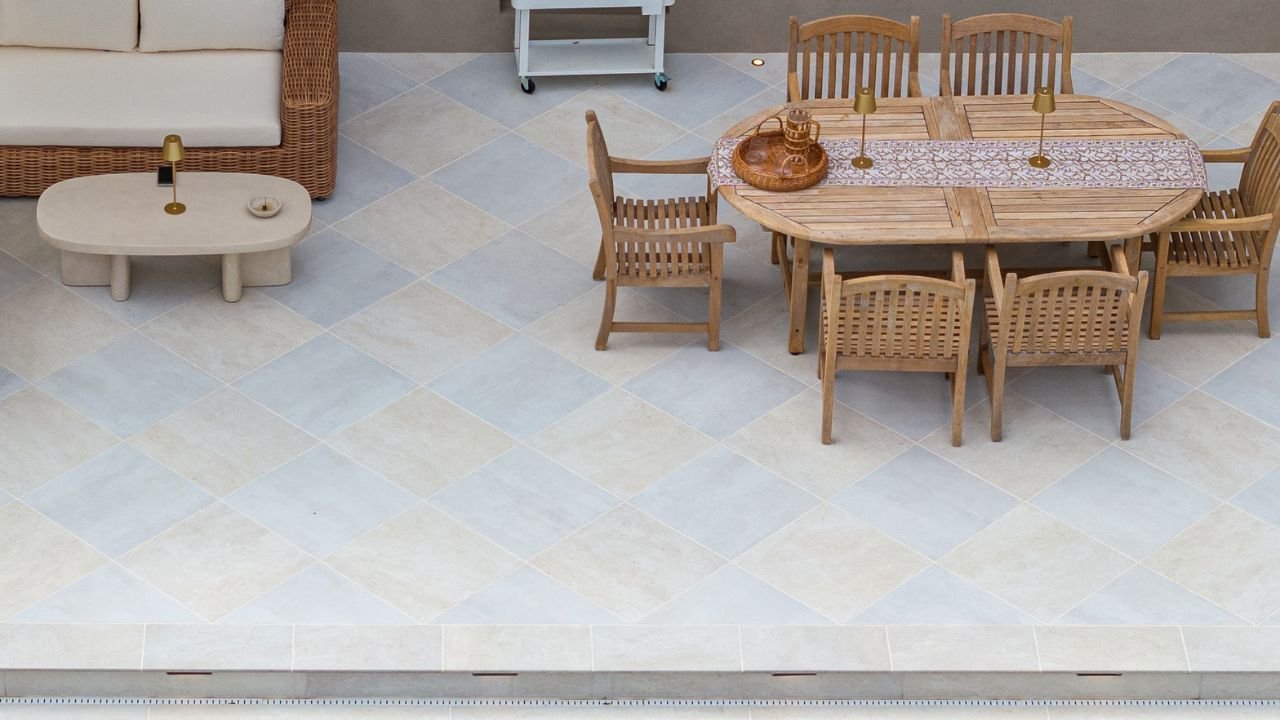
Popular porcelain looks include limestone textures for coastal patios, concrete finishes for contemporary spaces, and slate patterns for rustic gardens, making them popular in backyard paver ideas. These options help architects to maintain a consistent design between floors and outdoor surfaces.
For example, a living room with concrete-look tile can extend visually into a patio using matching minimal maintenance porcelain pavers. This continuity helps in creating a unified look that modern homeowners appreciate when exploring contemporary patio paver ideas.
Low Maintenance Appeals to Both Architects and Homeowners
Maintenance is another reason that makes the porcelain pavers a great choice for architects. They understand that many homeowners prefer surfaces with little upkeep. Porcelain pavers require low maintenance compared to many natural materials. The dense surface can resist stains from most elements like leaves, food, and outdoor debris. Cleaning typically requires only water and mild soap.
Natural stone materials often need periodic sealing to protect against stains. Porcelain surfaces do not require this extra step. Architects recommend porcelain when clients request durable surfaces with simple care routines and long-lasting hardscape ideas for outdoor living spaces. This practical advantage supports long-term homeowner satisfaction.
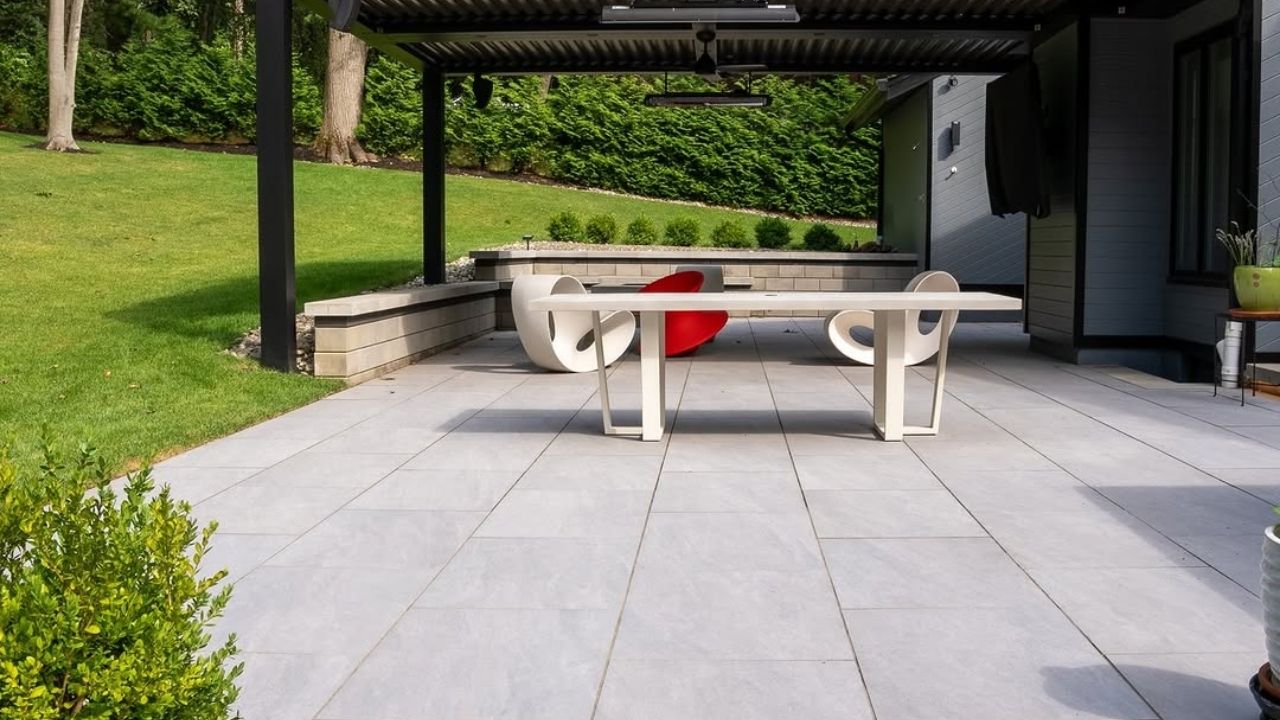
Flexible Installation Methods
Porcelain pavers have different methods of installation. This adaptive installation approach makes a preferred material choice for architects. Common installation systems include:
- sand-set installations over a compacted base
- pedestal systems for rooftop terraces
- mortar-set applications for permanent surfaces
- grass-joint installations with pavers with grass in between for garden pathways
Pedestal paver system are gaining popularity for paver installation due to their convenient installation. They create an elevated surface on the top of waterproof membranes on rooftop decks. The space beneath the pavers allows water drainage and access to utilities. Because porcelain pavers remain lightweight yet strong, they perform well in elevated installations. Companies such as NT Pavers often design porcelain collections specifically for these architectural applications.
How Porcelain Pavers Fit Modern Outdoor Living?
The outdoor living space has evolved and become an important part of modern living. Homeowners now build complete outdoor environments with kitchens, seating areas, fire pits, and dining spaces while also comparing the cost to install pavers for long-term value. Architects need to work with materials with longer lifespan with lowest maintenance requirements.
Outdoor porcelain pavers support this trend by offering consistent surfaces across large areas and compatibility with outdoor kitchens and grills, which aligns with paver patio design ideas 2026. They create a safe outdoor area and walking surfaces near pools. Aesthetically modern visual styles match interior flooring with a seamless transition from outdoors. When homeowners want an outdoor space that feels like a natural extension of the house, porcelain pavers provide the performance and design flexibility architects need.
Porcelain Pavers Benefits FAQs
Let’s answer your questions about porcelain pavers’ benefits.
Why are porcelain pavers better than concrete?
Porcelain pavers are better than concrete pavers in terms of durability, long-lasting performance, low maintenance, and consistent colors.
Do porcelain pavers crack easily?
No. They are crafted under high temperatures, which creates a dense structure that resists cracking under normal residential and commercial use.
Are porcelain pavers slippery when wet?
No. With textured porcelain pavers or honed fish, there won’t be any slippery surface even when wet.
Do porcelain pavers need sealing?
Porcelain pavers do not require sealing because their dense surface resists moisture and staining naturally. However, sealing can add to their longevity.
How long do porcelain pavers last outdoors?
With proper installation, porcelain pavers can last several decades while maintaining structural strength and color stability.
Bottom Line
Architects prefer porcelain because the material offers a reliable balance of beauty, elegance, performance, precision, and design flexibility. Dense porcelain surface is resistant to extreme heat, water absorption, staining, and cracking with freeze-thaw cycles. Also, the colors don’t fade despite staying under the direct sunlight throughout the year. These qualities make porcelain a preferred choice for patios, terraces, and walkways where they function as living spaces. For homeowners seeking reliable surfaces with long-term performance, porcelain tile and pavers remain one of the most practical choices available today.