
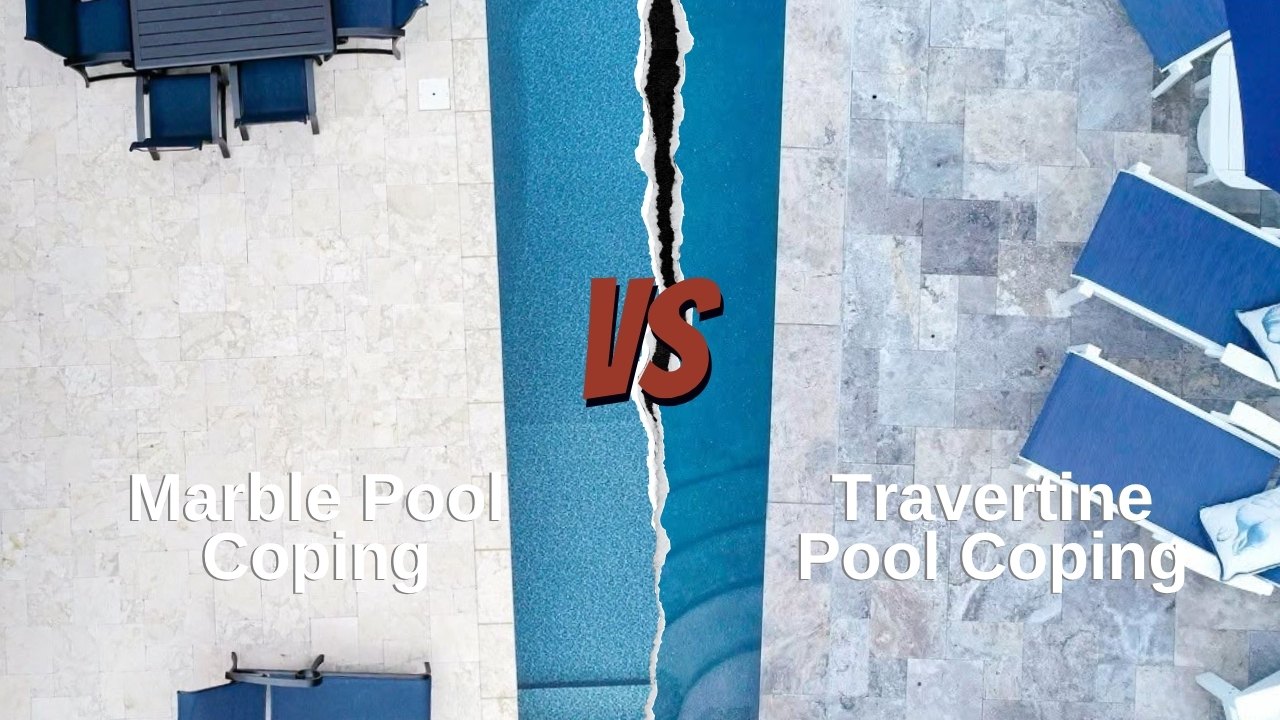
Pool coping is one of the most fundamental elements of pool design. They aren’t just for aesthetics, but add functionality and security around the pool edge too. While there are many materials to choose from, two of the most popular materials are marble and travertine. Marble is more on the luxury side, with a soft but durable background and subtle or prominent veining patterns. On the other hand, travertine is also a natural stone with a distinct aged appearance. Both are stone with a naturally unique appearance, but homeowners often wonder what the best coping type is for swimming pools. Continue reading the following to find the best between marble pool coping and travertine coping.
Marble Pool Coping vs Travertine pool Coping
Travertine and Marble pool coping both offer a distinct performance, look, and feel around the pool area. How are they different from each other? Take a look at this table to learn about this.
| Feature | Marble Pool Coping | Travertine Pool Coping |
| Stone Type | Metamorphic stone formed when limestone recrystallizes under heat and pressure. | Sedimentary limestone formed by mineral deposits near hot springs. |
| Visual Appearance | Distinct veining, smooth mineral movement, and a refined architectural look. Often used in modern or luxury pool designs. | Warm, earthy tones with subtle texture and natural pits. Creates a relaxed Mediterranean or resort-style atmosphere. |
| Surface Texture | Naturally smooth. Pool coping typically uses honed, brushed, or sandblasted finishes to increase traction. | Naturally textured due to small pores and voids, which provide built-in grip. |
| Slip Resistance | Moderate slip resistance when honed or textured. Polished marble is not recommended for pool edges. | High natural slip resistance because the porous surface increases friction when wet. |
| Heat Performance | Light-colored marble reflects sunlight and stays comfortable in warm climates. Dense structure may retain slightly more heat than travertine. | Porous structure reduces heat transfer, which often keeps the surface cooler under direct sun. |
| Water Absorption Rate | Typically 0.2–0.8%, depending on marble variety and finish. Lower absorption helps resist staining and moisture damage. | Usually 0.5–2% or higher, depending on density and pore filling. Higher absorption requires consistent sealing. |
| Durability | Dense and structurally strong. Resists cracking, weathering, and heavy foot traffic when installed correctly. | Softer stone structure. Durable for outdoor use but more prone to edge wear or chipping over long periods. |
| Resistance to Pool Chemicals | Lower porosity offers stronger resistance to chlorine exposure and mineral deposits. | A more porous structure may absorb minerals or chemicals without proper sealing. |
| Maintenance Needs | Requires sealing about every 12–24 months, depending on climate and pool usage. Cleaning remains straightforward with neutral stone cleaners. | Requires sealing every 6–12 months to prevent staining and mineral buildup in the pores. |
| Edge and Coping Profiles | Often fabricated into bullnose, straight edge, eased edge, and drop edge coping profiles that suit modern pool designs. | Commonly produced with tumbled or chiseled edges, which complement traditional outdoor landscapes. |
| Color Range | Usually white, gray, silver, or soft beige tones with visible veining. | Ivory, walnut, beige, and gold tones with subtle pattern variation. |
| Weather Resistance | Dense structure handles temperature changes well and performs reliably in freeze–thaw climates when sealed. | Performs well in warm climates but can experience gradual surface wear in freeze–thaw environments if moisture enters pores. |
| Typical Lifespan | Around 20–40 years or longer with proper installation and maintenance. | Around 20–30 years with sealing and routine care. |
| Cost Range | Generally higher due to quarrying difficulty, density, and premium appearance. | Usually more affordable and widely available for residential pool construction. |
| Design Compatibility | Ideal for contemporary architecture, luxury pools, and geometric pool layouts. | Often used in Mediterranean, rustic, and resort-style backyard designs. |
According to independent material testing, marble generally absorbs less water than travertine, despite both having a porous structure. Lower absorption rate results in reduced staining, low maintenance, and longevity where constant water exposure occurs. Because travertine contains natural pores, sealing becomes essential to maintain long-term performance and surface appearance.
What Is Marble Pool Coping?
Marble pool coping is crafted with cut marble pieces installed along the pool perimeter. The stone takes its shape when limestone recrystallizes under heat and pressure. This creates the dense structure and unique veining marble in popular for. For pool coping, installers generally used sandblasted, honed, or brushed finishes, but not polished marble. These finishes improve traction and reduce glare from sunlight.
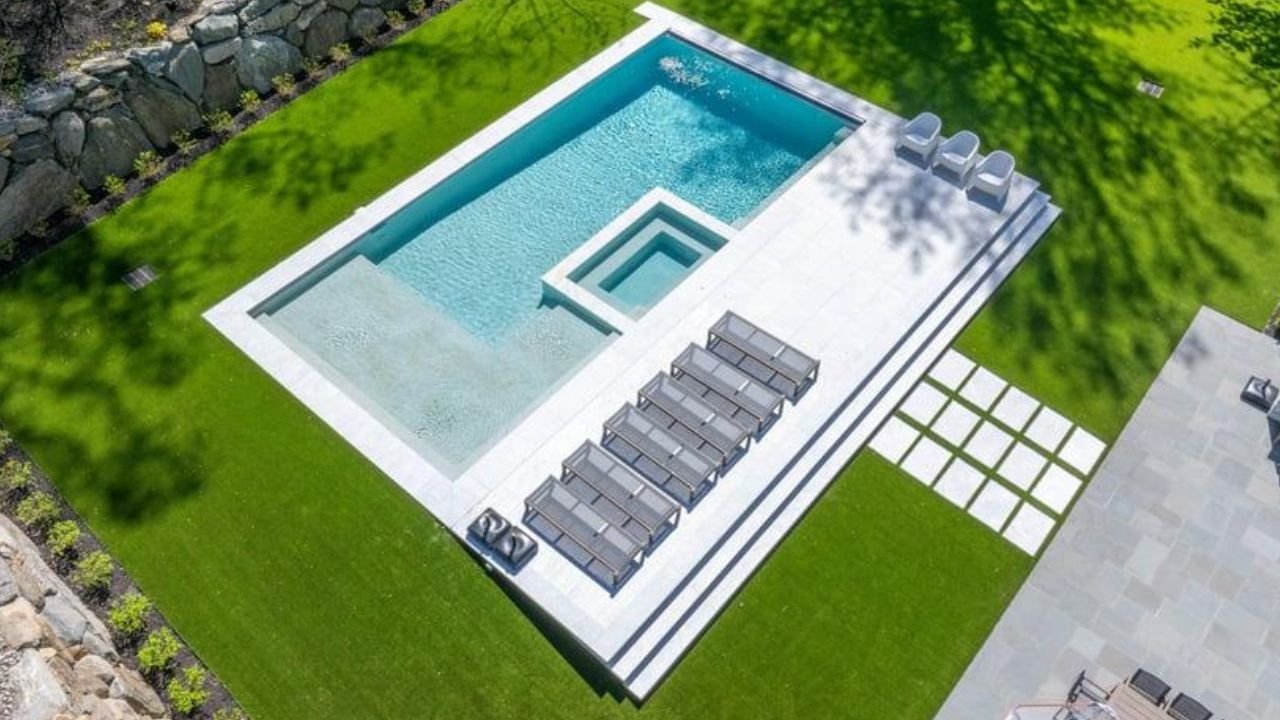
Common marble coping styles include straight edge coping, bullnose pool coping, drop edge coping, and large format coping slabs. Marble is widely popular among homeowners who want a clean, architectural, polished design with subtle natural movement in the stone.
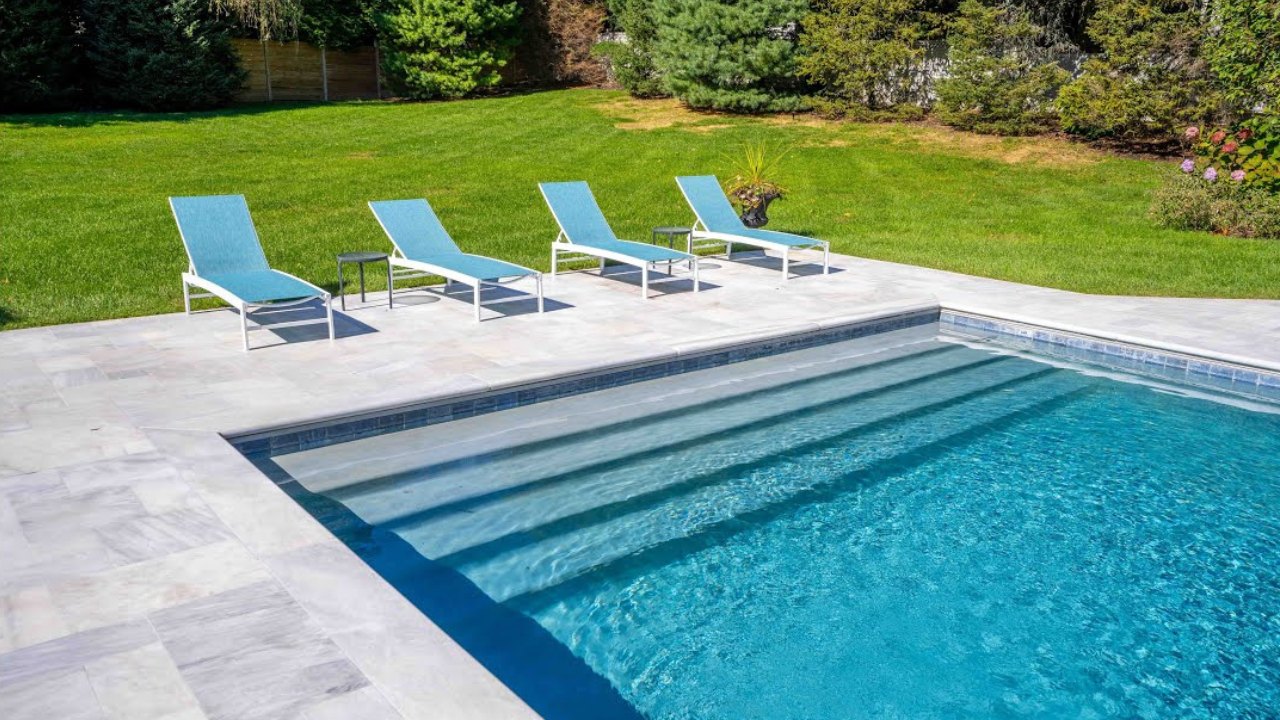
What Is Travertine Pool Coping?
Travertine pool coping takes its shape from limestone near mineral springs. As water deposits calcium carbonate, gas bubbles create small holes in the stone. These pores give travertine its signature texture.
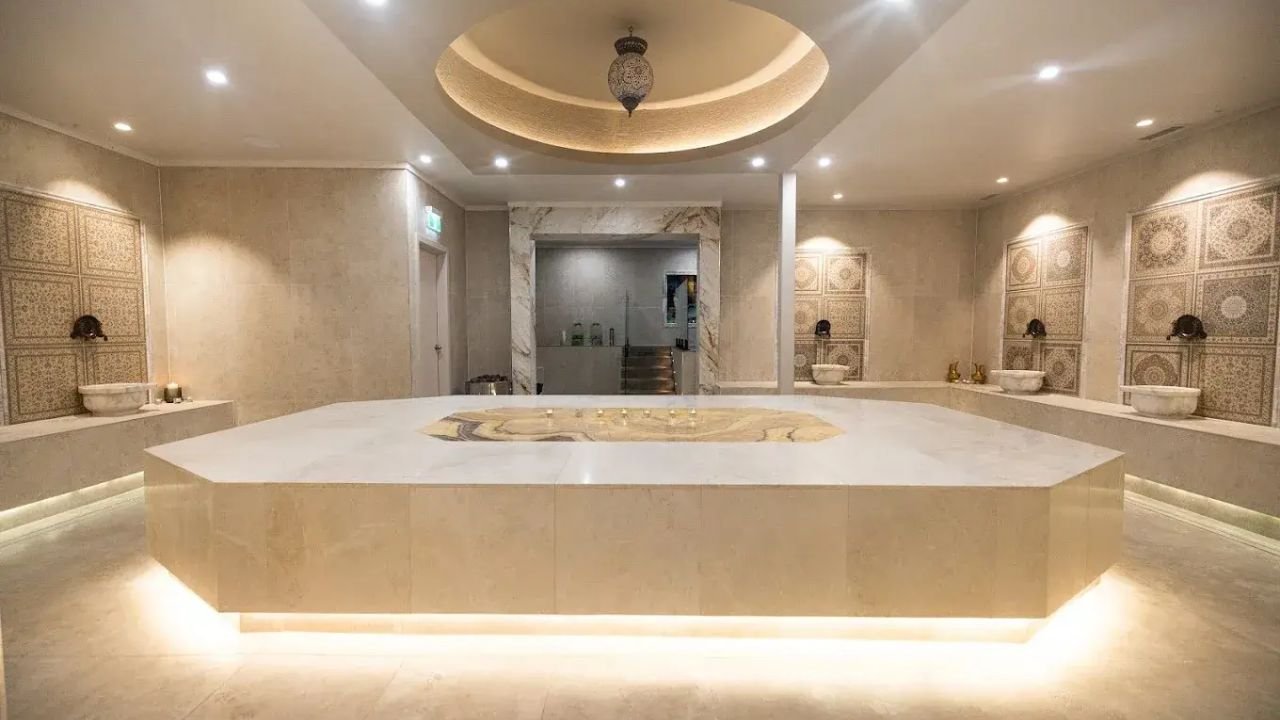
These pores get filled during manufacturing, while some finishes leave them partially open. This porous structure creates a natural grip, which explains why travertine gained popularity in pool construction. It is widely used in wet areas like showers, around pools, and in historical structures like Roman baths. This is because the stone handled moisture and heavy foot traffic.
For modern pools, travertine coping usually appears in tumbled finishes, brushed finishes, chiseled edge coping, and antique-style edges. Homeowners widely chose travertine when they prefer a warm and Mediterranean-style outdoor space.

Marble Pool Coping Vs Travertine Coping: Appearance and Design Style
The appearance of both stones is distinctly different.
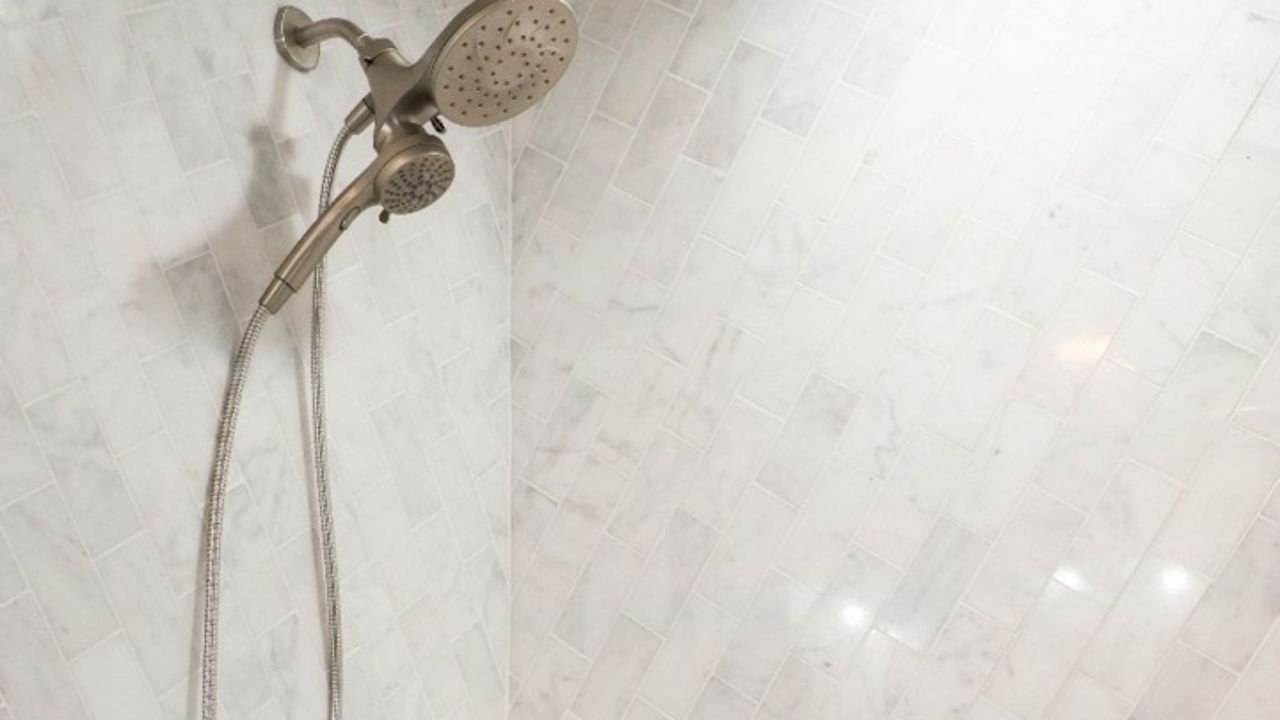
- Marble pool coping has a distinct mineral vein that runs through the stone. Each marble piece looks slightly different, and the surface looks smooth and refined. This quality is well-suited to modern architecture and contemporary outdoor spaces.
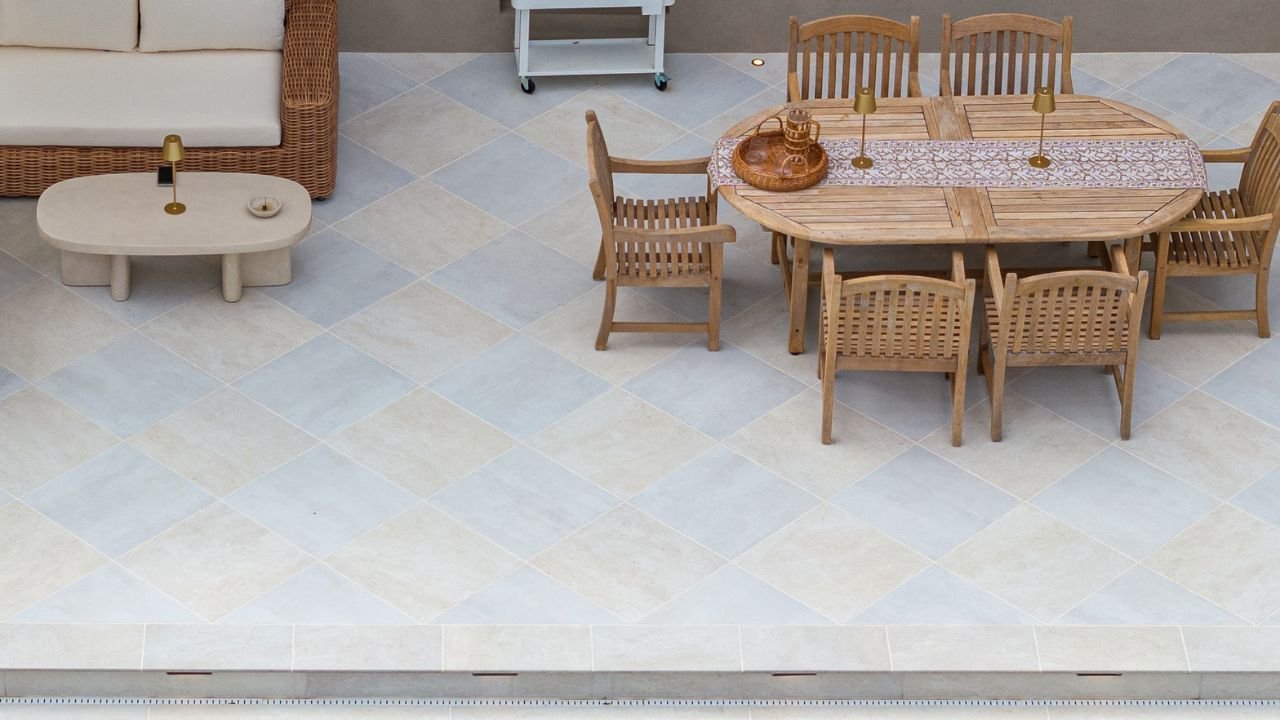
- Travertine features a more textured and earthy appearance. The pattern looks softer and more uniform compared to marble. Designers usually pair travertine with traditional or Mediterranean landscapes. Homeowners opting for minimalist pools often choose marble, while those designing resort-style patios often choose travertine.
Marble Pool Coping Vs Travertine Coping: Slip Resistance Around Pools
Safety around the water area is a major priority.
- Travertine performs well in this area because its natural pores create friction underfoot. Even when wet, the stone maintains traction.
- Marble can also provide a safe footing, but the finish matters. A honed marble surface may become slippery. For pool coping, installers use textured finishes like honed or sandblasted marble to improve grip.
Both materials work safely when properly finished, though travertine often provides natural traction without extra processing.
Marble Pool Coping Vs Travertine Coping: Durability and Stone Density
Durability shows how long pool coping can sustain.
- Marble has a higher density structure due to the metamorphic process that creates the stone. The higher density means reduced water absorption and resistance to cracks in the marble pool coping.
- Travertine stays softer and more porous. Over time, exposed pores may trap debris or mineral deposits from pool water. Proper sealing reduces these effects.
With correct installation and care, both materials can last decades. However, marble often shows slightly stronger long-term durability.
Marble Pool Coping Vs Travertine Coping: Maintenance Requirements
Both are natural stones, and stones require periodic maintenance.
- For marble coping, homeowners usually reseal the surface every 12-24 months, depending on the climate and usage.
- Travertine often requires sealing every 6–12 months because of its porous structure.
Regular cleaning is rather simple for both materials. A neutral stone cleaner and water typically remove surface debris without damaging the stone.
Marble Pool Coping Vs Travertine Coping: Application
While both stone copings have their performance perks, not every stone coping type performs equally. Here are the application differences to consider.
| Situation / Priority | When Marble Pool Coping Makes the Most Sense | When Travertine Pool Coping Is the Better Option |
| Design Style | Works well for modern, minimalist, or luxury pool designs with clean architectural lines. | Fits traditional, Mediterranean, or resort-style landscapes. |
| Visual Character | Shows strong veining and natural contrast that creates a refined, high-end look. | Displays soft textures and warm tones that create a relaxed, natural appearance. |
| Surface Safety | Requires a honed or textured finish for proper traction around pools. | Naturally slip-resistant due to its porous texture. |
| Heat Comfort | Light-colored marble stays reasonably cool in sunny climates. | Often feels cooler underfoot because its porous structure reduces heat transfer. |
| Durability | Dense structure provides strong durability and lower water absorption. | Slightly softer stone that performs well but may wear faster over long periods. |
| Maintenance Needs | Lower porosity means sealing is required less frequently. | Higher porosity means sealing is needed more often to protect the surface. |
| Budget Consideration | Usually costs more due to density and refined appearance. | Generally more affordable for large pool areas. |
| Typical Applications | Common around geometric pools, infinity pools, and contemporary patios. | Often used in resort-style pools, natural landscapes, and family-focused backyard spaces. |
Marble Pool Coping Vs Travertine Coping FAQs
Let’s answer your questions about Marble Pool Coping and Travertine Coping.
Is marble coping slippery around pools?
Depending on the finish, marble coping can be slippery, such as the polished finish, but sandblasted marble finishes work well for pool coping.
Does travertine stay cooler than marble?
Yes. Travertine, with its naturally porous surface, usually stays cooler and reduces heat transfer.
Which pool coping lasts longer?
Marble lasts longer because of its denser structure and lower water absorption.
Does travertine need sealing?
Yes. Travertine should be sealed regularly to protect the stone from moisture, stains, and pool chemicals.
Is marble more expensive than travertine?
Yes. Marble coping is generally more pricey compared to travertine.
Bottom Line
Marble pool coping and travertine coping both belong to the natural stone coping category. Both offer organic charm, where marble features a cold and sophisticated surface. Travertine features a warm and welcoming appearance. Travertine pool coping is widely used as they offer better traction and stays cooler through the summer and in warm climates.
However, the final decision depends on the homeowner’s decision and requirements. If durability and aesthetics take priority, marble coping often stands out as the stronger long-term solution. If you want traction and a cooler surface, travertine should be your consideration.