Few natural materials are as historically impactful as marble. From ancient temples to modern patios, this metamorphic stone has been widely used to design indoor and outdoor spaces. Marble is a unique combination of geological strength and visual character. It’s beautiful and distinct vein pattern, soft shining, and natural color variations that give surfaces a refined and lasting appearance.
Homeowners often prefer marble when planning patios, pool decks, flooring, or interior features. However, many questions arise, like what exactly is marble, how it is compared with other stones or porcelain? Is it environmentally friendly? Understanding these details helps property owners make informed decisions before investing in natural stone materials.
Keep reading the following to learn about the marble, its benefits, and how it compares with other stones, and more.
What Is Marble?
Marble pavers is a metamorphic rock that takes its form when limestone is subjected to intense heat and pressure underneath the Earth’s surface. The material recrystallized calcium carbonate during this transformation and became a stronger and denser stone over time. This process also eliminates many of the sedimentary features that are found in limestone. With a responsible quarry, this sedimentary rock proves to be environmentally friendly.
The process removes many of the sedimentary features that exist in limestone and any impurities. What remains is a tightly bonded crystal structure that produces marble’s smooth texture and distinctive veining.

What Affects The Marble Appearance?
Several minerals influence the appearance of marble. Calcite creates the primary structure, and the iron oxides introduce red or yellow tones in the marble. Graphite creates those distinct gray or black veining. Clay minerals produce green shades. Due to these mineral variations, every marble slab looks and feels unique. It is very rare to find two similar veining marble slabs.
Marble has served architecture for thousands of years. Ancient builders used marble to construct temples, monuments, and sculptures because the stone allowed precise carving while maintaining structural stability.
Two famous historical examples include the Taj Mahal and the Parthenon. Both structures show how marble balances beauty with durability.

Why Marble Is So Popular?
These days, many homeowners prefer marble as one of the most trusted natural stone paver materials. They like it due to its natural beauty, soft surface, and density and durability as well. But there is more to know about:
Natural Beauty
Marble is undoubtedly one of the most beautiful materials to be used in both residential and commercial projects. Homeowners prefer marble because it has a thick but beautiful, soft surface and distinct veining patterns. The durability makes it ideal for hospitality and commercial projects. Marble develops natural veining during its formation. These veins create movement throughout the stone surface and make the stone a piece of art. Also, when sealed and maintained properly, it ages like a fine wine. The polished marble finish reflects light gently, helping to brighten indoor spaces and improve outdoor spaces.
Structural Strength
Despite its beautiful appearance, marble is still a durable and strong natural stone. This is because of its thickness, which makes marble a great choice for both indoor and outdoor projects. However, it requires proper installation and maintenance so it will retain its color and texture and last for decades. Many historical structures built with marble still stand today, which reflects its long-term durability.
Heat Resistance
Marble has great thermal properties, which means it can resist direct exposure to heat. It’s crystalline mineral structure absorbs let the what pass through, which is why it stays cooler around pool areas. This makes it the best choice for indoor and outdoor kitchens and outdoor landscaping projects like paver patios.
Pool decks and patios benefit from marble surfaces because the stone tends to remain cooler than many synthetic materials.
Versatile Applications
Even though marble is a natural stone with a soft surface, it is widely used for a wide range of applications, such as flooring, wall cladding, Pool coping, Patio paving, staircases, and Sculptures. Few natural stones offer this range of architectural applications.
Long-Term Value
Natural stone surfaces often increase property appeal. Marble installations signal craftsmanship and permanence, which many homeowners value when upgrading their homes. This is a great attraction for many potential buyers. Because marble lasts for decades with proper care, the material often becomes a long-term investment.
Marble Comparison To Other Stones
Homeowners who prefer organic charm often choose natural stone for their projects. While marble is already a popular choice, it is often compared with other natural stones as well. Options like granite, limestone, or travertine are some of the popular choices. Below is a comprehensive comparison of marble with several common stones used in construction.
| Feature | Marble | Granite | Limestone | Travertine |
| Stone Type | Metamorphic | Igneous | Sedimentary | Sedimentary |
| Primary Minerals | Calcite or dolomite | Quartz, feldspar, mica | Calcite | Calcite with mineral deposits |
| Formation Process | Limestone is transformed under heat and pressure | Molten magma cooled deep underground | Marine sediment compressed over time | Limestone formed near mineral springs |
| Surface Texture | Smooth and crystalline | Dense and granular | Soft and chalky | Porous and textured |
| Natural Veining / Patterns | Distinct flowing veins | Speckled mineral grains | Minimal patterns | Linear or cloud-like textures |
| Mohs Hardness | 3–4 | 6–7 | 3–4 | 3–4 |
| Durability | Moderate to high | Very high | Moderate | Moderate |
| Porosity | Medium | Low | Medium to high | High |
| Water Absorption | Moderate | Very low | Moderate | Higher due to natural pores |
| Slip Resistance | Moderate | Moderate | Moderate | High when textured |
| Heat Resistance | Excellent | Excellent | Good | Good |
| Weather Resistance | Good with sealing | Excellent | Moderate | Good |
| Freeze–Thaw Performance | Good with proper installation | Excellent | Moderate | Good when sealed |
| Maintenance Needs | Periodic sealing recommended | Low maintenance | Sealing recommended | Regular sealing advised |
| Surface Finishes Available | Polished, honed, brushed, tumbled | Polished, flamed, leathered | Honed, brushed, tumbled | Tumbled, brushed, honed |
| Common Outdoor Uses | Patios, pool coping, walkways | Driveways, outdoor kitchens | Garden paths, patios | Pool decks, patios |
| Common Indoor Uses | Flooring, walls, bathrooms | Countertops, flooring | Flooring, wall cladding | Flooring, bathrooms |
| Heat Retention in Sunlight | Stays relatively cool | Warms faster | Moderate | Cool surface |
| Design Style Compatibility | Luxury, classical, modern | Contemporary, durable spaces | Rustic, Mediterranean | Mediterranean, resort-style |
| Color Range | White, gray, black, green, beige | Black, gray, red, blue | Cream, beige, gray | Beige, ivory, walnut |
| Average Cost Range | Medium to high | Medium to high | Medium | Medium |
| Typical Lifespan | 40–100+ years with care | 75–100+ years | 30–75 years | 30–75 years |
Each stone offers distinct strengths, appearance, and style. Marble stands out due to its natural sophistication and refined textures, while granite offers higher hardness.
Marble VS Porcelain: Detailed Comparison
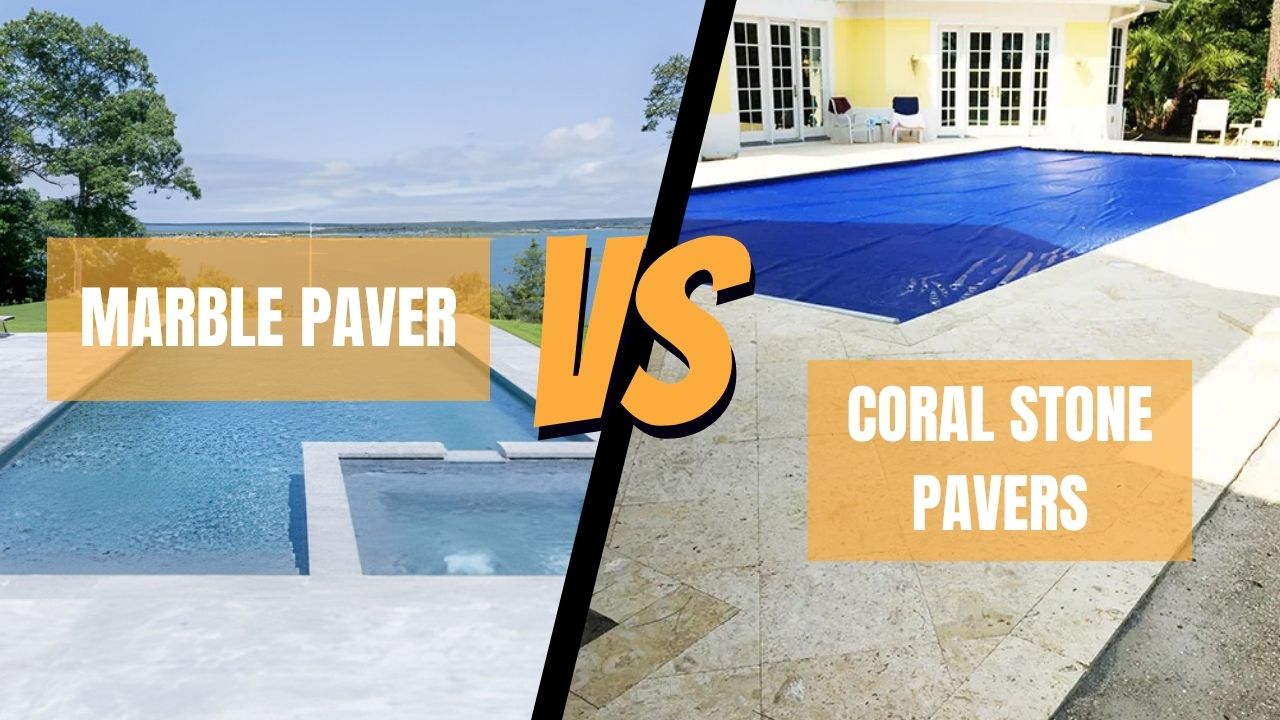
Many homeowners today compare natural marble with porcelain pavers when planning patios or outdoor spaces. This is because of the durability with beauty. While marble is a natural stone with durability, porcelain’s marble-look pavers and tile can offer almost the same beauty. However, they are easier to maintain than original marble. Porcelain has gained popularity in recent years because of its engineered durability. But marble is still a popular choice for many homeowners.
| Feature | Marble | Porcelain |
| Material Type | Natural stone | Manufactured ceramic |
| Appearance | Natural veins and variation | Printed surface patterns |
| Heat Behavior | Stays cooler in sunlight | Can retain more heat |
| Surface Authenticity | Unique natural texture | Uniform manufactured finish |
| Maintenance | Requires sealing | Low maintenance |
| Longevity | Decades with care | Long lifespan |
Many homeowners choose marble because they prefer natural materials. Porcelain appeals to those who prioritize minimal maintenance. Both materials perform well outdoors when installed properly.
What Are The Key Types of Marble?
Marble comes in a wide range of colors because of its mineral deposits that interact with limestone during metamorphism. These minerals impact both the color and the structural density of the stone. As a result, different varieties of marble feature slightly different durability levels and appearances. Each marble type is suited to different architectural and landscaping applications. Some marble types are better for indoors, while others work well for outdoor paving, pool decks, and wall cladding.
Understanding categories and different types of marble color helps homeowners select the right stone for durability, visual balance, and long-term performance.
White Marble
White marble is one of the most popular marble types that is widely used around the globe. The marble variant features a soft, bright base color with soft gray or old veining due to marble deposits. White marble reflects light well and makes

White marble reflects light well and helps spaces feel open and clean. Architects often choose it for classical and modern designs because it pairs easily with many materials. The durability level is medium to high. The most common types include Carrara marble and Calacatta marble.
They are commonly used in Interior flooring, bathroom walls and vanities, sculptures and architectural details, and pool coping and outdoor paving.
Gray Marble
Gray marble gets its color when graphite and other materials darken the stone during formation. The resulting tone is cooler with dramatic veins that work great with contemporary design styles. Designers frequently use gray marble in commercial interiors or modern residential spaces where a neutral palette creates visual balance. Popular variants include Pietra Gray and Tundra Gray.

It offers a high level of durability and is commonly used in flooring in modern interiors. Due to the subtle hint of darkness, they are also used in feature walls, commercial lobbies, and architectural cladding.
Black Marble
Black marble creates a strong visual contrast because light-colored veins run across a deep black surface. This stone often appears in luxury interiors where bold materials define the design. The most popular black marble variants are Nero Portoro marble and Black velvet marble pavers, which are also the most expensive marbles in the world. Other variants include Nero Marquina and Sahara Noir.
Due to their high durability, they are commonly used in statement walls, decorative panels, luxury bathrooms, and interior architectural accents.
While durability is great, black marble usually works best indoors because polished finishes highlight its natural patterns.

Green Marble
Green marble takes its form through the combination of serpentine with limestone during metamorphic transformation. This mineral composition creates a deep green shade with flowing white or gray veins. Popular marble types include green Prato marble, Verde Alpi marble, or Guatemala green marble
Homeowners widely appreciate these marble variants due to their natural, earthy character in interiors. However, the durability is moderate and commonly used in decorative wall panels, fireplace surrounds, and architectural accents.
Beige or Cream Marble
Beige marble type is a light colored marble, but brightens up the space differently from white marble types. It feels warm and has neutral tones that blend well with the outdoor environment. The softer shades complement landscaping elements like plants, stone walls, and water features.
They are the best choice for small spaces as the lighter color reflects light, which makes the space appear brighter. Also, it stays cool under direct sunlight, which means it is a good option for backyards and pool decks. Popular variants include Crema Winter Marble, Calacatta Portuguesa, golden-streaked Botticino, and Candy Beige Marble.

The durability level is moderate to high. The common applications are patios, walkways, pool decks, and outdoor living spaces.

Pros And Cons Of Using Marble
Despite being a beautiful and durable material, it does have some drawbacks as well. It is not a perfect material, but not a bad material in the long run either. It is better to say marble has both advantages and limitations.
| Pros of Marble | Cons of Marble |
| Natural stone with unique veining and distinctive geological patterns. | A porous surface may absorb liquids if not properly sealed. |
| Timeless appearance has been used in architecture for thousands of years. | Acidic substances can cause etching on polished marble surfaces. |
| Reflects light well, which helps brighten interior spaces. | Requires periodic sealing to prevent stains and moisture penetration. |
| Remains relatively cool under sunlight, ideal for pool decks and patios. | Softer than granite, making it more vulnerable to scratches. |
| Wide color range including white, gray, black, green, and beige tones. | Heavyweight requires proper structural support during installation. |
| Works across many applications such as floors, walls, patios, and coping. | Installation costs can be higher than some manufactured materials. |
| Natural crystalline structure provides solid long-term durability. | The surface may become slippery when polished and exposed to water. |
| Compatible with many finishes, including polished, honed, brushed, and tumbled. | Certain varieties may fade slightly with long-term outdoor exposure. |
| Adds perceived property value due to natural stone prestige. | Requires professional cutting and installation for best results. |
| Sustainable natural material formed through geological processes. | Premium marble varieties often cost more than engineered alternatives. |
| Develops natural patina over time that adds character to surfaces. | Veining variation makes exact pattern matching difficult between slabs. |
| Suitable for both classic and modern architectural design styles. | Outdoor marble needs proper drainage and installation to avoid damage. |
For most homeowners, these limitations are easy to manage with proper installation, marble sealing, and routine care. Professional natural stone suppliers in Connecticut, like NT Pavers, also guide homeowners to choose the right marble finishes and thickness levels. This helps them choose the marble types and finish that performs well in a specific indoor or outdoor environment.
What Are The Common Applications of Marble?
Being a beautiful natural stone, marble has a huge range of applications from indoors to outdoors. Below are some of the most common applications.
Flooring:
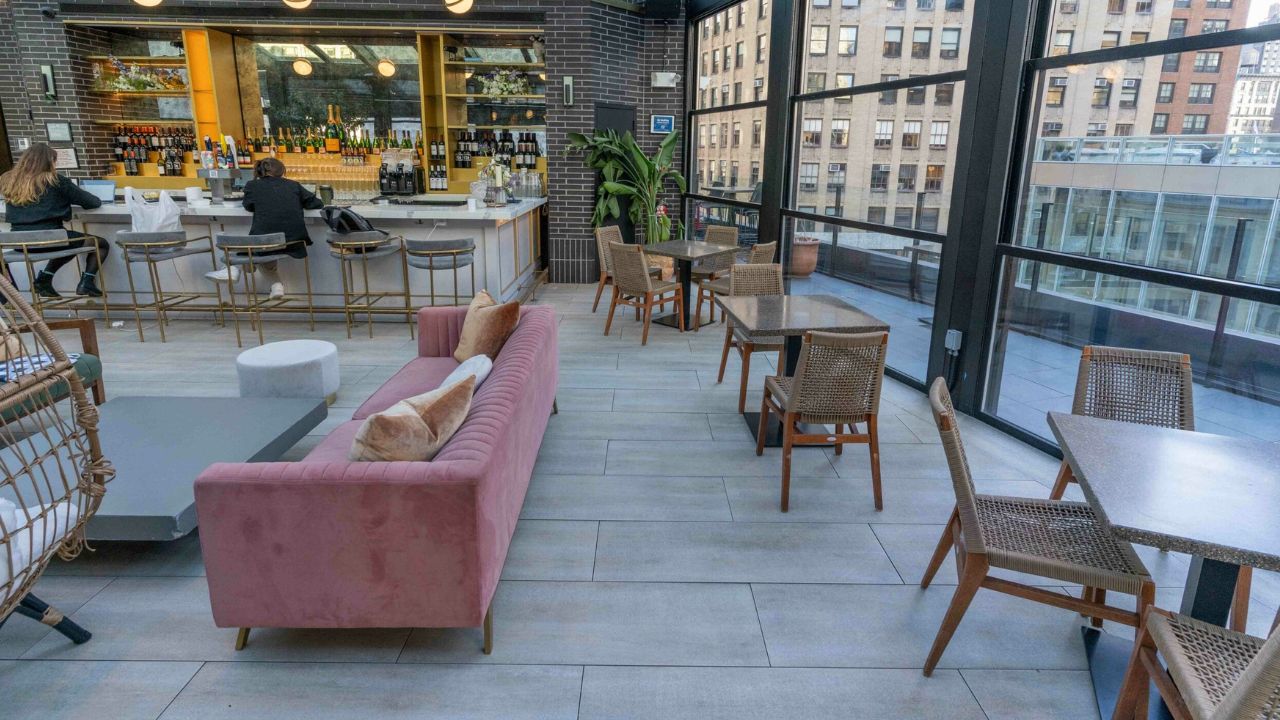
Marble floors create an ultimate sense of luxury, brightness, and reflectiveness in the space. The stone has a smooth surface that works great for both traditional and modern design styles.
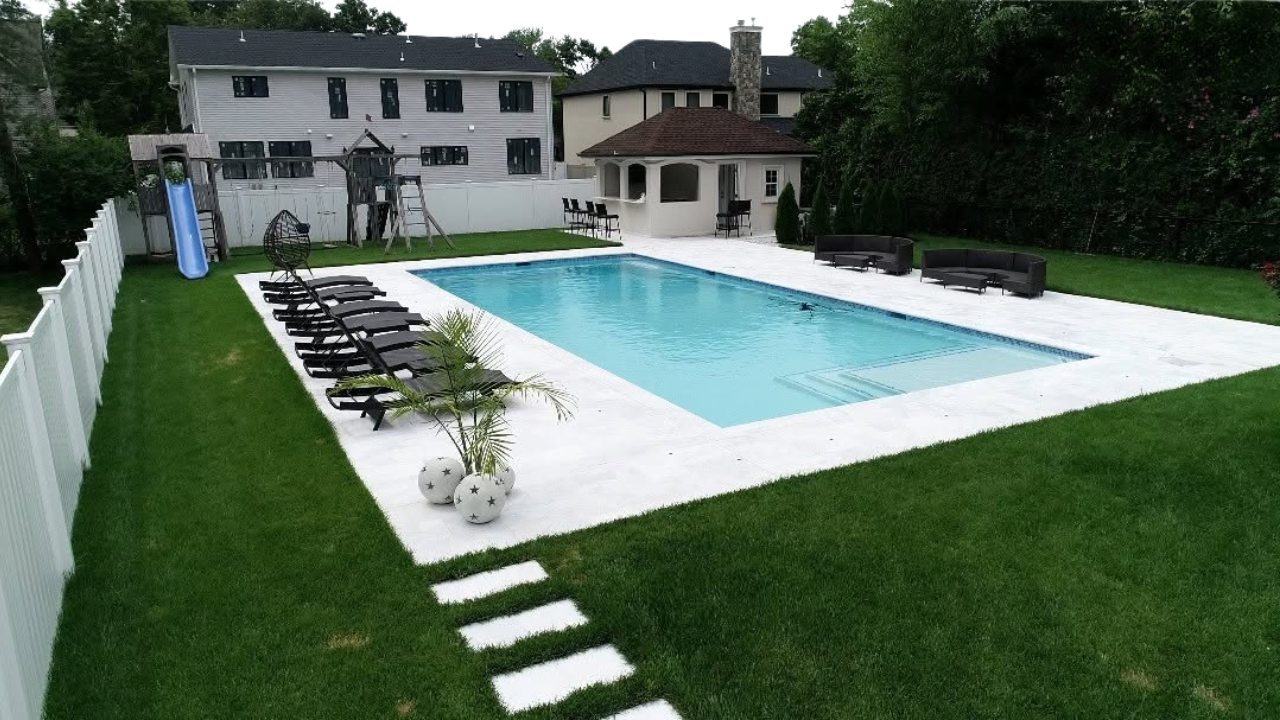
Pool Decks and Pool Coping
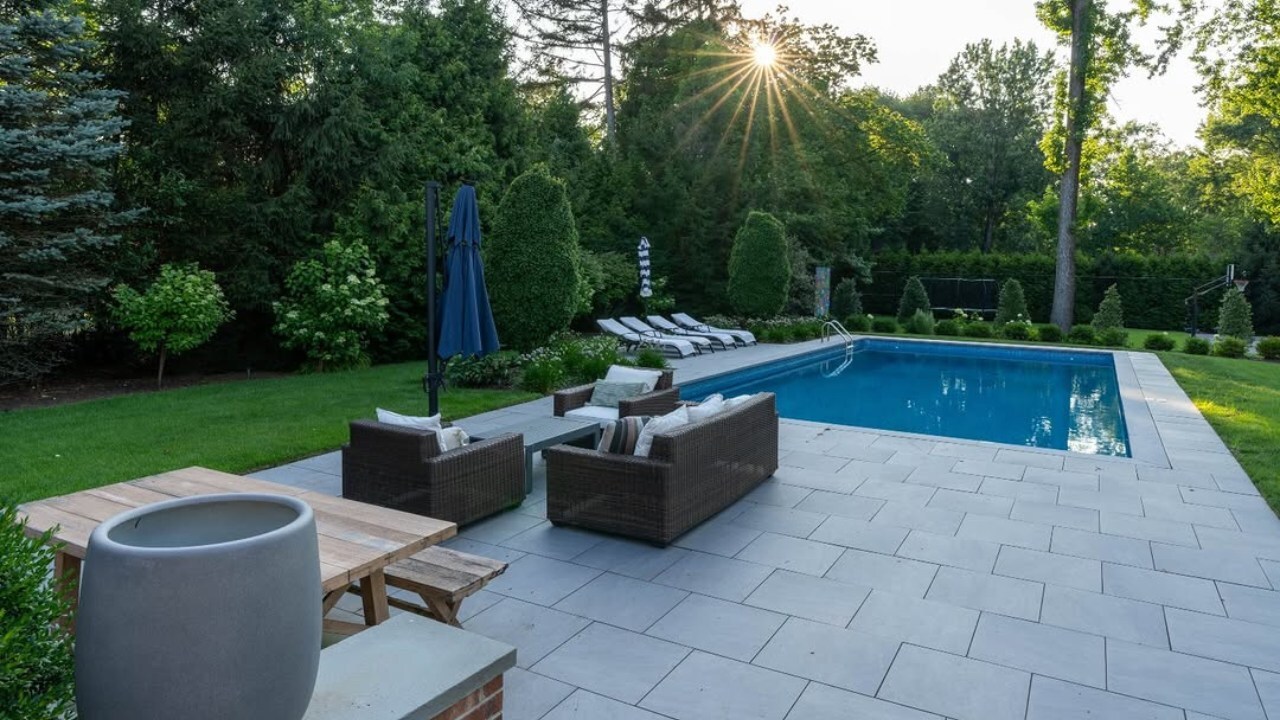
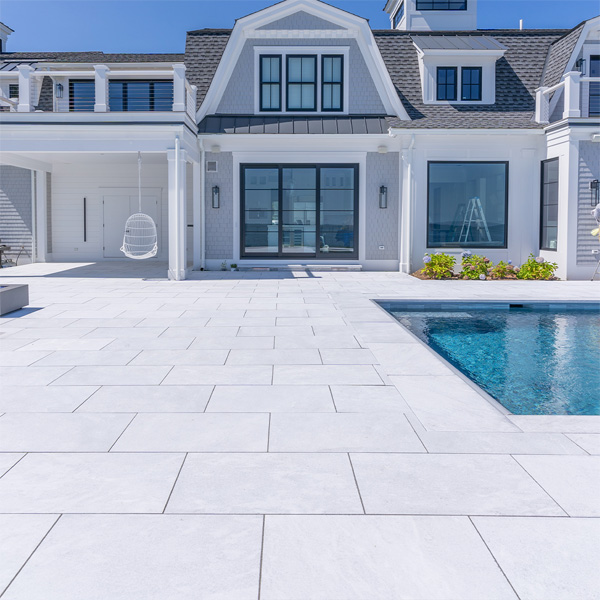
Marble works great around swimming pools due to its reflective surface. It doesn’t absorb light or heat, which means the surface stays cooler than many other paving materials. Marble pool coping also creates clean edges around water features.
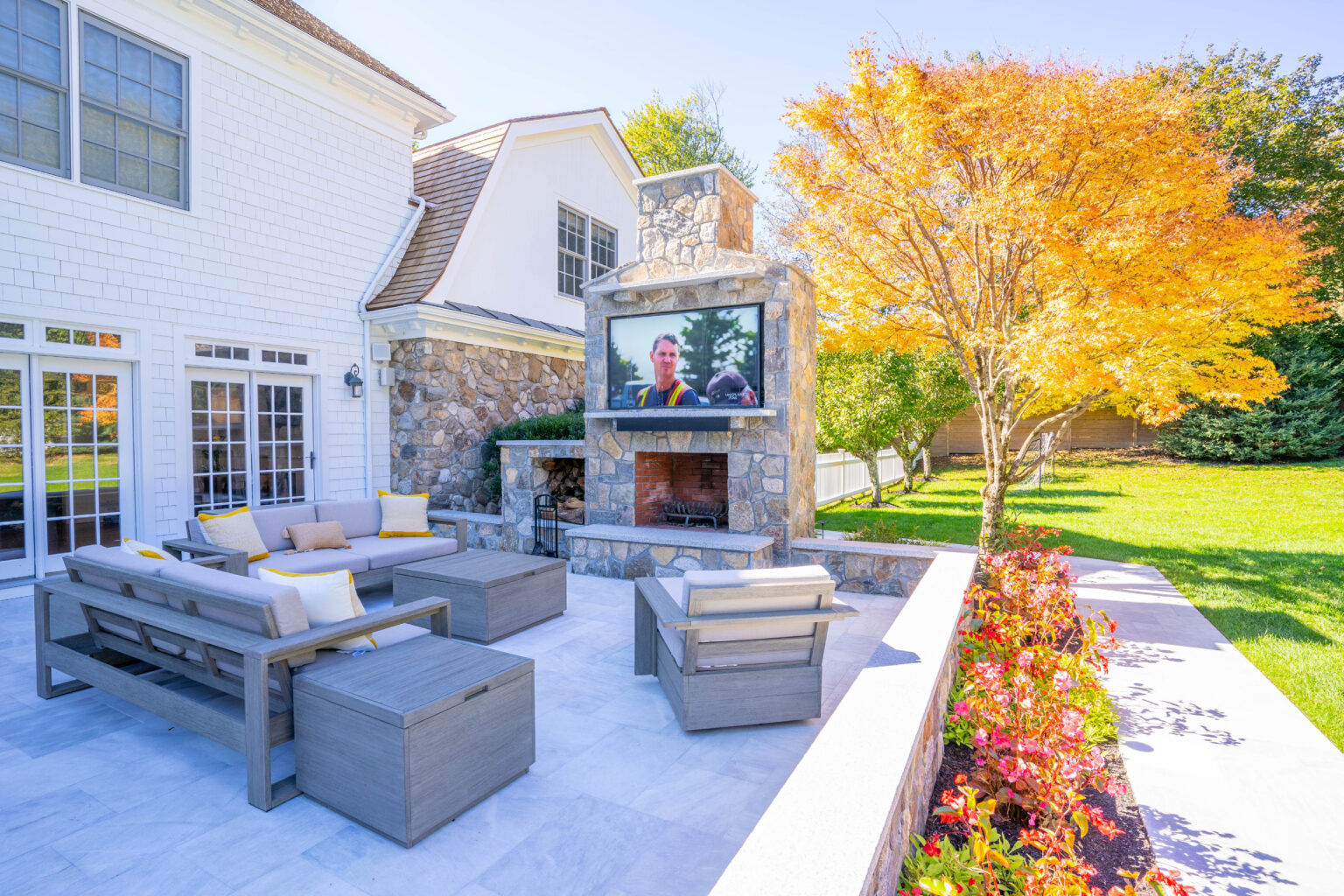
Patios and Walkways
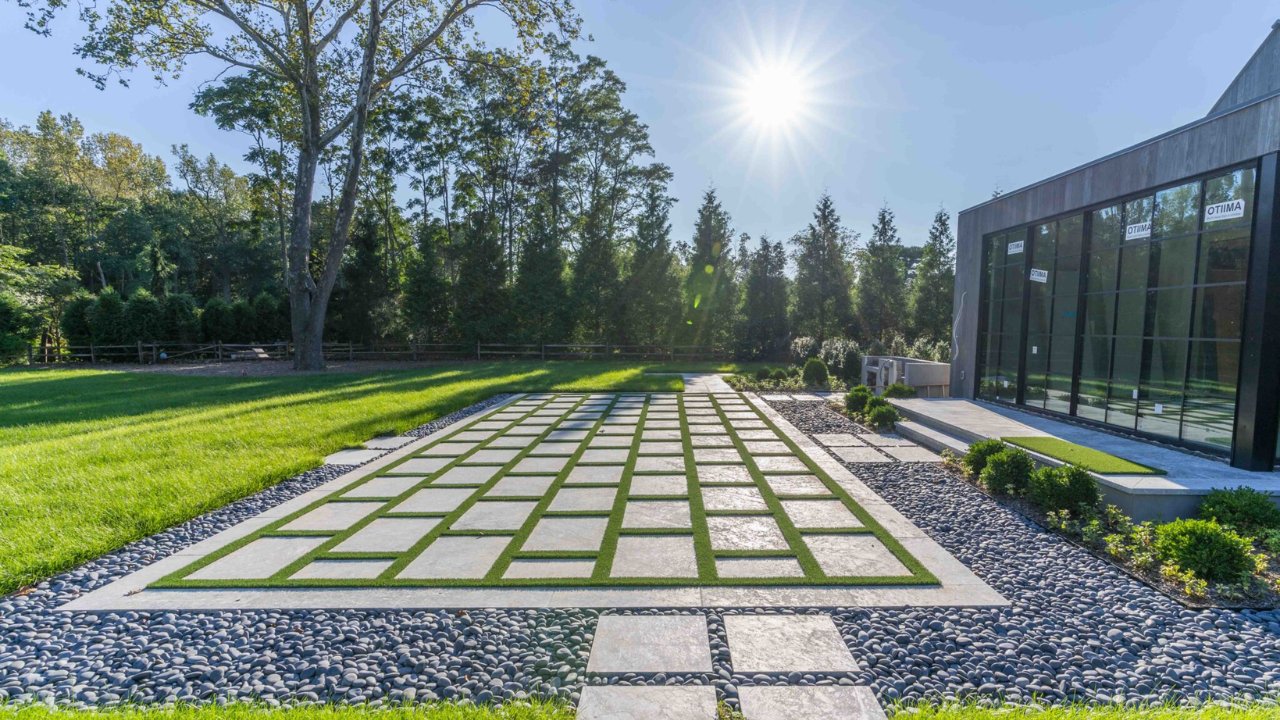
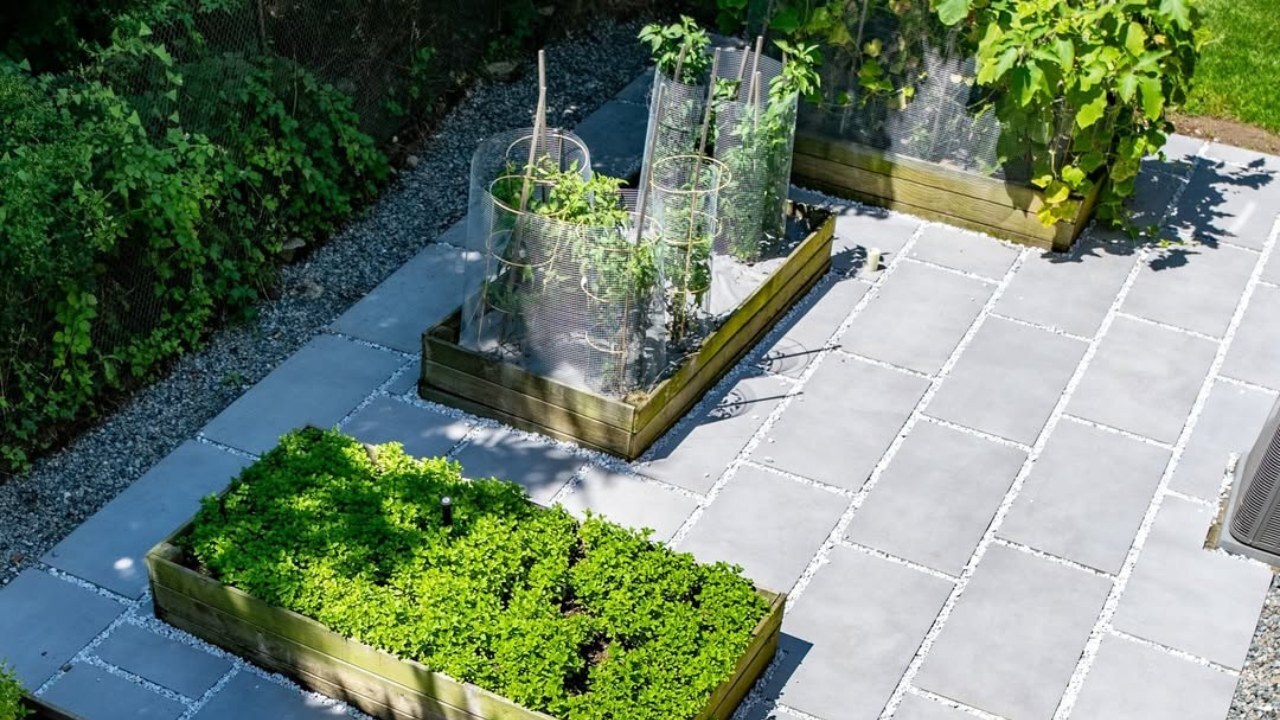
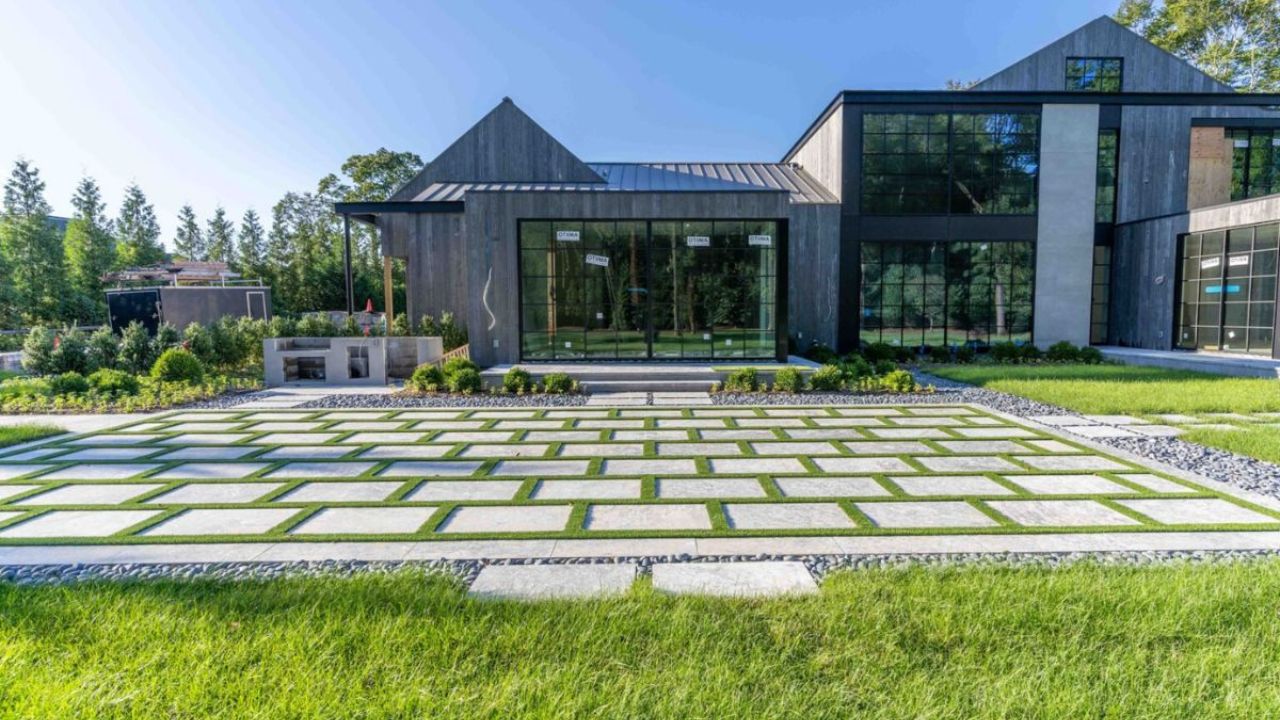
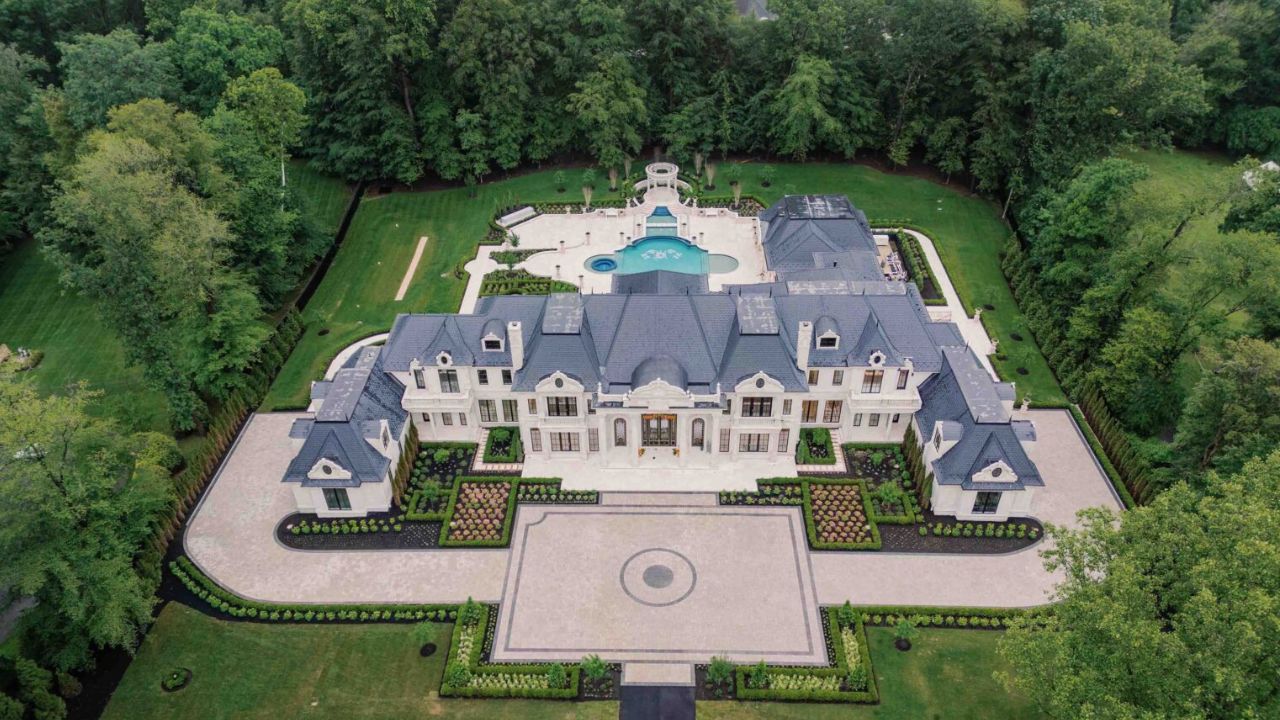
Marble is also a great option for outdoor patios as marble pavers blend with natural landscapes. Marble paths often develop subtle patina over time, which adds to their character.
Wall Cladding
Interior designers frequently install marble panels on accent walls, fireplaces, or entryways.

Sculptures and Decorative Elements
Due to its smoothness and soft appearance, marble has been widely used in creating stunning sculptures for centuries. Artists can carve beautiful details without fracturing the stone itself.
Marble Installation Cost Comparison
Marble installation requires precision and professional experience due to its thickness and price. However, the paver cost is different according to the project range, marble type, and labor cost. Here is a complete breakdown of the marble installation cost.
| Cost Factor | Budget Marble Installation | Mid-Range Marble Installation | Premium Marble Installation |
| Material Cost (per sq ft) | $5 – $10 | $10 – $25 | $30 – $100+ |
| Labor Cost (per sq ft) | $5 – $10 | $10 – $18 | $20 – $40 |
| Subfloor / Surface Preparation | $1 – $3 | $2 – $5 | $5 – $12 |
| Mortar, Adhesives, Grout | $1 – $3 | $2 – $5 | $5 – $10 |
| Sealing & Finishing | $0.50 – $2 | $1 – $3 | $3 – $6 |
| Cutting & Layout Complexity | Basic grid layout | Standard patterns | Custom patterns or large slabs |
| Total Installed Cost (per sq ft) | $10 – $15 | $15 – $35 | $40 – $80+ |
| Typical Project Size Cost (200 sq ft) | $2,000 – $3,000 | $3,000 – $7,000 | $8,000 – $16,000+ |
| Best For | Budget renovations | Standard home upgrades | Luxury interiors and high-end projects |
Cost ranges vary depending on marble type, location, tile size, and installation complexity.
Key Factors That Influence Marble Installation Cost
Marble installation cost doesn’t have a definite answer due to several factors. These factors can leave a huge impact on the final pricing.
| Factor | Cost Impact | Explanation |
| Marble Type | High | Rare stones like Calacatta cost more than standard Carrara. |
| Tile Size & Thickness | Medium | Large or thicker tiles require more labor and precision. |
| Surface Preparation | Medium | Uneven subfloors require leveling, which increases labor. |
| Installation Pattern | High | Herringbone or diagonal layouts require additional cutting. |
| Location of Installation | Medium | Bathrooms and kitchens require waterproofing layers. |
| Finishing & Sealing | Low to Medium | Natural marble requires sealing to prevent staining. |
| Labor Rates | Medium to High | Skilled stone installers charge more due to precision work. |
The Average Cost Of Marble Installation
To have a somewhat cost idea for general estimation, here is the average cost of mable installation throughout the USA.
| Installation Type | Average Cost per Sq Ft |
| Marble tile flooring installation | $17.50 – $32 |
| Basic marble installation | $10 – $40 |
| Luxury marble installation | $40 – $80+ |
These ranges show the material+labor cost combined, where cost increases for premium marble variants and complex installations.
How To Choose The Types Of Marble For Your Project?
Choosing the right marble requires careful evaluation of several factors.
Consider Location
The location where you are going to install marble matters a lot. Outdoor areas require marble that tolerates temperature changes and moisture exposure. However, interior spaces take advantage of polished finishes.
Evaluate Surface Finish
Not all finish work for every project. Check different marble finishes, including Polished, Honed, Tumbled, and Brushed. Outdoor spaces take advantage of tumbled or textured finishes because they improve slip resistance.
Understand Thickness
Thicker marble pavers typically provide greater durability in outdoor environments. Many exterior installations use thicker stone to handle weight loads and weather conditions.
Review Color and Veining
Marble slabs vary widely in appearance. Viewing the stone in natural light helps ensure the color and veining match the design vision.
Choose a Reliable Supplier
Stone quality varies between suppliers. Experienced natural stone distributors often provide better grading, cutting precision, and technical guidance.
Companies such as NT Pavers specialize in natural stone materials and help homeowners evaluate marble options for patios, pool decks, and outdoor landscaping projects.
What Is Marble FAQs
Let’s answer your questions about marble.
What makes marble different from other stones?
Marble is a metamorphic stone that recrystallizes limestone into a dense crystalline structure that creates a stone with a smooth texture and natural veining.
Is marble good for outdoor use?
Yes. Marble looks great in patios, pool decks, and walkways when installers select the correct thickness, finish, drainage design, and sealing.
Does marble require sealing?
Yes. Sealing marble in most installations will secure it from staining and water penetration, as marble has a porous surface.
Is marble slippery when wet?
No. Only polished marble can become slippery, but a textured finish offers traction and slip resistance.
How long does marble last?
Properly installed marble can last for several decades. Many historic marble structures have survived for centuries.
Is marble expensive?
Yes. However, cost is different according to the different marble types, where some lower-grade marbles may be less expensive while some cost more per square foot.
Bottom Line
Marble stone offers great beauty and durability despite being a natural stone paver. The surface is soft and smooth, which makes it a great choice for most architectural projects, residential and commercial projects. Homeowners prefer marble due to its natural beauty, heat resistance, and architectural application versatility. The stone works great, including flooring, patios, pool coping, and decorative features.
With proper selection, installation, maintenance, and sealing, marble can be a great option for the long run.