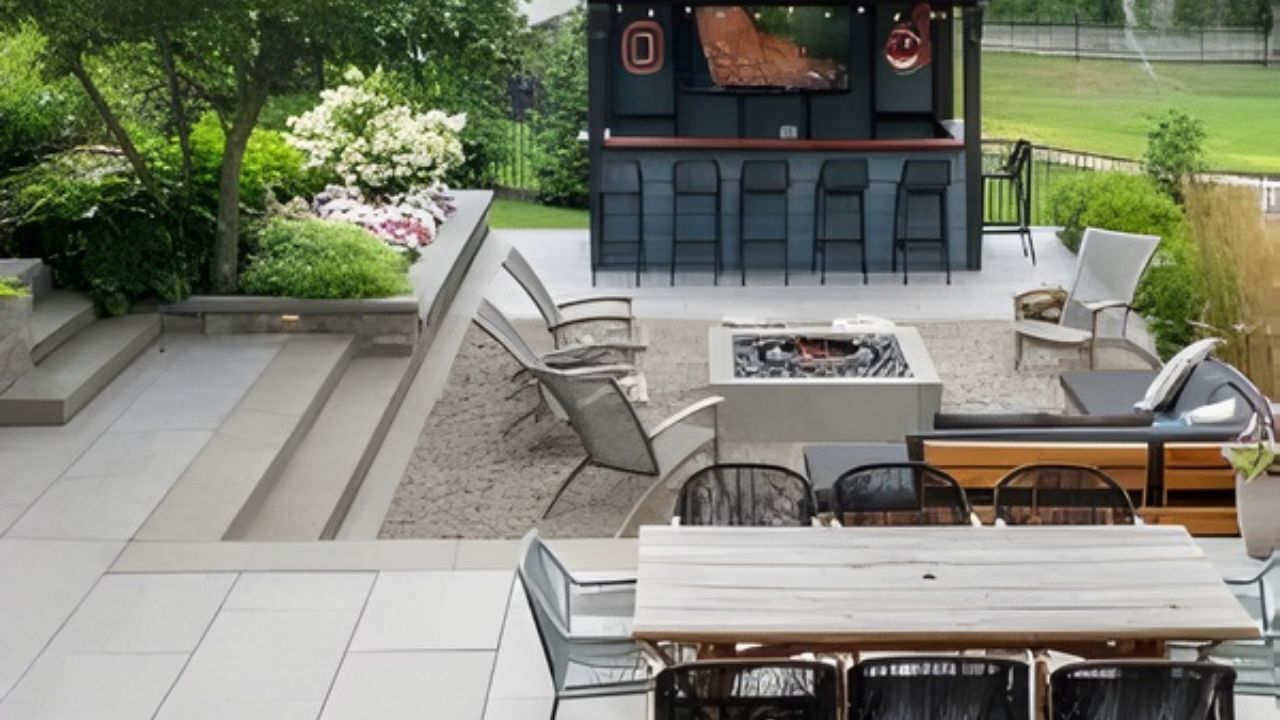
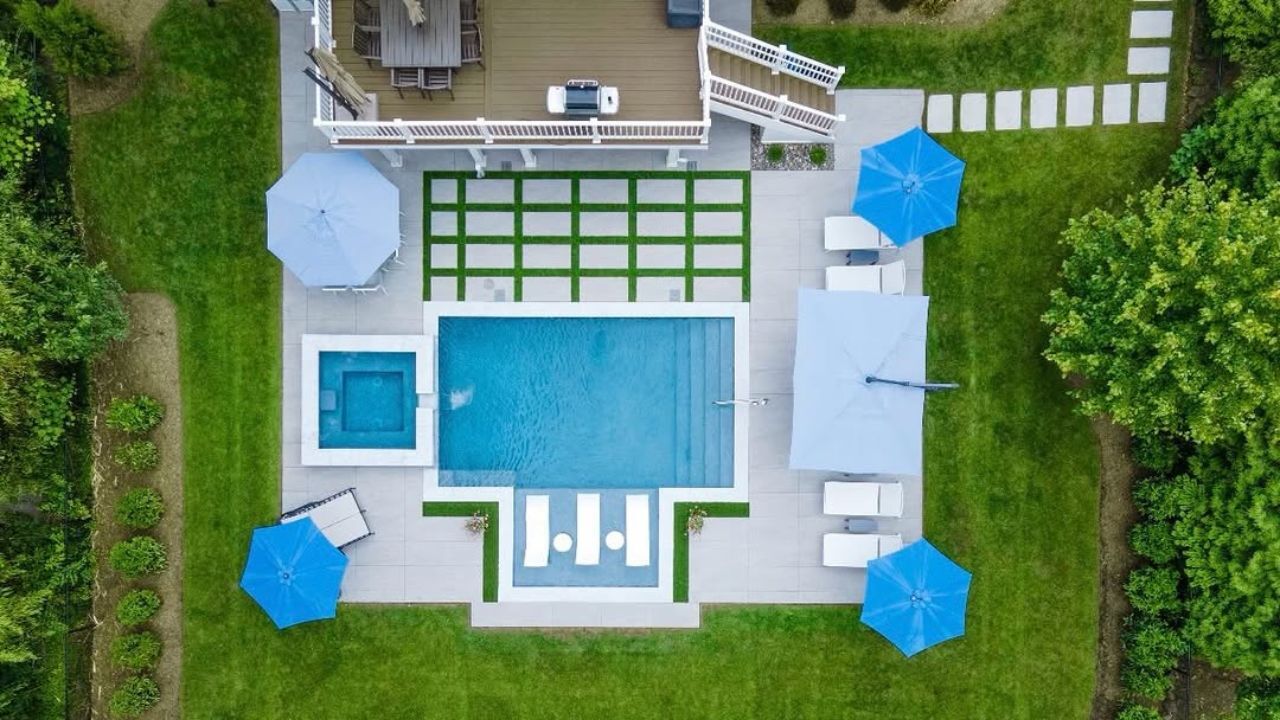
Porcelain pavers are undoubtedly among the most suitable paving materials for durable outdoor use. As the outdoors have to face the worst from climate and factors like freeze-thaw cycles, rain, and UV exposure, a durable option is essential for longevity. Porcelain clicks every point on the list, which is why it has become a preferred choice for homeowners throughout the USA.
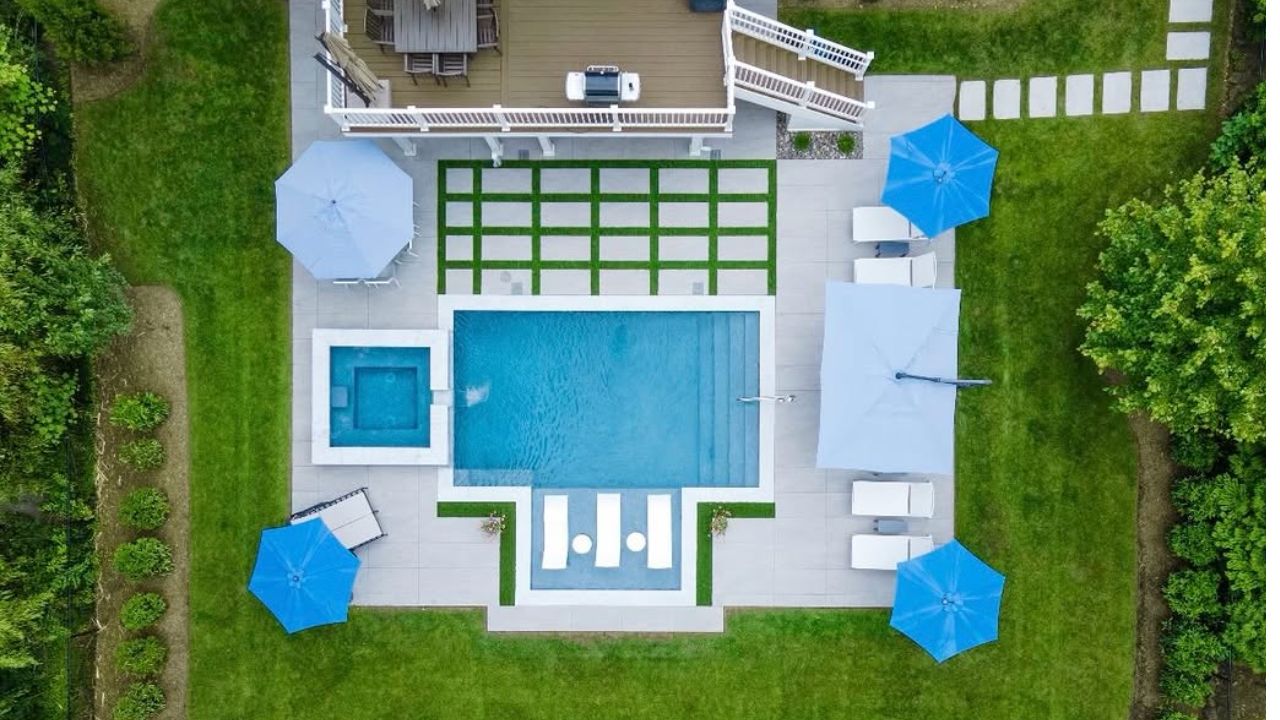
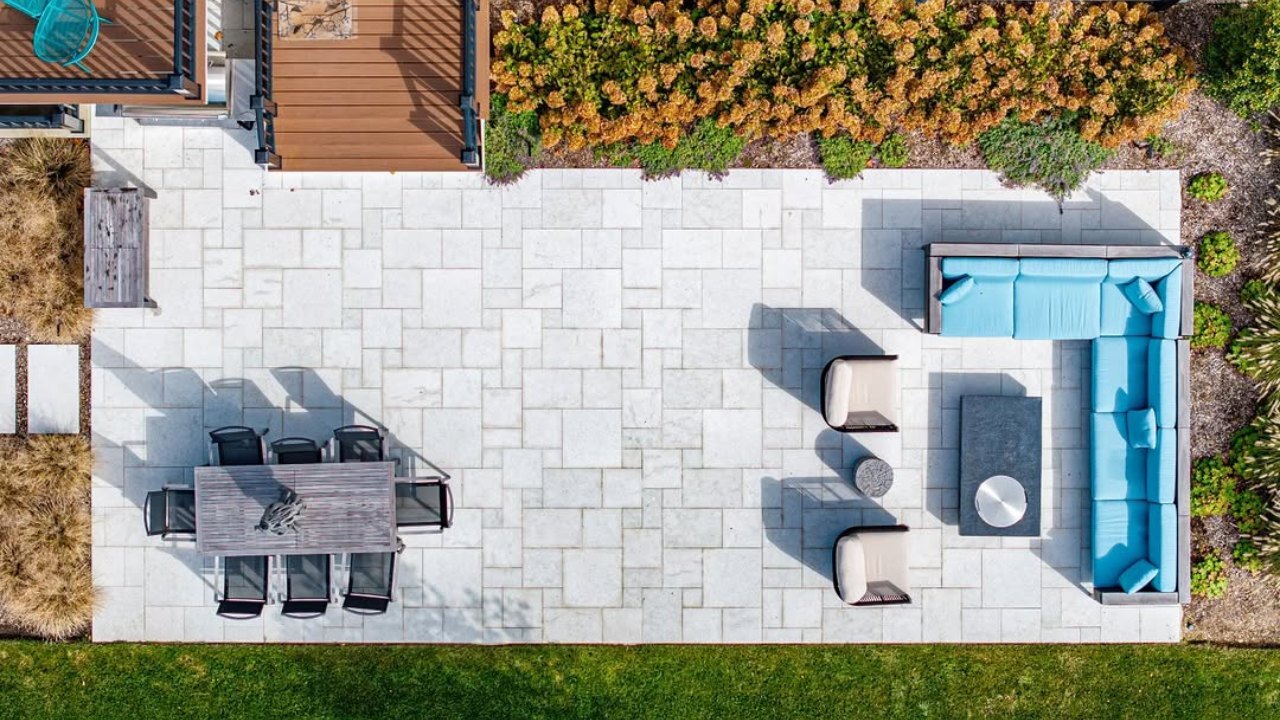
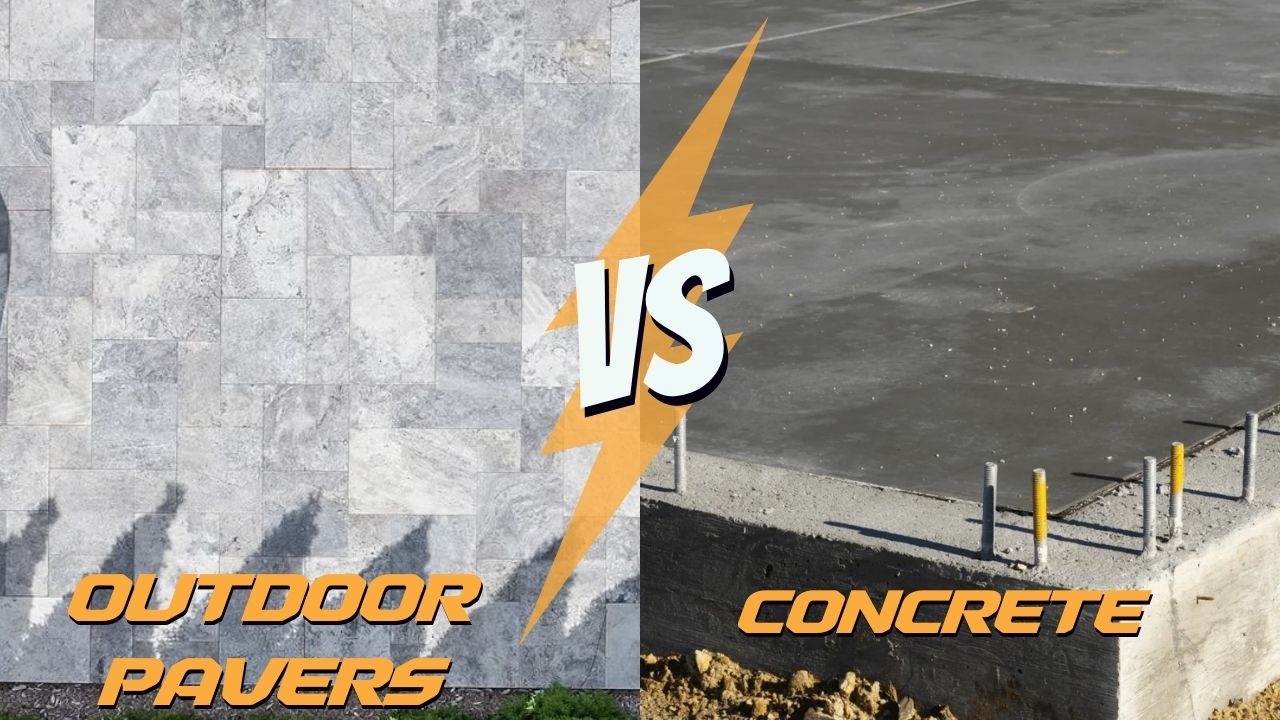
Outdoor porcelain pavers have become a great alternative to natural stone and concrete. Latest ceramic engineering helps manufacturers to manufacture thick, structural porcelain slabs that are specifically for exterior use. Due to superior strength, many architects and landscape designers suggest pavers for patios, rooftop terraces, outdoor kitchens, and pool decks. The material delivers both visual flexibility and structural reliability. Continue reading the following to learn about the outdoor porcelain pavers.
What Are The Outdoor Porcelain Pavers?
Outdoor porcelain pavers are specifically rated for outdoor environments and load-bearing applications. Porcelain is inherently thicker, but outdoor porcelain is even thicker, around 20mm (¾ inch). This gives them structural strength. Manufacturers create these porcelain pavers through a precise process where neutral clay, feldspar, and minerals are ground into a fine powder.
Then the porcelain slab is placed in a kiln at an extreme temperature of 1200 °C. The firing process mixes particles into a thick and verified structure.
The process creates a surface that is almost waterproof with no water absorption. Most porcelain pavers have the lowest water absorption rate, which is around 0.5%, which meets international porcelain standards.
Because the material becomes so dense, it gains several key properties:
- High compressive strength
- Resistance to frost and moisture
- Scratch and stain resistance
- Stable color that resists UV fading
These days, modern printing technologies can replicate the look of certain elements from natural stone to wood and concrete slabs. Many homeowners choose porcelain pavers as they combine natural aesthetics with engineered durability.
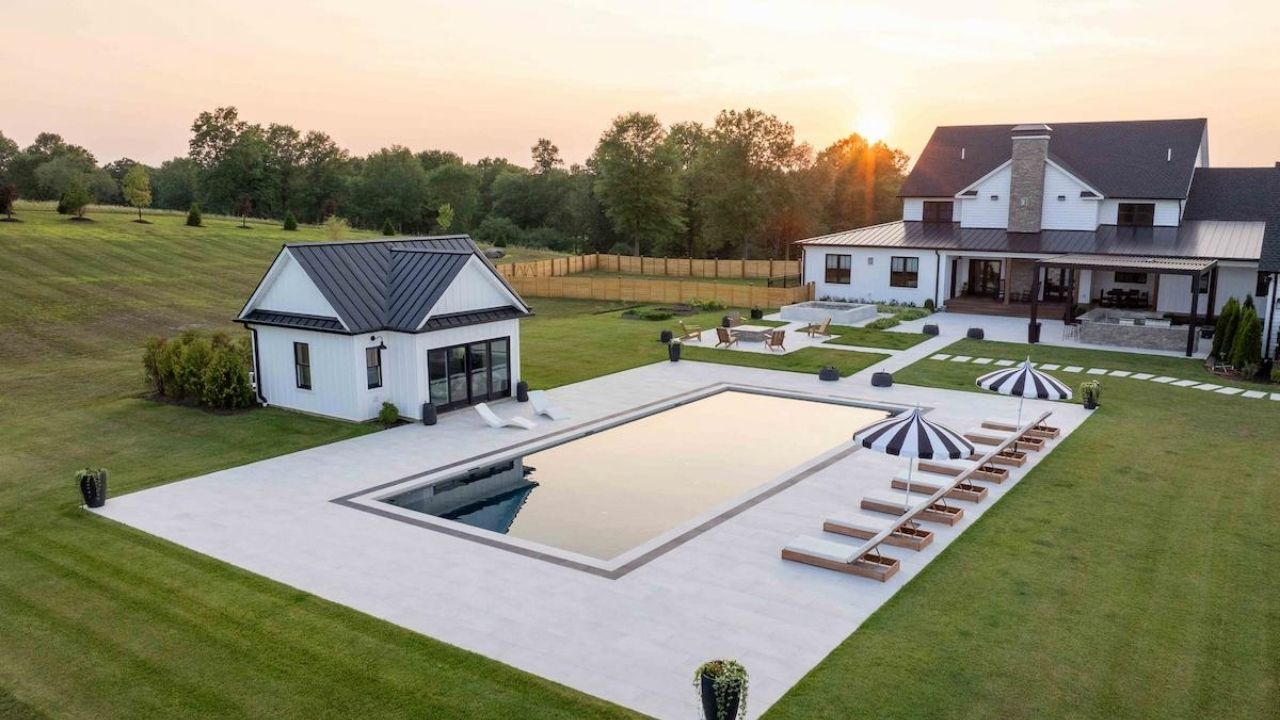
What Are The Benefits Of Choosing Outdoor Porcelain Pavers?
The outdoor surface has to face the worst of outdoor elements, from rain, heat, sunlight, and foot traffic. All of them affect the paver performance. Porcelain pavers solve many of the common problems that affect traditional paving materials. Here are the benefits of porcelain pavers.
1. Extremely Low Water Absorption
Water can damage many outdoor paving materials, from natural stone pavers to concrete. Porcelain will not be affected by the water on many levels. It cannot penetrate the porcelain structure due to its almost zero-porous surface. This property protects the surface from:
- Freeze-thaw damage
- Mold growth
- Efflorescence
- Surface staining
This makes porcelain a perfect choice for calamities with harsh weather, like heavy rain or snow.
2. Strong Resistance to Weather
Outdoor porcelain pavers have a resistant surface against severe conditions. They can resist elements like UV radiation from sunlight, extreme heat, frost cycles, and heavy rainfall.
As the color is imprinted through the surface design layers, the pavers rarely fade. Even under direct exposure to the sun, they maintain the same visual appearance.
3. Slip-Resistant Surfaces
Manufacturers these days design most outdoor porcelain pavers with textured surfaces. These finishes create better traction when the surface becomes wet. This makes the porcelain a strong option for
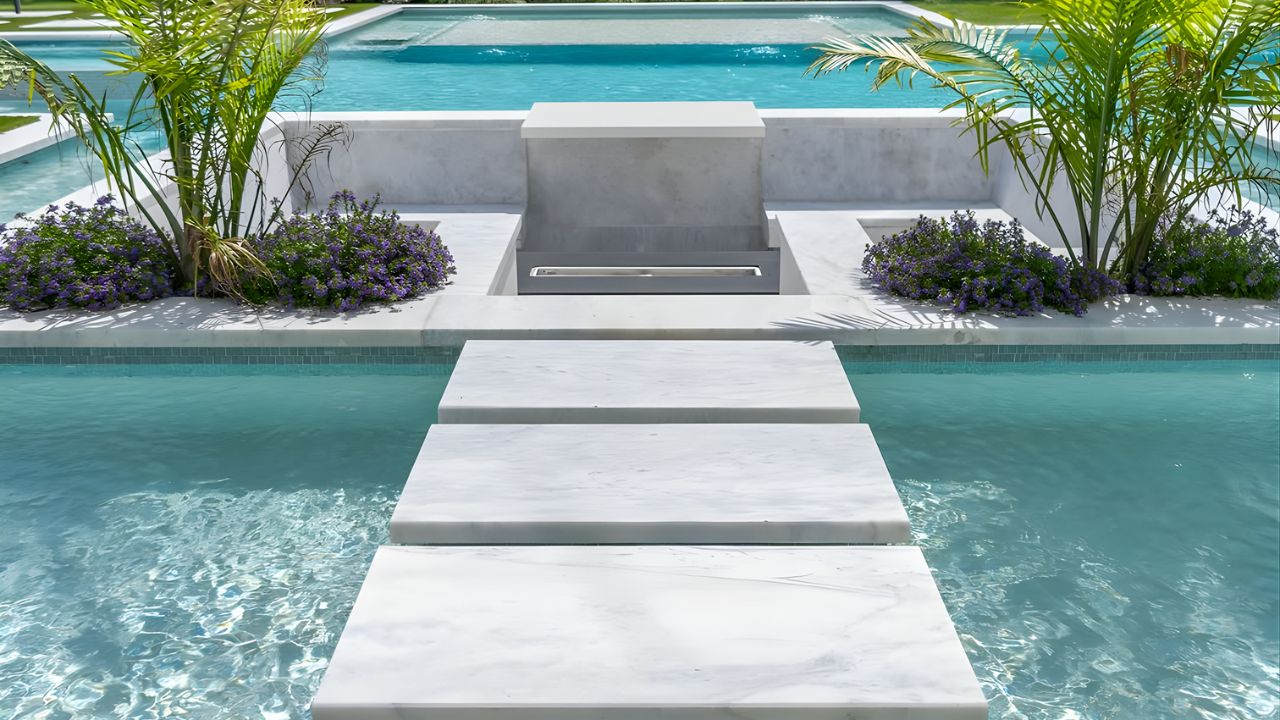
- Pool decks
- Garden walkways
- Outdoor kitchens
- Rooftop terraces
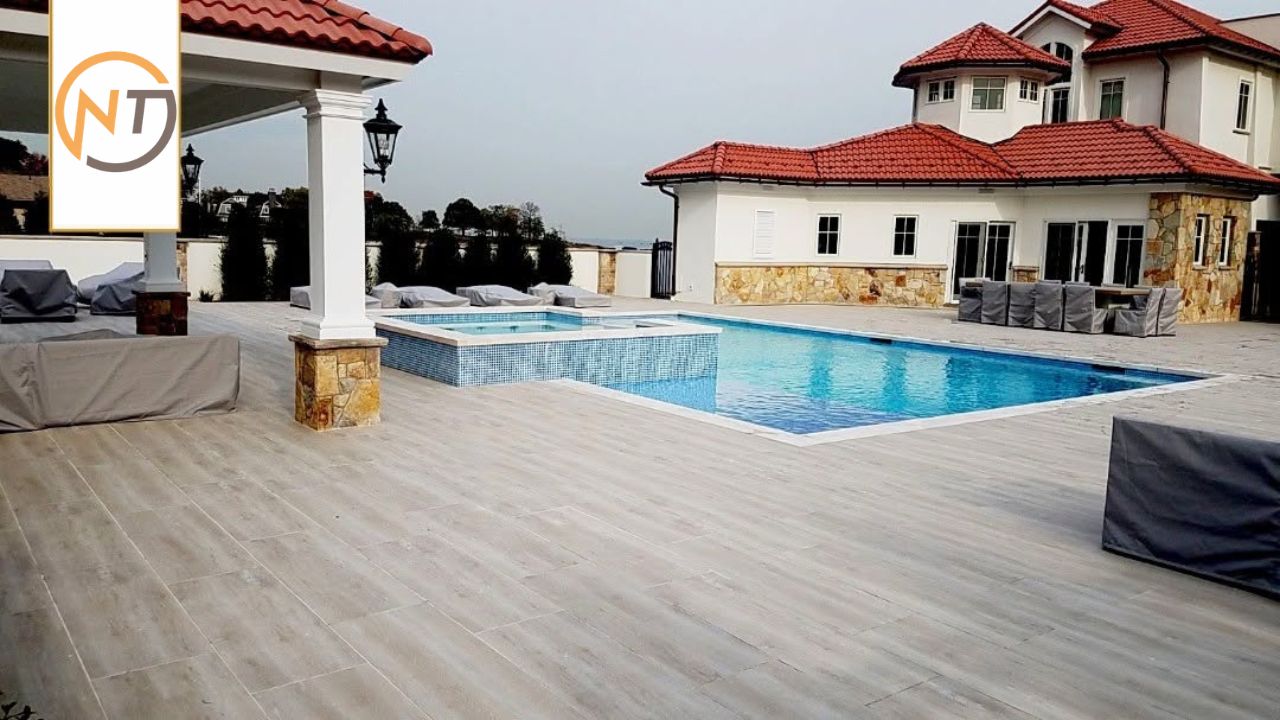
Many pavers feature the highest international slip resistance ratings, such as R11 or R12.
4. Minimal Maintenance Requirements
Natural stone pavers usually need sealing for improved performance, to prevent staining and moisture damage. Porcelain is free from these requirements. Outdoor porcelain pavers perform well and maintain their look without sealing.
Routine maintenance is rather simple cleaning:
- Sweep debris
- Rinse with water
- Use mild detergent when needed.
Because the surface does not absorb stains easily, spills from food, oil, or dirt rarely leave a mark.
5. Consistent Appearance
Outdoor porcelain pavers offer a consistent and controlled visual consistency. Manufacturers create each batch with predictable patterns and tones. Homeowners who prefer a cohesive and unified design language find porcelain pavers great.
On the other hand, every natural stone is different from slab to slab. This variation may look beautiful, but it also makes the design planning hard.
6. Wide Design Variety
The latest porcelain manufacturing features high-resolution digital printing. This helps designers to replicate natural materials with impressive realism. Common styles include:
- Marble-look pavers
- Sandstone textures
Because of this variety, porcelain pavers fit many architectural styles.
What Are The Different Types of Outdoor Porcelain Pavers?
Not all porcelain pavers serve the same purpose. Thickness, surface finish, and installation method all affect performance.
| Type of Porcelain Paver | Typical Thickness | Surface Texture | Best Use Areas | Strength Level | Maintenance Needs | Design Style |
| Standard Patio Porcelain Pavers | 20mm | Matte or lightly textured | Patios, terraces | High | Low | Modern stone or concrete looks |
| Pool Deck Porcelain Pavers | 20mm | High slip resistance (R11+) | Pool surrounds | High | Very low | Sandstone or limestone styles |
| Structural Porcelain Pavers | 20mm–30mm | Textured grip | Driveways, high traffic areas | Very high | Low | Concrete or industrial looks |
| Wood-Look Porcelain Planks | 20mm | Wood grain texture | Garden paths, decks | Medium to high | Low | Natural wood appearance |
| Raised Pedestal Porcelain Pavers | 20mm | Smooth or matte | Rooftop terraces | High | Low | Contemporary architectural styles |
Each type supports different outdoor environments. A landscape designer or contractor can help determine which format works best for your project.
What Do Outdoor Porcelain Pavers Cost?
Cost consideration is crucial for homeowners who want to use porcelain pavers. While porcelain generally costs more, premium outdoor porcelain pavers cost even more than basic concrete. The cost can be compared with that of premium natural stone. Prices vary based on several factors:
- Brand and manufacturer
- Surface finish
- Design complexity
- Installation method
- Project size
In addition to material pricing, the overall paver installation cost plays a significant role in the total budget, as it includes labor, base preparation, and project-specific requirements.
General Outdoor Porcelain Pavers Cost Breakdown
| Cost Category | Average Price Range |
| Porcelain Paver Material | $6 – $12 per sq ft |
| Premium Imported Porcelain | $12 – $18 per sq ft |
| Installation Labor | $10 – $20 per sq ft |
| Base Preparation | $4 – $8 per sq ft |
| Total Installed Cost | $20 – $40 per sq ft |
Larger patios usually have a lower cost per square foot, while complex layouts increase labor requirements. High-quality outdoor porcelain pavers suppliers, such as NT Pavers, specialized in porcelain surfaces, often provide design-focused collections that fall within this general range.
How Are Outdoor Porcelain Pavers Installed?
Outdoor porcelain pavers will rarely fail as a material, but installation is the issue. Proper installation of porcelain pavers is crucial for long-term performance. Contractors usually select one of three common installation systems.
1. Sand Set Installation
This method looks like the traditional paver installation.
- Dig the soil to the proper depth.
- Install compacted gravel base.
- Add a leveling sand layer.
- Dry-lay the porcelain pavers first to check the layout, keeping the joint spacing the same.
- Fill joints with polymeric sand.
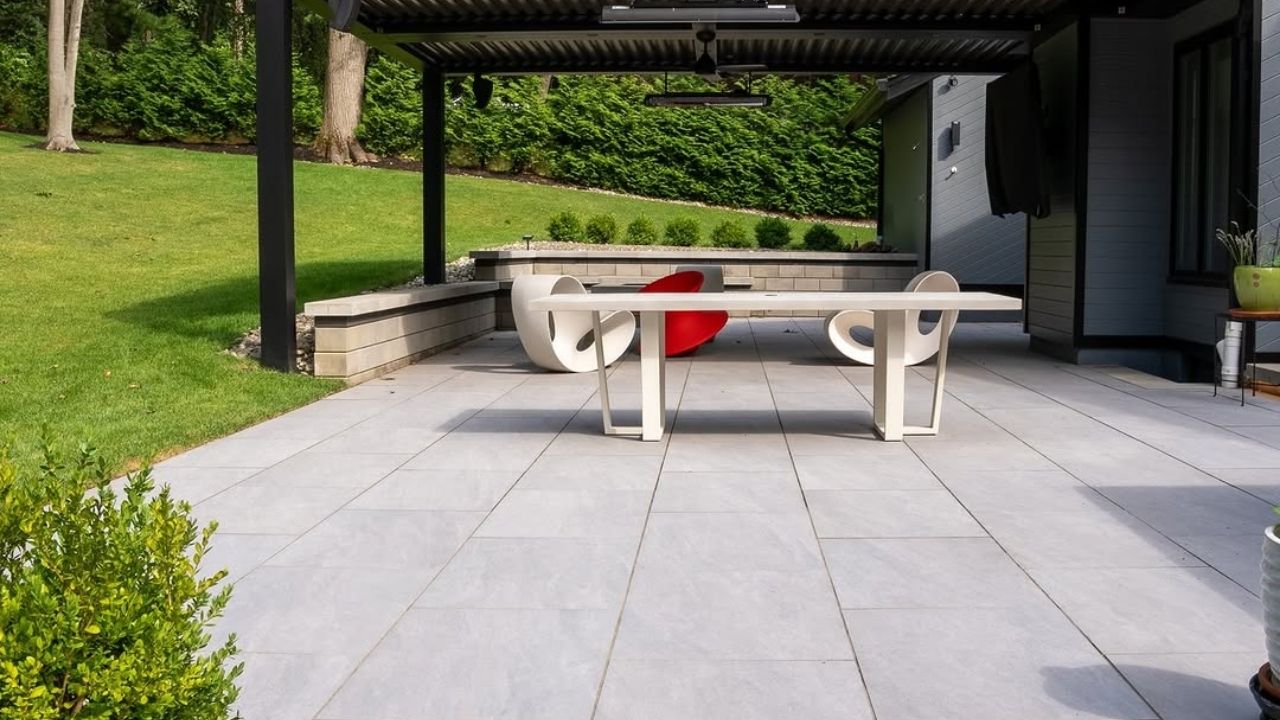
It is well-suited for patios, garden walkways, and residential outdoor spaces.
2. Mortar Set Installation
Contractors place pavers over a concrete slab using mortar adhesive. It starts by:
- Preparing your reinforced concrete slab.
- Apply thin-set mortar.
- Install the porcelain pavers.
- Fill joints with grout.
It is well-suited for outdoor kitchens, pool decks, and high-traffic areas.
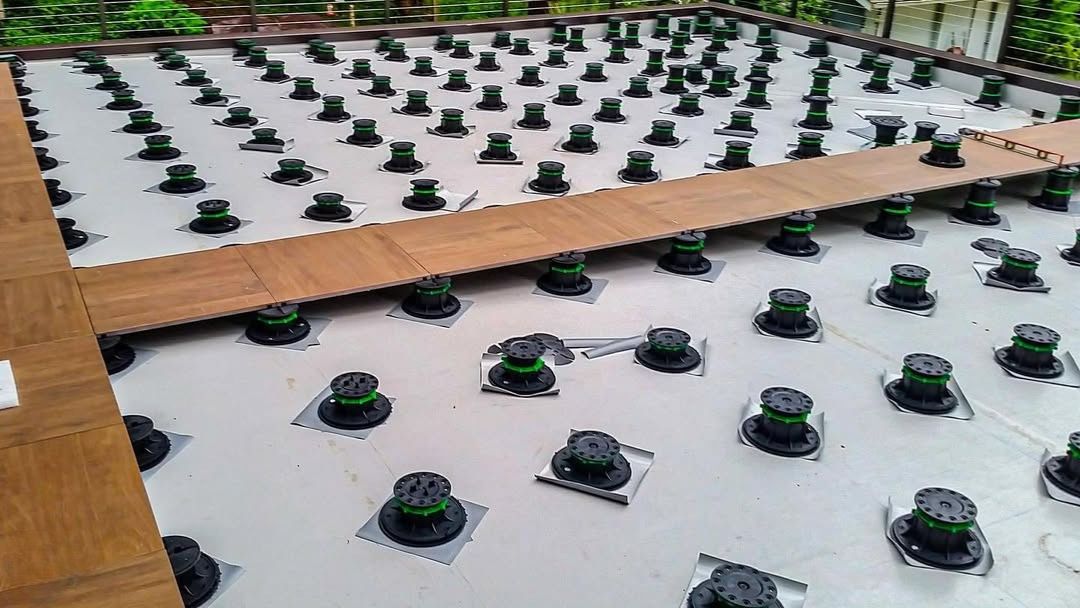
3. Pedestal System Installation
Pedestal systems have gained huge popularity for installing outdoor pavers above the structural surface. The process is simple:
- Place adjustable plastic pedestals on the surface.
- Set pavers on pedestal corners.
- Level the surface.
This installation method is well-suited for rooftop terraces, balcony floors, and other areas that require access for drainage.
Porcelain Pavers Pros And Cons
Not every material is perfect, and porcelain is not different. While it offers great benefits, it also has some drawbacks as well. Check the tables for Porcelain Pavers Pros And Cons for more information.
| Category | Pros of Porcelain Pavers | Cons of Porcelain Pavers |
| Durability | Extremely dense and strong; resists cracking under normal residential loads. | Can crack under heavy point impact if installed incorrectly. |
| Water Resistance | Very low water absorption (usually <0.5%), which helps prevent stains and freeze damage. | Requires proper base preparation to avoid water pooling beneath pavers. |
| Slip Resistance | Textured outdoor surfaces provide a strong grip for patios, pool decks, and walkways. | Some polished or smooth finishes may become slippery when wet. |
| Maintenance | Non-porous surface resists mold, algae, and stains; cleaning usually requires only water and mild soap. | Dirt can collect in joints if installation gaps are not maintained properly. |
| Color Stability | Manufactured with UV-stable pigments that resist fading in sunlight. | Color cannot be restored easily if a tile chips deeply. |
| Design Variety | Available in stone, concrete, wood, and marble for pavers, tiles, coping, and patios. | Some homeowners prefer the natural variation of real stone instead of printed patterns. |
| Weight | Lighter than many natural stone slabs, which simplifies transport and handling. | Lightweight units may shift if installed without proper edge restraints. |
| Installation | Compatible with pedestal systems, sand-set installations, and traditional mortar bases. | Installation requires careful leveling; mistakes can lead to uneven surfaces. |
| Longevity | High-quality porcelain pavers often last decades with minimal structural change. | Replacement may require finding matching batches if a product line changes. |
What Should Homeowners Consider Before Choosing Porcelain Pavers?
Before making a decision, homeowners should evaluate several practical factors.
| Consideration | What Homeowners Should Know | Why It Matters |
| Climate | Porcelain performs well in both cold and warm climates because it absorbs very little water. | Low absorption helps prevent freeze–thaw damage, cracking, and long-term surface deterioration. |
| Surface Texture | Choose textured or slip-resistant finishes for pool decks, patios, and wet areas. | Textured surfaces improve traction and reduce the risk of slips when the surface becomes wet. |
| Thickness | A 20mm thickness suits most residential outdoor spaces such as patios, walkways, and terraces. | Thicker pavers provide better strength, durability, and load-bearing capacity. |
| Installation Expertise | Hire experienced professionals for installation. | Proper base preparation and leveling ensure correct drainage, long-term stability, and structural performance. |
Outdoor Porcelain Pavers FAQs
Let’s answer your questions about Outdoor Porcelain Pavers.
What makes porcelain pavers different from regular tiles?
Porcelain pavers are thicker, more durable, and more reliable than indoor tiles. Their thickness is 20 mm, which supports heavy foot traffic and outdoor weather conditions.
Are outdoor porcelain pavers slippery?
No. The majority of outdoor porcelain pavers have slip resistance ratings as high as R11 and textured surfaces to improve traction.
Do porcelain pavers crack easily?
No. Porcelain pavers rarely crack under normal residential settings; however, direct heavy impact may cause cracking.
Do porcelain pavers need sealing?
No. The porcelain pavers are not sealed because they have a surface that is non-porous and resists moisture.
How long do porcelain pavers last outdoors?
30 to 50 years when installed correctly.
Conclusion
Outdoor porcelain pavers are one of the most durable paving materials available today. They offer reliable performance thanks to their manufacturing process, which creates a dense, durable surface. They resist moisture, stains, frost, and UV exposure.
This combination of performance and beauty is perfect for homeowners seeking a reliable, low-maintenance outdoor surface. The color doesn’t fade for decades due to modern printing technology. Also, this allows porcelain pavers to replicate the look of natural materials such as limestone, concrete, and wood.
The overall cost of the outdoor porcelain pavers may be higher compared to concrete pavers and stone. But long lifespan and durability often balance the investment over time.