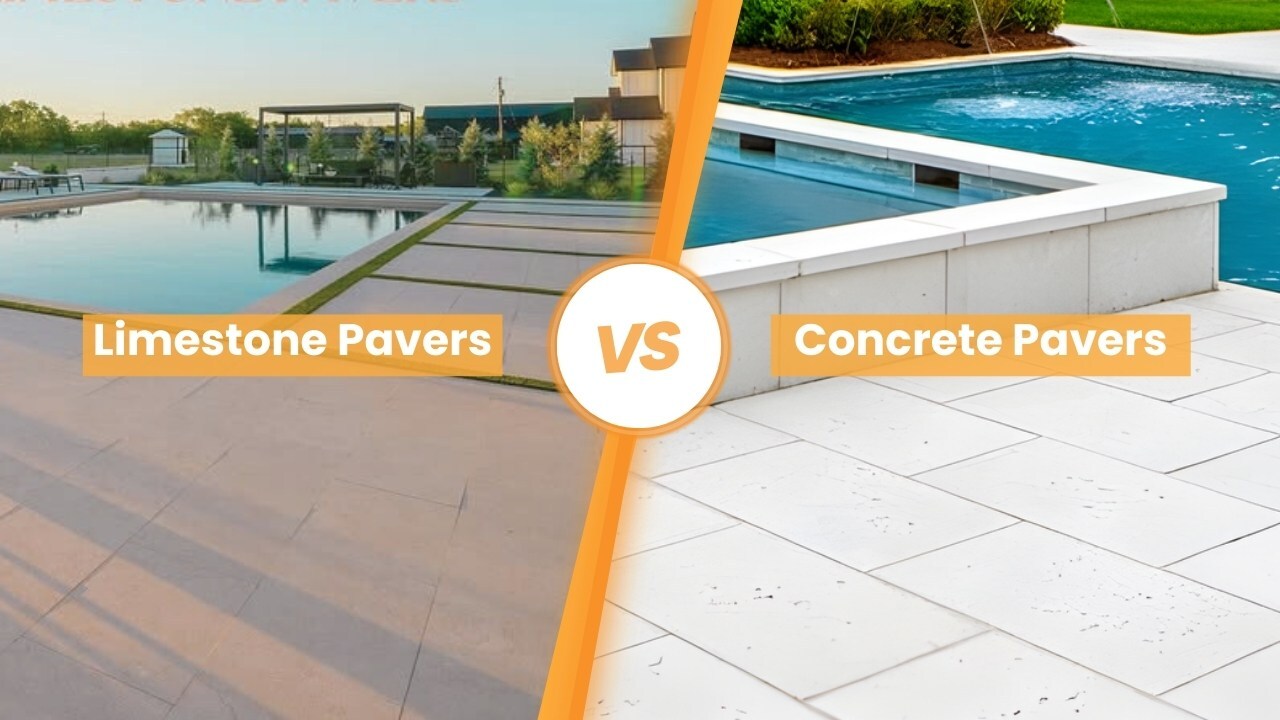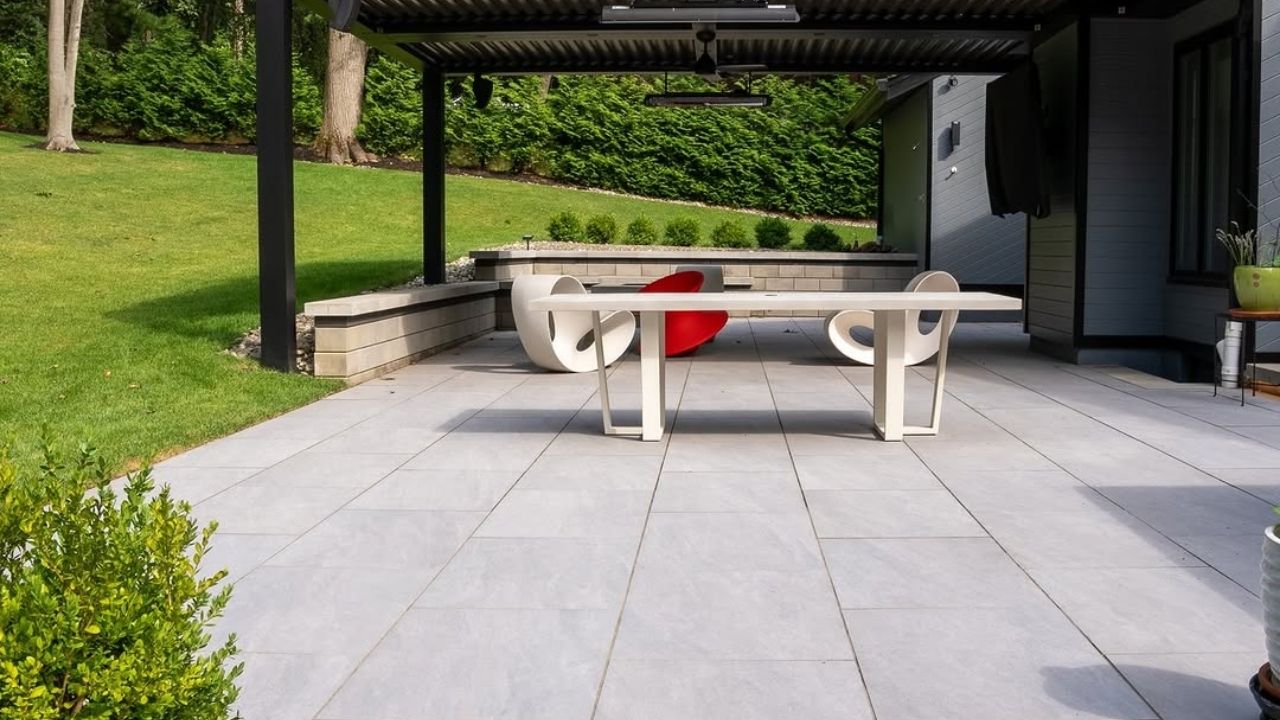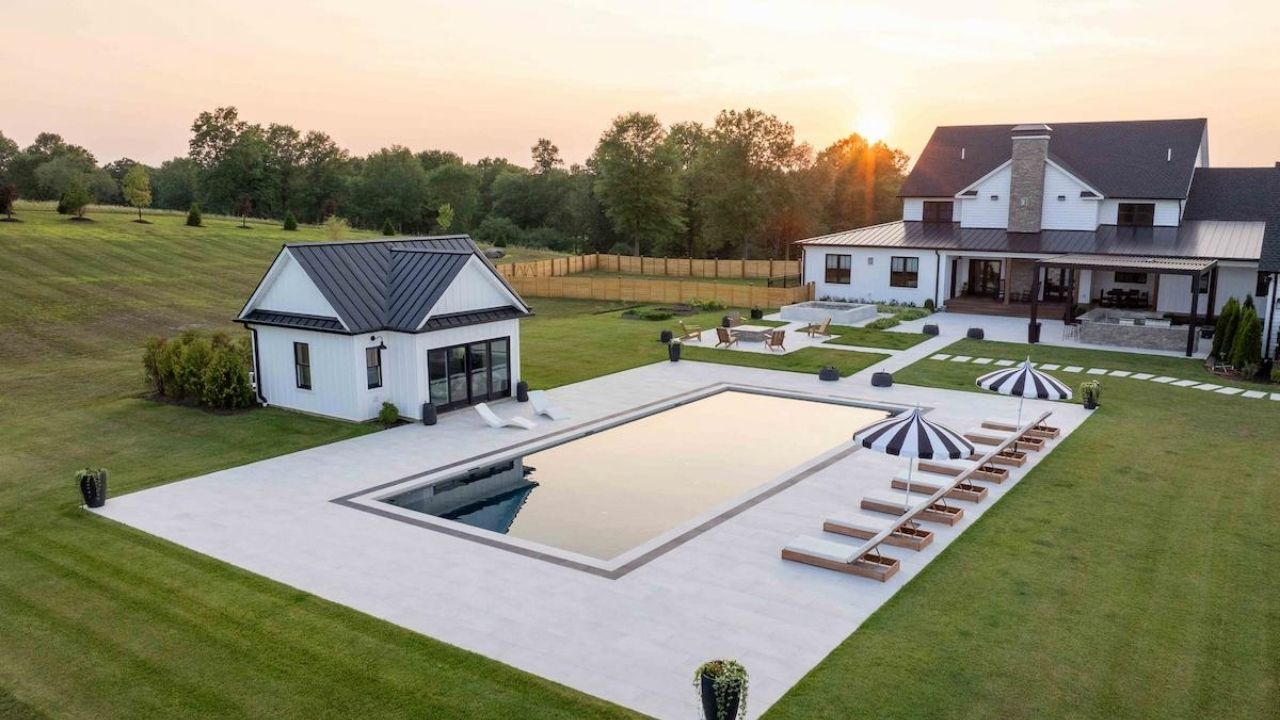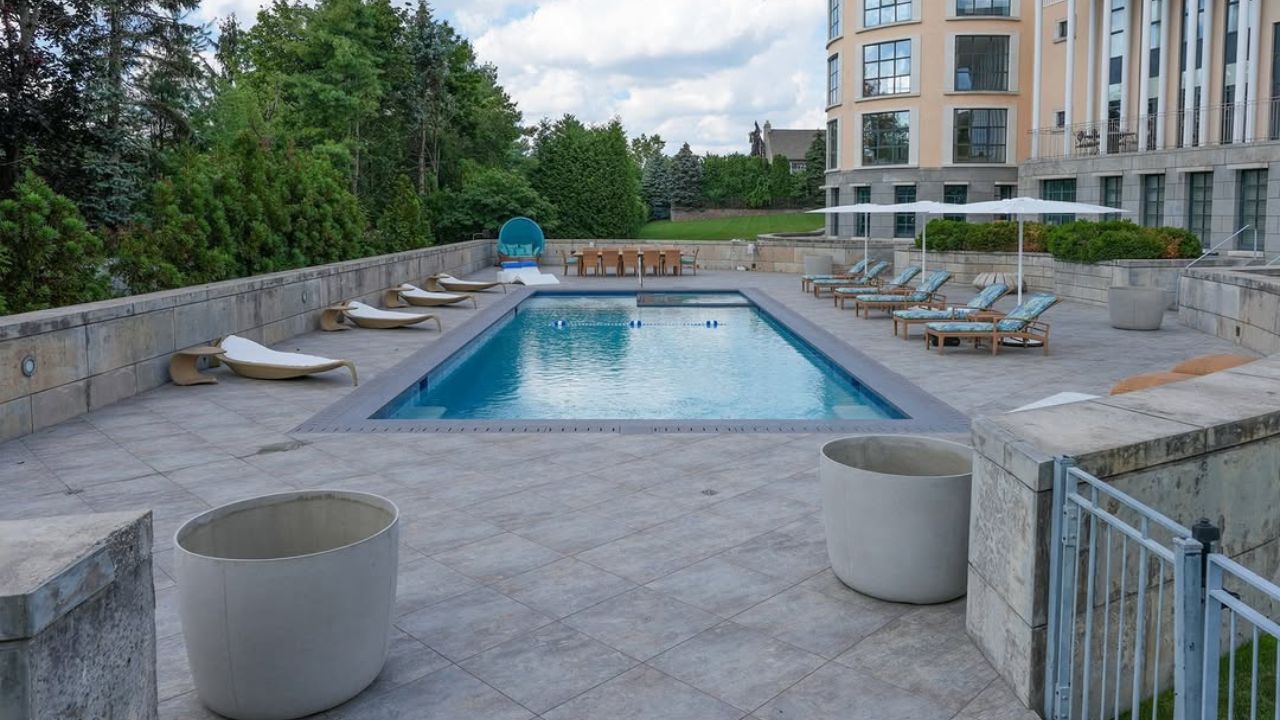
Patios are one of the most used parts of residential projects. Homeowners invest in materials that will be long-lasting for years to come. One of the most common questions asked by homeowners is whether they should go for sealing patio pavers. Understanding the purpose of sealing and how it secures the paving material can help homeowners make an informed decision. This post will help you understand paver sealing, the benefits, and limitations. Continue reading the following for more information.

Which Patio Pavers Actually Need Sealing?
Sealing patio pavers is not necessary most of the time. However, in some scenarios, you may have to opt for sealing, which will help those patio pavers to last longer and retain their beauty for years to come.
| Paver Type | Porosity / Surface | Sealing Benefits / Effects | Verdict / Recommendation |
| Porcelain Pavers | Dense, non-porous | Minimal benefit; prevents slight surface water absorption; color consistent; improper sealing may create slipperiness | Generally, they do not need sealing |
| Concrete Pavers | Medium, porous | Prevents stains from spills; reduces efflorescence; maintains clean, uniform color, especially in sunny or wet climates | Recommended for outdoor areas with heavy use |
| Natural Stone Pavers | Medium–high, varies by type | Reduces moisture absorption; prevents staining; slows UV fading; preserves texture; simplifies cleaning | Recommended for most natural stone patios for longevity and low maintenance |
Porcelain patio pavers are denser and thicker with a non-porous surface. While sealing is not necessary for them, sealing them will make them last even longer and enhance their functionality. Natural stone pavers and concrete patio pavers have a porous surface. This is why they require sealing in most scenarios to reduce water absorption, staining, daily chipping, and wearing and prevent staining.
When Sealing Patio Pavers Is Optional?
Sealing patio pavers is not important in all scenarios. Homeowners can skip sealing in the following cases:
-
The patio uses porcelain pavers:
Porcelain pavers are generally low moisture-absorbing with the non porous rating of less than 0.5%. This is why porcelain pavers do not require sealing.
-
The patio is covered or low-traffic:
If the patios are intended for low traffic, and they don’t have to face much traffic, then sealing is optional.
-
Homeowners prefer a natural, weathered look:
Paver sealer secures the patio paver surface, which keeps its beauty intact for years to come. Also, it will create a glossy layer on pavers, too. However, if homeowners prefer a natural and weathered look, then sealing patio pavers is not necessary.
-
Frequent repairs and cleaning:
If you are planning to reapply or clean the surface frequently, then sealing patio pavers would be optional.
However, deciding when to seal mostly depends on balancing appearance, maintenance effort, and material properties.
Comparing Patio Paver Materials: Sealing Needs and Benefits
Homeowners can find different patio paver materials, each with unique porosity, durability, and sealing needs. It affects long-term performance, maintenance effort, and overall appearance. Take a look at this table comparing patio paver materials and their sealing requirements.
| Paver Type | Porosity | Sealing Recommended? | Primary Benefits of Sealing | Maintenance After Sealing | Typical Use Cases |
| Porcelain Pavers | Very low (non-porous) | No | Minimal functional benefit; optional aesthetic enhancement | Easy cleaning; resistant to stains and moisture | Modern patios, rooftops, and high-traffic areas |
| Concrete Pavers | Medium | Yes | Protects against stains, UV fading, and moisture; reduces efflorescence | Easier washing; color stays consistent | Driveways, patios, walkways |
| Natural Stone (General) | Medium–high (varies) | Yes | Preserves natural color, reduces moisture absorption, and slows surface wear | Cleaner surface; longer lifespan | Premium patios, landscape features |
| Travertine Pavers | High | Yes | Reduces staining; protects pores; slows sun fading | Routine cleaning becomes simpler | Pool decks, warm-climate patios |
| Limestone Pavers | Medium | Yes | Limits weathering; reduces staining; maintains soft tones | Minimal effort with periodic resealing | Covered patios, outdoor seating areas |
| Sandstone Pavers | High | Yes | Protects against water penetration and organic stains | Requires consistent care, even when sealed | Garden paths, decorative patios |
| Bluestone Pavers | Low–medium | Recommended | Enhances color depth; reduces moisture damage | Easier to clean; retains texture | Contemporary outdoor living spaces |
| Granite Pavers | Very low | Optional | Minor stain resistance improvement | Low maintenance, even unsealed | Heavy-traffic patios, driveways |
| Clay Brick Pavers | Medium | Recommended | Reduces water absorption; limits fading | Easier sweeping and washing | Traditional patios, walkways |
| Cobblestone (Natural Stone) | Medium–high | Yes | Preserves surface integrity; slows erosion | Less dirt buildup between stones | Historic or rustic patio designs |
How Sealing Protects Patio Pavers?
Sealing offers significant benefits for patio pavers’ protection. Here is how sealing patio pavers is helpful for pavers.
- Water resistance:
It reduces water absorption, which prevents cracking from freeze-thaw cycles. Also, no water absorption results in no mold growth and paver staining.
- UV protection:
It reduces the effects of direct UV exposure by slowing down the fading and maintaining color integrity for concrete and stone.
- Stain resistance:
Patios with high traffic often face penetration of oils, food spills, and organic debris. Sealing prevents happening by creating a protective layer.
- Ease of maintenance:
Sealed surfaces are easier to clean and less prone to dirt buildup.
- Joint sand stabilization:
For paver patios, sealing keeps sand in place, reducing erosion.

However, keep in mind that sealing is not a permanent solution for weed growth. But it stabilizes joint sand, which limits the weed penetration.
How Often Should Patio Pavers Be Sealed?
The frequency of sealing mostly depend son climate, material, and usage.
- Concrete and natural stone: Every 2–5 years, depending on wear and weather.
- High-traffic areas: Reapply sooner, especially near pool decks or outdoor kitchens.
- Porcelain: Usually, no reapplication needed.

When you start to notice that water is no longer beading on the surface, stains penetrate easily, or colors seem to fade, it is time to seal patio pavers.
How to Apply Sealer Correctly?
Applying sealer requires care to maximize benefits:
- Clean thoroughly:
Start by removing dirt, weeds, dust, debris, and stains. A clean surface is necessary to apply the sealer. For tough grease and dirt on natural stone, use Deep Degreaser for natural stone.
.
- Dry completely:
Rinse and dry the pavers completely. This is crucial for pavers to absorb the sealer properly. Also mixture may be trapped under the sealing, which will result in staining.
- Choose the right sealer:
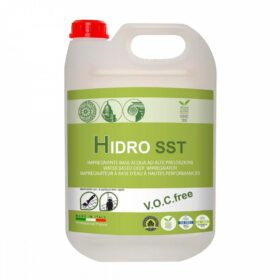
Select the right sealer for the best results, such as Aqua Treatment Natural Stone Sealer or HIDRO SST Natural Stone Sealer. A penetrating sealer for natural stone is ideal, while a film-forming sealer is well-suited for concrete.
- Apply evenly:
Evenly apply the sealer by using a roller or sprayer; avoid pooling.
- Allow to cure:
Let the sealer cure according to the manufacturer’s guidelines. Typical it takes 24–48 hours to cure the surface before use.
Proper application ensures longevity, UV protection, and stain resistance.
Sealing Patio Pavers FAQs
Q1: Do porcelain pavers need sealing?
No. Porcelain pavers don’t require sealing due to their non-porous and stain-resistant properties.
Q2: Can sealing prevent color fading?
Yes. Sealing prevents color fading, especially for concrete and natural stone. Sealers reduce UV damage and help maintain original color.
Q3: Does sealing stop water damage?
Yes. Sealing reduces water absorption, limiting freeze–thaw damage, erosion, and stains, particularly in porous pavers.
Q4: How often should sealing be reapplied?
Every 2–5 years for concrete and natural stone, depending on exposure and traffic.
Q5: Is sealing necessary for poolside patios?
Yes. High moisture, chlorine, and foot traffic make sealing essential for concrete or natural stone near pools.
Q6: Does sealing make pavers slippery?
If applied incorrectly, some sealers can create a slick surface. Following manufacturer guidelines prevents slipperiness.
Bottom Line
Sealing patio pavers, though not crucial in most scenarios, is still highly beneficial for materials like concrete and natural stone. Porcelain pavers act differently when installed properly for patios. Homeowners with concrete or natural stone patios gain protection from stains, UV fading, and water damage, while reducing maintenance effort. Porcelain pavers, by contrast, are inherently durable and low-maintenance.
When looking for the best tips on patio paver maintenance, experts like NT Pavers offer guides on proper sealing methods, recommended application frequency, and more. Consult them for better information and guidance on sealing your patio pavers.