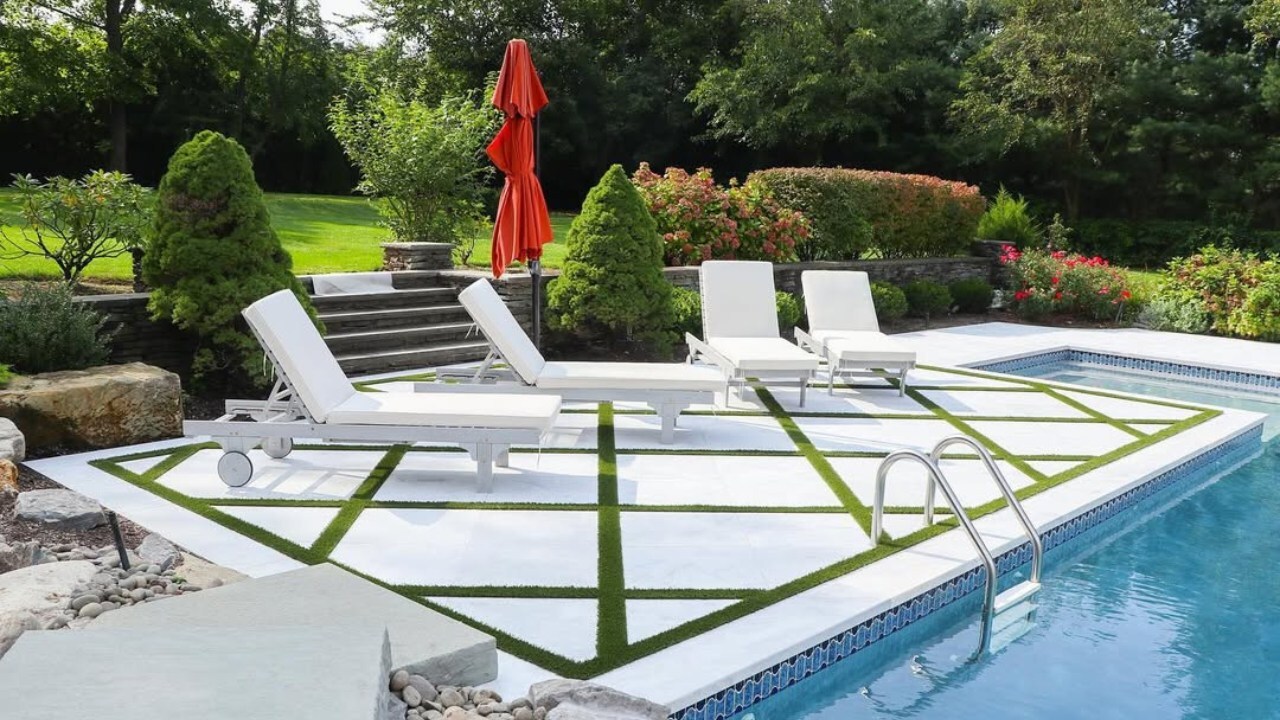
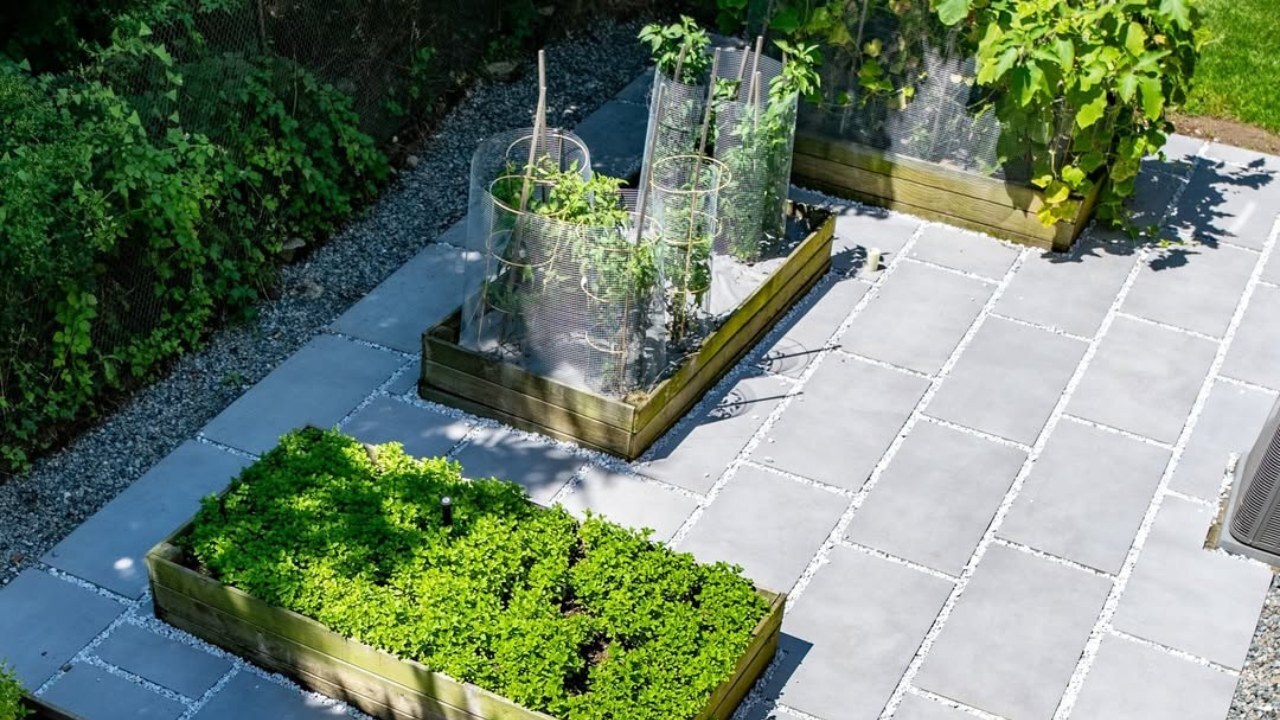
It is not very uncommon to notice your outdoor spaces aging faster. They have to face consistent exposure to the sun, temperature changes, and daily foot traffic. This is why concrete patios and walkways tend to stain, crack, or lose visual appeal frequently. Instead of demolishing the entire surface, homeowners can opt for porcelain over concrete. The best thing about this is that it can be done without removing the existing concrete.
This method will reduce the demolition cost and construction while offering a refined surface that resists water, fading, and temperature change. Porcelain Over Concrete is a great way to transform outdoor spaces while maintaining their structural integrity and performance over time.
1. Refresh an Aging Backyard Patio
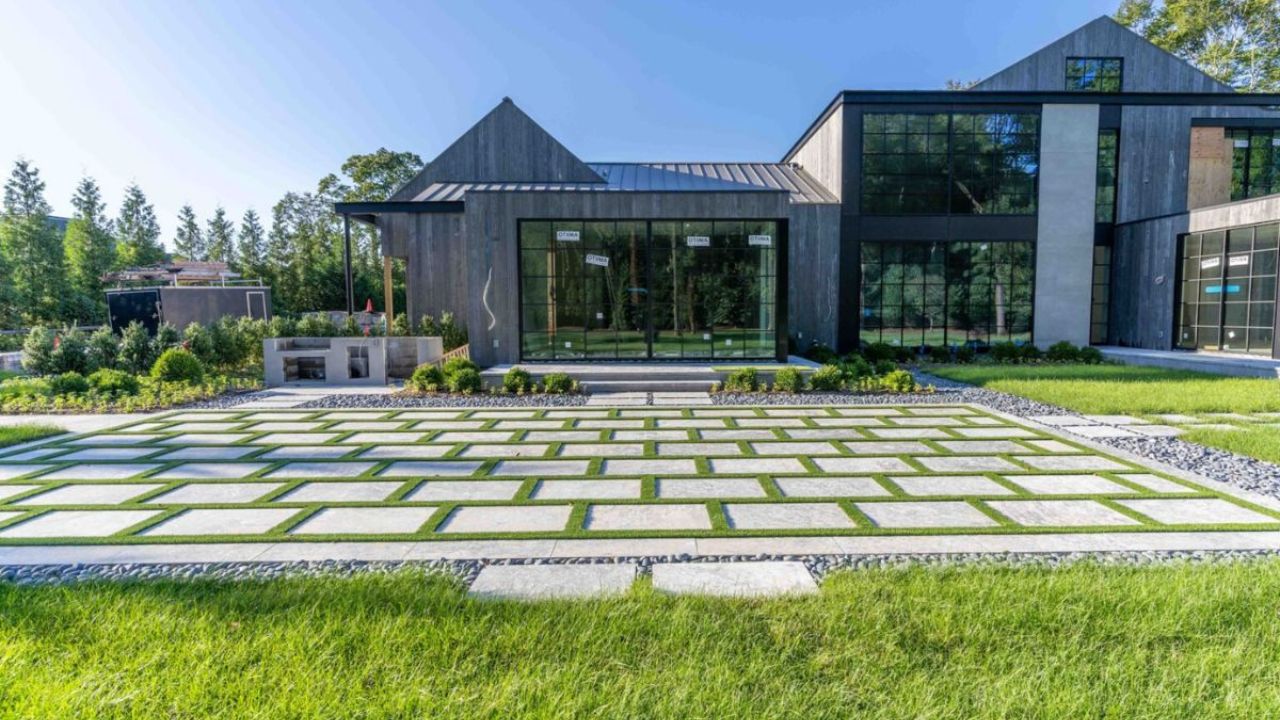
Many modern houses have poorly aged backyard patios, especially the concrete patios. They develop stains, hairline cracks, and uneven color patches. Instead of covering these surfaces with outdoor rugs or furniture, opt for a porcelain overlay to create a permanent solution. Outdoor porcelain pavers provide several advantages, such as low water absorption, high durability, strength, and consistent surface texture.
Large-format porcelain slabs can make the small patios look spacious. Stone-look porcelain also creates the appearance of natural stone while having the durability and low maintenance of porcelain.
With proper installation, the Porcelain tile over concrete patio upgrade can last decades with minimal maintenance.

2. Change a Pool Deck With Slip-Resistant Porcelain
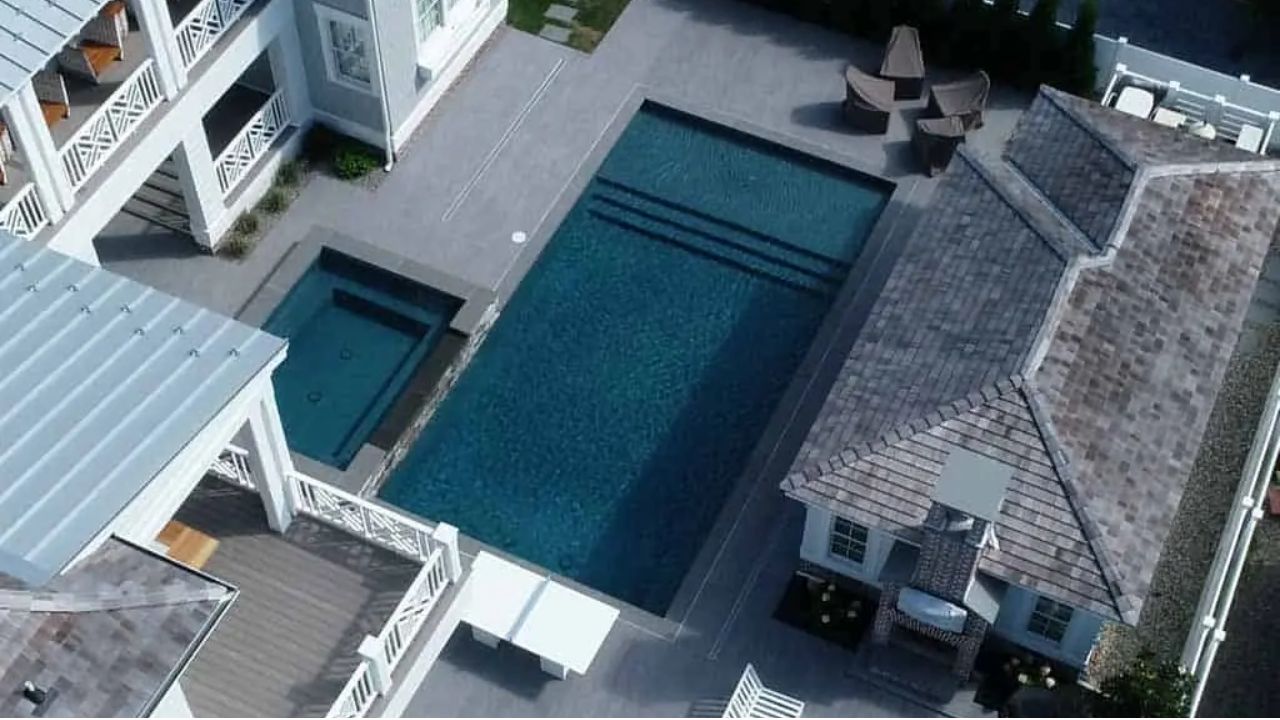
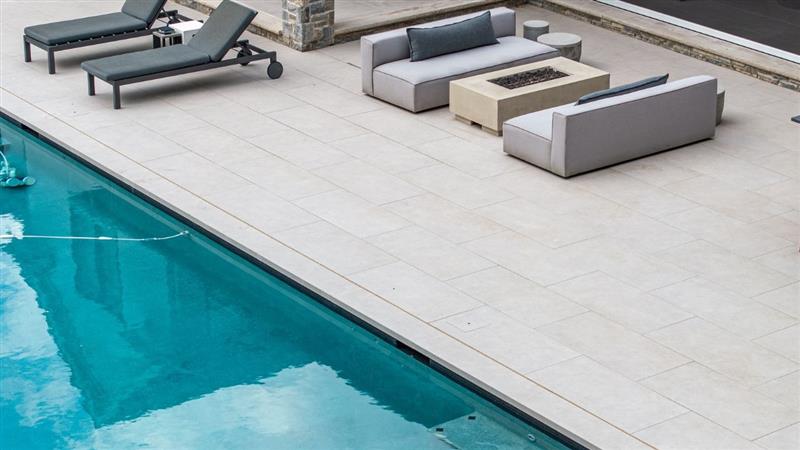
Pool decks require materials that manage moisture and traction. Standard concrete surfaces often become slick after years of wear. Textured porcelain pavers improve safety while maintaining visual consistency around the pool area. Many outdoor porcelain collections feature structured finishes designed for wet environments.
The benefits of using porcelain around pool decks are improved slip resistance with a textured surface. It can resist chlorine exposure and reduce surface fading.
A Porcelain Over Concrete pool renovation often installs with pedestal or mortar systems, depending on drainage conditions and elevation requirements. The result is a cleaner, more cohesive pool environment makeover.
3. Upgrade Walkways and Garden Paths
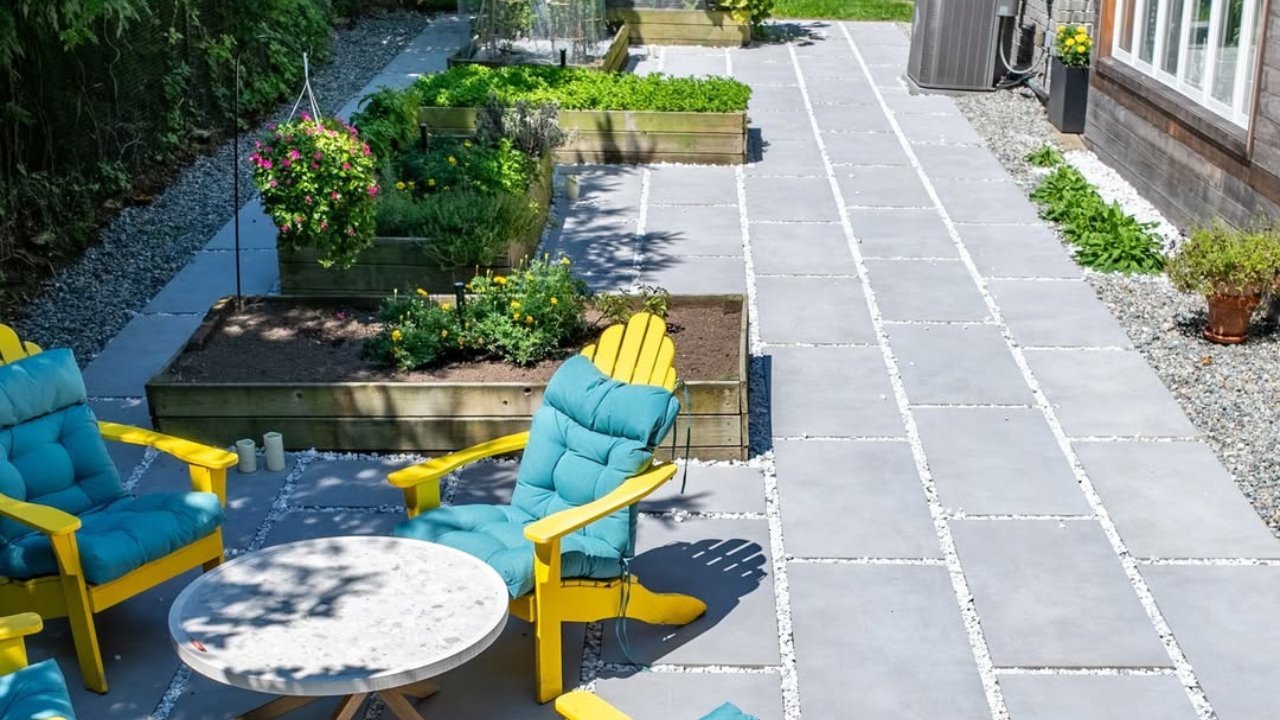
Walkways are the most common yet important part of outdoor spaces. However, the concrete paths develop uneven patches over time along with a discolored surface.
Installing porcelain pavers over these pathways creates a more defined landscape structure. Narrow rectangular pavers work well for linear garden paths. Larger porcelain pavers suit contemporary landscape designs.
A Porcelain Over Concrete walkway renovation often includes subtle lighting or edge planting. The porcelain surface maintains visual continuity with patios or seating areas. This design strategy strengthens the overall outdoor layout.
4. Build a Modern Outdoor Dining Area
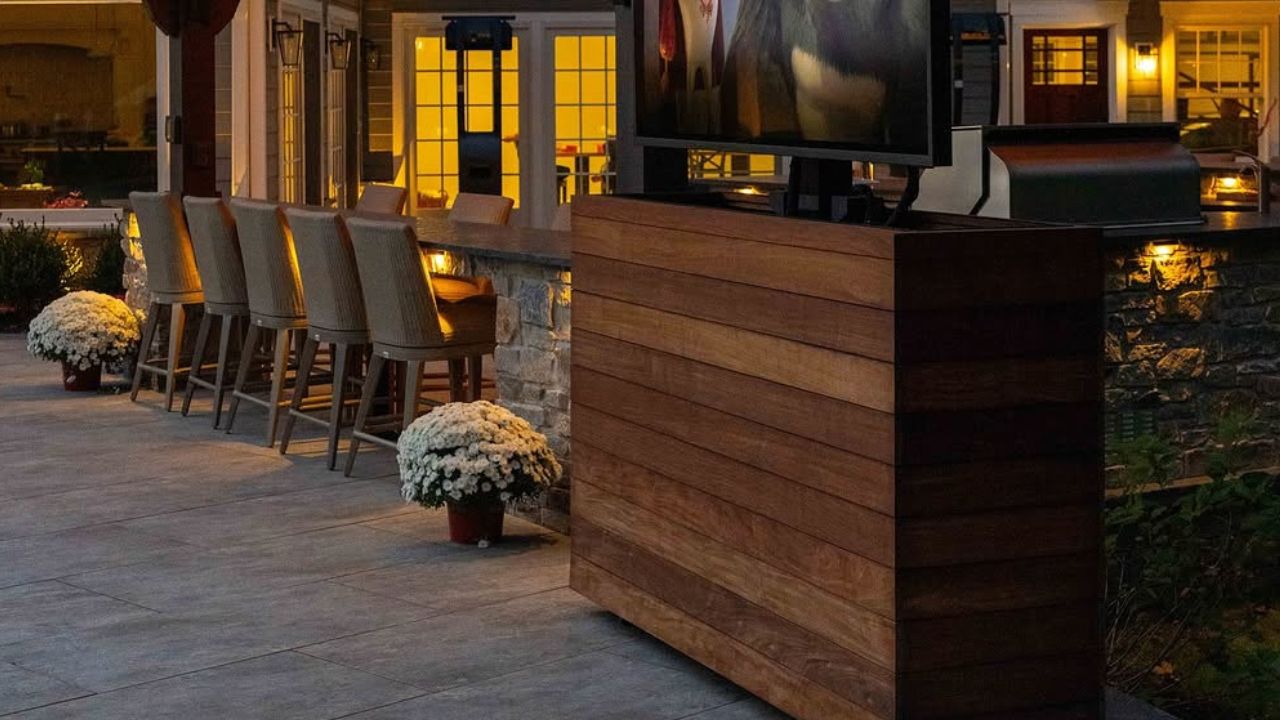
Outdoor areas require a resistant surface that can withstand food spills, grease stains, and frequent cleaning. Porcelain pavers are an exceptional choice. The pricing can be higher initially, but considering the benefits, including durability and stain resistance, makes them a long-term investment. The density and non-porous surface of porcelain help it sustain in these conditions.
A Porcelain Over Concrete dining patio can also support heavy outdoor furniture, such as:
- dining tables
- grills
- pergola structures
Many homeowners choose stone-look porcelain to match kitchen finishes or interior flooring. This continuity creates a strong indoor-outdoor design connection.

5. Create a Multi-Level Terrace Using Pedestal Systems
Some outdoor spaces include elevation changes between doors, patios, and gardens. However, removing the slab to adjust the height can be expensive. Pedestal systems can help you build a raised surface on existing concrete. Adjustable supports create a level surface while leaving space beneath the pavers for drainage.
This type of Porcelain Over Concrete installation offers benefits like concealed drainage channels and access to utilities beneath the surface. The pedestal approach works well for rooftop terraces, courtyards, and raised patios.
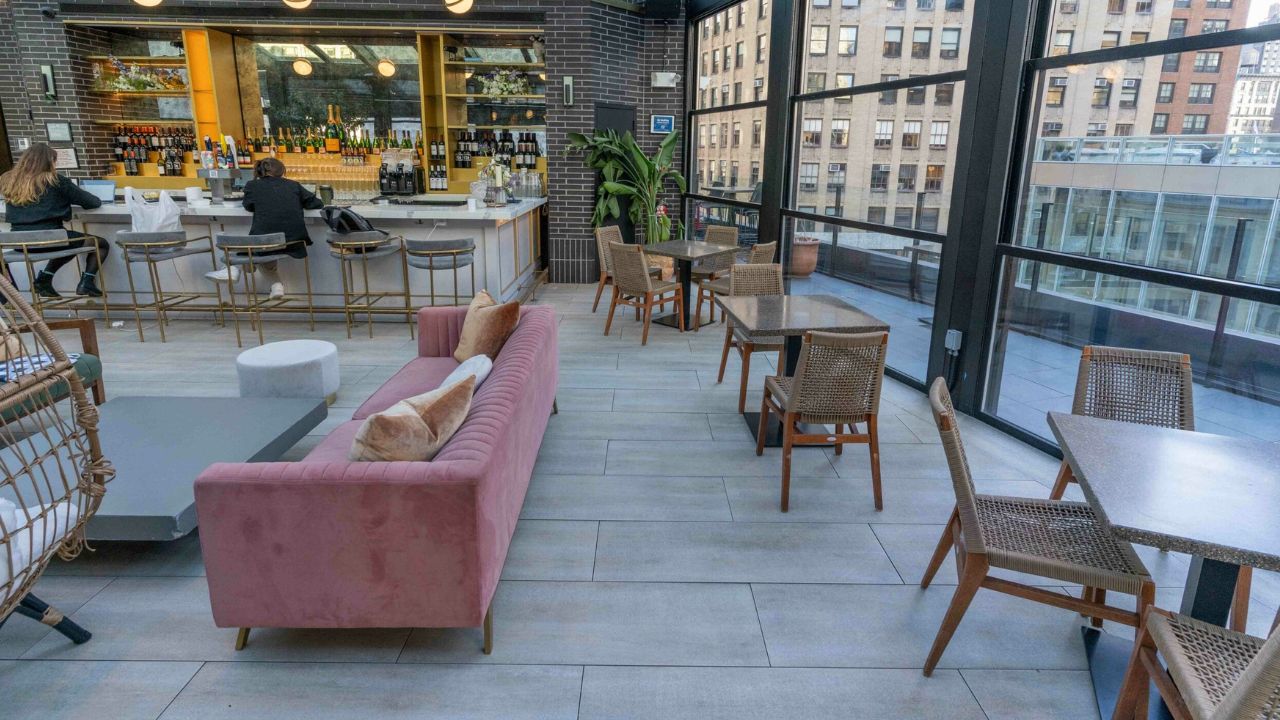
6. Convert a Plain Concrete Slab Into a Courtyard
Courtyards rely on material consistency to create a calm outdoor environment. Plain concrete rarely delivers this effect. Porcelain pavers can replicate natural stone textures such as travertine, limestone, and marble.
A Porcelain Over Concrete courtyard renovation can incorporate large paver formats that minimize grout joints. Fewer joints produce a cleaner, more architectural look. Courtyards also benefit from porcelain’s resistance to dirt accumulation and weather exposure.

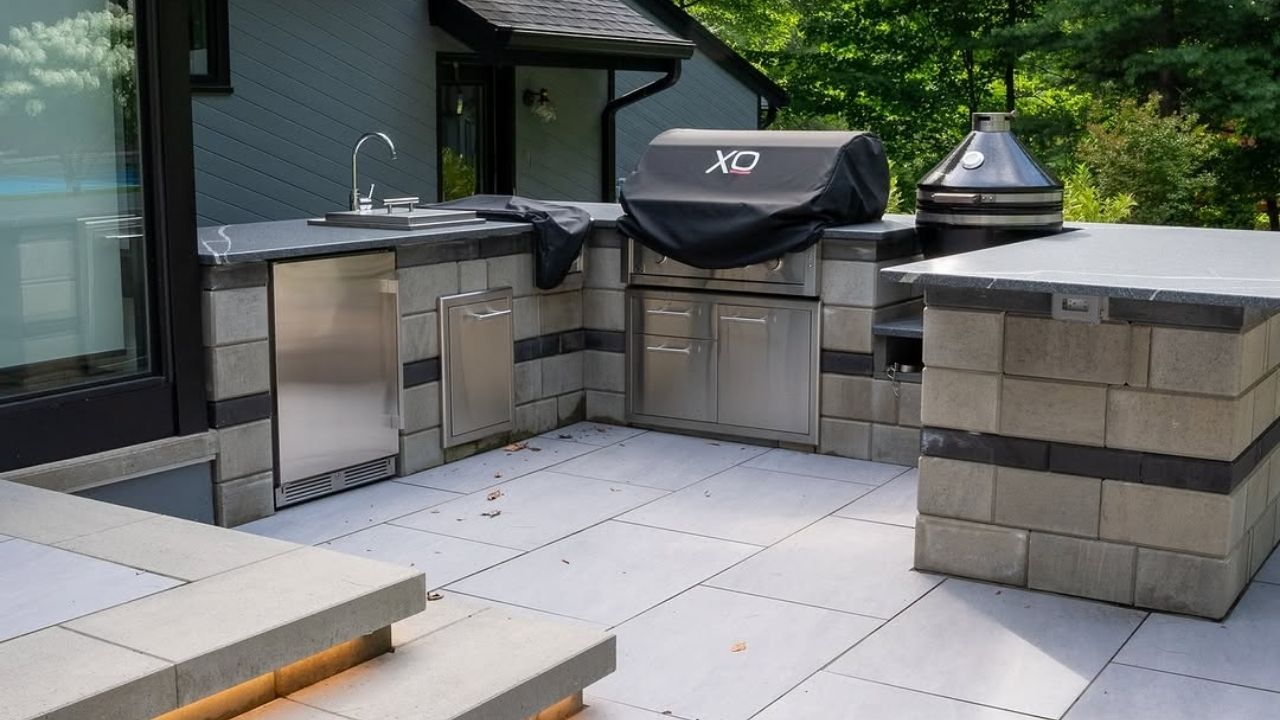
7. Design an Outdoor Kitchen Platform
Outdoor kitchens require heavy-performance porcelain flooring material as they are consistently exposed to heat, grease spills, and cleaning chemicals that affect many surfaces. Porcelain flooring is a stable choice for a high-temperature climate with stain resistance due to heavy use. The material also tolerates frequent washing.
For these reasons, many designers specify Porcelain Over Concrete installations beneath outdoor grills, pizza ovens, and prep counters. The result is a durable surface that supports daily use.
8. Refinish a Driveway Apron or Entry Zone
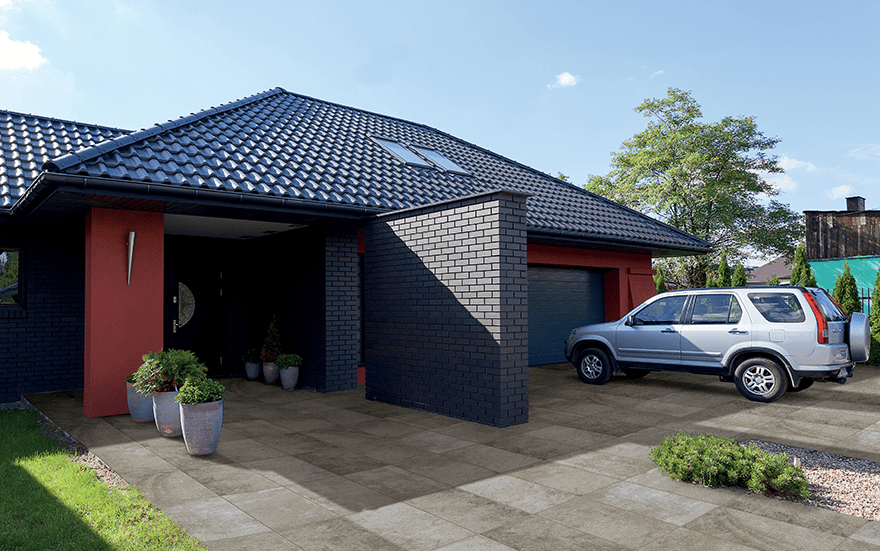
Having a clean and well-maintained driveway will create the first impression on visitors. However, driveway aprons and entryways receive heavy foot traffic.
High-strength pavers rated for exterior applications can upgrade these zones without demolishing the concrete base. A Porcelain Over Concrete driveway apron often includes thicker 20-50 mm porcelain pavers that withstand weight and environmental stress. The porcelain driveway installation adds visual interest while preserving structural support.
10. Connect Multiple Outdoor Spaces With Consistent Flooring
Large properties often contain several outdoor areas like patios, walkways, seating zones, and garden terraces. When each area uses a different material, the landscape appears fragmented.
Porcelain pavers installed across these spaces create continuity. A Porcelain Over Concrete approach allows installers to maintain the same surface across existing slabs.
This strategy unifies the landscape while maintaining efficient construction timelines.

What Should Homeowners Check Before Installing Porcelain Over Concrete?
When determining the outdoor renovation over concrete, homeowners should focus on these core considerations for the best results:
| Key Installation Factor | What Homeowners Should Check |
| Concrete Stability | Ensure the existing slab is structurally sound with no major cracks, settlement, or movement. Minor surface cracks should be repaired before installation. |
| Drainage Slope | Confirm the concrete surface slopes away from the home or nearby structures so water flows off the area. |
| Surface Preparation | Clean the slab thoroughly and repair any damaged or uneven sections before installing the pavers. |
| Material Selection | Choose porcelain pavers designed for exterior applications, typically thicker and engineered for outdoor loads and weather exposure. |
In many cases, homeowners also consider thin pavers over concrete as a practical upgrade method, especially when the existing slab is stable and suitable for overlay systems.
Outdoor Renovation Ideas FAQs
Let’s answer your questions about the Outdoor Renovation Ideas with porcelain over concrete.
Can porcelain pavers be installed over existing concrete?
Yes. It is possible to install porcelain pavers over an existing concrete outdoor tile surface instead of demolishing it to reduce labor and construction costs. It mostly uses thin-set mortar, sand-set systems, or pedestal supports.
How long does porcelain over concrete last?
For decades, a paver system has been installed properly, as it can resist most weather and temperature changes and exposure to outdoor elements.
Is porcelain over concrete slippery outdoors?
The polished finishes on porcelain are often slippery when wet, but textured or honed finishes offer traction and are generally non-slippery.
Does porcelain over concrete require sealing?
Porcelain pavers do not require sealing because the material remains dense and non-porous.
Is porcelain stronger than concrete for patios?
Yes. Porcelain pavers can withstand heavy foot traffic, staining, fading, sun exposure and moisture penetration better than standard concrete surfaces.
Bottom Line
If you are noticing a dull and faded concrete outdoor, then installing porcelain over concrete is a good idea. You don’t have to demolish the entire surface and prepare it again. Instead, just use a paver installation system on the existing surface and in no time you will have given your outdoor a facelift. Some homeowners also consider outdoor tile over concrete as an alternative surface upgrade option, depending on design preference and renovation goals. This design approach is ideal for patios, walkways, pool decks, and courtyards while preserving the existing structure. Also, it can face heavy use, resist moisture, and offer better drainage.
When installed with proper drainage and preparation, porcelain pavers provide a long-lasting outdoor surface. Suppliers such as NT Pavers are offering a huge collection of porcelain that mimics the natural stone appearance while maintaining the durability and strength for outdoor environments.
Just make sure that you understand the installation methods and design possibilities with porcelain. Work with the professional installers for the long-term landscape improvements.