Porcelain is known for its durable and hard surfaces. It is one of the strongest and most durable surfaces, which is a major advantage but also a drawback. Though not for homeowners, engineers working with often find Porcelain fabrication hard. Porcelain is an extremely hard and dense material. Making straight lines is manageable, but cutting holes for plumbing or related applications is rather tough. Also, a wrong cut for a hole may cause cracking and chipping of the surface, which can be an expensive mistake to cover.
Continue reading the following to learn about cutting holes in porcelain tile with different tools for clean and accurate results.
Essential Tools for Cutting Holes in Porcelain
When it comes to cutting holes in porcelain, choosing the right tools matters a lot. They will reduce breakage and improve accuracy. If you are learning how to cut porcelain tile, selecting the correct equipment is the most important first step. Common tools include:
- Diamond hole saws
- Diamond core drill bits
- Angle grinders with diamond blades
- Variable-speed drills
- Water spray bottles or cooling systems
Professional installers also use drilling guides to keep the bit steady and prevent porcelain sliding throughout the tile surface.
Step-by-Step Process for Cutting a Clean Hole In Porcelain
A general method of cutting the hole is the same. You just need to stay patient and consistent with pressure to cut the holes in the tile without breaking.
Measure and Mark Carefully
- Measure accurately the area from the wall to the tile where the cut is required. This can prevent costly mistakes.
- Mark the center point clearly with a pencil or marker.
- Double-check placement before drilling.
Secure the Tile
- Tile movement while cutting can cause cracks and damage the surface.
- Place the tile on a stable surface such as plywood or a rubber mat.
- This support absorbs vibration during drilling.
Start the Hole Slowly
- Start drilling slowly as the diamond grips the surface without slipping.
- Once the groove forms, increase pressure gradually.
Use Water for Cooling
- When the diy drill works, it gets hotter. A consistent water supply will keep the bit cool and prevent premature wear.
- Many installers spray water directly onto the drilling area during the process.
Maintain Steady Pressure
- Keep the pressure steady and do not force the drill, as it can break the surface
- Let the diamond grit grind through the material.
- Excessive pressure increases the risk of cracking.

1. Cut Holes In Porcelain With a Diamond Hole Saw Method
A diamond hole saw is one of the most common tools to cut holes in porcelain. This tool looks like a hollow drill but with diamond particles integrated along the rim. The drill cut the holes through porcelain via rotary movements. It is widely used for plumbing pipe openings, shower controls, and medium-sized circular holes.
How the Diamond Hole Saw Works?
- Mark the center point of the hole.
- Secure the tile to prevent movement.
- Start drilling at a slight angle to start the cut.
- Slowly level the drill as the bit begins to penetrate the tile.
- Keep the pressure steady and maintain water cooling during the process.
Make sure to keep the water running while cutting to reduce heat and add longevity to the diamond bit. Using a diamond saw, accurately create smooth and consistent holes in porcelain.
2. Cut Holes In Porcelain With the Diamond Core Bit Method
Diamond core performs just like the hole saws, but they are used for deeper drilling. Professional installers often use it for thicker porcelain pavers or large-format tiles. They are most suited for thick porcelain pavers, outdoor installations, and structural penetrations.
How To Use a Diamond Core Bit?
The process follows the same principles as the hole saw method:
- Mark the porcelain tile or pavers accurately
- Secure the tile to prevent movement
- Keep the drilling speed slow
- Continuous water cooling still matters here to keep the core cooling.
Core bits tend to last longer because they contain a thicker diamond coating.
3. Angle Grinder with Diamond Blade
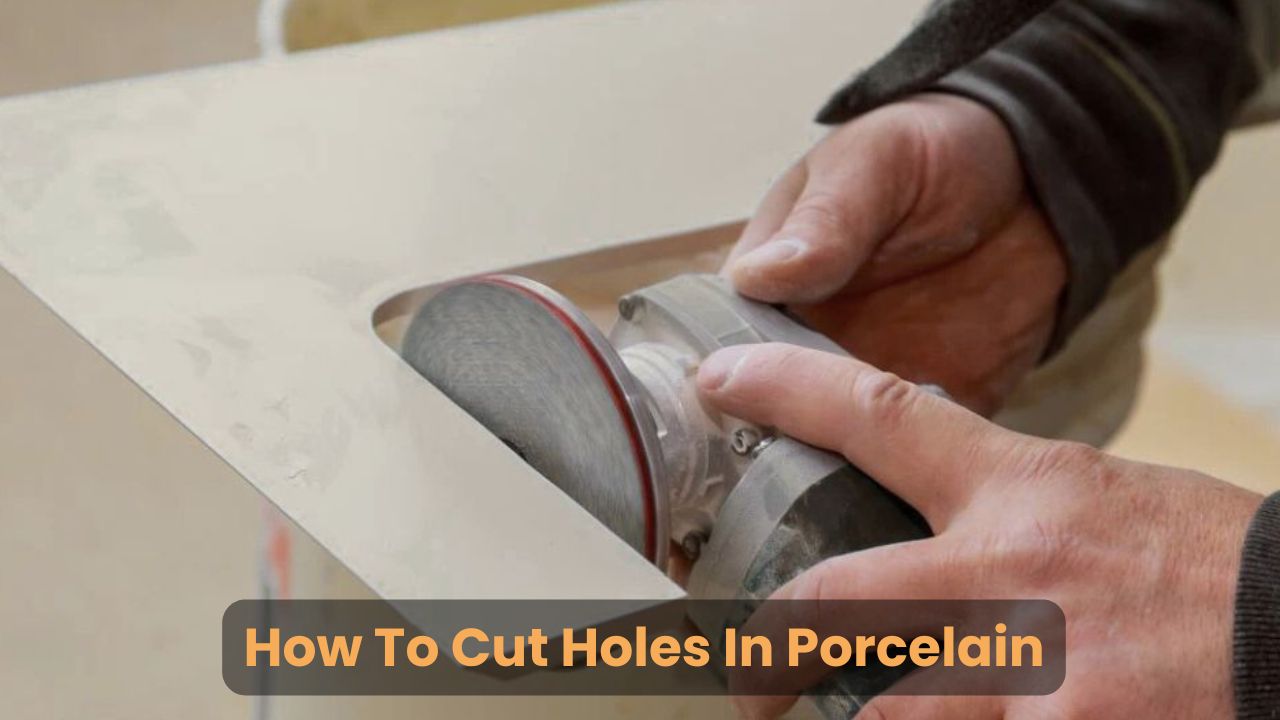
An angle grinder features a diamond blade that is convenient for cutting larger holes or irregular shapes. It is widely used for larger pipe openings, irregular cutouts, and electrical boxes. Installers often use this method when a hole must accommodate a fixture that does not require perfect circular precision.
For those wondering how to cut tile without a wet saw, the angle grinder method is one of the most practical alternatives. It is especially useful for on-site work where water-based cutting tools are not available.
How Does Angle Grinder Technique Work?
- Mark the outline of the hole.
- Score the shape with a diamond blade.
- Gradually deepen the cut along the outline.
- Remove the center section carefully.
When working with an angle grinder, work patiently, as aggressive cutting can chip the surface. Angle grinders provide versatility but demand a steady hand.

4. Water-Jet Cutting
Water-jet cutting represents the most precise technique for creating holes in porcelain. This process uses a high-pressure stream of water mixed with abrasive particles to cut through extremely dense materials. This method is widely used for complex patterns, large design projects, and precision fabrication.
Things To Consider:
Water-jet machines often appear in fabrication shops that prepare large porcelain slabs for countertops or architectural panels. Because of the equipment cost, this method usually serves professional fabrication rather than on-site installation.
5. Drill-and-Nibble Method
The drill-and-nibble method works when specialized hole saws are unavailable. Installers drill several small holes around the outline of the desired opening. They then connect the holes and remove the center section.
Best Uses
- Small irregular openings
- Emergency modifications
However, this technique produces rougher edges and requires more finishing work. Professionals often reserve it for situations where other tools cannot reach the tile.
Tips for Preventing Cracks and Chipping
Cracks and chipping can ruin your expensive investment, as porcelain, even the lower grade, doesn’t come cheap. This is why professionals opt for many techniques to porcelain surfaces.
| Tip | Why It Matters |
| Use Painter’s Tape | Place painter’s tape over the drilling spot. It helps keep the drill bit from sliding on the porcelain surface. |
| Drill from the Finished Side | Start drilling from the visible side of the tile. This reduces the risk of surface chipping. |
| Support the Back of the Tile | Place plywood or rubber under the tile. The support absorbs vibration and prevents cracking. |
| Avoid High Drill Speeds | Drill at a moderate speed. Lower speed reduces friction and heat buildup. |
| Replace Worn Diamond Bits | Use sharp diamond bits for cleaner cuts. Worn bits create excess heat and increase breakage risk. |
Why Porcelain Is Difficult to Drill?
If you are new to porcelain, then you may have thought about why porcelain drilling is so discussed. The thing is, porcelain is much different from standard ceramic tile. Manufacturers fire porcelain at very high temperatures, which creates a dense and durable structure. The density is higher, and surface hardness makes the drilling hard, but provides benefits like:
- High hardness compared with ceramic tile
- Increased resistance to standard drill bits
- Greater risk of cracking from vibration or heat
Because of these characteristics, installers mostly use diamond-tipped tools rather than standard masonry bits.
Diamond cutting tools grind through the material rather than forcing a traditional cutting action. This approach reduces stress on the tile and produces cleaner holes.
FAQs About Cutting Holes In Porcelain
Let’s answer your questions regarding cut Holes In Porcelain
What tool is best for cutting holes in porcelain tile?
A diamond hole saw is the best tool for cutting holes in porcelain tile. The diamond edge can make a hole through the dense material without cracking the tile.
Can you drill porcelain tile with a regular drill bit?
No. Standard drill bits may find it hard to penetrate porcelain due to its material density and durability.
Do you need water when drilling porcelain tile?
Yes. Water maintains the cooling of the diamond bits and prevents overheating. Colling also reduces friction and extends the life of cutting tools.
How do professionals cut holes in thick porcelain pavers?
Professionals typically use diamond core bits or water jet cutting to cut holes in thick porcelain pavers.
How do you stop porcelain tile from cracking when drilling?
To prevent cracking, use diamond tools, drill slowly, apply water for cooling, and support the tile from underneath during drilling.
Bottom Line
Porcelain is one of the strongest indoor and outdoor paving materials with a durable and thick surface. Due to its durability, it is widely preferred for bathrooms, outdoor projects, and kitchens. However, due to its durability, drilling is quite a task because a minor mistake will crack or chip the tile. This is why professionals use steady hands and proper tools like diamond hole saws, diamond core drill bits, or angle grinders with diamond blades. These create precise holes when handled correctly.
However, it is recommended to call the professional fabricators for this purpose to securely cut holes in porcelain tiles and pavers.