
Outdoor construction trends have changed. Contractors are now working with tighter timelines, stricter tolerances, and higher client expectations. Traditional installation methods are time-consuming and slow. Mortar beds require curing time, while the sloped substrate demands extra labor. If the drainage system is not Drainage issues create callbacks.
This is why adjustable pedestal systems are gaining popularity among contractors. They have solved many of these problems efficiently and conveniently. Creating a leveled surface is simple, installation is speedy, and it reduces long-term risk. For contractors working with porcelain pavers and modern outdoor spaces, pedestals offer control without complexity.
Why Contractors Choose Adjustable Pedestal Systems?
Contractors are expected to do their work as quickly as they can. While the traditional paving consumes time, the adjustable pedestal system is greatly helpful for them. They like to work with them because:
Faster Installation with Dry Construction
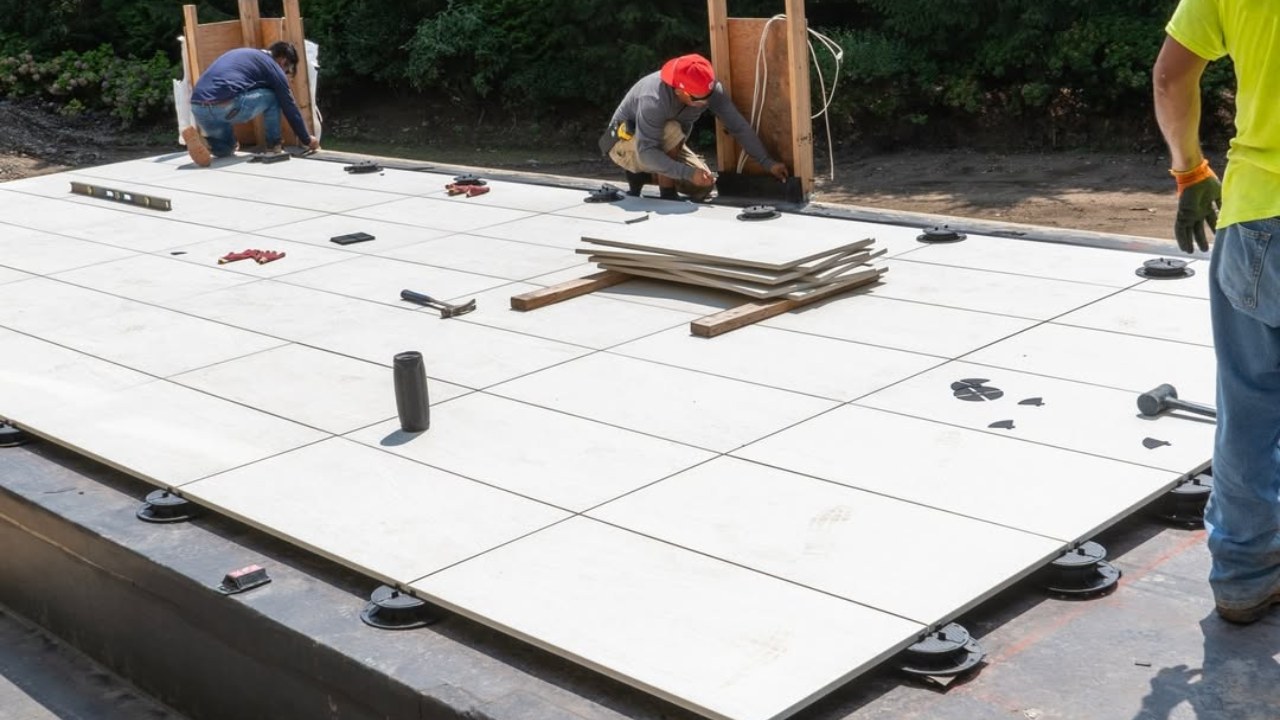
No mortar means no waiting. Mortar-based installation takes a lot of time, and the project continues slowly. The crew needs to mix materials, apply beds, set pavers, and wait for curing. The weather affects every step. On the other hand, pedestal systems eliminate wet trades. Contractors install pedestals, set pavers, and move on. They won’t have to wait for cure time anymore. Dry construction improves predictability. It doesn’t require many steps, which means reduced time. Pedestal installations follow a simple sequence:
- Prepare the substrate
- Place pedestals
- Adjust height
- Set pavers
Because the process is straightforward, it removes several labor-intensive steps required in traditional methods. Fewer steps reduce fatigue and error. Time saved increases margins.
Precision Leveling on Uneven Surfaces
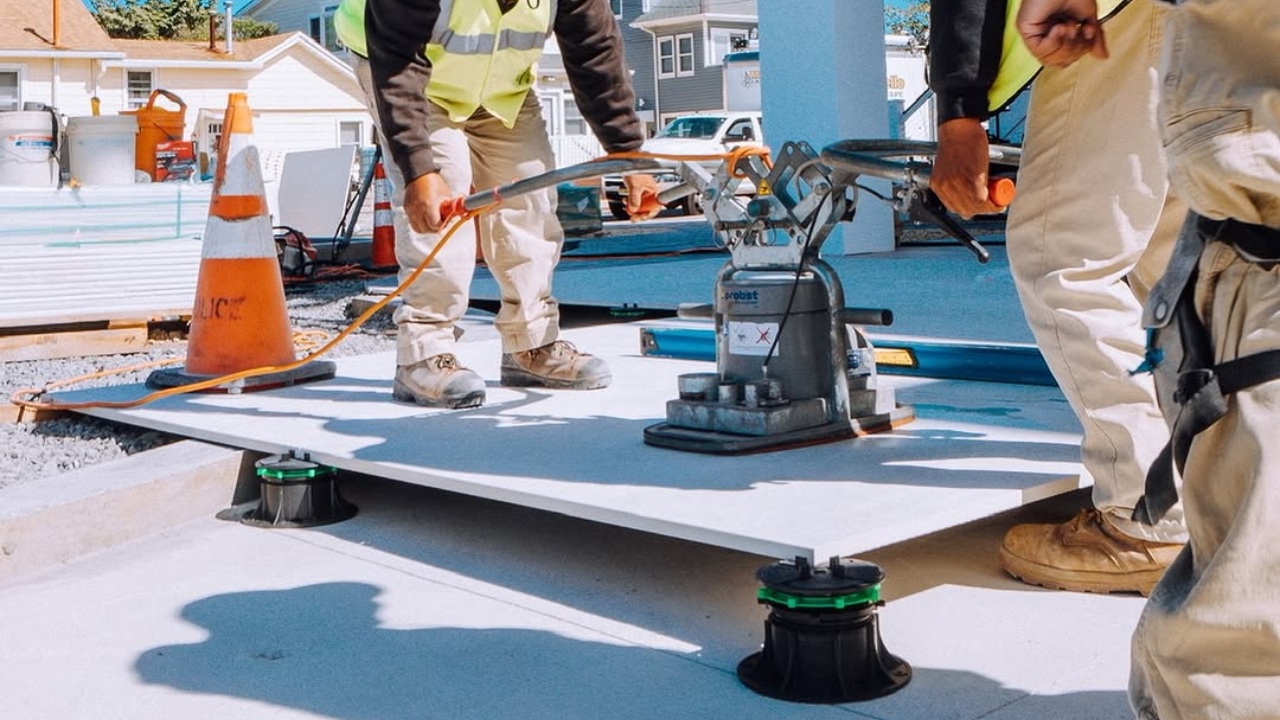
They feature an adjustable height system. Uneven slabs, sloped roofs, and imperfect concrete challenge installers. Fixing the slope with mortar takes a lot of time and skill. The pedestal can be adjusted individually. Contractors fine-tune height with millimeter precision. This creates a level surface without requiring any reworking on the base. It is possible to control the leveling rather than improvising.
This creates a consistent look and feel throughout the large areas. Manual leveling may result in variation. Pedestal paver systems standardize the results across the entire deck. The visual quality is improved with consistency and reduces callbacks.
Consistency improves visual quality and reduces callbacks.
Better Drainage by Design
Pedestal systems lift the pavers above the substrate. Water drains under the surface instead of pooling on top. This design is effective for protecting the structure below and preventing freeze-thaw damage in colder climates. Also, proper drainage pavers improve durability.
These pavers on a pedestal system do not sit in mortar, so moisture does not become trapped. This prevents efflorescence, staining, and mold growth. The surface remains cleaner over time.
Easy Access to Utilities and Repairs
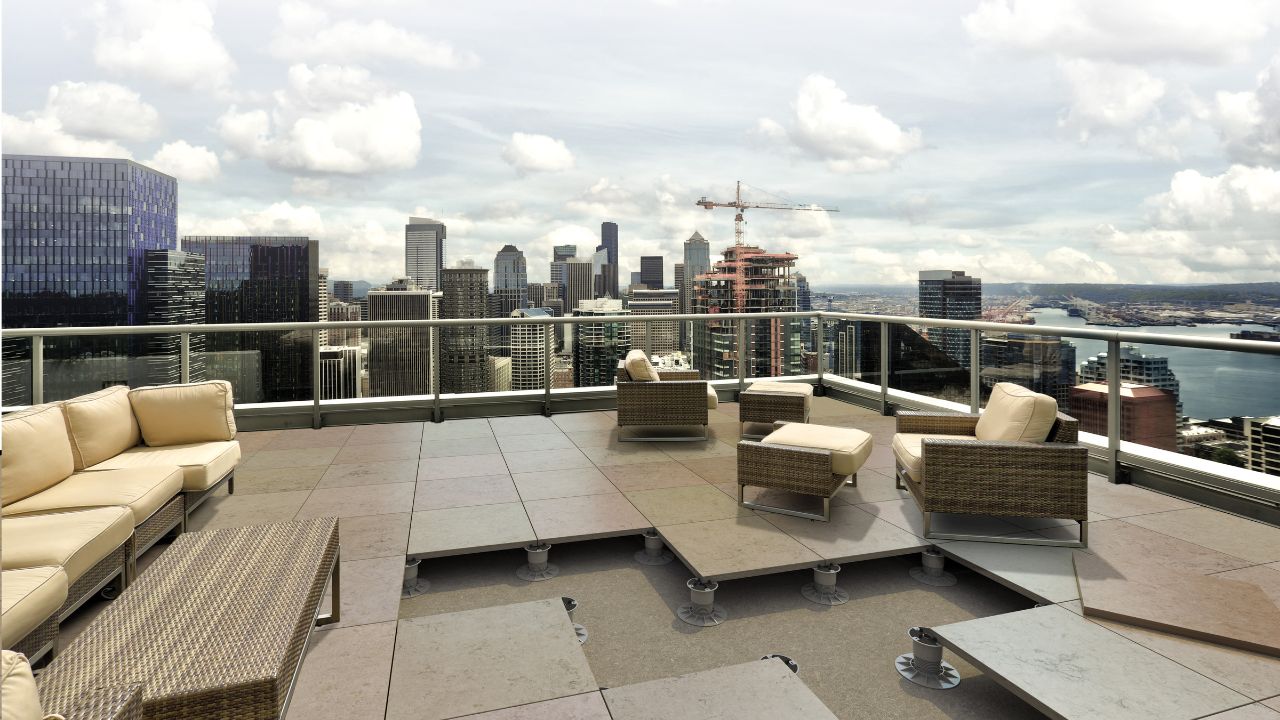
Pedestal systems create an elevated surface with pavers. This means contractors have the freedom to lift individual pavers without demolition. This matters on rooftops and terraces with:
- Drainage lines
- Electrical conduits
- Waterproofing membranes
They have easy access after installation, which makes the maintenance more convenient and manageable.
If there will be any issue arises, the crew will fix them without breaking concrete or cutting stone. It is easy to solve the issue for contractors. Clients value solutions that avoid disruption.
Compatibility with Modern Porcelain Pavers
Porcelain pavers suit pedestal systems well. Their consistent thickness ensures stable seating. Their strength supports point loading. Manufacturers design many porcelain lines specifically for pedestal use.
At NT Pavers, pedestal-compatible porcelain remains a common choice for rooftop decks and elevated terraces.
Pedestal installations create open joints between pavers. Water drains through gaps instead of freezing on the surface. This improves traction and winter safety.

Improved Performance in Cold Climates
Traditional installations don’t let the moisture free completely. Pedestal systems do not. Air circulation below the surface allows moisture to escape. Freeze-thaw pressure decreases.
Cold-weather performance improves. Because pavers float independently, thermal movement does not build stress across the surface. Movement dissipates naturally, making them one of the best pavers for cold climates.
Cleaner Aesthetic with Modern Appeal
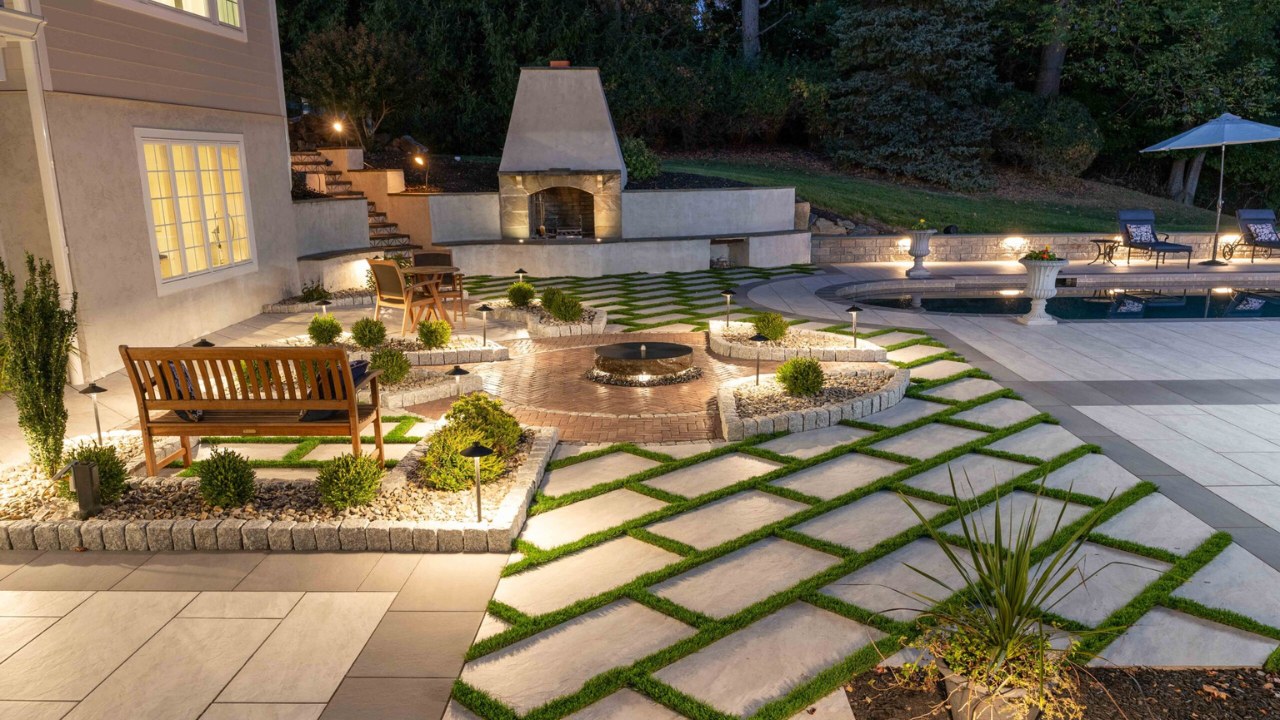
Pedestal systems support clean geometry. Joints align. Elevations stay consistent. The finished surface looks intentional and modern. Pedestals hide slope corrections and paver drainage systems. The visual focus stays on the pavers, not the structure beneath.
Pedestal System Applications: Best Uses vs Limitations
While pedestal systems offer versatile applications and suit a wide range of landscapes, they do have some limitations. Check the following tables where we included the suitable and limitations of pedestal systems.
| Project Area | Pedestal System Suitability | Why Pedestals Work Well | Key Considerations |
| Rooftop Decks | Excellent | Allows precise leveling over sloped roofs; protects waterproofing; provides access to drains and membranes | Verify load ratings and wind uplift requirements |
| Balconies | Excellent | Supports elevation control; improves drainage; reduces water intrusion into the structure | Requires proper edge containment |
| Terraces | Excellent | Handles uneven substrates; enables clean, modern layouts; allows future access | Best paired with porcelain pavers |
| Pool Surrounds | Good to excellent | Promotes fast drainage; reduces standing water; improves slip resistance when paired with textured pavers | Confirm compatibility with pool codes and safety standards |
| Commercial Plazas | Excellent | Supports large surface areas; simplifies maintenance access; speeds installation | Requires engineered design for heavy foot traffic |
| Outdoor Dining Areas | Excellent | Allows utility access below the surface; supports clean aesthetics and fast installation | Ensure stable seating loads and proper joint spacing |
| Driveways (Vehicle Loads) | Poor | Pedestals are not designed for vehicular weight | Use structural concrete or heavy-duty paver systems |
| Rigid Mortar-Bonded Areas | Poor | Pedestals create floating systems, not bonded surfaces | Mortar installations are required for these applications |
| Small Patios with Tight Budgets | Limited | Material and system cost may outweigh the benefits | Traditional ground-set pavers may be more cost-effective |
FAQs About Adjustable Pedestals
Here are the most common questions about the adjustable pedestal systems, so you will know more.
What are adjustable pedestals used for?
Adjustable pedestal pavers are used to create an even surface. They create level decks on rooftops, terraces, and balconies without mortar.
Are pedestal systems faster than traditional paver installation?
Yes. Pedestal systems take less time to complete without curing time, which results in speedy installation.
Can porcelain pavers be installed on pedestals?
Yes. Porcelain pavers work well with pedestals due to their strength and consistent thickness.
Do pedestal systems work in cold climates?
Yes. Pedestals improve the drainage and reduce freeze-thaw damage, which keeps the moisture away from the paver structure.
Can you access drainage under pedestal pavers?
Yes. Individual pavers lift easily, allowing access to drains, wiring, or membranes.
Bottom Line
Contractors value the systems that reduce the risk and improve control. Adjustable pedestal systems do both. They make the installation easier, leveling is made simple, and they protect against moisture. They allow future access without demolition.
Pedestals align with how contractors work today for modern projects. Convenient and quick installs bring out the best results. Better results lead to fewer problems.
That combination explains why adjustable pedestals continue to gain ground in outdoor construction.