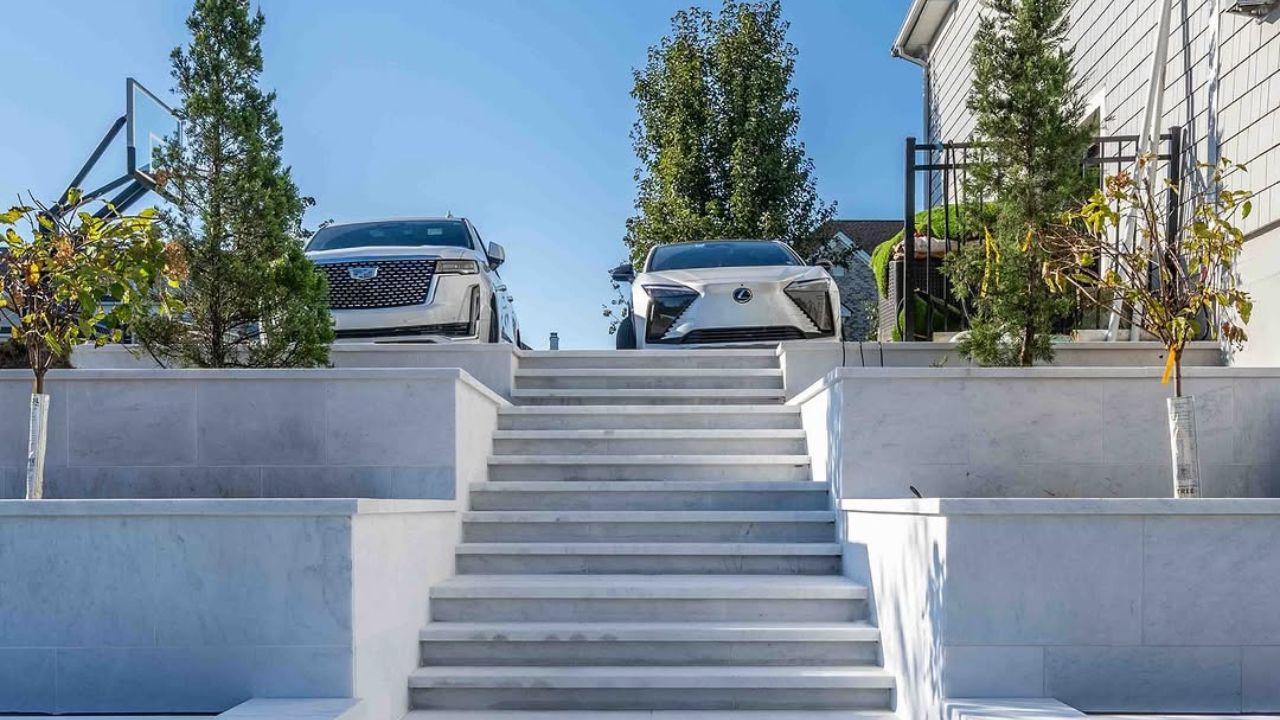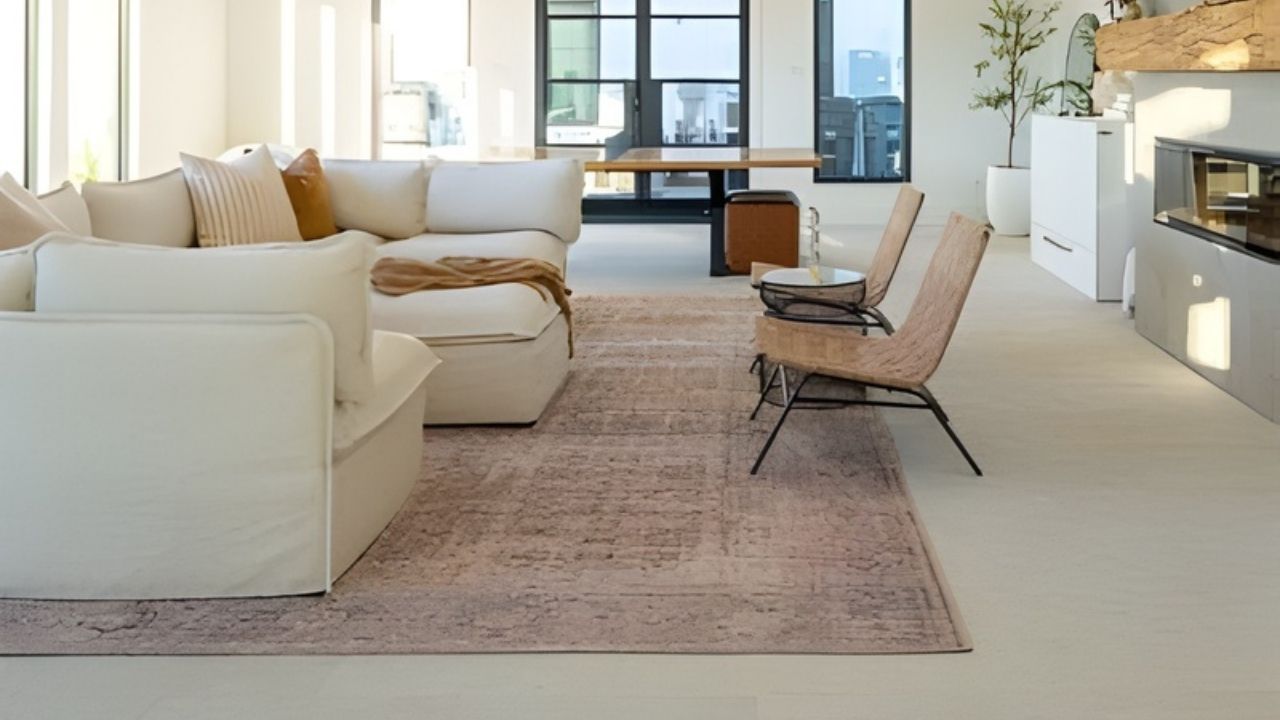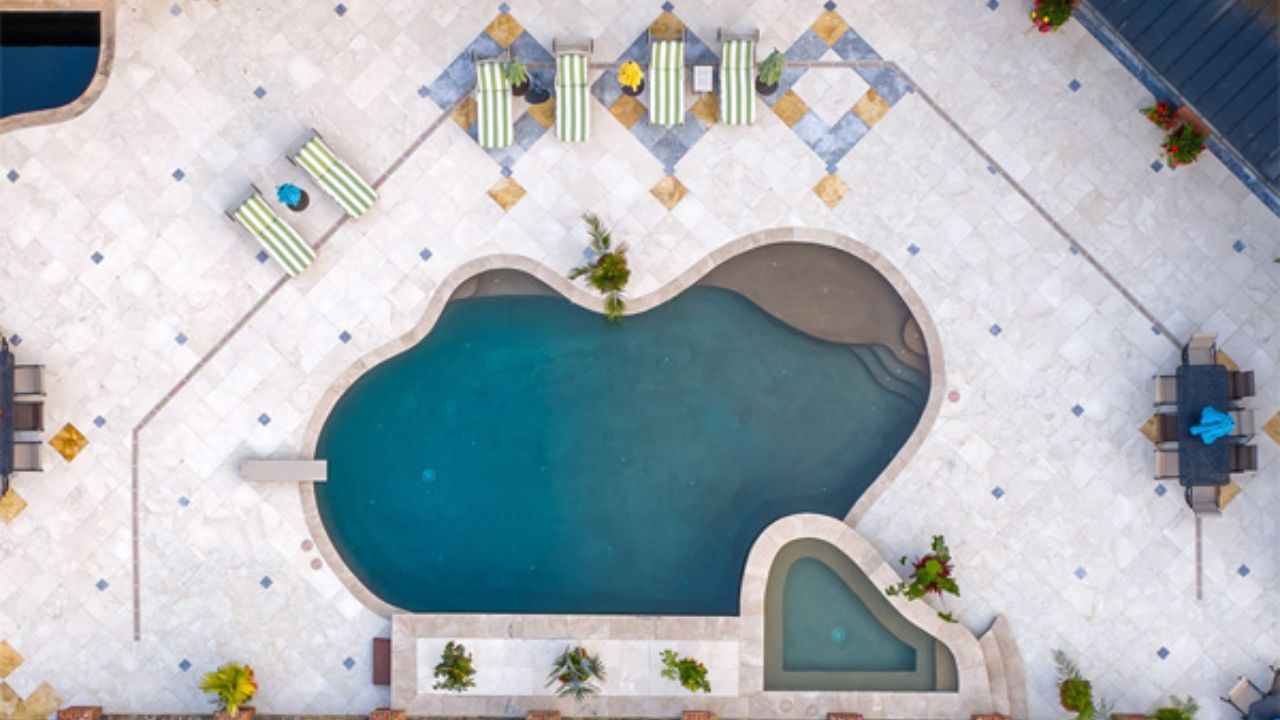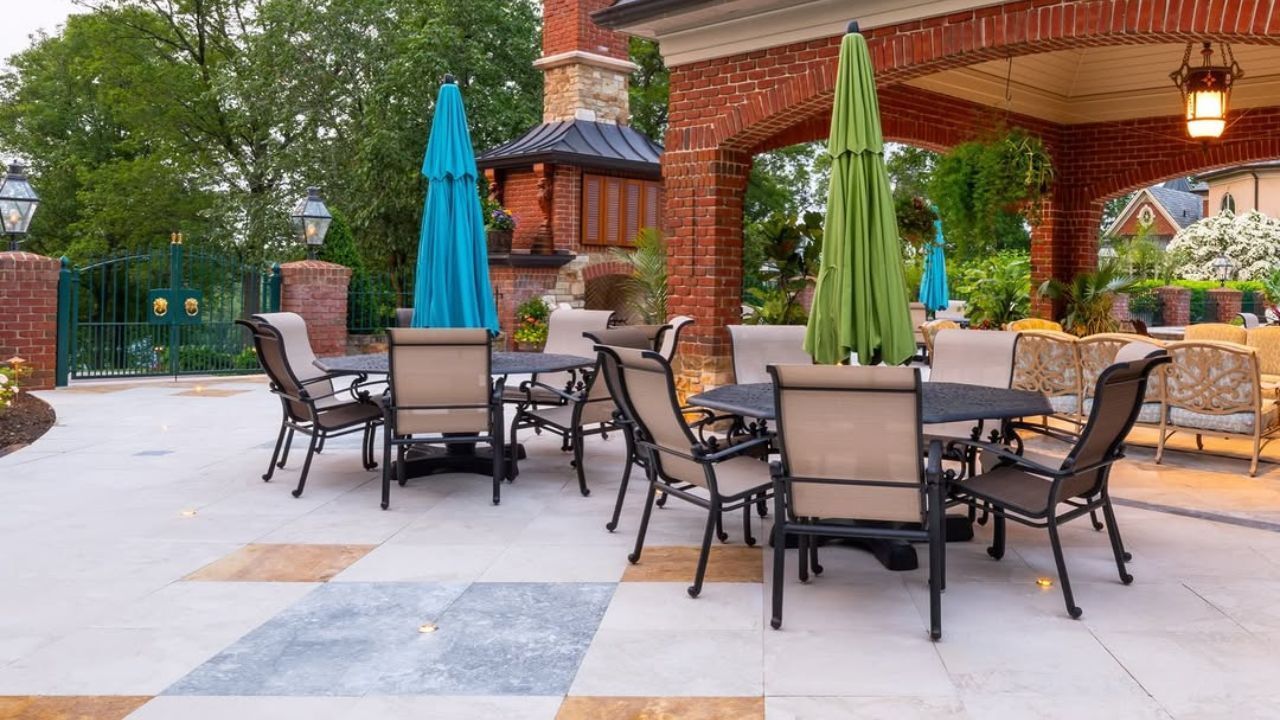
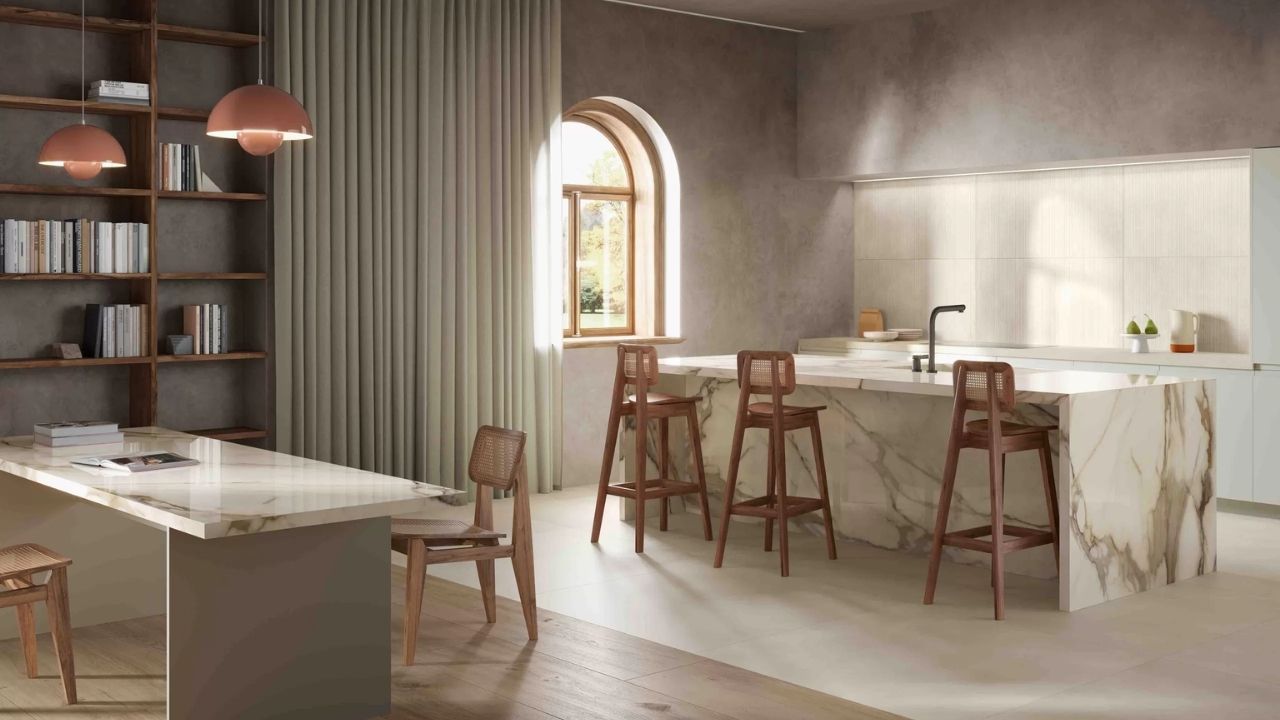
These days, outdoor living areas are treated as an extension of the house and not as separate zones. Patios, courtyards, and pool decks are as important as indoor areas. Homeowners want an outdoor living space that flows, not stops. Flooring plays a major role in making that flow feel natural.
Large-format slabs are the perfect choice for this transitional living space. They eliminate visual breaks, simplify layouts, and create long sightlines that pull the eyes outward. When slabs are chosen and installed correctly, they will remove any boundary line between inside and outside without requiring decoration or heavy architectural gestures.
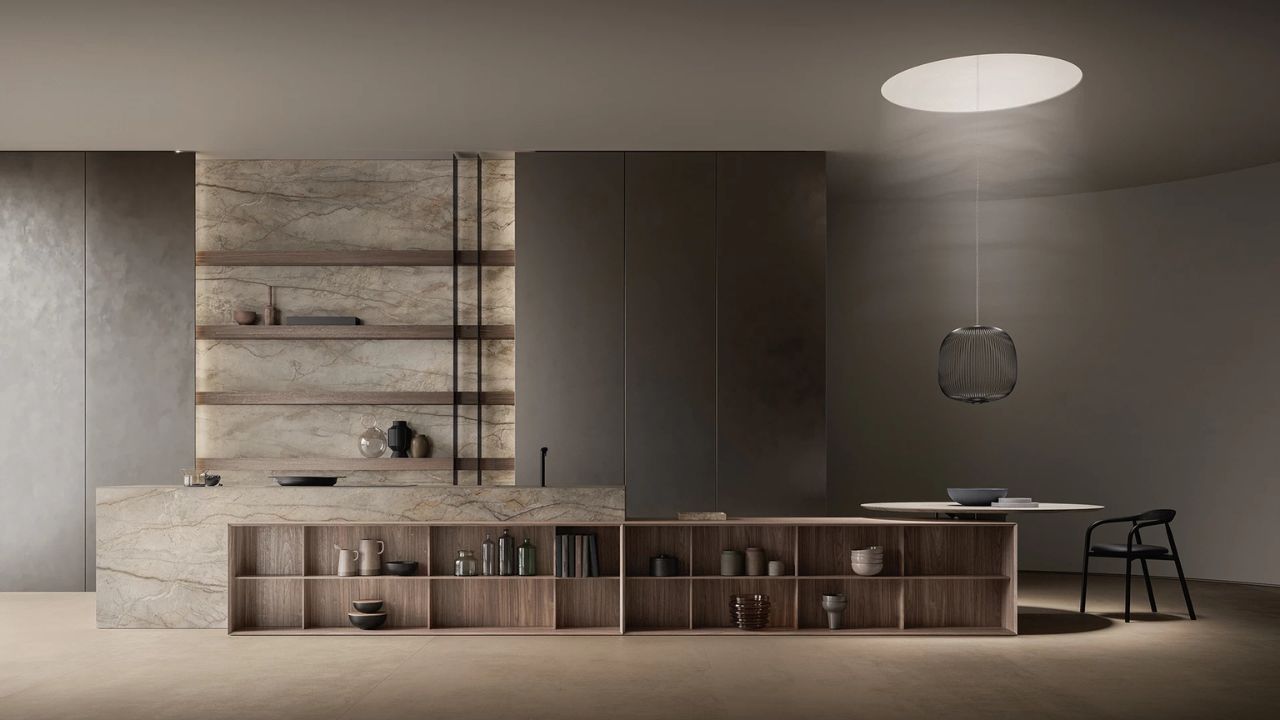
Here is how you can create a perfect indoor and outdoor landscape with large slabs.
Step-by-Step Guide to Creating a Seamless Indoor-Outdoor Space with Large Slabs
Here is how you can create a seamless indoor-outdoor space using the large slabs.
Step 1: Choose One Slab Design for Both Spaces
This is the crucial part of creating a seamless indoor and outdoor space. Select one slab collection that offers both indoor and outdoor performance. Porcelain slabs or a large sized porcelain tiles are the most popular and ideal choice for this. Manufacturers produce slabs with:
- Interior slabs with smooth or satin finishes
- Exterior slabs with textured or grip finishes
- Identical colors, veining, and dimensions
This offers a continuous surface while fulfilling the safety codes outdoors. Natural stone slabs are also a good choice, especially limestone and travertine. However, they require regular maintenance and careful placement. Opt for the same design, with a different finish. Never mix different-looking slabs.

Step 2: Select the Right Slab Size and Thickness
Large slabs for a seamless indoor-outdoor space come in a wide range of sizes and thicknesses, which affect transitions.
Common large slab sizes:
- 24×48 inches
- 32×32 inches
- 48×48 inches
- Oversized panels for custom builds
Large Slab Thickness Guidance:
- Indoors: 10–12 mm
- Outdoors: 20 mm
Visual thickness will be similar when installed correctly, especially recessed thresholds. Large slabs suppliers like NT Pavers often offer matching indoor and outdoor thickness systems designed for this purpose.
Step 3: Match Finished Floor Heights Early
Level continuity separates professional results from failed transitions. Indoor floors stay flat, but the outdoor floors should have a slope for drainage. The solution comes from planning, not compromise. The best design tips would be:
- Design finished heights before construction
- Use recessed or flush door tracks
- Allow a subtle outdoor slope away from the home

Pedestal paver systems or precision screed beds help installers fine-tune exterior heights without visible steps. A flush transition feels intentional. A step feels like an afterthought.
Step 4: Align Slab Layout and Joint Lines
A well-placed layout alignment results in better visual flow. When slab joints line up throughout the surface, it is unified. When they break, the illusion comes to an end. Plan the layout by:
- Opt for the same grid interior design and outdoors
- Align grout joints through glass doors
- Avoid cuts at door openings
- Run slabs in the same direction
Large slabs can show alignment errors, interior and exterior. So precision matters more than creativity.
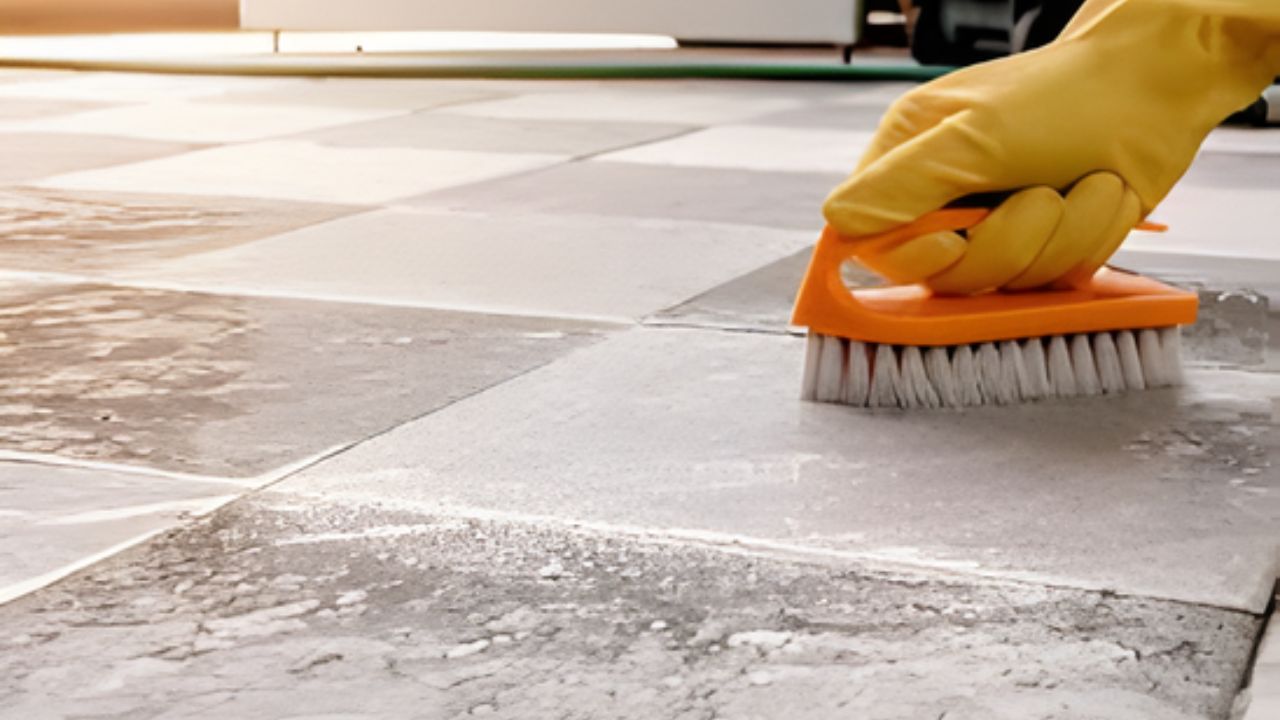
Step 5: Use Grout as a Connector, Not a Divider
Grout frames slabs, and a poor choice will look like separation. For seamless spaces:
- Match the grout color with the slab tone
- Focus on the consistent joint widths
- Use exterior-rated grout outdoors in the same shade
These days, hybrid and epoxy grouts offer better color stability outdoors without visual contrasts. The less grout you see, the more continuous the surface feels.
Step 6: Balance Slip Resistance Without Visual Change
Outdoor safety matters a lot. Do not compromise on designs while choosing factors like slip resistance and outdoor walking comfort. Modern porcelain slabs solve this by offering:
- Smooth indoor finishes
- Textured outdoor finishes
- Identical appearance at eye level
This combination is ideal for patios, pool decks, and outdoor kitchens. They intact the safety features without breaking visual continuity. If working with natural stone pavers, opt for accurate surface treatments or honed finishes, but they may change the appearance slightly.
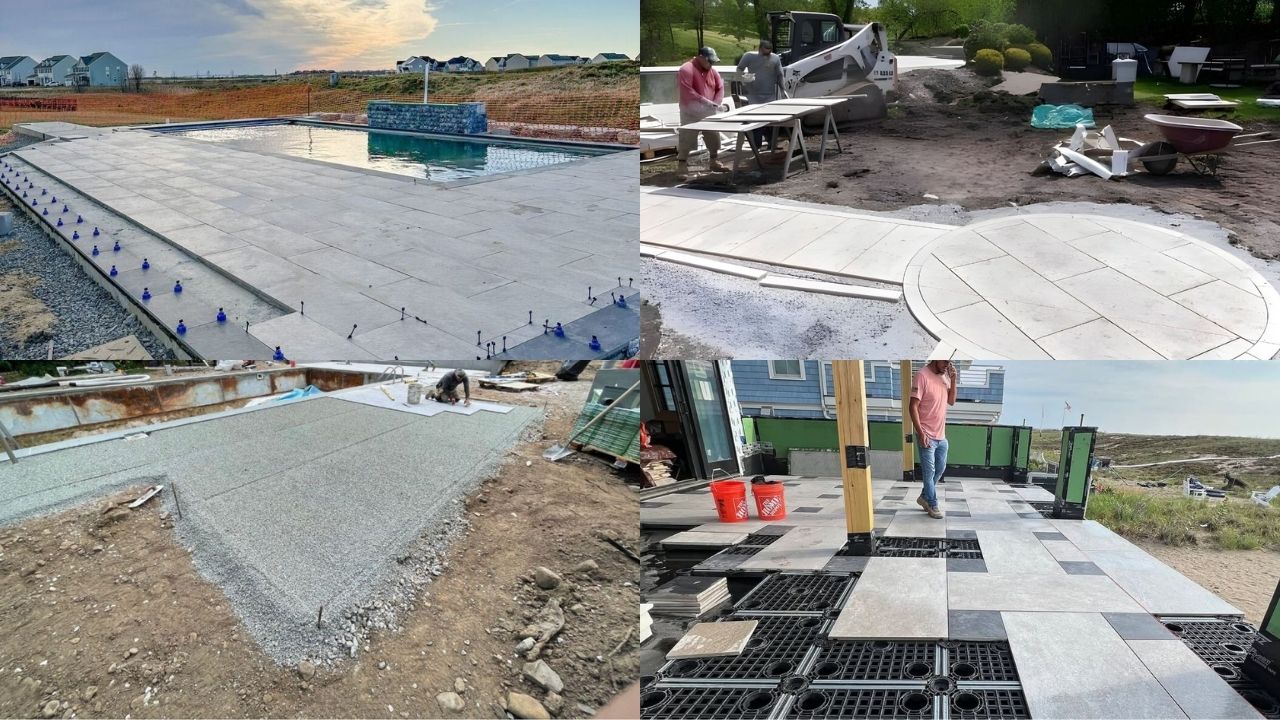
Step 7: Choose the Right Outdoor Installation System
Outdoor slabs are heavy and require durable structural support that matches the design intent. Common installation systems include:
- Mortar-set concrete base
- Dry-laid pedestal systems
- Hybrid bonded systems
Pedestal works well for terraces and rooftops due to its strength and effective drainage. Concrete bases are perfect for patios and ground-level spaces. Your selected outdoor installation system should support drainage, movement, and long-term stability.
Step 8: Extend the Design Beyond Flooring
When it comes to a unified appearance for indoors and outdoors, make sure to work beyond just floors.
- Use similar wall colors inside and outside
- Extend ceiling lines where possible
- Choose outdoor furniture with indoor proportions
- Continue lighting styles across zones
Flooring material sets the foundation, and using the supporting elements reinforces the connection. Opt for a fire pit with matching sliding doors.
What Material Works Best For Seamless Designs: Comprehensive Comparison
From porcelain to stone slabs, homeowners can choose slabs from these materials. But what material works best for their project? Take a look at this table for more information.
| Material Type | Visual Character | Durability & Climate Performance | Maintenance Needs | Best Use Cases | Seamless Design Suitability |
| Porcelain Slabs | Consistent color and pattern with stone-inspired designs | Very high durability; resists moisture, UV exposure, and freeze–thaw cycles | Minimal; no sealing required | Living rooms to patios, kitchens to terraces, pool-adjacent spaces | Excellent – indoor and outdoor finishes match visually |
| Limestone Slabs | Natural warmth with subtle tonal variation | Moderate durability; sensitive to moisture and temperature shifts | Requires periodic sealing and gentle cleaning | Covered patios, courtyards, and low-exposure outdoor areas | Good – works best in protected transitions |
| Travertine Slabs | Organic texture with natural pits and movement | Moderate durability; higher porosity affects weather resistance | Ongoing sealing and maintenance are needed | Shaded patios, warm climates, barefoot areas | Fair – visual match possible, performance varies |
Most homeowners prefer porcelain slabs for seamless indoor-outdoor spaces because they offer the strongest balance of visual consistency. Also, porcelain is durable and low-maintenance in any setting. They can sustain through the elements year-round effortlessly.
Natural stone suppliers like NT Pavers offer carefully selected indoor–outdoor slab collections. The porcelain and stone slab collection maintains the same design language while fulfilling exterior performance requirements.
Why Large Slabs Work Better Than Small Pavers or Tiles?
Large slabs can change how the space looks. They can create a seamless indoor-outdoor space effortlessly. Smaller pavers offer rhythm through repetition. Large slabs create calm through scale.
Benefits of Large Slabs for Indoor-Outdoor Spaces
- Fewer grout joints reduce visual noise
- Long edges guide the eye across thresholds
- Large surfaces feel architectural, not decorative
- Matching the indoor and outdoor versions becomes easier
Porcelain slabs and large-format stone slabs are the trending modern residential design because they fulfill both aesthetic and performance requirements.
Common Mistakes Homeowners Should Avoid
While planning for a seamless indoor and outdoor space, homeowners should avoid these mistakes.
- Do not select similar colors from different collections
- Don’t ignore finished height planning
- Keep the slab size consistent and don’t change the size for outdoors
- Avoid using high-contrast grout
- Over-texturing outdoor surfaces can make the space look overwhelming.
Seamless design depends on restraint, not variety.
Seamless Indoor-Outdoor Spaces With Large Slabs FAQs
Let’s answer your questions about creating seamless indoor-outdoor spaces.
Can you use the same slab indoors and outdoors?
Yes. Many porcelain slab collections offer indoor and outdoor finishes with identical designs, so you can enjoy visual continuity.
What slab size works best for indoor-outdoor spaces?
24×48 or 32×32 inches work best as large slabs. They reduce grout lines and create long visual sightlines across thresholds.
Do indoor and outdoor slabs need the same thickness?
No. Indoor slabs are usually thinner, while outdoor slabs are thicker for strength. Proper installation keeps the finished surface level and visually consistent.
Are large slabs safe for outdoor use?
Yes. Slabs with textured surface offer better grip also install it will have the proper slope and drainage.
Is porcelain better than natural stone for seamless transitions?
Porcelain offers better consistency, lower maintenance, and easier indoor-outdoor matching. Natural stone offers character but requires more care.
Bottom Line
A seamless indoor-outdoor space does not follow the trends. It depends on decisions made early and executed with discipline. Large slabs are the perfect choice for creating this visual language. Proper layout meets the design requirements, and thoughtful installation provides longevity. Large slabs work best by offering calm and continuity when homeowners consider their indoors and outdoors as one space.