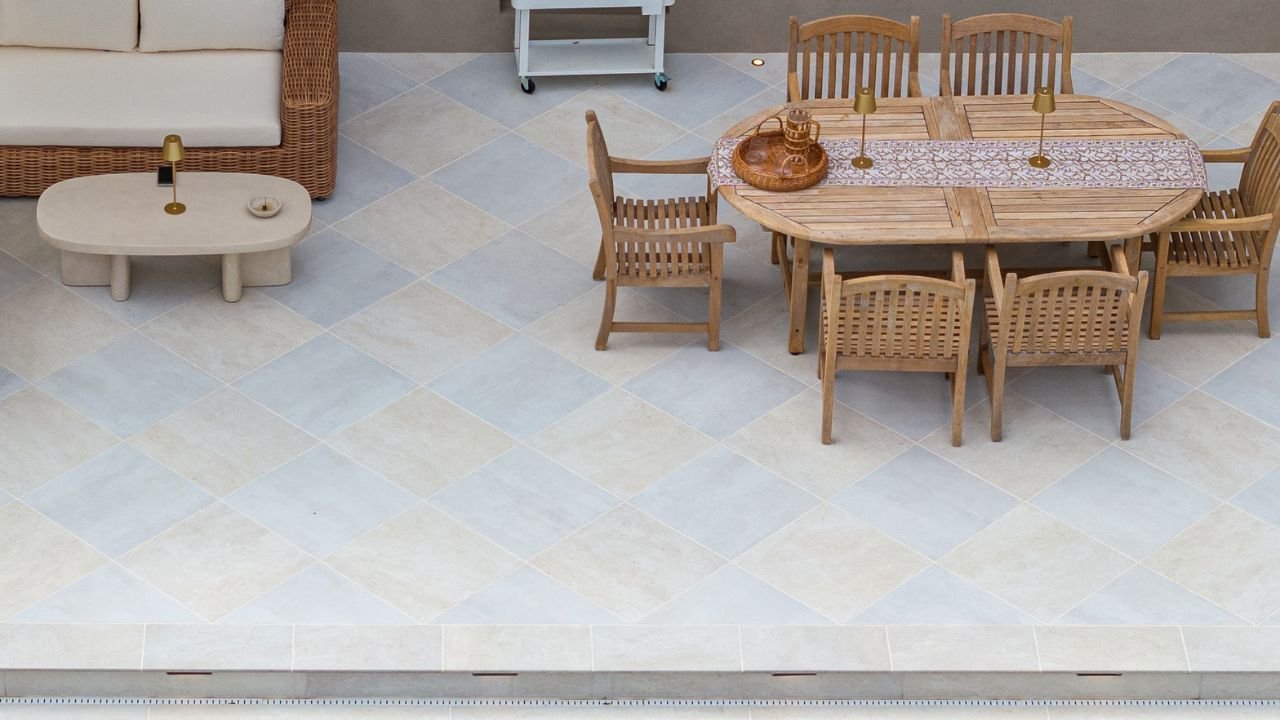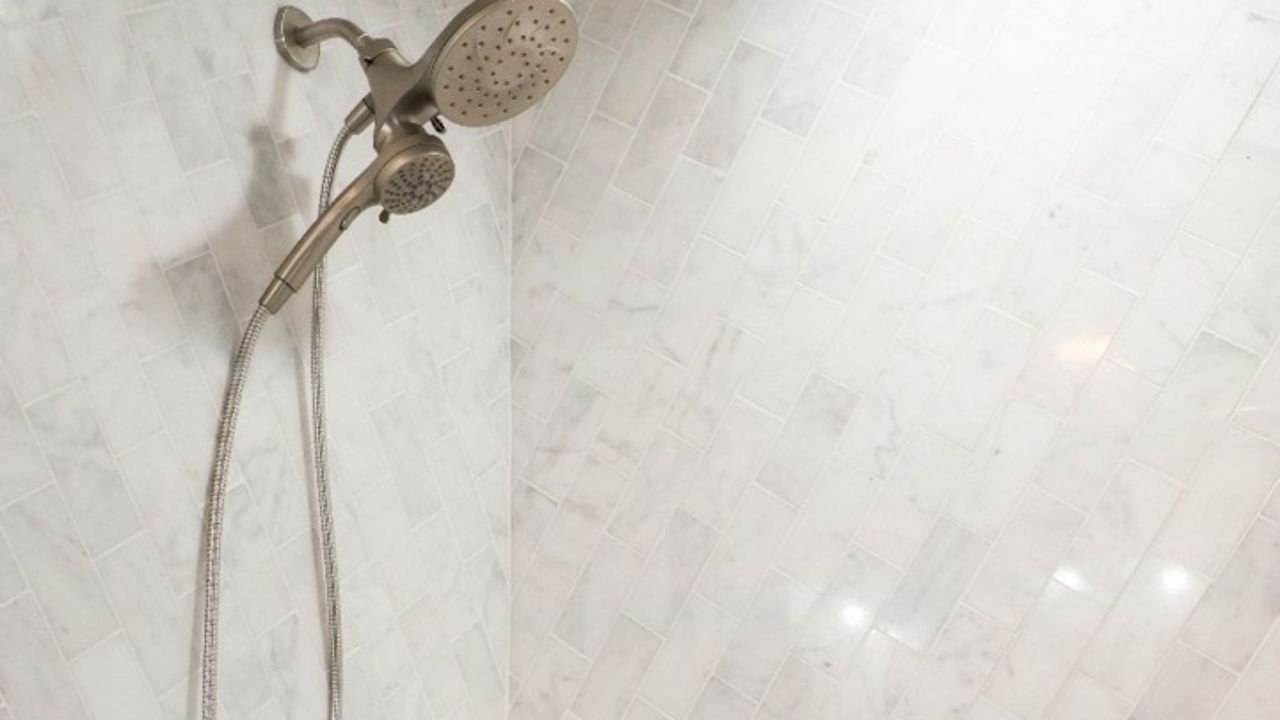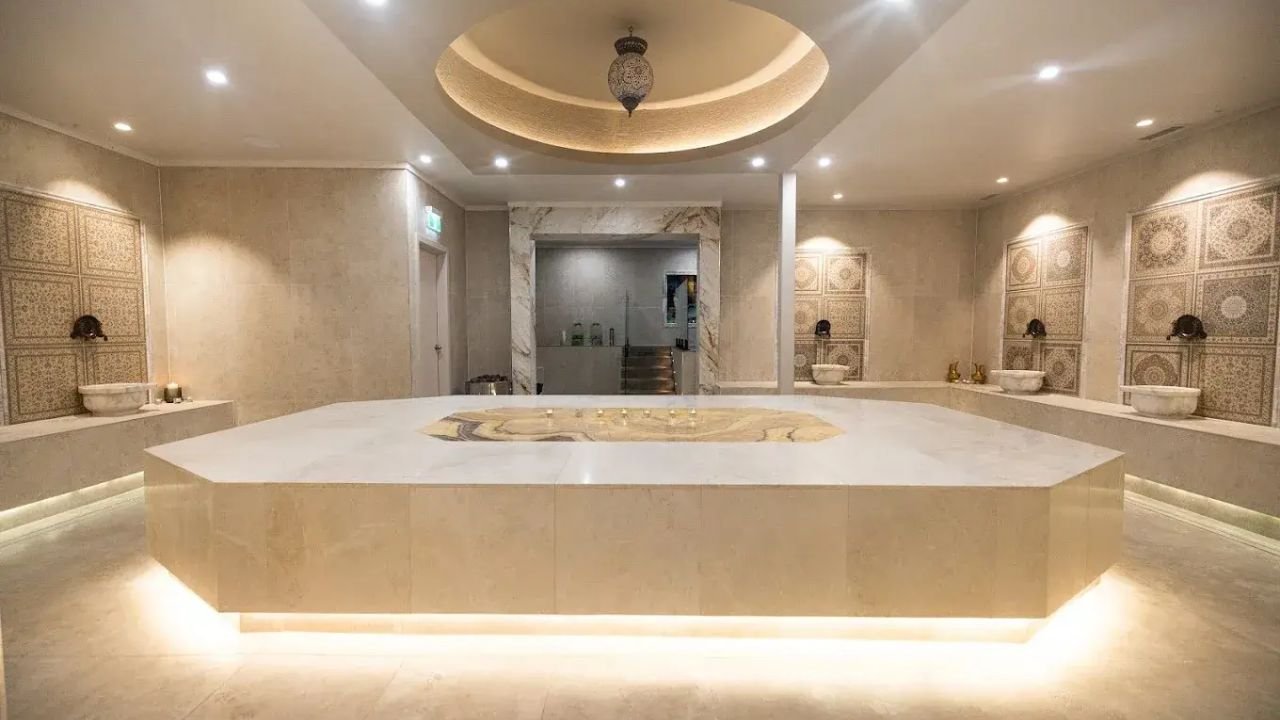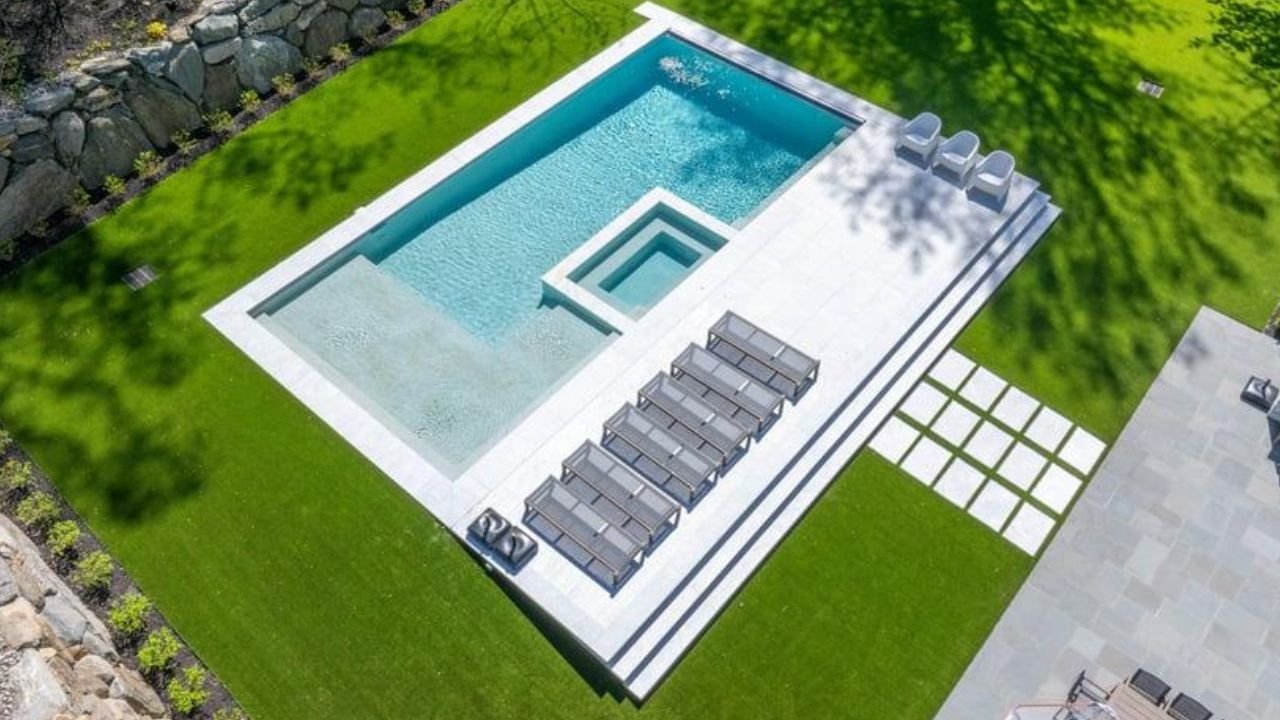


Porcelain slab is a popular choice to be use in areas like the kitchen. However, homeowners with a love for natural stone also prefer materials like marble countertops in their kitchens. Each offers distinct advantages, but the better choice depends on your kitchen’s needs, style, and upkeep expectations. There are still some exceptions. When selecting a slab for a kitchen, you may want to choose between porcelain and marble. This post will help you make an informed decision.
Porcelain Slabs vs Marble Material Overview
Porcelain Material:
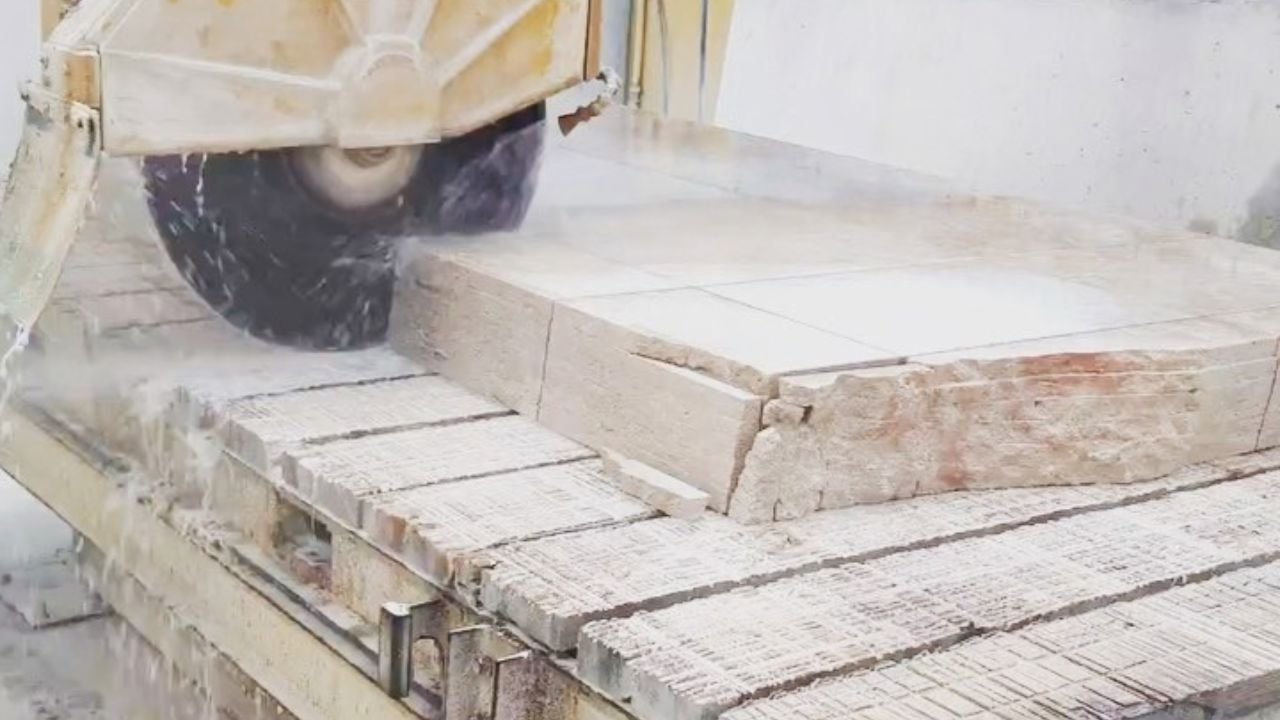
Porcelain slabs are manufactured from refined clay, feldspar, and mineral oxides, then fired at extremely high temperatures, often over 1200°C. This process creates a dense, non-porous material with uniform strength in every tile, paver, and slab. Advances in inkjet printing now allow porcelain to mimic marble and other natural stones with exceptional realism. In kitchens, porcelain’s resistance to stains, scratches, and heat makes it a reliable work surface for both home cooks and professional chefs. Here’s a full breakdown of how porcelain slabs are made and why it matters for performance in the kitchen.
Marble Material:
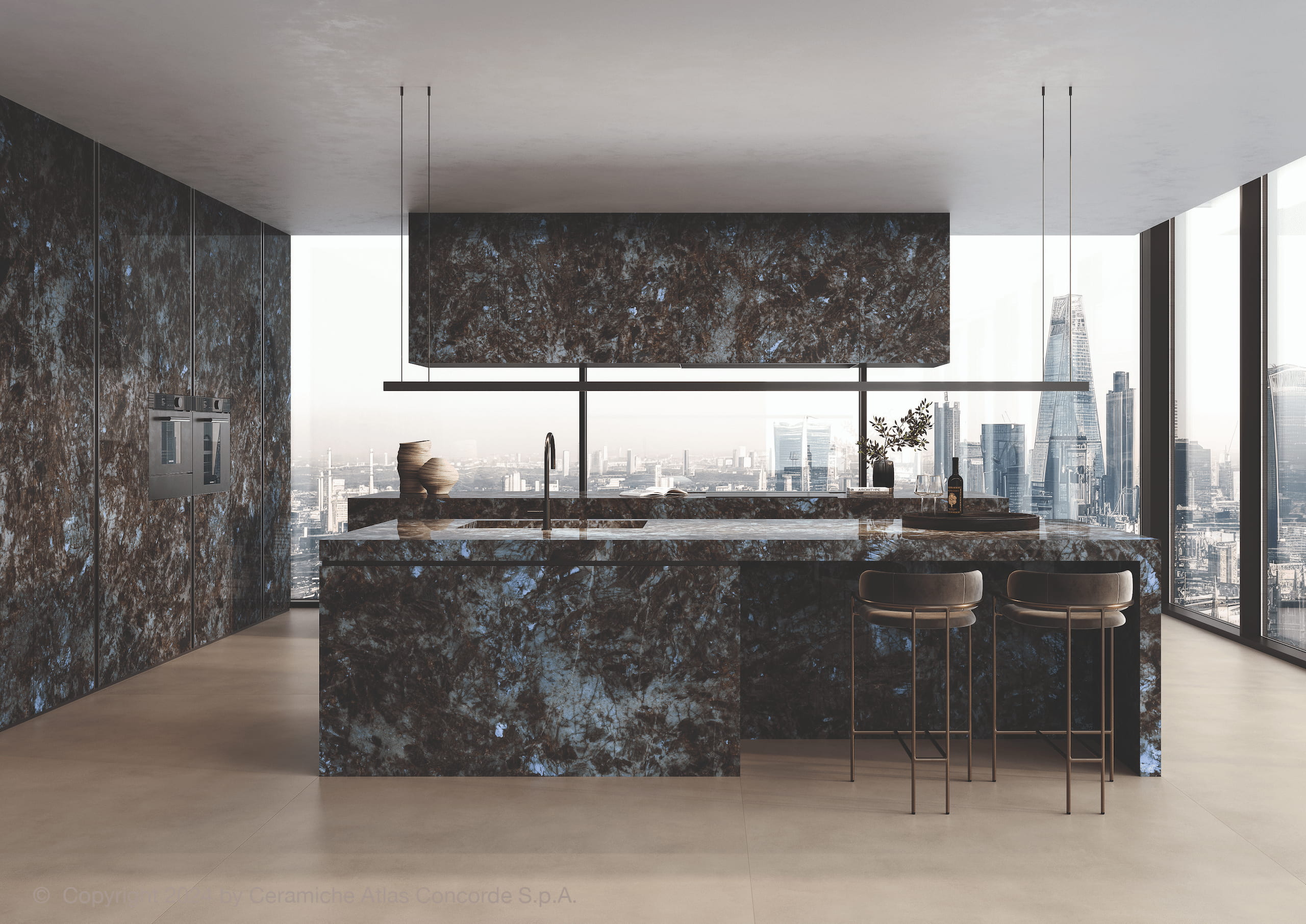
A marble countertop is a metamorphic rock formed from limestone under intense heat and pressure. Its signature veining and depth of color result from mineral impurities present during formation. Each slab is unique, which appeals to designers and homeowners seeking a one-of-a-kind surface. While marble remains a symbol of luxury, it is porous, softer than black granite countertops, and susceptible to staining, etching, and scratching, especially in high-traffic kitchens.

Porcelain Slabs vs Marble: A Complete Comparison
Marble vs porcelain countertops, both are popular choices for kitchens. But Porcelain outperforms in the kitchen when it comes to resisting stains, moisture, and scratches. NT Pavers suggests opting for porcelain slabs for countertops for busy family kitchens, whether for countertops or flooring. Take a look at this table to learn about marble vs porcelain slabs.
| Feature | Porcelain Slabs | Marble |
| Composition | Refined clay, feldspar, mineral oxides | Metamorphosed limestone with mineral impurities |
| Origin | Manufactured (engineered stone) | Natural stone, quarried |
| Appearance | Can mimic marble, wood, or concrete; uniform patterns are available | A unique vein in every slab and natural colors |
| Durability | Highly resistant to scratches, stains, and heat | Softer, prone to scratches, etching, and staining |
| Porosity | <0.5% water absorption | 0.5–2% water absorption (needs sealing) |
| Heat Resistance | Excellent | Good, but sensitive to thermal shock |
| Maintenance | Low—simple cleaning with mild detergent | High—requires sealing and careful cleaning |
| Cost Range | Medium to high, depending on finish and thickness | High to premium, depending on rarity and origin |
| Sustainability | Lower quarrying impact; recyclable | High quarrying impact; long lifespan |
| Lifespan | 25+ years with minimal wear | It can last decades with proper care, but the surface ages visibly |
| Best Use Cases | Busy kitchens, commercial food spaces, modern designs, bathroom spaces, | Luxury residential kitchens, low-traffic areas, statement pieces |
This table clearly shows how porcelain can be sustained in any kitchen setting, especially in busy kitchens like a professional gourmet one. NT Pavers suggests opting for XXL porcelain slabs for the busy family kitchens, be it countertops or flooring. The durability, density, and low porosity are the major reasons why it works great in kitchens. Here, porcelain slabs vs marble are explained in more detail.
Composition:
Porcelain slabs are manufactured by mixing refined clay, feldspar, and mineral oxides, then firing them at extreme temperatures. This engineered structure creates a dense, uniform material that’s non-porous and highly stable.
Marble countertop, by contrast, is a natural stone slab. It is a metamorphosed limestone that contains mineral impurities such as quartz, graphite, or iron oxides. These minerals give marble its unique veining but also affect its hardness and susceptibility to wear.
Origin:
Porcelain is a manufactured product that is created in controlled environments. This enables precise customization of color, texture, and pattern. It creates a consistent look through the slab that benefits large-scale kitchen projects where uniformity is essential.
Marble is a natural stone that is quarried directly from natural deposits. This means that every slab is unique and one-of-a-kind. The extraction process varies depending on the quarry location. Italian Carrara marble (Tuscany, Italy), for example, has a different mineral profile from Vermont Danby marble.
Appearance:
A porcelain slab can mimic every style that one can think of. It is available in an infinite range of colors, textures, and looks, from wood, stone, to concrete. Thanks to the latest inkjet printing technology. If homeowners are looking for Calacatta or Statuario marble can get it in porcelain without the maintenance requirements of the original.
Marble countertop offers what porcelain mimics. The authentic natural look with unique patterns, colors, finishes, and styles. This gives marble a more luxurious natural charm that makes marble exclusive. Each slab tells its own geological story, making it prized in high-end residential kitchens and bespoke design projects.
Durability:
Porcelain is extremely resistant to scratches, stains, and heat. In a busy kitchen, especially in commercial or multi-family properties, this resilience keeps surfaces looking new for years. Many homeowners exploring porcelain slabs in New Jersey find them ideal for modern designs that demand both beauty and resilience.
Marble has a softer surface, which is why it ranked lower on the Mohs hardness scale. It can scratch under metal utensils or show etching from acidic foods like lemon or tomato. It makes marble slabs more delicate in high-use environments.
Porosity:
Porcelain practically has a non-porous surface with an absorption rate below 0.5%. This means that the spills and liquids cannot penetrate the surface. This property is especially useful in a kitchen-like environment where liquid spills are inevitable. This also prevents bacterial growth and is critical for hygienic kitchen environments.
Marble has a higher absorption rate (0.5–2%), which means it requires sealing to prevent moisture and stains from setting into the stone.

Heat Resistance:
Porcelain can withstand direct heat exceptionally well. Even if you place a hot pan or baking tray on the surface won’t cause burn marks or cracks.
Marble also resists heat but is more sensitive to thermal shock. A sudden change from cold to hot can cause fissures or damage.
Maintainance:
Engineered porcelain kitchen countertop surfaces are practically low-maintenance. It doesn’t require sealing due to its non-water-absorbent surface and resistance to staining. This makes maintenance a breeze.
Marble, being a natural stone, requires intense maintenance. Depending on the use, it requires regular maintenance with sealing every 6-12 months. It is sensitive to acidic cleaners and liquids, so specific cleaners are required instead of commercial cleaners for marble cleaning.
Cost Range:
Porcelain falls in mid to high budget categories. However, the cost may vary depending on the finish, look, and size. Large-format porcelain slabs may cost more. Learn our guide on where to buy porcelain slabs.
Marble ranges from high to premium pricing. The imported varieties, rare colors, or dramatic veining, like Calacatta Gold, command higher prices.
Sustainability:
Porcelain doesn’t require quarrying, but high temperatures for manufacturing. But the environmental impact is overall lower as it is fully recyclable once the lifecycle is over.
Marble requires quarrying on a large scale. This has a greater environmental impact. However, a well-maintained marble installation can last for decades, reducing the need for replacement.
Lifespan:
Porcelain can maintain its original look for 25+ years with minimal wear, even under heavy daily use.
Marble can last for decades as well, but its surface will change over time, developing a patina or showing wear, depending on how it’s maintained.
FAQs About Porcelain Slabs vs Marble in Kitchen Countertops
Let’s answer your questions about Porcelain Slabs vs Marble for the kitchens.
Does porcelain look as good as marble in kitchens?
Yes. The high-end porcelain slabs can replicate marble’s veining so closely that it gives the feeling of marble in any kitchen.
Can you place hot pans directly on porcelain countertops?
Yes. Porcelain’s heat resistance is higher than marble’s, so it can sustain direct exposure in the kitchen environment.
Can you place hot pans directly on Marble Countertops?
Yes. But it is generally not recommended. Using trivets is recommended to prevent thermal shock or surface discoloration.
Which is more expensive between porcelain or marble countertops?
Both have slight differences in pricing, but the premium marble is usually pricier. Porcelain offers luxury looks at a more predictable price point.
Which lasts longer, porcelain vs marble, in the kitchen?
Porcelain can last decades when it comes to most kitchen settings, and its appearance is less likely to change over time, even after heavy use.
Which is better for outdoor kitchens?
Porcelain performs better outdoors due to UV stability and weather resistance. Marble can fade and weather more quickly in direct sunlight.
Bottom Line
Porcelain slabs offer durability, strength, and beauty for any kitchen. They are the most functional option for busy families and professional commercial kitchens. Marble Countertops offers an unmatched beauty with natural elegance and individuality. But due to its soft and porous surface, it is not suitable for high-functionality spaces. Also, it requires more maintenance than porcelain slabs. When deciding between marble and porcelain kitchen countertops, you should consider your lifestyle, cooking habits, and preferences.
NT Pavers offers both porcelain and marble countertop materials so your kitchen meets your vision and functional needs. Get a Free Quote Today.