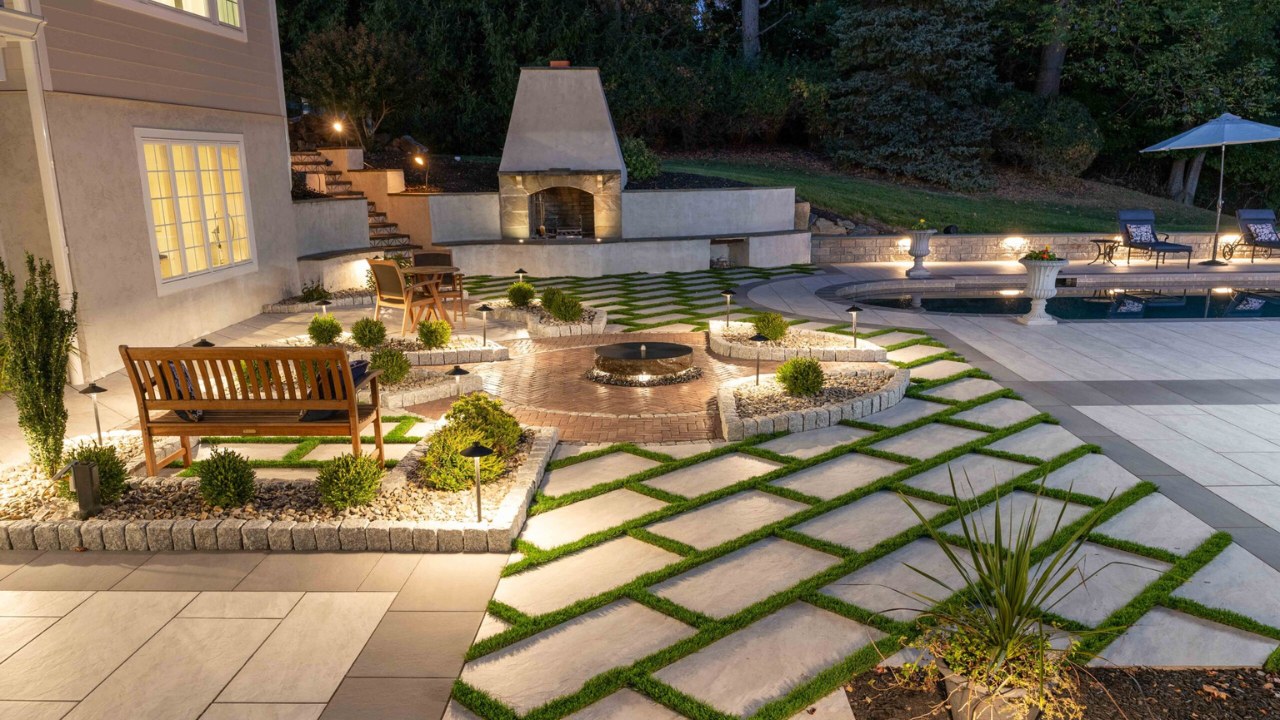
Limestone is a popular choice for patios, floors, pool decks, walls, and architectural features. It features soft tones that homeowners and designers value the most. Also, they have long-term performance when installed and protected correctly. However, limestone tile has a porous surface. This is why it requires proper sealing after installation and while being used. Without a proper sealer, limestone absorbs water, oil, dirt, and minerals. This results in staining, surface wear, and uneven aging.
Sealing does not make limestone maintenance-free. It makes limestone manageable. This is why one should learn about the most effective limestone sealers. This helps protect budgets, schedules, and long-term appearance.
Best Types Of Limestone Sealers Comparison
Here you can take a closer look at each type of limestone compared:
| Sealer Type | Penetration | Appearance Impact | Breathability | Best Applications |
| Penetrating (Impregnating) | Deep | Minimal | Yes | Floors, patios, pool decks |
| Water-Based Penetrating | Moderate | None | Yes | Interior limestone |
| Solvent-Based Penetrating | Very deep | None | Yes | Exterior limestone |
| Color-Enhancing Sealer | Deep | Darkens stone | Yes | Feature areas |
| Topical / Film-Forming | Surface only | Glossy | No | Not recommended |
The Most Effective Types of Limestone Sealers
Here are the effective types of limestone sealers that will help in retaining limestone’s look while enhancing its longevity. Here is a brief comparison of each type of best limestone sealers:
1- Penetrating (Impregnating) Sealers
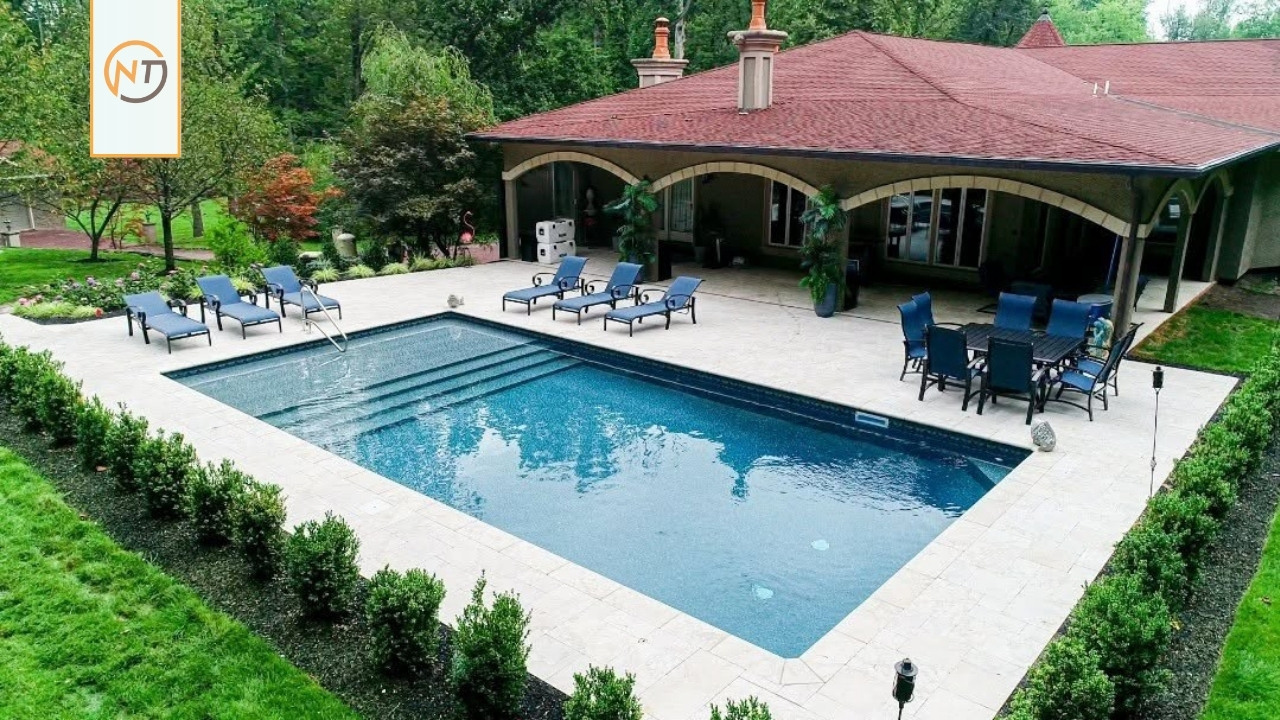
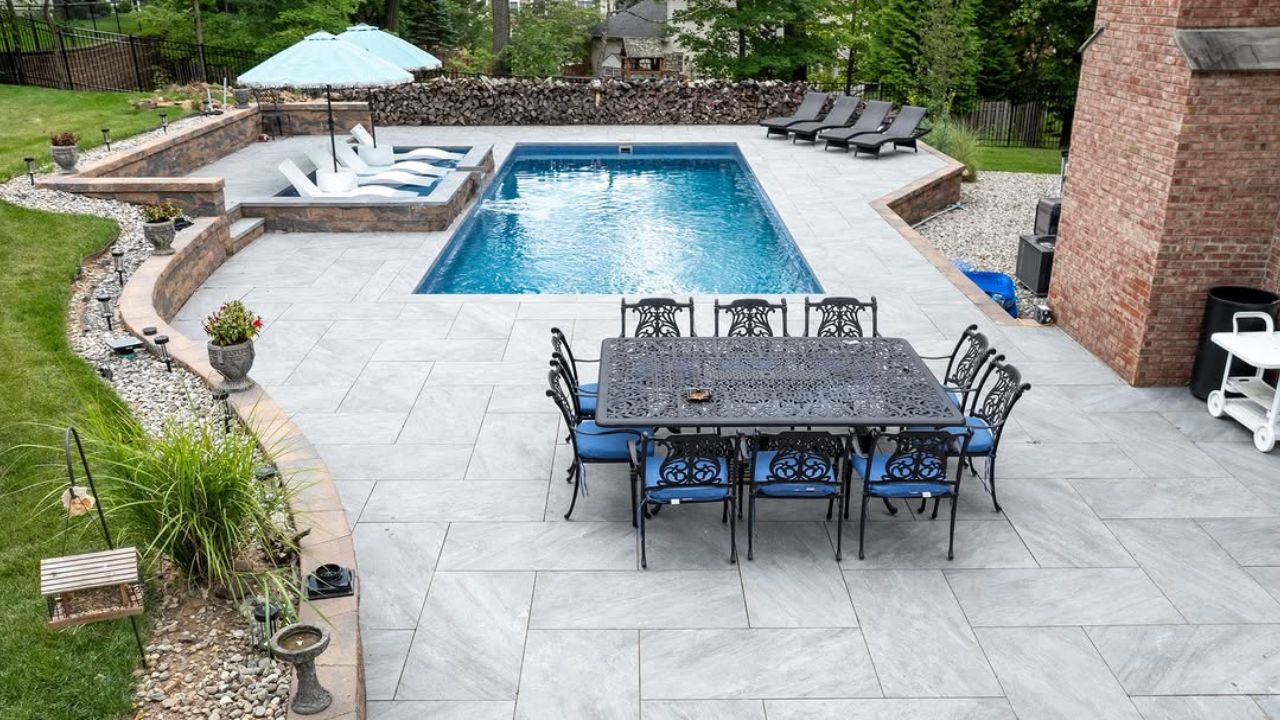
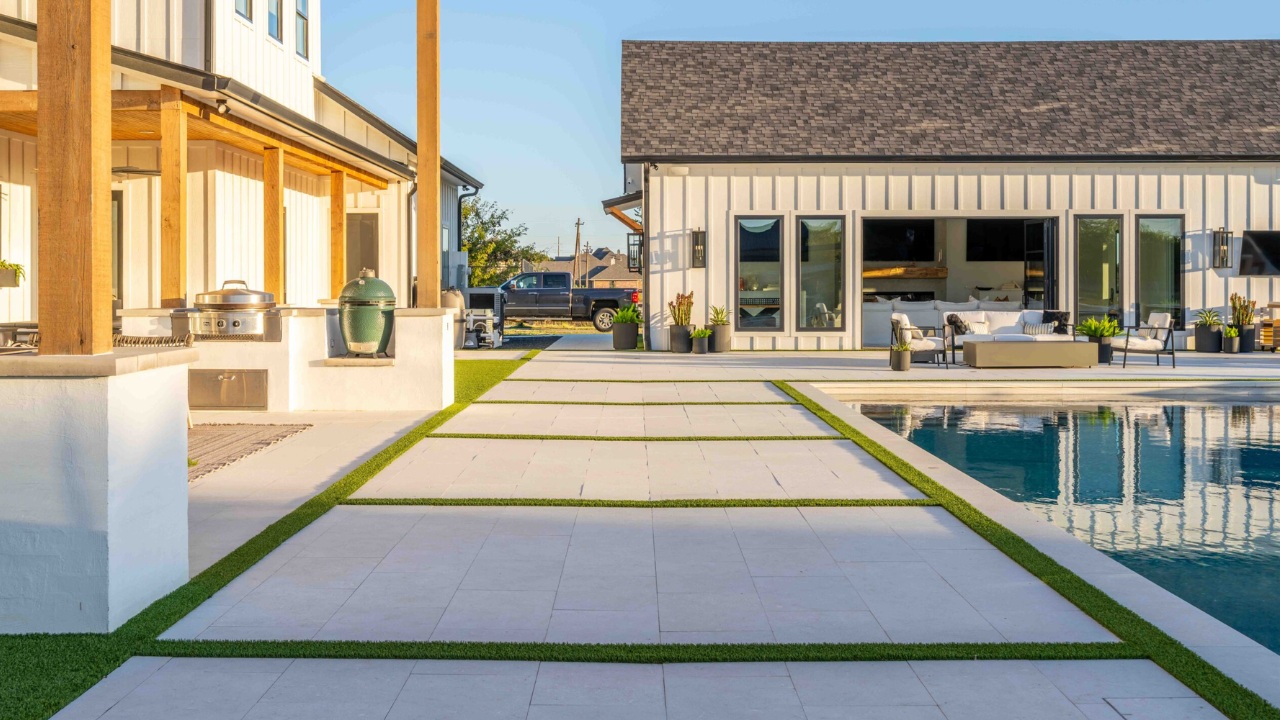
Penetrating sealers are the most suited option for limestone throughout residential and commercial projects. This is essential, especially in areas like pool decks, where people often use travertine or limestone pavers.
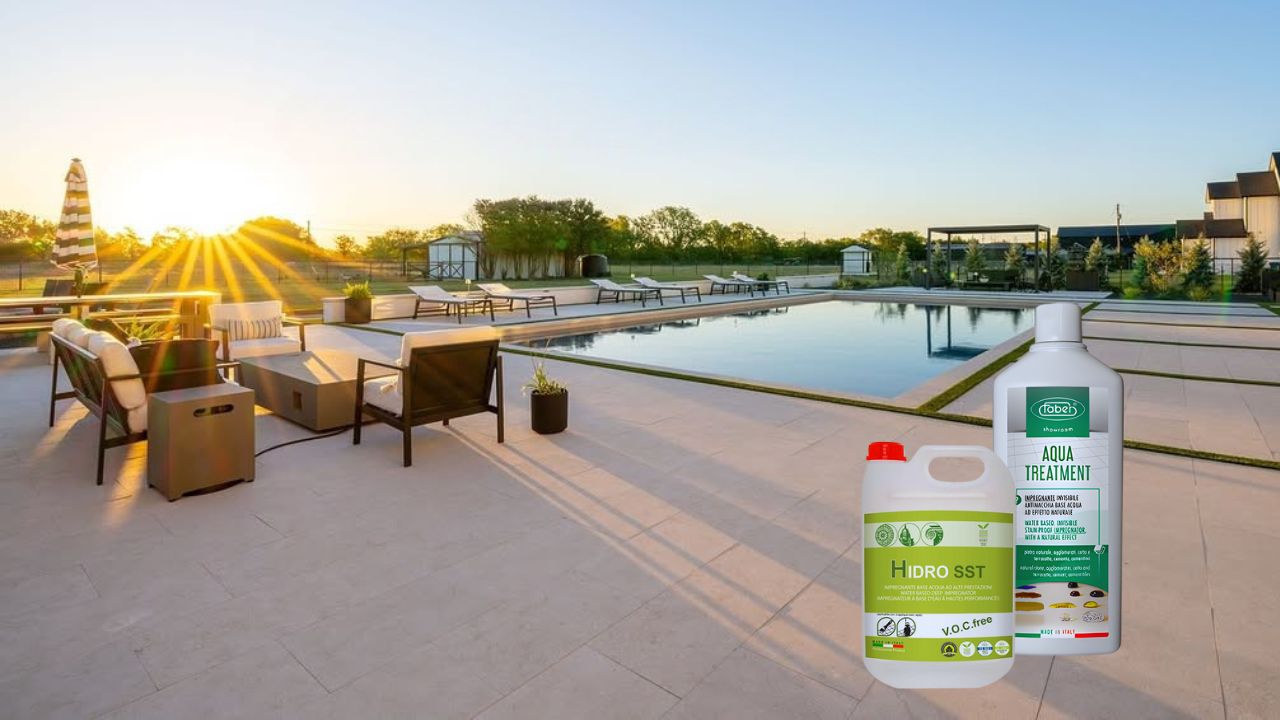
Professional solutions such as Hydro SST natural stone sealer and Aqua Treatment natural stone sealer are commonly used for these applications because they penetrate deep into the stone.
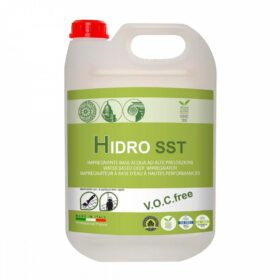
They absorb into the pore structure of the stone and create an internal barrier. Water and oil will not be absorbed after sealing and will stay on the surface long enough. It will be easy to clean. Vapor still moves through the stone.
Why Professionals Prefer Penetrating Sealers
| Penetrating Sealers | Performance Benefit |
| Surface behavior | Does not form a surface film that can peel or scratch |
| Finish appearance | Leaves a natural, matte look unless a specific finish is selected |
| Moisture control | Allows vapor transmission, preventing trapped moisture |
| Visual impact | Preserves the original color and texture of the limestone |
Best Uses for Penetrating Limestone Sealers
| Application Area | Suitability |
| Limestone floors | Ideal for residential and commercial interiors |
| Exterior paving | Performs well under weather exposure |
| Pool decks | Maintains slip resistance and durability |
| Walls and facades | Protects without altering appearance |
At NT Pavers, penetrating sealers remain a recommendation for limestone installation. They protect the surface without changing how the stone behaves.
2- Water-Based And Solvent-Based Sealers
Water-based sealers make little to no change to the stone surface, while the solvent-based sealers for limestone add a sheen to the surface. Give the limestone a more wet look. Both of these sealers offer the same level of protection, but the applications are distinctively different.
Both water-based and solvent-based sealers can be effective differently. The difference lies in penetration depth, odor, and application conditions. Take a look at the table below to find the key differences between these sealer types.
| Feature | Water-Based Sealers | Solvent-Based Sealers |
| Odor level | Lower odor | Stronger odor |
| Ease of application | Easier for indoor use | Requires more ventilation |
| Curing time | Faster curing | Slower curing |
| Environmental impact | Lower environmental impact | Higher VOC content |
| Penetration depth | Moderate penetration | Deeper penetration, especially in dense limestone |
| Stain resistance | Good overall protection | Strong resistance to oil and grease |
| Performance outdoors | Suitable for limited exposure | Performs better in harsh outdoor conditions |
| Typical use environment | Interior spaces | Exterior and high-exposure areas |
Best Applications by Sealer Type
| Water-based sealers | Solvent-based sealers |
| Interior limestone, occupied homes, commercial interiors | Exterior paving, driveways, high-exposure areas |
The performance of any of these limestone sealers depends on the stone’s thickness. Limestone with a soft surface absorbs both types of sealers well. However, Thicker or higher-density limestone usually takes advantage of solvent-based formulations.
3- Natural-Look And Color-Enhancing Sealers
Natural look sealer for limestone retains the natural look of limestone while securing the surface.
Color enhancing sealers enhance the natural stone color by adding a glossy finish.

The decision affects the appearance, but the protection remains the same.
| Feature | Natural-Look Sealers | Color-Enhancing Sealers |
| Color impact | Preserve original limestone color | Deepen and enrich stone tones |
| Surface finish | Maintain a matte or honed appearance | Create a darker, “wet” look |
| Visual emphasis | Subtle and uniform | Highlights veining and variation |
| Popularity | Most commonly selected option | Used for design-driven applications |
| Typical use | Floors, large areas, architectural limestone | Feature walls, accents, decorative paving |
You can choose the color enhancement for accent walls and floors, like decorative paving. However, it is not a suitable option for large stone floors where consistency matters.
What Sealers Should Be Avoided on Limestone
Apart from these sealers, you should avoid these types of sealers to be used on limestone surfaces. Here is a breakdown of why you shouldn’t use these sealers on limestone.
| Sealer Type | Why It Should Be Avoided |
| Acrylic sealers | Trap moisture inside the stone and prevent natural breathability |
| Polyurethane coatings | Increase slip risk and wear unevenly over time |
| Film-forming finishes | Peel under UV exposure and create a patchy surface wear |
Long-Term Impact on Limestone
| Issue Caused | Result |
| Trapped moisture | Leads to discoloration, spalling, and stone damage |
| Surface coating wear | Causes uneven appearance and maintenance challenges |
| Reduced breathability | Prevents limestone from aging naturally |
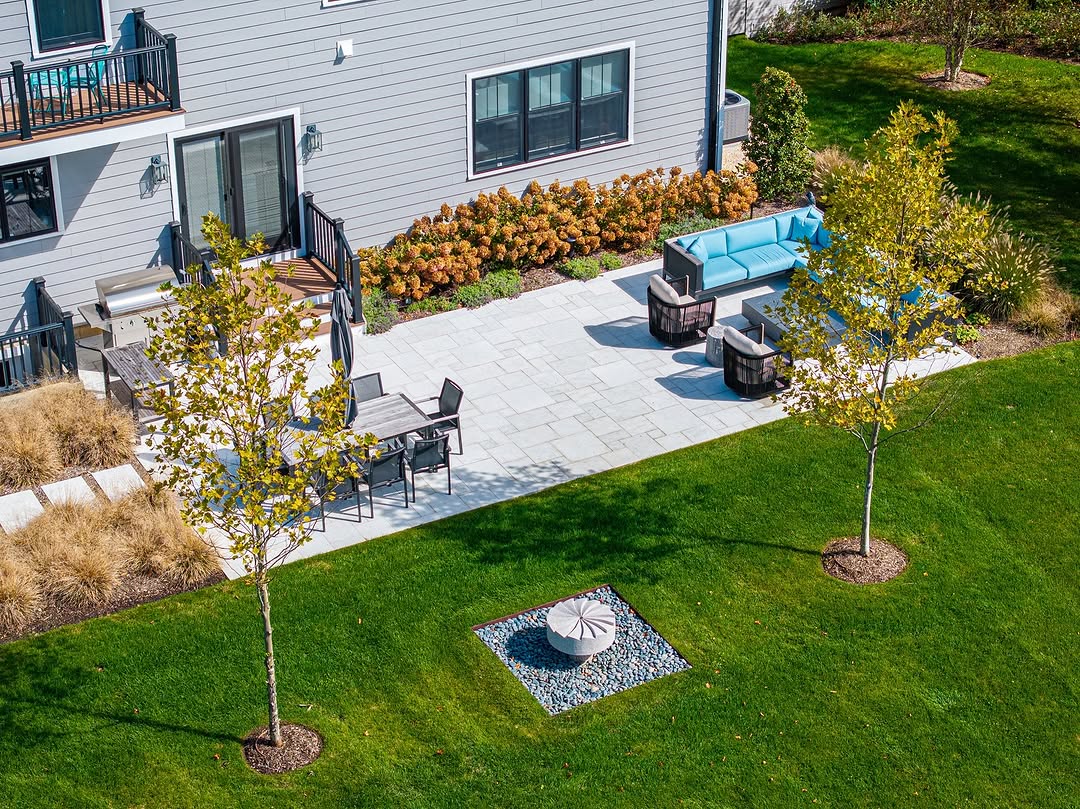
Limestone has a naturally porous surface, but it helps it to stay fresh for years. This is why its breathability is essential. Penetrating sealers protect from within rather than coating the surface.
How To Choose The Right Limestone Sealer by Application
The performance of limestone sealers depends on where they are installed. Different installation requires different sealers:
| Application Area | Recommended Sealer Type | Key Performance Focus |
| Interior floors | Penetrating sealer (water-based preferred) | Stain resistance, natural appearance |
| Kitchens | Oil-resistant penetrating sealer | Food safety after curing, grease protection |
| Bathrooms | Breathable penetrating sealer | Moisture control, mold resistance |
| Outdoor patios and walkways | Solvent-based penetrating sealer | UV stability, freeze-thaw resistance |
| Pool decks | Penetrating sealer only | Slip resistance, no surface sheen |
What Are The Most Common Mistakes About Applying Limestone Sealers?
While sealers can secure the limestone surface, one should understand that it is only possible when applying them correctly. Here are the common mistakes with the sealers that can result in damaged surface and more:
- Sealing before the stone dries entirely can prevent the sealer from sticking to the surface.
- Using one sealer for all applications is not a good idea. Each application requires its own sealer.
- Leaving excess sealer on the surface will result in smudges or a patchy look when dried.
- Assuming sealed stone needs no cleaning is not a good approach, as regular limestone cleaning and sealing are still required to maintain long-term performance.
A proper installation partner, like those NT Pavers works with, helps avoid these issues early.

Limestone Sealers FAQs
Let’s answer your questions about limestone sealers.
What is the best type of sealer for limestone?
A penetrating (impregnating) sealer is the most suitable limestone sealer that offers the best protection with breathability.
Do limestone sealers change the color?
Natural look sealers don’t, but wet look sealers do change the stone color by enhancing it or giving it a wet look.
How long does limestone sealer last?
One to five years, depending on the exposure and traffic of the surface.
Can limestone be sealed outdoors?
Yes. Exterior limestone requires a breathable penetrating sealer with UV stability.
Is sealing limestone necessary?
Yes. Unsealed limestone absorbs stains, moisture, and pollutants quickly.
Can sealed limestone still stain?
Yes. However, the absorption rate is still lower and gives you enough time to clean up.
Should limestone be sealed before or after installation?
After installation and after the stone dries fully.
Bottom Line
Limestone sealers can protect and enhance the beauty of the surface for years to come. The most effective sealers are the penetrating ones that will penetrate the surface.
For homeowners, this means fewer stains and easier care, which means predictable performance and lower risk.
Choosing the right sealer requires matching the types of stone, location, and use. When those factors align, limestone performs well for decades. Brands like NT Pavers emphasize this balance because long-term success depends on informed choices, not shortcuts.