One of the major reasons outdoor pavers fail within a few seasons is freeze-thaw damage. Whether you live in a cold climate or winter is harsh, choosing an outdoor material is critical. Choosing the right stone pavers with low porosity and proper installation and sealing is crucial to ensure longevity in your outdoor spaces. However, what’s even more important is understanding freeze-thaw damage and how it affects outdoor materials, from stone to concrete. Knowing this will help you understand the entire cycle and make an informed decision on material selection. Continue reading the following.
What Is Freeze–Thaw Damage?
Freeze-thaw damage just is not quick. It works slowly. It starts when water seeps into a crack or pore in the stone. Or the stone absorbs and retains moisture. When it freezes, water expands, damaging the surface. Water expansion is a serious problem, as it expands by about 9 percent when it freezes. This expansion creates an internal stress. If the natural stone cannot absorb or release that pressure, it cracks.
The cycle runs from winter to early spring. Daytime temperatures rise above freezing, and nighttime temperatures fall again. Each cycle weakens the stone more, and thus, you may have to replace the stone over time.
Visible signs to check during inspection:
- Surface flaking or peeling (spalling)
- Hairline cracks that grow wider
- Corners breaking off
- Rough texture replacing smooth finishes
Once damage starts, it continues.
Why Freeze–Thaw Damage Matters More For Outdoor Material?
As with most extreme climates, winter is a severe condition for natural stone pavers. When they absorb water, the temperature drops and the water freezes; ice expands, causing cracks. It keeps on repeating, and each freeze pushes the outward pressure. When ice melts, it absorbs more moisture deeper inside. Over time, even the strong stone can crack, flake, or crumble if not handled properly.
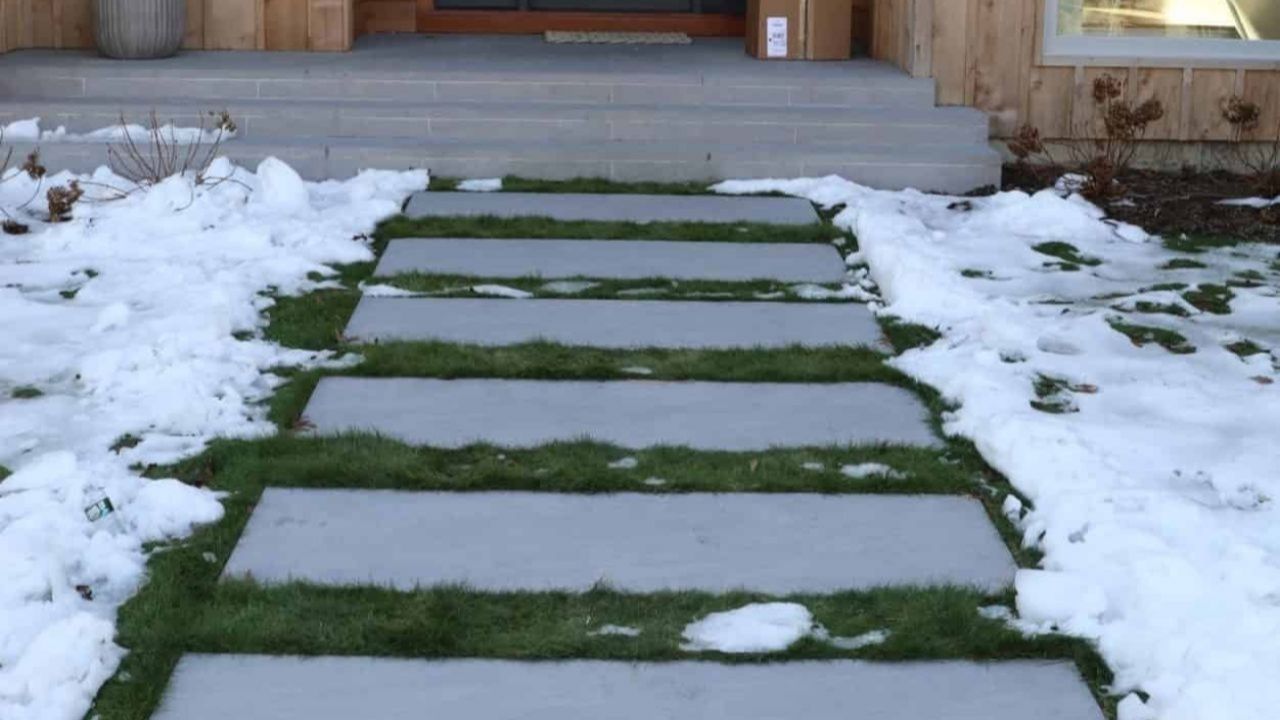
Homeowners believe that it is winter, but the real issue is much deeper. Wrong material selection, water absorption, and installation methods also determine whether the stone will withstand cold weather or fail early. This is why assessing freeze-thaw damage is crucial when selecting stone for your outdoor projects. You will not like to replace the stone after every winter or water damage.
Why Does Stone Density and Internal Structure Matter?
Stone density plays an important role in freeze-thaw damage. It does more than control absorption. Dense stone contains tightly packed minerals. That structure resists pressure. Additionally, water absorption and movement are limited by the density beneath.
On the other hand, porous stone contains micro-spaces and capillaries. Water travels through those spaces easily. When freezing begins, ice forms along weak points first. This is how the stone with a similar appearance behaves differently in winter. Surface texture does not determine performance; the internal structure determines durability.
Which Natural Stones Handle Freeze–Thaw Best?
While most natural stones feature a porous surface, some stones have low porosity, which works even better when you know how to seal pavers. Here are the natural stone pavers that withstand freeze-thaw damage with just a little practice.
| Stone Type | Freeze–Thaw Resistance | Key Physical Traits | Winter Performance Summary | Best Outdoor Uses |
| Granite | Excellent | Very low water absorption; high density; strong crystalline structure | Resists cracking and surface damage even in harsh winters when installed correctly | Patios, steps, pool coping, walkways |
| Quartzite | Excellent | Low absorption; very hard surface; dense formation | Performs reliably in cold climates and often outlasts many limestones and sandstones | Patios, pool decks, outdoor flooring |
| Limestone (Dense Types) | Good | Lower absorption; compact internal structure | Survives freeze–thaw cycles well when density is high, and drainage is proper | Patios, coping, architectural stone |
| Limestone (Soft Types) | Fair to Poor | Higher absorption; softer structure | More vulnerable to freeze–thaw damage due to moisture retention | Mild climates or protected areas |
| Travertine (Limestone Type) | Moderate (when filled) | Natural voids; porous unless filled | Performs better than expected when filled, sealed, and well-installed; untreated stone risks spalling in wet winters | Pool decks, patios (with proper prep) |
| Sandstone | Poor to Fair | Higher absorption; layered structure | Frequently fails in freeze–thaw regions without sealing and excellent drainage.e | Limited outdoor use in cold climates |
How Porcelain Pavers Avoid Freeze–Thaw Damage?
Porcelain pavers perform differently compared to natural stone. They are manufactured at extremely high temperatures. This results in an almost non-porous surface. The general porosity level of porcelain is 0.5 percent, and it is even lower in premium-grade porcelain. The key benefits include:
- No internal voids
- Flawless pore structure
- Consistent performance across climates
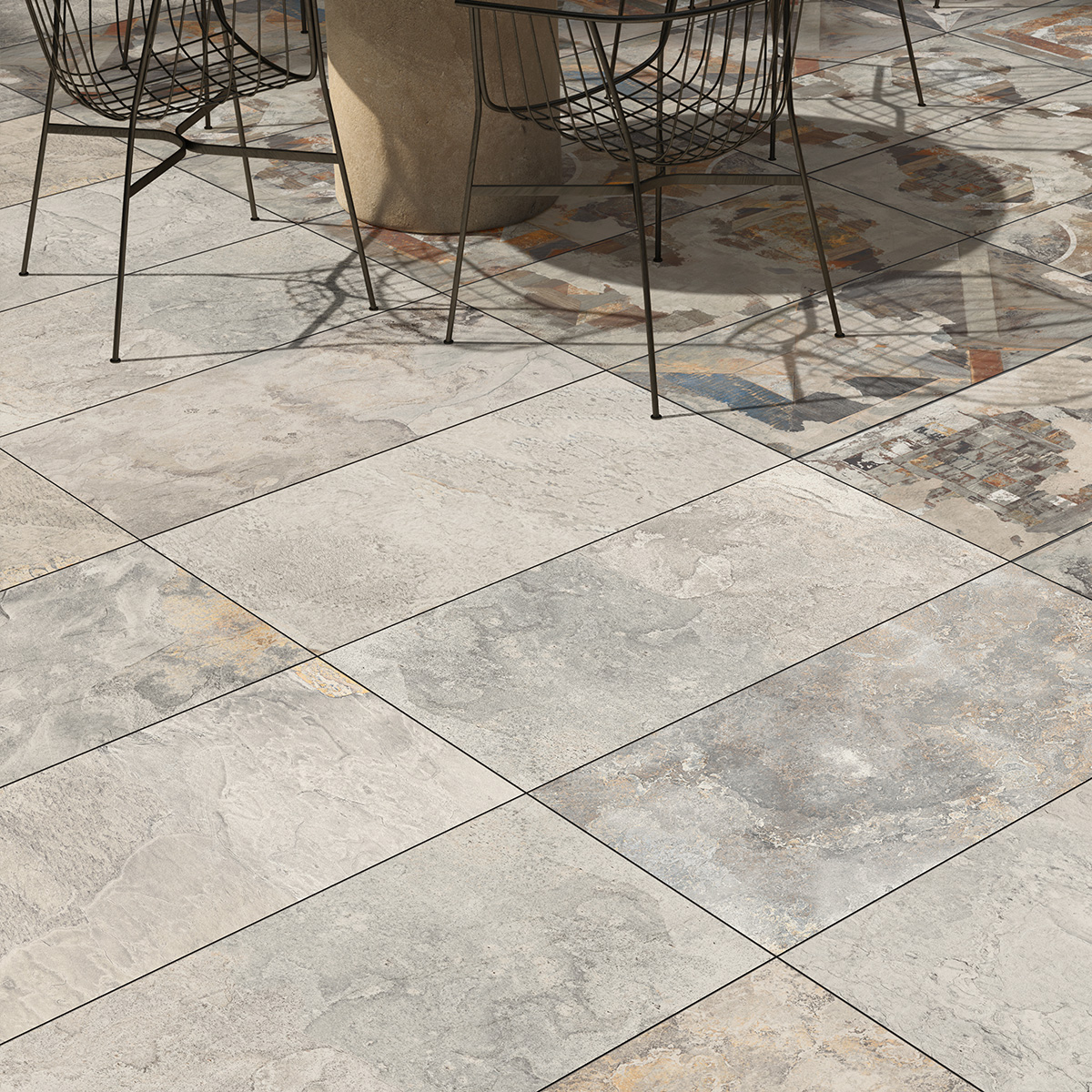
Porcelain does not crack under freeze-thaw pressure because water cannot penetrate the surface. This is why it is a reliable choice for homeowners who want low-maintenance in a cold climate.
At NT Pavers, porcelain pavers are usually preferred as a practical solution for clients who prioritize durability over natural variation.
What Are The Climate Zones With Freeze–Thaw Risk?
Freeze-thaw damage typically occurs in regions where temperatures frequently drop below freezing. The high-risk zone includes:
- Northeast United States
- Midwest
- Mountain regions
Dry cold causes fewer problems. Wet cold causes more.
Homeowners should consider local climate patterns, not just average winter temperatures.
How Does Proper Installation Help In Freeze-Thaw Damage?
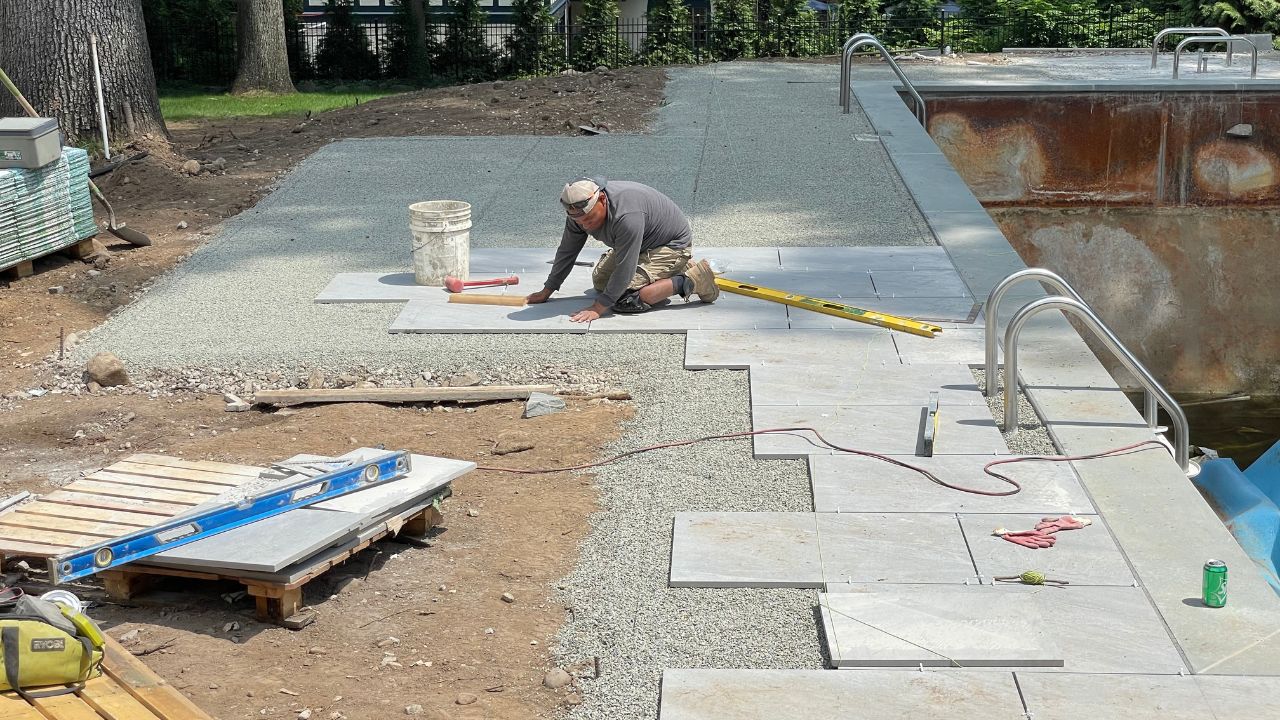
Even the best stone may fail to withstand freeze-thaw damage due to poor paver installation. The damage begins below the surface.
Base Preparation
A proper base should include:
- Drains water away
- Prevents pooling
- Supports even load distribution
Without drainage, water will accumulate under the surface. Freezing soil expands upward. That movement cracks the surface above.
Jointing Material
Joint material should offer flexibility in movement and drainage. Rigid mortar traps water. Flexible polymeric sand allows slight movement and sheds moisture.
Slope and Drainage
Outdoor surfaces need a slope. Even a slight pitch prevents standing water. Flat surfaces invite moisture penetration.
How to Choose Freeze–Thaw-Resistant Stone for Your Home?
When selecting materials for the closer regions, contact reputable suppliers. They will provide direct, specific answers. At NT Pavers, material selection begins with climate suitability and is followed by design considerations. That sequence protects long-term performance and prevents costly replacement later.
| Selection Factor | What to Ask | Why It Matters for Freeze–Thaw Resistance | What to Look For |
| Water Absorption Rate | What is the stone’s absorption percentage? | Lower absorption means less trapped moisture and reduced freeze–thaw pressure. | Absorption below 3% for cold climates |
| Freeze–Thaw Rating | Is this stone tested or rated for freeze–thaw environments? | Not all outdoor stones are suitable for repeated freezing and thawing | Stone is specifically rated for cold climates |
| Installation Method | How should this stone be installed? | Proper base, drainage, and jointing prevent water buildup beneath the surface. | Drainage-ready base and flexible joint systems |
| Maintenance Requirements | What upkeep does this stone need? | High-maintenance stones fail faster when sealing or care lapses | A stone that matches the homeowner’s maintenance capacity |
| Climate Suitability | Is this stone appropriate for my local winter conditions? | Performance depends on regional freeze–thaw cycles, not just appearance | Stone selected for local climate patterns |
| Supplier Expertise | Can the supplier explain why this stone works in winter? | Clear guidance reduces the risk of poor material choices | Supplier prioritizes performance before aesthetics |
FAQs About Freeze–Thaw Damage
Let’s answer your questions about freeze-thaw damage.
What causes freeze–thaw damage in stone?
When water enters the stone surface, it freezes, expands, and creates internal pressure. Repeated freeze-thaw cycles crack the stone over time.
Which stone is best for freeze–thaw climates?
Granite, quartzite, dense limestone, and porcelain pavers perform best because they absorb little water and resist internal pressure.
Does sealing stone prevent freeze–thaw damage?
Yes. Sealing reduces water absorption but does not eliminate the risk. Proper stone selection and installation matter more than sealant alone.
Can freeze–thaw damage be repaired?
Yes. Minor surface damage can be repaired, but structural cracking usually requires replacement.
Is porcelain better than natural stone in winter?
Yes. Porcelain resists freeze–thaw damage better because it absorbs almost no water. Natural stone performance depends on type and density.
Bottom Line
Freeze-thaw damage does not happen by accident. The damage does not happen overnight. It happens when stone selection ignores climate; the stone traps the moisture instead of managing it. Some stones survive winter, but they resist water and pressure. Others fail because they cannot. Understanding freeze-thaw damage helps make better decisions. They invest once in low maintenance and avoid replacement.
Durable outdoor spaces begin with informed decisions. Winter simply reveals whether those decisions were right.