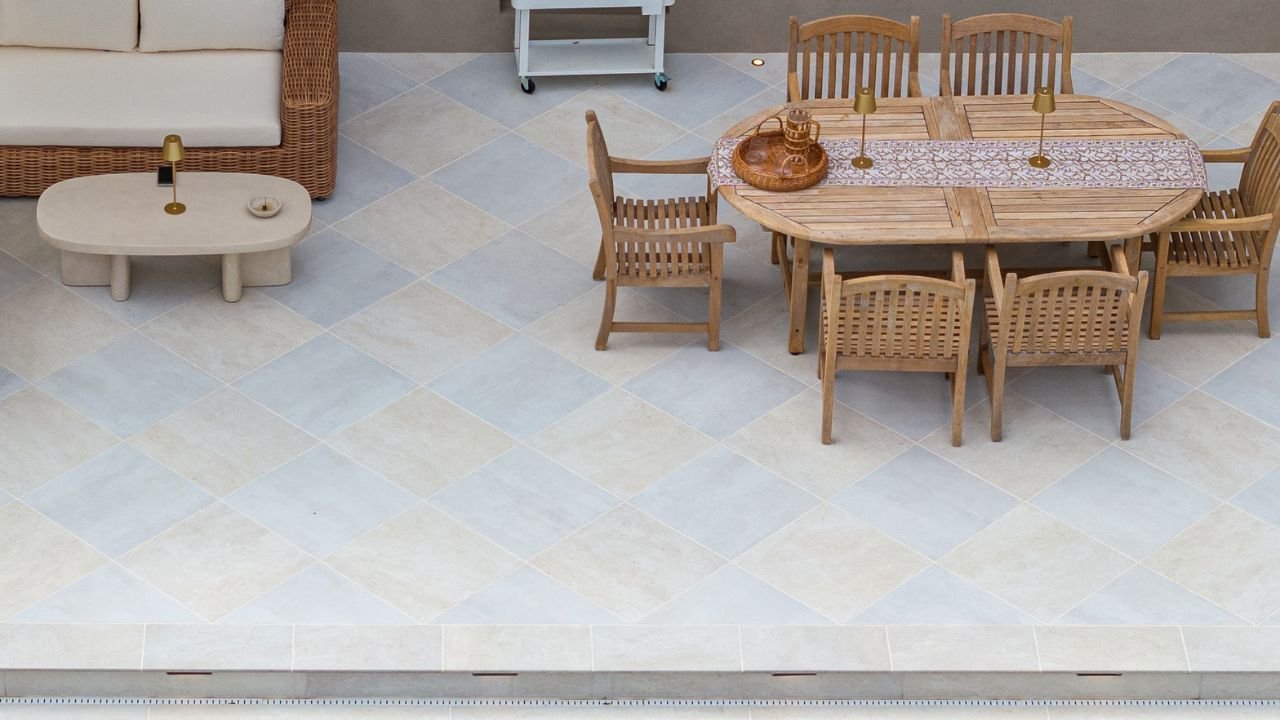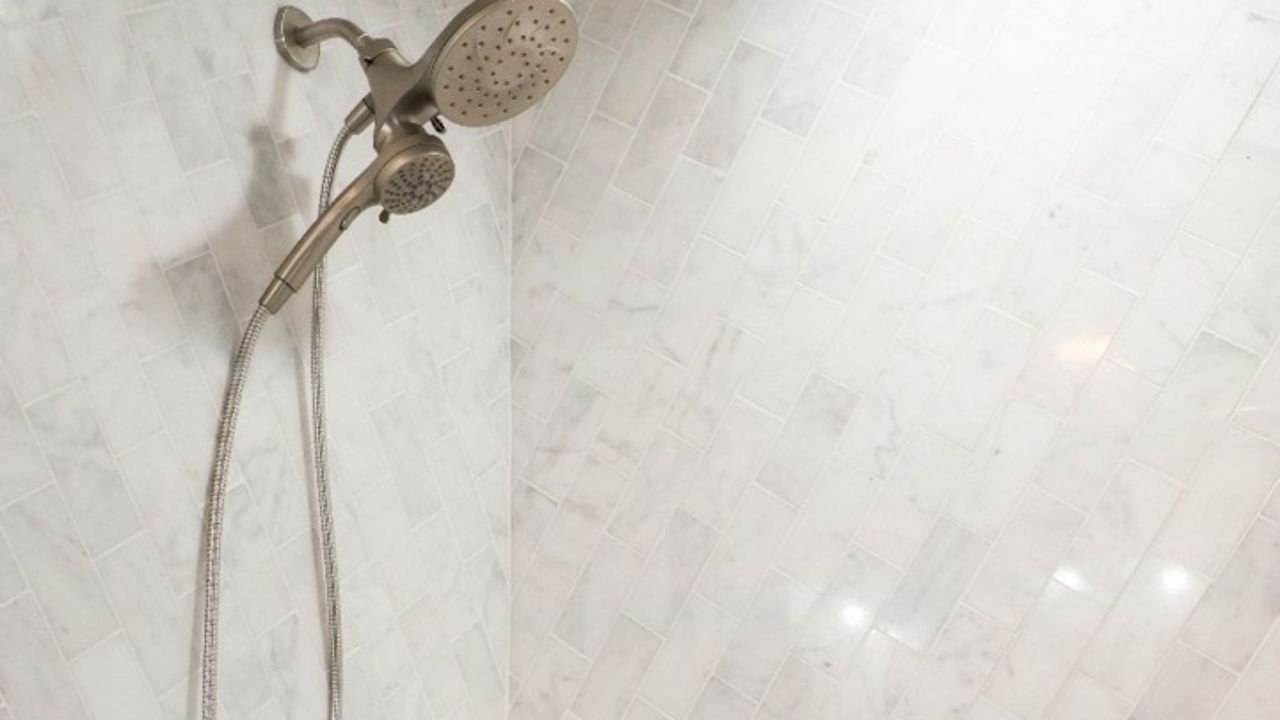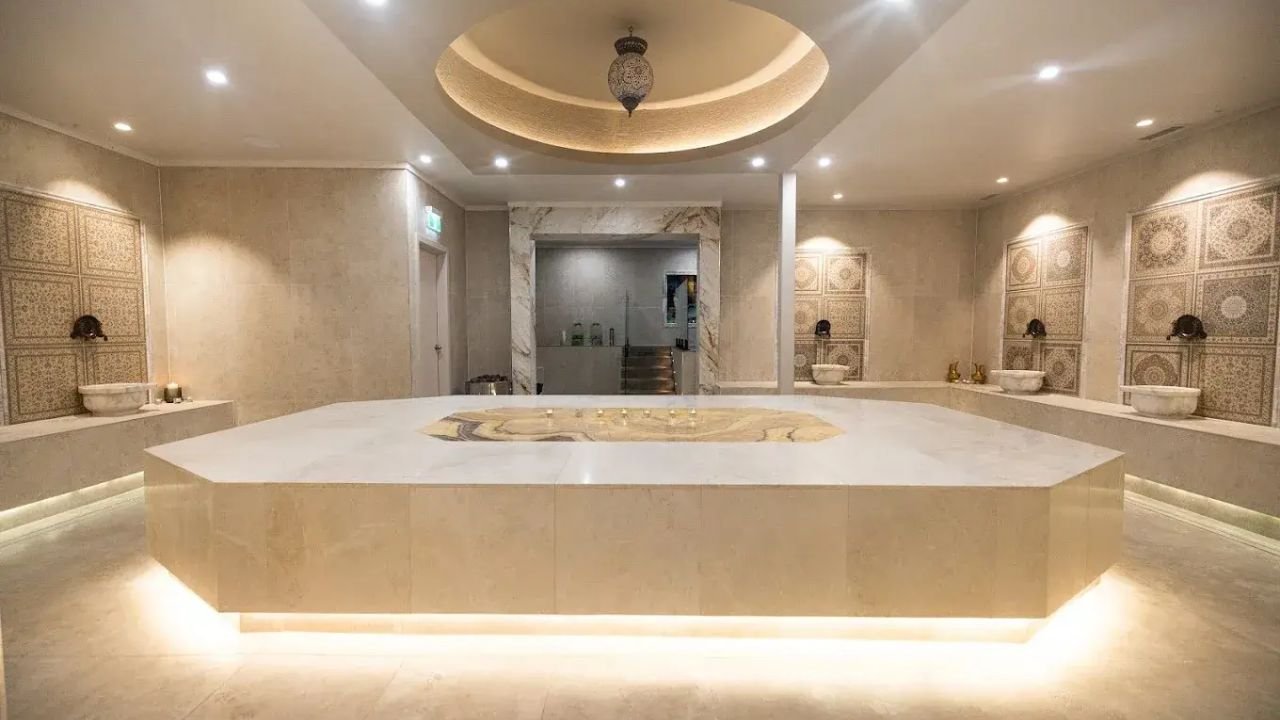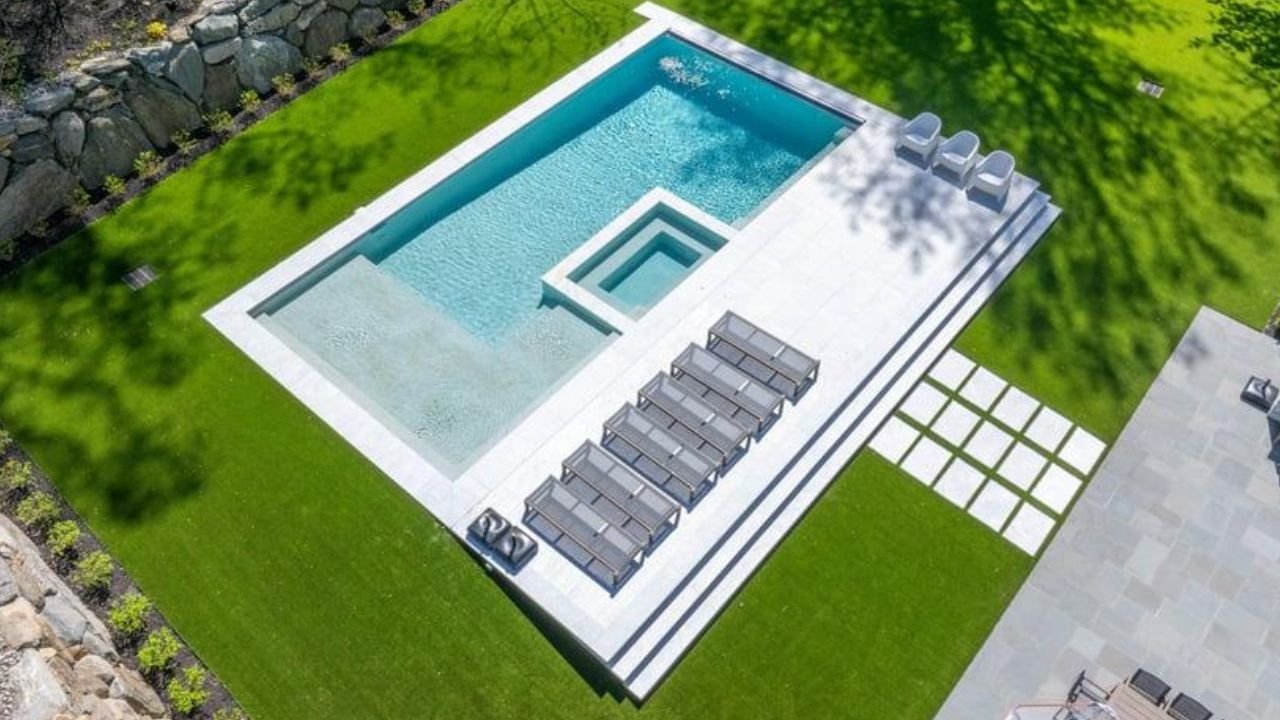


Cement Tile vs Porcelain Tile is one of the most discussed topics that often takes space among those looking for tiles. Both the cement tiles and porcelain tiles are some of the most preferred tile options for patios and other hardscaping projects. Though both of them offer somewhat similar features, some distinct differences make them polar different from each other. In this post, we will talk about the difference between cement tile vs porcelain tile so you can make an informed decision.
Key Takeaways:
- Both cement and porcelain tiles feature different strengths, aesthetics, and use cases.
- Cement tiles are handcrafted and feature an organic look, while porcelain tiles offer precision and durability.
- Each material responds differently to water, wear, and temperature.
- Understanding your project’s requirements, indoor vs outdoor, traffic levels, and moisture exposure, helps guide the right choice.
- Installation and maintenance differ significantly between the two.
Cement Tile vs Porcelain Tile: Side-by-Side Comparison
Here’s a detailed explanation of Cement Tile vs Porcelain Tile across essential categories:
| Feature | Cement Tile | Porcelain Tile |
| Material Composition | Cement, sand, pigments | Fine clay, minerals |
| Manufacturing Process | Hand-poured, hydraulic-pressed | Kiln-fired at high temperatures |
| Appearance | Handcrafted, matte, organic variation | Consistent, polished, or matte |
| Porosity | High (needs sealing) | Low (naturally water-resistant) |
| Durability | Moderate (subject to wear) | High (scratch- and impact-resistant) |
| Maintenance | Needs regular sealing and gentle care | Low maintenance, easy to clean |
| Installation Complexity | Requires expert handling | More forgiving, easier installation |
| Design Range | Artistic patterns, muted colors | Wide variety, including cement-look |
| Suitable for Outdoors? | No (unless properly sealed & covered) | Yes (weather-resistant) |
| Cost | Higher upfront and upkeep | Varies, often lower long-term cost |
What Is Cement Tile?
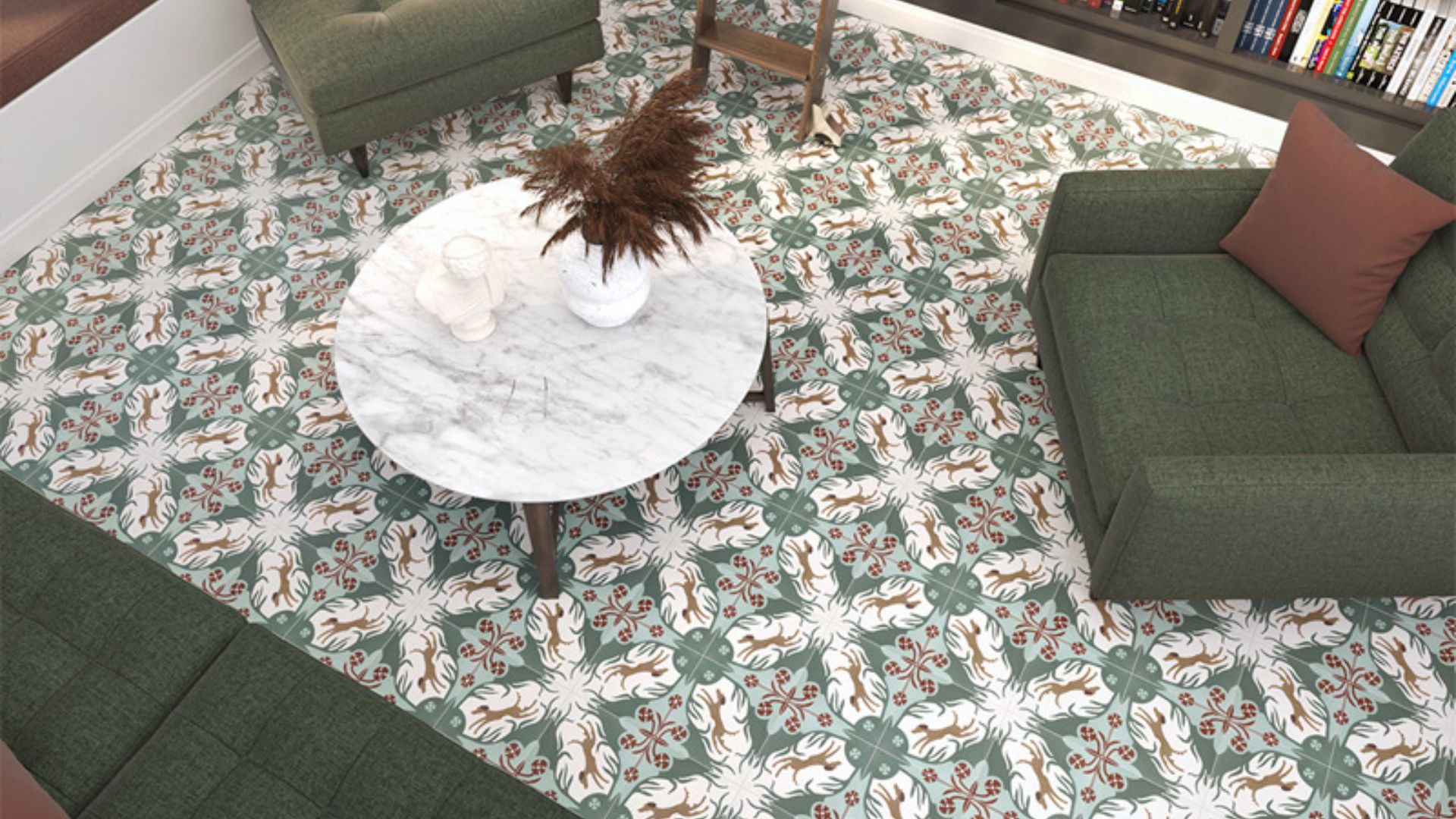
Cement tile is crafted by hand. They are created with a mix of sand, cement, and mineral-based pigments. Each tile is poured into a mold, then compressed and cured, not fired. This gives it a matte surface, slight texture variation, and a natural finish.
The most distinct part of the cement tile is its unique beauty. Every tile made of cement is different from the other. The look and feel of this tile is raw and artistic. This is ideal for vintage or Mediterranean-inspired designs.
However, the downside of these tiles is the porous surface. Without sealing, they can absorb water and stains. This makes them better suited to low-traffic indoor spaces unless maintained regularly.
What Is Porcelain Tile?
Porcelain tile is a synthetic material, but it is not a cheaper man-made material. It is made from fine clay and minerals. This ceramic tile is fired at high temperatures, which creates a dense, hard surface that resists moisture and scratches. It’s a popular choice for commercial and residential spaces alike.
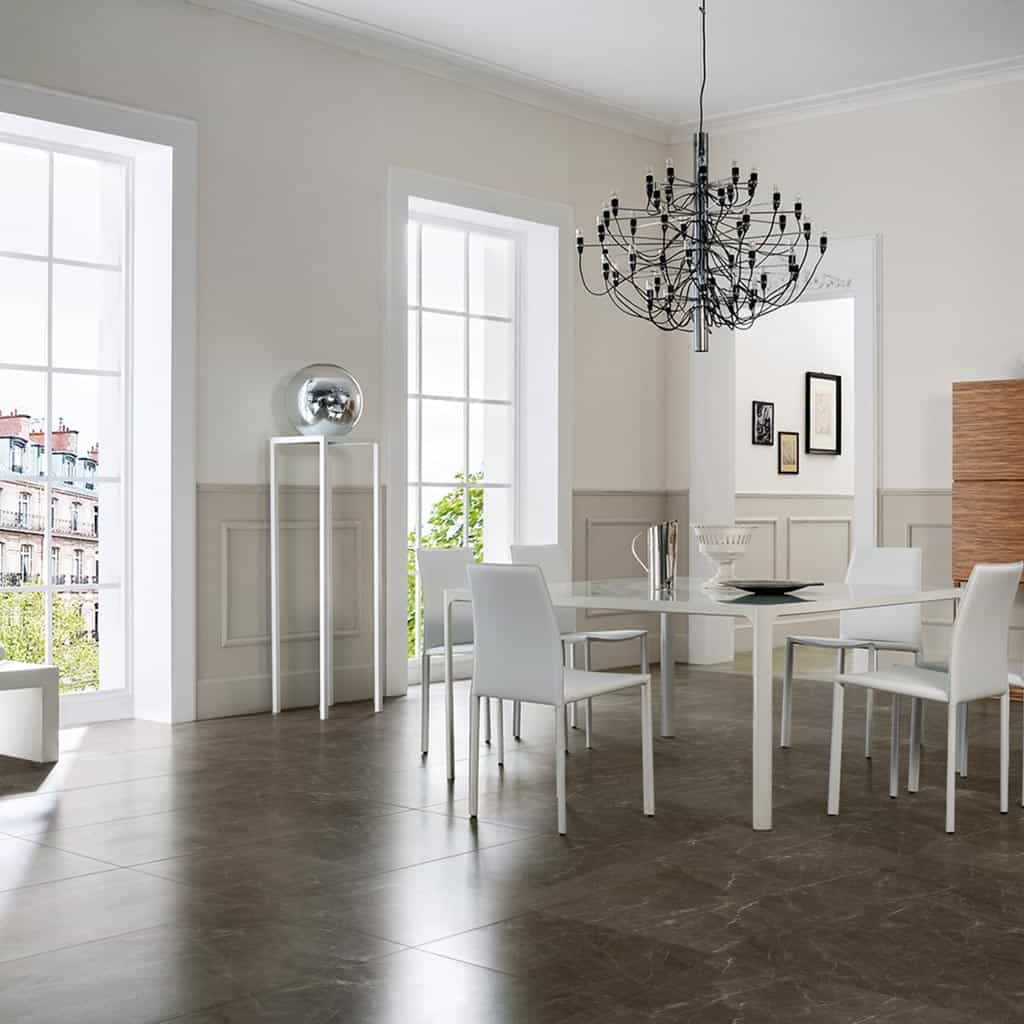
Porcelain comes in many styles, including ones that mimic the looks of cement tiles and natural stone tiles. It’s mass-produced but precisely controlled, with near-zero water absorption.
The difference? It’s engineered for performance. Porcelain tiles work indoors and outdoors, on floors and walls, and in wet and dry areas.
Difference Between Cement Tile vs Porcelain Tile Explained
Here is a detailed explanation about these differences.
Performance and Longevity Between Cement Tile vs Porcelain Tile
Porcelain tile outperforms cement tiles as they are resilient. They are built to last under heavy foot traffic. This makes them a great choice for public spaces, busy homes, and patios. Though cement tiles are durable but they are comparatively softer and prone to etching or fading if exposed to acid-based cleaners or harsh cleaning. Proper care and maintenance are essential to preserve their finish. Understanding how to clean bathroom tiles safely with non-abrasive methods is especially important when working with cement tiles. Using improper cleaning products can damage the surface over time and affect its finish and durability. If the project requires longevity and low maintenance, then porcelain performs better, require more maintenance
Design Flexibility in Cement Tile vs Porcelain Tile
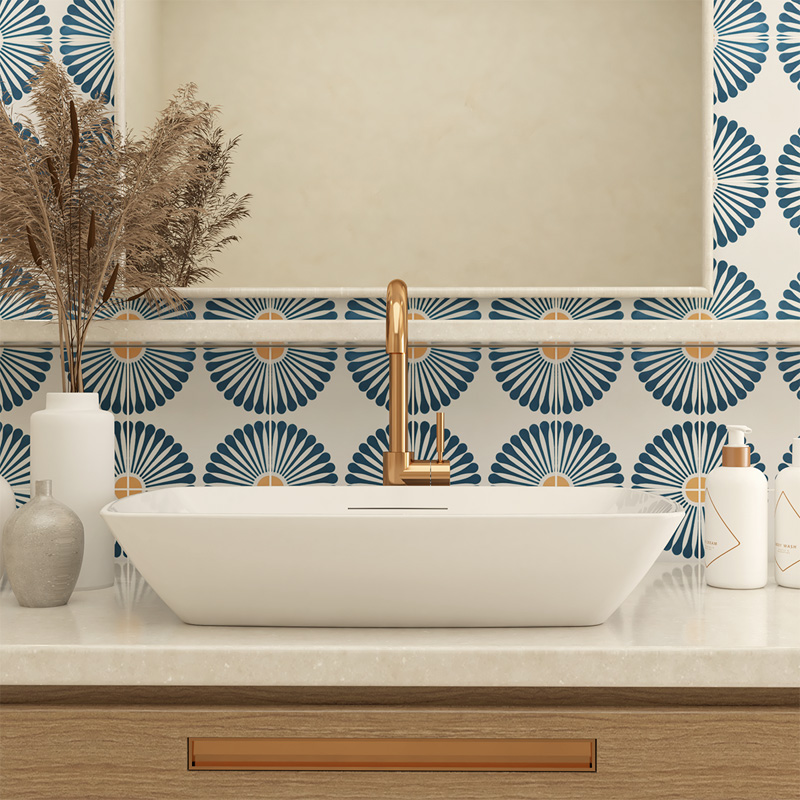
If you prefer aesthetics and a matte finish, then cement tiles offer handcrafted character with various colors and patterns. They are a perfect choice for feature walls, feature walls, fireplace surrounds, or artisanal kitchen backsplashes. Homeowners and interior designers looking for a warm and unique look usually gravitate toward the encaustic cement tiles, color depth, and slight imperfections.
On the other hand, the porcelain tile manufacturers offer a wide range of colors, textures, and finishes, including matte and glazed finishes. Many of them even offer marble and cement-look porcelain tiles, which replicate the same muted tones and patterns like concrete with better resilience. Porcelain bathroom tiles in large sizes offer minimal grout lines, which gives the space a unified look. So if you love the look of cement but need the performance of porcelain, there’s a middle path.
Installation Differences Between Cement Tile vs Porcelain Tile
Cement tiles are not a good choice for DIYers. They are thicker and more fragile during installation. The installation of cement tile requires only a professional who has carefully installed cement tiles before. It requires care, a leveled surface, and proper sealing before and after grouting. If mishandled, corners can chip or break. They also require longer setting times.
Even though porcelain tiles are also thicker than most tiles and more uniform but they are easier for most installers to work with. They cut cleanly, lay flat, and don’t need sealing. For time-sensitive or budget-driven projects, porcelain simplifies the process.
Water and Heat Resistance in Cement Tile vs Porcelain Tile
In bathrooms, kitchens, and outdoor areas, water resistance matters. Porcelain, with less than 0.5% water absorption, is almost a non-porous tile. It can handle moisture without issues. It won’t warp, stain, or harbor mold. This makes it a water damage-proof option for kitchens and bathrooms.
Cement, by contrast, can soak up water if not sealed properly. In freeze-thaw climates, outdoor use is risky. Indoors, any spills must be cleaned quickly, and resealing is a must every 1–2 years.
Heat resistance is strong for both materials. However, porcelain holds an edge in direct sun exposure with its high thermal mass, it doesn’t fade or discolor easily.
Cement Tile vs Porcelain Tile Cost Considerations
Cement tile is often more expensive upfront due to its handmade nature and installation complexity. Factor in sealing, resealing, and careful cleaning, and lifetime costs can rise.
Porcelain tile offers better value over time. While some high-end styles rival cement in price, you save on maintenance and repairs. For larger projects, it’s often the more economical choice.
Use Cases For Cement And Porcelain Tile
Cement tile is a good choice for:
- You’re designing a space where aesthetics are preferred.
- You love handcrafted finishes.
- You’re working indoors, in low-moisture environments.
- You can maintain the cement tile regularly.
Porcelain tile is a good choice for:
- You want long-term durability and versatility.
- You need low-maintenance surfaces.
- Your space gets wet, or there is high traffic.
- You’re on a tight schedule or budget.

Final Thoughts On Cement Vs Porcelain Tile
Cement tile vs porcelain tile is not just about which one is better, but it is about finding the most perfect tile for your project. Cement tile brings artistry and charm. Porcelain tile delivers performance and practicality. Both porcelain and cement tiles are great on their own. But knowing what type of tile is suitable for your space matters a lot. If you are considering incorporating decorative tiles, then cement encaustic tile offers an earthy and genuine look. But porcelain tiles with a similar look are another good choice with added durability.
As a tile expert working closely with both materials, we often recommend porcelain for high-use, outdoor, or commercial settings. For accent walls, powder rooms, or unique indoor spaces, cement tiles bring warmth that mass production can’t replicate.
At NT Pavers, we’ve guided countless homeowners and professionals through these exact decisions. The key is clarity, knowing what you expect from your space in five, ten, or twenty years.