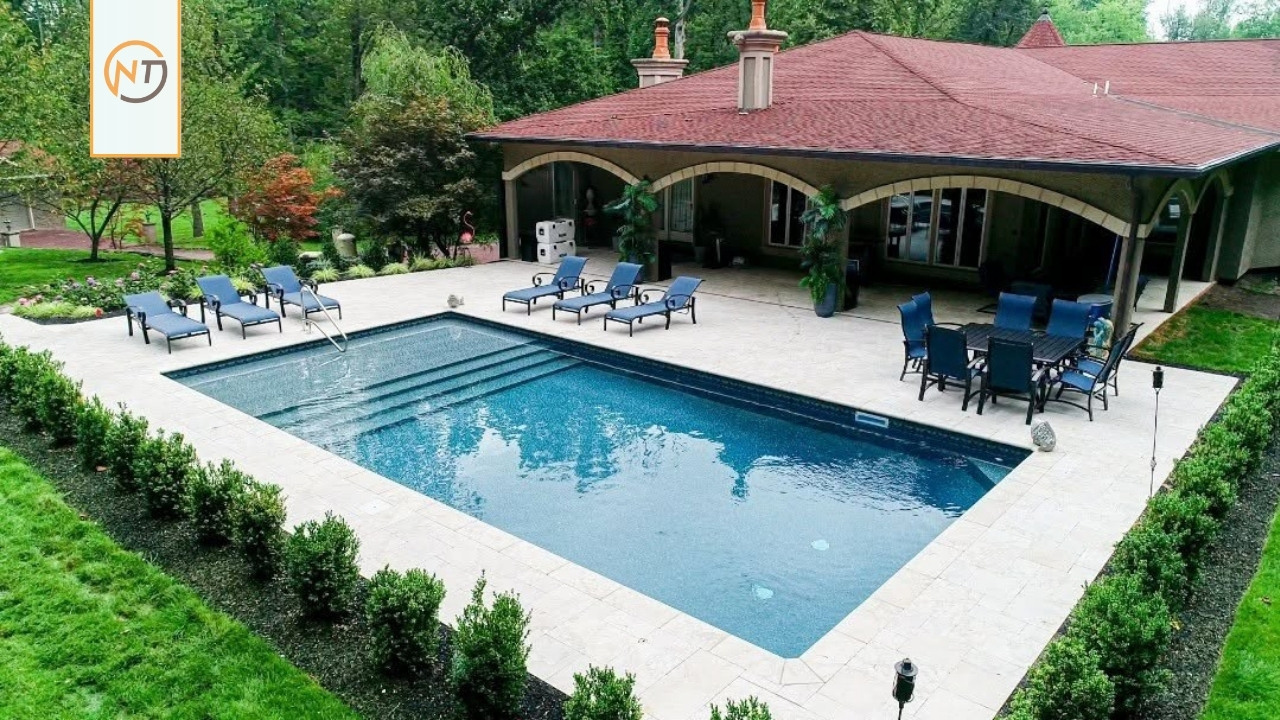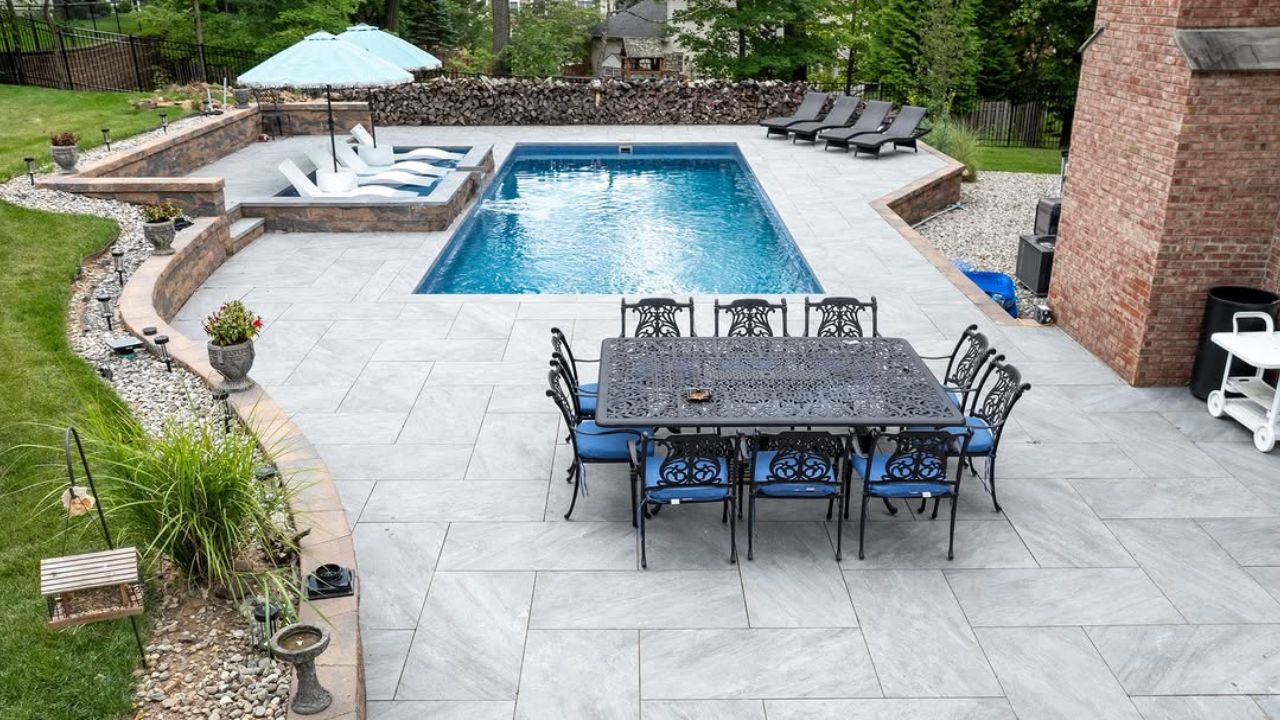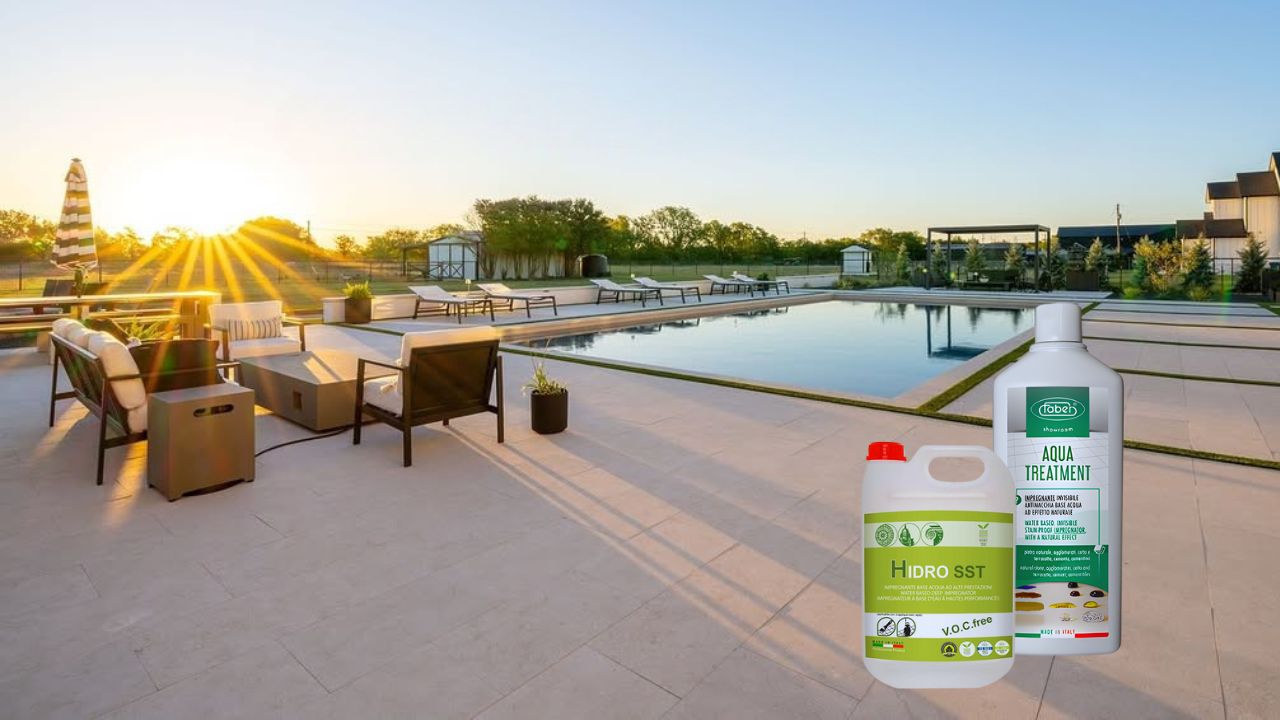
Cold weather is a tough challenge when it comes to hardscaling. It puts too much pressure on the outdoor surface. From dropping temperature to water entering the pore, the outdoor surface has to deal with them a lot. The freeze-thaw cycle is even worse when trapped moisture expands and weakens the paving material. Often, an outdoor surface cracks or damages not because of poor installation but the bad choice of paving material.
Not every paver type can handle the colder climate and offer sufficient performance. This is why choosing the right pavers for an older climate matters a lot. Here is the guide about selecting the right pavers for cold climates. They will reduce repairs, improve safety, and protect long-term value.
What To Consider When Choosing Pavers for Cold Climates
While one can find a massive number of materials, it is crucial to understand the technical specification that determines the winter performance.
Water Absorption Rate
Paver patio for cold climates should have a low absorption rate here. Low absorption reduces the water damage, so choose a material with an absorption rate below 0.5 percent. They perform best in cold climates. Porosity matters more than thickness.
Low water absorption is critical for pavers in cold climates. While porcelain pavers typically have absorption below 0.5% by industry standards, ASTM C97 testing for limestone shows moderate absorption, which increases freeze–thaw risk if not properly selected or installed. See ASTM C97 Absorption & Density Test Report PDF.
Density and Strength
Higher density often resists the internal cracking. High compressive strength increases durability under frost pressure and foot traffic. Strength ensures long life more than appearance.
High-density pavers perform better under frost pressure. While porcelain and granite are known for high compressive strength, ASTM C170 testing shows limestone provides moderate strength, suitable for light-use areas but requiring caution in harsh winter conditions. See ASTM C170 Compressive Strength Test Report PDF.
Surface Texture and Slip Resistance
Textured or matte finishes add traction when wet or icy. Smooth finish of Textured or matte finishes provides traction when wet or icy. Smooth finishes of pavers for cold climates result in a safety hazard with a slippery surface. Surface choice affects daily use.
Slip resistance is essential for winter safety. Textured outdoor pavers are generally recommended, and ANSI A326.3 testing of limestone surfaces shows acceptable traction in dry conditions, with reduced performance when wet or icy. See ANSI A326.3 Slip Resistance Test Report PDF.
Installation Compatibility
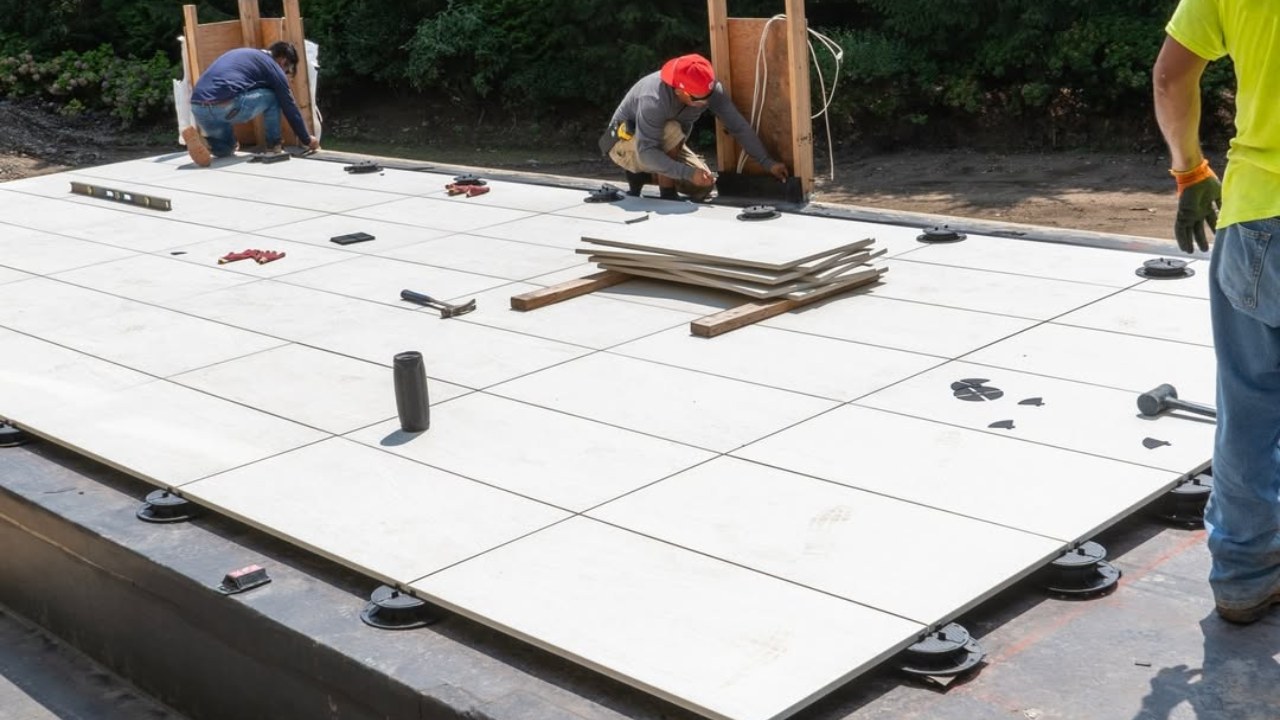
Cold climates require stable installation systems. Some materials perform better with pedestal systems. Others require deep base preparation. Material and installation must align.
Best Pavers for Cold Climates (Material Comparison)
Cold climate requires materials that are rugged and durable. Here are the best pavers for cold climates that perform well and offer longevity.
| Paver Material | Cold-Climate Performance | Water Absorption | Freeze-Thaw Resistance | Key Advantages | Typical Use Cases |
| Porcelain Pavers | Excellent (Top Performer) | Below 0.5% | Very high | Dense, non-porous structure; resists cracking; stable color; slip-resistant outdoor finishes; unaffected by deicing salts; no sealing required. | Patios, walkways, pool decks, rooftops, terraces, high-traffic outdoor areas |
| Concrete Pavers (High-Quality) | Good (Quality-dependent) | Low to moderate (varies by manufacturer) | High when properly manufactured | Wide range of shapes and colors; strong structural performance; widely available; cost-effective compared to porcelain | Driveways, patios, walkways, courtyards |
| Granite (Natural Stone) | Excellent | Very low | Very high | Extremely dense; high compressive strength; long lifespan; minimal surface wear | Premium patios, steps, plazas, heavy-use areas |
| Bluestone (Select Varieties) | Good to excellent (varies by quarry) | Low (if dense) | High (when frost-rated) | Natural texture; good slip resistance; classic appearance | Patios, walkways, and landscape features |
| Dense Quartzite | Good to excellent | Low | High | Strong natural stone; good resistance to weathering; attractive veining | Patios, accent areas, outdoor living spaces |
| Limestone | Fair to poor (use caution) | Moderate to high | Low to moderate | Soft, natural appearance; easy to cut | Mild climates only; sheltered areas |
| Sandstone | Poor (use caution) | High | Low | Warm tones; textured surface | Not recommended for cold climates |
| Travertine | Poor (use caution) | High | Low | Elegant appearance; popular in warm regions | Warm, dry climates only |
- If your goal is maximum durability with minimum maintenance, then porcelain pavers are the most suited for cold weather conditions. However, the upfront cost may seem higher, but comparing the performance, low upkeep, and longevity, it shouldn’t be an issue.
- If you prefer a balance between cost and performance, then high-quality concrete pavers are a good choice. Just make sure they meet the right ASTM standards.
- If you like natural stone pavers, then always verify quarry origin, density, and frost resistance. Do not assume all stone performs equally.
- Always avoid selecting the pavers for cold climates with high-absorption materials if your region experiences frequent freeze-thaw cycles.

Worst Pavers for Cold Climates (Materials to Avoid)
Some materials may look aesthetically pleasing, but are not a good choice for a colder climate. Here are the materials that the homeowners should avoid using for colder regions.
| Pavers | Winter Performance | Water Absorption | Freeze-Thaw Resistance | Primary Failure Risk | Why It Fails in Cold Climates |
| Clay Brick Pavers | Poor | High | Low | Cracking, surface spalling, salt damage | Absorbs moisture; trapped water expands during freeze-thaw cycles; deicing salts accelerate deterioration |
| Thin Decorative Stone (Veneer) | Poor | Varies (often moderate) | Low | Breakage, delamination | Insufficient thickness to withstand frost pressure; not designed for structural or load-bearing use |
Visual appeal for outdoor pavers matters, but it shouldn’t be the core focus. It doesn’t mean that the pavers will be stable for the climate or colder regions. Clay brick and thin decorative stone often fail due to their higher absorption surface.
In cold regions, materials must resist moisture intrusion and freeze pressure. Homeowners should prefer density, thickness, and frost resistance over appearance alone.
How Cold Climates Affect Outdoor Pavers?
Cold climates affect the outdoor pavers in various predictable ways. Knowing them can help you prevent costly mistakes.
Freeze-Thaw Cycles Cause Structural Damage
The water will seep into the pores of the paver surface. When temperatures drop below freezing, the water expands. Repeated cycles result in internal pressure that causes cracks, surface flaking, or complete failure. This is why high water absorption in the material is a bad choice.
Pavers used in cold climates must withstand repeated freeze–thaw cycles. ASTM C666 freeze–thaw testing confirms that limestone durability varies by density and quarry source, making it less predictable than non-porous materials like porcelain. See ASTM-C666 Freeze-Thaw Test Report PDF.
Deicing Salts Accelerate Wear
Snow removal usually includes salts or chemical deicers. These substances penetrate porous surfaces and weaken the bonds inside the material. Over time, scaling and surface erosion appear. Not all pavers tolerate deicing chemicals equally.
Ice Creates Slip Risks
Winter conditions demand surfaces that maintain grip. Smooth or polished finishes increase fall risk when ice forms. Slip resistance becomes a safety requirement, not a preference.
Note: “ASTM and ANSI test reports referenced in this guide apply specifically to limestone samples. Performance of other paver materials is based on industry standards and manufacturer specifications.“
What Are The Installation Considerations for Cold-Climate Pavers
Even the best paver for cold climates will fail to perform if it is not installed properly for colder regions or climates. You also know how to install pavers.; base depth, drainage, and movement allowance matter as much as material selection. A well-prepared foundation protects against frost heave, surface damage, and costly repairs after winter.
| Installation Factor | Why It Matters in Cold Climates | Best Practice |
| Base Depth & Preparation | Prevents frost heave caused by freezing ground moisture | Install a deeper, well-compacted crushed stone base to support the load and allow drainage |
| Compacted Gravel Base | Improves drainage and reduces trapped moisture beneath pavers | Use angular crushed stone compacted in layers for structural stability |
| Drainage & Slope | Standing water freezes and expands beneath or on paver surfaces | Create a proper slope to direct water away from paved areas and foundations |
| Expansion & Joint Spacing | Allows movement during temperature changes | Use appropriate joint widths and flexible joint materials |
| Edge Restraints | Keeps pavers locked in place during freeze-thaw movement | Install durable edge restraints designed for cold climates |
| Installation Method Compatibility | Not all materials suit every installation system | Match paver type with mortar, gravel, or pedestal systems |
FAQs About Pavers For Cold Climates
Let’s answer your questions about cold-region pavers for more information.
What are the best pavers for freeze-thaw cycles?
Porcelain pavers stand the test of time. They offer the best performance due to their low water absorption and dense structure. High-quality concrete and some natural stones like Granite also withstand freeze-thaw cycles.
Do porcelain pavers crack in cold weather?
No. Porcelain pavers resist cracking in cold climates because they absorb minimal water.
Are concrete pavers suitable for snowy climates?
Yes. Concrete pavers work in snowy climates when manufactured with low absorption and installed over a proper base. Poor-quality concrete pavers fail to sustain in cold regions.
What pavers resist salt damage?
Porcelain pavers resist deicing salts better than concrete or brick. Natural performance may resist, but it depends on the type of stone.
Should pavers be sealed in cold climates?
Concrete and some natural stones benefit from sealing to reduce water absorption. Porcelain pavers do not require sealing.
Can pavers be installed over existing concrete in cold areas?
Yes. Porcelain pavers can be installed over concrete using a pedestal system or mortar if drainage or slope remains correct.
Bottom Line
Living in cold climates or regions where the cold season lasts longer doesn’t restrict homeowners from creating a beautiful outdoors. However, choosing pavers for outdoor climates matters here. Materials like porcelain pavers are the all-around choice due to their aesthetic versatility, durability, and strength. Concrete pavers offer a balance between cost and performance. Natural stone pavers‘ performance varies due to the surface variations. You can ask from expert natural supplier for different pavers that will work in colder regions.
Brands like NT Pavers offer an extensive range of pavers along with consultancy, so you can make an informed decision. Choosing the right pavers for cold climates means choosing materials that respect the environment they face.