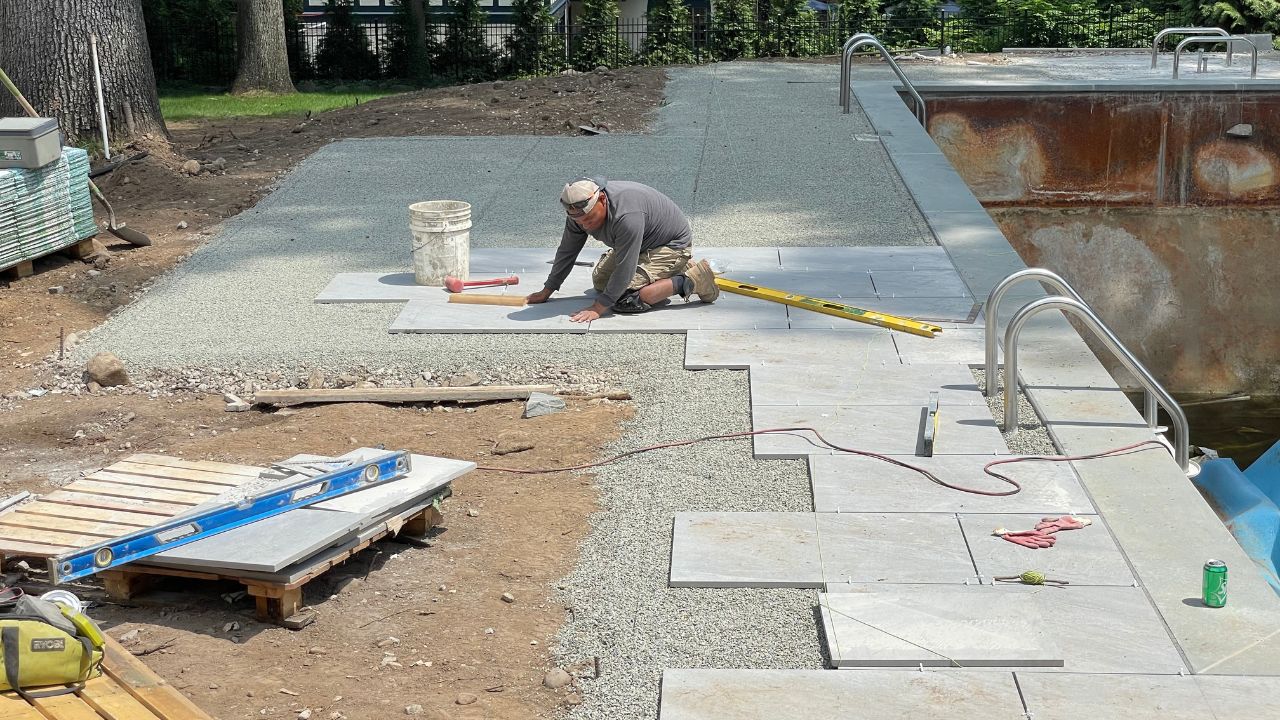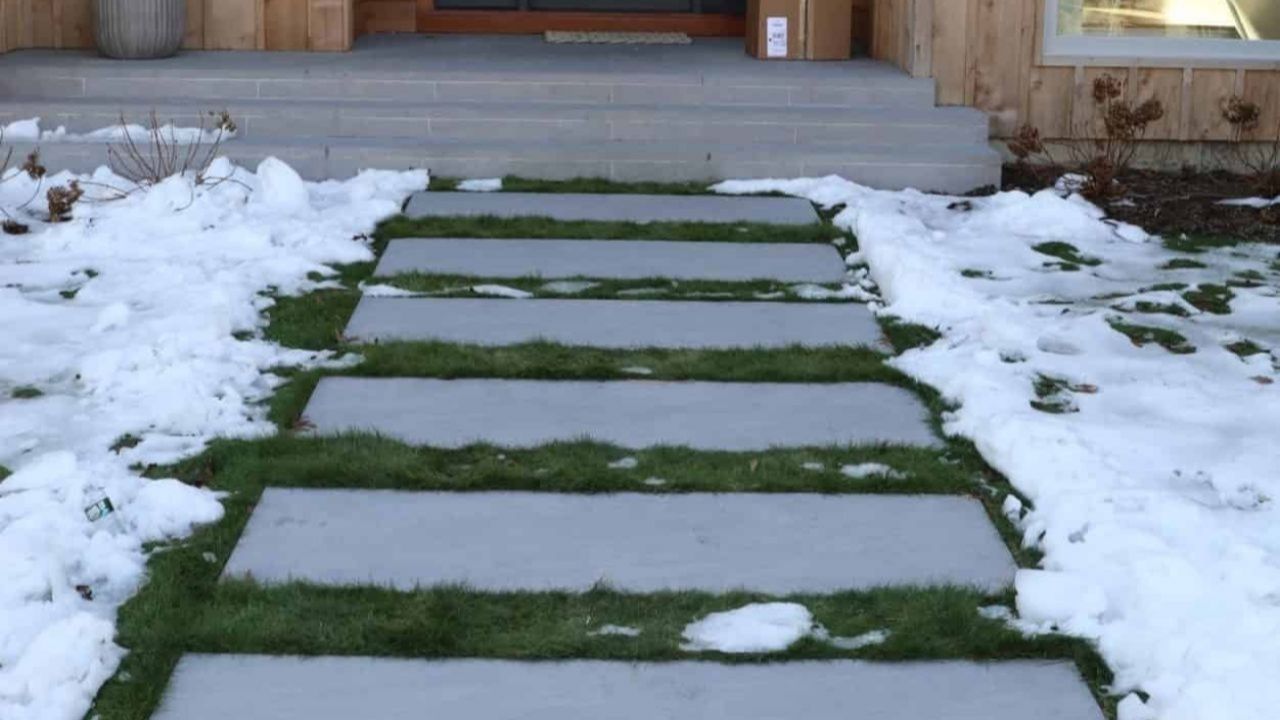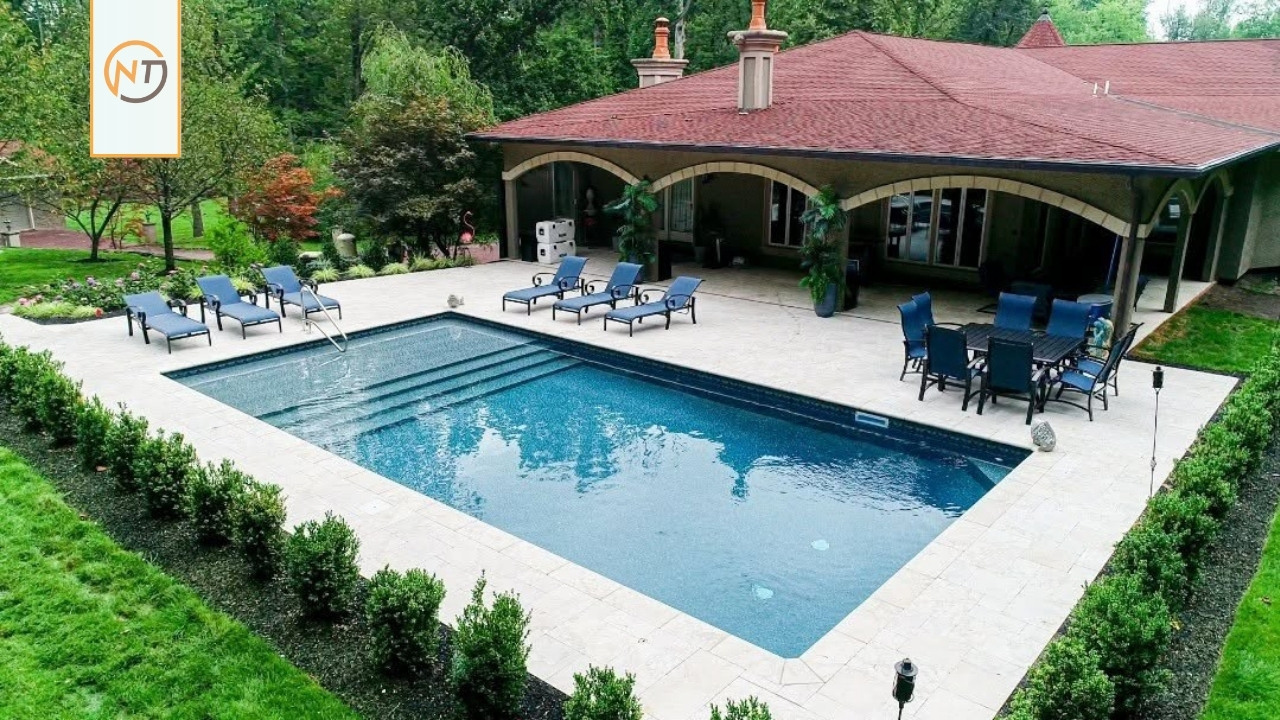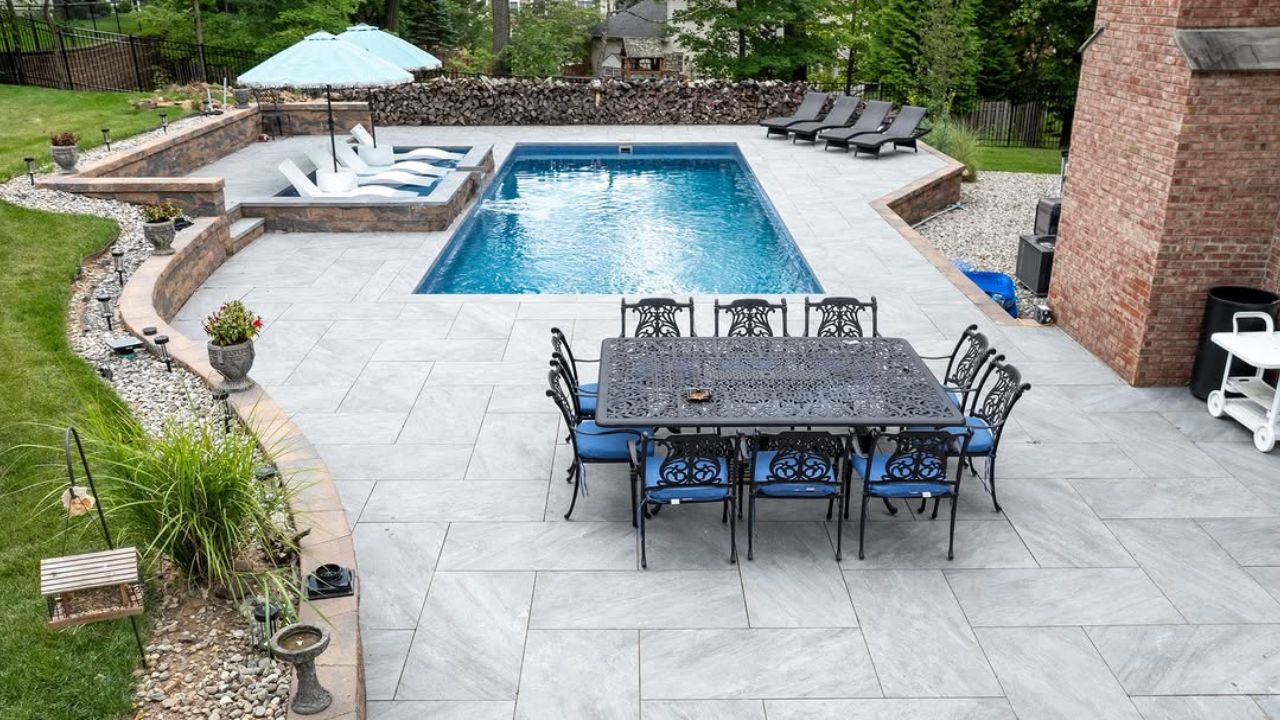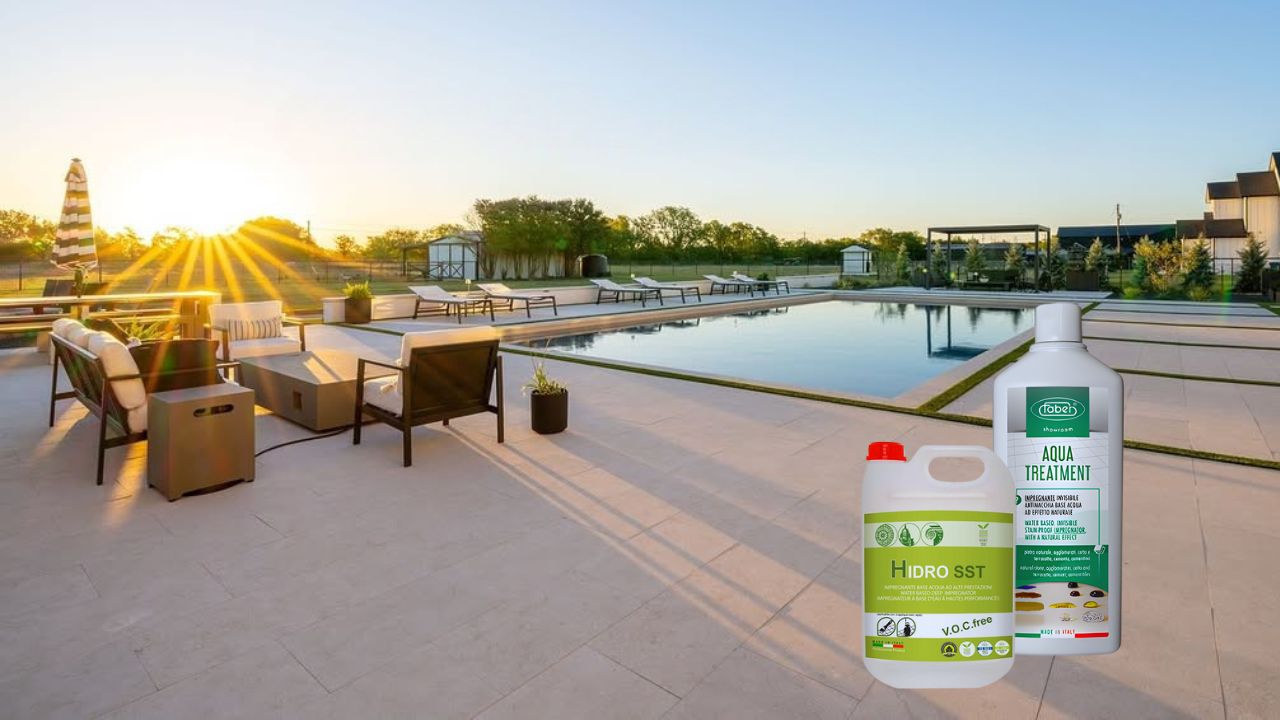
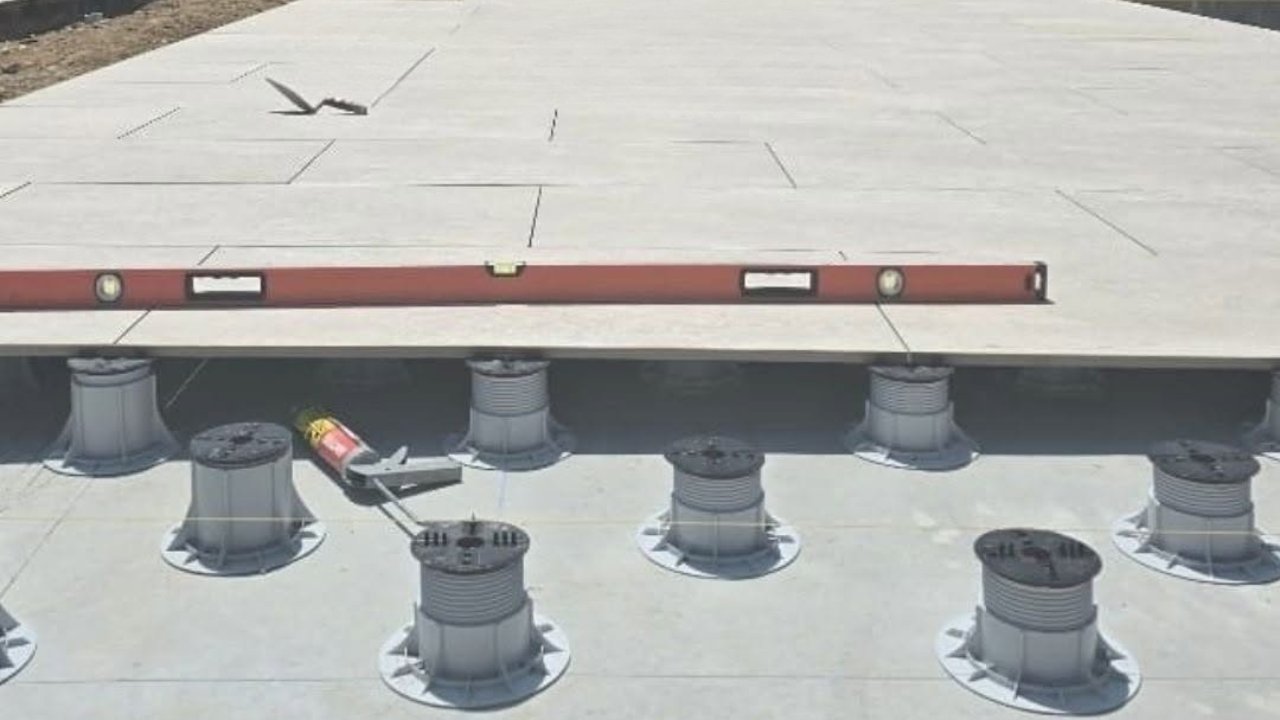
The durability of the outdoor space can be determined by how well it deals with water. It can sit, sweep, or freeze according to the climate. This results in surface cracks, shift, or stain. Homeowners may blame the material, but the reality is the drainage failure. Unlike traditional paver installing methods. Raised pedestal pavers solve this problem efficiently and cleverly. The traditional system places the floor directly on sand, mortar, or concrete. These systems rely on surface slope alone. When the slope doesn’t work properly, water stays on the surface.
On the other hand, a raised pedestal separates the walking surface from the structure underneath. That separation solves drainage at its source. Here is more to know about.
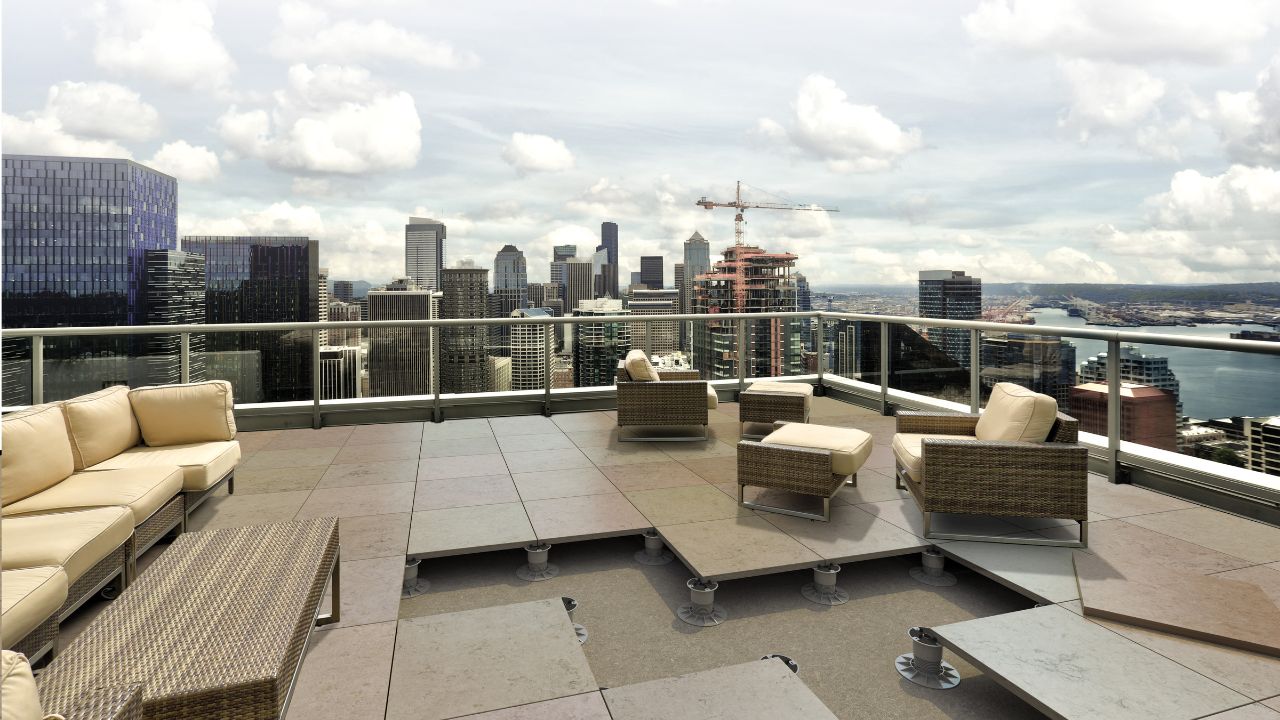
How Raised Pedestal Pavers Solve Drainage Problems
Drainage is dramatically improved because it alters how water flows.
Water Drains Below the Surface, Not Across It
Water goes through the open joints between pavers with the pedestal systems. Gravity pulls water down, not sideways. When the water runs below the surface, it has freedom to go across the waterproof layers or the concrete paving slab toward the drains. This why why pooling will disappear.
Standing Water on Rooftop Decks
Pavers and outdoor tile sit above the surface instead of the substrate. This is surface water that never contacts the structural layer. Water doesn’t contact the surface, so there won’t be saturation.
When there won’t be any saturation, there won’t be any freeze pressure. Drainage works continuously, not just during heavy rain.
Built-In Protection for Waterproofing Layers
Many water-related problems wth water are caused by drainage failure when water sits below the surface. Rooftop decks and balconies depend on waterproof membranes. Mortar beds place constant pressure and moisture against those membranes. Pedestal paver systems float above them. Water flows over the membrane. Pavers never touch it.
This reduces the risks of leakage. Because installers can access the membrane later, small issues are easy to fix later. Having easy access to the problem prevents hidden failure.
Efficient Drainage Performance in Heavy Rains
This is especially beneficial for people living in a rainy climate. The outdoor surface should be able to handle volume, not just light runoff. An open joint design can manage water volume effectively. Raised pedestal pavers allow water to pass through the surface at multiple points. Water flows evenly, and a large amount of water drains faster.
This results in reduced flooding throughout the season. As water drops immediately below the surface, you won’t find any flash pooling. Outdoor spaces stay stable once the storms are finished.
Cold Climate Drainage Advantages
Drainage problems can get worse in winter climates. Freeze-thaw damage begins with trapped water. When water seeps inside, it freezes during the winter in the bedding layers, and expansion breaks the material below. However, the raised pedestal system prevents this. Pair them with materials like porcelain pavers for maximum performance.
They allow efficient air circulation through the opening cavities. This helps escape the moisture. Dry systems survive winter better. This is why raised pavers are well-suited for northern regions and mountain climates. Choosing the best pavers for a cold climate also helps reduce freeze–thaw damage.
Drainage Advantages of Raised Pedestal Systems vs Traditional Pavers
Traditional systems depend on a precise slope. Pedestal systems are flexible with the best type of drainage for pavers.
Level Surface Above a Sloped Base
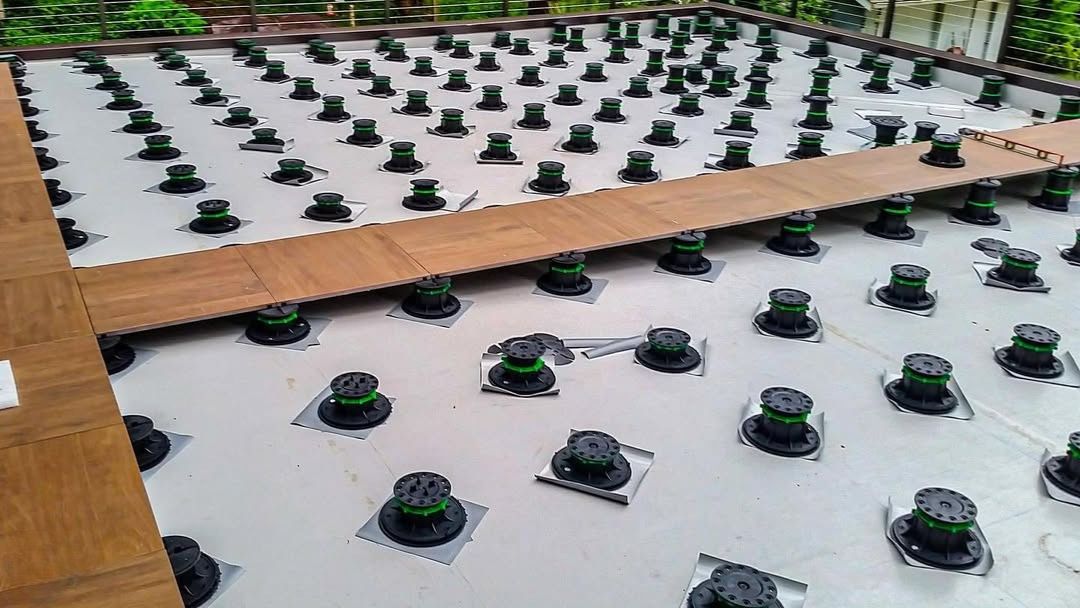
Raised pedestals have adjustable height. Installers match the slope below while maintaining the surface level above. This is how efficient drainage and comfort exist cohesively.
No Guesswork During Installation
Installers don’t have to work on the slope with mortar thickness. Each pedestal sets independently. Consistency improves outcomes.

Where Raised Pedestal Pavers Solve Drainage Best?
Raised pedestal pavers work great in a wide range of application areas. However, there are some areas where they perform better than others.
| Application Area | Drainage Challenge | How Pedestal Pavers Solve It | Key Benefit |
| Rooftop Decks | Sloped roof surfaces cause water pooling beneath finished decks | Pedestals maintain the required roof slope while keeping the surface level and open for water flow | Protects waterproofing and ensures consistent drainage |
| Balconies | Limited space increases the risk of water collecting near doors | Elevated pavers allow water to drain below the surface instead of toward thresholds | Reduces water intrusion and door damage |
| Terraces | Large flat areas slow surface runoff | Open joints and raised structures move water away from the surface quickly | Prevents long-term moisture buildup |
| Pool Surrounds | Standing water increases slip risk and surface wear | Water drops through joints and drains below the walking surface | Improves safety and keeps surfaces dry |
| Commercial Courtyards | Wide surface areas stress traditional drainage systems | Pedestal systems distribute water flow evenly across the substrate | Simplifies maintenance and improves durability |
Raised pedestal pavers work great in areas where slope exists, access matters, and water should move efficiently. These systems turn drainage from a surface problem into a structural advantage. This is why they are gaining popularity in both residential and commercial outdoor spaces.
When Raised Pedestal Systems May Not Solve Drainage Alone?
While the raised pedestal systems perform great, there are some scenarios when this paver system will not perform well.
| Limiting Factor | Why It Matters | What Pedestals Can Do | What Pedestals Cannot Do |
| Poor Drain Placement | Water must have a clear exit point to leave the system | Guide water efficiently across the substrate toward drains | Create new drains or correct poorly located ones |
| Insufficient Number of Drains | Limited drain capacity causes water to back up during heavy rain | Help distribute water flow evenly | Increase drainage capacity without added drains |
| Incorrect Substrate Slope | Drainage relies on gravity to move water | Accommodate existing slope while keeping the surface level | Fix flat or reverse-sloped substrates |
| Compromised Waterproofing | Drainage systems depend on intact membranes | Keep pavers off the membrane and reduce wear | Repair damaged or failing waterproof layers |
| Poor Overall Site Design | Drainage integrates slope, drains, materials, and layout | Improve surface-level water management | Replace proper architectural and engineering planning |
Raised pedestal systems manage water above the substrate but not the structural drainage under the surface. They perform exceptionally well when paired with a proper slope. Opt for a correctly placed French drain to maintain the waterproofing. Pedestal pavers perform great when all of these elements align. However, if they are not, then the drainage problem remains the same regardless of the surface system.
Maintenance Benefits Linked to Drainage
Drainage affects more than performance as it improves the maintenance.
Less Staining and Efflorescence
Water does not accumulate enough to pull salts to the surface. Surfaces stay cleaner.
Easier Repairs
If a drain clogs or a membrane needs inspection, installers lift pavers instead of breaking them. Maintenance becomes practical, not disruptive.
FAQs About Raised Pedestal Pavers
Let’s answer your question about the pedestal paver system.
How do pedestal pavers help with drainage?
Raised pedestal pavers create an elevated surface above the base, which allows water to drain below instead of pooling on top.
Do raised pavers prevent standing water?
Yes. Open joints and elevation allow water to pass through immediately.
Are pedestal pavers good for rooftops?
Yes. They are the perfect choice to secure a waterproof membrane and offer better access to drains.
Do pedestal systems work in heavy rain?
Yes. They can handle heavy water flow by distributing the flow under the surface.
Can pedestal pavers reduce freeze-thaw damage?
Yes. By eliminating trapped moisture, they reduce freeze pressure in cold climates.
Bottom Line
Raised pedestal pavers solve the outdoor drainage problem effortlessly. Unlike traditional paver systems, they handle a large amount of water without affecting the surface. The elevated surface offers better water flow under the surface, eliminating water pooling on the surface. Instead of forcing the water, they accommodate the water.
For homeowners facing outdoor problems like staining, pooling, or repeated repairs, raised pedestal pavers are a perfect solution. Drainage stops being a problem to fight. It becomes a function built into the surface itself. This difference explains why pedestal paver systems are becoming a popular solution for stunning yet practical outdoor spaces.