Pavers are popular for their durability and outdoor performance. When installed correctly, they can last for decades. Paver installation mistakes result in damaged outdoor areas that don’t withstand a single season.
Cracking, shifting, pooling water, and uneven surface often frustrate homeowners. Many believe the problem is the paver, but in most cases, it is the installation mistakes. Outdoor surfaces have to face weather, weight, and heat changes. Installation should accommodate all three factors.
Here are the most common paver installation mistakes that can be avoided easily from the start to create a stable and durable surface.
Mistake 1: Skipping Proper Base Preparation
One of the most common paver installation mistakes is poor base prep. The base has to support everything above it. If it is weak, this will result in even the strong materials failure for outdoors.
Why Paver Base Stay Improper?
Installers try to excavate quickly. Homeowners don’t understand the importance of depth requirements. Not every soil has the same condition, so working matters accordingly.
How to Prevent It?
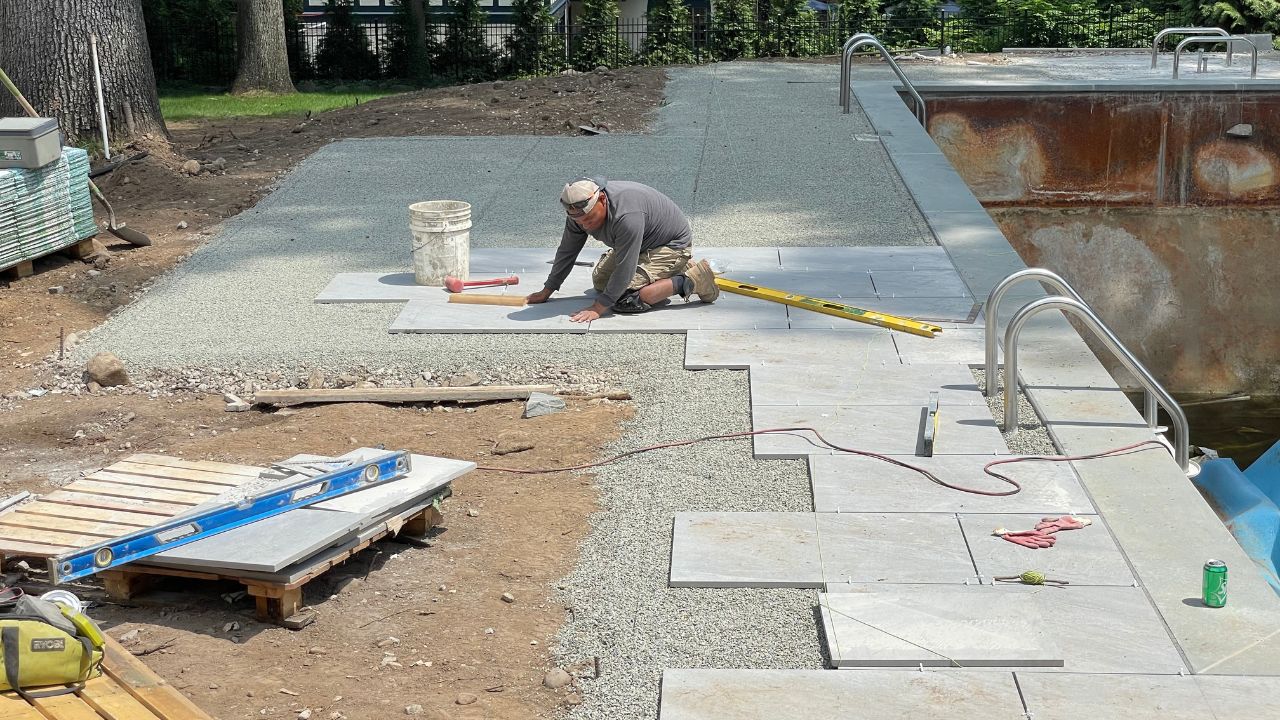
Excavate to the correct depth for your climate and load. Opt for the compacted crushed stone in layers and compact each layer fully. Cold climates require a deeper paver base to prevent frost pressure. Driveways need thicker bases than patios. The base does the work. The pavers finish the surface.

Mistake 2: Ignoring Drainage Planning
Water damages the pavers in the long term. Water causes more serious damage than weight.
Why Drainage Problems Occur?
When installation is more about the appearance, rather than the strength and performance, you will find drainage issues. Not considering proper drainage, especially for a flat appearance.
How to Prevent It?
Before installing pavers, plan for the water movement first. Make sure the slope directs the water away from structures. Avoid low points where water collects.
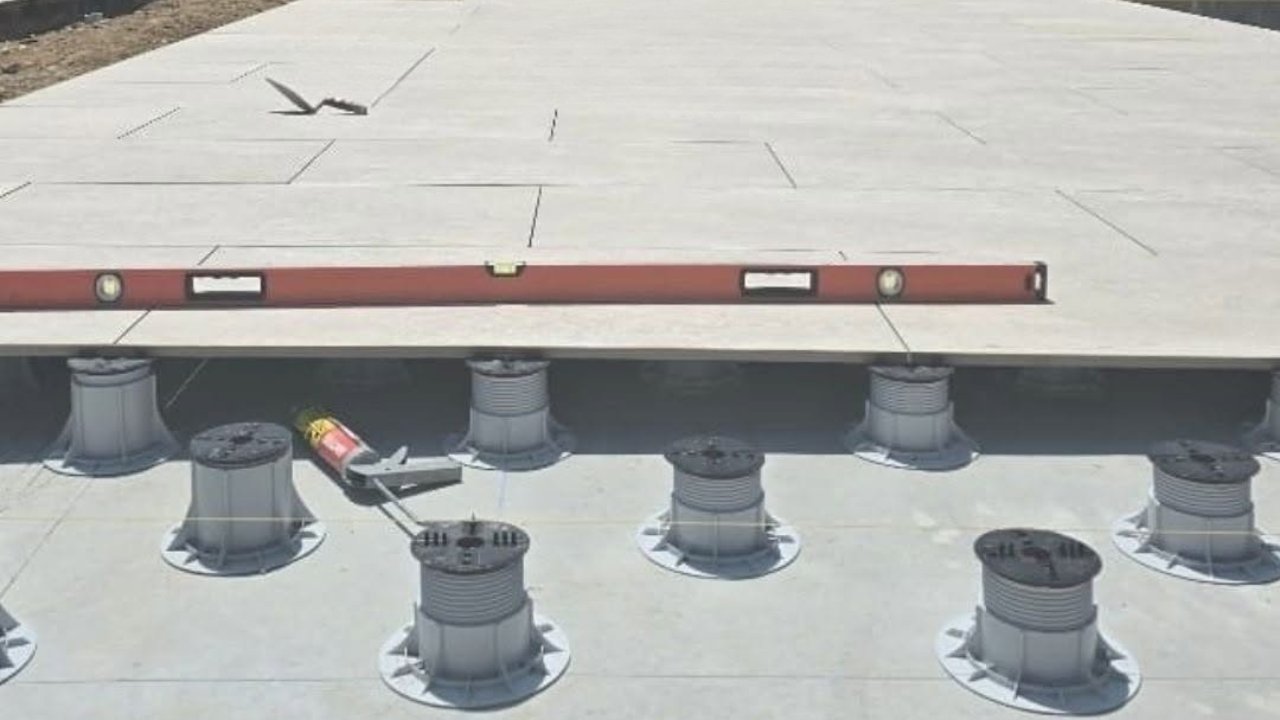
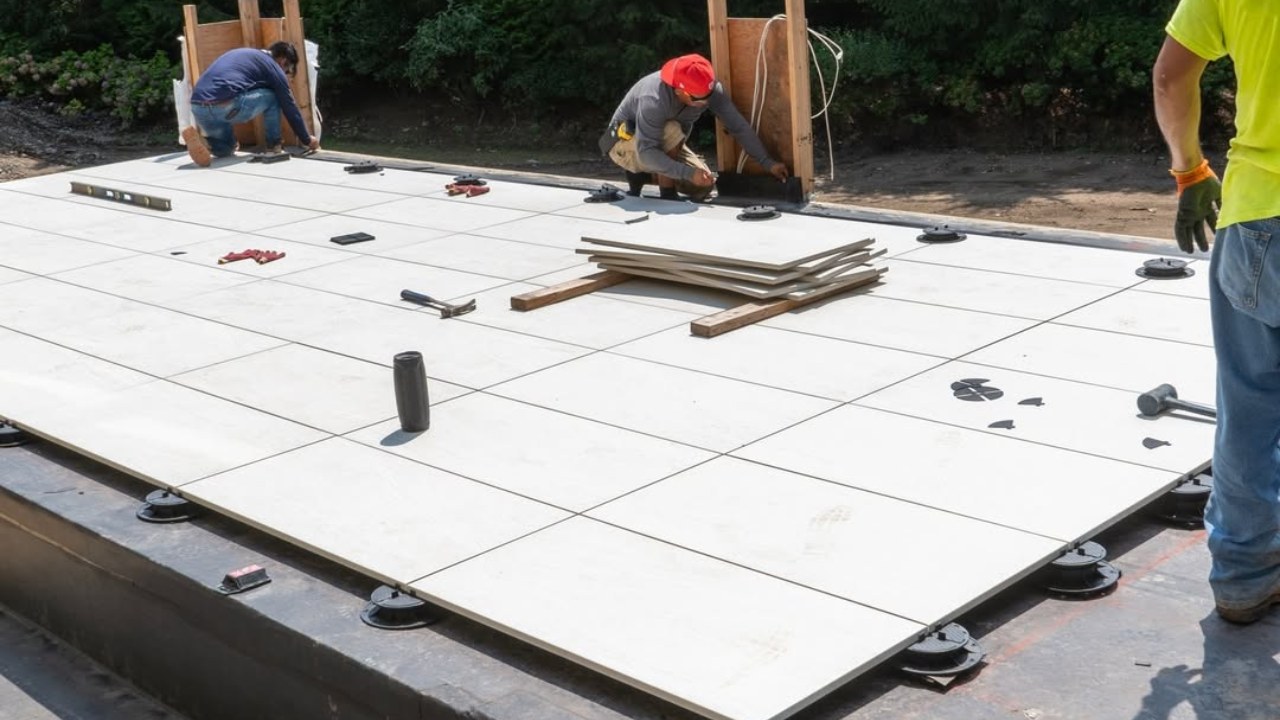
When installing for rooftops, terraces, and problem areas. For rooftops, terraces, and problem areas, consider raised pedestal systems. They are the perfect choice for drainage under the surface instead of over it. The paving drainage system should work even when no one notices it.

Mistake 3: Using the Wrong Paver Material for the Climate
While pavers are used for, not all of the pavers handle weather the same way. This is a common paver installation mistake that can be avoided with proper planning.
Why Paver Issues Arise?
The paver issue arises when homeowners often consider outdoor pavers based on visual appeal. Climate performance is usually ignored.
How to Avoid It?
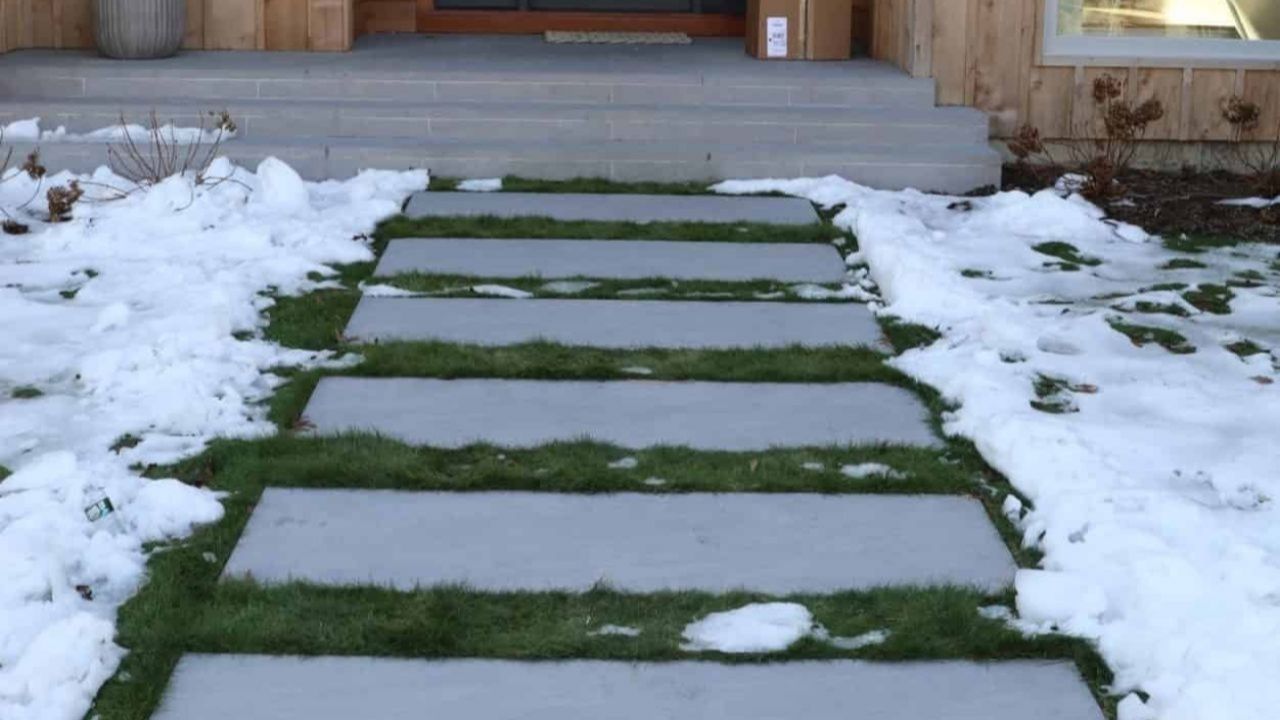
When selecting pavers for outdoors, match the material to the environment. Make sure the material aligns with the climate. In cold climates, choose low-absorption materials like porcelain pavers or dense concrete. Avoid porous stone where freeze-thaw cycles occur. Material selection sets the performance boundary. At NT Pavers, climate suitability remains one of the first questions asked during material selection. Choosing the best pavers for a cold climate also helps reduce freeze–thaw damage.
Mistake 4: Poor Compaction of the Base and Bedding Layer
Compaction matters a lot in the strong paver installation. Loose layers will shift over time. Shifted layers result in uneven surfaces.
Why Poor Compaction Happens
This usually happens due to not doing hand tamping. Mechanical compaction completes the task quickly, but it is hard to keep an eye on the moisture content through this.
How to Avoid It?
Use proper compaction equipment. Compact in thin lifts. Confirm firmness before moving forward. A flat surface requires a firm foundation.
Mistake 5: Incorrect Joint Spacing
Another common paver installation mistake is the incorrect joint space. Pavers move over time. Joints manage that movement.
Why Does Incorrect Joint Spacing Happen?
Sometimes the installers place pavers too tightly. This is because homeowners expect seamless surfaces.
How to Avoid It?
Follow the guidelines from manufacturers for joint spacing guidelines. Use spacers when needed. Fill joints with proper material, such as polymeric sand, where appropriate.

Mistake 6: Rigid Installations That Ignore Expansion
Outdoor materials react according to the outdoor temperature. They contract or expand when the temperature shifts.
Why is Expansion Ignored?
Outdoor installation is different from indoor. However, sometimes the installation may be done according to the interior flooring. They may ignore the movement factor.
How to Avoid It?
Add space for expansion at the edges and transitions. Avoid locking pavers against fixed structures. Floating systems like the pedestal paver system can manage the movement naturally. Rigid thinking creates cracked surfaces.
Mistake 7: Poor Edge Restraints or No Edge Restraints
Edges are also an essential part of a stable paver installation method.
When Poor Edge Restraints Happen?
Edge restraints feel optional. Budget cuts target the components that are not visible yet.
How to Avoid It?
Install durable edge restraints suited to the application. Secure them properly. Edges prevent spreading and sinking over time.
Mistake 8: Improper Slope Near Structures
Water near foundations causes long-term damage.
How Improper Slope Happens?
Installations prioritize level appearance over water control.
How to Avoid Improper Slope?
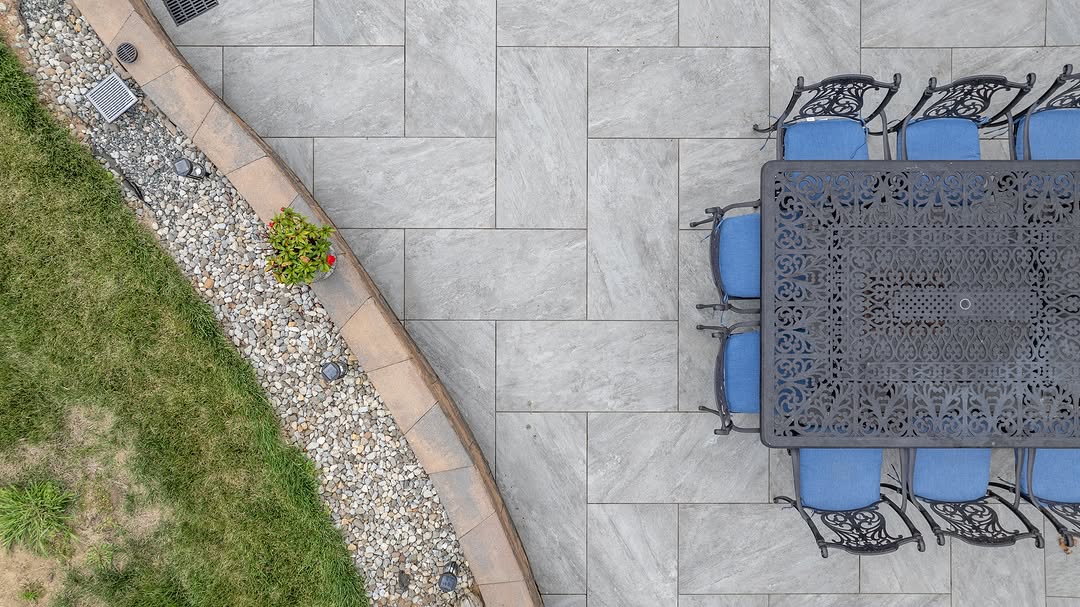
Slope pavers away from buildings. Maintain clearance below siding and thresholds. Protection starts at the perimeter.
Mistake 9: Mixing Incompatible Installation Methods
While a general method remains the same, different pavers require different methods. Not all systems work together.
Why Paver Installation Methods Matter?
Different paving materials get mixed when installers don’t understand their requirements from thickness, depth, to weight.
How to Avoid It?
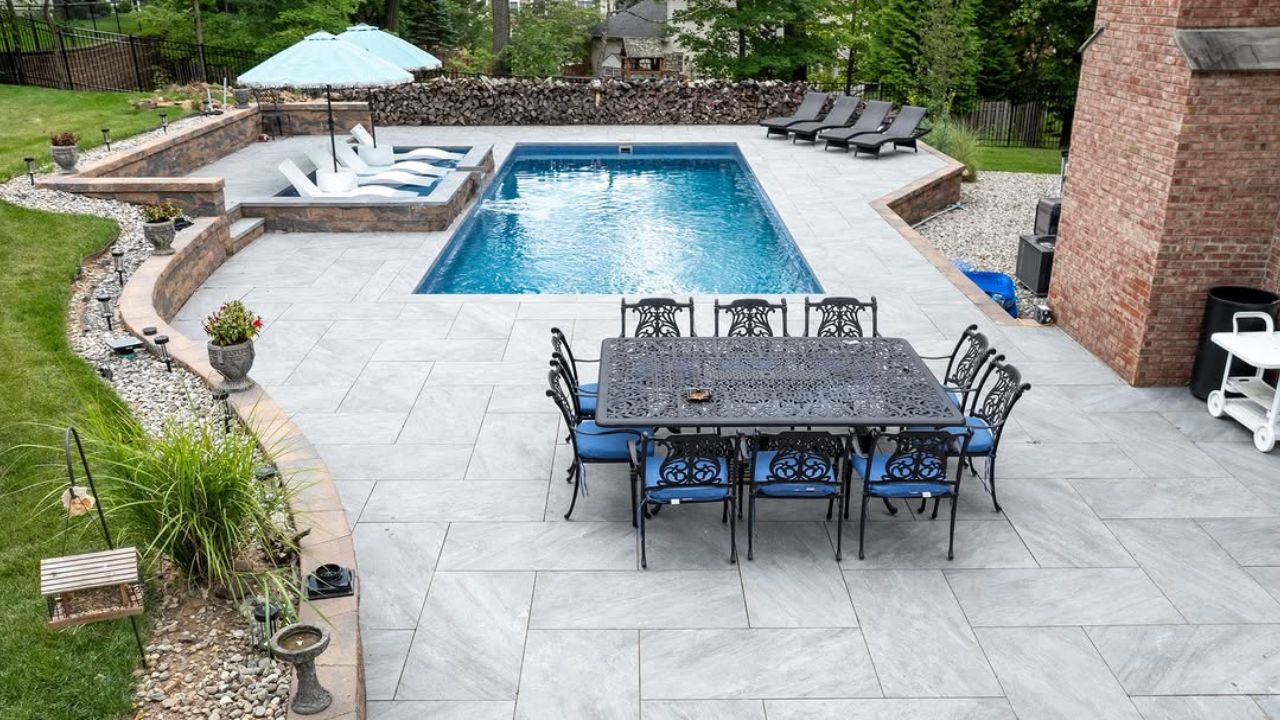
Match installation methods according to the outdoor pavers. Porcelain works well on pedestals and mortar beds. Concrete suits compacted bases. Natural stone requires careful evaluation. Consistency improves performance.
Mistake 10: Skipping Manufacturer Guidelines
Manufacturers provide pavers or tiles once they have tested them for specific uses. The material passes certain environmental or application tests, so you get the best for what you paid for.
Why Does Skipping Manufacturers’ Guidelines Happen?
This is one of the most common paver installation mistakes. Guidelines from manufacturers often feel restrictive, and working accordingly sometimes limits the freedom of installation. Guidelines feel restrictive. Installers trust their instinct and experience more than documentation.
How to Avoid It
Always consider the specifications for thickness, spacing, base depth, and load ratings. Follow published standards. Guidelines exist because failures have already happened.
Mistake 11: Failing to Plan for Maintenance and Access
Every outdoor surface requires proper future access for easy maintenance. When installation is mainly about paving but not considering the maintenance features, the result is more problematic.
Why Maintenance Access Is Ignored?
This usually happens when the installation is focused on a permanent installation, but the repairs are not considered. Features like drain or utilities access (underground) are not included in the installation plans. This is a common problem with traditional paver installation.
How to Avoid It?
Design for access to drains, utilities, and membranes. Raised pedestal systems allow paver removal without demolition. Future repairs should not destroy finished work.
FAQs About Common Paver Installation Mistakes
Let’s answer your questions about paver installation mistakes.
What is the most common paver installation mistake?
Poor base preparation causes the most failures. Without a stable base, even high-quality pavers shift and crack.
How deep should a paver base be?
Base depth depends on climate and load. Cold climates and driveways require deeper bases than patios.
Do pavers need drainage?
Yes. All paver installations need proper drainage to prevent water damage and shifting.
Can porcelain pavers crack if installed wrong?
Yes. Porcelain is strong, but improper support, spacing, or base preparation can cause failure.
Are pedestal systems better than traditional paver installations?
Pedestal systems work better in applications where drainage, access, and leveling matter, such as rooftops and terraces.
Bottom Line
Proper paver installation prevents outdoor problems before they even start. This is why a proper installation is crucial right from the start. You may notice these common paver problems suddenly, but they actually develop slowly underneath the surface, where mistakes hide. With strong bases, proper drainage, correct spacing, and thoughtful system selection, the surface above is protected. When installation matches the conditions, pavers will perform exceptionally well. If you are looking for a natural stone pavers supplier in New Jersey, choosing the right products and installation team makes all the difference.