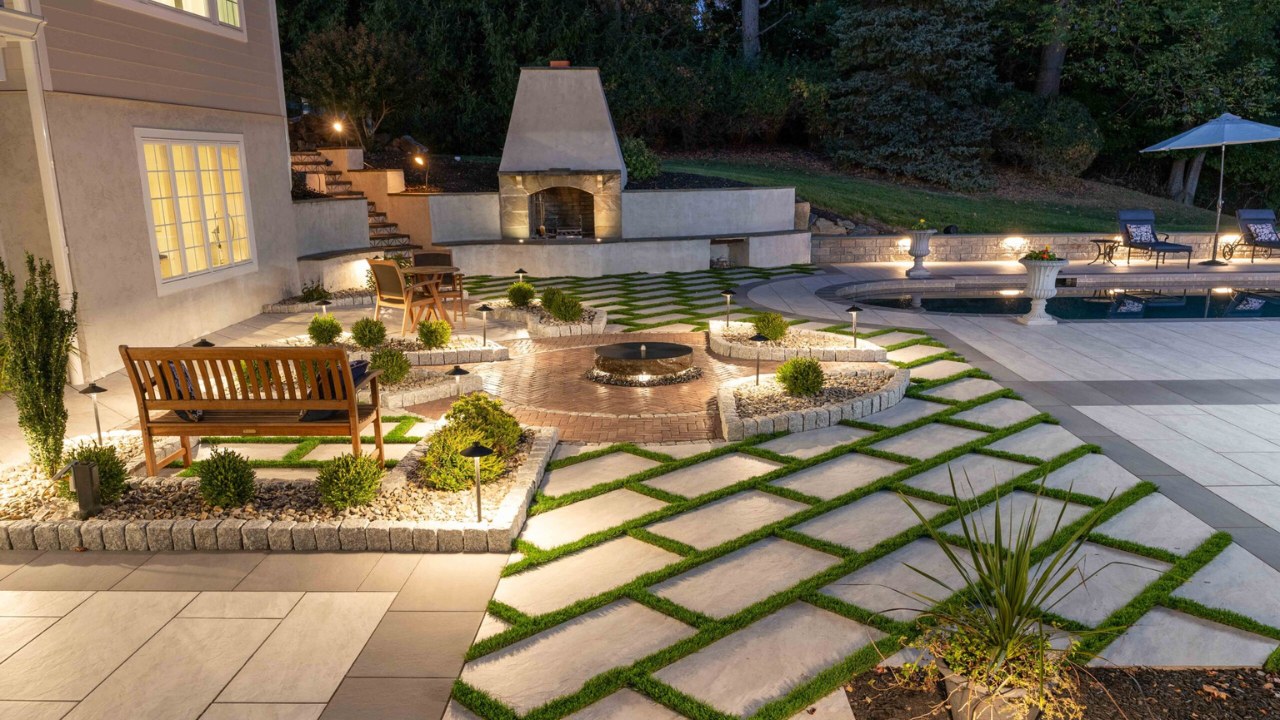
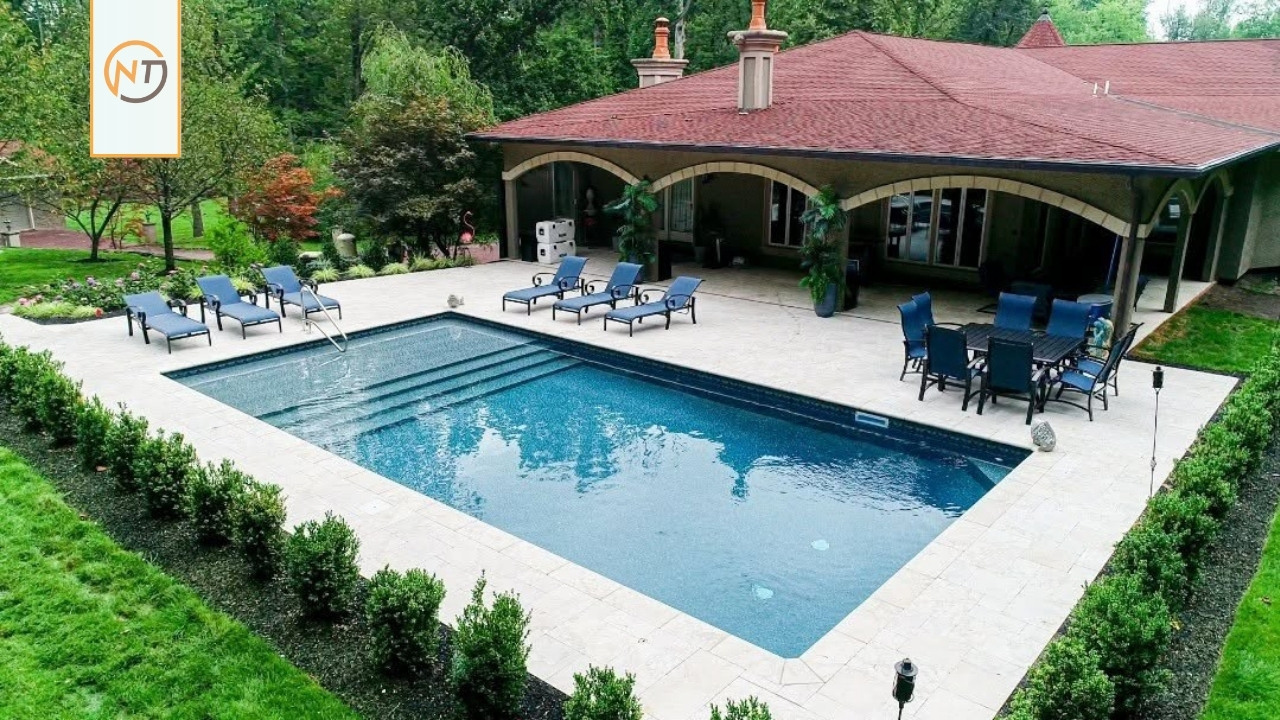
Materials, especially outdoor materials, should complement various factors, including climate and one’s lifestyle. This is crucial to understand because the right material will bring comfort and functionality to your living space. However, many homeowners often choose material based on appearance alone. A surface that looks good in a showroom or photos may crack under your climate conditions. Require regular maintenance or become slippery after a few seasons.
Unlike indoors, outdoor spaces have to face the worst conditions from consistent sun exposure, temperature changes, and heavy foot traffic. When materials do not match these pressures, failure follows. Continue reading the following on how to choose the right materials according to your climate and lifestyle.
What Are The Basics of Outdoor Material Selection?
When it comes to a durable surface for outdoor homeowners need to decide on two major factors. The climate and lifestyle. Ignoring these can result in problems.
Climate determines what materials can survive.
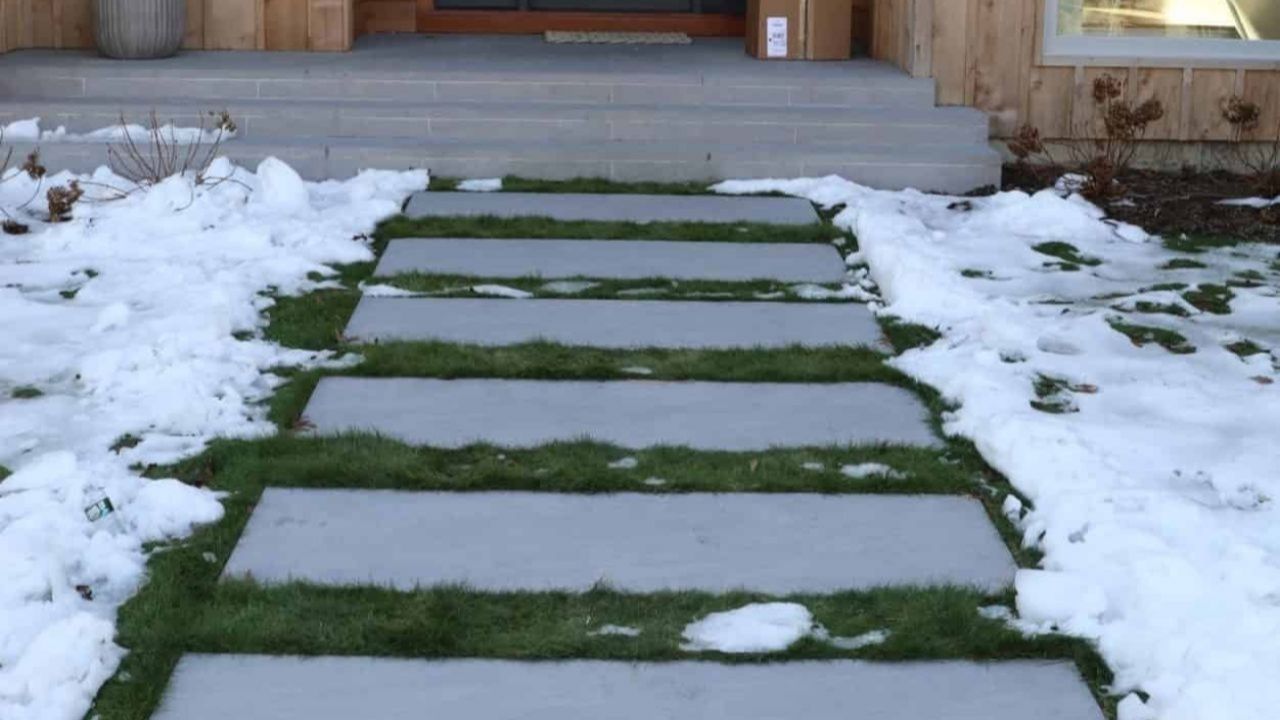
Outdoor materials have to go through a great degree of harshness, like intense heat, heavy rains, and freezing temperatures. Some materials may crack in cold while some may absorb water and grow mold. Some may even show signs of wearing under heat. This is why determining the climate is crucial.
Lifestyle determines what materials will stay functional.
Modern outdoor design focuses on functionality first. This is why choosing a material that just looks good but lacks practical usage has no point. You can choose natural stone pavers for outdoor, but your life doesn’t allow you to put effort into regular maintenance. Similarly, you may choose porcelain pavers, but they don’t match your budget.
So, understanding both factors matters a lot to prevent costly mistakes.
How To Choose Materials According to Your Climate?
Climate helps you understand the limits of the material. You can determine whether this material will work or not for your outdoor space. Here is how you can choose the material for your climate.
| Climate Type | How the Climate Affects Outdoor Materials | Required Material Properties | Materials That Often Fail |
| Freeze–Thaw Climates | Water enters material pores, freezes, expands, and causes cracking over time | Low water absorption, dense composition, and dimensional stability | Porous natural stone, untreated concrete, and thin outdoor tiles |
| Hot and Dry Climates | Heat causes expansion; UV exposure fades surfaces; dry air accelerates breakdown | UV resistance, color stability, surface temperature control | Dark-colored surfaces, soft woods, unstable composites |
| Humid and Wet Climates | Constant moisture promotes mold growth and slippery surfaces | Efficient drainage, mold resistance, and slip-resistant texture | Smooth or polished finishes, poorly drained materials |
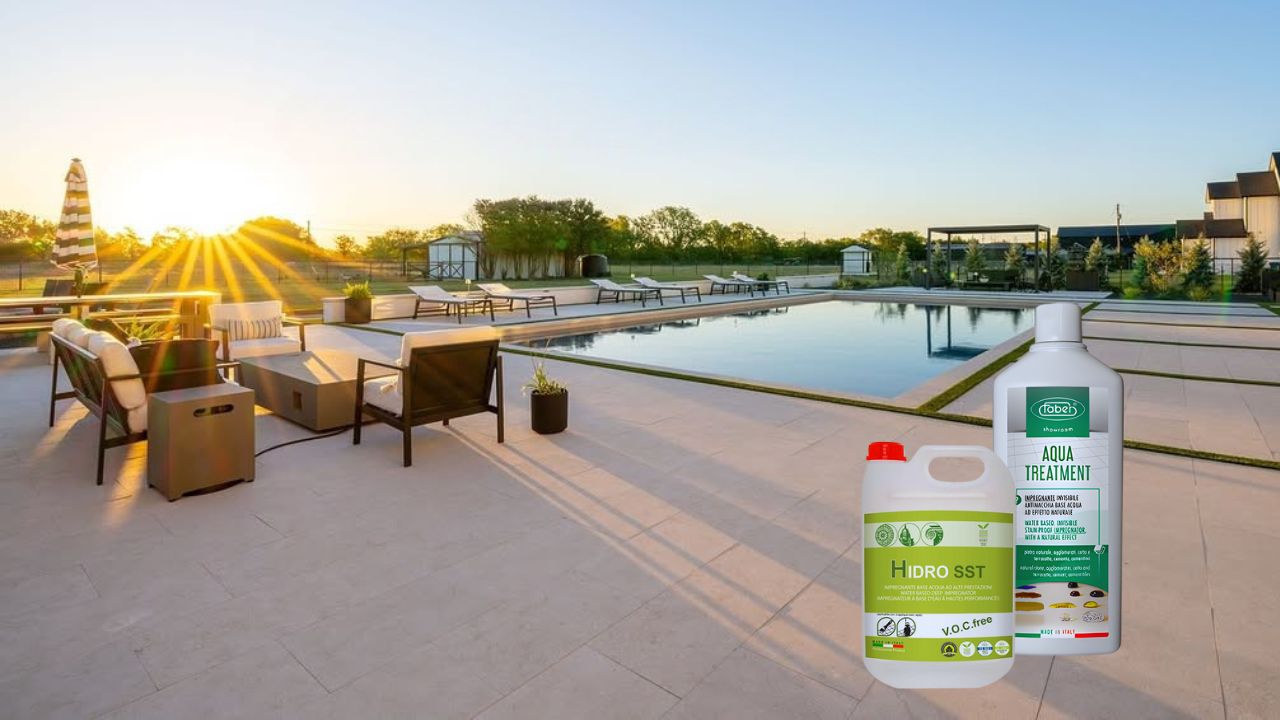
| Coastal and Salt-Exposed Areas | Salt penetrates materials and degrades finishes; wind drives moisture deeper | Salt resistance, non-reactive minerals, and durable sealants | Reactive stone types, unsealed concrete, weak surface coatings |
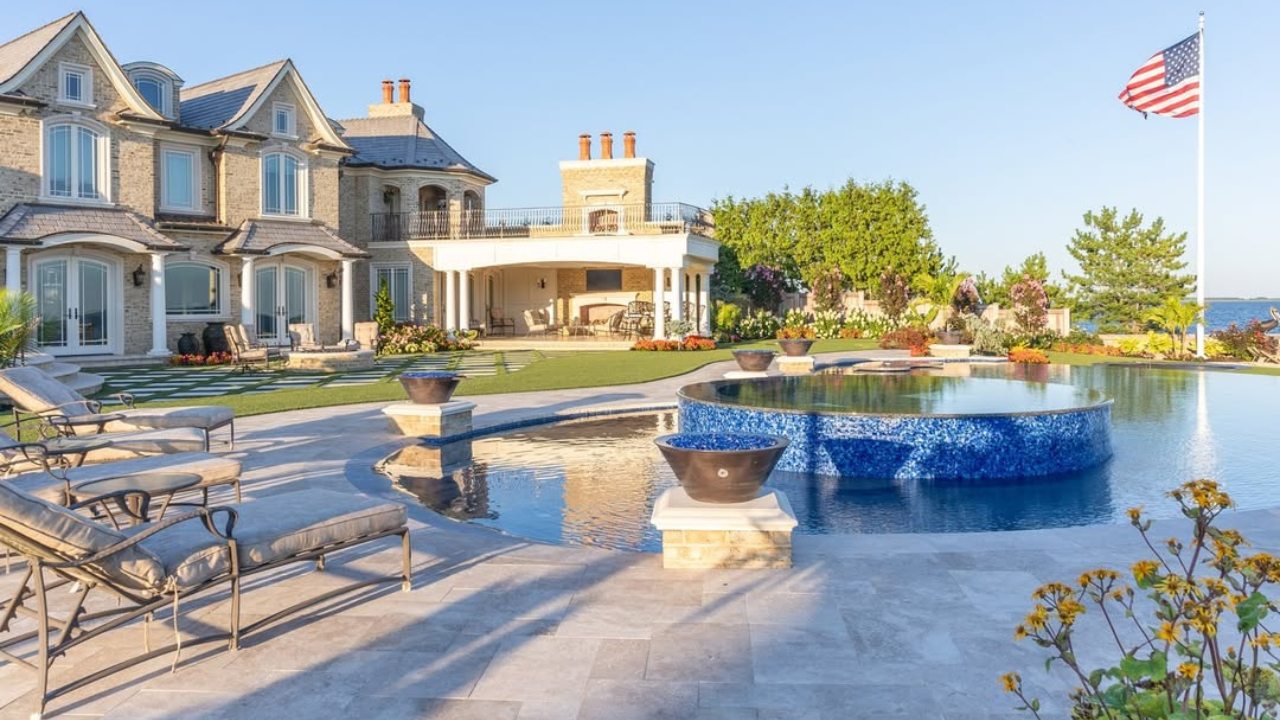
How To Choose The Materials According To Your Lifestyle?
Lifestyle determines which material will go long run. Here is how you can determine the material that matches your lifestyle.
| Lifestyle Factor | What It Means for Your Outdoor Space | Material Requirements | Common Mistakes |
| Foot Traffic Level | High traffic causes faster wear; low traffic allows more flexibility | High compressive strength, surface durability, consistent thickness | Choosing decorative materials that wear unevenly |
| Children and Pets | Scratches, spills, and wet surfaces are common | Stain resistance, textured finish for traction, easy cleaning | Smooth or polished surfaces that become slippery |
| Entertaining Frequency | Furniture movement and food spills increase surface stress | Stable surface, stain resistance, and resistance to furniture scuffs | Soft materials that dent or stain easily |
| Maintenance Tolerance | Some materials need regular sealing or care | Low-maintenance finishes if upkeep is limited | Overestimating willingness to maintain surfaces |
| Safety and Comfort | Barefoot use and wet conditions require stability | Slip resistance, moderate surface temperature | Selecting materials based only on appearance |
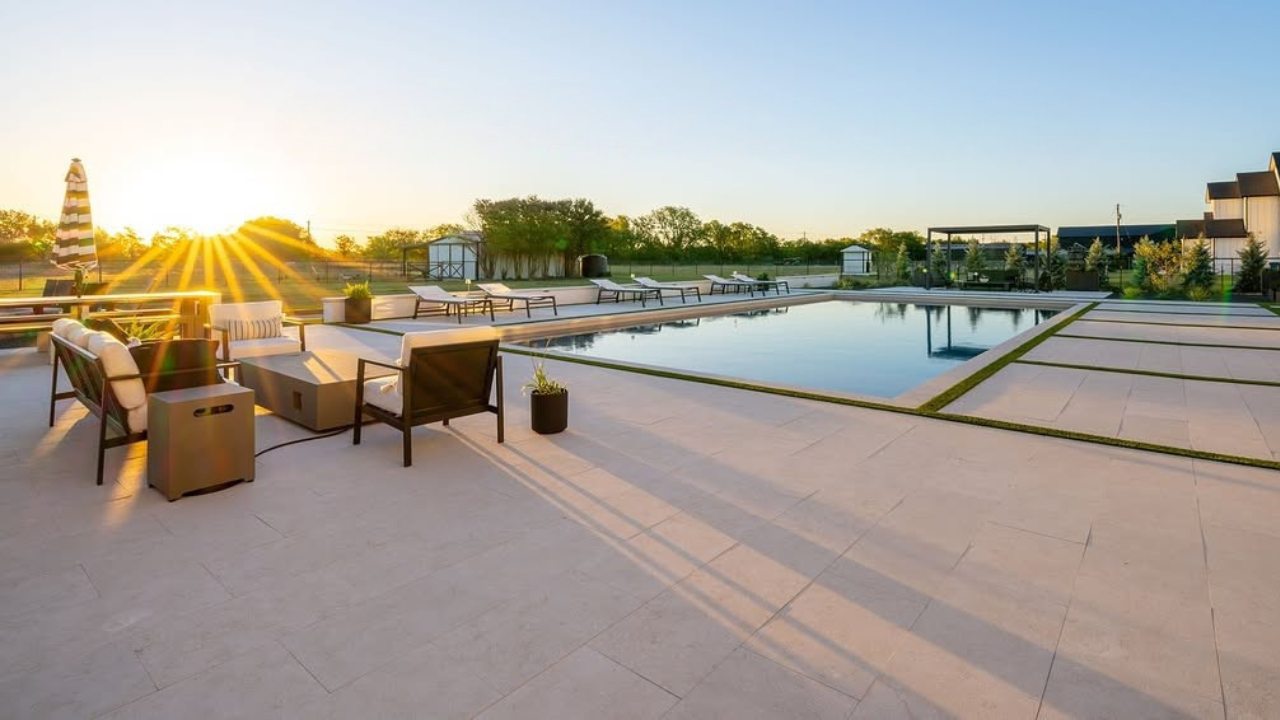
What Are The Common Outdoor Materials And Where Do They Work Best?
Here is the list of the most common outdoor materials that are preferred by homeowners. This table explains where and how you should use them.
| Outdoor Material | Key Performance Benefits | Best Climate Fit | Best Lifestyle Fit | Where It Works Best |
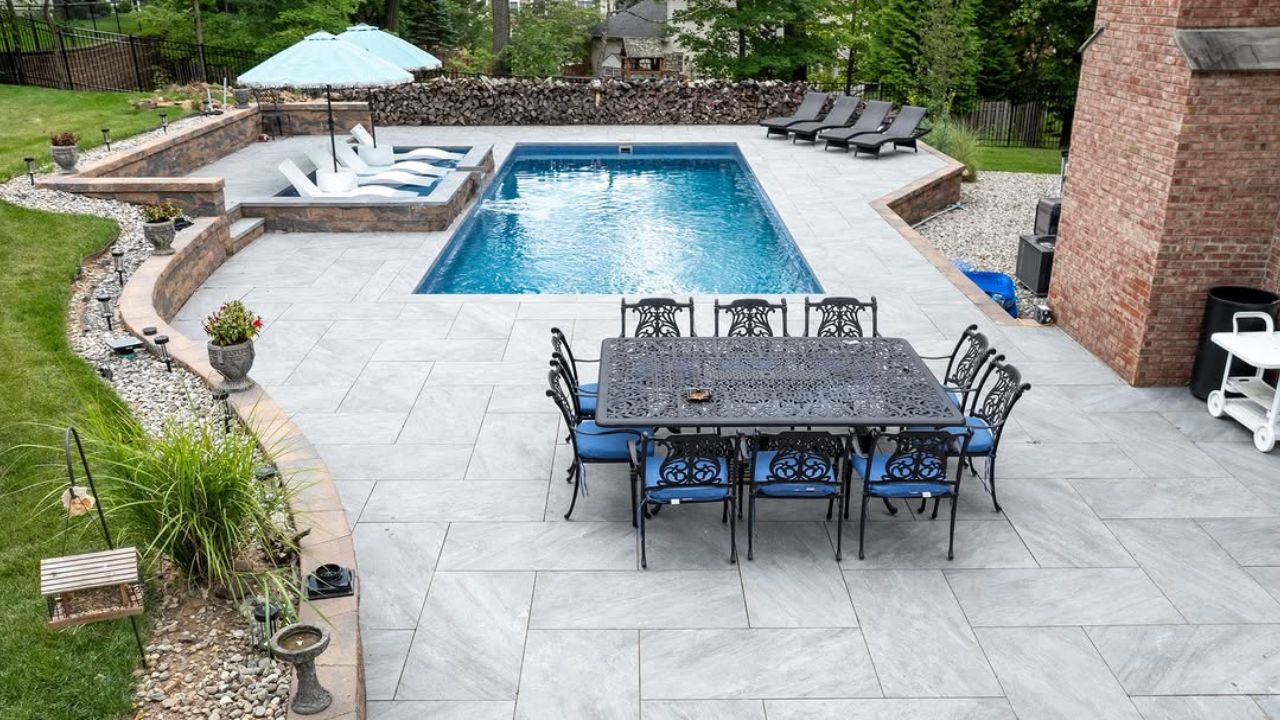
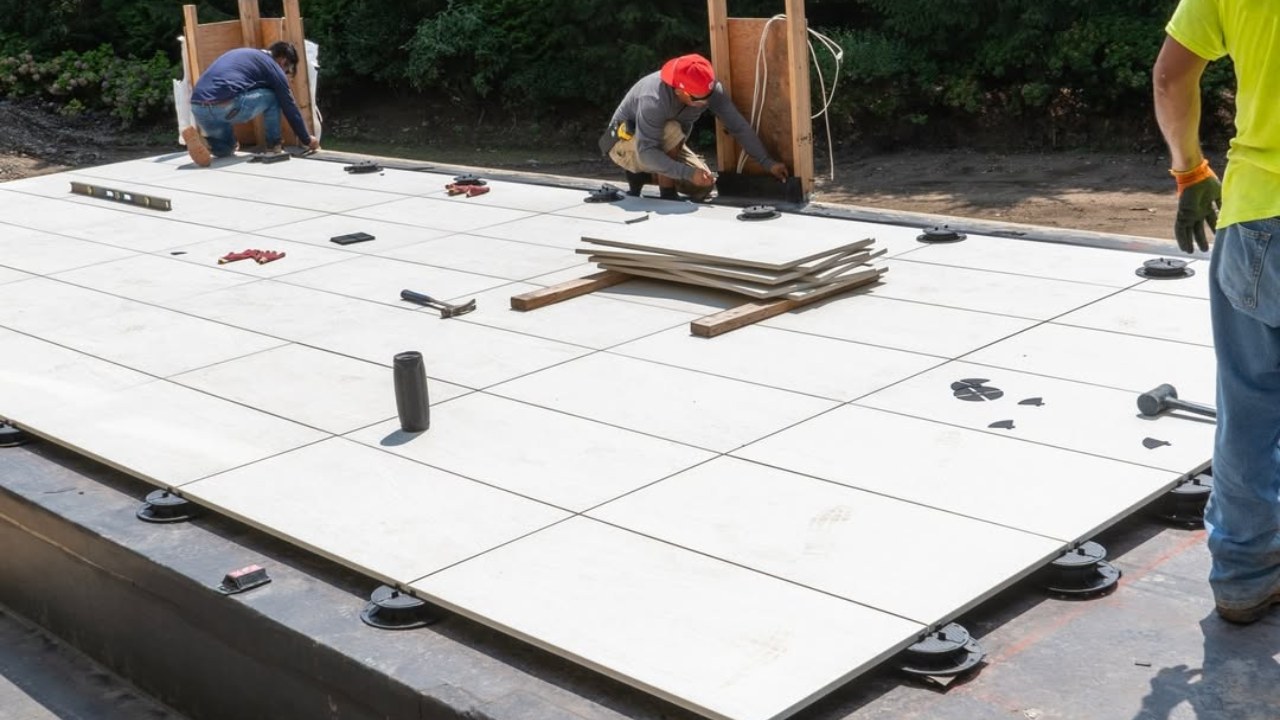
| Porcelain Pavers | Low water absorption, high strength, color stability, slip-resistant finishes | Cold, hot, humid, and coastal climates | Busy households, low-maintenance seekers, frequent entertainers | Patios, pool decks, rooftops, balconies, pedestal systems |
| Natural Stone | Natural appearance, long lifespan, and unique variation | Depends on the stone type and sealing | Homeowners who accept periodic maintenance | Garden paths, patios, walkways, transitional spaces |
| Concrete Pavers | Structural strength, affordability, and improved color retention | Moderate to cold climates | Practical homeowners seeking a balance of cost and durability | Courtyards, patios, walkways |
| Wood Decking | Warm appearance, natural feel | Dry, mild climates | Homeowners willing to maintain surfaces | Elevated decks, shaded areas |
| Composite Decking | Lower maintenance than wood, consistent appearance | Moderate climates | Low-maintenance preference | Elevated decks, rooftop platforms |
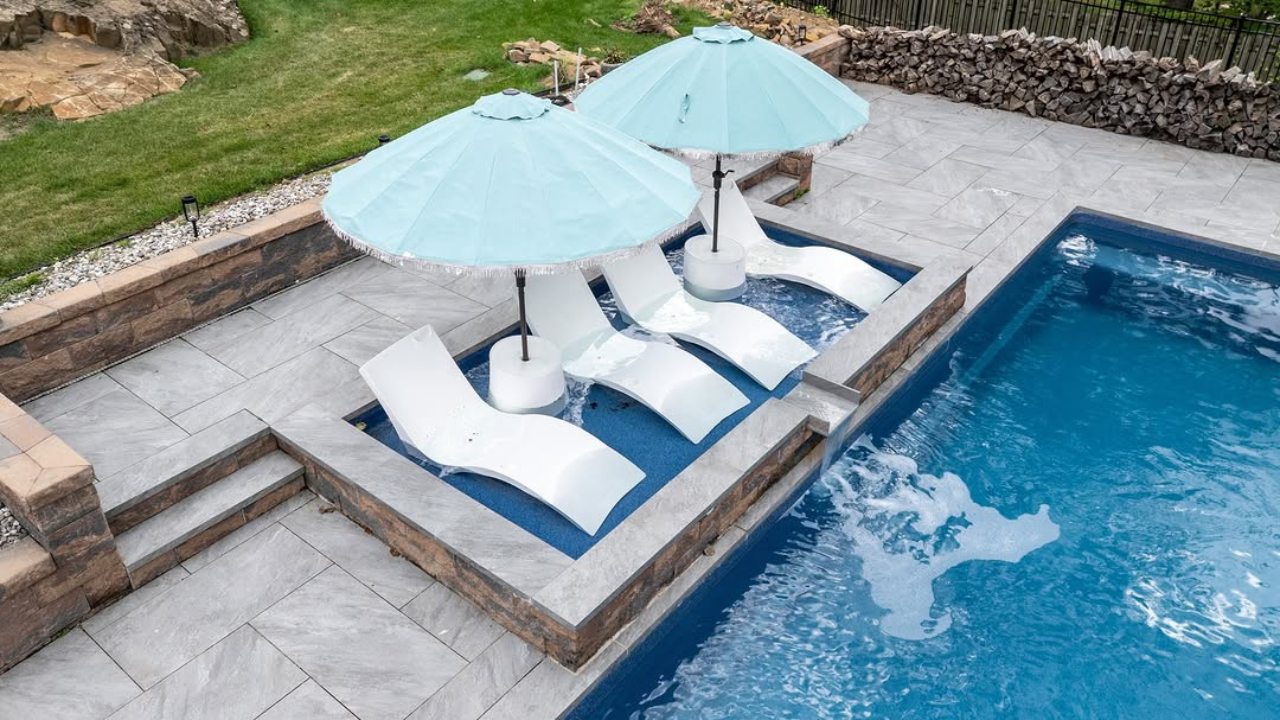
Performance Standards That Matter for Outdoor Materials
Limestone Performance Testing (ASTM Standards)
Limestone performance for outdoor use is commonly evaluated using ASTM testing standards. These tests help determine whether limestone pavers are suitable for patios, pool decks, and climate-exposed areas.
- Slip Resistance & Safety: Evaluates traction under wet conditions, critical for pool surroundings. View ANSI A326.3 Slip Resistance Test Report (PDF).
- ASTM C170 (Compressive Strength): Measures limestone’s ability to handle foot traffic and outdoor loads. View ASTM C170 Compressive Strength Test Report (PDF).
- ASTM C666 (Freeze–Thaw Durability): Indicates resistance to cracking in colder climates. View ASTM-C666 Freeze-Thaw Test Report (PDF)
- ASTM C97 (Water Absorption & Density): Shows how limestone reacts to moisture and long-term exposure. View ASTM C97 Absorption & Density Test Report (PDF).
Common Mistakes Homeowners Make
It is not very uncommon for homeowners to choose materials for their outdoors that just fulfill aesthetic requirements but don’t offer long-term practicality. Many failures follow predictable patterns.
- Mistakingly selecting indoor materials for outdoors, like delicate or softer tiles.
- Selecting materials that don’t support proper drainage
- Not considering the maintenance requirements or underestimating them entirely.
- Just following trends while selecting instead of performance
- Not consulting with the professional.
Avoiding these mistakes saves money and frustration.
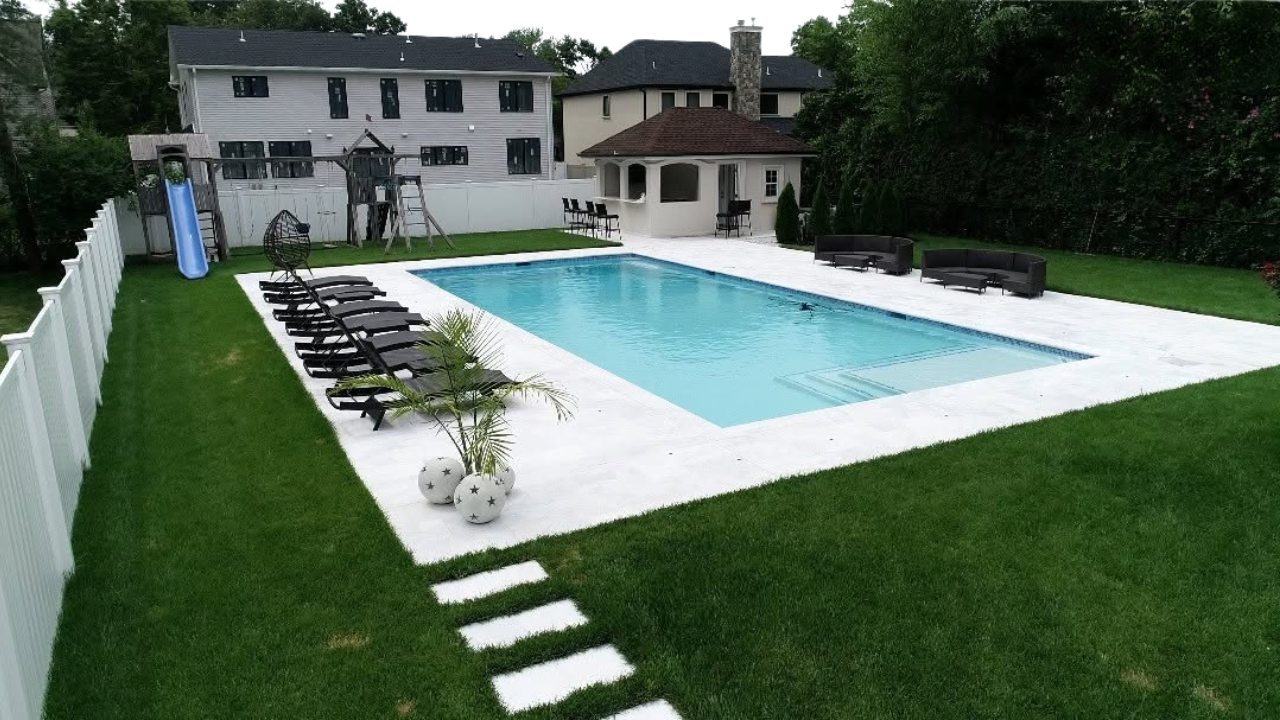
Outdoor Material FAQs
Let’s answer your question about outdoor material selection.
What outdoor material lasts the longest?
Porcelain pavers are the most durable material that lasts longer due to it’s non-porous and resistant surface against moisture and stains.
What outdoor material needs the least maintenance?
Porcelain and sealed concrete require minimal upkeep.
Is natural stone good for outdoor use?
Yes. They age gracefully and last longer when installed and sealed properly, and chosen according to the climate.
Does climate affect outdoor tile choice?
Yes. Changes in temperature and moisture levels impact performance.
What is the safest outdoor flooring?
Textured porcelain and properly finished stone provide reliable traction.
Bottom Line
Outdoor materials work great when they are selected. Outdoor materials succeed when they match both climate and lifestyle. Appearance matters, but performance matters more. Homeowners who understand conditions and daily use make better decisions. Their spaces last longer. Their maintenance stays manageable. With thoughtful planning and informed choices, outdoor surfaces become assets rather than problems. Calm decisions create lasting results.